Poas Volcano National Park is one of Costa Rica's best-known natural attractions. It lies in the central part of the country, in Alajuela Province, among mountain forests and green slopes of the Central Volcanic Range. The park's main attraction is the active Poas Volcano, with its enormous crater, acidic lake, and unusual landscapes shaped by volcanic activity.
Poas Volcano and its crater
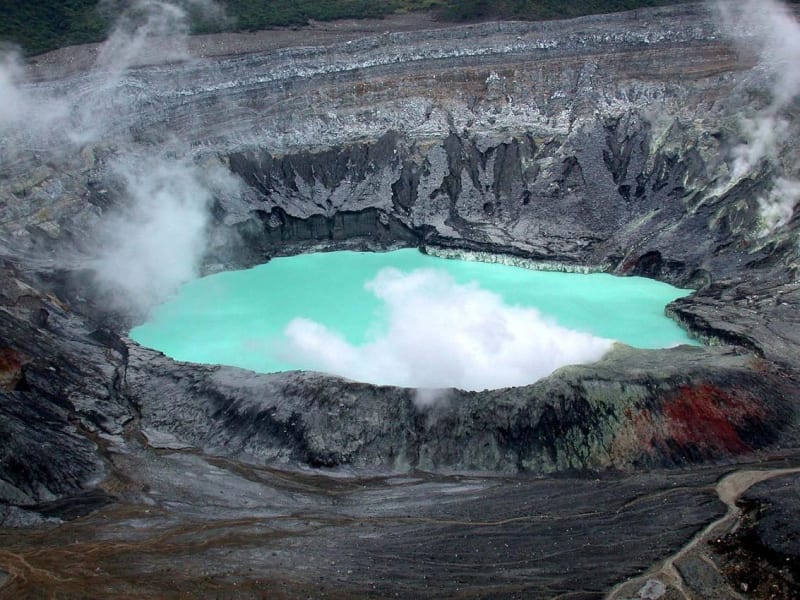
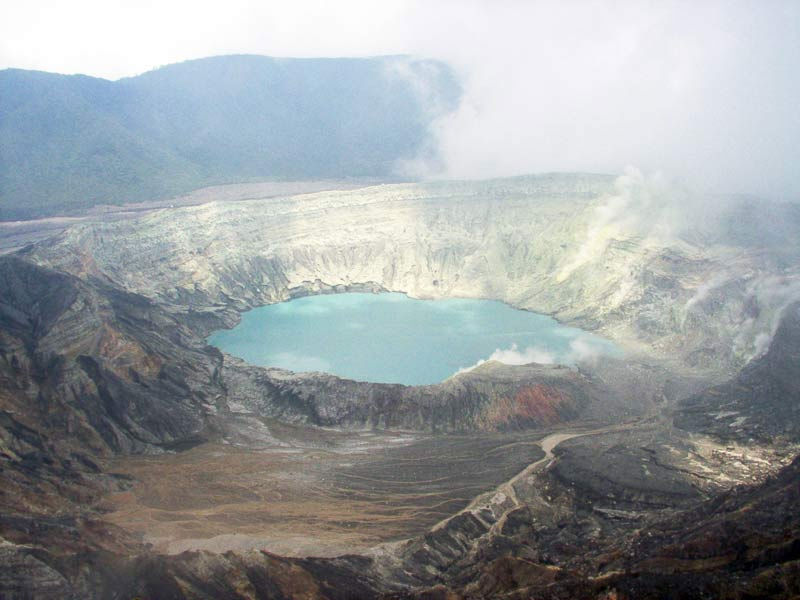
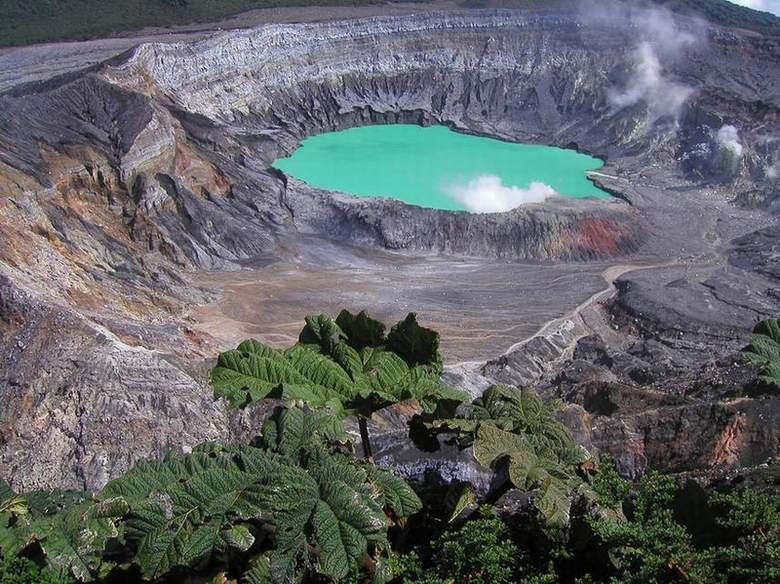
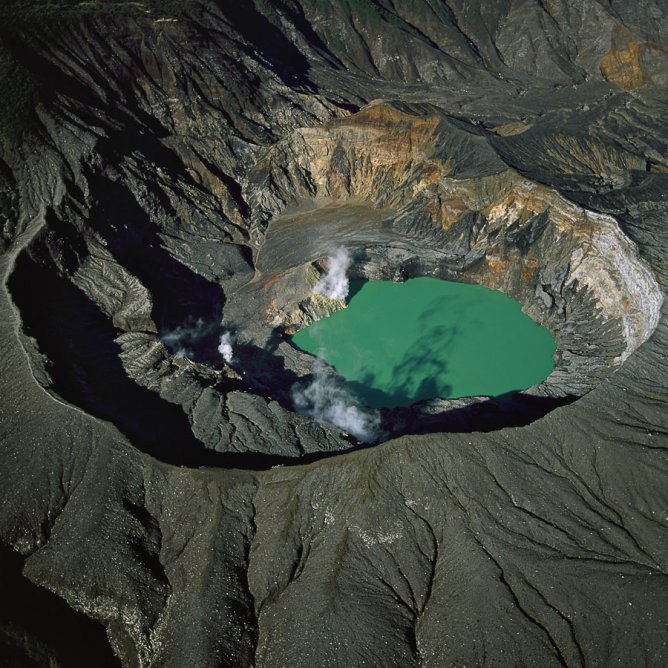
Poas Volcano rises to approximately 2,700 meters above sea level. Its main feature is one of the world's largest active volcanic craters. At the bottom lies an acidic lake whose color can range from turquoise to grayish green, depending on volcanic activity and weather conditions.
Gas and steam periodically rise from the crater. Volcanic activity continually changes the surrounding landscape, so access to viewpoints is controlled by park authorities. In favorable weather, visitors can view the crater from a designated observation platform, although clouds and fog sometimes hide it completely.
The crater lake and volcanic landscapes
One of Poas's most unusual features is the acidic lake inside the main crater. Its water contains high concentrations of dissolved minerals and is strongly acidic. It is not a place for swimming, but a natural feature that clearly demonstrates the power of volcanic processes.
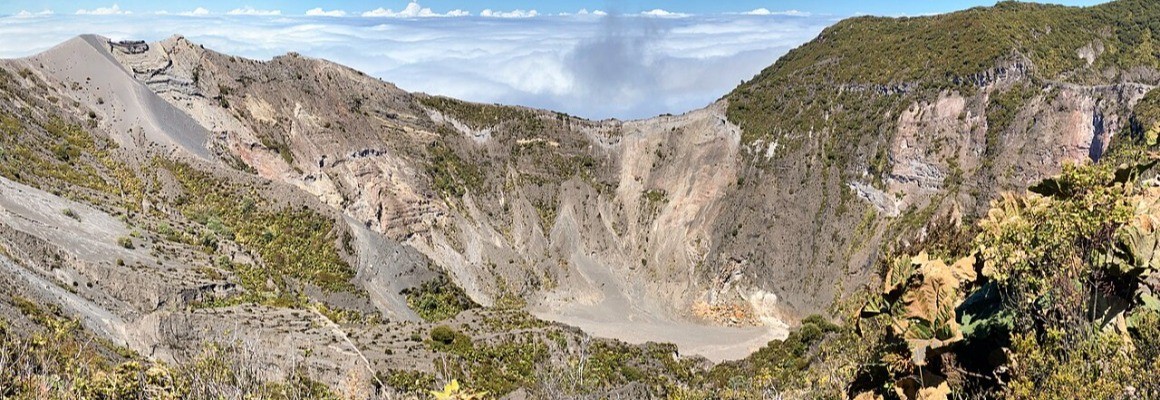
Around the crater, visitors can see exposed rocks, deposits of volcanic material, and patches of vegetation adapted to difficult conditions. Depending on the volcano's activity, the lake may shrink, change color, or temporarily disappear. These changes make Poas an important place for observing geological processes.
The second crater and Lake Botos
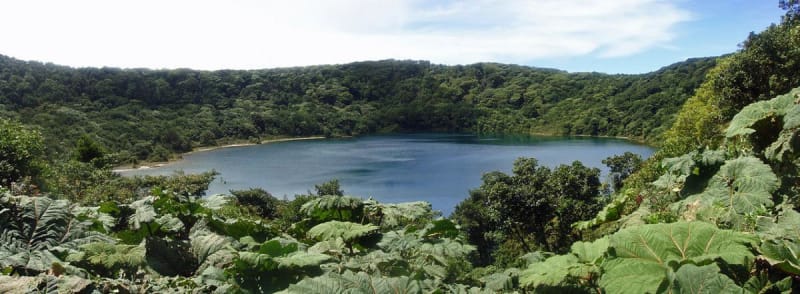
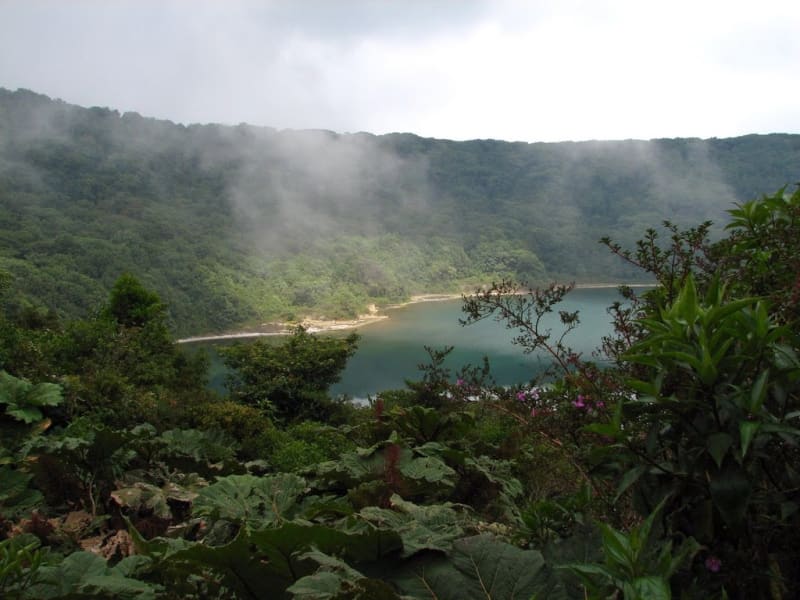
In addition to the main crater, the park contains Botos Crater, which holds a scenic lake of cold water. Unlike the acidic lake in the main crater, Botos is surrounded by green vegetation and appears much more tranquil. Its shores are covered with mountain forest, and the water often takes on a rich greenish-blue hue.
Lake Botos is connected to the region's ancient volcanic history. It is surrounded by moist forests, mosses, and ferns characteristic of Costa Rica's high-altitude ecosystems. A walk to the viewpoints reveals how varied the landscapes can be within a single volcanic park.
Cloud forests and plant life
Mountain and cloud forests cover much of the park. Because humidity is high, trees are often covered with mosses, lichens, and epiphytes. Ferns, shrubs, and plants adapted to cool weather and frequent fog grow here. Closer to the volcanic crater, dense vegetation gradually gives way to lower and more scattered plant communities.
The park is especially atmospheric in the morning, when clouds drift slowly between the trees and moist air wraps around the slopes. However, cloud cover can also obstruct views of the crater, so arriving early does not guarantee clear visibility. Mountain weather changes quickly, and conditions at the summit can differ from those in nearby towns.
Wildlife in the national park
Poas's forests are home to various birds, small mammals, amphibians, and insects. The region forms part of Costa Rica's rich natural environment, known for its high biodiversity. Birds include tropical and mountain species, and hummingbirds and other small birds may be spotted among the dense vegetation.
Wildlife does not always appear for visitors, so observing animals requires patience and quiet. To avoid disturbing the natural balance, do not feed wild animals, leave litter, or stray from marked trails. Forest conservation is important not only for local wildlife but also for protecting the region's water resources.
Walking trails and viewpoints
Designated paths and viewpoints allow visitors to observe the main crater and Lake Botos. The routes offer an introduction to volcanic landscapes and high-altitude vegetation without requiring strenuous climbs. Available trails and visitor conditions may change depending on volcanic activity.
Before travelling, check the latest access rules, opening hours, and park requirements. During periods of increased activity, certain areas may be closed for safety reasons. Follow staff instructions, keep away from barriers, and never leave permitted routes on your own.
When to visit Poas Volcano
Costa Rica has a distinct dry season, generally lasting from around December to April, and a wetter season that mainly runs from May to November. Clear weather may be more likely during the dry months, although clouds often obscure the crater even then. Morning visits are frequently more suitable than visits later in the day.
Temperatures at this elevation are lower than in the country's lowlands, and wind or rain can quickly change conditions. Bring a light warm jacket, waterproof clothing, and shoes with good grip. Before visiting, check official updates on the volcano's condition and park access, since safety depends on current activity.
How to get to Poas Volcano National Park
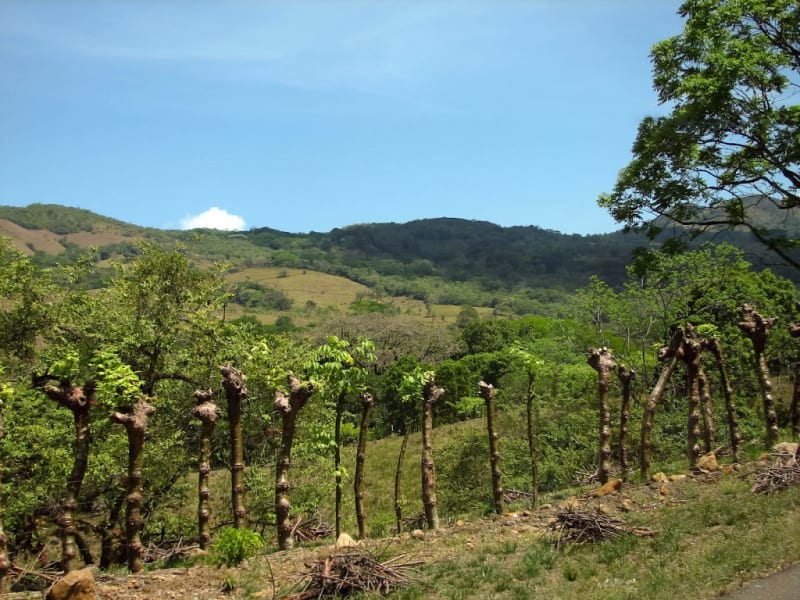
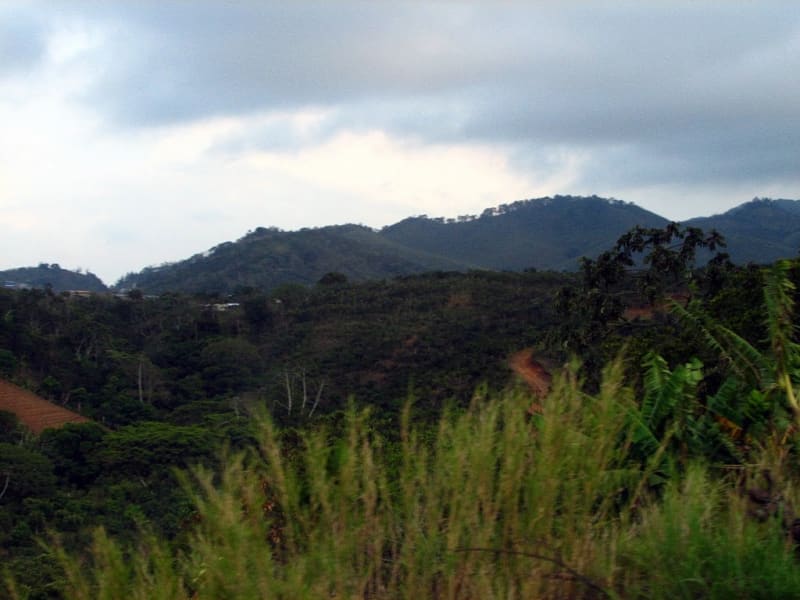
The park is about a 90-minute drive from San Jose, although journey times depend on traffic and weather. The most convenient options are a rental car, an organized tour, or transport from the Alajuela area. The road passes through rural landscapes, coffee plantations, and mountain settlements.
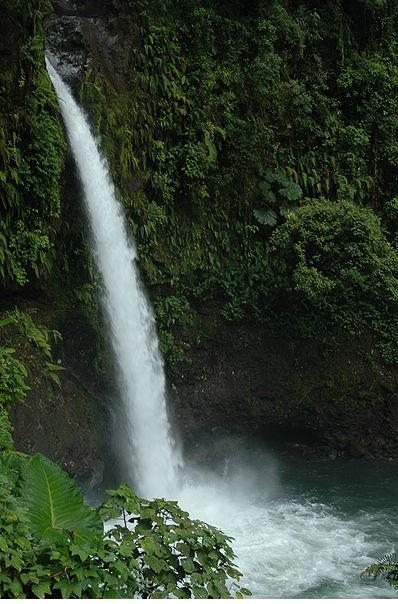
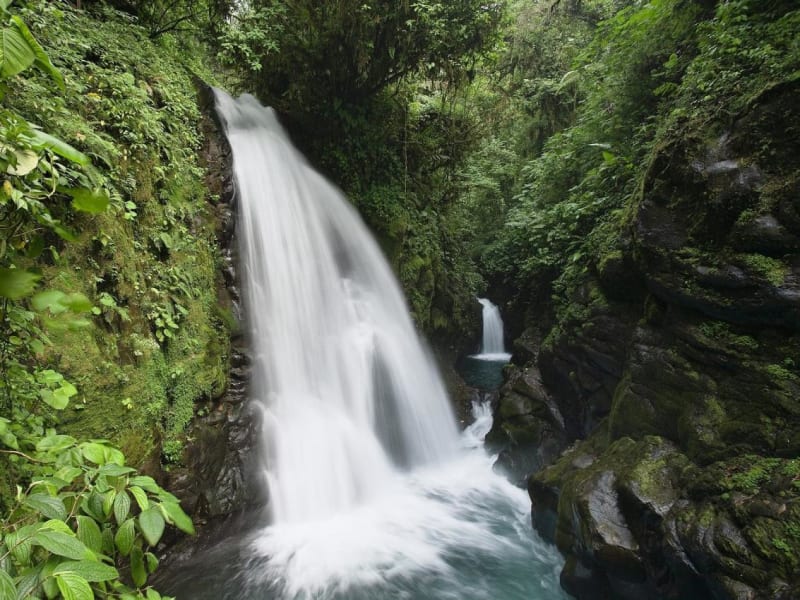
A visit to the volcano is often combined with trips to waterfalls, coffee farms, and other attractions in Alajuela Province. It is advisable to reserve tickets and entry times in advance if current regulations require it. Poas Volcano National Park offers an opportunity to witness impressive volcanic features and explore Costa Rica's cloud forests on a day trip from the central part of the country.
Gallery