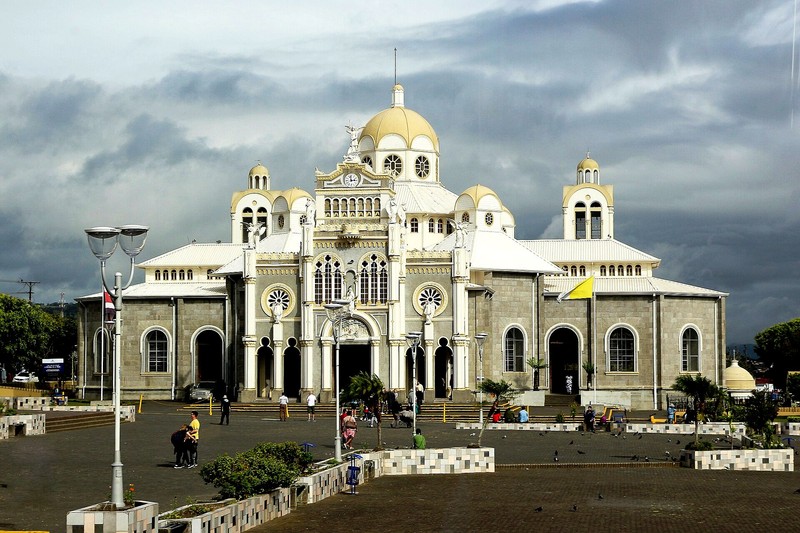
The Basilica of Our Lady of the Angels is Costa Rica's most important Catholic shrine, located in the city of Cartago, about 25 kilometres east of San José. The church is dedicated to the Virgin of the Angels, the country's patroness, affectionately known by locals as La Negrita. The basilica is known for its distinctive architecture, revered stone statue of the Virgin Mary and annual pilgrimage that attracts worshippers from across Costa Rica.
History of the Shrine
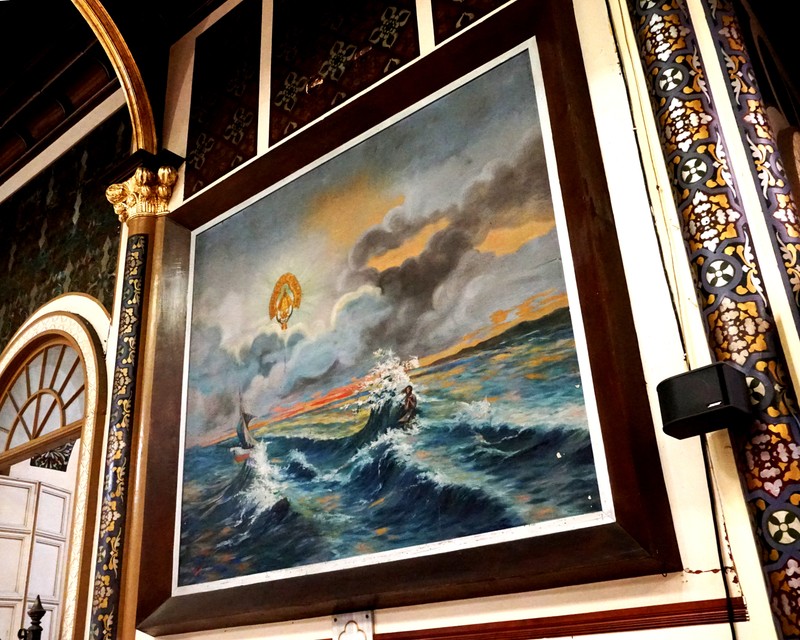
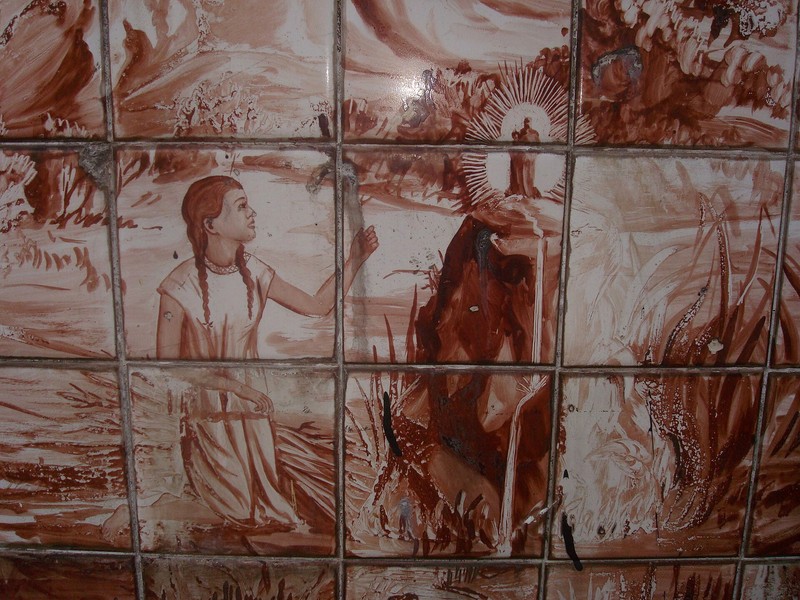
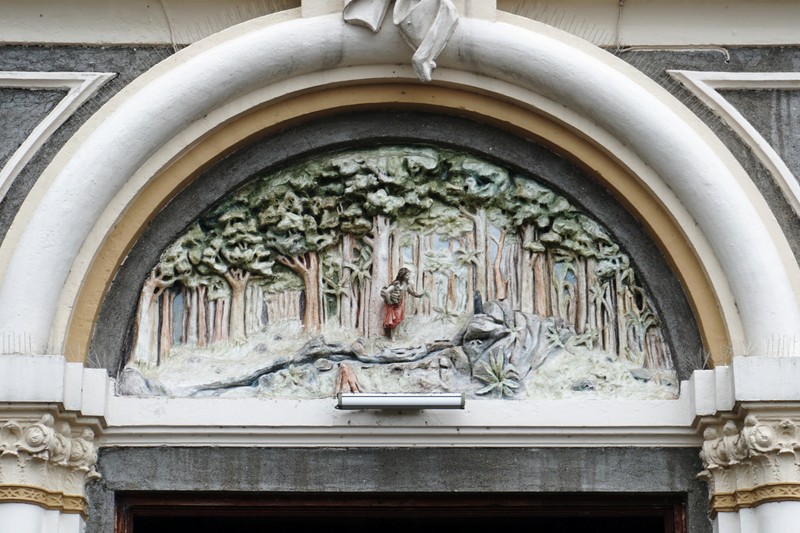
The basilica's history is linked to an event that, according to Catholic tradition, took place on 2 August 1635. According to the story, a young woman named Juana Pereira discovered a small stone figure of the Virgin Mary holding the infant Jesus on a rock in the Puebla de los Pardos area near Cartago. The figure was said to have repeatedly returned to the place where it was found, even after being moved elsewhere. Believers interpreted this as a sign that a shrine should stand on that site.
The first chapel was built there in 1639. Over time, the church was expanded and rebuilt several times as devotion to Our Lady of the Angels spread beyond Cartago. In 1824, the Virgin of the Angels was officially declared the patroness of Costa Rica. The existing church was almost completely destroyed by a powerful earthquake in 1910, prompting the construction of a new building. Work began in 1912, and the present church took shape over the following decades. In 1935, it was granted the title of a minor basilica.
Architecture of the Basilica
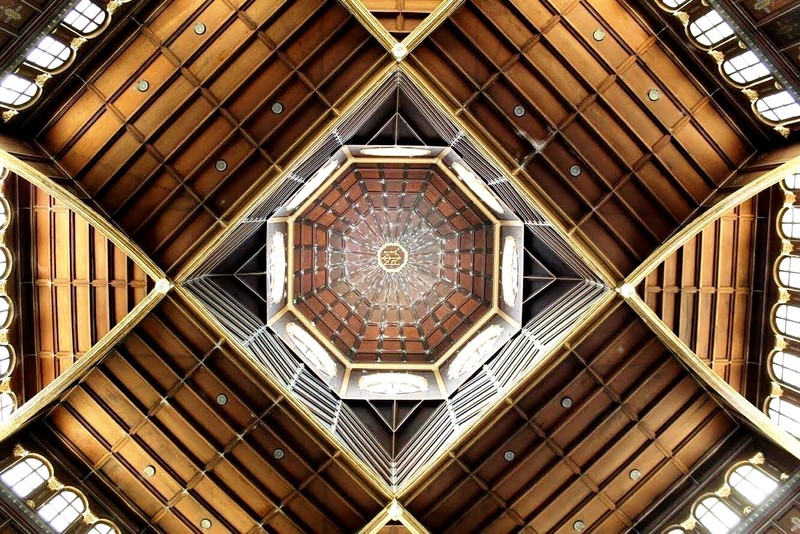
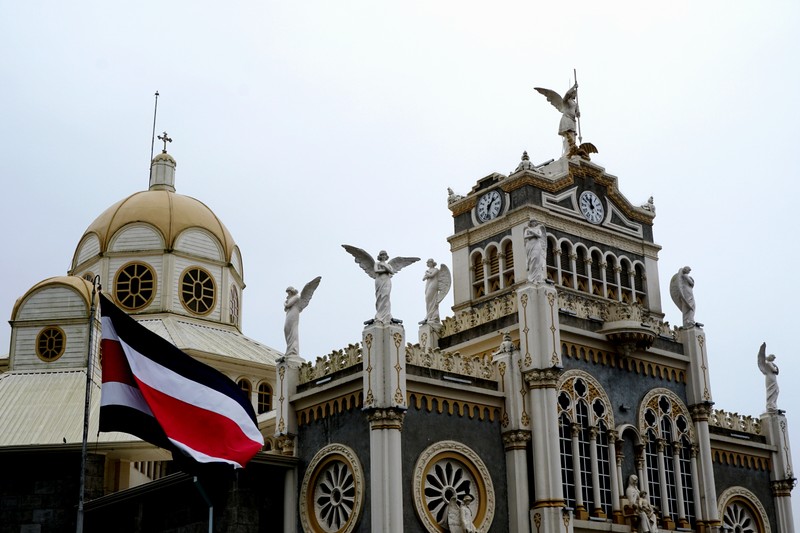
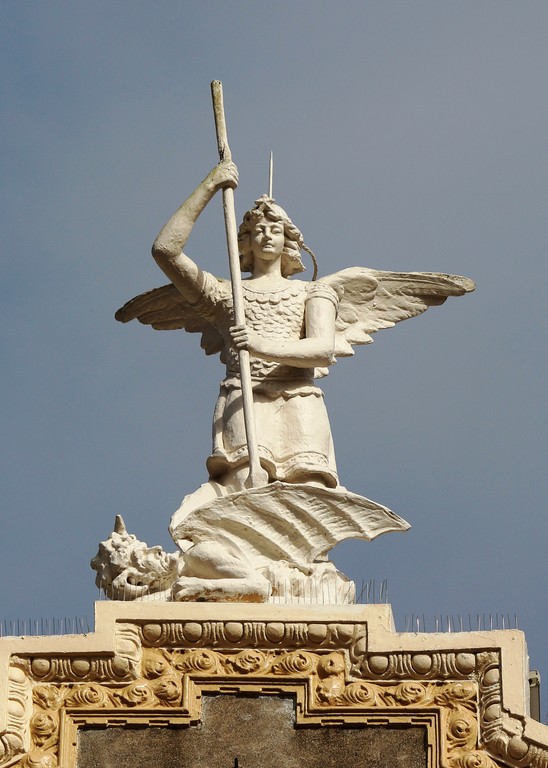
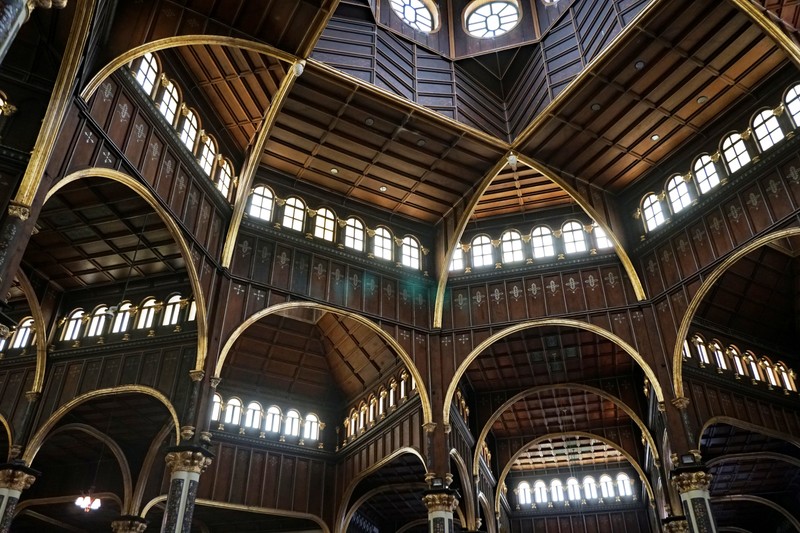
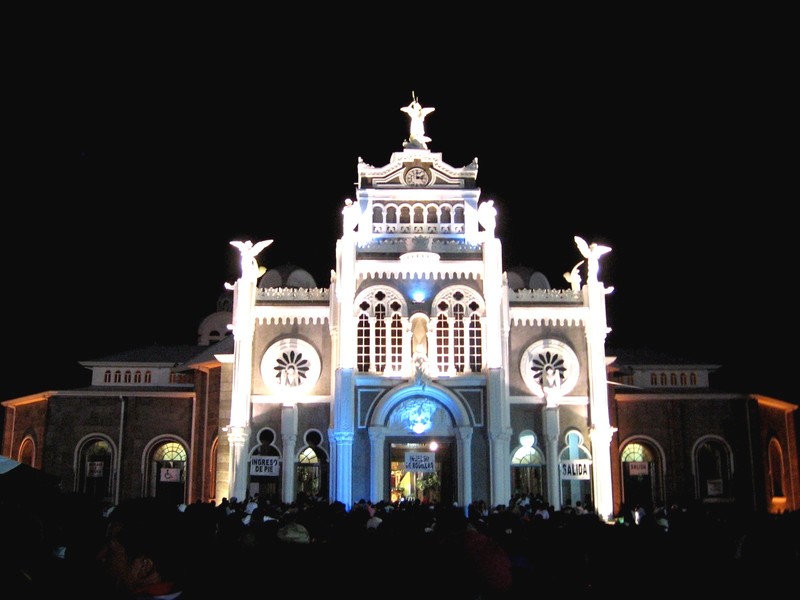
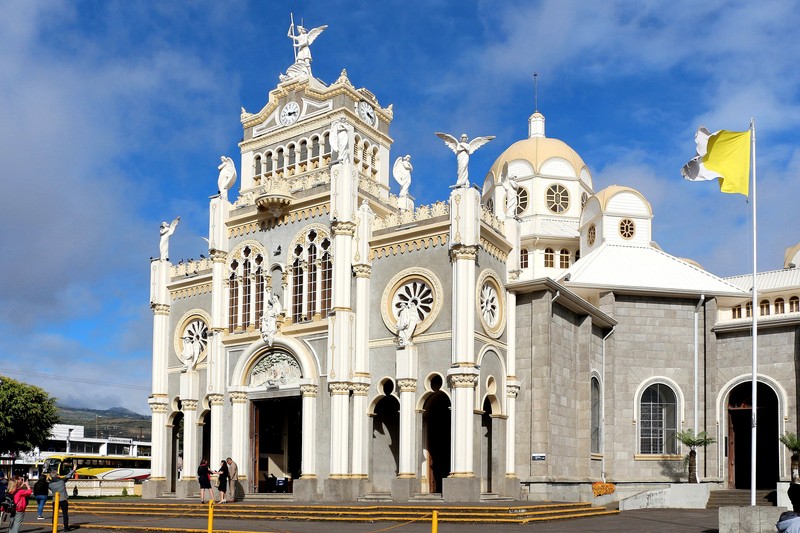
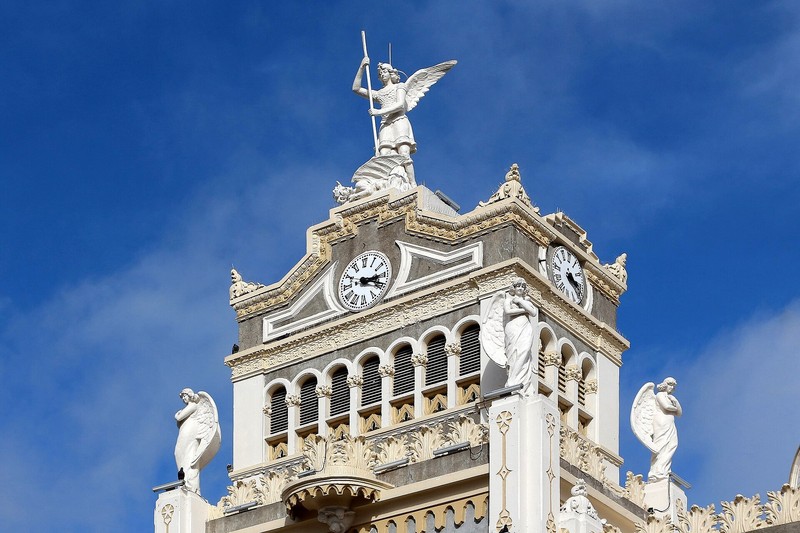
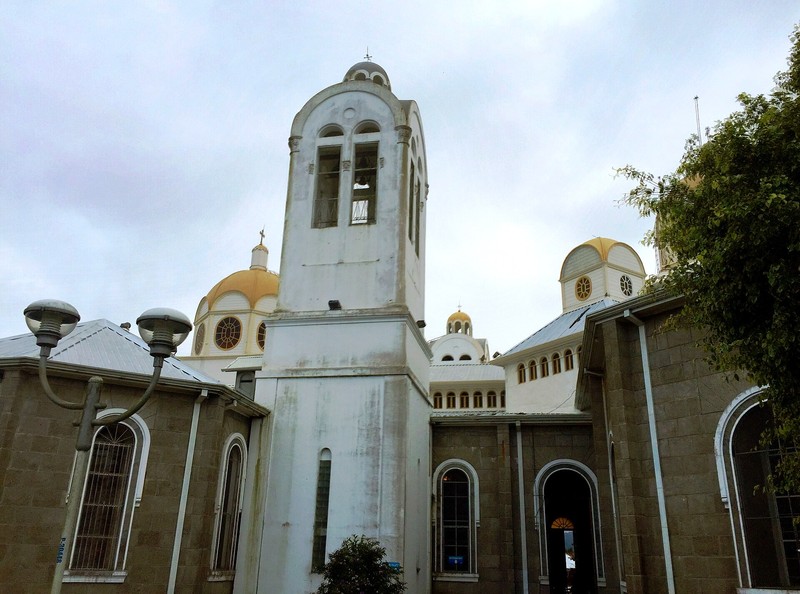
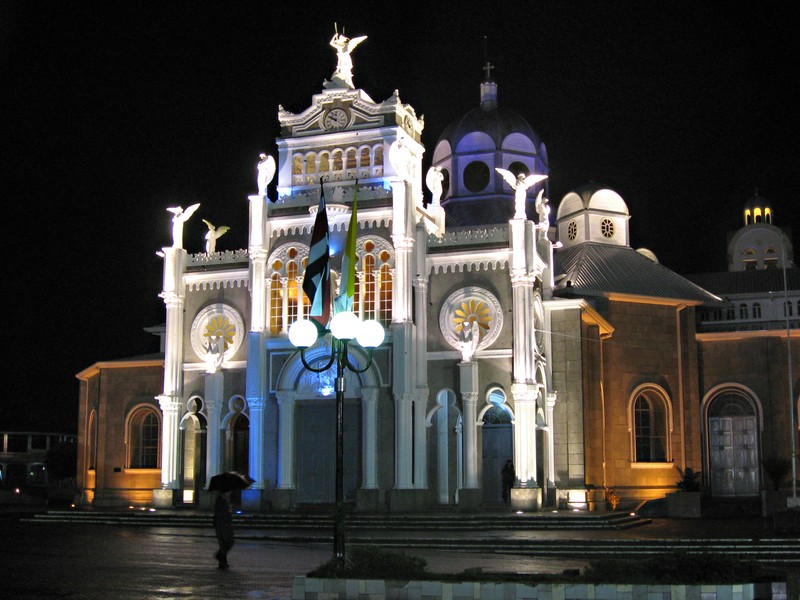
The basilica combines several architectural traditions, with Byzantine, Gothic, Romanesque and Moorish influences. Its design features domes, towers, arched openings and decorative details. When the church was rebuilt after the earthquake, particular attention was paid to structural strength, using materials and engineering techniques considered modern at the time.
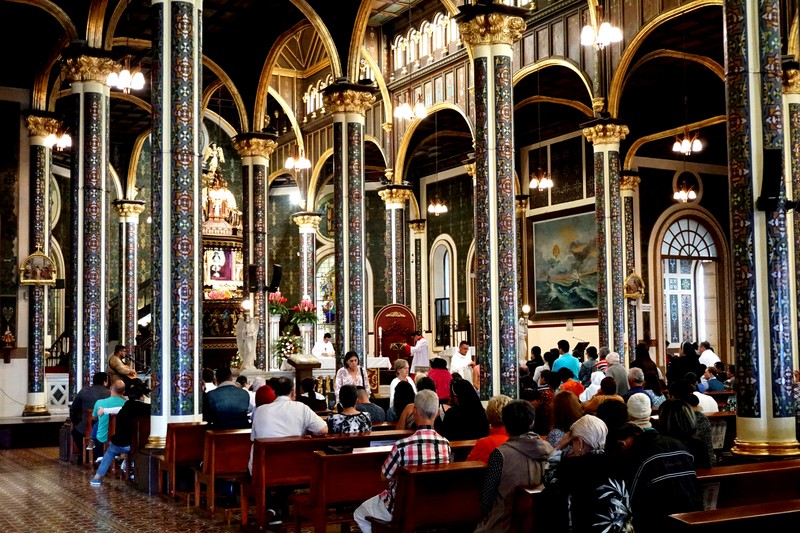
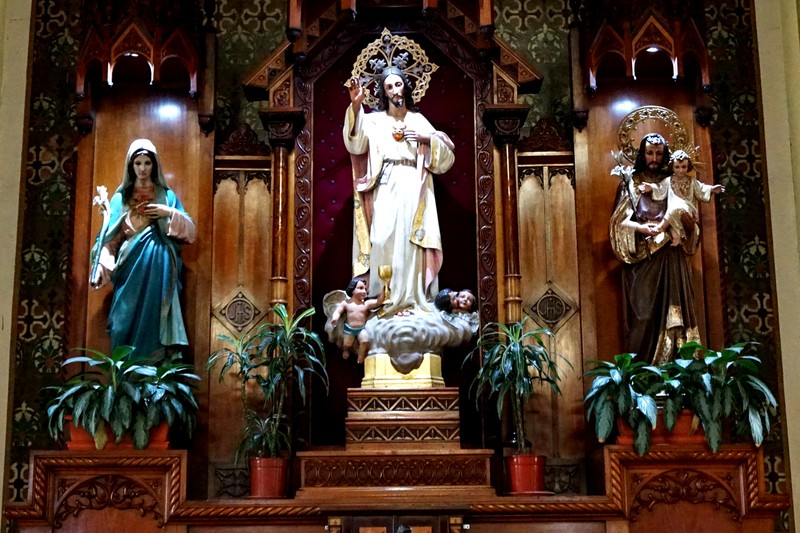
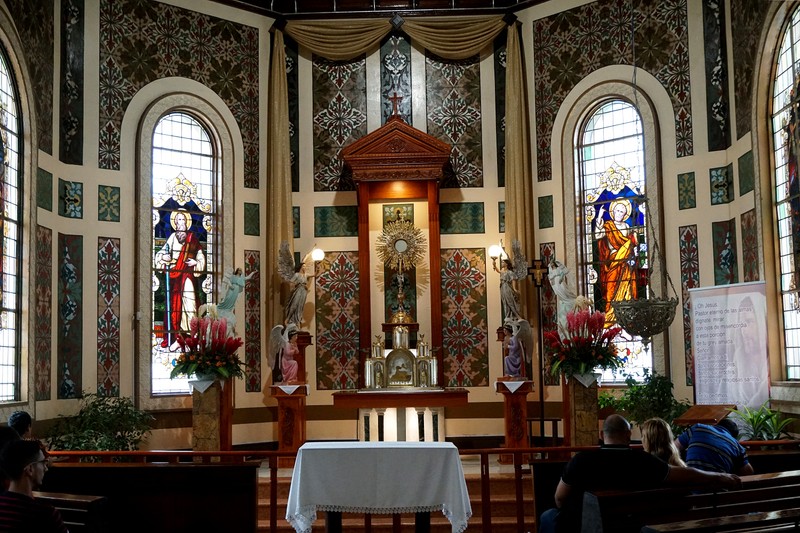
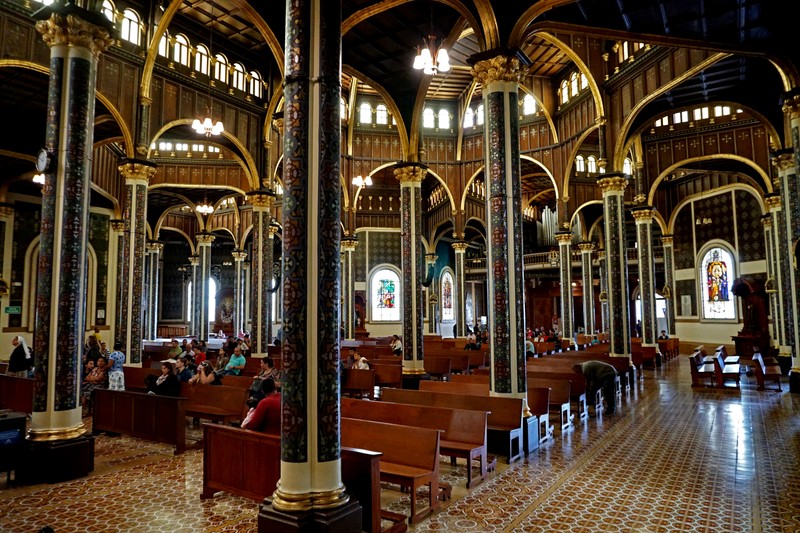
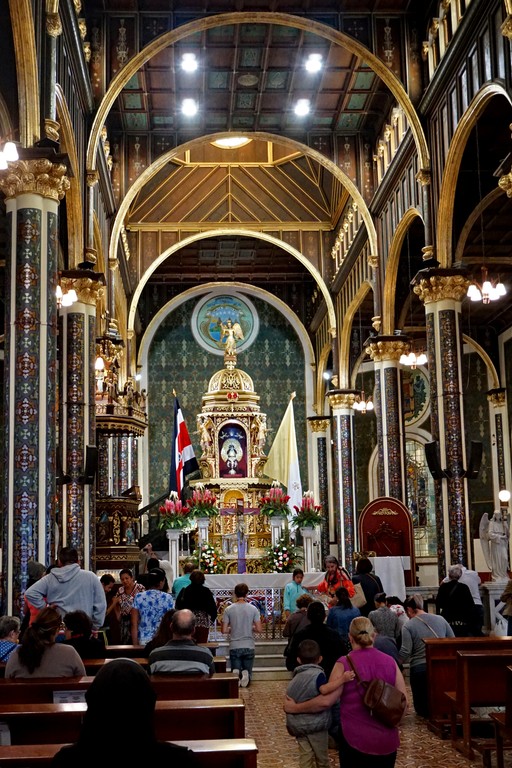
The interior has a solemn atmosphere, high vaults and elaborate artistic decoration. Notable features include Italian floor finishes and 32 German-made stained-glass windows depicting the Virgin Mary, the Sacred Heart of Jesus and the Stations of the Cross. Its architecture makes the basilica both an important pilgrimage destination and a significant monument of Costa Rica's historic heritage.
The Statue of Our Lady of the Angels
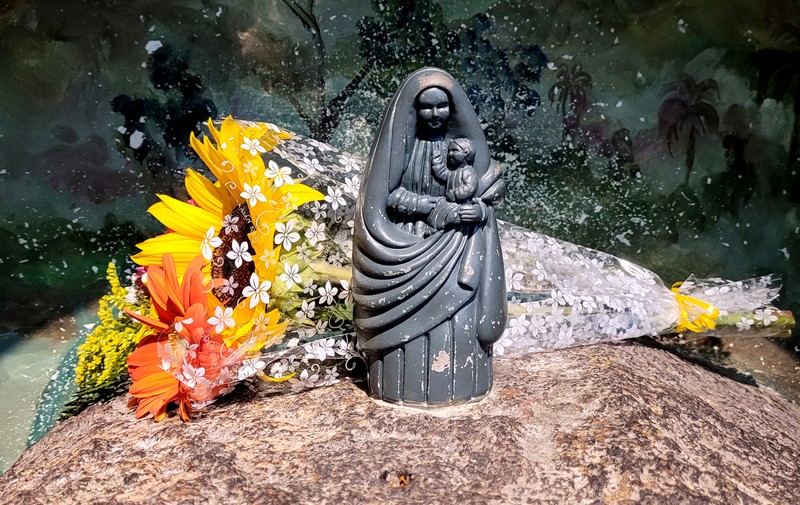
The basilica's principal sacred object is a small stone figure of the Virgin Mary with the infant Jesus, known to believers as La Negrita. Its dark colour is one reason for this popular name. For Costa Rican Catholics, the statue represents protection, hope and a spiritual connection with the country's patroness.
Many local traditions tell of miracles and prayers being answered in connection with the figure. Worshippers visit the basilica to pray, give thanks for help received or ask for the health and well-being of their loved ones. The story of the statue's discovery has become an important part of Costa Rica's religious and cultural identity.
The Spring and Crypt
Behind the basilica is a spring known locally as La Pilita. According to religious tradition, its water is considered blessed. Pilgrims visit it during their time at the shrine, and some collect water for personal use.
Nearby is a crypt where visitors can learn about the discovery of the statue and see offerings left by worshippers. These objects reflect personal stories of gratitude, hope and prayer. The spring and crypt add another dimension to a visit, helping visitors understand the traditions associated with the basilica.
Romería: Costa Rica's Major Pilgrimage
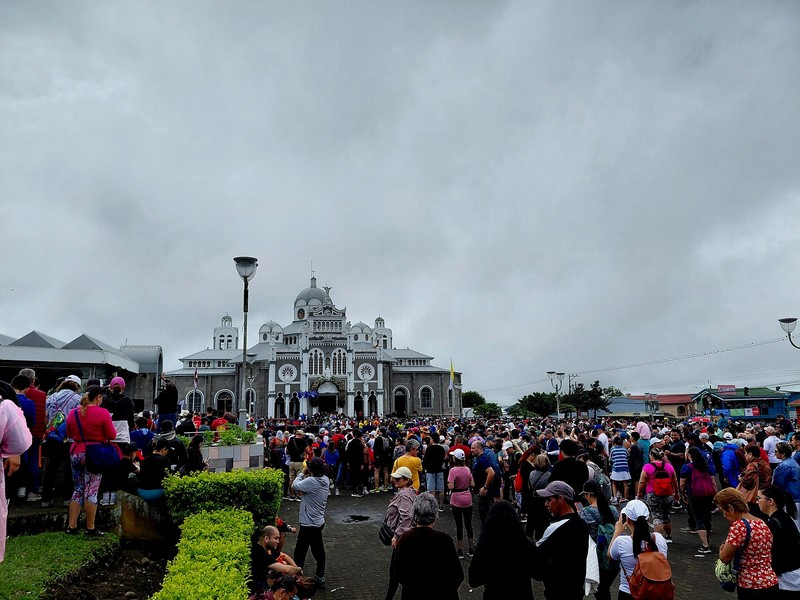
One of the country's most important religious events is the annual romería, a large pilgrimage to the basilica. Most pilgrims arrive in late July and on 1 August, the eve of the Feast of Our Lady of the Angels, celebrated on 2 August. Many walk from San José and other towns, sometimes covering dozens or even hundreds of kilometres.
Pilgrims make the journey to fulfil a vow, ask for help or express gratitude for blessings received. The event brings together religious traditions, family stories and national culture. During the romería, Cartago becomes the centre of major celebrations, and the movement of pilgrims towards the basilica takes on special significance in the country's public life.
The celebration is also associated with La Pasada, a tradition in which the revered statue is transferred from the basilica to Cartago Cathedral, where it remains for a period before being returned to the shrine. Dates and arrangements may be confirmed each year, so visitors should check current information before travelling.
Visiting the Basilica
The basilica welcomes worshippers and tourists interested in Costa Rica's religious history and architecture. Visitors can explore the interior, see the revered statue and learn about pilgrimage traditions. As this is an active place of worship, visitors should remain quiet, respect services and wear clothing appropriate for a religious site.
The basilica becomes especially crowded during major religious celebrations and the pilgrimage. Those who wish to appreciate the architecture and interior more peacefully may prefer to visit outside the main festival dates. Mass schedules, special events and access to individual areas should be checked on the basilica's official website.
Location and How to Get There
The Basilica of Our Lady of the Angels stands in central Cartago, in Cartago Province, east of San José. The city can be reached from the capital by bus or car, and the basilica is an easy walk from central streets. During the romería, traffic conditions can change considerably, so visitors should plan their route in advance and allow for road closures.
A visit to the basilica can be combined with a walk through Cartago's historic centre and visits to other local landmarks. For travellers, the church is interesting not only as a religious shrine but also as a place to better understand Costa Rica's history, traditions and cultural life.
Why Visit the Basilica of Our Lady of the Angels
The Basilica of Our Lady of the Angels brings together religious significance, distinctive architecture and centuries of history. It is considered one of the principal symbols of Costa Rica's spiritual life and welcomes large numbers of pilgrims every year. Even travellers who are not visiting for religious reasons can discover an important part of the country's heritage and see a place where faith and cultural traditions continue to play a prominent role in society.
Gallery