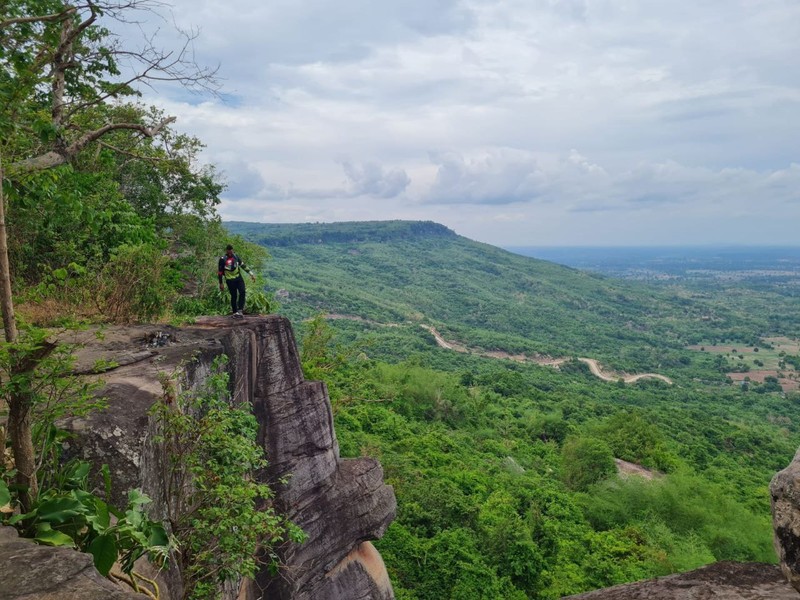
Phnom Kulen National Park is a protected landscape in Siem Reap Province in northwestern Cambodia. Its forested mountain plateau contains tropical woodland, waterfalls, ancient temples and sacred sites central to Khmer culture. Phnom Kulen is closely associated with the early history of the Khmer Empire, making it a place where natural scenery, archaeology and religious traditions come together.
The Early Khmer Empire
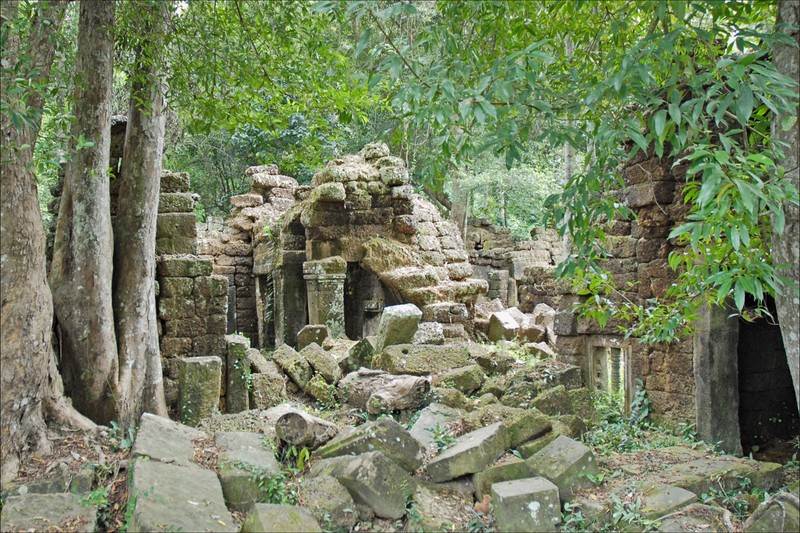
In the late eighth and early ninth centuries, the ancient city of Mahendraparvata developed on the plateau. It included temples, reservoirs, canals, roads and other elements of an organised urban landscape. Phnom Kulen is associated with events in 802 CE, when King Jayavarman II declared independence from Java and established foundations for the Khmer Empire.
Archaeological research, including LiDAR mapping, has revealed networks of ancient structures and roads hidden beneath the forest. Mahendraparvata shows that planned urban development and sophisticated water management existed before Angkor reached its height.
The River of a Thousand Lingas
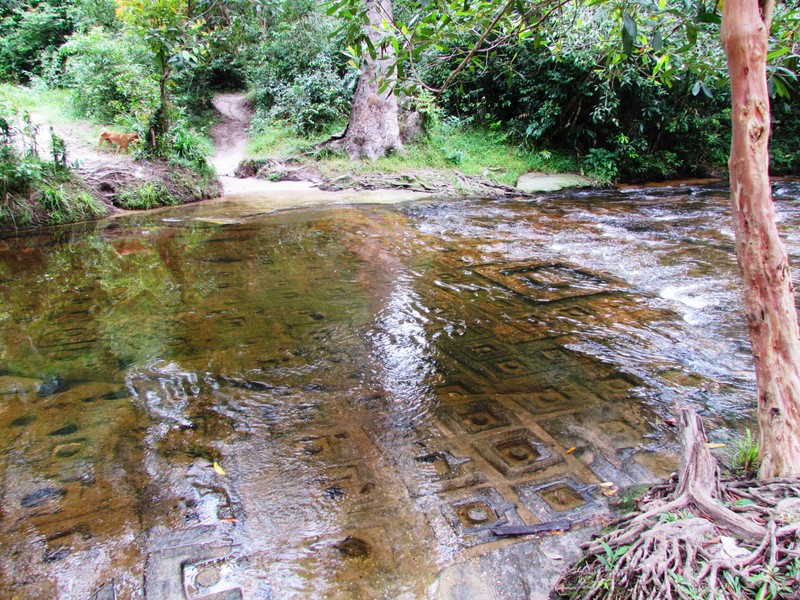
Kbal Spean, often called the River of a Thousand Lingas, contains numerous linga and yoni carvings cut into the sandstone riverbed. These symbols are associated with Hindu ideas of divine creative power. The riverbed also preserves images of Vishnu and other religious motifs. Water flowing over the carvings was traditionally regarded as blessed.
A forest trail leads to the site and can become slippery after rain. Wear suitable footwear, avoid touching the carvings and follow local guidance.
Waterfalls and Preah Ang Thom
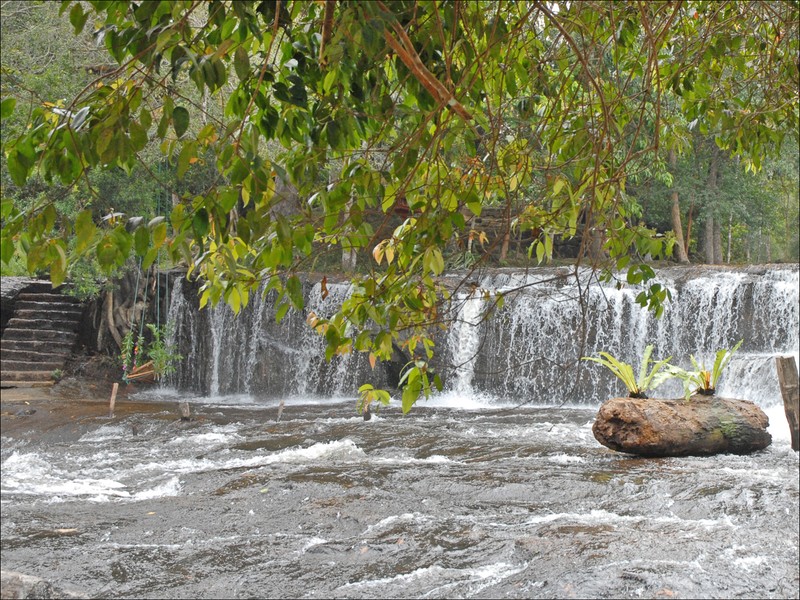
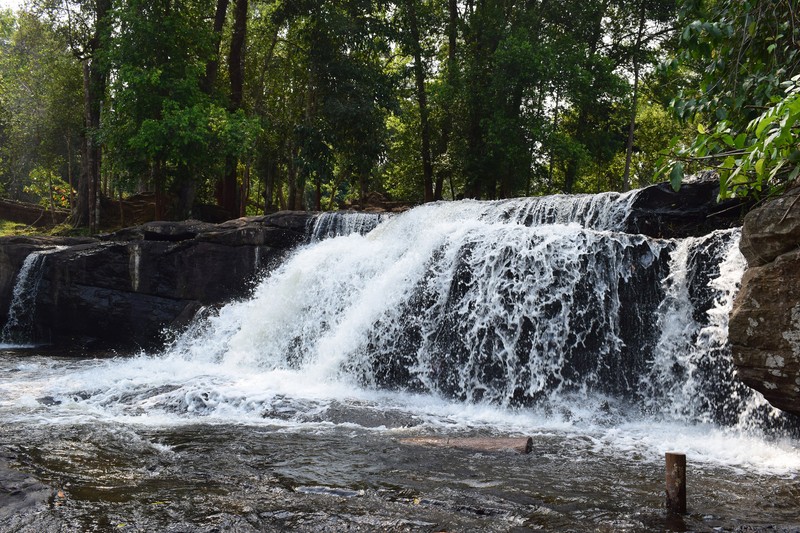
Phnom Kulen’s waterfalls cascade over rocky ledges into natural pools surrounded by tropical forest. They are usually more powerful during the rainy season, while the flow may decrease in drier months. Swim only where permitted and pay attention to currents and local warnings.
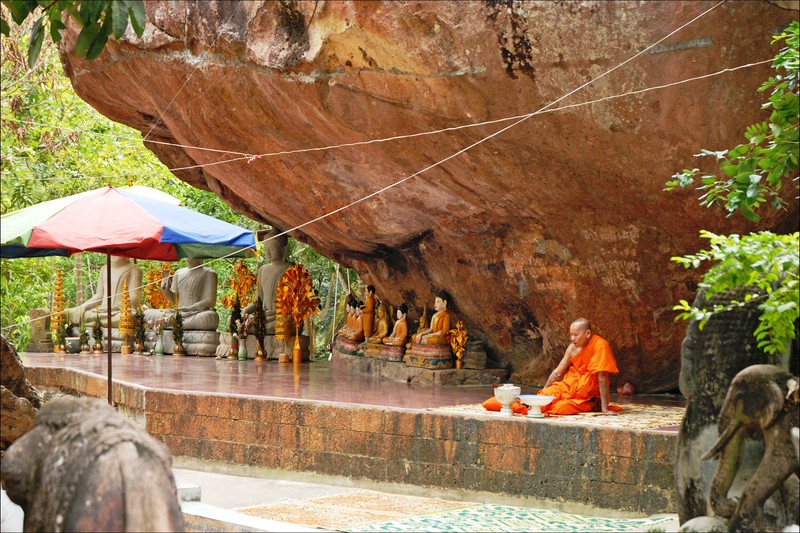
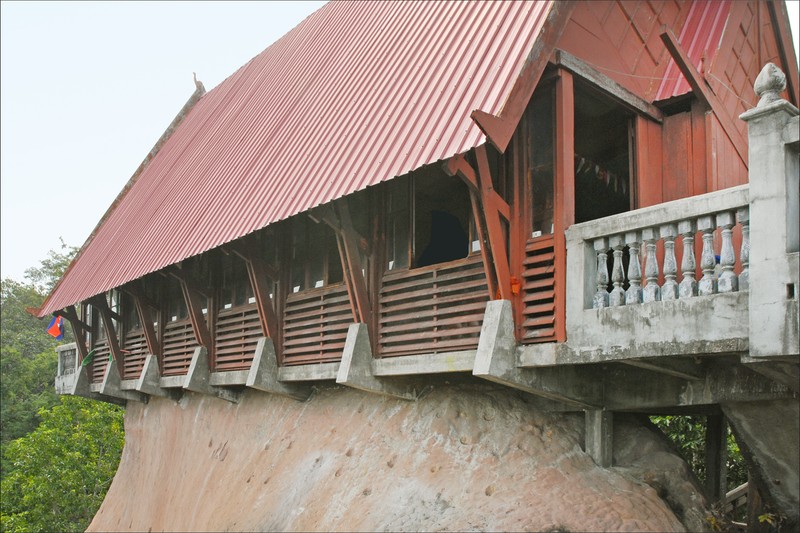
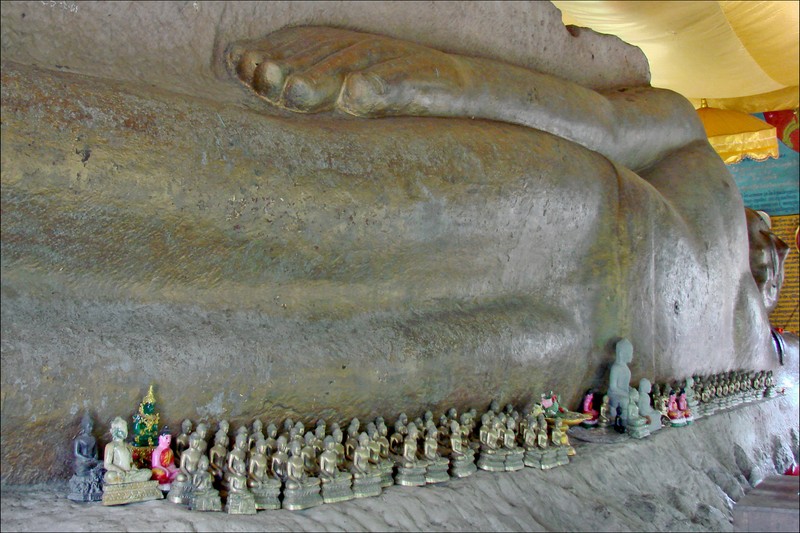
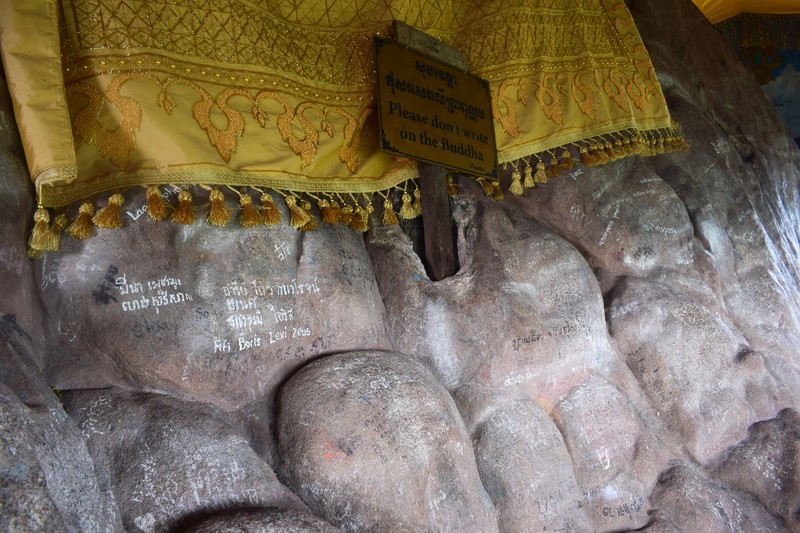
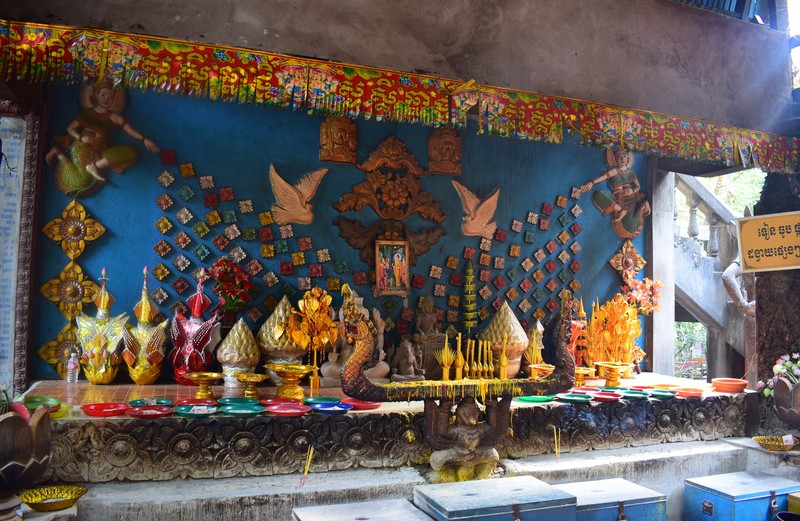
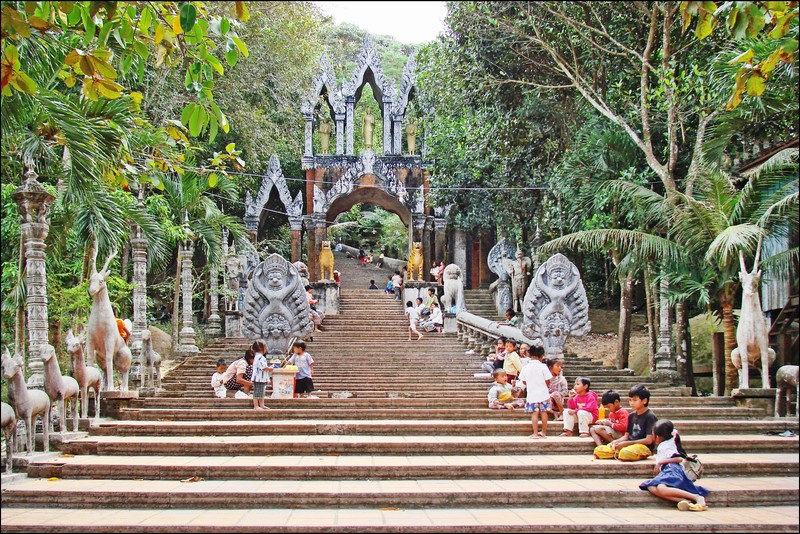
Preah Ang Thom is a sacred Buddhist site featuring a large reclining Buddha carved into sandstone. It remains an important pilgrimage destination. Visitors should dress respectfully and observe local religious customs.
Srah Damrei and the Natural Landscape
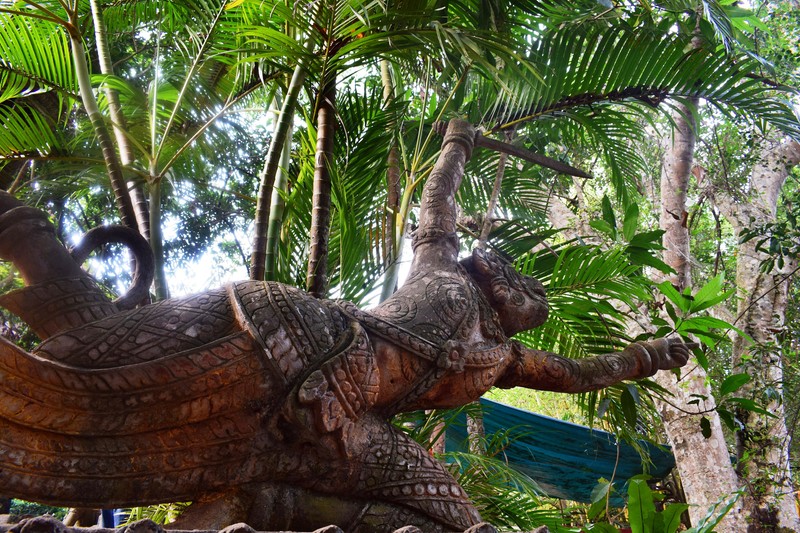
Srah Damrei, often translated as the Elephant Pond, is an archaeological site known for large sandstone sculptures, including an elephant. It lies in a more remote forested area and may be harder to reach, so arranging a local guide is advisable.
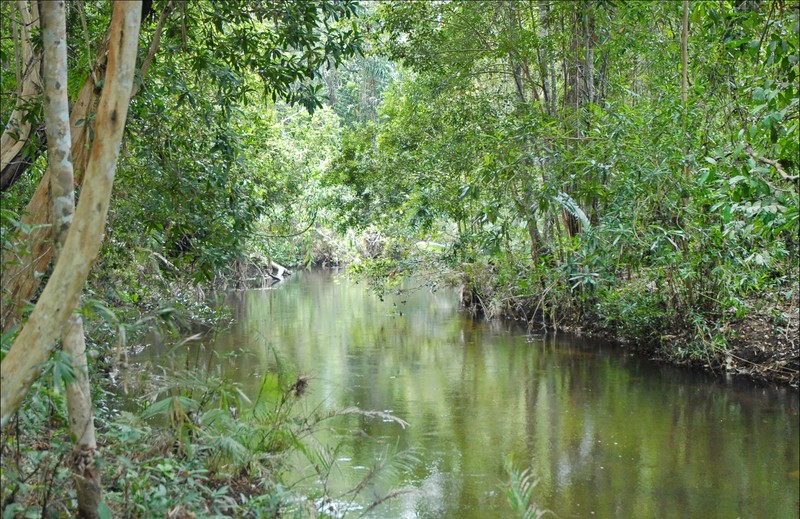
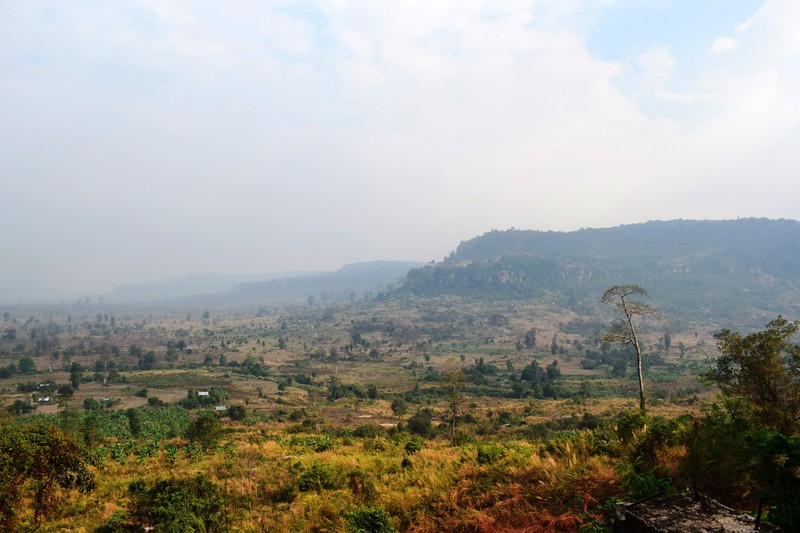
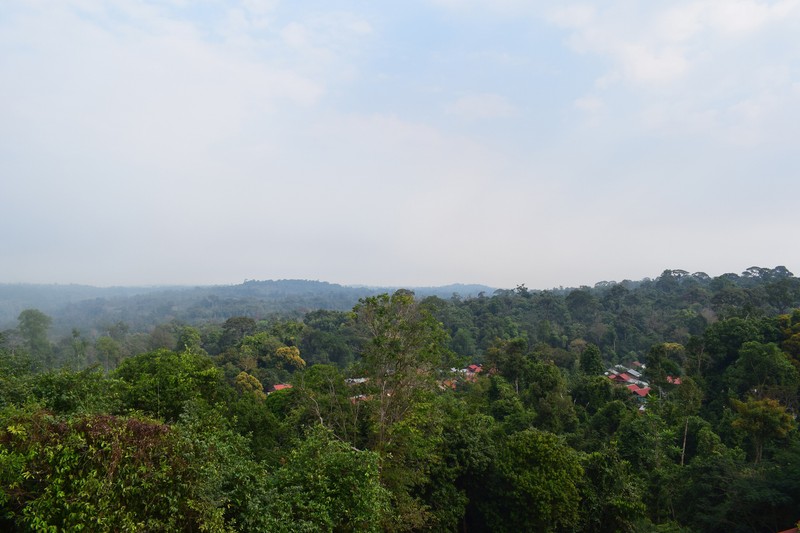
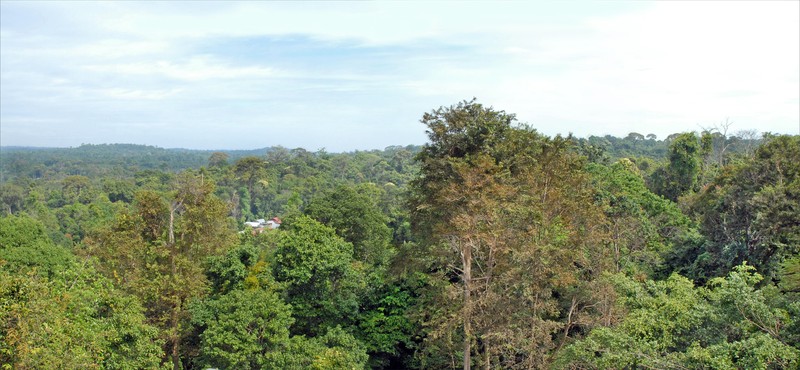
The park protects tropical forests, streams and habitats for a variety of wildlife. Its forests also help safeguard water resources for the surrounding region. Deforestation, pollution and unmanaged tourism can threaten both natural ecosystems and archaeological remains.
UNESCO and Heritage Protection
Phnom Kulen was designated a national park in 1993. The archaeological site of Phnom Kulen, Ancient Mahendraparvata, is on Cambodia’s UNESCO World Heritage Tentative List. This recognises its international significance but does not mean it has already been inscribed on the main World Heritage List.
Visiting the Park
Most day trips include the waterfalls, Preah Ang Thom and the River of a Thousand Lingas. The journey from Siem Reap usually takes around two hours, depending on the route and road conditions. Check entry requirements and road schedules before travelling; a Phnom Kulen ticket is separate from the Angkor pass.
Bring water, sun protection, insect repellent and comfortable shoes. Phnom Kulen is a rewarding destination for travellers interested in Cambodia’s ancient history, sacred places and tropical landscapes.
Gallery