Traveler Stories — page 12

Jimmy Smith Guide
Egypt · October 15, 2026
Egypt's White Desert

Egypt's White Desert

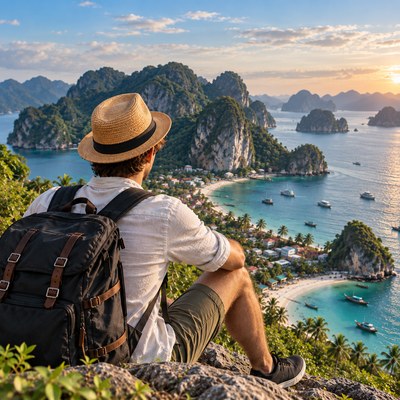
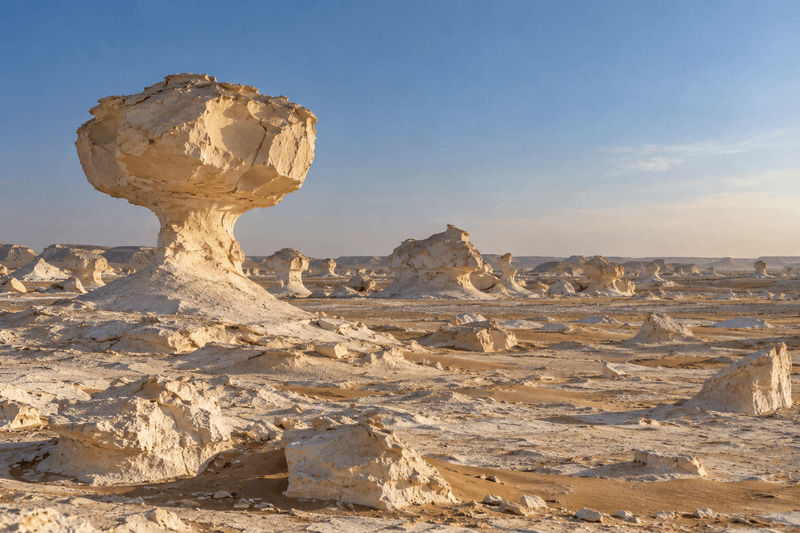
I travelled deep into the Egyptian Sahara expecting endless sand and dunes. But the White Desert was nothing like the desert I had imagined. Huge white chalk formations rise from the pale sand, resembling mushrooms, towers and fantastical figures. It feels as though giant sculptures have been left in the middle of an empty plain. The White Desert lies in Egypt's Western Desert, near Farafra Oasis. It is one of the country's most unusual natural attractions, famous for its striking white formations shaped by wind and erosion. Stone figures sculpted by nature This unusual landscape formed from ancient marine deposits. Over thousands of years, wind carried sand across the surface, gradually wearing away softer rock and leaving behind strange shapes. The result is a collection of formations resembling broad-capped mushrooms, stone columns and abstract sculptures. Some formations stand alone, while others gather in clusters. Walking around them is especially rewarding because their outlines change with every viewpoint. One rock may resemble an animal from one side and a giant flower from another. Against the sand, the white shapes stand out dramatically. The landscape changes colour throughout the day. Under the midday sun, the rocks appear almost snow-white, while towards evening they take on cream and golden tones. Soft shadows reveal their contours and make an ordinary walk feel like a visit to a natural sculpture gallery. Sunset and a starry sky over the Sahara The White Desert is particularly impressive near sunset. The sun sinks towards the horizon, the sand takes on warmer colours and the pale rocks gradually turn pink and honey-gold. The surroundings become quiet, and the vastness of the landscape feels even more striking. Some travellers stay overnight at a desert camp. After dark, the rocks become silhouettes beneath a wide starry sky. When the weather is clear and dust levels are low, the distance from city lights makes it possible to see countless stars and the Milky Way. In the morning, the first rays of sunlight transform the shapes and colours once again. A visit to the White Desert is often combined with the Black Desert, where dark rocky hills replace the pale formations. The contrast between the two landscapes reveals the remarkable variety of Egypt's Sahara. Tips for travellers Excursions usually start from Bahariya Oasis, where local guides organise trips in four-wheel-drive vehicles. Allow a full day to explore the White Desert or choose an itinerary with an overnight stay. Before travelling, check the national park's current visiting rules and camping arrangements. Bring plenty of drinking water, a hat, sun protection and comfortable shoes. Protecting yourself from the sun is essential, and warm clothing is useful for an overnight stay because temperatures can drop noticeably after sunset. Avoid climbing fragile formations, leaving rubbish or taking stones as souvenirs. The White Desert is memorable for its unusual rock shapes, silence and sense of connection with nature. It reveals a different side of Egypt, far beyond pyramids, ancient temples and seaside resorts. Here, the Sahara itself becomes an open-air museum.

Read more →

0 0
Okudava Expert
South Korea · October 15, 2026
South Korea: 7 Things That Surprise Tourists

South Korea: 7 Things That Surprise Tourists

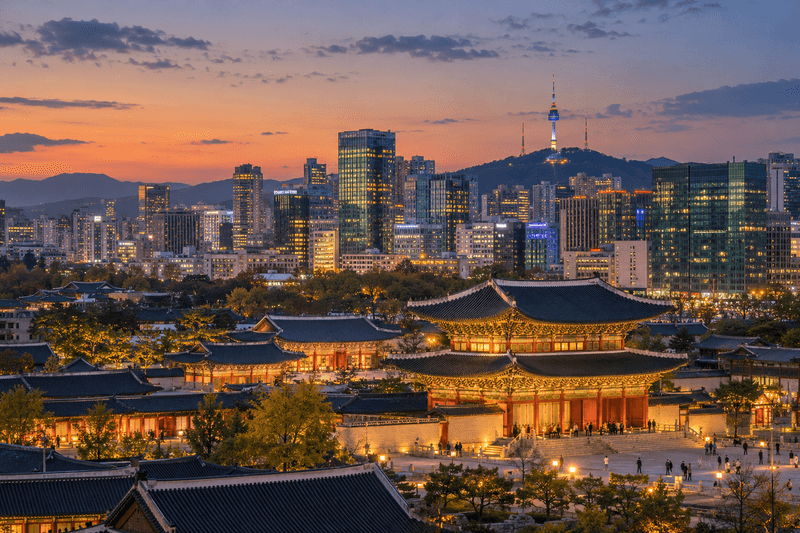
South Korea combines modern cities and ancient palaces, and a lot here differs from what you are used to. Here are seven things that most often surprise travelers. 1. A well-developed metro Seoul has a large metro with clear maps and hints in English. It is often convenient to use a transport card that can be topped up. 2. Cafes at every step Cafes in Korea can be themed, with unusual interiors and desserts. Many people come here not only for coffee but for the atmosphere. 3. Food and banchan Small side dishes called banchan, such as kimchi, are often served with the main dish. In some places you can ask for more, but it is better to check the rules on the spot. 4. Shops open late Neighborhood stores are often open late or around the clock, and you can buy food, water and small things there. This is handy after a late arrival or a long walk. 5. Palaces and hanok Among Seoul's skyscrapers stand old palaces, such as Gyeongbokgung, and quarters of traditional hanok houses. Many places are reachable by metro. 6. Fast internet The country is known for high-speed internet, and Wi-Fi is available in many public places. It is still useful to decide in advance how you will connect during the trip. 7. Rules of politeness It is customary to give and receive things with two hands when dealing with elders, and in some places you need to take off your shoes. If you are unsure, watch what the locals do. Important: entry rules, visas and electronic permits change. Before the trip, check current requirements on official websites. Before the Trip Check whether you need a visa or an electronic permit Install a translator app and maps Find out the socket type and bring an adapter Leave time for unhurried walks around the neighborhoods Bottom Line South Korea is a country of contrasts, where modernity sits next to tradition. Pick a few districts and see them without rushing.

Read more →
0 0
Alfred Donny Expert
Egypt · October 14, 2026
The Black Desert: Hills and Mountains Among the Sands

The Black Desert: Hills and Mountains Among the Sands

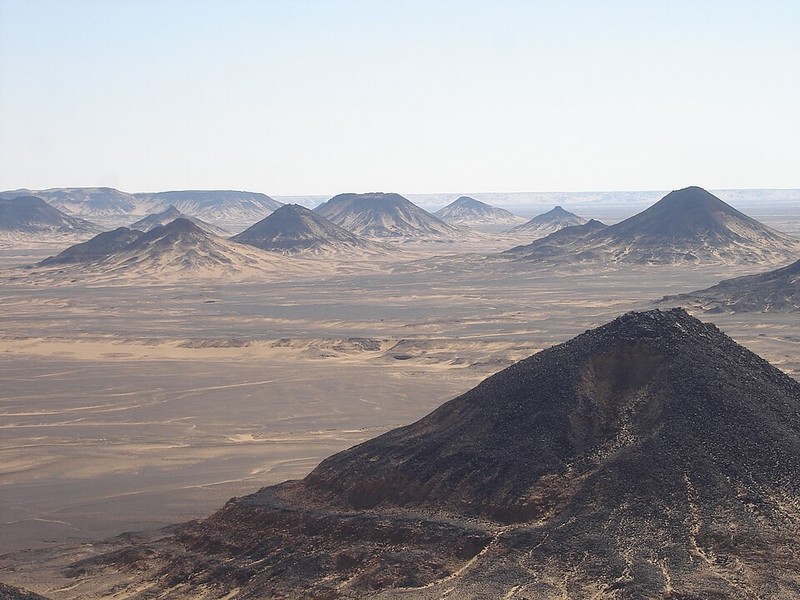
When I first saw Egypt's Black Desert, it looked as if fragments of ancient volcanoes had been scattered across endless sand. Dark hills rise along the horizon, their slopes contrasting sharply with the golden ground. The landscape feels almost otherworldly, even though it is only a few hours from Cairo. The Black Desert lies in Egypt's Western Desert, not far from Bahariya Oasis. It is one of the Sahara's most unusual landscapes: instead of towering dunes, there are low mountains, rocky plains and scattered dark stones. Why is it called the Black Desert? The defining feature is the dark stone covering the hillsides and, in places, almost hiding the sand beneath it. The colour is associated with volcanic rocks, including basalt, as well as dark material that has accumulated on the surface over long periods. Against the pale desert floor, the hills look as though they have been dusted with charcoal. Some of the hills have a cone-like shape. Their summits offer wide views across the desert, where dozens of dark mounds gradually fade into the haze. The landscape is especially beautiful in the morning and near sunset, when soft light brings out the contours and long shadows make the hills appear even more dramatic. One well-known viewpoint is El Marsous Mountain, often included in Black Desert excursions. Climbing up gives you a chance to see the surrounding hills from above and appreciate the unusual geology of this part of the Sahara. Exploring the rocky Sahara The Black Desert is usually visited on a trip from Bahariya Oasis. The route crosses open country where sandy plains, rocky stretches and dark hills alternate outside the window. With few familiar landmarks, the vastness of the desert becomes especially apparent. This landscape is interesting for more than photography. It reveals a different side of the Sahara: not a sea of dunes, but an ancient geological region shaped by natural processes over immense periods of time. The contrast between black hills and pale sand creates constantly changing views from different angles. Travellers often combine the Black Desert with a visit to the White Desert, famous for its pale chalk formations sculpted into unusual shapes. The two places offer very different scenery and show just how varied Egypt's Sahara can be. What to know before you go The best way to visit is with a local guide or an organised tour using a suitable four-wheel-drive vehicle. Some areas are far from settlements, and mobile coverage can be unreliable. Avoid leaving established routes on your own. The cooler months are most comfortable, as are early mornings and late afternoons. Summer heat can be intense. Bring plenty of water, sun protection, a hat and shoes with good grip, since loose stones can be slippery underfoot. The Black Desert is memorable less for a single landmark than for its atmosphere. You can pause in the silence, watch dark hills stretching towards the horizon and appreciate the many faces of the Sahara. It is an ideal destination for travellers who want to discover Egypt beyond the pyramids and beach resorts.

Read more →
0 0
Alfred Donny Expert
Egypt · October 14, 2026
Dendera Temple: The Zodiac on an Ancient Egyptian Ceiling

Dendera Temple: The Zodiac on an Ancient Egyptian Ceiling

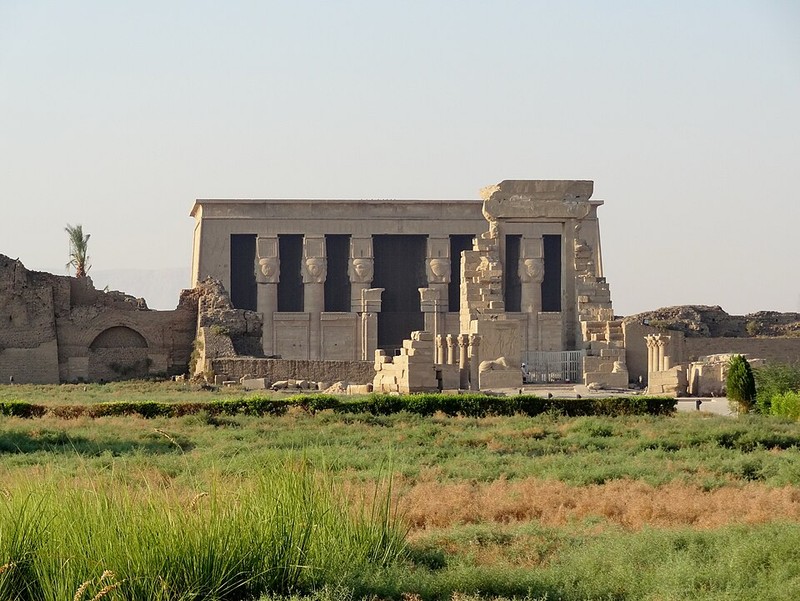
I had long wanted to visit a place where ancient Egyptian religion meets the history of astronomy. The Temple of Hathor at Dendera turned out to be exactly that. It lies about 60 kilometres north of Luxor and is considered one of Egypt's best-preserved temple complexes. The temple looks imposing from the outside, but its greatest treasures are inside. The ceilings preserve images of gods, constellations and celestial symbols. Looking up, I could imagine how the ancient Egyptians pictured the world above them. The famous Dendera Zodiac The temple's best-known feature is the circular zodiac, depicting a celestial sphere with constellations and figures associated with the movements of heavenly bodies. It was created during the later period of ancient Egyptian history, under Greek and Roman rule, probably in the first century BCE. The composition combines Egyptian religious imagery with astronomical ideas circulating around the ancient Mediterranean. Some figures are associated by researchers with zodiac signs that are still familiar today. Yet this is more than an ancient horoscope: it reflects complex ideas about time, celestial cycles and the religious order of the universe. The original circular zodiac is now in the Louvre in Paris. At Dendera, a replica can be seen on the ceiling of the Chapel of Osiris on the temple roof. It is worth going upstairs and taking time to examine the details. The Temple of Hathor The temple is dedicated to Hathor, the goddess of love, music, joy and motherhood, often depicted with cow horns and a sun disk. Most of the surviving building dates to the Ptolemaic period and the era of the Roman emperors, although this was a sacred site long before then. Inside, I found massive columns bearing Hathor's face, reliefs of rulers, scenes of offerings to the gods and ceilings with traces of ancient blue, ochre and red paint. In some places, the colours have survived remarkably well. The contrast between the shadowy halls and the bright celestial motifs overhead is especially striking. Dendera is best explored slowly. Beyond the famous zodiac, look for smaller details: hieroglyphs, winged figures, stars and images of gods that seem to hold up the heavens. What to know before visiting Dendera is a convenient excursion from Luxor. Allow several hours to explore the complex, especially if you want to study the reliefs and rooftop chapels. Check current access rules before visiting, as some rooms may be closed or require an additional ticket. Arrive in the morning to avoid the worst heat, and bring water, a hat and comfortable shoes. Look up often, and avoid using flash where photography is restricted. Dendera leaves a lasting impression. It is not only an ancient sanctuary but also a stone record of how people imagined the universe. Standing beneath its painted ceiling, it is easy to understand why the Dendera Zodiac has fascinated historians, archaeologists and travellers for generations.

Read more →
0 0
Okudava Expert
UAE · October 14, 2026
Dubai: 5 Myths and What Is Really True

Dubai: 5 Myths and What Is Really True

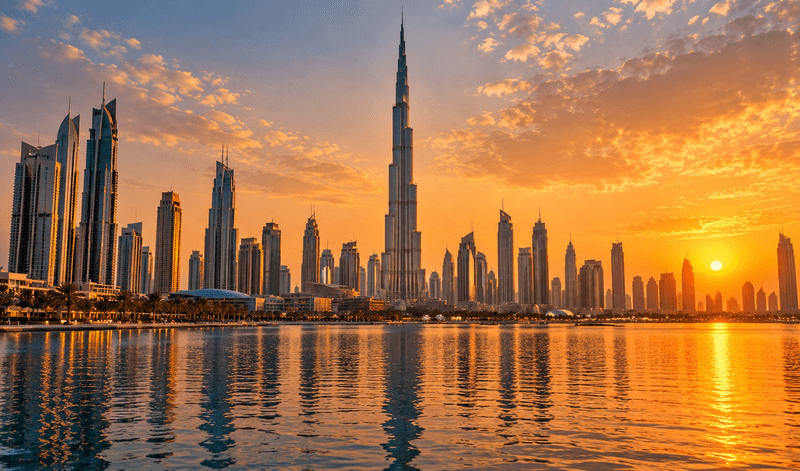
There are many stereotypes about Dubai: that it is too expensive, that there is nothing to do and that everything is strictly forbidden. Let us go through five popular myths. Myth 1: everything in Dubai is very expensive Reality: Costs depend greatly on your travel style. There are expensive hotels and restaurants as well as more affordable accommodation and cafes, so you can adjust the budget to yourself. It is better to check prices in advance on booking services. Myth 2: there is nothing to see except shopping malls Reality: Besides skyscrapers and malls, the city has the old Al Fahidi district, souk markets, Dubai Creek and traditional abra boats. Many tourists also choose a trip to the desert. Myth 3: you cannot stay there in summer Reality: Summer is very hot and humid, so most walks happen in air-conditioned places or toward the evening. Many prefer to go in the cooler months, when the weather is milder. Myth 4: everything is forbidden there Reality: The rules do differ from what you are used to, for example in clothing, behavior in public places and handling of alcohol. But if you study them in advance on official websites, the trip goes smoothly. Myth 5: you cannot manage without a car Reality: The city has a metro, a tram and taxis, and for tourist areas public transport is often enough. A car is mostly needed for longer trips. Important: laws, entry rules and prices change. Before the trip, check current requirements on official websites. What to Keep in Mind Respect local norms of dress and behavior in public places Plan walks for the morning or evening Book popular places in advance Check the rules for carrying medicines and items before the flight Bottom Line Dubai is not only skyscrapers: the city has many sides, and a trip can be adapted to different budgets. The main thing is to study the rules in advance and choose a suitable time.

Read more →
0 0
Okudava Expert
Thailand · October 14, 2026
When to Go to Thailand: Seasons and the Difference Between the Seas

When to Go to Thailand: Seasons and the Difference Between the Seas

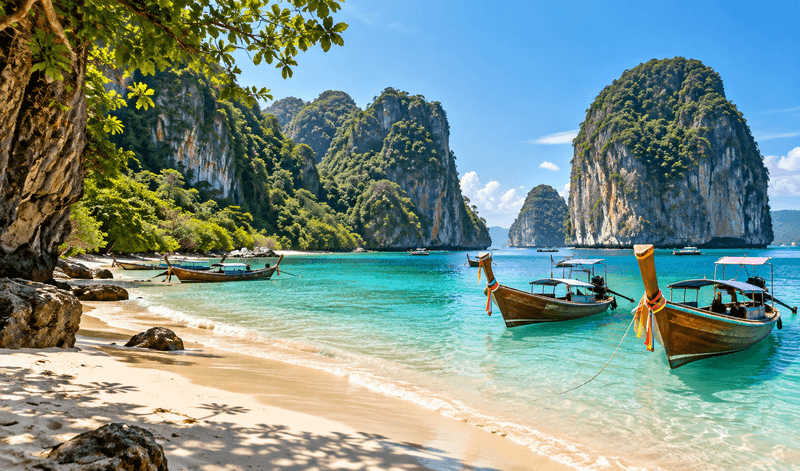
Thailand welcomes tourists all year round, but the weather depends greatly on the season and the region. Let us go through the three main periods and the difference between the seas. Cool season: roughly November - February Weather: less heat and rain Pros: comfortable for walking around cities and temples, good weather at most resorts Cons: highest demand: more tourists, and prices for accommodation and tickets are usually higher Hot season: roughly March - May Weather: very hot and humid, especially in the daytime Pros: fewer tourists than in winter, well suited to a beach holiday Cons: the heat is tiring in cities, so plan walks for the morning and evening Rainy season: roughly June - October Weather: frequent tropical downpours, more often in the second half of the day Pros: green landscapes, fewer people, often lower prices Cons: on some islands the sea can be rough, and some tours are canceled Two Seas, Two Schedules In the west, on the Andaman Sea (Phuket, Krabi), the rainy period usually falls roughly in May - October. In the east, in the Gulf of Thailand (Samui), rains often come later, closer to the end of the year. So in the same month it may be dry on one coast and rainy on the other. Important: the weather changes from year to year, and entry conditions and prices even more so. Before the trip, check a fresh forecast and verify current rules on official websites. How to Choose Want to walk around cities and temples - choose the cool season Need a beach and fewer people - the hot season, but mind the heat Value greenery and budget - the rainy season Heading to the islands - first check which coast it is Bottom Line There is no perfect month for the whole country, only a good choice for the goals of your trip. Pick a region, check the forecast, and the trip will be more comfortable.

Read more →
0 0
Okudava Expert
Italy · October 14, 2026
Food in Italy: 5 Dishes Worth Trying

Food in Italy: 5 Dishes Worth Trying

Italian cuisine differs greatly from region to region, and the same dish may be prepared differently in different cities. Here are five dishes that make a convenient starting point. Neapolitan pizza Soft, with a puffy edge, baked quickly in a wood-fired oven. The art of the Neapolitan pizzaiuolo is on UNESCO's list of intangible cultural heritage. Where to look: in Naples and in pizzerias that follow the local tradition Carbonara A classic Roman pasta with guanciale, pecorino romano cheese, eggs and black pepper. The traditional version does not use cream. Where to look: in Rome, in small trattorias Risotto alla milanese A creamy rice dish with saffron, considered a calling card of Milan. Where to look: in Milan and other cities of Lombardy Arancini Fried rice balls with a filling, for example meat ragù or cheese. A popular street food in Sicily. Where to look: in Sicily, in cafes and at markets Gelato Italian ice cream, usually softer in texture than the familiar kind. People often advise choosing places with a small range of flavors and natural colors. Where to look: in almost any city, in dedicated gelaterias Tip: regions of Italy are proud of their cuisine, so it is best to try local dishes where they come from. Menus and kitchen hours may differ, so check them on the spot. Small Table Rules Cappuccino is usually drunk in the morning, while after lunch people more often order espresso Many restaurants add a cover or service charge to the bill, so check the receipt Kitchens often take a break between lunch and dinner Feel free to ask the waiter what comes with a dish Bottom Line The best way to get to know Italy is to try local food where it is made. Do not chase a list: a couple of dishes a day, eaten slowly, are remembered better.

Read more →
0 0
richword Ambassador
Morocco · October 13, 2026
Morocco: Which City to Choose - Marrakech, Fez, Chefchaouen or Essaouira

Morocco: Which City to Choose - Marrakech, Fez, Chefchaouen or Essaouira

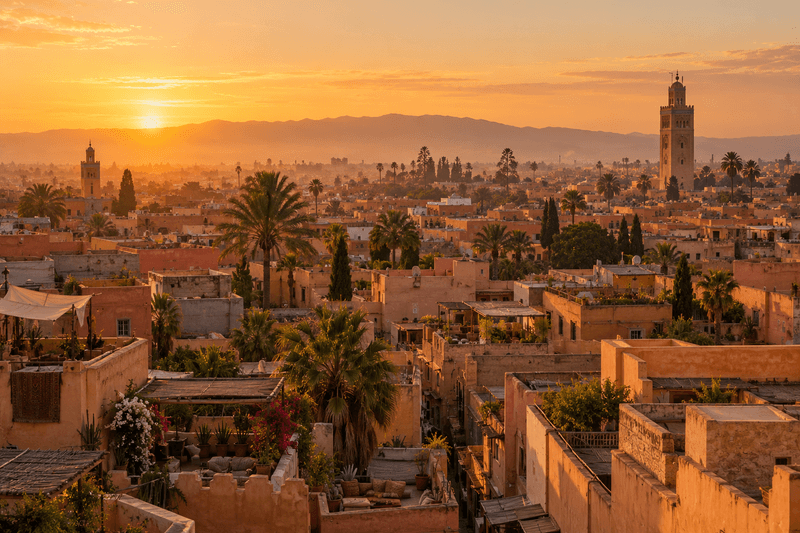
Morocco has many interesting cities, and you cannot cover them all in one trip. We compared four popular destinations to make choosing a route easier. Marrakech A noisy city with a huge old medina and Jemaa el-Fnaa square, where traders and musicians gather in the evening. Known for: The medina, the Majorelle Garden, souk markets Best for: Those who like vivid impressions and bustle How long: Two days is usually enough Fez One of the oldest cities in the country, with a maze of narrow streets in the old medina where it is easy to get lost. Known for: One of the largest medinas in the world, tanneries, old madrasas Best for: Those interested in history and crafts How long: One to two days Chefchaouen A small town in the Rif mountains whose streets and houses are painted in shades of blue. Known for: The blue medina and mountain views Best for: A calm break and beautiful photos How long: One day or one night is enough Essaouira A town on the Atlantic coast with a fortified medina, ramparts and a fresh wind. Known for: Ramparts, the port, fish restaurants Best for: Those who want to rest by the ocean How long: One to two days Important: bargaining is customary in the medina, and entry rules and trip conditions change. Agree on a price in advance and check current requirements on official websites. How to Choose Want noise and vivid impressions - choose Marrakech Interested in history and crafts - Fez Need quiet and beautiful views - Chefchaouen Want the ocean and a cool breeze - Essaouira Bottom Line It is better to pick two or three cities and see them calmly than to try to fit everything in. The roads between cities are long, so allow time for transfers.

Read more →
0 0
richword Ambassador
Portugal · October 13, 2026
Lisbon in 3 Days: A Day-by-Day Itinerary

Lisbon in 3 Days: A Day-by-Day Itinerary

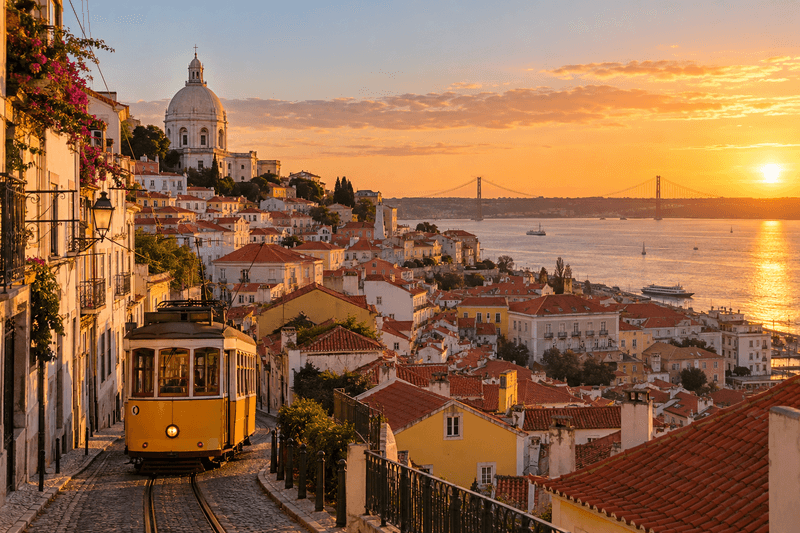
Lisbon sits on hills by the ocean, and what matters here are the old quarters, the trams and the views over the Tagus River. Three days is enough to see the center, the Belém district and take a trip to Sintra. Below is a route you can adjust to your taste. Day 1. Alfama and the Center Morning: a walk through Alfama, the oldest district with narrow streets Afternoon: St. George's Castle and viewpoints over the city Evening: a walk down to Commerce Square and the waterfront The district lies on hills, so comfortable shoes are a must. From the viewpoints you see the rooftops and the river, especially beautiful toward evening. Day 2. Belém Belém Tower by the water Jerónimos Monastery in the Manueline style The famous pastel de nata pastries in Belém Belém is on the western edge of Lisbon and can be reached by tram or train. There are many museums here, so pick one or two to avoid rushing. Day 3. Sintra Pena Palace on a hill, bright and colorful Sintra's old town with its narrow streets Optional: Cabo da Roca, the westernmost point of mainland Europe Sintra is about an hour away by train, and from there it is convenient to continue by bus or taxi. The weather on the hills often changes, so bring a light jacket. Important: opening hours, tickets and transport schedules change. Check them on official websites before the trip and book popular places in advance. Practical Tips Wear comfortable shoes: the streets are hilly and paved with stone Watch your pockets on trams and in crowds Bring water and a snack for Sintra Leave time to rest in the afternoon Bottom Line Three days in Lisbon is a relaxed pace: the city, the ocean coast and fairytale Sintra. The main thing is not to rush and to check current information.

Read more →
0 0
richword Ambassador
Egypt · October 13, 2026
Sunset on the Nile: A Ride on a Traditional Felucca

Sunset on the Nile: A Ride on a Traditional Felucca

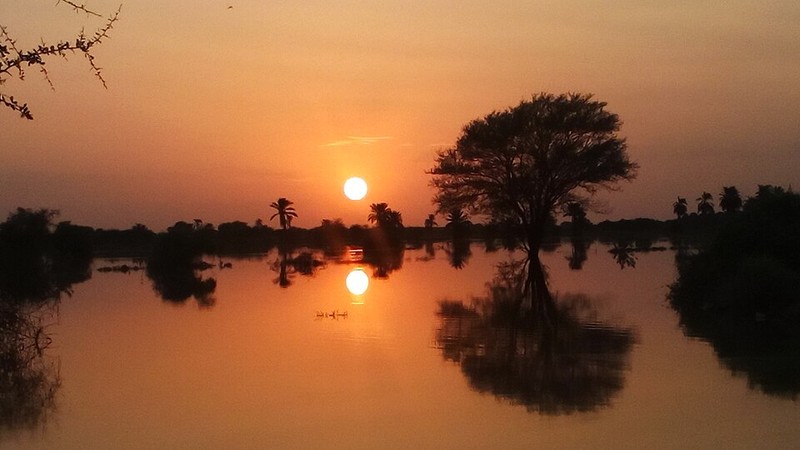
As the daytime heat begins to fade, the Nile becomes especially beautiful. I set off on a felucca, a traditional Egyptian sailing boat that has travelled the river for centuries. The evening breeze filled the white sail, the boat glided gently across the water, and the noise of the big city gradually faded into the distance. Sailing the Great River on a Traditional Boat A felucca is a small wooden sailing boat commonly seen on the Nile in Cairo, Luxor, Aswan and other Egyptian cities. Unlike motorised sightseeing boats, it moves with the wind, making the journey quiet and unhurried. Sometimes the boat changes direction as the captain catches a favourable breeze, adding to the charm of the experience. I settled onto the soft cushions and watched the riverbanks pass by. In one stretch, modern buildings and lively promenades came into view; elsewhere, there were green trees, palms and small landing places for boats. Here, the Nile seems to connect different sides of Egypt: busy modern life and a peaceful riverside landscape that has changed little over generations. Golden Light over the Nile As sunset approached, the water began reflecting the warm colours of the sky. The sun slowly sank towards the horizon, turning the clouds pink and gold. Other feluccas drifted in the distance, their sails standing out against the evening light. Voices occasionally carried from the shore, but the water around our boat remained wonderfully peaceful. One of the nicest things was putting my phone away and simply watching the river. When travelling, it is easy to want to see as much as possible, but this ride reminded me that sometimes one beautiful moment is enough. There is no need to rush between attractions: you can watch the sky, listen to the water and feel the gentle breeze. How to Arrange a Felucca Ride Felucca rides are offered in many Egyptian cities along the Nile. Before boarding, check the duration, price, departure point and whether the price covers the full time you have booked. If you want to catch the sunset, agree on the departure time with the captain in advance, taking the season and local sunset time into account. Light clothing is useful on the boat, while a thin extra layer may be welcome after sunset. Bring water and sun protection, and ask about safety arrangements before setting off. Wind affects the boat's speed, so the actual duration of the ride may differ from what you expect. A Nile sunset is memorable not because it is spectacular, but because it is simple. A white sail, a golden path across the water and palm silhouettes along the shore turn an ordinary boat ride into one of those moments that make travel worthwhile. If you visit Egypt, try to set aside at least one evening for the river - it may become one of your warmest memories of the trip.

Read more →
0 0
1…111213…29