Traveler Stories — page 10

Okudava Discoverer
Peru · October 7, 2026
Machu Picchu: How to Plan the Trip and What to See

Machu Picchu: How to Plan the Trip and What to See

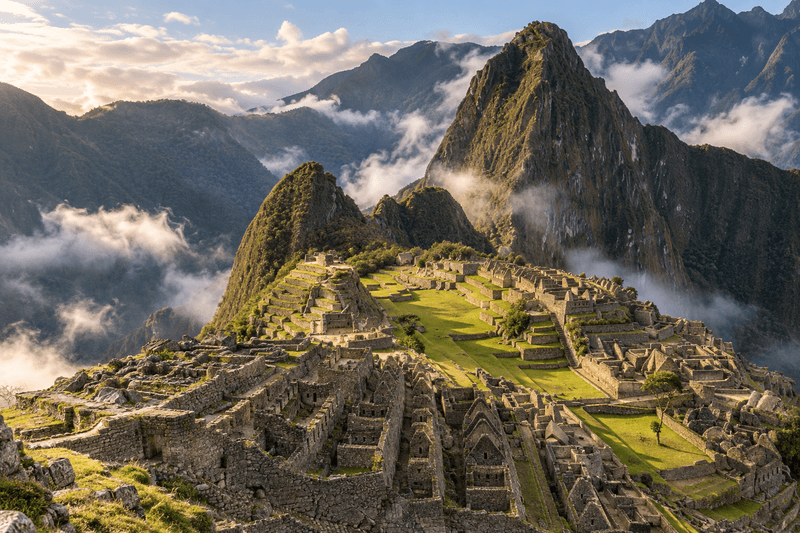
Machu Picchu is an Inca city built in the 15th century on a mountain ridge in the Peruvian Andes. It is a UNESCO World Heritage Site and one of the 'New Seven Wonders of the World'. You cannot simply turn up and look around: tickets are limited, getting there takes several stages and mountain weather changes fast. But good preparation makes the trip much calmer. How to Get There The journey usually starts in Cusco. From there you have two options: a train to the town of Aguas Calientes at the foot of the mountain, or a multi-day trek along the Inca Trail. Buses run from Aguas Calientes to the entrance and the ride takes about half an hour. Permits for the classic Inca Trail are limited and booked in advance, sometimes months ahead. The Classic View of the City The most famous shot is taken from the upper viewpoint: terraces and stone buildings lie below, and the sharp peak of Huayna Picchu rises behind them. Come here first, before clouds cover the mountains, and return once more after walking through the site. The light changes noticeably through the day. What to See Inside the City Inside are the Temple of the Sun , the Sacred Plaza and the Intihuatana stone, which is associated with astronomical observation. The stonework is especially impressive and is considered one of the finest examples of Inca masonry. Routes inside are usually one-way, so do not rush and take your photos right away. Llamas roam freely among the ruins: do not approach or feed them. Huayna Picchu: A Climb for the Fit If you want to see the city from above, you can climb Huayna Picchu . The trail is steep and narrow in places, and the number of places is limited and booked separately, so plan it in advance. It is not for those afraid of heights, but the view of the ruins from the top is worth the effort. When to Go The dry season runs roughly from April to October, and that is when weather is most often clear. In the rainy season, roughly November to March, there are more clouds and downpours, and some trails may close. But mist over the ruins makes the view unusual in its own way, so a trip can work out then too. Practical Tips It is better to buy Machu Picchu tickets in advance: daily visitor numbers are limited and entry is by time slot. Rules change, so check current conditions on the official website. Bring your passport, water, sunscreen, a rain jacket and comfortable shoes. Many visitors spend a few days in Cusco to adjust to the altitude; if you feel unwell, it is best to see a doctor. Was Machu Picchu Worth the Trip? Absolutely. It is one of those places where history, mountains and clouds come together in a picture that is hard to forget. But the trip needs planning ahead: tickets, transport and weather decide a lot.

Read more →
0 0
Stanislav Discoverer
Spain · October 7, 2026
Climbing Mount Teide: my experience

Climbing Mount Teide: my experience

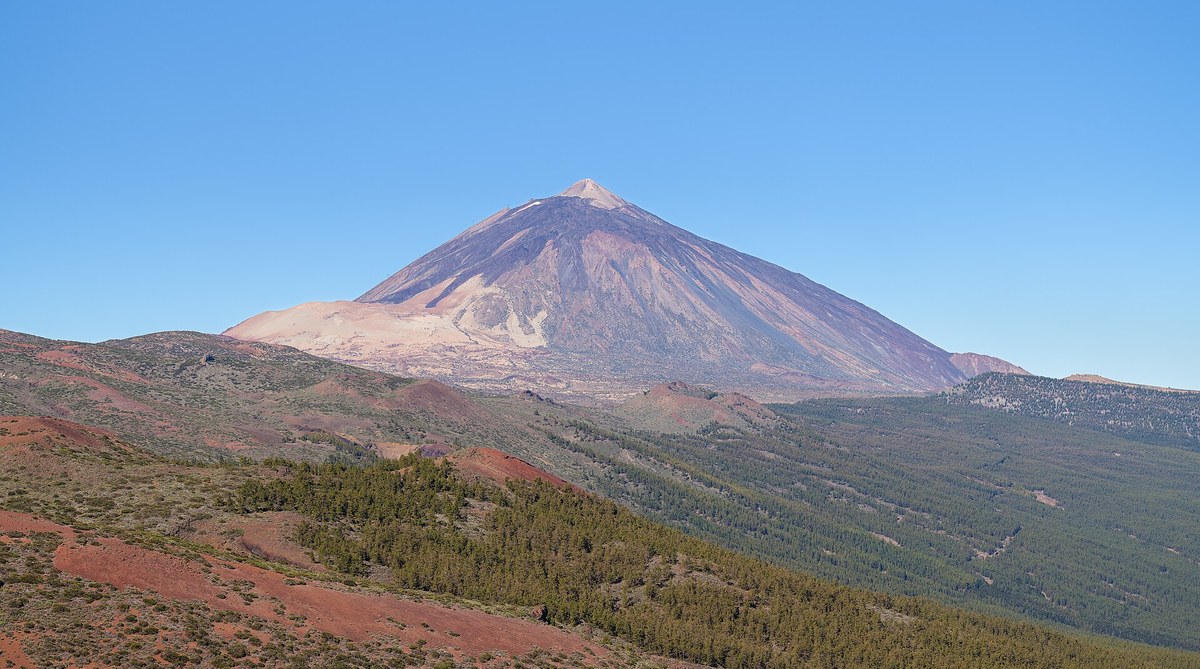
Before the trip to Tenerife, I did not consider myself a person who loves mountains enough to voluntarily climb them. I quite enjoyed looking at the peaks from below, photographing them from the car, sitting somewhere with coffee and talking about how beautiful it would be to be at the top one day, but there was quite a big difference between these arguments and the actual ascent. Therefore, when I decided to try to climb the Teide, I was both interested and slightly suspicious that somewhere in this story I was clearly overestimating my own physical abilities. Teide Peak I didn't choose Teide by chance. It is the highest mountain in Spain, its peak is located at an altitude of 3,715 meters above sea level, and the volcano itself is located inside the Teide National Park in Tenerife. I have seen photos of this area many times and each time I thought that the landscape looked more like the surface of another planet than a European island, so the idea of going up there gradually began to seem too tempting for me to give it up. I knew in advance that this was not a walk in a city park, so I prepared myself as much as I could. I checked the weather, chose comfortable clothes, took water, a snack, sunglasses and a jacket, because it can be warm down in Tenerife, but the situation changes quite quickly at altitude. The most difficult stage of preparation, as usual, was not to pack a backpack, but to convince myself to go to bed early, because for some reason it always seems to me that another episode of the film would definitely not hurt. Early morning and wake up The morning began before dark. I left the hotel with the feeling of a man who voluntarily gave up normal sleep in order to stand on top of a volcano a few hours later, and on the way I periodically wondered how reasonable this decision was. The higher we climbed along the road, the more the landscape changed. Palm trees and the usual island vegetation gradually disappeared, there were fewer and fewer trees around, and then huge volcanic fields, dark rocks and a completely unusual landscape appeared. I asked to stop several times just to look around. It seemed strange that just recently I was by the ocean, and now I was driving in the middle of a landscape that looked more like stills from a science fiction movie. When we got to the starting area of the route, I got out of the car and immediately felt that the air here was completely different. It was noticeably cooler than downstairs, and after an early rise, the body clearly hadn't had time to figure out what was going on. But there was a mountain ahead, and it was too late to retreat. The first few kilometers – so far everything seems easy At the beginning of the climb, I felt pretty confident. I walked briskly, looked around, and even had time to think that all the stories about fatigue at altitude might be a little exaggerated. That was my first mistake. Mountains generally like to give a person confidence first, and then calmly explain who is in charge here. The first sections of the route passed through a volcanic landscape, and I constantly stopped to examine the rocks and surrounding rocks. There is practically no familiar greenery here, but there are a huge number of shades of gray, brown, red and black, and against the background of a bright sky it all looks completely unusual. After a while, I noticed that I started walking slower. It wasn't critical, it wasn't dramatic, it was just that the pace was gradually decreasing, and each small rise already required a little more effort. I decided that this was normal, took a few sips of water and continued. Ten minutes later, he stopped again. It was then that I realized that the mountain was gradually starting to negotiate with me. Height is a completely different feeling The higher I climbed, the more I felt the height. It became a little harder to breathe, I had to pause more often, and the usual pace of walking completely disappeared. The most interesting thing was that I didn't feel physically terribly tired, but my body clearly demanded that I take my time. A few steps, a pause, a few steps – and so gradually moved upward. At some point, I looked down and saw how far I had already gone from the starting point. A huge volcanic landscape stretched below, and the clouds were somewhere much lower. This sight instantly gave me back motivation. I stood and looked at the clouds below me and thought that for the sake of such a view, I could endure a little more. However, then I took a few more steps and stopped again, because motivation is motivation, and the lungs still have their own opinion. The moment when I wanted to turn around About halfway up the climb, for the first time, I had a very serious thought: "Maybe that's enough?" There was no catastrophic fatigue, but I already understood that the peak would not be reached in a couple of minutes, and there was still altitude ahead, climbing and the need to return back. At such moments, it's very easy to start haggling with yourself. I told myself that I had already seen enough, that the view was beautiful, that I could take photos and calmly return downstairs, and then I tried to convince myself that it would be a pity to stop any more. In the end, the simplest argument won out: I came here precisely for the sake of the summit. That's why I decided to keep going, just slower and without trying to prove to anyone that I'm the fastest person on Teide. And it turned out to be the right decision. The last section The closer I got to the top of the route, the more harsh the landscape became. The rocks, volcanic rocks, wind, and almost complete absence of the usual vegetation made it feel like I was not in the Canary Islands, but somewhere much further north and much further from civilization. At some point, I almost stopped talking and just focused on moving. Step, pause, a few more steps, and pause again. I stopped looking at time and started looking only forward. The most interesting thing is that it was then that fatigue faded a little into the background, because one simple thought appeared: the peak is already very close. I got there When I finally got to the top, my first reaction was anything but heroic. I just stopped, no beautiful speeches, no jumping for joy, and I didn't even take pictures right away. I stood there for a few minutes and tried to catch my breath, and then I looked around. And that's when I realized that it wasn't all in vain. I had a huge view of Tenerife, the clouds were far below, and the volcanic landscape stretched away in all directions. The ocean was visible in the distance, and the island itself seemed incredibly small. I took out my phone and took some photos, but I realized very quickly that they still didn't convey that feeling. Because the photo shows the height, the person at the top feels it. What I felt at the top The Teide Crater Perhaps the strongest thing was not even the feeling of victory, but calmness. Downstairs, I was constantly thinking about where to go, how much time was left, what to see next, where to eat, and what to do before the evening. Here, all of a sudden, it all became completely unimportant. I just stood at the top and looked around. After several hours of climbing, it was nice to finally not go anywhere. However, it was also impossible to rest for a long time, because there was a descent ahead, and my body hinted quite clearly that the adventure was not over yet. The descent turned out to be a separate story For some reason, I thought that after the summit, all the most difficult things were over. It turned out that the descent can also remind you of yourself, especially when your legs are already tired from climbing.It was physically easier to go down, but I had to look carefully at my feet, because the rocks and bumps did not disappear anywhere. Plus, there was another problem: I was already relaxed and constantly wanted to stop to look at the landscape again. As a result, it took me quite a long time to get down. But now I was in no hurry. I stopped several times, photographed the mountains, looked at the clouds and just enjoyed the fact that the most difficult part of the route was left behind. When I finally got back to the car, the first thing I did was take off my shoes and get in. I just sat down and did nothing for a few minutes. Was it worth it? If I had been asked about this immediately after the descent, when my legs were tired and my body demanded food and proper rest, I would most likely have said: "Yes, of course, but let's not climb next time." However, in the evening, when I looked at the photos and remembered that moment at the top again, the answer changed. Of course, it was worth it. Because climbing the Teide turned out to be not so much an athletic achievement for me as a test of my own endurance. I realized that sometimes the most difficult part of a journey is not the route itself, but the moment when you start to doubt whether you need to continue at all. On a mountain, it's very easy to tell yourself that you can stop. And sometimes you really need to stop, rest, or give up further lifting if your body says it's time. But if you have the strength, but only fatigue and the desire to return to your comfort zone are in the way, then sometimes it's worth taking a few more steps, because it's behind these few steps that you may find a place that you'll remember for years. What I realized after climbing Teide is not just a mountain, but a volcano (stratovolcano) on the island of Tenerife in the Canary Archipelago. After climbing, I stopped looking at the mountains solely as beautiful scenery for photographs. Now I understand that the mountain is also a conversation with myself, and quite an honest one. She doesn't care how many kilometers you usually walk, how fit you are, or how many beautiful hikes you've done before. She just shows you the route and suggests you move at your own pace. That's what I liked. I wasn't trying to become a mountain climber in one day and I wasn't proving anything to anyone. I just walked up, sometimes I stopped, sometimes I doubted, sometimes I admired the landscape, and eventually I reached the point for which I started all this. And now, when I see Teide's photo again, it's not just the top that I remember. I remember the early morning, the cold air, the first kilometers, the moment when I wanted to turn back, the endless stones under my feet, and that very last stretch when there was very little left to reach the top. That's probably why I look at mountains a little differently now. The lower station of the cable car Previously, it seemed to me that the main thing was to climb, now I understand that the most interesting thing begins even before the top, when you go up and gradually realize that you can do a little more than you thought in the morning. And the peak in such a journey becomes not so much the finale as a beautiful reason to stop, look around and say to yourself: "Well, boy, I've reached it."


Read more →
0 0
Adam Discoverer
Italy · October 7, 2026
How was my day in Venice?

How was my day in Venice?

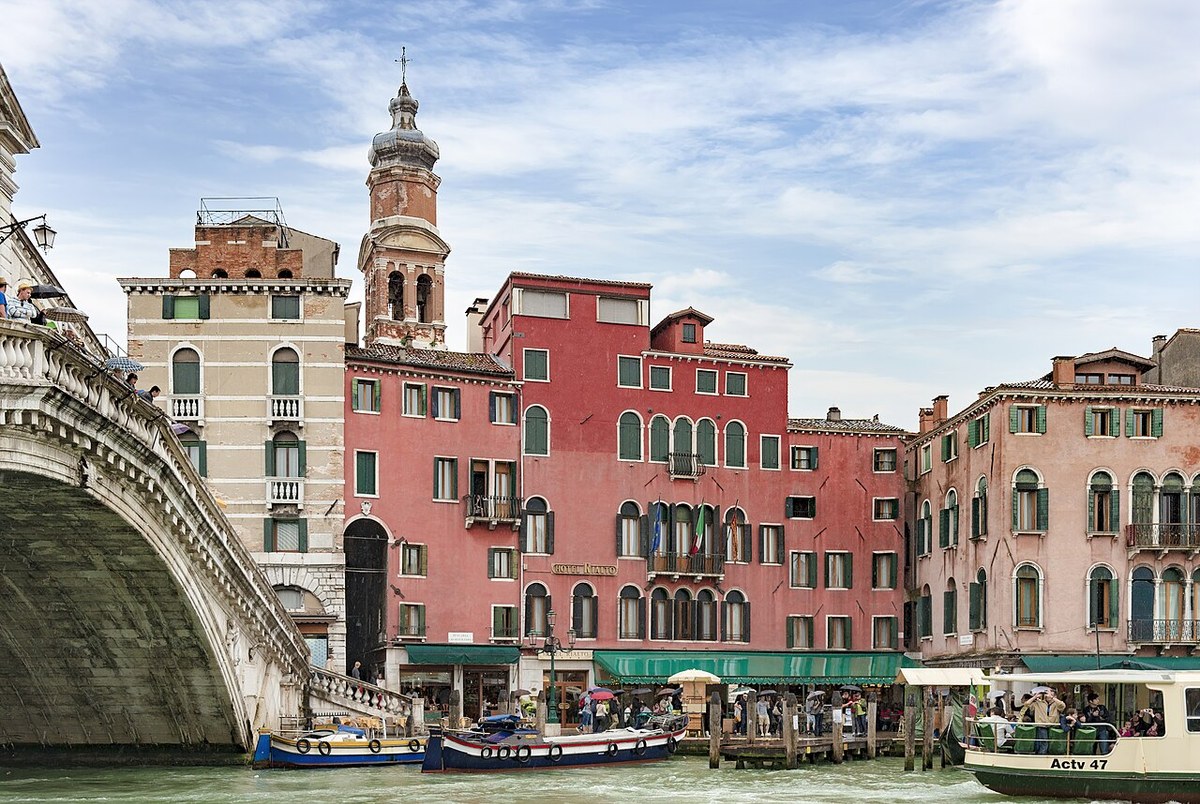
I came to Venice for just one day and I understood in advance that this is the case when a plan can only be beautiful on paper. I wanted to see St. Mark's Square, the Doge's Palace, ride a vaporetto, walk through the small streets, look at the Rialto Bridge and, of course, not get completely lost among the canals. As a result, I completed part of the plan, I had to move some of it a little, and a few more times I just turned off where I wanted to go, because Venice is a city where sometimes it makes absolutely no sense to follow a strict route. I arrived in the morning and tried to start the day early on purpose. Venice seemed very different to me in the early hours: there weren't many tourists yet, the streets were relatively calm, and the water in the canals reflected the old facades of houses. Even then, I realized that one day here is not enough, but if you don't try to set a world record for the number of sights you've seen, you can get a very intense and beautiful trip. St. Mark's Square – the first real impression St. Mark's Basilica The first thing I did was go to St. Mark's Square . This is probably the most obvious place to start exploring Venice, but sometimes obvious places become obvious for a reason. When I went out to the square and saw the Basilica of San Marco, the bell tower and the surrounding historical buildings, my first impression was something like this: "Now I'm really in Venice." I liked the combination of architecture and water the most. The square itself is huge and solemn, but the lagoon begins literally nearby, so the whole space is perceived in a completely different way than an ordinary European square. I took a little walk, took photos, and just stood among the buildings, looking at the details. I especially liked the Basilica of San Marco - its Byzantine architecture is very different from what I used to see in Italian cities, and that's why I remember it the most. Of course, I took a few photos, although I promised myself in advance to take fewer photos. But let's be honest: if you came to Venice and didn't take a picture of San Marco, you can assume that you just happened to be in Italy. The Doge's Palace is a place where history is literally all around After the square, I went to The Doge's Palace . I expected to see a beautiful old palace, but inside the monument of architecture of Venice turned out to be much more interesting than I expected. The Doge's Palace I liked the huge halls, the grand staircases, the paintings on the walls, and the very atmosphere of the place. It is especially well understood here how rich and influential the Republic of Venice once was. I walked from hall to hall and periodically stopped to examine the ceilings and paintings. At some point, I caught myself thinking that I didn't understand at all how much time had passed, because Venice had made me forget about the clock again. The Bridge of Sighs Separately impressed The Bridge of Sighs . Of course, I saw it in photographs before the trip, but it turned out to be much more interesting in person, especially when you understand its historical significance. It was here that I liked the feeling that you are not just looking at a beautiful building, but literally passing through a part of the city's history. Vaporetto is the best way to see Venice from the water After the Doge's Palace, I decided to take a break from hiking and took a vaporetto . And that's where my favorite part of the day started. If you walk around Venice, you constantly see the canals from one level, but the city opens up from the water in a completely different way. Old palaces, house facades, bridges, boats, and churches gradually float by, and at some point it feels like you're inside a movie. I sat down so that I could look out, and I spent most of the trip with my phone in my hand. Then I realized that I already had enough photos to make a separate photo album, but I continued anyway. I especially liked the view of the Grand Canal . This is perhaps one of those cases when even an ordinary trip by public transport becomes an attraction in itself. The Rialto Bridge is beautiful, noisy and not empty at all The next stop was the Rialto Bridge . If St. Mark's Square is a symbol of Venice's parade grounds, then the Rialto turned out to be more lively and everyday for me. Of course, there were a lot of people here. Very much. Rialto Bridge I tried to take a photo without a crowd, but after several attempts I realized that it was like taking a picture of Venice without water. So I just stopped fighting reality and started looking around. The bridge offers a beautiful view of the Grand Canal, and there are shops, cafes and shopping malls around. I liked this particular combination: a historic bridge, old buildings, water, boats and ordinary urban life. I stayed here longer than I had planned, because the traffic on the canal can be watched almost indefinitely. The small streets of Venice are what I liked the most. After the Rialto, I decided to move away from the main tourist routes a bit. And this is where I liked Venice, perhaps the most. I just turned into one of the small streets and walked without a map. After a few minutes, it became much quieter around, there were almost no people, and instead of the next famous landmark, small squares, old houses, laundry on ropes and small bridges appeared. This is the Venice I wanted to see – without the crowd, without the obligatory photo, and without the feeling that there are still five points to go. I opened the map several times to make sure I still understood where I was, but then I decided to put it away. However, after a while I realized that I had no idea where I was at all. But it turned out to be no problem. Getting lost in Venice is almost an obligatory part of the program. Gondola – is it worth a ride? Of course, I couldn't spend a day in Venice without at least thinking about a gondola. In the end, I decided to go for a ride. And here I had mixed expectations. On the one hand, this is a very tourist story, on the other hand, there are things that you want to try at least once. When the gondola left the shore and we sailed through a small channel, I realized that the decision was right. Venice looks completely different in narrow canals: the facades of houses are just a few meters away from you, small bridges float by from above, and the noise of the big city gradually disappears. Island Venice I especially liked that from the water you can see the details of buildings that are impossible to notice when walking. However, when the trip was over, I looked at my watch and realized that the day was starting to come to an end too quickly. Venice in the evening is a completely different city In the evening, I returned to St. Mark's Square again. And here I had my second big impression of the day. Evening Venice is completely different from morning Venice. Piazzetta There are fewer people, the light is getting softer, the facades of buildings are starting to light up, and the water reflects the lights. I just walked around the square, then went out to the embankment and looked at the lagoon for a while. After a whole day on foot, I was already tired, but I didn't want to leave at all. Perhaps this is the main drawback of Venice: the city constantly makes you think that in five more minutes you will see something even more beautiful. What I liked the most If you choose a few places that are particularly memorable, I would put myself in the first place. Venice from the water . Not a specific attraction, but the feeling of a city when you sail along a Large Canal or a small side canal and see old buildings very close. St. Mark's Square The second place for me was St. Mark's Square . Yes, it is touristy, noisy and quite crowded, but its scale and architecture are really impressive. I liked the Doge's Palace for its history and interiors, and the Rialto because it feels like real urban life. But most of all, I was surprised by the ordinary small streets. It was there that I stopped perceiving Venice as a famous tourist attraction and began to perceive it as a real city. My one day in Venice If you put everything together in one route, my day looked something like this: St. Mark's Square → St. Mark's Basilica → Doge's Palace → Bridge of Sighs → vaporetto ride along the Grand Canal → Rialto Bridge → walk through the quiet streets → gondola ride → evening walk at San Marco . The courtyard of the Doge's Palace The route turned out to be intense, but I have never regretted that I came just for one day. Of course, one day is not enough to explore Venice in peace, especially if you want to visit museums, islands and other areas of the city. But sometimes a short trip can also turn out to be real. I managed to see the main sights, rode on the water, got lost, returned several times to where I had already been, took a lot of photos, and by evening I finally stopped realizing how many kilometers I had walked. Rialto Bridge When I left Venice, for some reason it seemed to me that I had spent several days here, although in fact only one had passed. Perhaps this is the peculiarity of this city. Venice doesn't look like a place you just visit. You enter it for one day, and you come out feeling like you've left a piece of yourself there. And, of course, I already knew then that I would be back. But next time I'll try not to build such a dense route. Although who am I kidding? Five minutes after buying the ticket, I'll open the card again and start adding everything there.

Read more →
0 0
Okudava Discoverer
Jordan · October 7, 2026
Petra in One Day: What to See in the Rose City

Petra in One Day: What to See in the Rose City

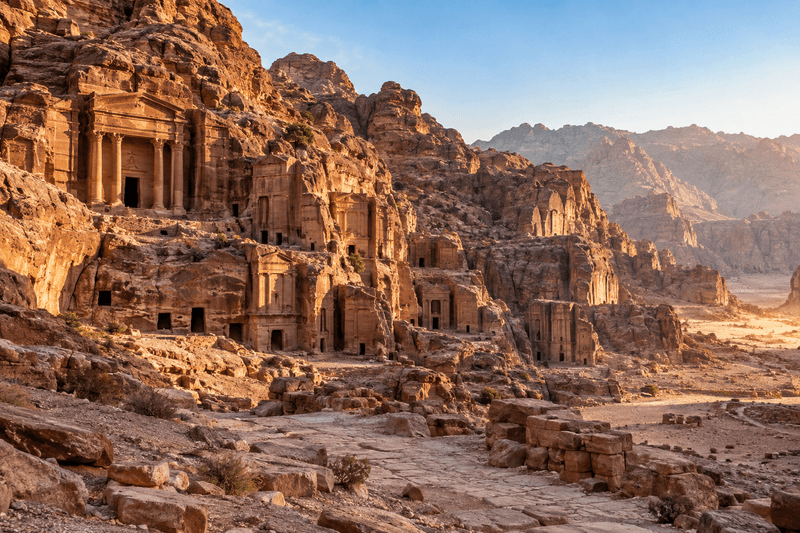
Petra is an ancient Nabataean city carved straight into rose-red cliffs in southern Jordan. It is a UNESCO World Heritage Site and one of the 'New Seven Wonders of the World'. People come for the famous Treasury facade, but the most interesting part starts beyond it: a narrow gorge, royal tombs and a trail up to the Monastery. Where to Start The main entrance to Petra is next to the town of Wadi Musa. Try to arrive at opening time: mornings are cooler, there are fewer people and the light on the rock is softer. The whole main route is on foot, so set aside most of your day for it. The Siq: The Gorge Leading to the City The way from the entrance to the city runs through the Siq , a narrow gorge about 1.2 km long. In places the walls rise dozens of meters and almost meet overhead. Walking it slowly, looking at layers of stone in different shades and at the remains of channels that once carried water, is already half of the experience. Al-Khazneh: The Famous Treasury At the end of the Siq, Al-Khazneh , the 'Treasury', suddenly appears between the rocks: a facade about 40 meters high carved directly into the cliff. The name comes from a legend about hidden treasure, but it is believed to have been a royal tomb. You cannot go inside, but the facade looks best in the morning while light falls on it. Ad Deir, the Monastery: A Climb Worth the Effort If you have time and energy, climb to Ad Deir , the Monastery. The trail is about 800 steps up a rock path, and in the heat it is not easy. But the facade here is even larger than the Treasury, and there are far fewer people. At the top there are viewpoints with views of desert mountains. Royal Tombs and the Main Street Further along the valley run a colonnaded street, a Roman theater and slopes with hundreds of tombs cut into them. The Royal Tombs are easy to see from the trail and look especially striking in afternoon light. Do not rush, and look into the side branches: often nobody is there. Practical Tips Bring plenty of water, a hat and closed shoes with good soles: the trails are sandy and rocky, and it can get very hot by day. Check current ticket prices and Jordan Pass conditions in advance if you plan to visit several places in Jordan. On some evenings Petra holds a candlelit night show, so confirm the schedule beforehand. Was Petra Worth the Trip? Absolutely. Petra is not one famous shot but a whole city where nature and architecture merged into one. One day is enough to see the main sights, but if you want to walk the far trails more calmly, plan two.

Read more →
0 0
Vlad Discoverer
SOUTH AFRICA · October 7, 2026
My trip to Victoria Falls

My trip to Victoria Falls

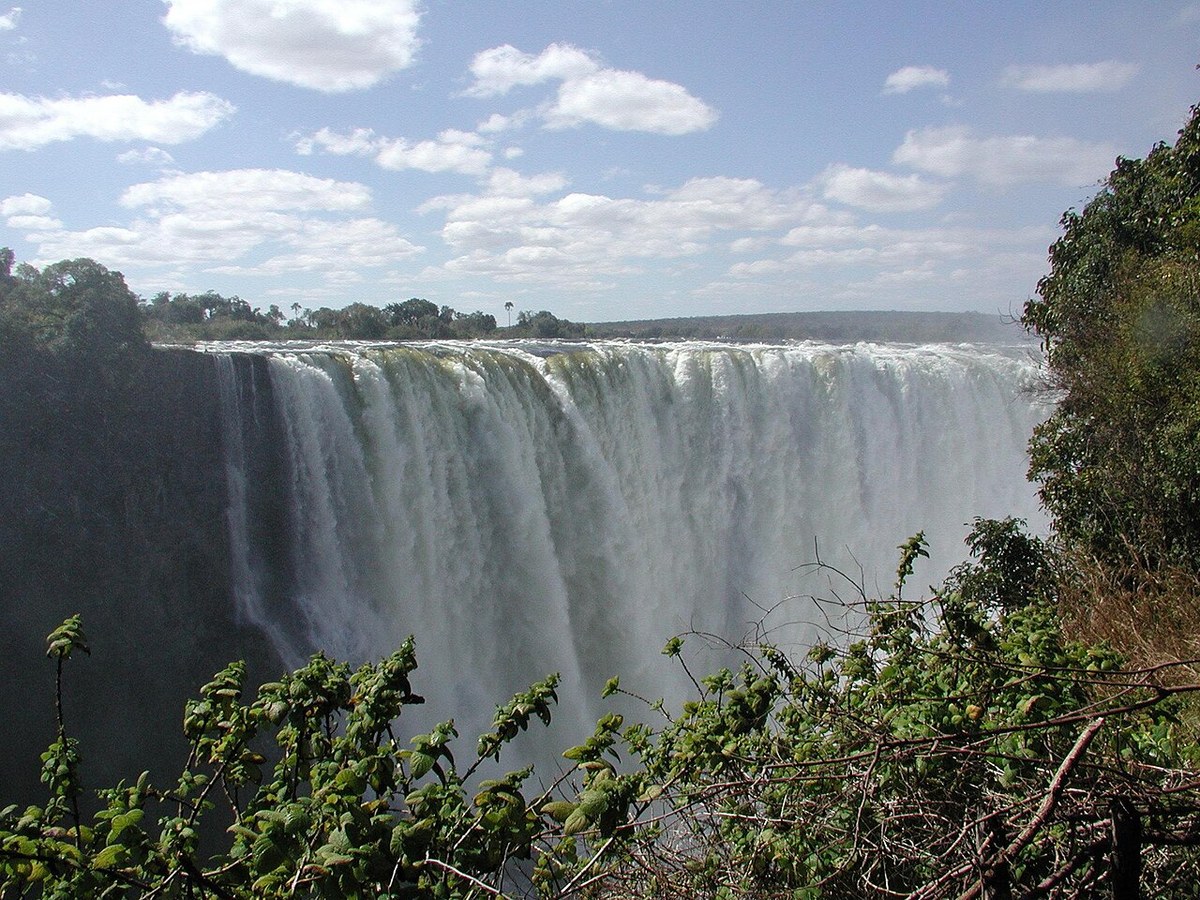
When I first decided to go to Victoria Falls, it seemed to me that I had a rough idea of what was waiting for me. I saw photos, watched videos, and read the stories of other travelers, and I was sure that after all this, it would be difficult to surprise me. As it turned out, photographs do not convey the scale of this place at all, and videos are not able to show either the humid air, the constant roar of water, or the feeling when you stand in front of one of the most impressive natural attractions in Africa and realize that no camera can properly convey what it sees. I had allocated only one day for Victoria, so I decided in advance not to try to turn the trip into an endless list of points. I wanted to see the waterfall itself in peace, walk along the main viewing platforms, look at the Zambezi and leave at least a little time just to stand and realize exactly where I am. However, the word "calm" in my case turned out to be quite conditional, because in the morning I realized that I just couldn't walk calmly in front of such a place. Morning – the road to the waterfall The morning started quite early because I wanted to get to the waterfall before it got too hot. As I drove, I kept trying to imagine what my first look at Victoria would be like, even though I was well aware that it was impossible to mentally prepare for such a place. The road gradually led me to the national park, and at first I didn't see anything particularly impressive at all. There was the usual African nature, trees, dry land, bright sun, and somewhere ahead a light fog was already beginning to appear. At first, I didn't even pay attention to it, but the closer I got, the louder the noise became. Victoria Falls Bridge That's when I realized for the first time that the waterfall was already very close, first I heard the water, and then I saw it. And that was the moment when all the photos and videos that I watched before the trip stopped mattering. A huge wall of water opened up in front of me, which collapsed with incredible force, and a cloud of water dust rose above the gorge. I just stood there and watched, trying to figure out the magnitude of what was happening, and at some point I caught myself thinking that I had forgotten to get my phone out at all. It was unusual for me, because when traveling I usually take pictures of everything, but here for a few minutes I just couldn't look away. The first viewing platforms Then I started moving along the route along the main viewing platforms. And here it became clear that one glance at the waterfall was absolutely not enough, because from each new point it looked different. Somewhere you could see the main wall of water better, somewhere you had a view of the gorge, and somewhere the water dust rose so high that it seemed as if a real tropical rain was falling in front of you. I realized pretty quickly that light clothing and Victoria Falls are a controversial combination. In some places, the spray was so strong that after a few minutes I looked like I had just stepped out of the shower, and without any prior agreement with nature. First I tried to cover the camera, then the phone, then myself, and then I just gave up. After all, if you arrived at one of the largest waterfalls in the world and came out completely dry, then you probably stayed too far away from it. The constant roar of water was especially impressive. It didn't stop for a second and gradually became part of the surrounding space, so after a while it seemed strange to imagine silence here. The Zambezi and the huge gorge In addition to the waterfall itself, I was very impressed by the Zambezi River. Before the trip, for some reason, I imagined it exclusively as a beautiful wide river, but it was only on the spot that I realized how much of a role it plays in this whole landscape. After the waterfall, the water flows with incredible force into a deep gorge, surrounded by rocks and dense greenery. I went to the viewing platforms several times and just looked down, trying not to get too carried away with photographing, because next to such a cliff, I still wanted to maintain at least a minimum concentration. The most interesting thing happened when the water dust rose up and rainbows appeared in the sunlight. Sometimes they appeared literally in front of you, and then disappeared after a few seconds when the angle of light or the direction of the spray changed. I tried to catch them with my camera several times, but I quickly realized that nature was clearly not going to work according to my schedule. Rainbow over Victoria At some point, I stopped near one of the observation decks and saw a huge rainbow over the waterfall. The double rainbow appeared so successfully that phones and cameras literally went up all around at the same time. I also started taking pictures, and I took so many shots that I couldn't figure out how they differed from each other. On one, the rainbow is slightly to the left, on the other, slightly to the right, and on the third, I accidentally took off my own hand. But it is precisely such moments that remain in the memory later. You're standing among people from all over the world, the Zambezi is rumbling around you, millions of liters of water are falling in front of you, and a rainbow appears above it all. And at this point, it doesn't matter at all how successful the photo turns out to be. A little trip with a local character At some point, I decided to move away from the main tourist routes a little and just walk around the territory. It turned out to be a good decision, because there were always new species, birds, and unusual plants around. However, I quickly remembered that I was not in a city park and that I shouldn't get too involved in photographing every animal I met. I walked quite calmly, but from time to time I looked carefully around, because after several warnings about the local nature, I was already beginning to perceive every rustle as the beginning of an adventure. Fortunately, the most serious challenge for me was the usual hot air and my own fatigue. By the middle of the day, I had already realized that the sun was not joking here at all, so I started looking for shade at every opportunity. Lunch after the waterfall After a few hours of walking, I decided to take a break and have lunch. It was that rare moment when I really wasn't thinking about the next attraction and was just enjoying a meal and a cool drink. Sitting in the shade, I looked at the photos on my phone and tried to choose at least a few of the best ones. The lesson turned out to be pointless, because almost every photo reminded me of some moment that I wanted to preserve. In the end, I left everything as it was and put the phone away. This was probably the main conclusion of my day: sometimes it's better not to try to save everything in the phone's memory, but just look around. A last look at Victoria In the afternoon, I returned to one of the viewing platforms again. The light has already changed a little, the sun has become softer, and the waterfall looked completely different than it did in the morning. I stood at the railing for a long time and looked at the water. In a few hours, I managed to walk several kilometers, get wet from splashes, dry in the sun, take a lot of photos and completely lose track of time several times. And still it seemed like I had just arrived. That's probably why I like such natural places. There is no need to constantly look for entertainment, because nature itself does all the work for you. How did I feel after this trip As I was driving back, I caught myself thinking quite simply: I was expecting to see a large waterfall, but I saw much more. Victoria turned out to be more than just a wall of water that you can photograph and tick off your travel list. These are noise, humid air, rainbows, rocks, Zambezi, water dust, the sun and the feeling of the incredible power of nature, which cannot be conveyed by one photograph. One day was enough for me to see the main thing, but it was definitely not enough for me to realize everything. Already on the way back, I began to think that next time I would like to stay here longer, see the surroundings more calmly and, perhaps, see the waterfall from the other side. But for the first acquaintance, one day turned out to be perfect. I arrived in the morning with a lot of expectations, and left in the evening with the feeling that nature was able to surprise me again. And that's probably why we go on such trips. Not to say, "I was at Victoria Falls." And in order to stand in front of this wall of water one day, hear its roar, feel small drops on your face and realize that something so big is happening in front of you that for a few minutes you just forget about everything else. And I will definitely remember this moment for a long time.

Read more →
1 0
Svetlana Discoverer
Italy · October 7, 2026
One day at Lake Como

One day at Lake Como

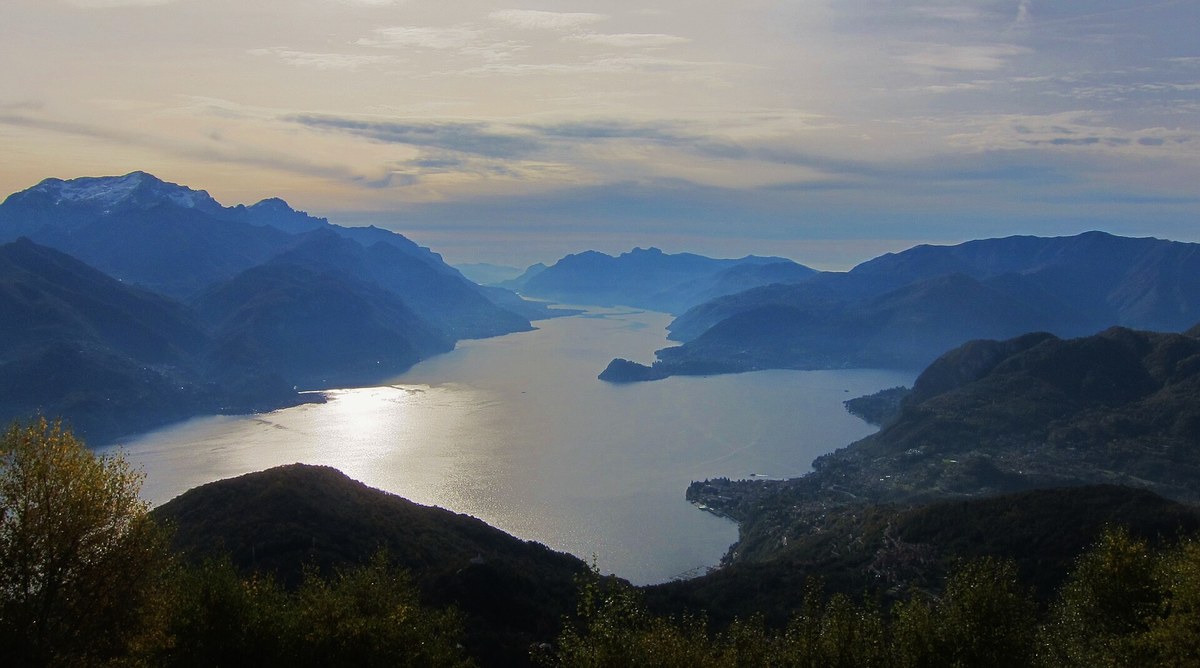
I have long wanted to see Lake Como, which is also sometimes called Lario, but for some reason I kept postponing this trip. It seemed that you had to come here for at least a few days, choose a beautiful hotel with a view of the water, have a quiet breakfast on the terrace and generally take your time. But one day I had only one free day, and I decided: okay, let it be one day, but I will try to feel Como, and not just put a check mark in front of this place on the map. Lake Como I arrived in the city of Como in the morning and immediately realized that the day would not be easy for my plan. Because when you have such a lake in front of you, it's very difficult to tell yourself: "So, we have eight hours, let's go further down the list." I want to stop, look at the water, take pictures of the mountains and pretend that I have an infinite amount of time. Morning in Como I started the morning with a walk around the city itself. I wanted to see Como first, not from the water, but from the inside, so I walked through the historical center, looked at the Cathedral and went out to the embankment. The Cathedral I liked the city for its calm atmosphere. There is no feeling that you have come to a huge tourist center, although there are certainly enough people. Narrow streets, old facades, small cafes and shops are gradually replaced by an open space by the lake, and there a completely different story begins. I reached the embankment and literally stopped in the middle of a walk. In front of me was a lake surrounded by mountains, boats were passing through the water, and on the other shore there were houses and green slopes. I took out my phone, took a few photos, then a few more, and then realized that I was photographing about the same place from different angles. At some point, I put my phone away and just started watching. It was probably then that I felt the real Como for the first time. Coffee with lake view After the walk, I decided to find a small cafe by the water. In general, Italian coffee is a separate part of any trip for me, but coffee with a view of Lake Como automatically becomes a particularly important event. I sat down at a table outside, ordered coffee and something sweet, and spent about twenty minutes just watching what was happening around me. People were walking along the lake, some were getting into boats, some were taking pictures, some were in a hurry about their business. And I was sitting there thinking that for some reason in everyday life I always feel like I'm late for something. Here, this feeling gradually disappeared. However, then I looked at my watch and realized that I was already starting to be late myself. So I had to come back to reality. Lake Como Boat Trip The most important thing I wanted to do that day was to see Como from the water. It seems to me that this is an obligatory part of exploring the lake. It's beautiful from the shore, but when the boat departs from the city, everything around it seems to get bigger. Como is gradually left behind, and in front of you opens a huge expanse of water, mountains and shores with beautiful villas and gardens. And the most interesting thing is not to look at any one landmark, but just at the whole picture. I sat on the open part of the boat and tried to take pictures at first. Then the wind started. And on the shore it seemed to me that the weather was completely calm, but on the water it turned out that nature had decided to bring me to my senses a little. My hair instantly ceased to exist in any decent form, and photos began to appear with my face as a man who had been caught off guard, but I still didn't want to go inside the boat. Because the views were too beautiful. We passed by old villas, small marinas, green slopes and cozy houses right by the water. Sometimes the boat would slow down near some particularly beautiful spot, and all the passengers would take out their phones at the same time. I also got annoyed, because it's completely useless to fight the collective tourist instinct. Como Villas – beauty without too much pathos I was most impressed by the villas that stand right on the shore of the lake. Some of them are surrounded by huge gardens, others are almost hidden behind trees, and only a small piece of the facade can be seen from the water. I like the kind of beauty that doesn't try to shout about itself. You just float by, see an old house, a terrace, a staircase leading to the water, several cypresses – and it all looks so natural, as if it had always been like this. I tried several times to imagine what it would be like to wake up in the morning, open the window and see a Como in front of me. Then I remembered the cost of some of the villas and decided that I could still enjoy the view from the boat. Mountains around the lake A separate love is mountains. They create the feeling of a natural amphitheater around Como. It seems that the lake is in a huge bowl, and the green slopes gradually go up. When you look at them from the water, the feeling of the city disappears completely. All that remains is the lake, the mountains, the boat, and the sky. I sat and thought that it was for such moments that we were going somewhere far away. Not for the sake of putting a check mark near another landmark, but for the sake of a feeling that then cannot be properly explained in words. Brunata Funicular After walking along the lake, I decided to climb higher and look at Como from above. To do this, I went to the funicular that connects the city with Brunate. This is where my inner child woke up again. I generally love funiculars, cable cars, and any other way to climb somewhere without having to climb a mountain on my own. Especially after walking all day. Como Brunate Funicular The funicular rises quite quickly, and the views along the way are becoming more interesting. The city gradually appears below, the lake opens up before your eyes, and the mountains no longer seem so huge. Upstairs, I was just walking and looking at the panorama. And she took pictures again.Yes, I know that I promised myself not to take one hundred identical photos. But when Lake Como is in front of you, all promises temporarily lose their validity. Como from above View of the city and Lake Como from Monte Croce mountain From above, I finally saw the full scale of the place I walked through in the morning. The city seemed very small, the lake stretched far into the distance, and the mountains surrounded it from all sides. It was interesting to look at the boats, which looked like small white dots on the water from a height. I stood at the observation deck for a long time and didn't want to go back down at all. But the day was already approaching evening. And I also wanted to see the lake at sunset. Evening by the water When I returned to Como, I went to the embankment again. By this time, the city looked completely different. Everything was bright and lively during the day, and it became quieter in the evening. The sun gradually sank behind the mountains, the water changed color, and lights came on on the shore. Sunset on Como I just decided to sit down and admire nature. I would like time to stop at least for a while. As a result, I was left without a route and phone, without the desire to go somewhere. After a whole day of walking, boating, mountains, and photography, it suddenly became clear to me that I didn't need to look at anything else. I just sat by the lake and watched the sky gradually darken. And it was this moment that I remember the most. Is one day enough? To be honest, one day on Lake Como is not enough. Very little. It is impossible to explore all the beautiful places in one day, visit numerous villas, take a walk in the mountains and still have time to relax properly. But if there's no more time, I'd go anyway, because even one day here makes it feel like you've entered a completely different world for a while. My day turned out like this: morning walk in Como – coffee by the lake – boat ride – views of villas and mountains – funicular climb in Brunata – panorama from above – evening walk by the water . And it seems to me that this is quite enough for a first acquaintance. Of course, I didn't get to see everything. But to be honest, I didn't want to. I liked the fact that there was time between the sights to just look around. Sometimes I stopped by the water, sometimes I sat in a cafe for longer than I intended, sometimes I photographed the same landscape for the tenth time. And I've never regretted it, because Lake Como is not a place that you want to go through point by point. He wants to live at least one day. I'd like to go back. When I left the lake in the evening, I was a little sorry that my day was over. I came in the morning thinking, "I'll see Como in one day," and in the evening I realized that there was no "I'll see" here at all. You can only come, take a walk, sit by the water, take a boat ride, climb to the mountains and try to remember all this. On the way back, I was already thinking about my next trip. And, of course, I told myself the classic phrase: "Next time, I'll come at least for a few days." I'm really going to do it this time. Because one day on Lake Como turned out to be too short. But on the other hand, sometimes one day is enough to fall in love with a place and realize that you will definitely come back here.

Read more →
0 0
Okudava Discoverer
Iceland · October 6, 2026
Iceland's Golden Circle in One Day: What to See

Iceland's Golden Circle in One Day: What to See

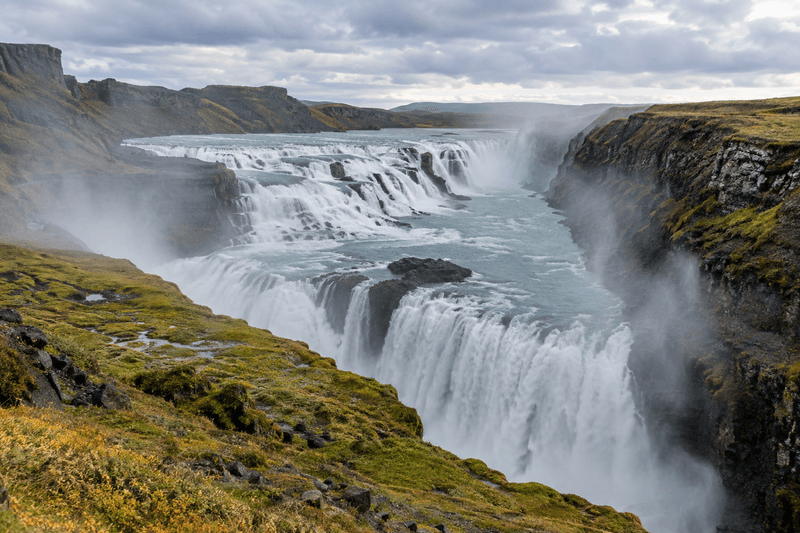
The Golden Circle is the most popular route near Reykjavik. In a single day you can see a rift between continental plates, active geysers and one of the country's most powerful waterfalls. The roads are good, the stops are close to each other, and the route quickly shows how alive and unusual Iceland's nature is. What the Route Includes The classic Golden Circle has three stops: Thingvellir National Park, the Geysir geothermal area and the Gullfoss waterfall. They are easy to combine in one day, either in a rental car or on a guided tour. Thingvellir: Where Continents Drift Apart Thingvellir is a UNESCO World Heritage Site. It lies in a rift valley where the North American and Eurasian tectonic plates are moving apart, which is easy to see in the long fissures and rock walls. But the park is valuable for more than geology: in 930 the Althing , one of the oldest parliamentary assemblies in the world, first met here. It is worth walking along the trail beside the rift and climbing to the viewpoint to understand the scale of the valley. Geysir: Hot Water Every Few Minutes The word "geyser" in many languages comes from Iceland's Geysir. It is almost inactive today, but Strokkur next to it erupts regularly, usually every few minutes, sending a column of hot water high into the air. Choose your spot with the wind in mind, or you may get splashed. Keep your phone ready, because the eruption is quick. Gullfoss: The Golden Waterfall Gullfoss drops in two stages into a narrow canyon of the Hvítá river, which makes it look as if the water is disappearing into a crack. The name means "Golden Waterfall". There are trails and viewpoints nearby, and from the lower one you can get quite close to the water. The spray soaks clothes quickly, so a jacket with a hood will come in handy. Weather and Clothing Weather in Iceland changes fast: sun, wind and rain can all arrive within an hour. Bring a waterproof jacket, a warm layer and shoes with non-slip soles. If you are driving, check the weather forecast and road conditions before you set off, especially in winter. What to Add Along the Way If you have time, you can stop at the Kerid crater with a lake inside, or at greenhouses where vegetables are grown with geothermal heat. They are good places to rest between the main stops. Was It Worth the Trip? Absolutely. In one day the Golden Circle shows three different sides of Iceland: history, geology and water. For a first introduction to the country it is one of the most convenient routes, and if you have energy left, you can head to the south coast the next day.

Read more →
1 0
Okudava Discoverer
Türkiye · October 6, 2026
Cappadocia in Two Days: What to See

Cappadocia in Two Days: What to See

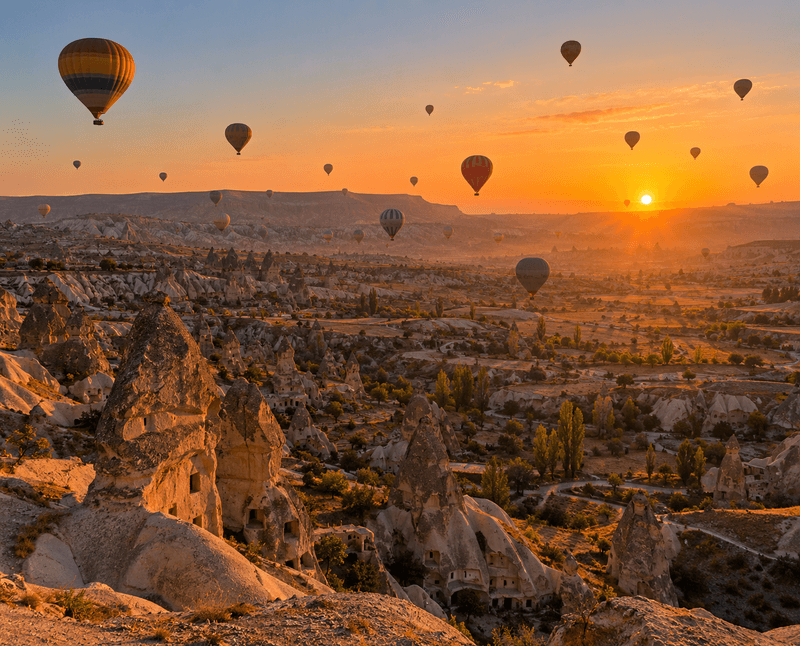
Cappadocia is usually pictured in one image: sunrise and dozens of hot air balloons over a valley. But if you come only for that, you can miss half the region. In two days you can see very different things: rock-cut churches, an underground city, valleys full of stone pillars and villages where houses are carved straight into the tuff. Why Everything Looks So Unusual The landscape was shaped by volcanoes and time. Many thousands of years ago the area was covered by a layer of volcanic tuff, a soft rock that wind and water slowly wore away. The harder parts held out and turned into the famous fairy chimneys , pointed stone pillars. People only had to adapt the soft stone for living: they carved homes, storerooms and churches into it. The Open-Air Museum in Göreme It is the best place to start. The monastic complex in Göreme is a UNESCO World Heritage Site together with the national park around it. Frescoes have survived inside the rock-cut churches, and the rooms are small, so it is worth going in the morning before big groups arrive. Photography is restricted or banned in some churches, so check the signs at the entrance. Derinkuyu: A City Underground The most unusual stop on the route. Derinkuyu goes down several dozen meters underground, and only some of its levels are open to visitors. Even that is enough to grasp the scale: narrow passages, ventilation shafts, living rooms, kitchens and stables. The passage could be sealed from the inside with a round stone door. In places you have to walk bent over, so if you dislike tight spaces, think about it beforehand. Sunset in the Valleys In the evening it is a good idea to head to Rose Valley and Love Valley : the first is named for the color of the rock at sunset, the second for the shape of its stone pillars. The trails are easy, but proper shoes are a must because the paths are dusty and slippery in places. Hot Air Balloon: Is It Worth It? Flights take place at dawn and depend on the wind: if conditions are bad, the flight is canceled. So do not leave the balloon for your last morning, keep a spare day. Even if you do not plan to fly, watching a sky full of balloons from a hotel roof or a viewpoint is beautiful in itself. What to Try Order testi kebab : meat and vegetables are baked in a clay pot, and the pot is broken open right at your table. You can also stop in Avanos, a town of potters, and see how dishes are made from the local red clay. Was Cappadocia Worth the Trip? Definitely. Cappadocia is not about one beautiful shot but about variety: stone, history and the roads between them. Two days are enough for a first acquaintance, but the trip is easy to stretch to three if you do not want to rush through a list of sights.

Read more →
0 0
Gilyana Guide
Germany · October 6, 2026
Munich is the final that I wanted to stretch out

Munich is the final that I wanted to stretch out

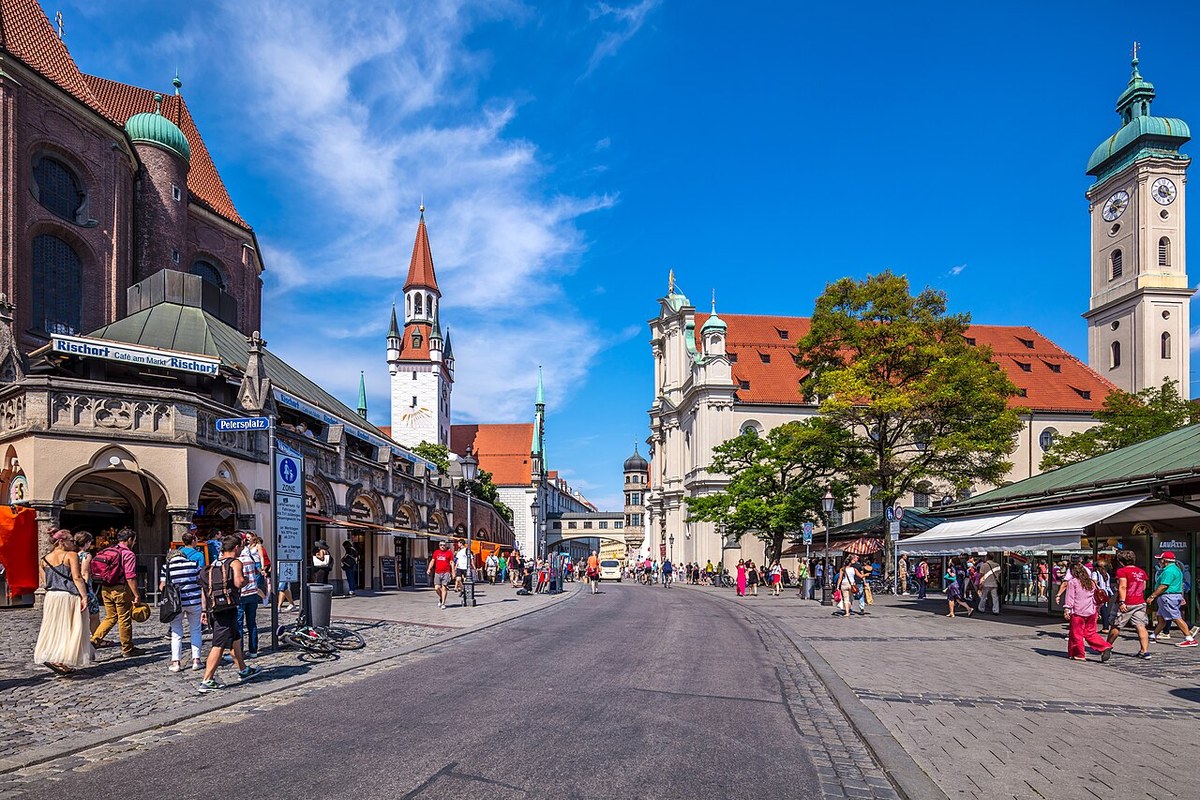
Marienplatz New Town Hall The last big city of my trip was Munich. And, to be honest, by this point I was already a little tired of living by the principle of "today is another city," but at the same time I absolutely did not want the journey to end. Munich turned out to be a great finale. I walked along Marienplatz, looked at the New Town Hall, reached the Frauenkirche and just walked around the center without a special plan. After a few days with train schedules, hotels, and attractions, I especially enjoyed not planning anything. I went into a cafe, ordered coffee, and just sat by the window, watching the street. Then I went for a walk again, reached the English Garden and finally felt that there was no need to rush anywhere. English Garden In the evening, I returned to the hotel, packed my suitcase and looked at the ticket for the next train with some sadness. Do you know that feeling when the journey is already ending, and suddenly it seems to you that you have just got into the taste? That's how it was with me. What I liked about traveling through Germany by train After this trip, I realized that Germany is really great for railway travel. I didn't have to think about parking, gasoline, toll roads, or where to park my car in the city center. Instead, I just came to the train station, found my train, put my suitcase down and settled down by the window. Sometimes I read, sometimes I looked at the landscape, sometimes I just drank coffee and did nothing – and this "doing nothing" turned out to be an unexpectedly pleasant part of the trip. View from the Monopter Of course, not everything was perfect. Somewhere I got a little confused with the platform, somewhere I walked for too long and then practically ran back to the station, and one day I got so carried away with shopping that I tried to put all this stuff in a suitcase all the way. But it is precisely from such trifles that a normal journey is formed. If everything goes perfectly, then sometimes there's not even anything to tell. And I also unexpectedly discovered a life hack for myself: when I start to get nervous, I just look at the photos, and the anxiety goes away. My route Brandenburg Gate in Berlin If you put the whole trip in one line, my route looked something like this: Berlin → Hamburg → Cologne → Dresden → Nuremberg → Munich . I specifically chose cities with different personalities. Berlin gave me history and modernity, Hamburg gave me water and a port atmosphere, Cologne gave me the famous cathedral and the Rhine, Dresden gave me tranquility and beautiful architecture, Nuremberg gave me a medieval mood, and Munich was the perfect end to my trip. Nuremberg Speicherstadt in Hamburg And the best part is that I didn't have to choose between "see Germany" and "relax." I rested on the train, and in the cities I became a tourist again. When I returned home, I had a huge number of photos on my phone, some completely unnecessary souvenirs were in my suitcase, and a new route was already forming in my head. Because after such a trip, I realized one thing: Germany by train is not just a convenient way to travel between cities. This is a separate type of travel, where the road also becomes part of the story. And if I were asked now if I would repeat such a route, I would answer without hesitation: yes. But next time, I would put at least a couple of extra days between cities, because my main disadvantage as a traveler is that I constantly try to see more than is physically possible. And then I wonder why I fall on my bed in the evening with my phone in my hand and say to myself, "That's it, we're not going anywhere tomorrow." And that's why I get up again in the morning and go to the train station.

Read more →
0 0
Gilyana Guide
Germany · October 6, 2026
Nuremberg is an old town and a bit of a medieval atmosphere

Nuremberg is an old town and a bit of a medieval atmosphere

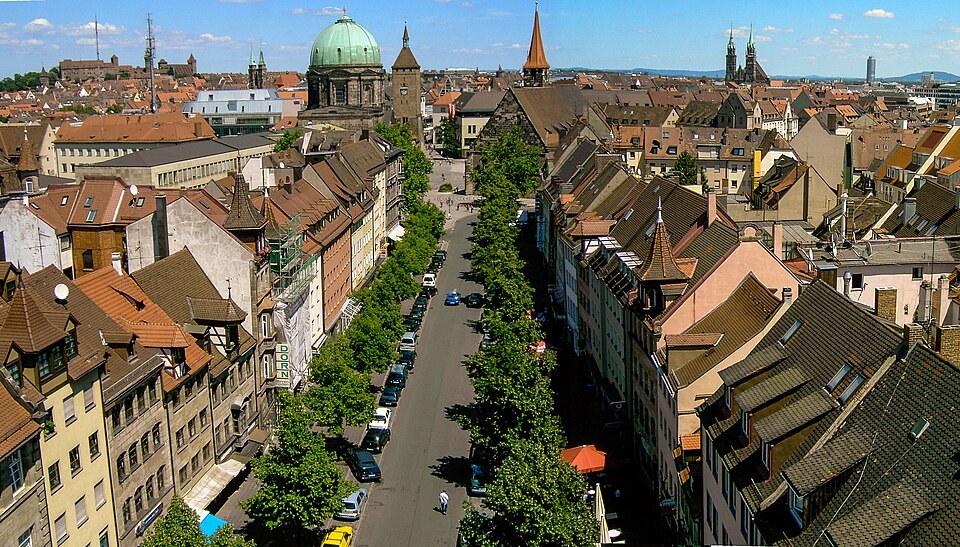
The next stop was Nuremberg. I've wanted to visit here for a long time because of the old town and the famous Nuremberg Castle. When I left the train station and walked towards the historical center, it seemed to me that the city was specially created for long walks. Narrow streets, old buildings, small squares and a huge number of details that you want to consider. Nuremberg Castle I went up to Nuremberg Castle, walked around the grounds and looked at the city from above. Then I went back down and went to explore the old center. At some point, I decided that I perfectly remember where my hotel is located, and confidently went in the opposite direction. Twenty minutes later, I finally opened the map and discovered that my internal navigator had clearly taken the day off. But thanks to this mistake, I walked through several streets where I had no intention of going at all. And again, it turned out what often happens in travel: a route error sometimes leads to a better experience. Experience has taught me this, so I no longer worry when things don't go according to plan. To make sure, I take a second phone in case the charging on the first device runs out or the memory card runs out.

Read more →
0 0
1…91011…22