Traveler Stories — page 9

Jimmy Smith Photo Hunter
Argentina · October 8, 2026
Patagonian Penguins: A Completely Different Encounter with Wildlife

Patagonian Penguins: A Completely Different Encounter with Wildlife

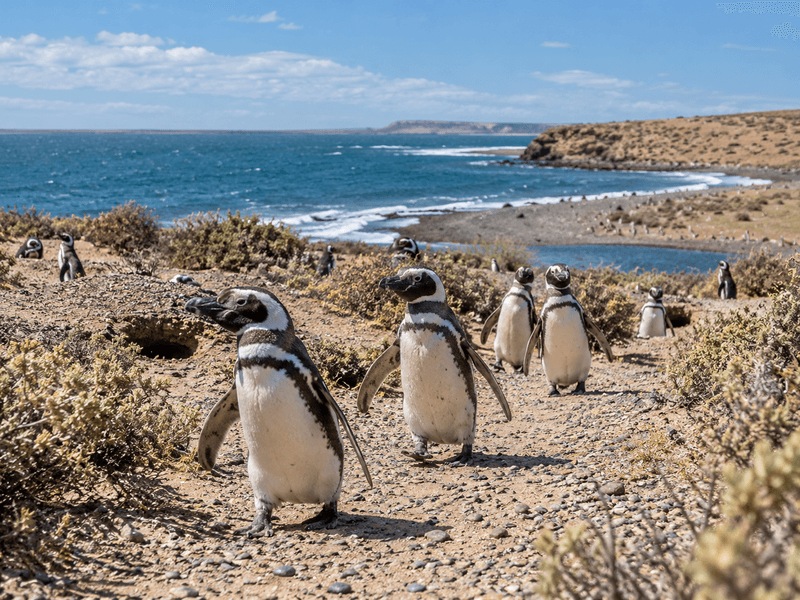
Before traveling to Patagonia, I imagined encounters with wild animals very differently. I expected to see them from a distance - through a camera lens, from a car or from a viewing platform. So being able to simply walk along the coast near penguins became a real surprise. One of the best-known places for this experience is Punta Tombo in Chubut Province. It protects one of the most important continental colonies of Magellanic penguins. During the breeding season, the birds return here to nest and raise their chicks. At first, I noticed just one penguin The road to the coast passed through a harsh landscape. There was dry Patagonian steppe, low vegetation and strong wind. After the familiar photographs of Patagonia with dramatic mountains, this landscape looked surprisingly empty. I started along the trail and at first could not even see where the penguins were. Then I noticed one calmly walking along the path without paying attention to people. A few minutes later there was another, then several more. Soon I was looking at dozens of them. The most surprising thing was how unafraid they seemed. They walked toward their nests, returned from the sea and sometimes stopped right beside the trail. It felt as if we were the visitors on their territory. They were much more interesting than in photographs In real life, every penguin seemed to have its own personality. One marched forward with complete confidence, another stood still looking toward the sea, while a third suddenly started running with its funny waddling walk. It was especially interesting to watch them move between their nests and the coast. Some returned from the sea and passed very close by. Others stayed near their burrows while adult penguins checked on their chicks. At some point, I simply stopped taking photographs. I wanted to watch. There was the sound of wind, waves and birds. No show, no performance - just the coast, the steppe and animals going about their lives. It is important not to touch or feed the penguins or block their path. The best approach is to keep your distance and let the animals decide how close they want to come. Patagonia showed me a completely different side of wildlife I thought the strongest impression of Patagonia would come from mountains, glaciers or enormous distances. Instead, the encounter with penguins stayed with me in a completely different way. There is something special about standing in the windy steppe and watching a small penguin calmly walk past you. It does not pose, does not know about your camera and does not care that this moment may be the highlight of your day. Magellanic penguins can be seen in several places along Argentine Patagonia. Besides Punta Tombo, colonies can be found on Peninsula Valdes, at Cabo Dos Bahias, on Penguin Island and in other coastal areas. Their season generally runs from September to mid-April. After this encounter, I started seeing wildlife differently The main impression was not how close I got to the penguins. I realized that a genuine wildlife encounter is about being able to watch without interfering. The penguins continued their normal lives while I stood nearby. They returned from the sea, cared for their chicks, crossed the trails and disappeared among the bushes. That was what I liked most. No show and no performance. Just Patagonia, the ocean, the wind and thousands of penguins returning here every year along their natural routes.

Read more →
0 0
Stanislav Discoverer
Thailand · October 8, 2026
A day in Phuket without hiking routes

A day in Phuket without hiking routes

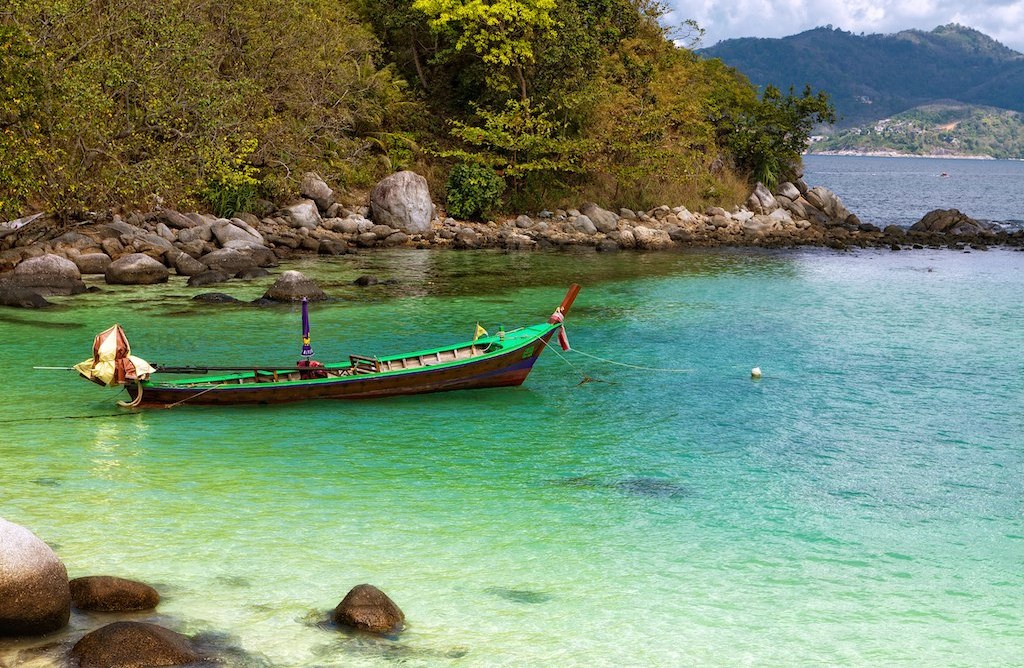
In Phuket, for the first time in a long time, I decided to arrange a strange tourist experiment for myself – to spend the whole day without a pre-planned route. I usually travel according to about the same scenario: in the morning I open the map, look at what is interesting around, build a beautiful chain of several points, and then try to do it all before the evening, gradually turning from a tourist into a person who competes with his own navigator. This time, I decided to do the opposite: no mandatory attractions, no "top 10" lists, no attempts to tick off every famous place, but just leave the hotel in the morning and see where it takes me. Morning in Phuket explains very quickly that rushing here is not the smartest idea at all. It was warm, the air seemed humid already in the morning, a small street kiosk was operating somewhere nearby, it smelled of coffee and something fried, and there were gradually more and more scooters on the road. I bought myself a coffee, sat down at a small table, and for the first time during the trip, I realized that I didn't know what to do next, and to be honest, I unexpectedly liked the feeling. I just went where I wanted to go. After breakfast, I decided not to take a taxi or open a map, but just walked through the streets. At first, it seemed to me that in fifteen minutes I would definitely find something so interesting that I would want to return to the original plan immediately, but nothing like that happened, and I just kept walking, looking at houses, small shops, cafes and people who were going about their usual business. At some point, I turned off a fairly busy road onto a quiet street and realized that the tourist part of Phuket was somewhere behind me. I met this cat by chance. He behaved like a master of life, and this is probably the first time I've seen such freedom in the eyes of a stray animal. The area no longer had endless signs with excursions and offers to rent a boat or massage, but there were ordinary apartment buildings, parked scooters, laundry that dried directly in the sun, small shops and cats that clearly considered this territory their own and were not at all interested in my presence. As I walked along, I thought that for some reason these places are more memorable than many attractions, because here you don't look at the scenery for tourists, but just see ordinary life. A cafe that I hadn't planned to look for at all After a while, the heat started to remind me that I was in Thailand after all, and not on a walk through a northern European city. I noticed a small cafe with no loud signage, where locals were sitting at tables, and I decided to go in, although I had no idea what was served here or if I could even explain what I wanted to order. Laab Mu Dish In the end, I dealt with the food roughly according to the principle of "point your finger at something delicious," and it turned out to be one of the best decisions of the whole day. They brought me a simple dish with rice, meat, and vegetables called Laab Mu. It seemed completely harmless to me, but after a few seconds I realized that I had relaxed too soon. I don't really like spicy food, but once I was in Thailand, I courageously finished everything, washing it down with water and pretending that the spice wasn't terrible at all, although a small fire festival was taking place inside me at that moment. The most interesting thing was that no one around seemed particularly impressed by what was happening, because for locals such food was completely ordinary. I was sitting there, wiping my forehead with a napkin and thinking that it was for the sake of such random stops that it was worth sometimes abandoning tourist routes. Phuket turned out to be much quieter than I expected. After lunch, I decided to find a place where I could just sit by the water, but again I did not choose the famous beach on the map. I got on a scooter and drove towards the coast, turning to where the road looked more interesting, and not to where it said "must see". I almost got lost several times, and once I realized that I was going to the wrong place, but I decided not to turn around right away, because it's thanks to such mistakes that sometimes you find places that never existed in your original plan. Pa Tong Beach In the end, I found myself at a quiet stretch of coast where there were very few people. There was no sense of a large resort here, the music from the bars did not cover the sound of the sea, and instead of the endless movement of tourists, I saw several fishermen, locals, and a couple of people just sitting by the water. I took off my shoes, sat on the warm sand and just looked at the sea for a while. After several days of traveling according to schedule, it turned out to be an unexpectedly pleasant experience, because for the first time I didn't have to think about how long it would take to get to the next point, whether I would make it before the museum closed, or where it would be better to park. The sea wasn't going anywhere, and I wasn't going anywhere either, and at that moment it seemed to me that this was how Phuket should be perceived sometimes. A random walk that dragged on In the late afternoon, I went for a walk again, and here my plan finally ceased to exist, although, to be honest, there had been no plan as such for a long time. I passed by small shops, looked into local shops, stopped several times to buy water and fruit, and then noticed a small street with houses and old architecture and decided to walk along it. I enjoyed watching Phuket live without any tourist scene. Somewhere a store was opening, somewhere a cafe owner was putting chairs outside, the children were returning home, and near one of the houses several dogs staged such a concert, as if they had specifically decided to test my patience. I stood next to him, laughed and walked on, and after ten minutes I realized that I had absolutely no idea where I was, because the map was still open somewhere in the depths of the phone, and I was too carried away by the walk. However, getting lost in Phuket wasn't as scary as I imagined. I was just walking along the road, sometimes I recognized familiar places and eventually came to a place from where I could already orient myself normally, although my confidence in my own navigation abilities noticeably decreased after that. An evening without sunset from the tourist list When it started to get dark, I found myself by the sea again. This time, I didn't specifically look for a beautiful viewing platform, because I realized one simple thing all day: sometimes the best view comes exactly when you don't plan it. I sat down near the water and ordered a cold drink, and the surroundings gradually became quieter. The sky was changing color, the sea was getting dark, lights were coming on in the streets, and the whole day, which seemed like a bit of a strange idea in the morning, suddenly formed into a very complete picture. I remembered the morning coffee, the spicy lunch, the random road, the almost lost route, the small cafe and the quiet beach, which was not included in my plans at all. And I realized that for the whole day I had done almost nothing of what is usually advised to tourists in Phuket, but at the same time I felt for the first time that I really saw the island not as a set of attractions, but as a place where people just live. What did this day give me? When I returned to the hotel, the phone showed a fairly modest number of photos, and at first I was even a little upset. Then I looked at them again and realized that almost every photo is associated with a specific moment: here is the coffee in the morning, here is a random street, here is lunch, after which I tried to maintain dignity, here is the sea and the very stretch of coast where I did not intend to go at all. It was then that I realized that the day without a tourist route turned out to be one of the most memorable of the entire trip. I didn't see all the famous places, didn't tick dozens of boxes in front of the sights, and didn't return to the hotel feeling that I had successfully completed the program, but for the first time I allowed myself to simply be a traveler who goes where I want, stops where I like, and sometimes calmly admits that I have no idea where to turn next. Perhaps this is how I will remember Phuket – not only with beaches, palm trees and beautiful photos, but on an ordinary day when I left the hotel without a plan and let the island show itself to me. Sometimes traveling becomes much more interesting when you stop trying to see all the most important things and start noticing what is happening right in front of you. And if I find myself in Phuket again, I will most likely leave one day completely free again, because now I already know that the most interesting routes sometimes start exactly when you weren't going anywhere at all.

Read more →
0 0
richword Expert
Norway · October 8, 2026
Norway's Fjords: 5 Places Worth Seeing

Norway's Fjords: 5 Places Worth Seeing

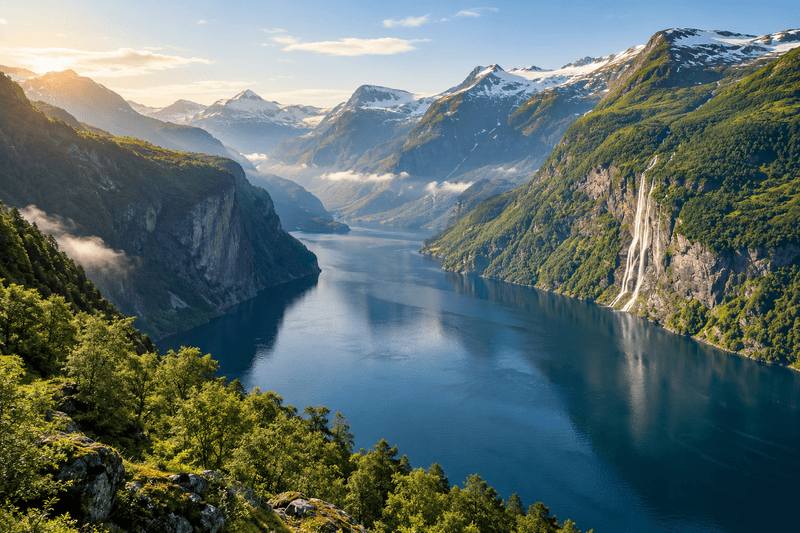
Norway is known for its fjords, narrow sea inlets between tall cliffs. You can reach them from Bergen, and the main spots are not far from each other. We have gathered five places worth including in your route and added tips on how to prepare. In Short Best time: summer, roughly June to September, when the main trails and roads are open. Base for the route: Bergen, from where most fjords are easy to reach. Allow time: there are long roads and ferries between the spots. Check the weather in advance: it changes fast in the mountains. Geirangerfjord Geirangerfjord is a UNESCO World Heritage Site together with Nærøyfjord. Its slopes are decorated with waterfalls, the best known of which is called the Seven Sisters. It is best to see the fjord from the water on a cruise or ferry trip, and then climb to one of the viewpoints above it. Geirangerfjord Nærøyfjord Nærøyfjord is considered one of the narrowest fjords in Europe, and its slopes rise almost vertically. You can see it from a boat or a kayak starting from the villages of Gudvangen and Flåm. It is quiet here, and the slopes around you seem very close. Nærøyfjord The Flåm Railway Flåm is a small village where the famous Flåmsbana railway begins. The route is about 20 km long, takes roughly an hour and descends more than 800 meters. From the train windows you can see waterfalls, mountain valleys and the fjord, which makes it one of the easiest ways to see Norwegian nature without long hikes. The Flåm Railway Preikestolen Preikestolen , the Pulpit Rock, is a flat cliff about 600 meters above Lysefjord. The trail is about 4 km one way and takes roughly two hours, with some steep parts. There is no fence at the top, so be careful near the edge, especially in wind. Preikestolen Trolltunga Trolltunga , the Troll's Tongue, is a rock sticking out about 700 meters above the lake. The route is long: around 28 km round trip, usually taking 8 to 12 hours. You need good fitness, suitable shoes and an early start, and in bad weather it is better to skip the hike. Trolltunga Tip: do not try to see everything in one go. There are long roads and ferries between the fjords, so it is better to pick two or three places and take them calmly. What to Bring A waterproof jacket Warm clothes in layers Comfortable trail shoes Water and a snack A charged phone and a power bank Was Norway Worth the Trip? Absolutely. The fjords look different depending on weather and time of day, and even a short trip stays with you for a long time. The main thing is to plan the route in advance and not rush.

Read more →
0 0
Gilyana Guide
USA · October 8, 2026
How I first saw Niagara Falls

How I first saw Niagara Falls

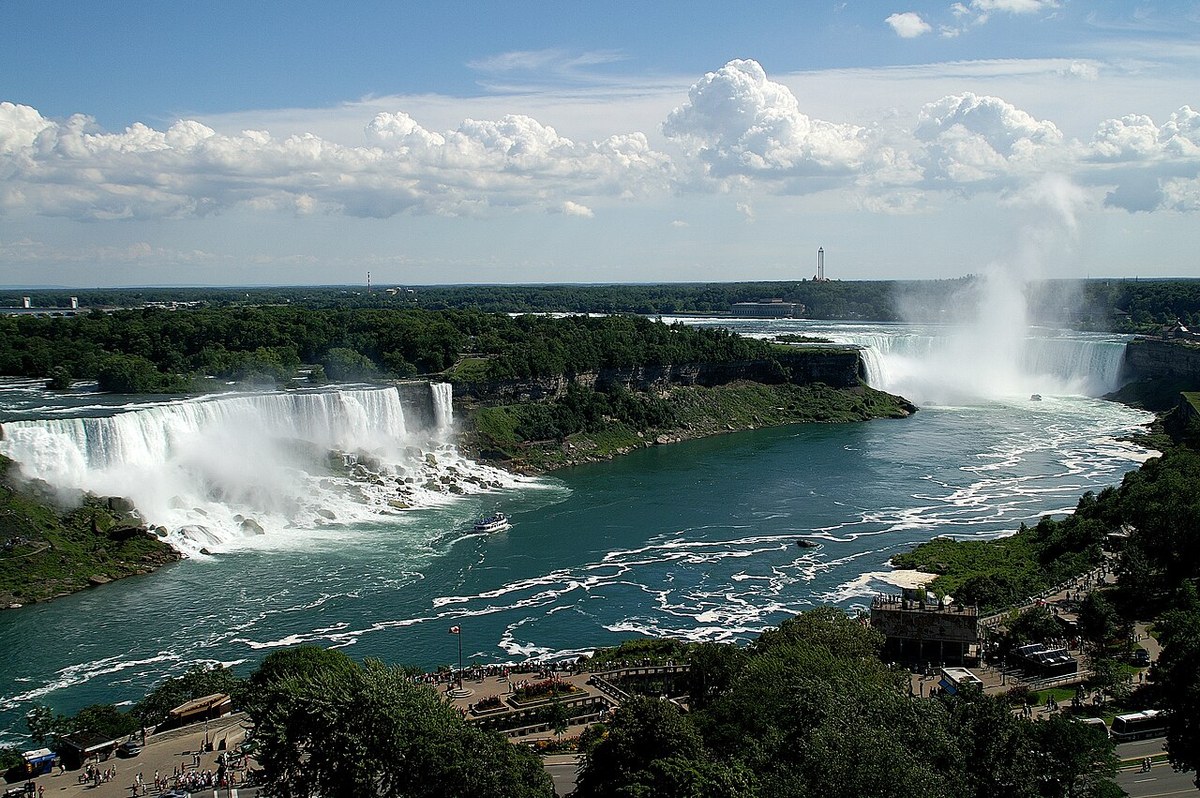
I knew about Niagara Falls long before I saw it with my own eyes, and as is often the case with very famous places, it seemed to me that I already roughly understand what awaits me there. I saw photos, watched videos, read travelers' stories, and imagined a huge stream of water, beautiful viewing platforms, and the obligatory keepsake photo where I stand with a very serious face and pretend that this is exactly how I planned to spend the day. In fact, everything turned out to be completely different, because Niagara Falls turned out to be one of those places that you can't really imagine from photographs, no matter how good the phone screen is. I arrived there with a fairly ordinary tourist mood, when the day has already been roughly scheduled in my head and it seems that now I will quickly look at everything, take photos, take a walk and go on about my business. However, the closer I got to the waterfall, the more I began to realize that my careful plan was gradually ceasing to matter. First I heard the roar of water, then I felt the humid air, and then I saw people ahead, who for some reason were all looking in the same direction, and then I became very curious about what was going on there. First look at Niagara I went out to the observation deck, looked up, and just stopped for a few seconds, because my brain clearly didn't have time to process what I saw. In front of me was a huge mass of water that was rushing down with incredible force, and it was all happening on such a large scale that the first thought was completely simple.: "Now I understand why people come here from all over the world." In photographs, the waterfall seems beautiful and impressive, but in person it is completely different, because you don't just look at it, you hear it, feel the spray, see the movement of the water and realize how small you become next to such natural power. I didn't even take out my phone for a few minutes, although before the trip I promised myself to take everything in a row and bring home photos that I could then admire on long winter evenings. At that moment, I didn't want to photograph anything at all, because I was afraid of missing the first impression while I was looking for the right angle. Of course, I couldn't stay without a phone for long, because the tourist inside me quickly defeated the romance, and after a few minutes I was already trying to figure out how to remove the waterfall so that it didn't look like another beautiful picture from the Internet. The photos didn't turn out the way I wanted them to. This is where a separate part of my journey began, which is usually not written about in beautiful travel articles. In the first photo, someone else's head somehow mysteriously got into the frame, in the second, the wind tousled my hair, in the third, the lens was covered with small drops, and in the fourth, I seemed to catch a beautiful moment, but for some reason I looked as if I had just learned about the existence of a waterfall and was very surprised by it. I wiped the camera several times, changed the position, moved away and came back again, until I finally realized that I was trying to photograph something that didn't need my photographic skills at all. At some point, I just put my phone away and decided to look with my eyes instead of through the screen, and that's when the impression became even stronger. There was a constant hum around, the water was moving so powerfully that the eye literally clung to this stream, and the air was filled with the smallest drops. I stood and thought about how many people had looked at the same waterfall before me and felt about the same feeling when you realize that nature sometimes knows how to create spectacles much more spectacular than any human project. Splashes, wind and my slightly wet image Of course, I knew that there would be water next to the waterfall, but for some reason I wasn't prepared for how quickly it would be on me. At some point, the wind brought a cloud of fine spray directly in my direction, and at first I tried to pretend that everything was under control, although after a few minutes my hair began to get wet, and small drops appeared on my jacket. As a result, my neat tourist image of a man who came to enjoy nature quickly turned into the image of a man whom nature decided to refresh a little without prior approval. But for some reason, this particular moment is especially memorable to me, because travel rarely consists only of beautiful shots. We usually take pictures of ourselves against the backdrop of the sights, try to look perfect, fix our hair before taking the picture, choose the best angle, and then completely forget that a real trip is still wet sleeves, tired legs, accidentally spilled coffee, and situations where the navigator suddenly decides that you can do just fine without it. Niagara quickly explained the rules of the game to me in this regard: it is impossible to stay completely dry here and at the same time feel like a real participant in what is happening. Why was the sound the most striking to me? To be honest, before the trip, I didn't even think about the sound of the waterfall, because we usually perceive such places with our eyes. But when you stand next to Niagara, the first thing you start to hear is it, and this hum becomes such a natural part of the space that after a while you can no longer imagine the surrounding landscape without it. You can talk, laugh, take pictures, discuss the route, but somewhere in the background there is always a powerful sound of water, which reminds you that something absolutely incredible is happening just a few meters away from you. I liked that it's impossible to turn this sound off, pause it, or turn it down, and there's a special honesty to nature about it. You can come for a few minutes or spend half a day nearby, but the waterfall does not change its character for the sake of tourists and is not at all interested in whether you managed to take a good photo. He just keeps falling, making noise, and gathering people around him, who stand and stare at him with the same slightly dazed expression on their faces. I realized that I don't want to rush anywhere here. I usually try to get as much time as possible when traveling, especially if I know that I can only be in this place once. I always have an internal list: to see, to take pictures, to walk a little more, to find a beautiful street, to go to a cafe, to look again, and then be sure to check that I did not miss anything. But near Niagara Falls, this mode suddenly turned off, and for the first time in a long time I wanted to just sit and look at the water, not thinking about the next destination. Niagara Riverfront I found a place where I could clearly see the waterfall, and for a while I just watched what was happening around me. Someone was taking pictures, someone was standing completely still, the children reacted joyfully to the spray, and the adults were trying to take photos in which their faces were not covered by wind or drops of water, and the whole picture was very vivid. I suddenly thought that it was probably for the sake of such moments that we travel – not for the sake of a tick in front of the name on the map, but for the sake of a feeling that then suddenly pops up in my memory years later. Niagara seemed completely different to me in the evening As the day began to come to an end, I returned to the waterfall and looked at it with slightly different eyes. In the morning, I was a person who had just arrived and was trying to understand the scale of what was happening, and in the evening I already felt as if I had become a little familiar with this place and had managed to get used to its noise, humid air and endless movement of water. Of course, it's impossible to get used to Niagara completely, but after a few hours next to her, the first shock is replaced by some kind of calm admiration. I took out my phone again and took some photos, even though I already knew they wouldn't be able to convey what I saw anyway. Everything looked beautiful on the screen, but a completely different image remained in my memory – the sound of water, cold splashes on my face, wind, wet hair and the feeling that in front of me was not just a famous landmark, but a huge natural force. It was this image that I remembered most often later, although there were many more photos left on my phone. What did I take with me When I left Niagara Falls, for some reason it seemed to me that I would definitely come back here. Not because one day was not enough for me or I did not have time to look at something, but because some places cannot be closed in my head with one trip, like a completed item on a list. I wanted to hear that noise again, see the falling water again, stand next to it without a phone and just watch nature do what she does best for a few minutes. I went there thinking that I would see one of the most famous waterfalls in the world, but in the end I got much more than I expected. Niagara reminded me that photographs are sometimes too good at reducing impressions, because the real scale of a place is revealed only when you are next to it, feel the spray on your face and realize that it is impossible to put a frame or make a beautiful filter in front of you. And, probably, that's why my first acquaintance with Niagara Falls remained in my memory not as an ordinary tourist trip, but as the very moment when I first saw a huge wall of water and for a few seconds I simply forgot where I was going to go next. I came to see Niagara, but I left with the feeling that I had been near something much more than just an attraction, and now I know for sure that some places need to be seen with my own eyes at least once, even if after that you come home with wet hair, hundreds of photos of the waterfall and about zero really perfect ones. frames.

Read more →
0 0
Svetlana Discoverer
Portugal · October 8, 2026
Madeira Island Trip

Madeira Island Trip

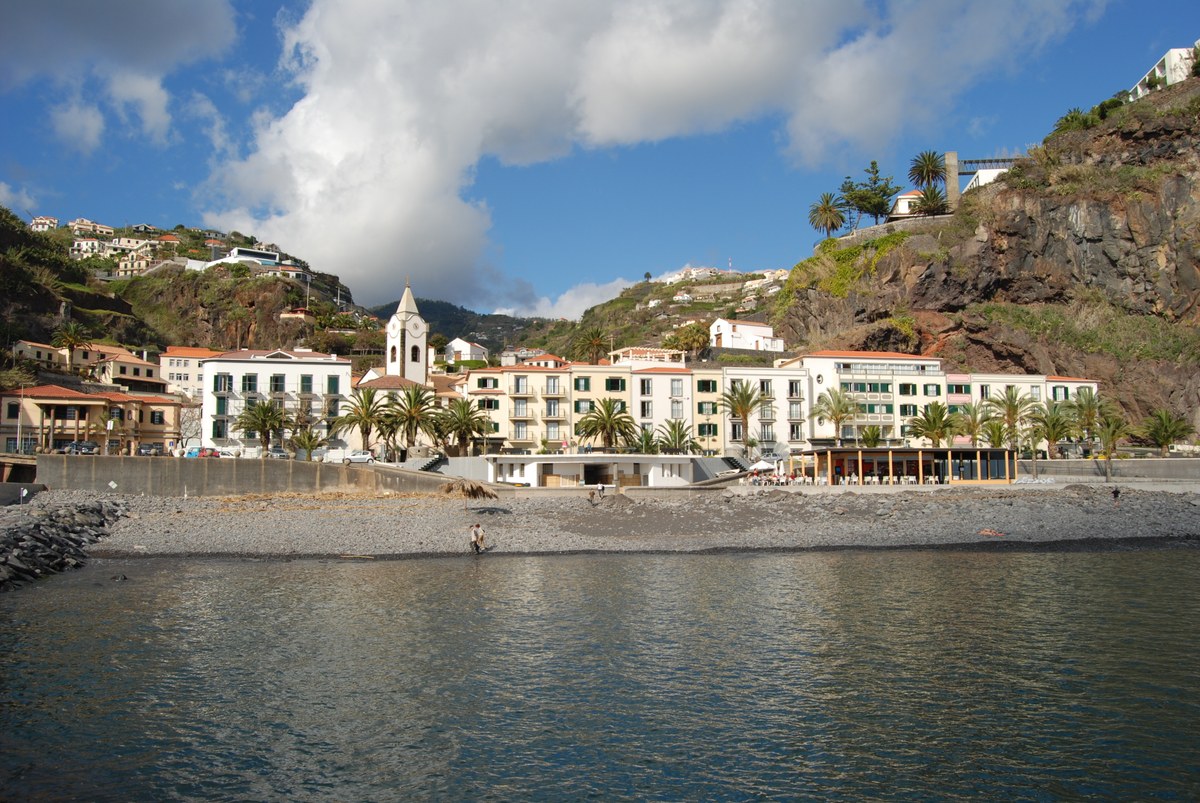
I've wanted to visit Madeira for a long time, but for some reason I've treated this island like a beautiful picture from the Internet for a long time. Green mountains, the ocean, waterfalls, roads over cliffs, small houses among the slopes – it all looked so perfect that I was even a little afraid to be disappointed when I met. In my head, Madeira existed somewhere between a postcard and an advertisement for an expensive hotel, and I know perfectly well that real travel is usually arranged quite differently: it's raining somewhere, you're wet somewhere, you've taken a wrong turn somewhere, and your hair after a trip looks like you've spent several hours in fighting the hurricane. But Madeira surprised me almost immediately, I came to the island without the desire to make some grandiose list of attractions and decided to just give myself time to feel this place. I wanted to look at the ocean, walk among the greenery, drive along mountain roads, stop where it's beautiful, and not worry if the next point of the route suddenly has to be canceled. And, as it turned out, this approach turned out to be the most correct one for Madeira, because this island absolutely does not want to go through the points. The first acquaintance with Madeira Madeira Airport The first thing that really struck me was the relief of the island. I'm used to the fact that islands are usually associated with beaches, palm trees, and a fairly understandable logic of relaxation: the sea, a sunbed, a cafe, and the sea again. In Madeira, everything is completely different, because here in just a few minutes you can find yourself among mountains, fog and dense greenery, and then see the ocean again. I was driving along the road and kept turning my head in different directions because I couldn't choose where to look. There are mountains on the left, the ocean on the right, another bend ahead, and suddenly a completely different landscape opens up behind it, which you want to photograph immediately. At one point, I even asked to stop, although just five minutes ago I myself said that we would no longer stop every five minutes, but Madeira was clearly not going to make my life easier. Each new turn looked like the island was specifically testing how quickly I could change my plans. The ocean, which is constantly nearby It seems to me that the ocean has become the main feeling of my trip. In Madeira, it is not perceived as a separate part of the holiday, which you need to specifically go to, because it is constantly present somewhere nearby: it is visible between houses, appears around a bend, makes noise below the road and suddenly opens up with a huge blue stripe between the green slopes. I could just sit on the shore and look at the water, even if I had a completely different route planned. On a normal trip, I probably would have started to get nervous about the lost time, but here I gradually stopped looking at the clock. I liked that feeling. In Madeira, for the first time in a long time, I did not feel the need to constantly rush somewhere. I just sat and looked at the ocean, and he went about his business quite calmly, not caring about my schedule. The Green Madeira But most of all I was surprised by the greenery, I expected to see a beautiful island, but I had no idea how saturated it would be in color. Everything here seems to grow in several directions at once: plants hang from the slopes, moss covers the rocks, the trees are so dense that sometimes it seems as if the road passes through a real green tunnel. I especially liked the feeling of humidity after the rain. Small drops may remain on clothes, the road becomes shiny, the leaves look even brighter, and a light fog appears around. And that's when I finally realized that Madeira doesn't look like a classic sunny island at all. The weather can change here in just a few minutes, and at first it's a little annoying, especially when you've just done your hair and gone out to take pictures. Then you get used to it and begin to perceive the rain as part of the local character. After all, if Madeira was always perfectly sunny, where would all this incredible greenery come from? Mountain roads and my little adventure I decided to take a car and explore the island on my own, although later I wondered several times why it seemed like a good idea at all. The roads in Madeira are very beautiful, but some of them make you pay more attention not only to the landscape, but also to where exactly you are going. The ascents, descents, turns, narrow sections and slopes around me periodically forced me to hold the steering wheel tighter and treat local drivers with great respect. The funniest thing happened was when I saw an incredibly beautiful view and realized that I couldn't stop right there. That is, the brain said, "What a beauty, you need to take pictures," and common sense replied, "Very beautiful beauty, but first let's get to a place where we can park properly." As a result, I drove past stunning landscapes several times, then turned around and tried to find a suitable place to stop. And, of course, that's when the beautiful light disappeared. Travel in general has an amazing ability to turn on the perfect sunlight exactly at the moment when you are not where you were going to take pictures. Waterfalls and the feeling of real nature Waterfalls became one of the most pleasant discoveries. I've seen photos of Madeira waterfalls before the trip, but they feel completely different in person. Especially when you walk along a wet path, water is rushing around, streams are falling from the mountain, and there are dense greenery nearby. At such moments, Madeira seems very far from the usual Europe. As I walked along, I thought that if I had been brought here with my eyes closed and asked to guess the country, I would most likely have named something completely different. I liked that feeling of surprise. It's like you're on a European trip, and after a while you start to feel like you're somewhere in a tropical forest. The most beautiful thing here is not the sights After a few days, I realized one simple thing: the main attraction of Madeira for me is Madeira itself. It sounds a bit corny, but I can't explain my impressions any other way. I liked not only specific waterfalls, roads or viewing platforms, but the combination of the ocean, mountains, greenery, fog and small houses, which was constantly changing before my eyes. You can drive along a completely ordinary road and suddenly see the ocean far below. You can stop at a small cafe and discover a stunning view behind it. You can go outside in the morning after the rain and realize that the air smells completely different. It was from such little things that I got the feeling of Madeira. A small setback Of course, my traditional travel failure wasn't complete either. One day I decided to go out for a walk, looked up at the sky and thought that it definitely wasn't going to rain. After a while, the cloud literally came to meet me, and I got such a small shower that after a few minutes I looked like I had specifically decided to check the water resistance of my own clothes. The funny thing was that people in jackets were passing by, and I immediately realized which of us had really studied the climate of Madeira before the trip. I hid under a small canopy and laughed at myself, because literally in the morning I told how important it is to be prepared for changeable weather. Madeira just decided to put my knowledge to the test. And I don't think I passed the exam. Evening on the island I especially enjoyed going back to the ocean in the evening. After a whole day of driving, walking and constant stops, I would sit down somewhere by the water and just watch the light gradually change. The ocean was getting darker, the mountains were turning into silhouettes, and the first lights were coming on on the coast. At such moments, I absolutely did not want to open the card and think about the next day. I just sat there and remembered everything I had seen. And the more I remembered, the more I realized that the highlights were completely unplanned. The very turn where I happened to see the ocean. The road through the green mountains. The rain that caught me completely unprepared. Coffee after a long walk. The sound of waves, the fog that suddenly covered the mountainside. And the feeling that there is a place around me that is not trying to please the tourist at all, but that's why I like it even more. Why do I want to go back When it was time to leave, I suddenly felt that I wasn't ready to say goodbye to the island at all. Although I saw a lot of beautiful things, I didn't feel like I had "closed" Madeira and now I could safely tick off this trip. On the contrary, it seemed to me that I was just beginning to understand her. Perhaps this is the peculiarity of such places. You arrive with certain expectations, and then the island gradually shows you a completely different side of itself. I didn't like Madeira because you can make a perfect collection of photos here. I liked it because you always want to stop here, look around and forget a little about the fact that you actually have a route. I left with the feeling that I would definitely come back. And next time, I want to do everything a little differently: plan less, stop more often, sit by the ocean longer and not get upset because of the rain. Although, to be honest, I know myself. Most likely, I'll make up a detailed route again, take a car, put a few points on the map, and then I'll see another beautiful turn and say: "Okay, let's stop here too." Because Madeira is just like that.: she seems to be alone – a small island in the middle of the Atlantic, but every time you look in the other direction, it seems that you have a completely new place in front of you. And that's probably why I still remember this trip not as a sightseeing trip, but as an introduction to one big, incredibly green and slightly unpredictable place that one day just took over and I liked it.

Read more →
1 0
richword Expert
Brazil · October 7, 2026
Ouro Preto: The Brazilian City That Is Nothing Like Rio

Ouro Preto: The Brazilian City That Is Nothing Like Rio

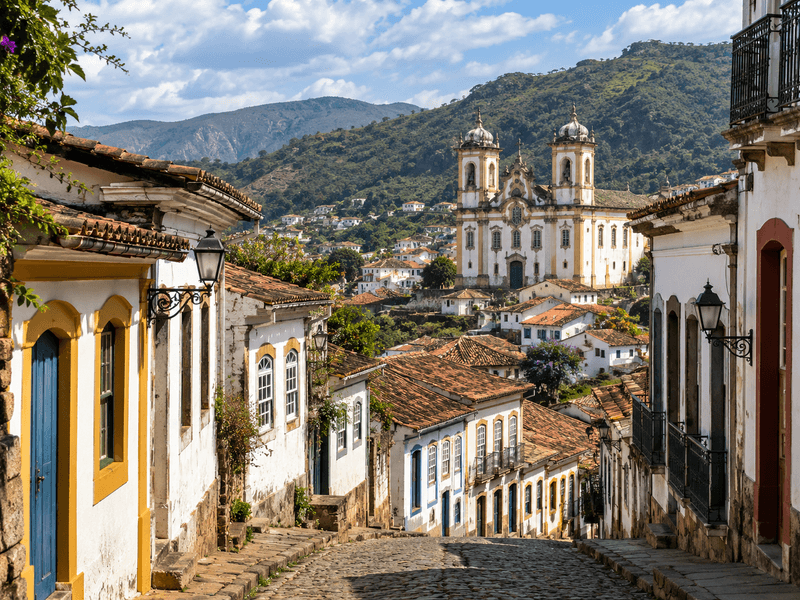
When I traveled to Ouro Preto, I expected another beautiful Brazilian city, just a little older and quieter than Rio. But after only a few minutes of walking, I realized that comparing the two was almost pointless. There is no ocean, no long beach and no feeling of a huge metropolis. Instead, there are steep hills, narrow streets, old houses and historic churches. My first impression - this felt like a different Brazil After Rio, the difference was especially noticeable. In Ouro Preto, the city seems to be built directly into the mountains. I kept stopping because every turn revealed another view. Houses stand on the slopes, while streets suddenly climb or descend. These streets are what give the city its character. The historic center has preserved its old layout and colonial architecture. I started walking into one church after another What surprised me most was the number of beautiful historic churches. Inside, I found carved wood, gold decoration, religious sculptures and painted ceilings. The Church of Saint Francis of Assisi was especially memorable, connected with the famous Brazilian Baroque artist Aleijadinho. I stopped trying to remember every name and simply enjoyed the details. At Tiradentes Square, I finally stopped and realized that Ouro Preto is best experienced as one historic ensemble. Then I remembered how this city came to exist It all started with gold. At the end of the 17th and beginning of the 18th century, rich deposits were discovered in the region, and Ouro Preto became one of the main centers of gold mining. The wealth helped build large churches, public buildings and beautiful houses. When the gold cycle ended, the city lost much of its economic importance, but its historic architecture survived. Another important chapter is the Inconfidência Mineira, the 1789 movement against Portuguese colonial rule. Ouro Preto is nothing like Rio - and that is exactly why I liked it I went to Rio for the ocean, mountains and famous views. In Ouro Preto, I discovered a completely different Brazil - historic, mountainous and a little quieter. There is no need to hurry here. You can walk along an old street, visit a church, climb another hill, have a coffee and keep wandering. After Rio, I thought I already knew what Brazil could look like. Ouro Preto quickly proved me wrong.

Read more →
1 0
Anna Explorer
October 7, 2026
A night in the Sahara Desert

A night in the Sahara Desert

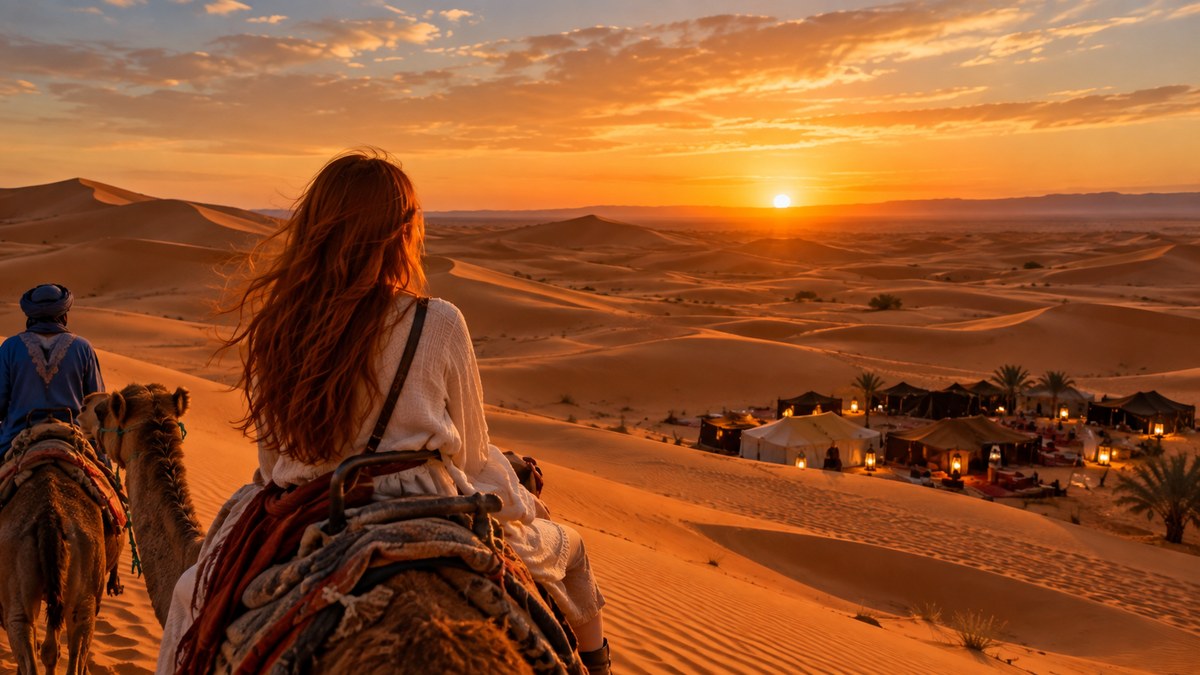
I never thought that one day I would be sitting in the middle of the Sahara and looking at the stars, trying to figure out why everything is so quiet that my own breathing suddenly starts to seem quite loud. Before my trip to Morocco, the desert seemed to me to be something very beautiful, but rather abstract: endless sand dunes, camels, tents, and a perfect sunset, which for some reason always turns out to be more beautiful in photographs. Of course, I wanted to see all this, but I absolutely did not expect that one night in the desert would turn out to be one of the most memorable episodes of the whole trip. I had booked a night in advance at a Berber camp in the Sahara and knew perfectly well that this would not be an ordinary hotel where I could turn on the air conditioner in the evening, charge my phone and calmly see how many degrees it would be tomorrow. Everything was supposed to be completely different here, and that's why I was a little nervous. Especially after I read that the temperature can drop a lot at night in the desert, and I realized that my idea of taking a light dress for beautiful photos was great until I started thinking about the night. The Road to the Sahara Sugar I drove to the camp in the late afternoon, when the sun was already starting to get softer. The landscape gradually changed, the greenery became less and less, rocks, dry land and vast spaces appeared around, and then the first dunes appeared ahead. I remember that moment very well. Before that, the desert was just part of the route on the map, and then suddenly it became a reality outside the car window. Huge golden hills stretched away into the distance, and it seemed to me all the time that the landscape would change after the next dune, although it remained almost the same. And yet I couldn't stop watching.It seemed to me that for the first time I was seeing a space that really had no end. At some point, the car stopped, and then we had to ride on camels. Getting to know my transport. Of course, I had imagined this scene in advance and for some reason I was sure that now I would calmly sit on a camel, fix my hair beautifully, smile and ride towards the sunset. The camel, apparently, also imagined this scene, but in a slightly different way. When he started to climb, I suddenly realized how high I was, and for the first few seconds I tried my best not to look like a person who had already regretted his life decisions. Then it became easier, and I even started enjoying the trip. We were moving slowly through the sand, there were only dunes and a few people from our group around, and the sun was gradually sinking lower. I watched the shadows grow longer, and for the first time that day, I stopped thinking about my phone. Of course, after a few minutes I was already photographing everything around, because once you come to the Sahara, it's impossible to just sit and not take pictures of anything. Sunset among the dunes We stopped at one of the dunes to watch the sunset. I climbed a little higher and sat down on the sand, trying not to think about the fact that it had somehow magically appeared almost everywhere. In my shoes, on my clothes, in my bag, probably even somewhere on my phone. But at that moment, I didn't care. The sun gradually sank, the sand became more and more golden, then orange, and then began to acquire pinkish and reddish shades. The dunes cast long shadows, and the landscape was changing literally every minute. I sat and watched it until the sun finally disappeared below the horizon. And that's when I felt real silence for the first time. Not the kind of silence that happens at night at home when the TV is just not working and no one is talking, but real silence. There were no cars around, no city noise, no phone beeps, and no casual conversations between passersby. There was only the desert. Our camp When it got dark, we went to the camp, from a distance it looked like a few warm lights in the middle of a huge dark space. After sunset, it was especially impressive because there was almost nothing to see around, and the small camp seemed like a separate world. Our tent turned out to be much more comfortable than I expected. There was a bed, simple furniture, light and everything necessary for an overnight stay, so my initial fear about "spending the night in the middle of the desert" was quickly replaced by the thought: "And here, it turns out, it's quite comfortable." However, I relaxed too soon. When I opened my bag to get a warm sweatshirt, some sand came out with it. I looked at him, then at the bag, then back at the sand. And I realized that Sahara had already officially moved into the tent with me. Dinner by the campfire In the evening, we gathered around a campfire, and there was simple Moroccan food on the table, tea with mint, and several dishes that, after a long journey, seemed incredibly delicious to me. Probably, even ordinary bread becomes a gastronomic event on an empty stomach, but for some reason everything was really perceived especially vividly in the desert. We talked, laughed, discussed the road and impressions, and then the locals started playing drums and singing. I was sitting by the campfire and looking at the fire, and beyond it there was absolute darkness. It felt a little unreal. In everyday life, something is always happening around us: cars, people, lights in the windows, planes in the sky. Here, it was enough to move a few meters away from the campfire to find yourself in almost complete darkness. And I suddenly liked it. The most important thing is the stars After dinner, I walked a little further away from the camp and raised my head. And that's where Sahara finally won me over. I didn't expect to see so many stars. Of course, I've seen photos of the night sky many times, but in reality everything looked completely different. Due to the lack of city light, the sky seemed incredibly deep, and there were so many stars that I just stood and looked up for a while. I tried to find the constellations I knew, but I quickly realized that I didn't understand anything about astronomy at all. But I didn't really care what each star was called. I just stood in the middle of the desert and looked up at the sky. That's probably why I came here. It was cold at night And that's when Sahara decided to remind me that the desert is not just about beautiful photos. It was warm during the day, and in the evening the temperature began to drop noticeably. I took out all the warm clothes that I had brought with me, and I was very glad that I still listened to the advice to take a jacket. My beautiful light clothes for photos were left in my suitcase and I was obviously very happy about it. I was sitting by the campfire, warming my hands and thinking about how funny we sometimes imagine traveling. Everything looks perfect in my head: You're walking beautifully through the dunes, your dress is fluttering, your hair is lying properly, the sunset is golden, and there's no one around. In practice, your hair really flutters, just completely in the wrong direction, your dress gets covered with sand, and in the evening you sit in a jacket and try to warm your hands over a campfire. But that's what makes the trip real. Overnight in a tent When I finally went to bed, it was already completely silent. I turned off the light and just lay there and listened for a while. No cars, no neighbors behind the wall, no city noise, just the occasional sound outside and the wind. It seemed to me that I was so far away from my usual life that if I opened the tent door now, I could discover a completely different planet. After a while, I finally fell asleep. However, in the morning I found sand where, it would seem, it could not be at all. I do not know how it got there, but I suspect that Sahara decided to leave me a souvenir. Dawn in the desert I woke up before the alarm went off, probably because I knew I couldn't miss the sunrise here. I came out of the tent and saw the first rays of the sun begin to illuminate the dunes. After the darkness of the night, the desert appeared before my eyes again, but now it was completely different. The sand gradually turned golden, the shadows slowly receded, and the sky changed color. I climbed the nearest dune and stood there alone for a long time. At night, the Sahara seemed endless and a little mysterious, and in the morning – calm and almost infinitely beautiful. And that's when I realized that I was really lucky to see her in two completely different states in one night. What did this night give me? When I went to the Sahara, I thought that the sunset would be the main impression. Then I thought it was the stars. Then I decided to ride a camel. But in the end, the strongest thing turned out to be something completely different – the feeling of space and silence. For the first time in a long time, I found myself in a place where I didn't have to rush anywhere. There was no need to check the map, look for the nearest cafe, look at the transport schedule or think about what to see next. You could just sit by the campfire, look at the stars and listen to the conversations of the people around you. And that's probably why I remember one night in the Sahara more than some trips that lasted a whole week. Would I go again? Definitely yes. Although next time I'll take even more warm clothes with me, close all the pockets from the sand and try not to take too many things that look beautiful only in photos. And I'm going to stay the night again, because it's impossible to really feel the Sugar in a couple of hours while you came on a field trip, took photos and went back. The real impression begins in the evening, when the sun disappears behind the dunes, the temperature gets lower, a bonfire is lit, and a huge starry sky appears overhead. And you're sitting in the middle of the desert, wrapping yourself in a jacket, trying to shake the sand out of your shoes, and suddenly you realize that you absolutely don't want to return to an air-conditioned hotel with a normal shower, because right now you feel good here. And it seems that I travel for such moments.


Read more →
0 0
richword Expert
Brazil · October 7, 2026
Ouro Preto: The Brazilian City That Is Nothing Like Rio

Ouro Preto: The Brazilian City That Is Nothing Like Rio

When I traveled to Ouro Preto, I expected another beautiful Brazilian city, just a little older and quieter than Rio. But after only a few minutes of walking, I realized that comparing the two was almost pointless. There is no ocean, no long beach and no feeling of a huge metropolis. Instead, there are steep hills, narrow streets, old houses and historic churches. My first impression - this felt like a different Brazil After Rio, the difference was especially noticeable. In Ouro Preto, the city seems to be built directly into the mountains. I kept stopping because every turn revealed another view. Houses stand on the slopes, while streets suddenly climb or descend. These streets are what give the city its character. The historic center has preserved its old layout and colonial architecture. I started walking into one church after another What surprised me most was the number of beautiful historic churches. Inside, I found carved wood, gold decoration, religious sculptures and painted ceilings. The Church of Saint Francis of Assisi was especially memorable, connected with the famous Brazilian Baroque artist Aleijadinho. I stopped trying to remember every name and simply enjoyed the details. At Tiradentes Square, I finally stopped and realized that Ouro Preto is best experienced as one historic ensemble. Then I remembered how this city came to exist It all started with gold. At the end of the 17th and beginning of the 18th century, rich deposits were discovered in the region, and Ouro Preto became one of the main centers of gold mining. The wealth helped build large churches, public buildings and beautiful houses. When the gold cycle ended, the city lost much of its economic importance, but its historic architecture survived. Another important chapter is the Inconfidência Mineira, the 1789 movement against Portuguese colonial rule. Ouro Preto is nothing like Rio - and that is exactly why I liked it I went to Rio for the ocean, mountains and famous views. In Ouro Preto, I discovered a completely different Brazil - historic, mountainous and a little quieter. There is no need to hurry here. You can walk along an old street, visit a church, climb another hill, have a coffee and keep wandering. After Rio, I thought I already knew what Brazil could look like. Ouro Preto quickly proved me wrong.

Read more →
0 0
richword Expert
Brazil · October 7, 2026
I Swam in the Middle of a Desert in Brazil

I Swam in the Middle of a Desert in Brazil

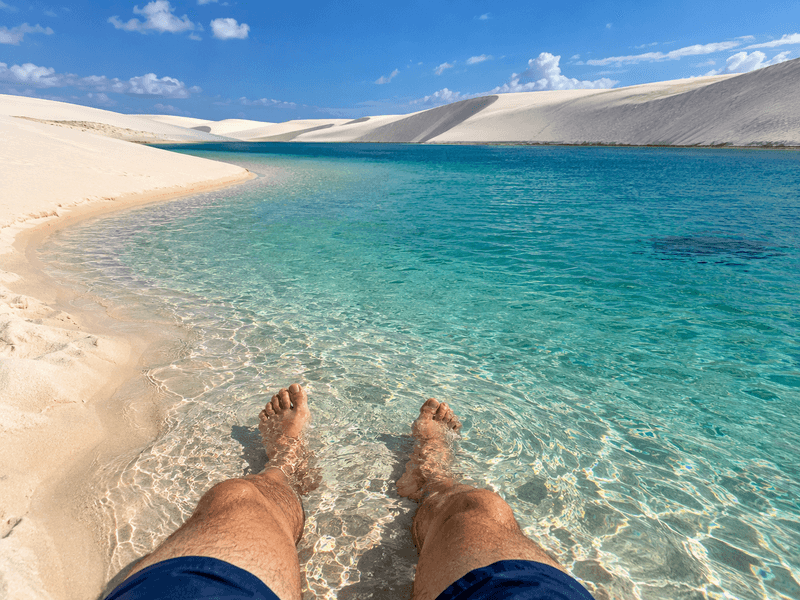
When I first saw photos of Lençóis Maranhenses, I thought they had to be edited. Huge white dunes with dozens of clear blue lagoons between them did not look real. A desert and water in the same place simply did not make sense to me. So when I got to Brazil, I decided to see it with my own eyes. Lençóis Maranhenses National Park is located in the state of Maranhão in northeastern Brazil. Its landscape is made up of enormous sand dunes and freshwater lagoons that form between them thanks to seasonal rainfall. At first, I saw nothing but sand We reached the first lagoon by an off-road vehicle along sandy tracks. Then the vehicle stopped and we continued on foot. There were dunes everywhere - one after another as far as I could see. It really felt like I had entered a giant desert. I had started wondering whether the photographs exaggerated the beauty of the place when I climbed one more dune. Then I saw water below me. A small turquoise lagoon was sitting between the white sand hills. A few minutes later, I was walking down toward it. I stepped into the water in the middle of the sand The strangest feeling came when I finally entered the water. There was no sea, no river and no familiar beach around me. Just white sand, blue water and tall dunes. The water felt pleasantly cool after walking across the hot sand. I swam, looked across the lagoon and kept thinking that the whole scene looked unreal. An hour earlier I had been walking through a desert-like landscape, and now I was swimming in the middle of it. I also loved how the landscape changes over time. Because the dunes move and the lagoons are seasonal, some disappear while others form in different places. Why is there water here at all? I later learned that the lagoons of Lençóis Maranhenses are not permanent lakes. They are formed by rainwater collecting between the dunes. That is why the appearance of the park changes depending on the season. This is what makes the place so unusual. It is not simply a beautiful desert. It is a landscape where sand and freshwater constantly interact. On the way back, I climbed another dune and looked behind me. There were only white waves of sand and small blue patches of water. That was when I understood why photographs of this place look almost impossible - reality is even more unusual. I would definitely come back Lençóis Maranhenses turned out to be one of those places that are difficult to compare with anywhere else. It is not a classic beach and not an ordinary desert. You can walk across the sand, climb a dune and a few minutes later find yourself swimming in cool freshwater. If you are planning a trip here, it is worth considering the seasonal nature of the lagoons and the park's visitor rules. For me, the main memory will always be this strange feeling: I came to see a desert and ended up swimming right in the middle of it.

Read more →
0 0
Okudava Discoverer
Georgia · October 7, 2026
Kazbegi in One Day from Tbilisi: What to See Along the Way

Kazbegi in One Day from Tbilisi: What to See Along the Way

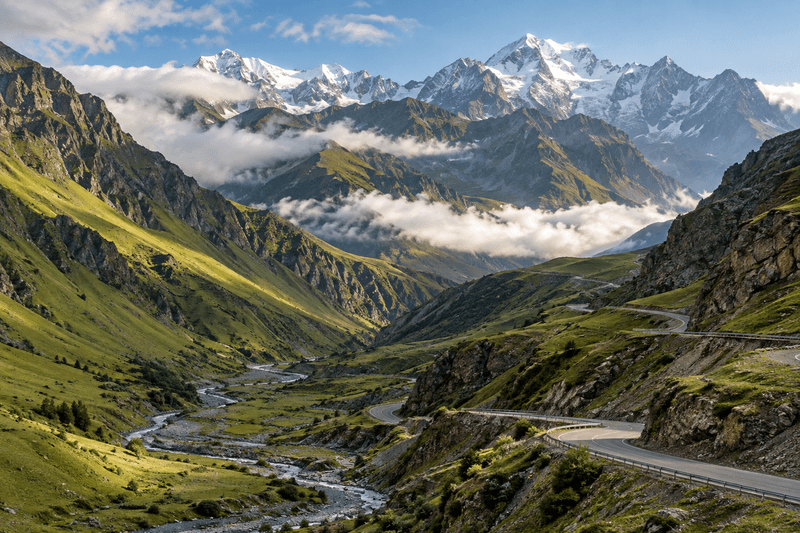
Kazbegi is one of Georgia's best-known mountain routes. Along the Georgian Military Road from Tbilisi you can reach Stepantsminda in a day and see a medieval fortress, a mountain pass and a church set against a snow-capped peak. The road is long, but almost every stretch is worth a stop. The Road from Tbilisi It is about 150 km from Tbilisi to Stepantsminda, the main village at the foot of Mount Kazbek. The route follows the Georgian Military Road and usually takes three to four hours one way, longer with stops. It is better to leave early in the morning to fit everything in without rushing. You can go by car, minibus or on a guided tour. Ananuri: A Fortress by the Water The first striking stop is the Ananuri complex on the shore of the Zhinvali reservoir. It is a fortress with churches and towers built in the 17th century. Here you can see how stone walls and turquoise water blend with forested slopes. You can climb a tower and look at the reservoir from above. Jvari Pass and Gudauri Further on, the road climbs to Jvari Pass , about 2,380 meters high, and passes through the ski resort of Gudauri. There are many viewpoints above the gorges, and the weather changes fast: it may be sunny below and foggy or snowy above. Bring a warm jacket even in summer. Gergeti Trinity Church The main point of the route is Gergeti Trinity Church , built in the 14th century at about 2,170 meters above Stepantsminda. You can walk up a trail, which takes about two hours on average, or go by off-road vehicle. A dress code applies at the church: shoulders and knees must be covered, and women are usually expected to cover their heads. Mount Kazbek Beyond the church, the view opens to Mount Kazbek , 5,054 meters high. The summit is often hidden by clouds, so it is better to go in the morning or on a clear day and be ready to wait. If the clouds clear, a photo of the church against the snowy peak is especially beautiful. Practical Tips Check the weather and road conditions in advance: in winter the section over the pass may be closed because of snow. Bring water, comfortable shoes and warm clothes. It is worth stopping on the way to try khinkali and other Georgian dishes in roadside cafes. If you do not want to do it in one day, stay overnight in Stepantsminda. Was Kazbegi Worth the Trip? Absolutely. In one day you can see a fortress, a pass and a famous church against the Caucasus, and an overnight stay in Stepantsminda gives more time for trails. The trip is full but does not need complicated preparation.

Read more →
0 0
1…8910…22