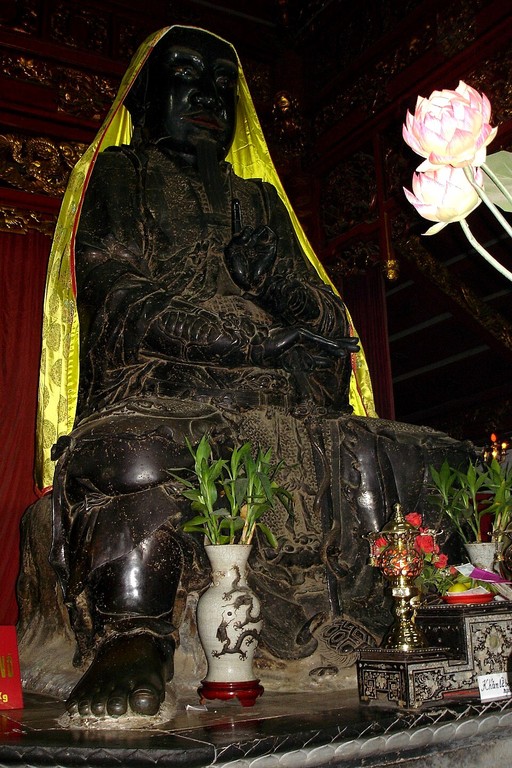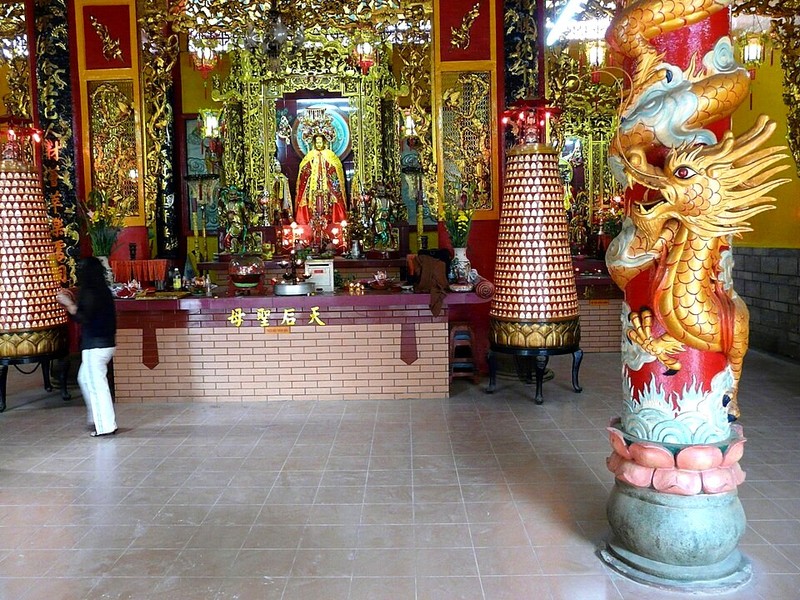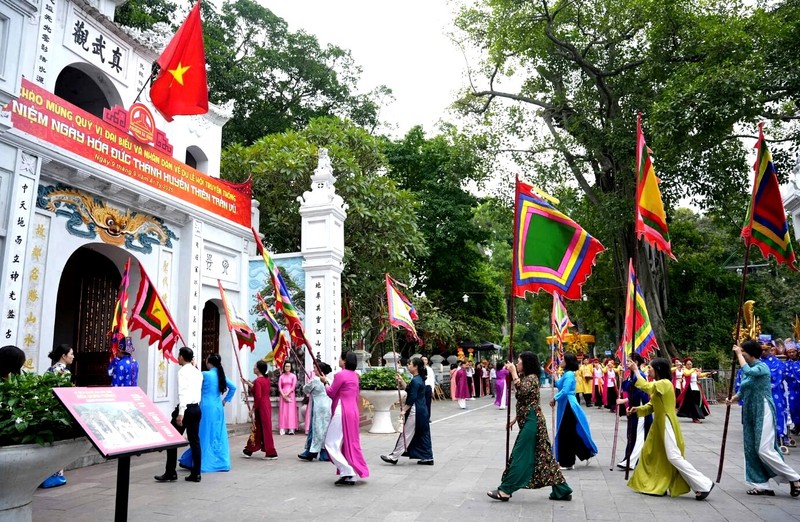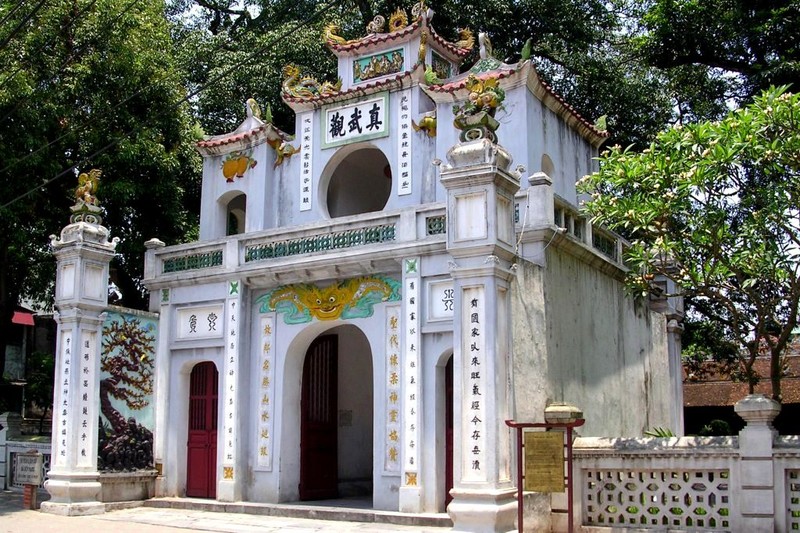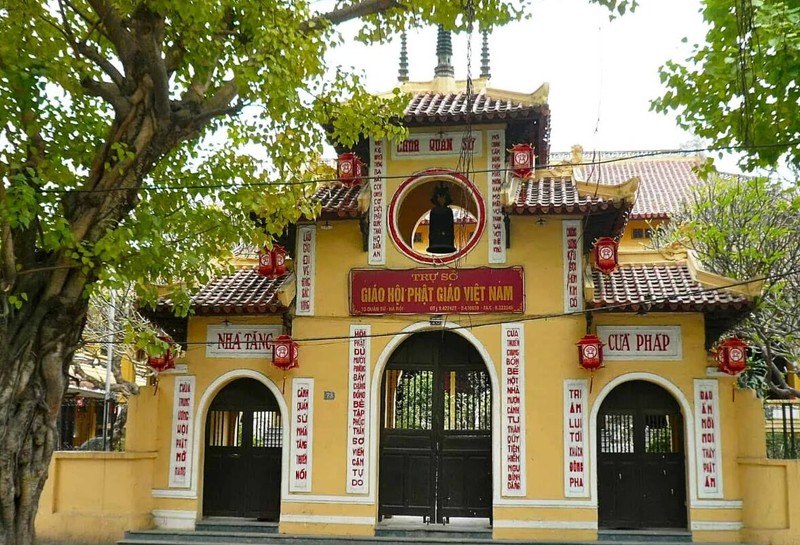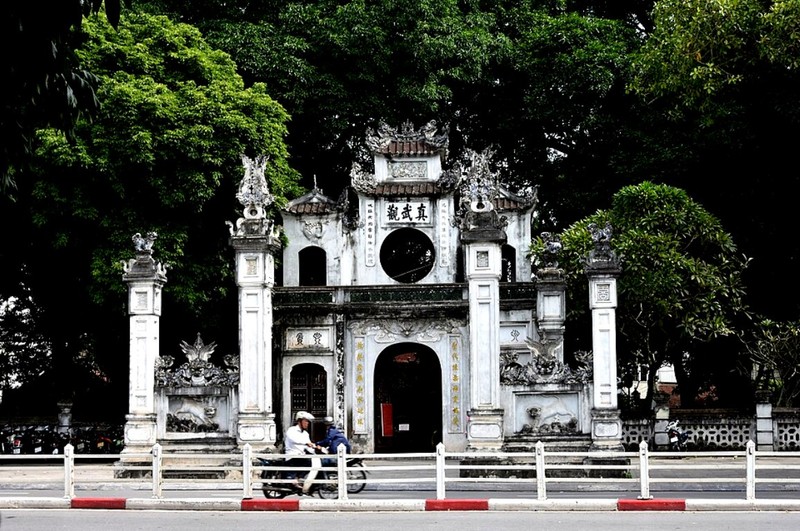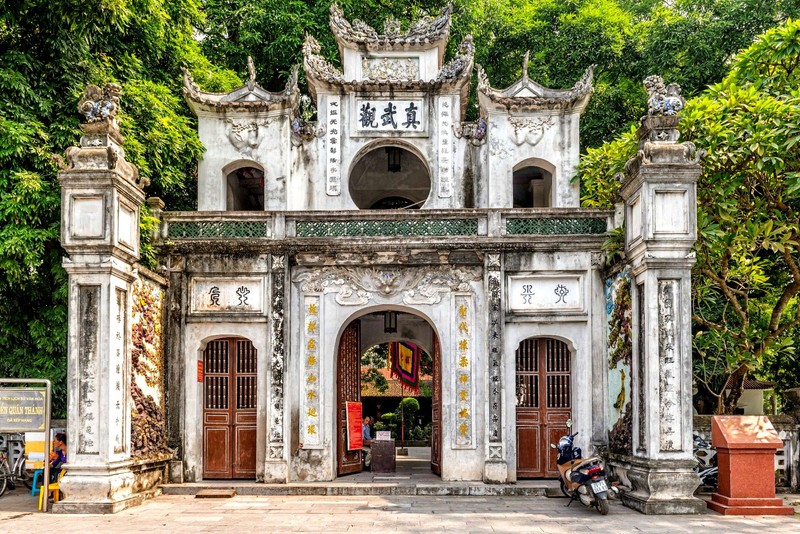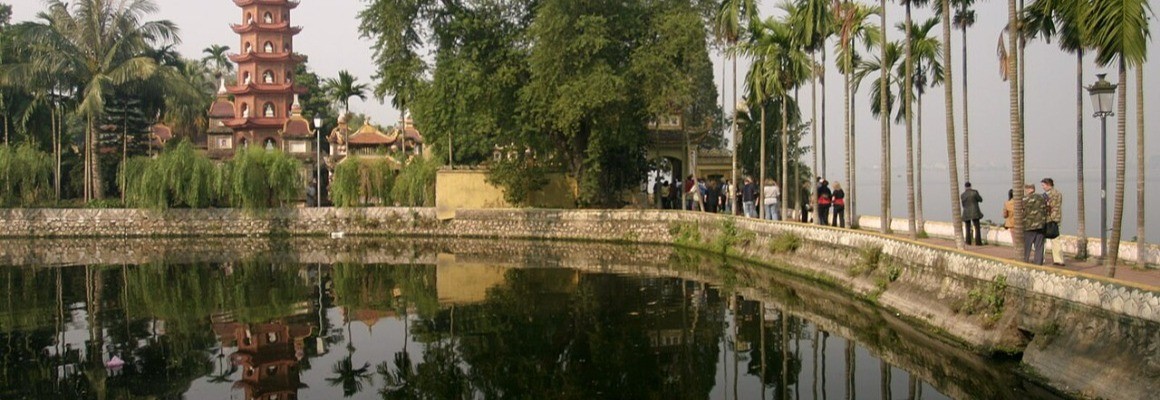

Kuan Tha Temple, also known as Kuan Thanh, is one of the 4 sacred temples of ancient Thanglong (old Hanoi). It was built to protect the north of the city from evil spirits. The main attraction of the complex is the 3.6 ton bronze statue of Chang Wu.
History
Construction work took place in the 11th century during the reign of Emperor Li Tai To. On his initiative, in 1010, the capital was moved to Thanglong (present-day Hanoi). Kuan Tha Temple became part of the protection system of the new main city of the state instead of Hoa Ly.
There is a legend that in order to protect and further Thanglong's prosperity, 4 temples were opened and consecrated, which were located from the east, south, west and north. Kuan Tha Temple is dedicated to the deity of the North, who in Taoism is called Xuan Wu, in the Vietnamese tradition – Tran Vu (Chan Vu). They established the symbol of the snake, which represents wealth, and the turtle as a symbol of protection. The building has been rebuilt several times, so the appearance reflects the style of different imperial eras. In 2022, the Kuan Tha Temple received the status of a Special National Monument.
Description
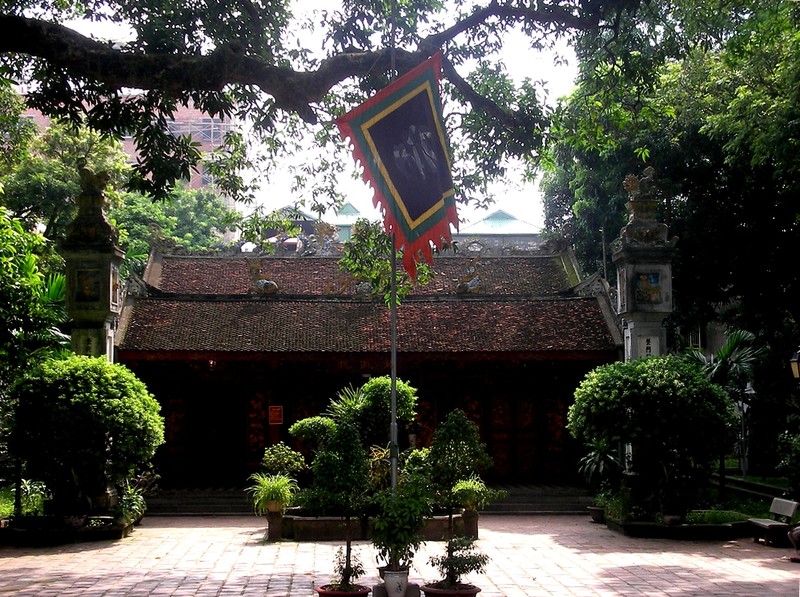
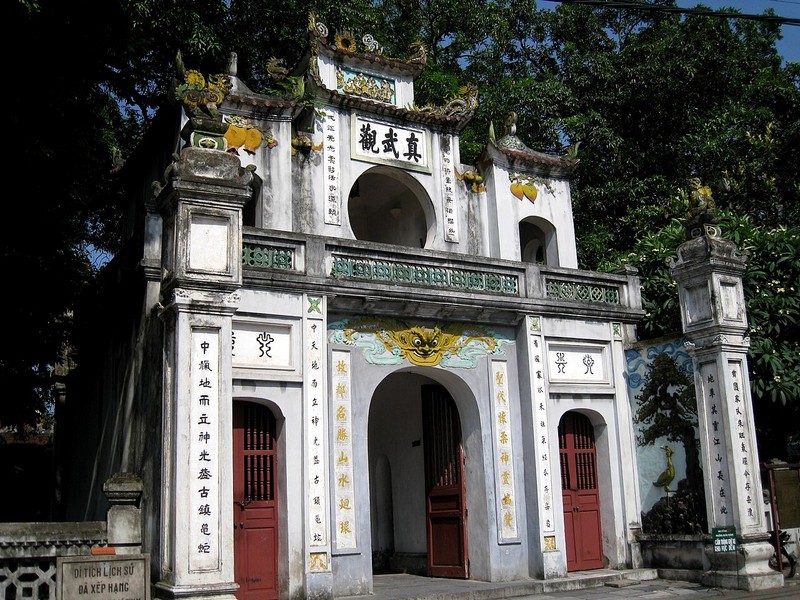
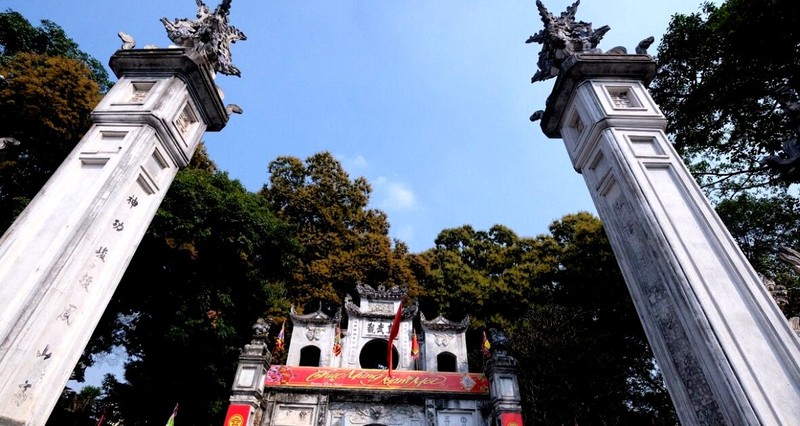
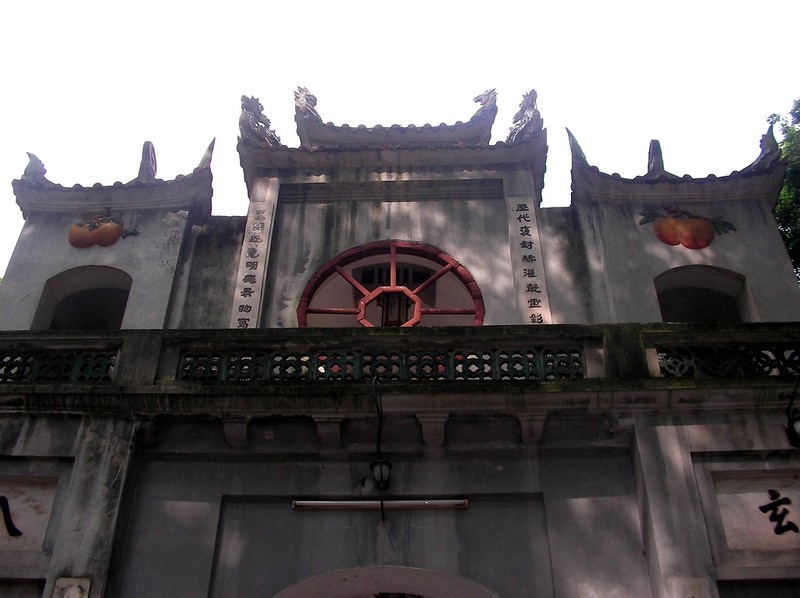
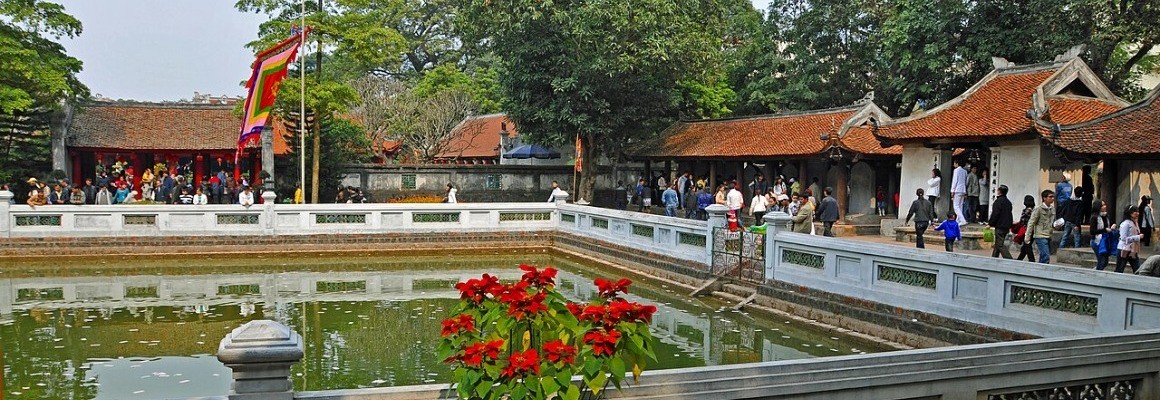
The triple gates, the spacious courtyard, and the main hall of the sanctuary indicate that the complex was built according to the traditional Vietnamese temple scheme. Above the central gate, you can see a bas-relief depicting the god Rahu from Indian mythology, which is an example of the combination of religious traditions in Vietnamese religious buildings.
The main relics include:
- The bronze statue of Chang Wu (Tran Wu) is 3.96 meters high and weighs 3.6 tons. It was cast by craftsmen from the village of Ngusa in 1677. It is the second largest bronze monument in Vietnam after the statue in the Chan Vu Temple, weighing approximately 9 tons.
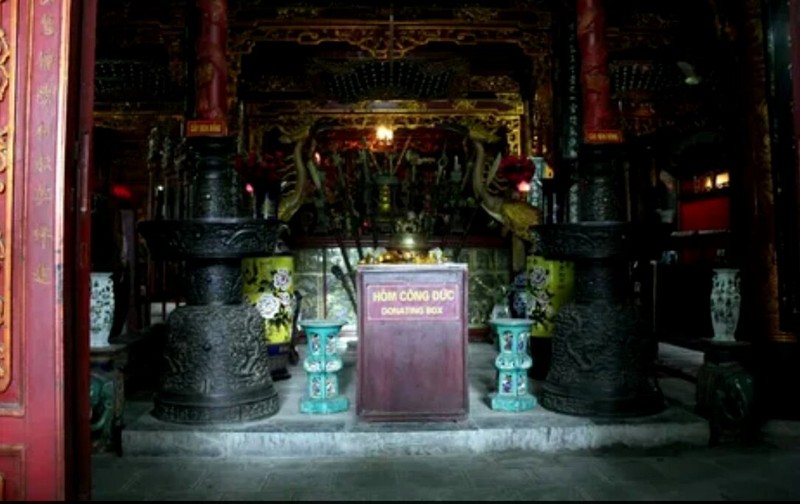
- The bronze bell "Trumpkin‑The throne occupies a special place in the temple, reaching a height of about 1.15 meters. It is used during ceremonies, ringing helps to create a suitable atmosphere for prayers.
- Ancient texts and paired sayings show how harmoniously the combination of religious and literary traditions is. Duylani's poems are mostly dated to the period of the XVII–XVIII centuries.
- Commemorative steles after restorations. The latest commemorative plaque was marked in 1894. During this era, Emperor Thanh Thaya ruled under the French colonial regime.
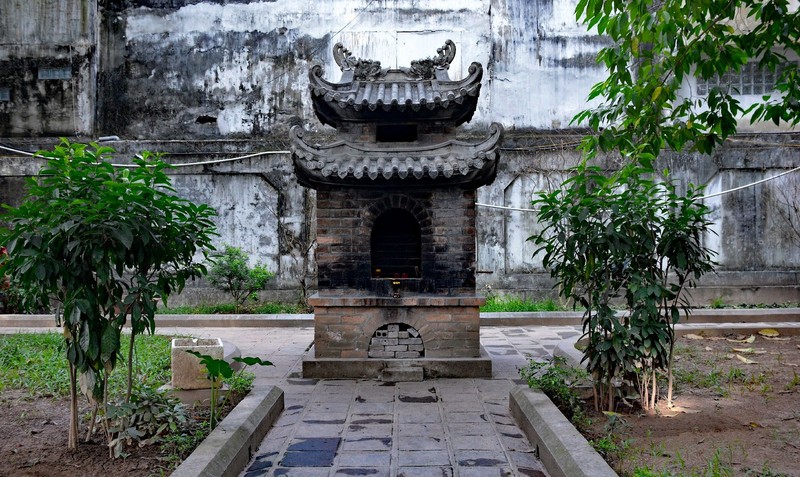
The roofs of the Kuan Tha Temple have a characteristic soft curve, the tiles are dark, and the patina gives them an aged appearance. The cornices and sashes are decorated with carvings in the style of the Le Dynasty. A banyan tree has been planted in the courtyard, and the crown of the tree creates shade, giving coolness and enhancing the meditative atmosphere. When visiting the complex, you need to cover your knees and shoulders. You can pray and meditate here. It is also known that the temple hosts training in traditional Vietnamese martial arts (for example, Vovinam).
How to get
Kuan Tha Temple is open to the public, and it is rarely crowded at 8 a.m. You can take bus number 14.33 or 50 and get off at the stop on Kuan Thanh Street. If you are near West Lake or Changkok Pagoda, it can be reached on foot in about 10-15 minutes. People also come here by taxi or rented transport.
Gallery