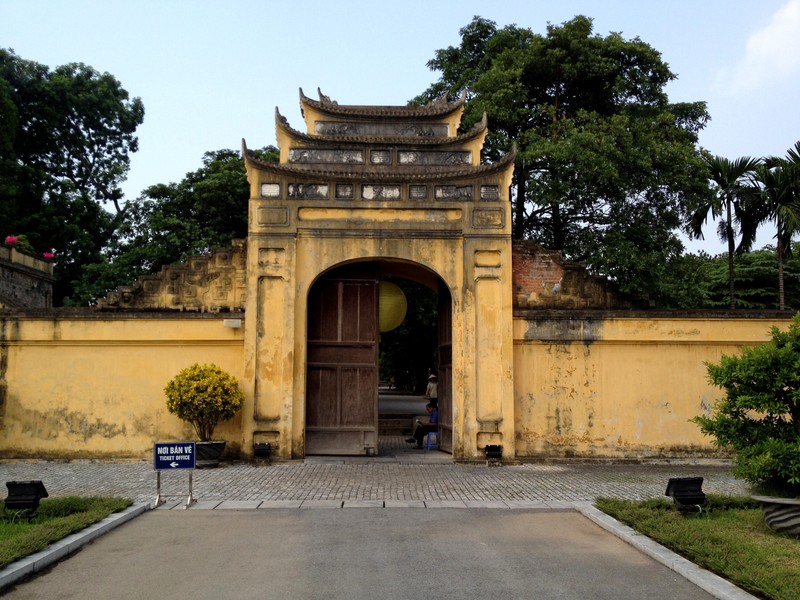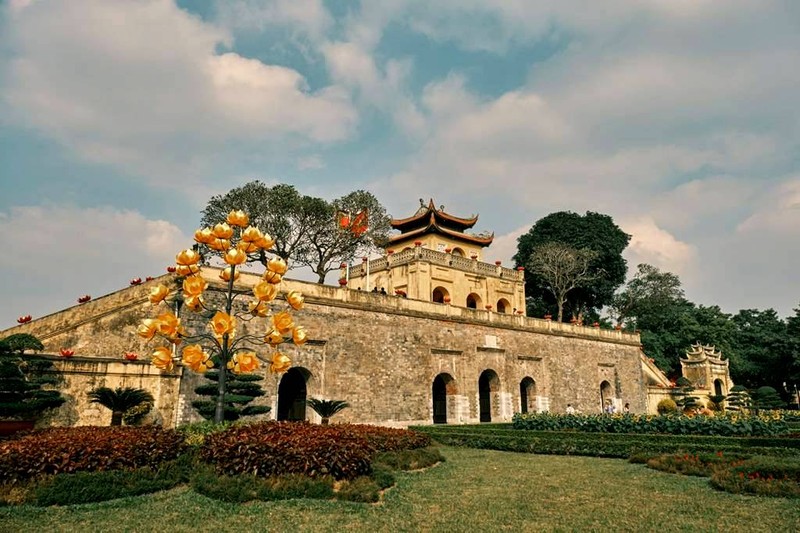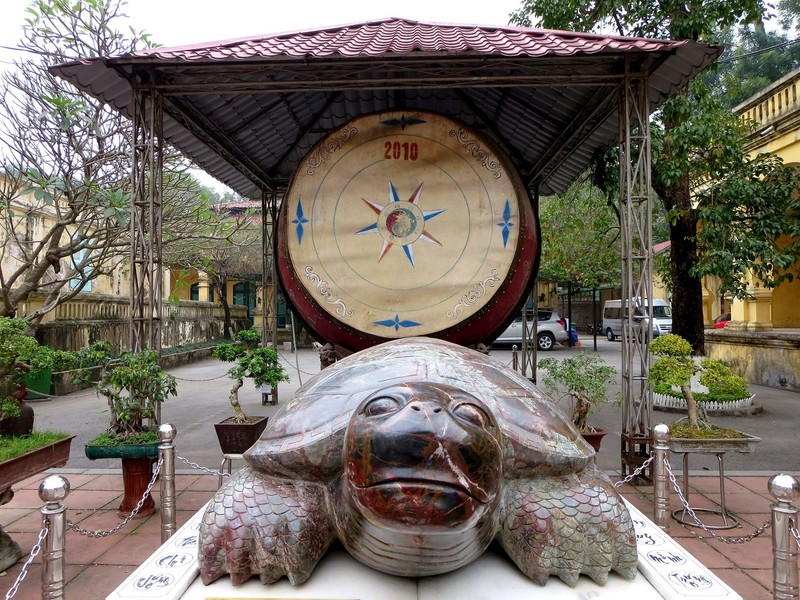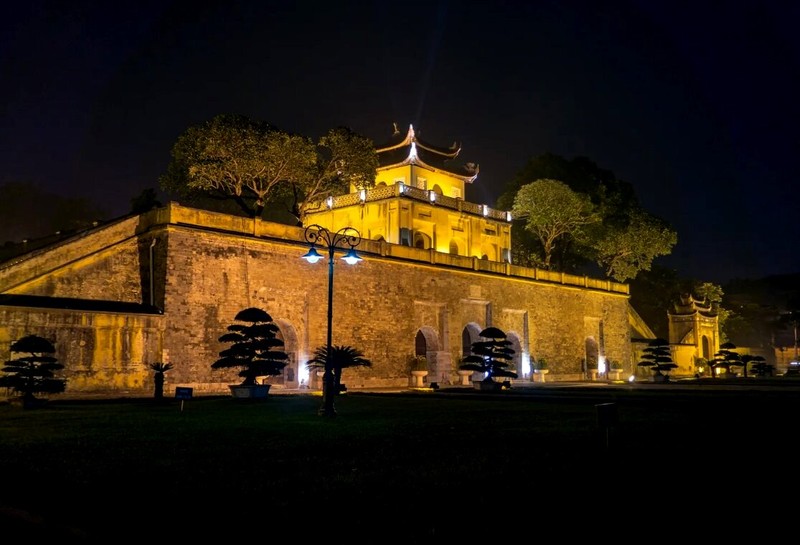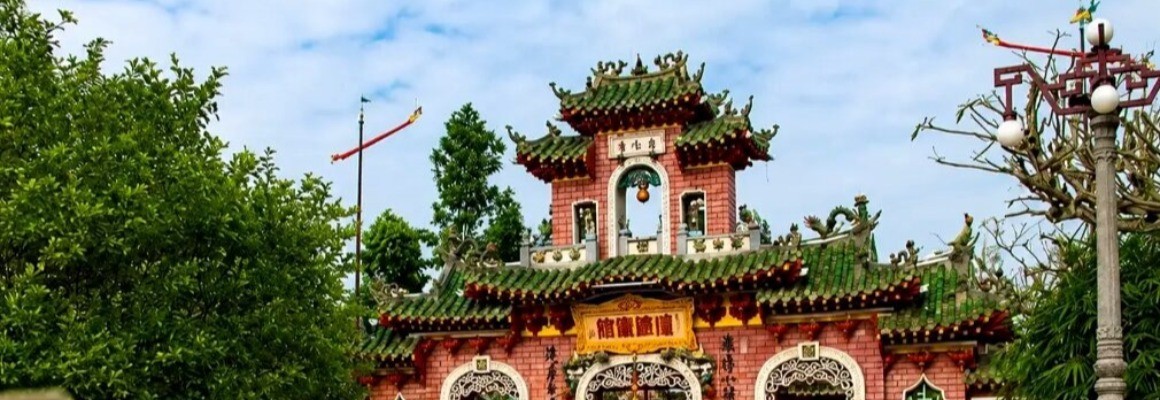

Hanoi Citadel is a multi–layered cultural complex with the status of a UNESCO World Heritage Site, reflecting the almost thousand-year history of Vietnam. Locals call this place the "Vietnamese fortress", and there is another name – the Imperial Citadel of Thanglong. It hosts festivals and cultural events, including the Lunar New Year, the Mid-Autumn Festival and various festivals.
History of creation
The Hanoi Citadel was built in the 11th century on the ruins of a Chinese fortress of the 7th century. The complex has been repeatedly rebuilt and expanded. It is an important political center, where the royal court was located for almost 13 centuries – the dynasties of Li, Chan, Le and Nguyen ruled here.
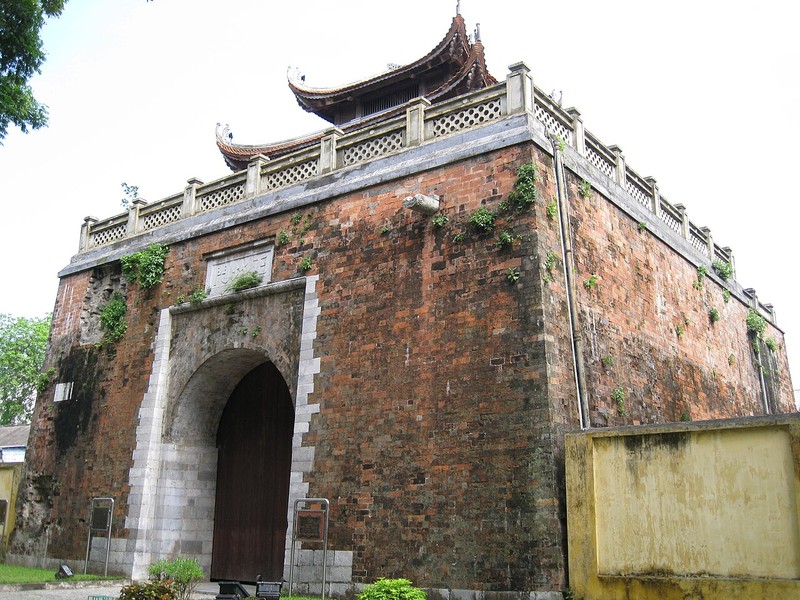
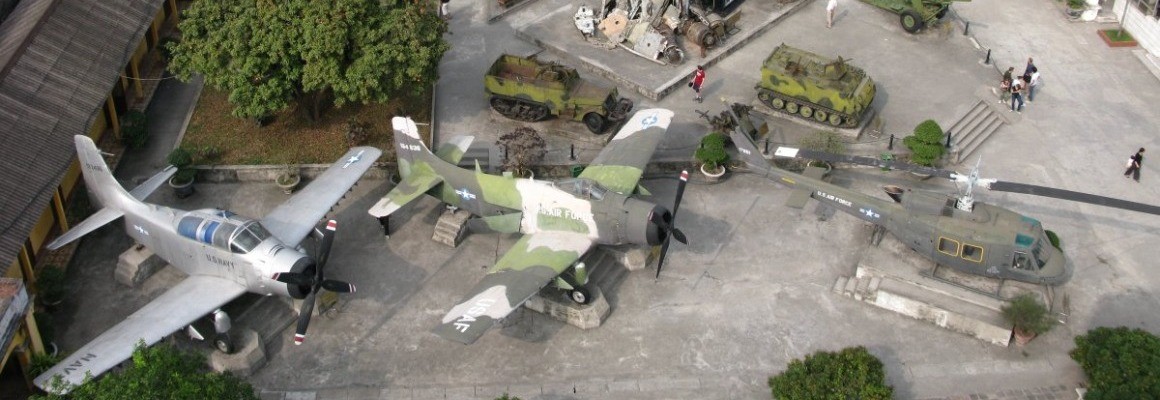
During the French conquest at the end of the 19th century, many palaces and buildings were destroyed. In the 20th century, the destruction continued due to wars, and archaeological excavations began at the beginning of the 21st century. By now, traces of different eras have been preserved in the Hanoi Citadel: from the foundations of palaces to drainage systems and artifacts. There are elements of 20th century military history (for example, building D67 and an underground bunker).
Short description
Hanoi Citadel is one of the largest cultural complexes in the country. Locals protect the fortress, as they believe that such sights preserve the history and national memory of the reign of the emperors and the existence of the Vietnamese Empire.
The central part of the site was recognized as an architectural monument of national significance in 2007, and in 2009 it was declared a Special National Monument. The landmark was added to the UNESCO World Heritage List in 2010.
What can I see
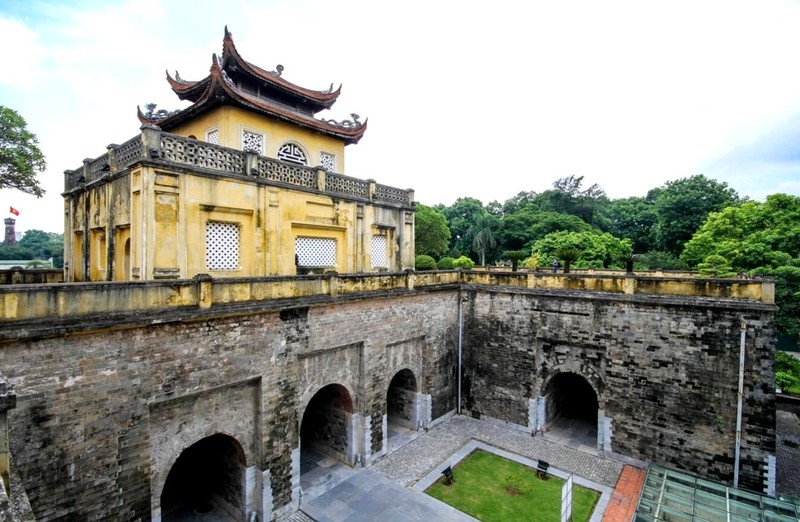
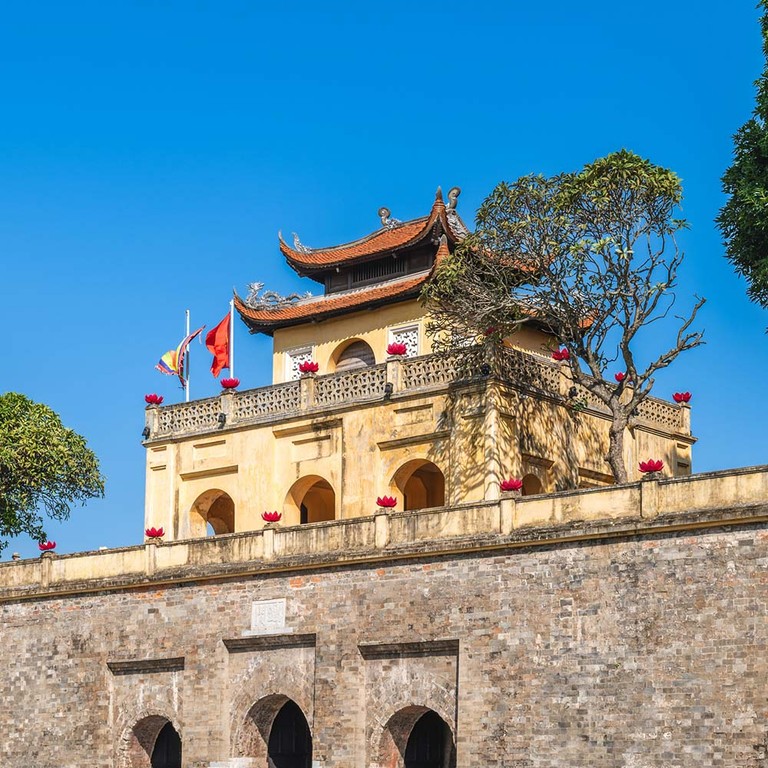
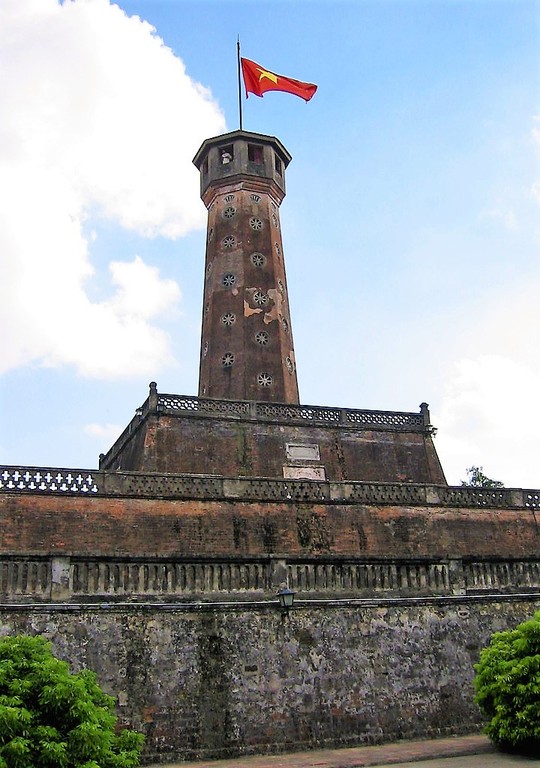
- The landmark, which intertwines eras from ancient dynasties to the colonial period and the Vietnam War, is open to the public every day. One of the most recognizable symbols of Hanoi is the Flag Tower, built in 1812. The height with the flagpole is about 41.4 meters, without it – 33.4 meters. There are 4 doors on the 3rd floor, which are installed on different sides of the world. The observation tower overlooks the historical center.
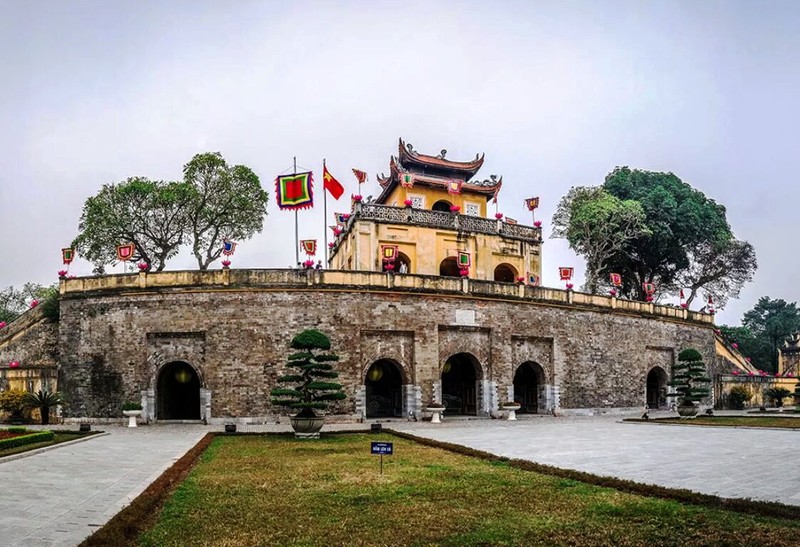
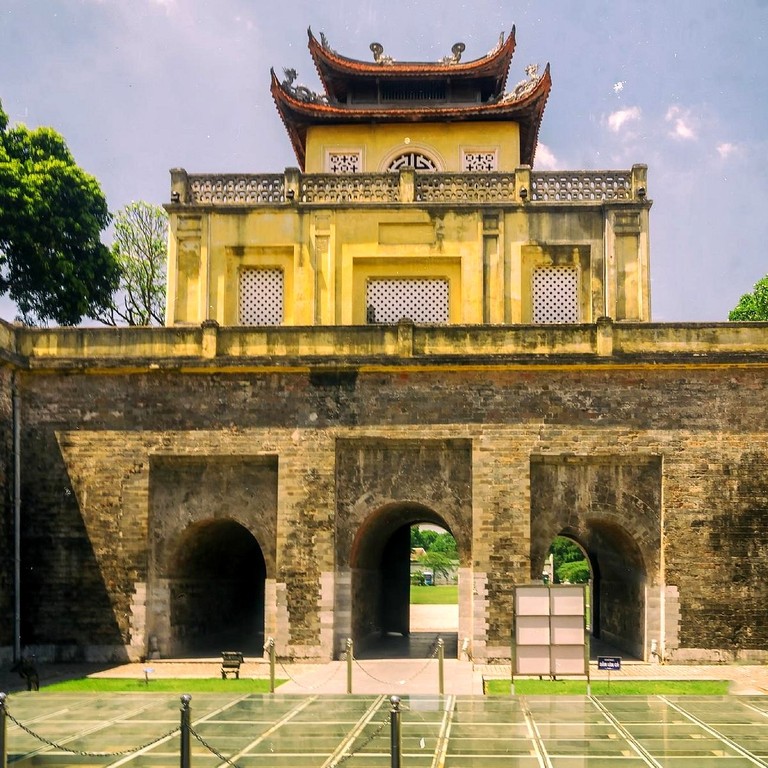
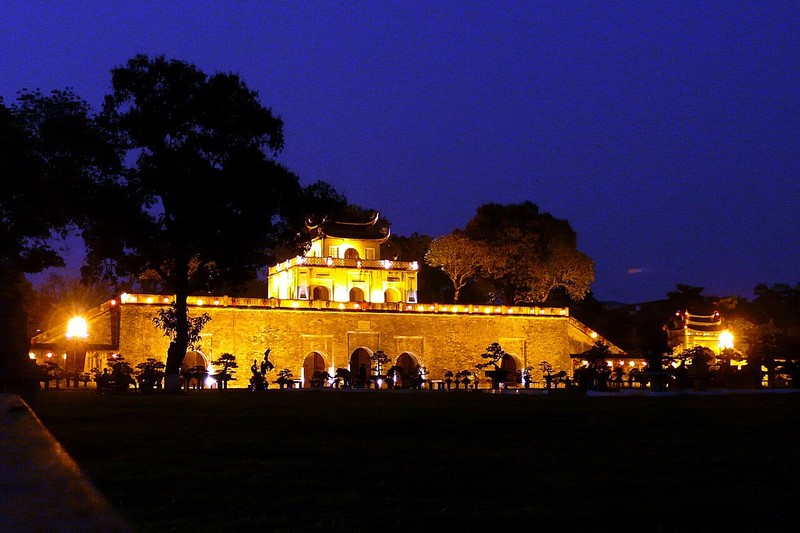
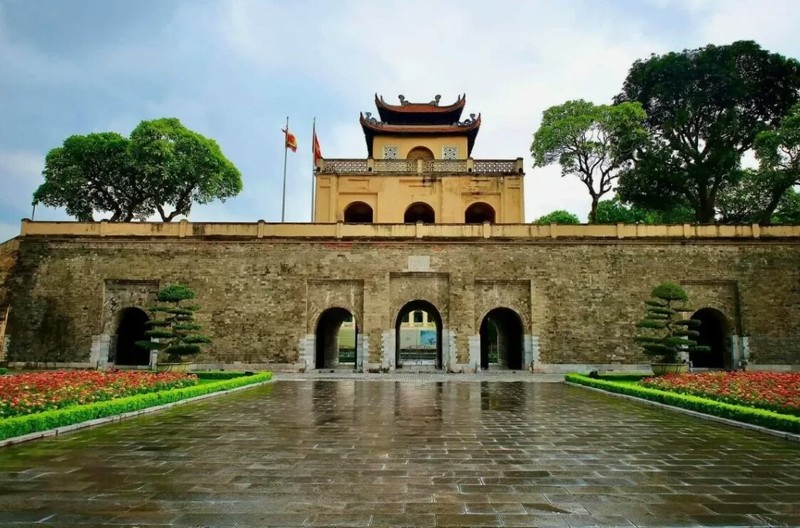
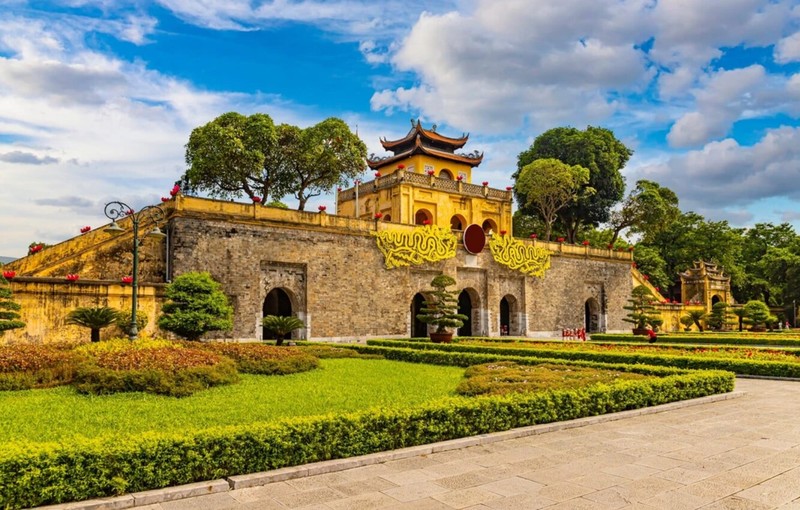
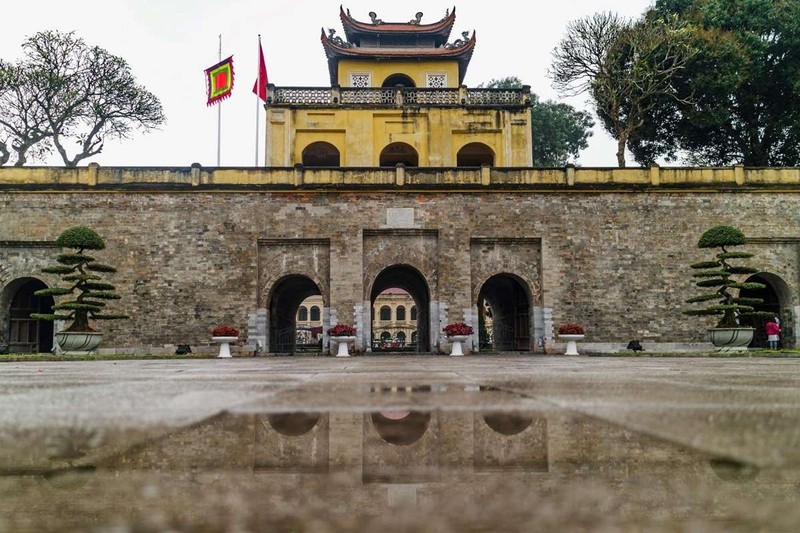
- The Doanmon Gate is famous for the fact that previously only members of the imperial family could pass through it. In the center is the main gate, on the sides there are 4 more, but smaller ones. They are decorated with lanterns in the shape of a lotus. When it gets dark outside, they light up, and the atmosphere in the Hanoi Citadel becomes mysterious.
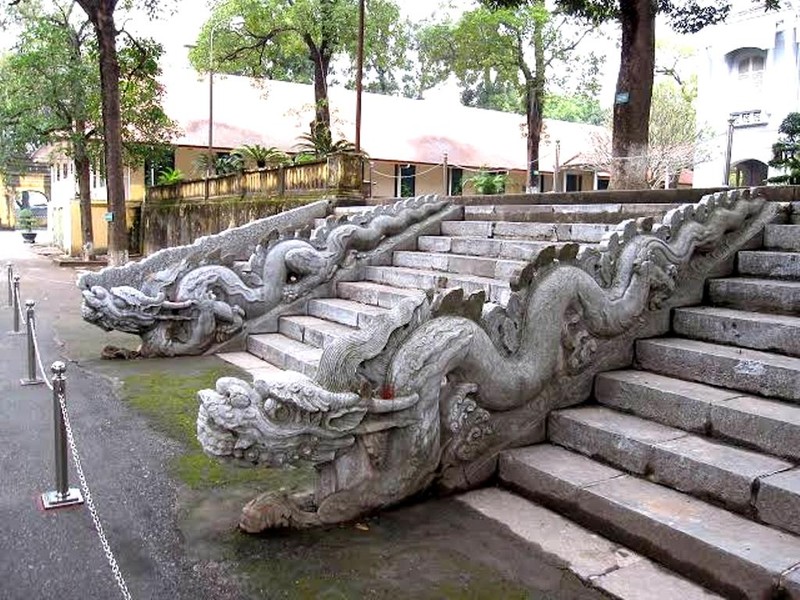
- Kinthien Palace was associated with the center of power, because earlier imperial ceremonies were held here, important state issues were resolved. The palace was destroyed, but the grand staircase with balustrades in the form of dragons remained. Visitors say that standing on the platform, where courtiers were received in the past, is a special experience.
- Archaeological exhibitions are held in Houlou (Pagoda of Princesses and Empresses). During the visit, you can get acquainted with glazed ceramic tiles, roofing decorations, coins, and bronze artifacts that were found during the excavations.
How to get
The Hanoi Citadel is located in the Badinh district in the city center. The nearest bus stop is Hoàng DiệU, through which bus routes No. 9, 22, 33, 45 pass. It's only a couple of minutes walk from the entrance. You can also come here by taxi, rented car or motorcycle. Vehicles can be left in the paid parking lot.
Since the attraction is located in the central part of the capital, there may be traffic jams during rush hour. This should be taken into account when planning a trip. It is also recommended to pay attention to the schedule, as the work schedule may change.
Gallery