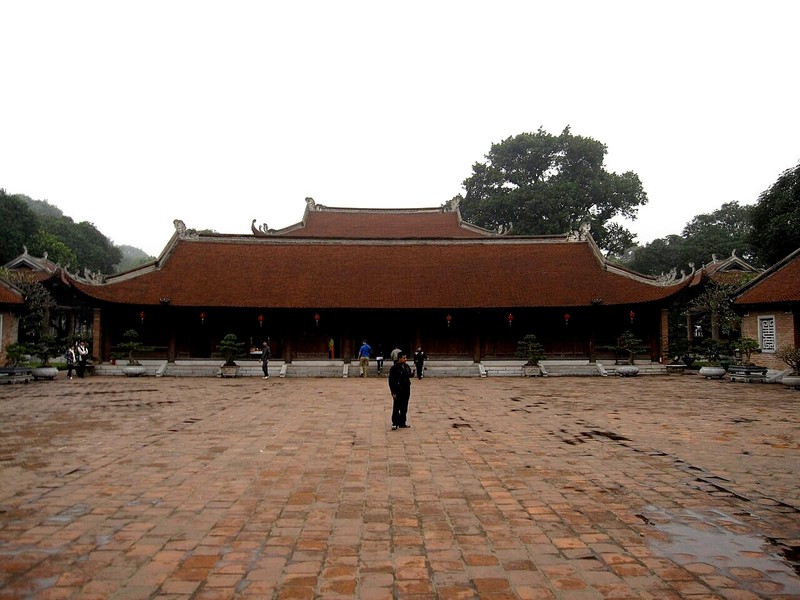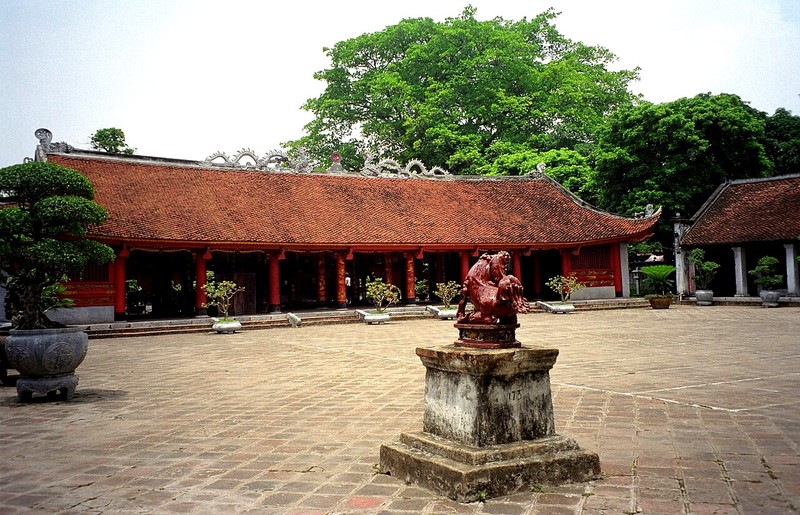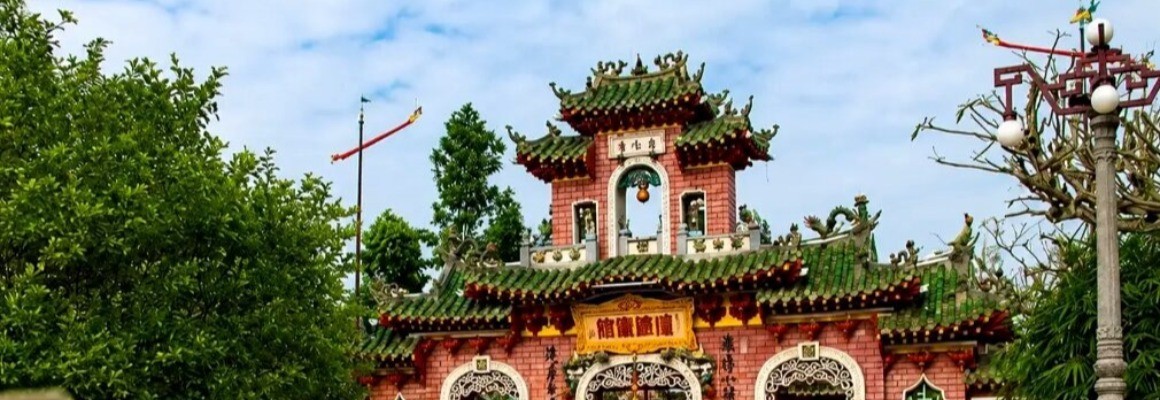

The Temple of Literature in Hanoi is a historical complex dedicated to Confucius and the first university in Vietnam. The site has the status of a Special national monument of Vietnam. It is located in Dongda district and is usually open every day from 8.00 to 18.00. Admission is free for up to 15 years old. When buying tickets for adults, please note that the ticket office only accepts cash.
History
The Temple of Literature in Hanoi was founded in 1070 on the initiative of Emperor Li Thanh-tong. The building was built to honor the memory of Confucius, in the XI century in Vietnam, Confucianism was an important pillar of the state system. In 1076, Emperor Li's son Niang Tong established the Imperial Academy on this territory, it is the country's first national university.
Confucius taught that educated and virtuous people should govern the state. Future government officials were trained at the Temple of Literature in Hanoi, and princes and children of officials received knowledge. The curriculum was based on Confucian classics. The Academy has been operating for more than 700 years, and its graduates have become successful scientists. During the war, the Temple of Literature in Hanoi was destroyed, and it took a long time to rebuild.
Description
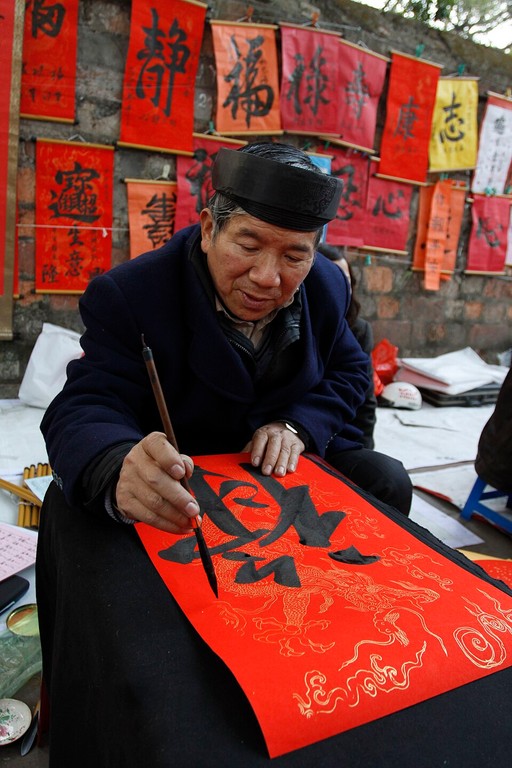
The Temple of Literature in Hanoi is a museum and historical monument. Here you can find out how the education system was organized in the past, how students were taught and how their exams were passed. Steles with the names of graduates who have gone down in the history of Vietnam have been preserved.
The complex covers an area of 54,000 square meters. The Temple of Literature in Hanoi, surrounded by brick walls, is symmetrically elongated along the north–south axis. Pass from the 1st to the 5th courtyard, visitors repeat the student's path to knowledge:
- The first courtyard shows the transition from street noise to silence. There are 3 paths leading from the main gate: the central alley was used only by the emperor, officials walked along the left path, and the military walked along the right. Carps are depicted on the roof of the gate, which, according to legend, were able to jump over the waves and turned into dragons. It is a symbol of perseverance and success.
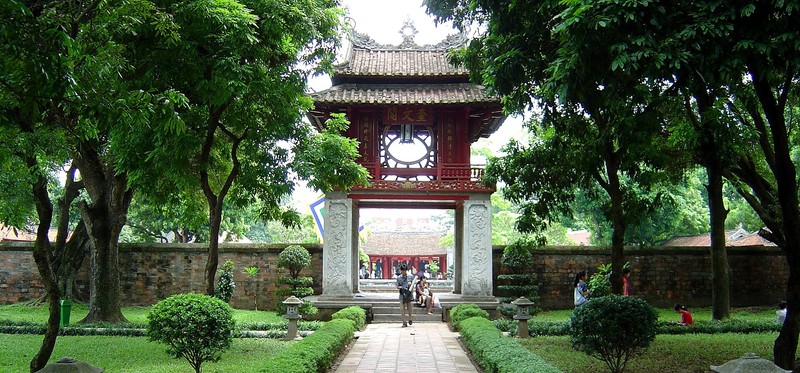
- The second courtyard stands on 4 whitewashed stone columns, the red wooden superstructure is decorated with a roof with two round windows that depict the sun illuminating the path to knowledge. There is a bell, but it is rung only in exceptional cases. By the way, the image of the Khue Van pavilion can be seen on a banknote with a face value of 100,000 Vietnamese dong.
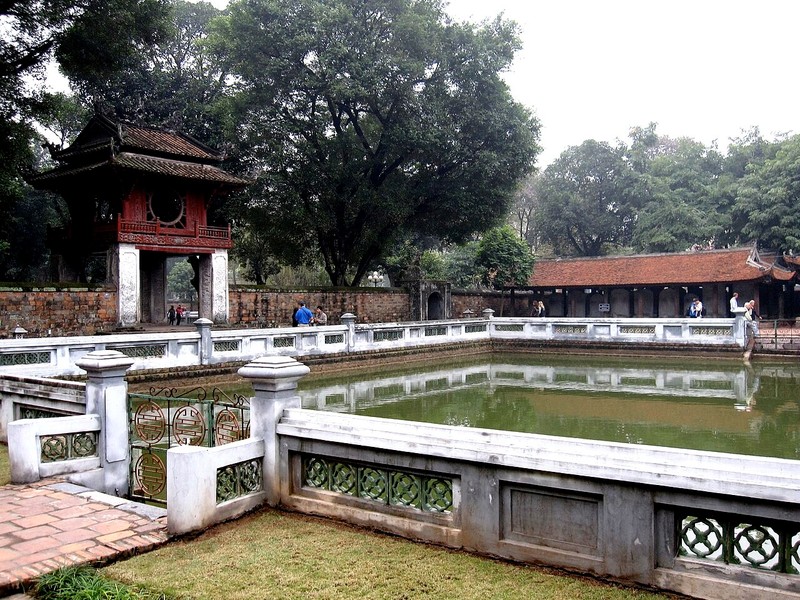
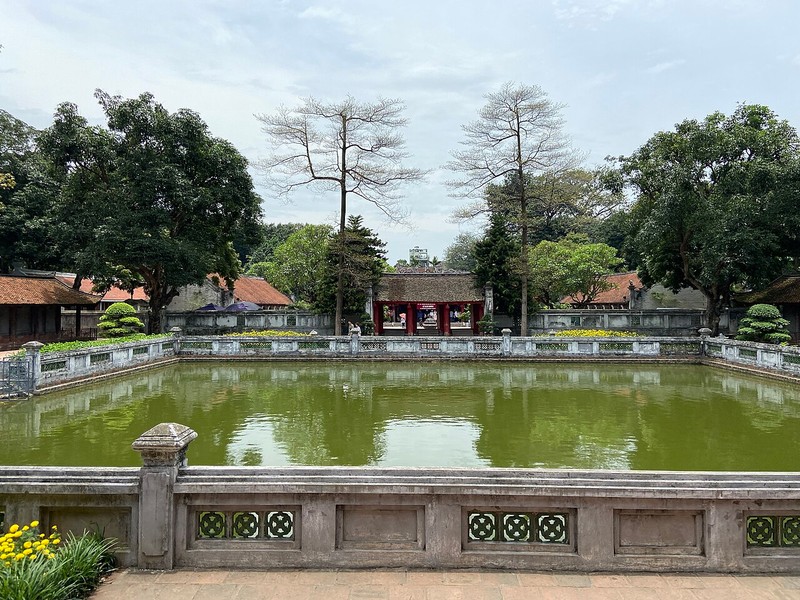
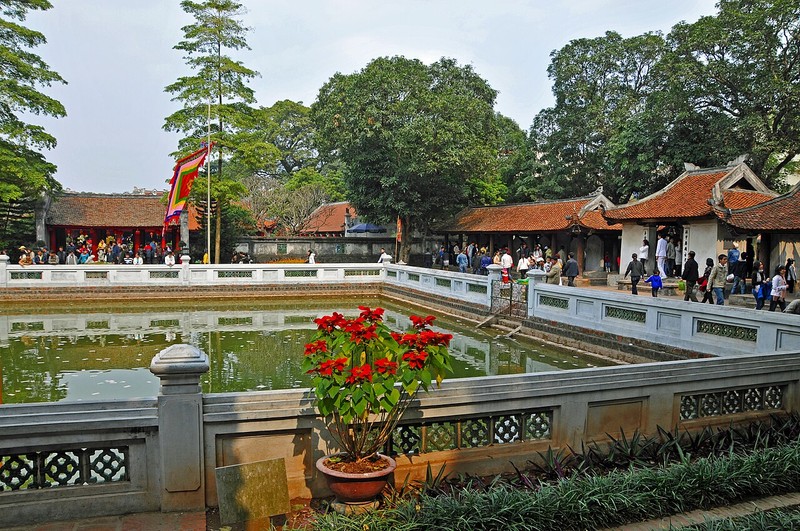
- The third courtyard is equipped with a Well of heavenly Clarity, which is presented in the form of a square-shaped pond with water. On both sides of the reservoir there are halls with stone steles mounted on the backs of stone turtles. The names of doctors of sciences who passed the exams in 1442-1780 are carved on them. The collection of steles is on the UNESCO Memory of the World Register.
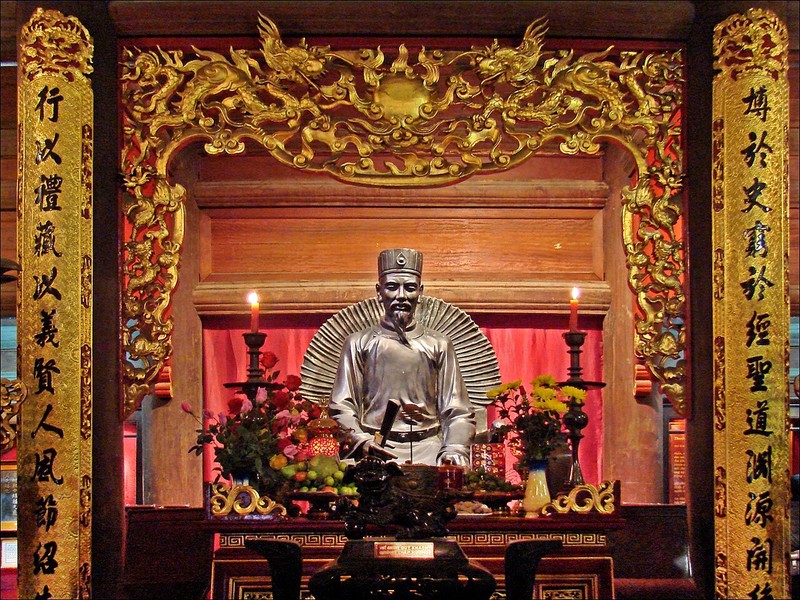
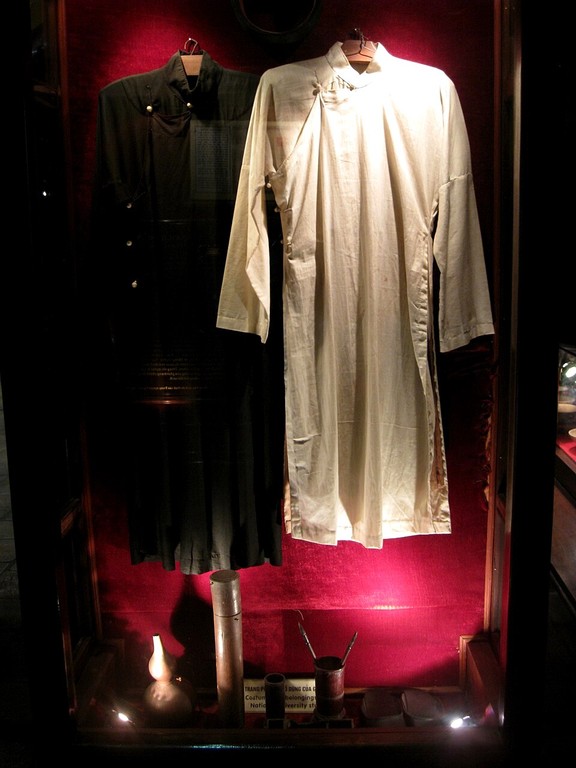
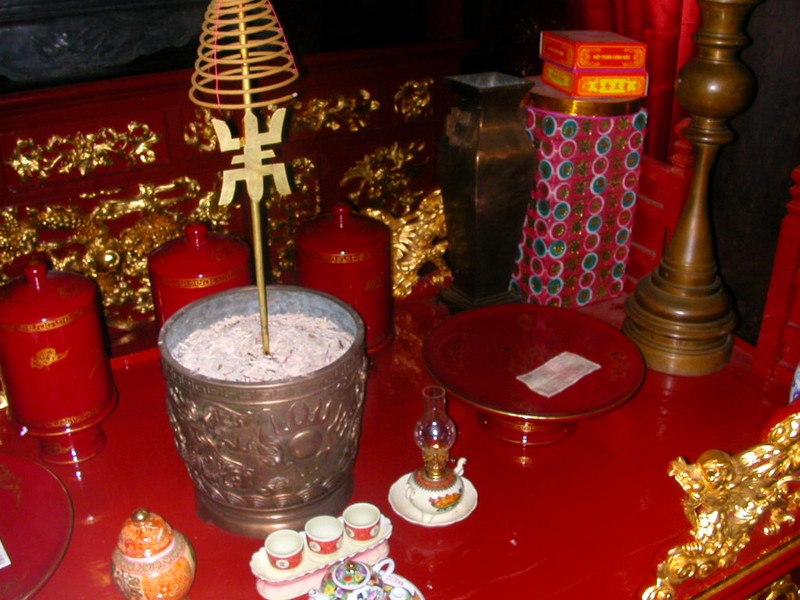
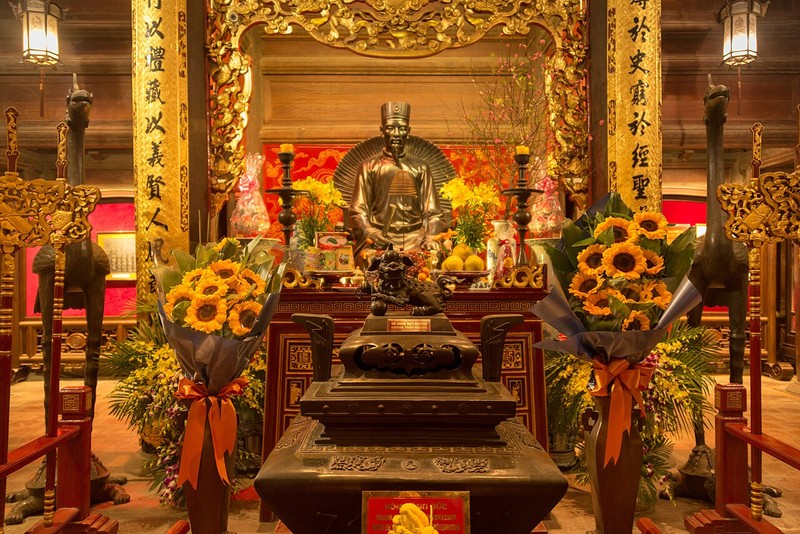
- The fourth courtyard was named the "court of the sages", as the main ceremonial center of the complex is located here. In the center there is an altar dedicated to Confucius and 4 of his closest followers. A small exhibition was opened in the side galleries, where you can see authentic artifacts of student life: from books, inkwells and brushes to personal belongings.
- The Fifth Courtyard became famous due to the fact that the Imperial Academy worked in this place. Academic buildings, classrooms, and dormitories for students have been opened here. In 1947, this courtyard was severely damaged, and it was restored in 2000.
How to get
The Temple of Literature in Hanoi is located next to the public transport stop Văn MiếU. A bus route runs through it. № 2, 4, 23, 25, 38, 40, 41. It is possible to walk from the center of the capital of Vietnam. It takes 25 minutes to walk from Hoan Kiem Lake through residential areas, and it takes about the same time to walk from the Old Quarter. An alternative option is to take a taxi or a rented car. To rent a car, you need an international driver's license (IDP).
Gallery