History
Vietnam is a country rich in history and culture with a history that begins with ancient countries such as Champa and Au Lac state, which flourished in the region from the 7th to the 19th century AD. In 1858, the French-Vietnamese War began, as a result of which France turned Vietnam into its colony. Vietnam was merged with Laos and Cambodia into French Indochina.
In 1940, during World War II, Japan seized control of Vietnam, expelling the French government. At that time, the Viet Minh nationalist movement emerged to fight for the country's independence. Under the leadership of Ho Chi Minh, the Viet Minh fought against the Japanese and then against the French. In 1954, after the bloody Dien Bien Phu war, France was forced to recognize Vietnam's independence. However, the country was divided into North Vietnam, under Communist rule, and South Vietnam, supported by the United States and other Western countries.
In the 1960s, the American intervention in Vietnam began due to fear of the spread of communism. The Vietnam War lasted for many years and led to huge human and material losses. Protests against the war swept across the world, and in 1973, American troops were withdrawn from the country. In 1975, North Vietnam defeated South Vietnam, uniting the country under communist rule. This led to mass migrations from South Vietnam.
Vietnam faced economic challenges after the war, but the country has developed over time. Vietnam has become open to foreign investment and joined many international organizations. Today, Vietnam is one of the fastest growing economies in the region and enjoys increasing attention from the international community.
Climate
Vietnam is located in the southern part of the Indochina Peninsula in Southeast Asia. The climate in Vietnam is diverse and there are three main climatic zones: subequatorial, tropical and subtropical.
- The subequatorial climate prevails in the southern part of Vietnam, especially in the Mekong Delta. The temperature here is almost constant and is about 27-30 degrees Celsius throughout the year. Humidity is high, especially during the monsoon period from May to November, when heavy rains occur and hurricanes are possible.
- The tropical climate is typical for the central part of Vietnam, including the city of Da Nang and the capital Hanoi. Summer lasts from April to October, with high temperatures of about 30-35 degrees Celsius and high humidity. Winter is characterized by mild temperatures of about 15-20 degrees Celsius. Monsoons, dry and wet, are also present in this region, which affect the amount of precipitation.
- Subtropical climate is found in the northern part of Vietnam, including the cities of Sapa and Halong Bay. Summers here are warm and humid, with temperatures around 25-30 degrees Celsius, and winters are cool, with temperatures around 10-15 degrees Celsius. Seasonal changes in humidity and precipitation also occur in this region.
Vietnam is affected by the monsoon. The summer monsoon, known as the "southern monsoon," will bring the rainy season to the southern part of the country, while the winter monsoon, or "northern monsoon," will bring rains to the northern part of the country. The monsoon brings significant changes to Vietnam's weather and climate. Precipitation in Vietnam varies depending on the region. About 1,500-2,500 mm of rain falls per year in the southern part of the country, 1,000-2,000 mm in the central part, and 1,200-2,500 mm in the northern part. Some areas, such as Sapa, can receive more than 3,000 mm of precipitation per year.
In general, Vietnam has a warm and humid climate, which can be variable depending on the region and the time of the year. This is important to consider when planning a trip to this amazing country.
Nature and Wildlife
The flora and fauna of Vietnam are unique and diverse due to the different climatic zones and types of landscape in the country. The flora of Vietnam includes more than 16,000 plant species, of which about 6,000 are endemic, meaning they are found only in this region. Vietnam is known for its dense tropical forests, which make up a significant part of its territory. In these forests, you can find trees such as oaks, mahogany, sandalwood, bamboo, and many others. Rice fields are also typical of Vietnam, especially in the Mekong Delta.
The fauna of Vietnam is also rich in a variety of species. The country is home to about 840 species of birds, more than 300 species of reptiles and amphibians, about 270 species of mammals and more than 11,000 species of insects. Vietnam is home to rare and threatened species such as the Indochinese tiger, Asian black bear, komodo lizard, Sarus crane and many others. The country is also home to various species of monkeys, elephants, crocodiles, snakes and butterflies.
About 30 national parks and reserves in Vietnam have been created to preserve and protect the country's biodiversity. They provide shelter for many rare and vulnerable species of animals and plants. However, as in many other countries, Vietnam's flora and fauna also face various threats such as illegal wildlife trade, forestry activities, climate change, and habitat loss. Therefore, nature conservation and conservation play an important role in preserving the richness of Vietnam's flora and fauna for future generations.
Geography
Vietnam is located in Southeast Asia on the east coast of the Indochina Peninsula. It borders China to the north, Laos and Cambodia to the west, and is bordered by the waters of the South China Sea to the east. Vietnam's territory is about 331,690 square kilometers, making it the 65th largest country in the world.
Geographically, Vietnam can be divided into four main regions: North Vietnam, Central Vietnam, South Vietnam and West Vietnam.
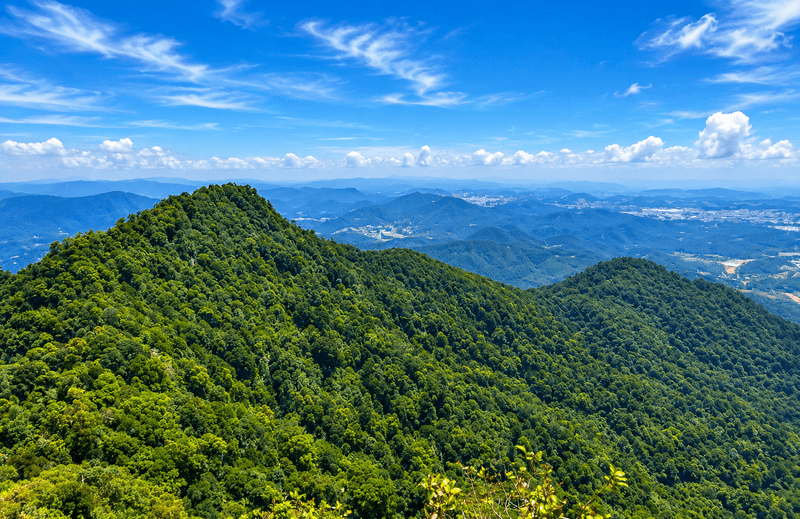
- North Vietnam is characterized by a mountainous landscape and magnificent scenery. There are mountain ranges here, including the famous Sapa and Thanh That Mountains. The Red and Kirong River valleys, as well as the Hongha River Delta, are also located in this region.
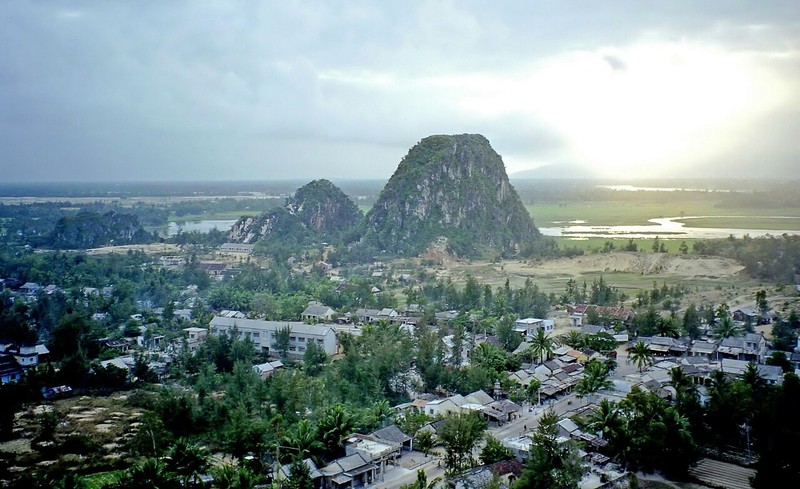
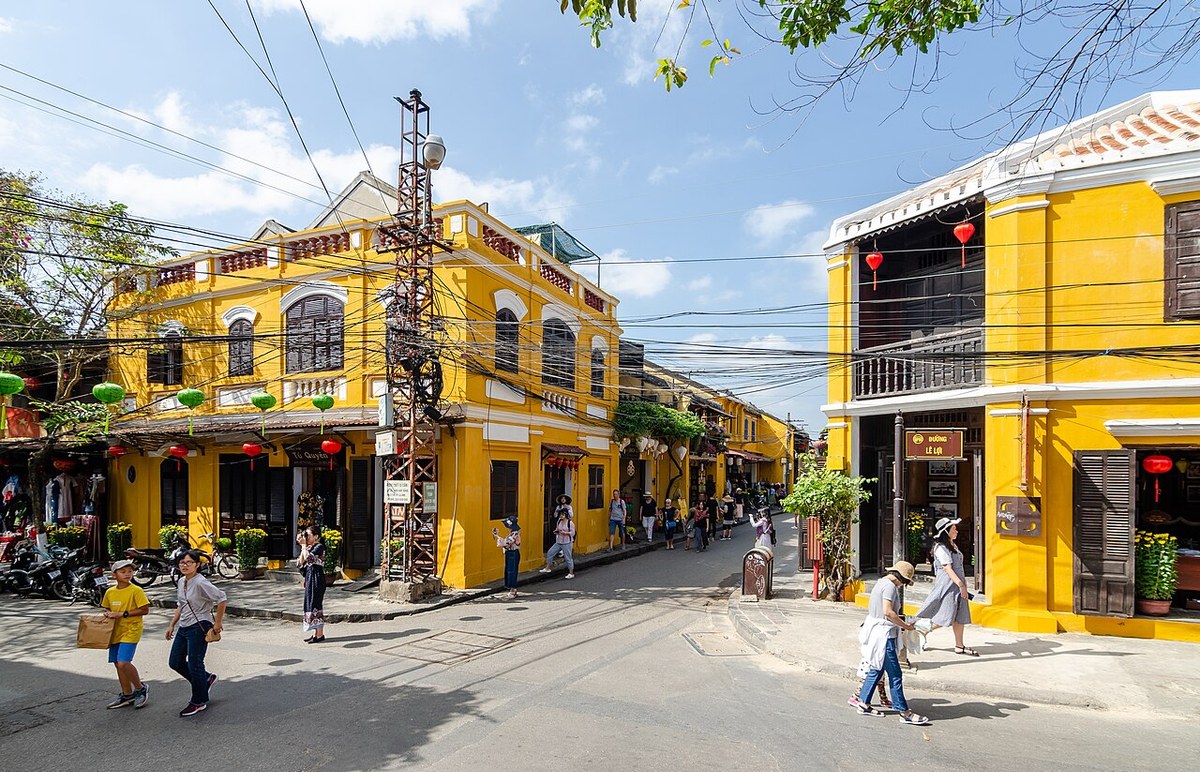
- Central Vietnam is known for its beautiful beaches, the cities of Da Nang and Hoi An, as well as national parks including Phong Nya Kebang Park and Pu Mat Park. Mountains and ranges such as the Anamit Mountains and the mountains of the Central Triangle can also be found here.
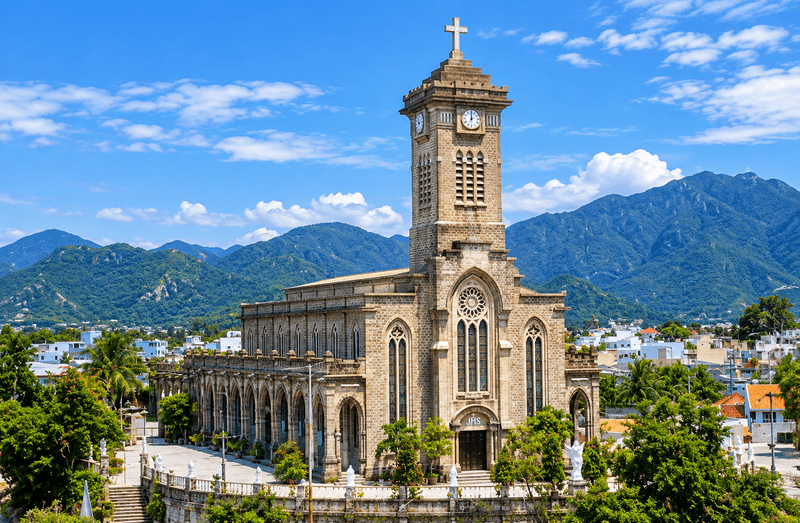
- South Vietnam is characterized by flat terrain and the Mekong River Delta. This region is known for its famous beaches, Nha Trang and Phan Thiet resorts, as well as Ho Chi Minh City.
- Western Vietnam is represented by the Mekong Delta, which is one of the most fertile and fertile areas in the country. Here you can find rice fields, orchards and many waterways.
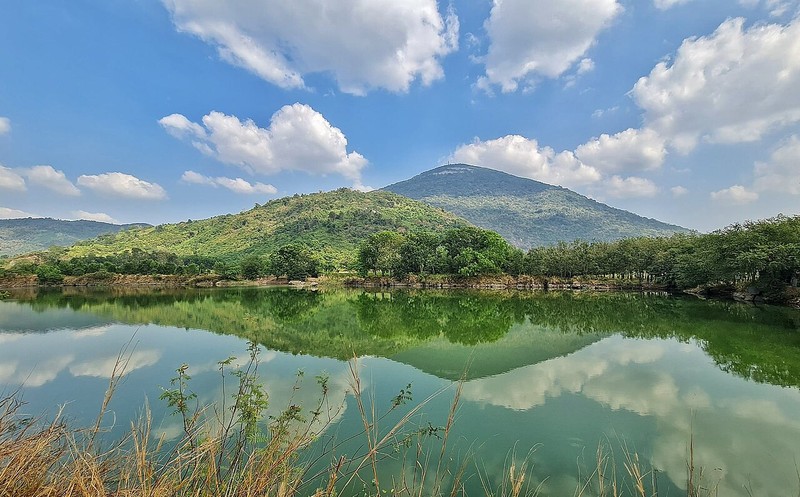
Vietnam also has a rich network of rivers and lakes, including the Mekong, Kirong and Hongha Rivers, as well as the Dalat and Ba Be Lakes. Vietnam, due to its geographical diversity, offers many opportunities for tourism and travel, from mountain hikes to beach holidays, from cultural excursions to nature parks and nature reserves.
Cuisine
The national cuisine of Vietnam is one of the most delicious in Southeast Asia. Vietnamese cuisine is characterized by freshness, rich flavors and the use of many aromatic herbs and spices. It is also characterized by a balance between different flavors: sour, sweet, salty and spicy.
- One of the most famous Vietnamese dishes is pho, a traditional soup with rice noodles and meat, as well as aromatic herbs and spices. Pho is a popular breakfast throughout the country.
- Another famous dish is banh hoi, which is rice noodles stuffed with pork, shrimp, soy and herbs. Ban hoi is usually served with lettuce leaves and fresh herbs so that everyone can wrap it in the leaves themselves and enjoy the combination of different flavors.
- Bun cha (bún chả) is a dish consisting of grilled pork shish kebab served with rice noodles, fresh herbs and a nuoc cham sauce (nước chấm), which gives the dish a special flavor.
- Banh mi (bánh mì), a Vietnamese version of the French baguette, is also a popular dish. It is usually filled with various fillings such as meat, vegetables, pickled seafood and sauces, and is offered as a quick snack on the streets.
Apart from these dishes, Vietnamese cuisine is also known for its fresh salads, summer rolls, noodles (mixao), coffee-based ice cream (kaphe sua da) and many other delicious desserts. Vietnamese cuisine is also famous for its street food products such as meatballs (nem ran), hot sandwiches (ban mi hot) and fruits on skewers (cha hap).
Vietnamese cuisine offers many options for different taste preferences and diets. It combines a wealth of flavors, the freshness of ingredients and the harmony of different flavors, which makes it popular not only among locals, but also among tourists from all over the world.
Tips for Tourists
Here are some useful tips for tourists traveling to Vietnam.:
- Visa: Check the visa requirements for your country. Vietnam requires a visa in advance for most countries, so make sure you have a visa before arrival.
- Climate: Please note that the weather can vary greatly in different regions of Vietnam. Check the weather forecast before your trip and prepare accordingly.
- Clothing: Vietnam is a conservative country, so it is recommended to wear decent clothes, especially when visiting temples and sacred sites. You can wear swimsuits when visiting beaches, but it's better to cover up outside the beaches.
- Safety: Vietnam is generally a safe country for tourists, but still be vigilant. Do not leave valuables unattended and be careful of pickpocketing in tourist areas.
- Drinking water: Do not drink tap water in Vietnam. Buy bottled water or use water purification products.
- Local currency: The Vietnamese Dong (VND) is the official currency. Exchange money at banks or official exchange offices. Also make sure that you always have cash, as not all places accept credit cards.
- Local cuisine: Don't miss the opportunity to try Vietnamese cuisine. Street food is popular and delicious. Be sure to try signature dishes such as pho (signature soup), banxia (rice leaf salad).
- Taxi: If you are taking a taxi, make sure that you are using a licensed taxi with a taximeter enabled or discuss the cost of the trip in advance.
- Cultural considerations: Respect local customs and culture. Try to learn a few common phrases in Vietnamese, it will be appreciated by the locals.
By following these tips, you can enjoy your trip to Vietnam and avoid some of the usual travel problems.
Visa
Obtaining a visa and passing through customs control in Vietnam may be necessary for most foreign tourists. Here is some information about the visa application process and customs regulations in Vietnam.
Obtaining a visa:
- Pre-obtaining a visa: Most foreign citizens must obtain a Vietnamese visa before arriving in the country. You should contact the nearest Vietnamese embassy or consulate for visa support and detailed information about the requirements for your country.
- Visa Support: You may need documents such as an invitation from a sponsor in Vietnam or a hotel reservation to obtain a visa. Contact the consulate or embassy to find out the exact requirements.
- Visas on arrival: Some countries have the option to obtain a visa on arrival in Vietnam, but this requires prior visa approval. Check if this option is available for your country.
Customs control:
- Completing Customs Declarations: Upon arrival in Vietnam, you will be asked to complete a customs declaration. Make sure that you fill it out correctly and honestly.
- Prohibited and Restricted items: Please read the rules and restrictions on the import and export of goods in Vietnam before traveling. Certain items such as drugs, weapons, and counterfeit goods are prohibited.
- Declaration of funds: You may need to declare funds imported into Vietnam if the amount exceeds USD 5,000 or the equivalent in another currency.
- Accounting of goods: Keep receipts and receipts for all expensive goods that you import into Vietnam, so that, if necessary, you can present them when leaving the country.
- Customs Control Procedures: Be prepared to go through customs control, which may include baggage and passport control checks. Follow the instructions of the customs officers.
It is important to remember that visa requirements and customs regulations may vary, so it is recommended to contact the Vietnamese representative office in your country or visit the official website for up-to-date information before traveling.
Holidays
Vietnam is a country rich in culture and traditions, and there are many celebrations and festivals throughout the year. Here are some of the most famous and popular holidays and festivals in Vietnam:
- Tet (New Year's Eve): This is the most important holiday in Vietnam, which is celebrated according to the lunar calendar. Tete takes place in late January or early February and is accompanied by family gatherings, ancestor worship ceremonies, feasts and fireworks.
- Hoi An Festival: This festival is held in Hoi An city and is dedicated to the memory of the ancestors. For several days, the streets are filled with traditional performances, costumed processions and cultural events.
- Hue Festival: The Hue Festival celebrates the ancient history of the imperial city of Hue. During the week, there are parades, performances in traditional costumes, musical performances and fireworks.
- Hong Bang Festival: This festival, which takes place in Bac Ninh Province, is dedicated to the founders and heroes of Vietnam. The festival program includes traditional songs, dances, games and demonstrations.
- Lunar New Year Festival: In addition to Tet, Vietnam also celebrates Lunar New Year, which takes place in February and is accompanied by traditional ceremonies, costumed processions and fireworks.
- Chung Kua Wu Festival: This festival, also known as the Rice Cake Festival, is celebrated during the Lunar Dragon Festival and takes place in April or May. It is related to the legend of how the ancient hero of Vietnam baked rice cakes to defeat his enemies.
- Chua Ba Den Festival: This festival is held at the Chua Ba Den Temple in Thai Binh Province and is dedicated to the goddess of the sea. At this time, people come to worship, perform rituals and arrange ceremonial performances.
These are just some of the many holidays and festivals in Vietnam. The calendar of events may change every year, so it is recommended to check the current dates and events before traveling to Vietnam.
Shopping
Shopping in Vietnam offers a variety of shopping opportunities, from traditional handicrafts to modern goods. Here are some of the popular places and products for shopping in Vietnam:
- Markets: Markets are one of the best places to buy souvenirs, clothes, shoes, accessories and local products. Some of the famous markets in Vietnam include Ben Tan (Ho Chi Minh City), Dong Khoi (Hanoi), Market 21 (Hanoi) and many others.
- Hanoi Old Quarter: Hanoi's Old Quarter is home to many unique shops, galleries, and craft workshops selling traditional goods including silk, lacquerware, souvenirs, and interior items.
- Ho Chi Minh City's Saigon Square: Located in the center of Ho Chi Minh City, Saigon Square offers a variety of shops, boutiques, and shopping malls where you can purchase clothing, shoes, electronics, and other goods.
- Shops on Dong Khe Street: This street in Ho Chi Minh City is known for its shops selling textiles, sewing materials and accessories. Here you can find a variety of fabrics, silks and embroidery.
- Traditional crafts: Vietnam is known for its traditional crafts such as lacquerware, ceramics, bamboo products, wood carving and embroidery. Many of these products can be purchased at specialty stores and art galleries.
- Shopping Malls: In major cities of Vietnam, such as Ho Chi Minh City and Hanoi, there are many modern shopping malls where you can find international brands, electronics, cosmetics and other goods.
- Clothing and shoes: Vietnam is known for its inexpensive and high-quality clothing and footwear products. Many local manufacturers and shops offer a wide range of models and styles.
- Coffee: Vietnam is famous for its aromatic coffee. You can purchase freshly roasted coffee beans or ready-made coffee in stores and coffee shops across the country.
Vietnam offers a variety of products and price categories, so it's always worth haggling and checking the quality of the goods before buying.
Entertainment
Vietnam has a variety of entertainment options that allow visitors to enjoy the country's rich culture, natural beauty and a variety of activities. Here are some of the popular activities in Vietnam:
- Visit historical and cultural attractions: Vietnam has a rich history and culture, and many attractions such as the Temple of Literature in Hanoi, the Citadel in Hue, the Angkor Citadel in Nha Trang, the temples of the Mekong and many others.
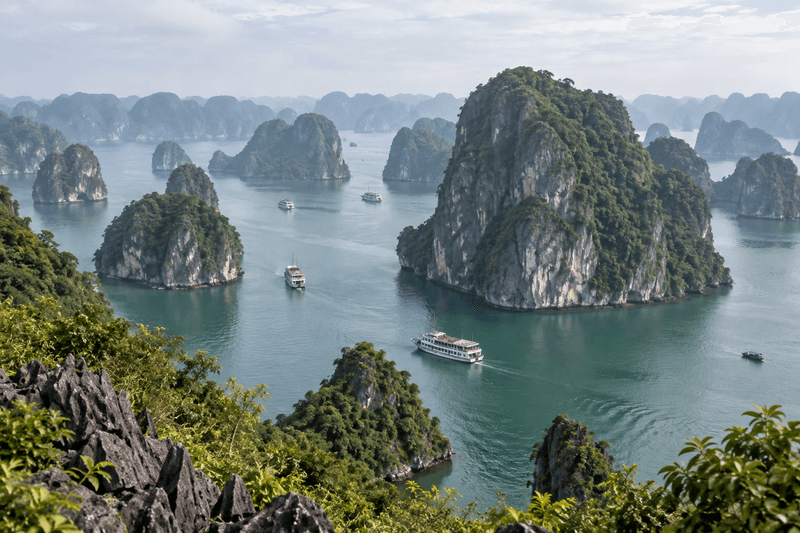
- Boating and cruising: Vietnam has beautiful bays, rivers and lakes that can be explored by boats and ships. Cruises on Halong Bay or the Mekong River offer unique views of the country's natural beauty.
- Beach holidays: Vietnam is known for its beautiful beaches such as Nha Trang, Phu Quoc, Mui Ne and Phu Quoc. Here you can enjoy the sun, sand and crystal clear water.
- Gastronomic tourism: Vietnamese cuisine is famous for its aromas and flavors. Guests can enjoy a variety of traditional dishes such as pho, ban mi, fresh seafood and fruits.
- Rice Paddy and Mountain Tours: Vietnam is known for its picturesque rice terraces, especially in Sap and Mu Kong Chai. Hiking or cycling tours in these places provide an opportunity to enjoy the beauty of nature.
- Snorkeling and diving: Vietnam offers excellent opportunities for snorkeling and diving. Nha Trang reefs, Cham Islands and Phu Quoc Island are popular places to explore the underwater world.
Vietnam offers a variety of entertainment options for different tastes and preferences. No matter what interests you, you will have plenty of opportunities to enjoy this amazing country.