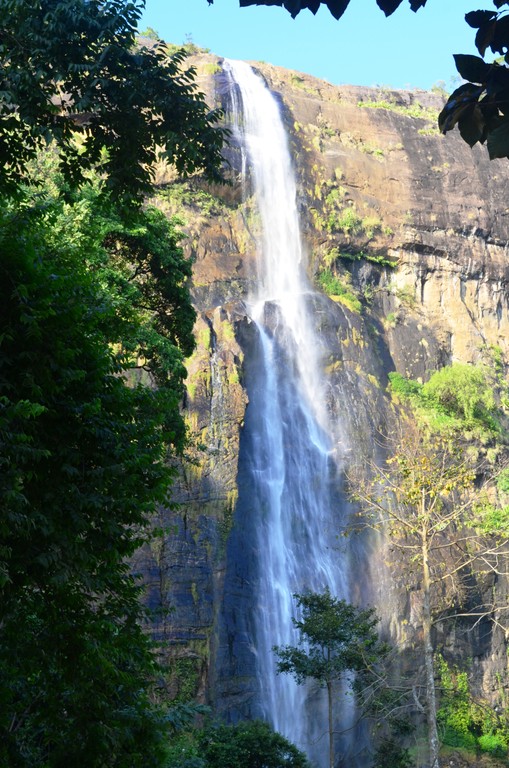
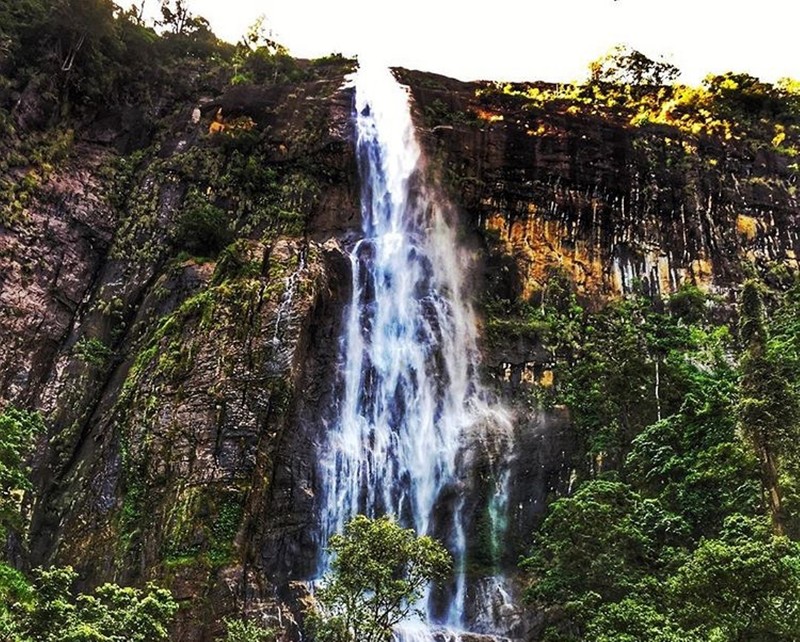
Diyaluma Falls is one of Sri Lanka’s most striking natural landmarks and the country’s second-highest waterfall. It lies near Koslanda in Badulla District, on the southern edge of the central highlands. The river plunges from a rocky escarpment about 220 metres high. Diyaluma is famous not only for its height but also for the natural pools on the upper plateau, which overlook valleys and distant plains.
Height and features
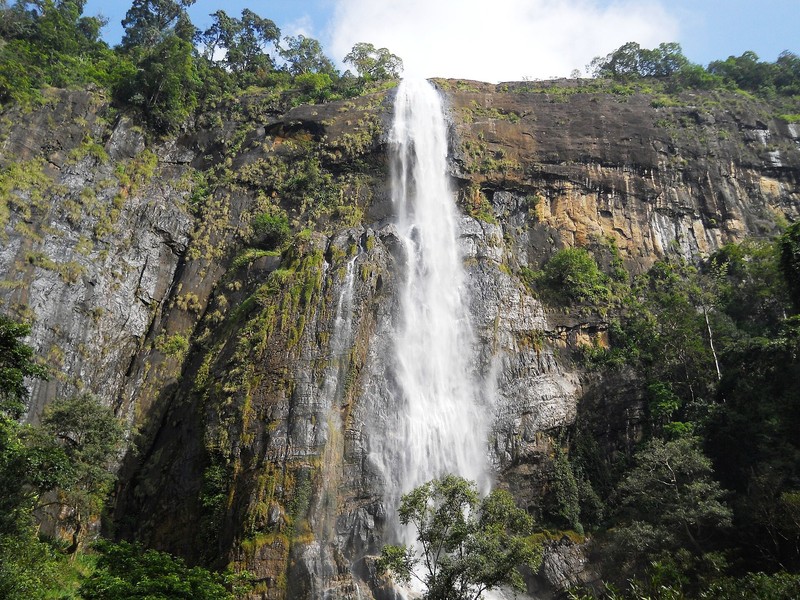
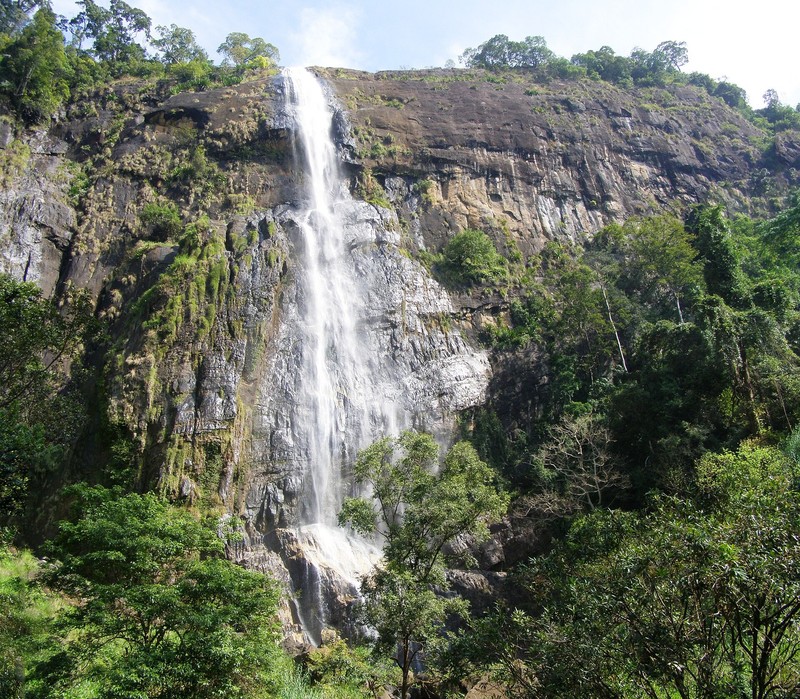
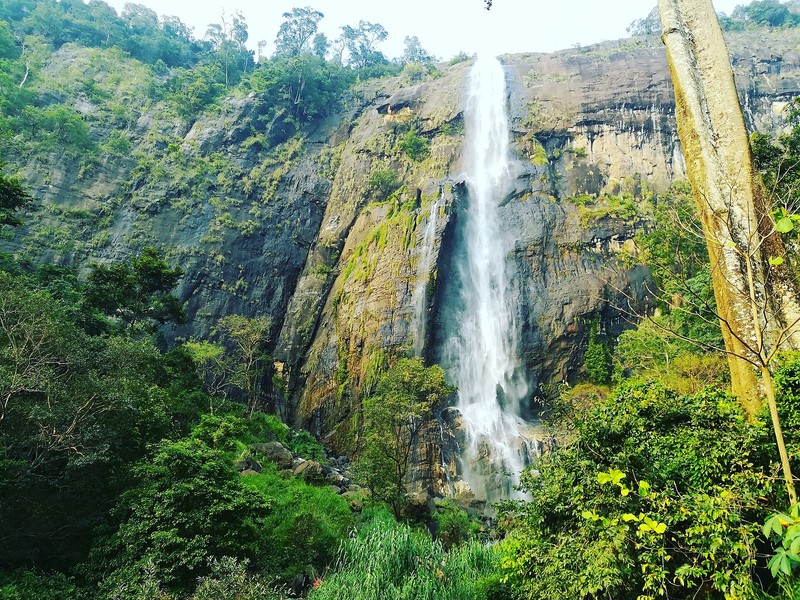
Diyaluma Falls is approximately 220 metres high. It is formed by Punagala Oya, part of the Kuda Oya and Kirindi Oya river system. Water gathers on the plateau above before spilling over an almost vertical cliff. The flow becomes powerful during rainy periods and can diminish noticeably in dry months.
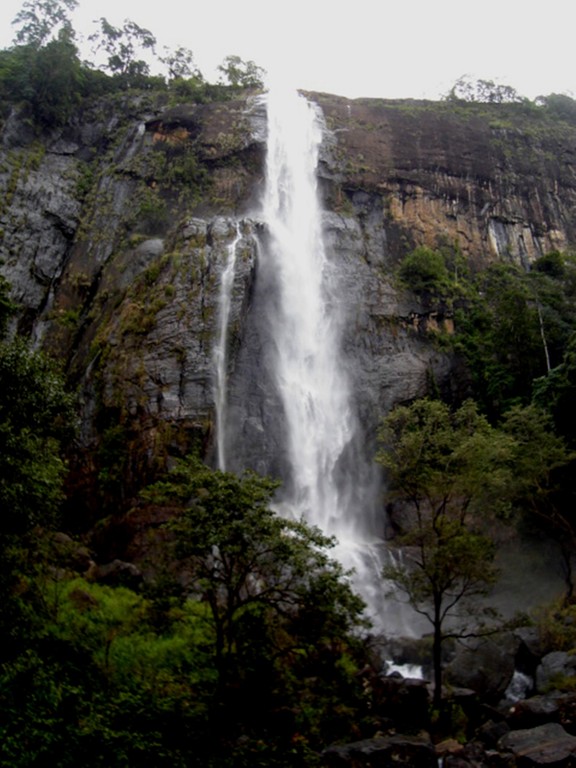
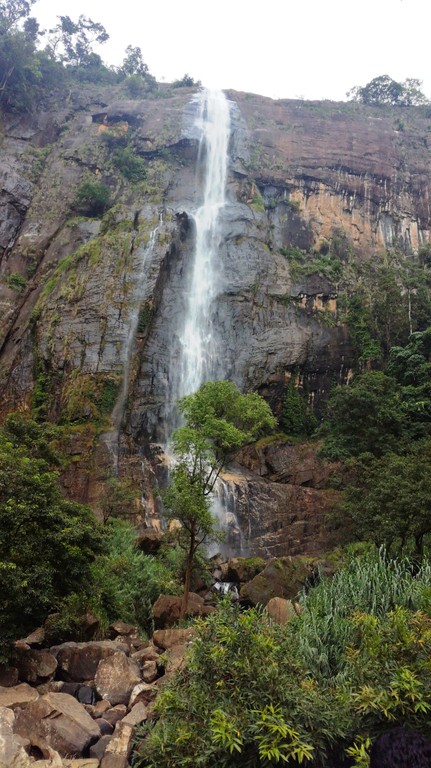
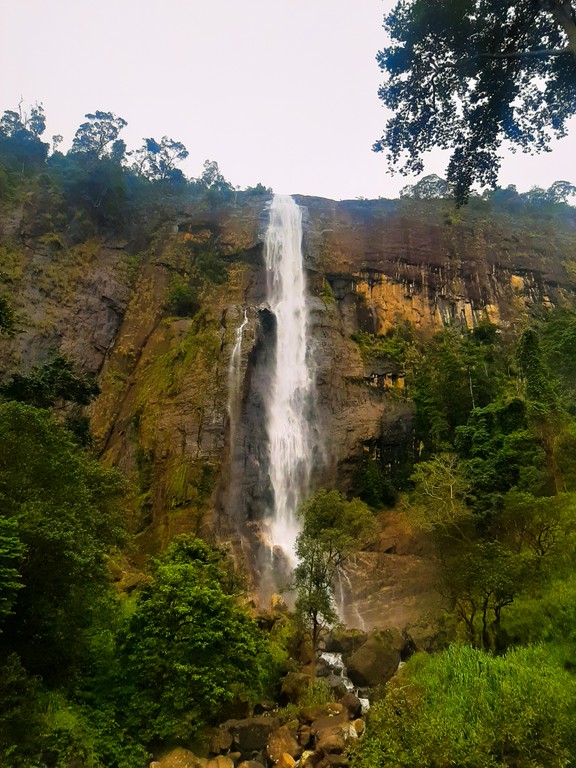
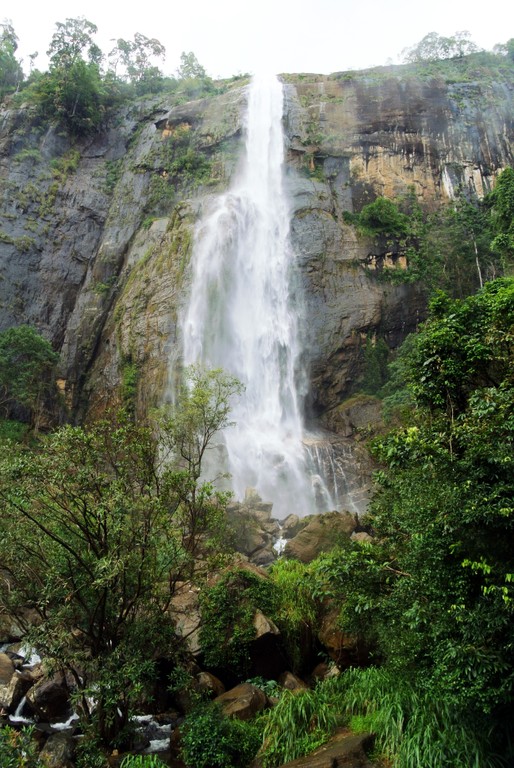
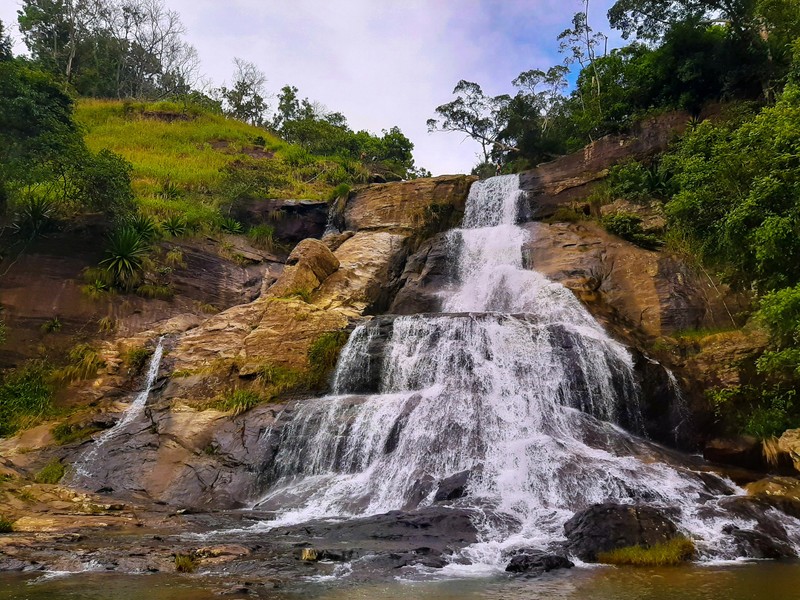
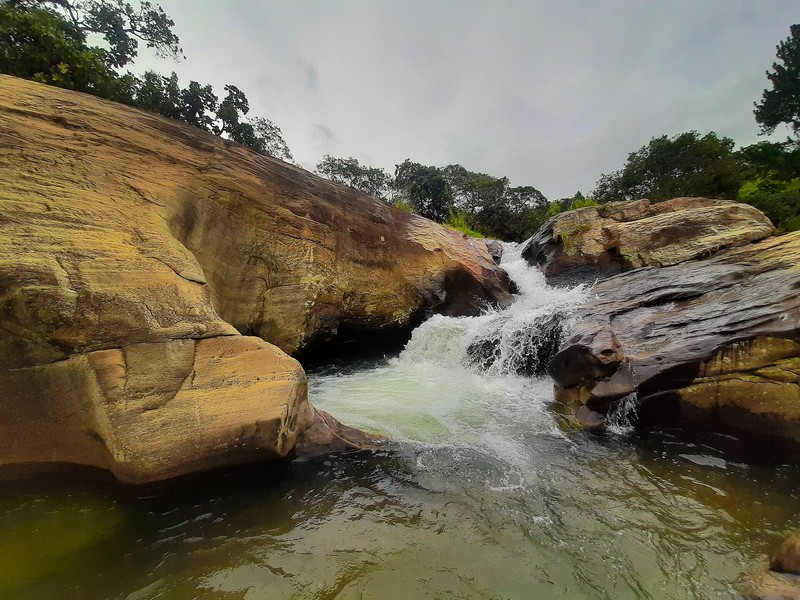
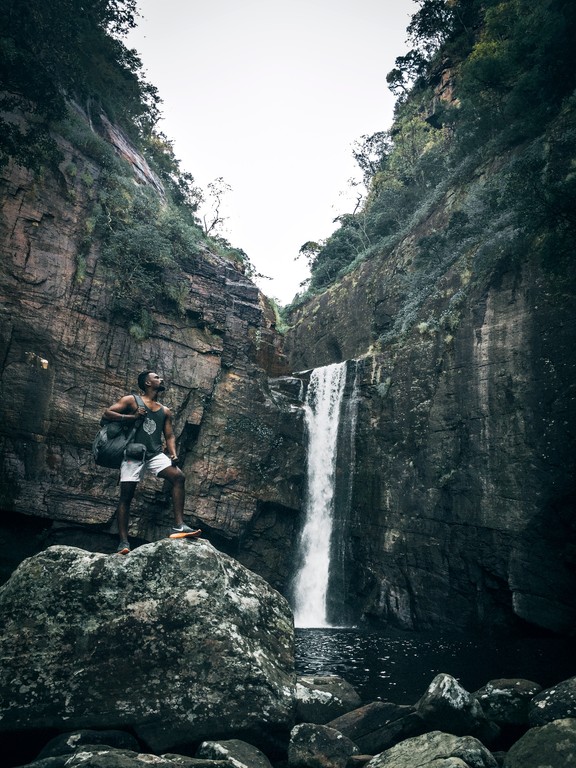
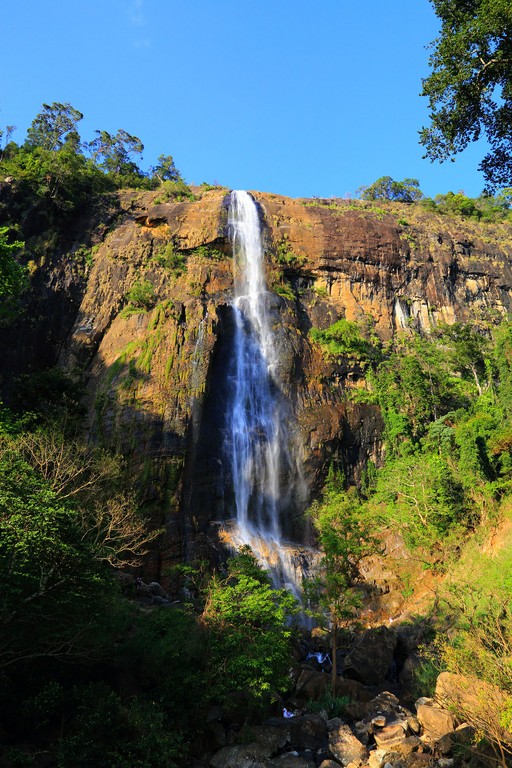
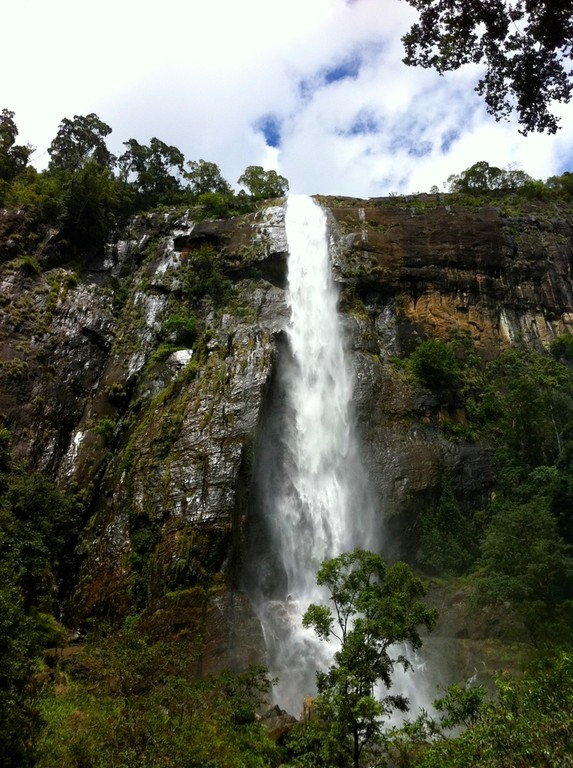
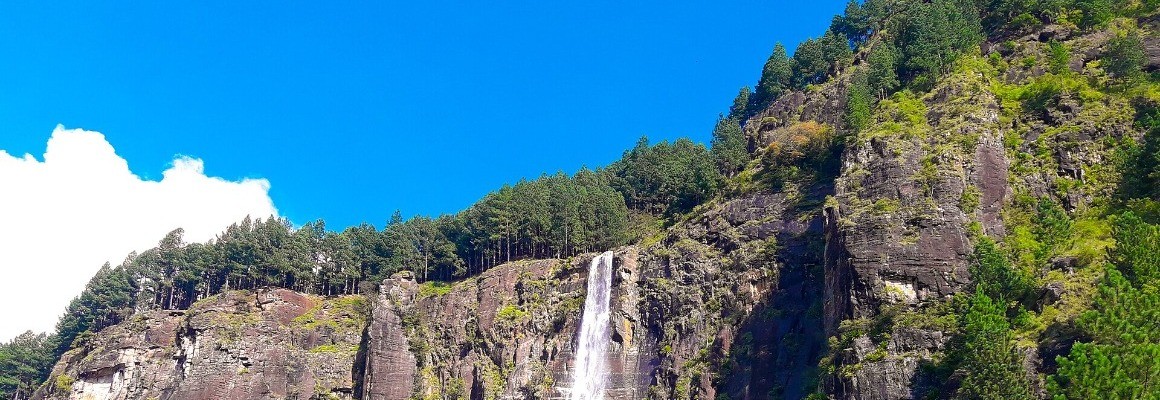
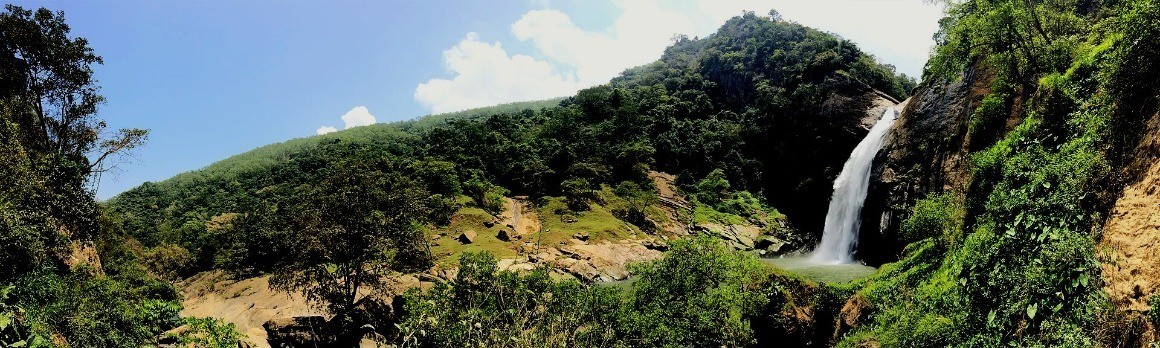
From below, the waterfall appears as a white ribbon against dark rock and green vegetation. Above the main drop, the stream passes through natural rock pools and smaller cascades. The contrast between calm water and the immense cliff edge makes the landscape particularly distinctive.
Natural pools on the upper plateau
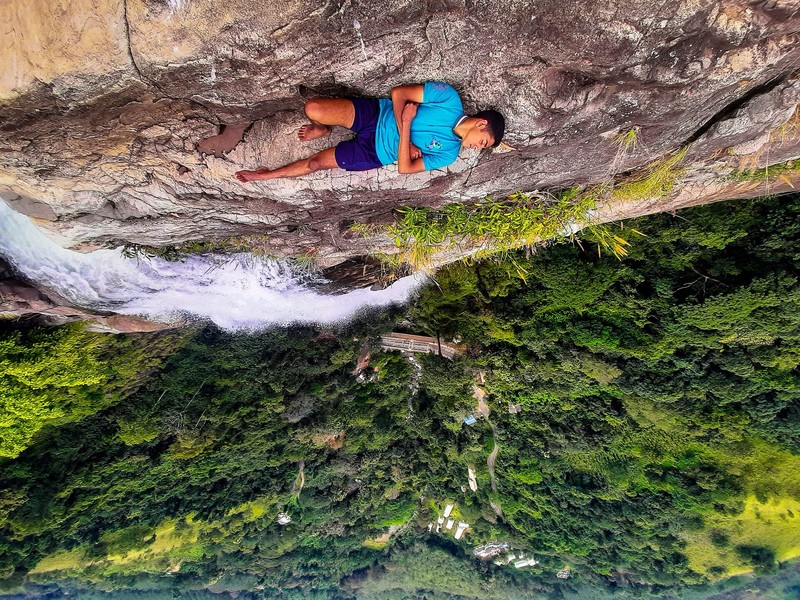
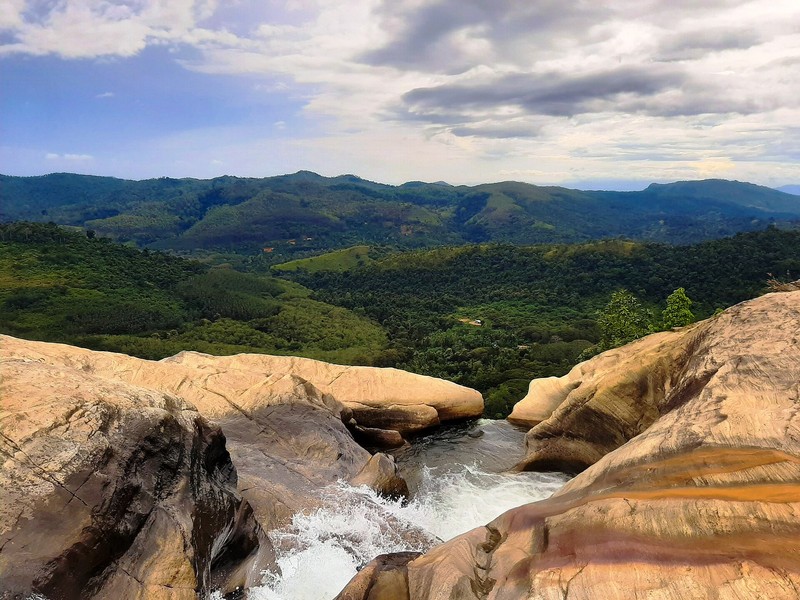
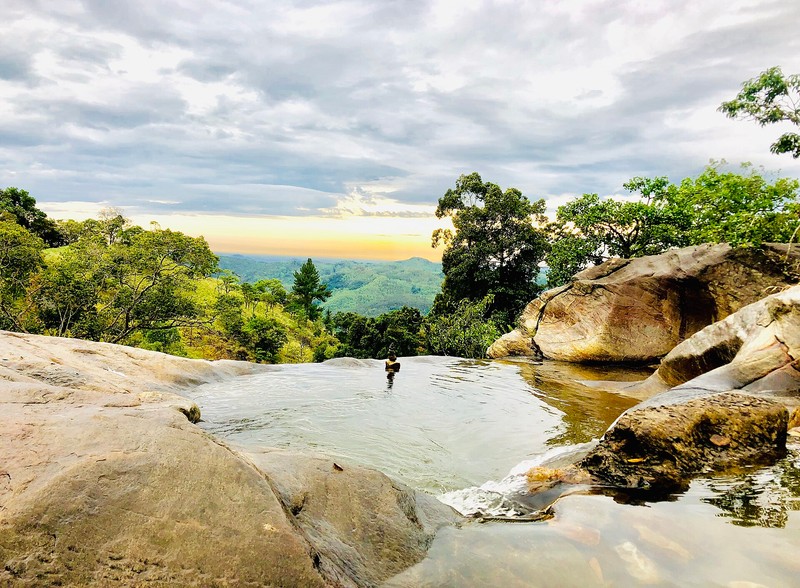
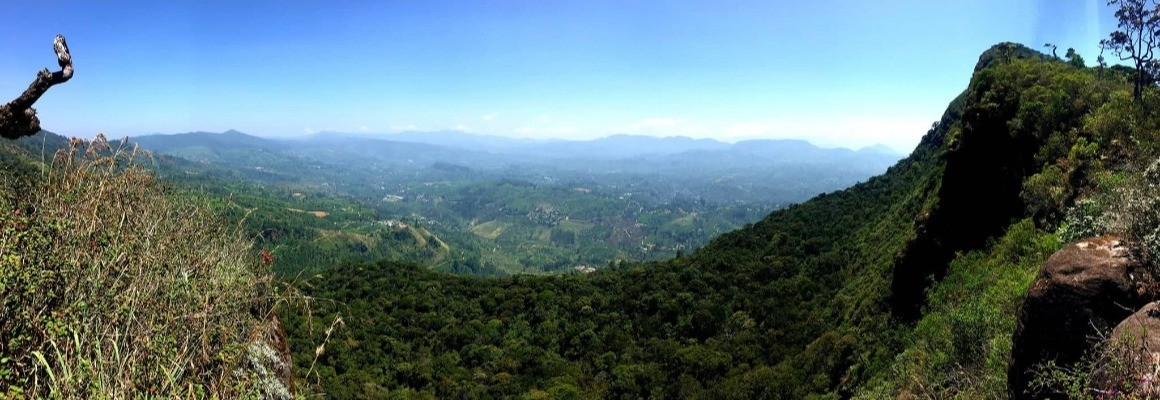
One of Diyaluma’s main attractions is a series of natural pools carved into the rock above the main waterfall. Some resemble infinity pools, with water appearing to merge into the distant valley. The views extend across mountain slopes, forests and the lowlands of southern Sri Lanka.
Visitors sometimes swim in the upper pools when conditions are suitable. This should only be considered when water levels are low and the current is calm. Stay well away from the cliff edge and never enter the channel that feeds the drop. Water can rise quickly after rain, even if the sky above the pools appears clear.
The legend behind the name
A local legend tells of a young chieftain banished to the highlands and his beloved, who tried to join him. With the mountain passes guarded, he lowered a rope made from twisted vines to help her climb the cliff. During the ascent, she struck the rocks and died.
According to the story, the gods were moved by the tragedy and caused a stream of water to flow down the mountain, concealing its traces. The legend is associated with poetic interpretations of Diyaluma as “liquid light” or “luminous water”. This is folklore rather than a verified historical explanation.
Location and access
Diyaluma Falls is in Badulla District, Uva Province, near Koslanda. It lies beside the A4 road between Haputale and Wellawaya, around six kilometres from Koslanda. The lower waterfall can be viewed from near the road. Separate routes lead to the upper pools, and the best approach depends on the starting point.
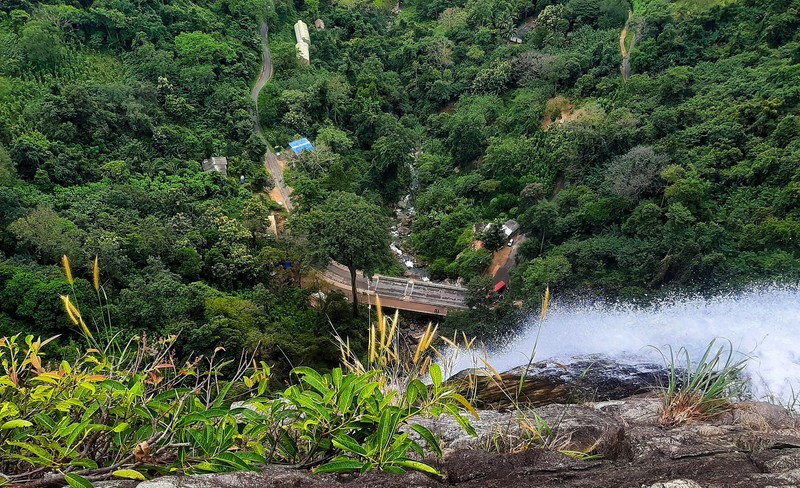
The climb to the upper plateau crosses slopes, loose soil and rocky ground. After rain, the path can be slippery. Some areas near the top have no barriers, so do not approach the edge for photographs. If you are unfamiliar with the route, consider hiring a local guide.
Best time to visit
The waterfall is most powerful during rainy periods, while its flow can decrease during prolonged dry spells. Morning is generally a good time for a walk because temperatures are lower and views may be clearer. Check the forecast and conditions upstream before climbing. Avoid the upper pools after heavy rainfall.
Safety and visitor advice
Rocks near the water can be extremely slippery, and the cliff edge drops approximately 220 metres. Do not approach the edge, jump into unfamiliar pools or swim in channels leading towards the drop. Wear shoes with good grip, bring drinking water and sun protection, and take all rubbish away. Avoid using soap or other products in the natural pools.
Places to visit nearby
A trip to Diyaluma can be combined with Ella, Haputale and other natural attractions in Uva Province. The region offers mountain viewpoints, tea plantations, walking routes and additional waterfalls. Allow several hours for the journey and the hike to the upper pools.
Why visit Diyaluma Falls?
Diyaluma combines an impressive drop, sweeping mountain scenery and unusual natural pools above the cliff. It is an excellent destination for experiencing the natural beauty of Sri Lanka’s central highlands. In suitable weather, a walk across the upper plateau can be memorable, but safety should always take priority over photographs.
Gallery