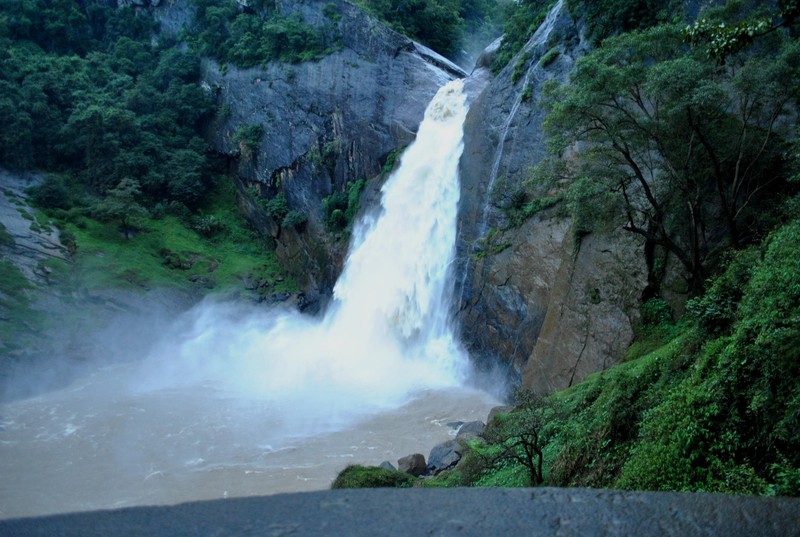
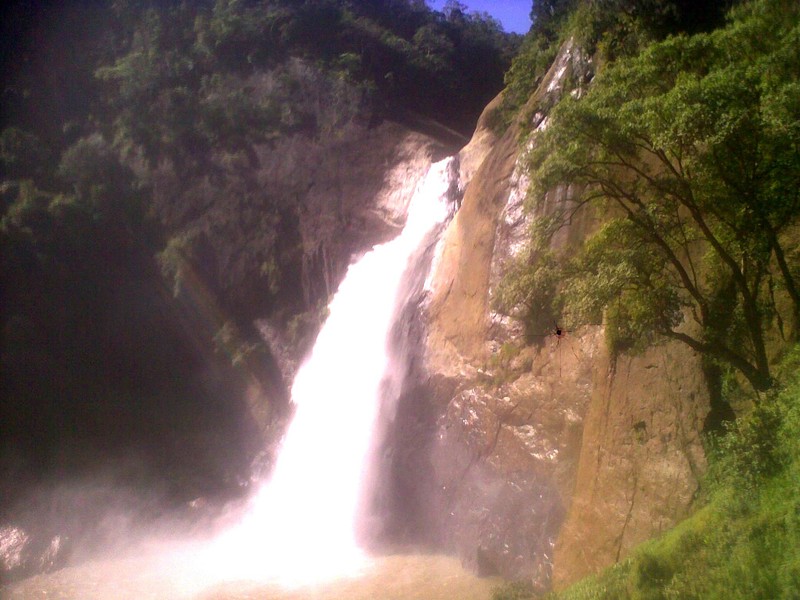
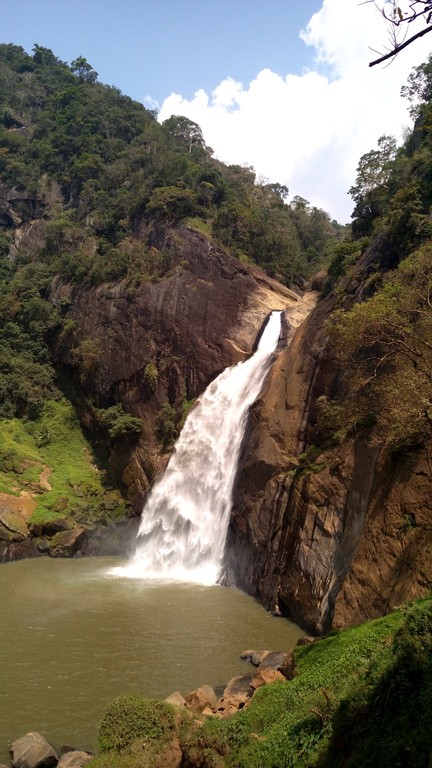
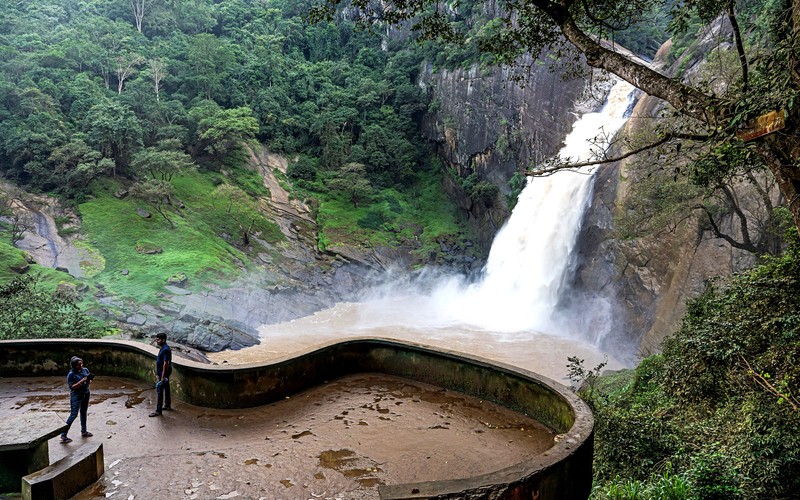
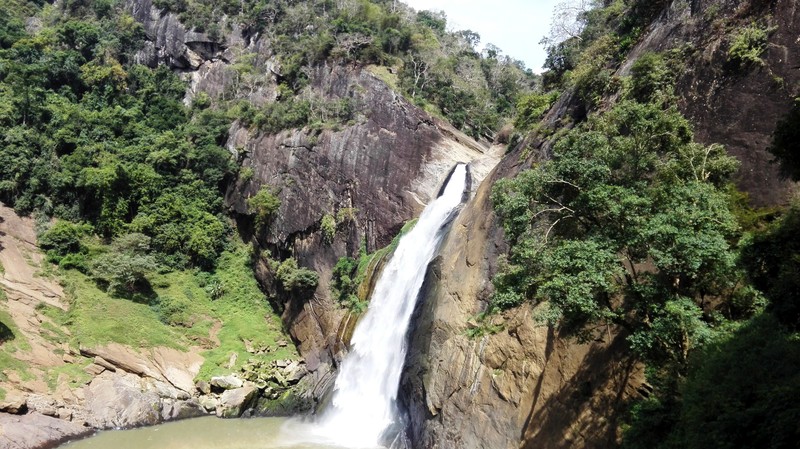
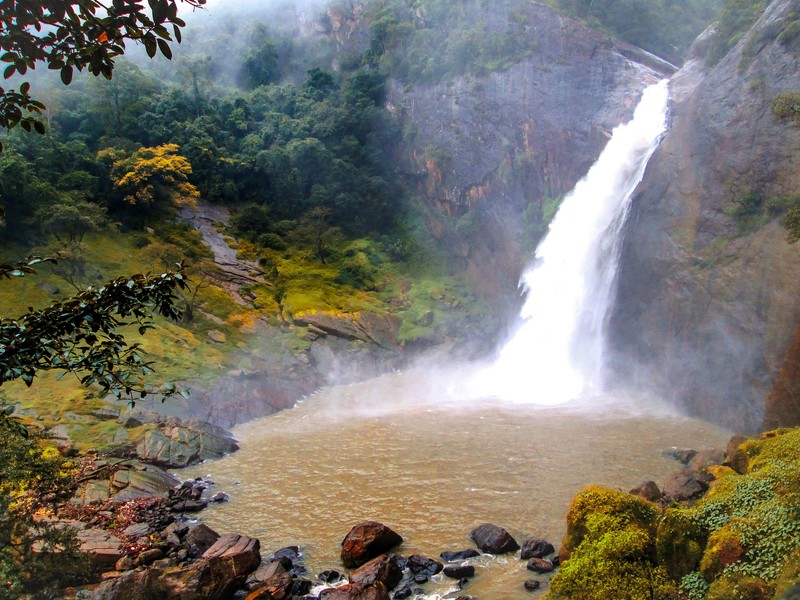
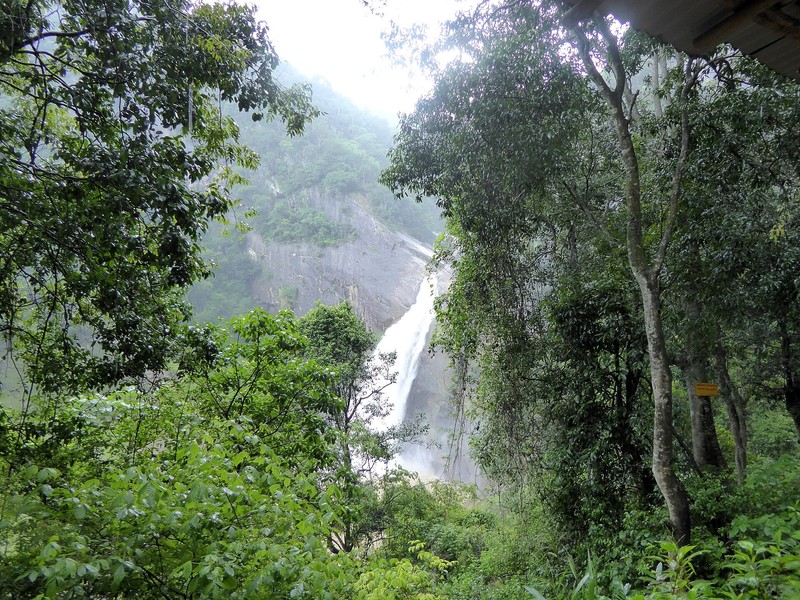
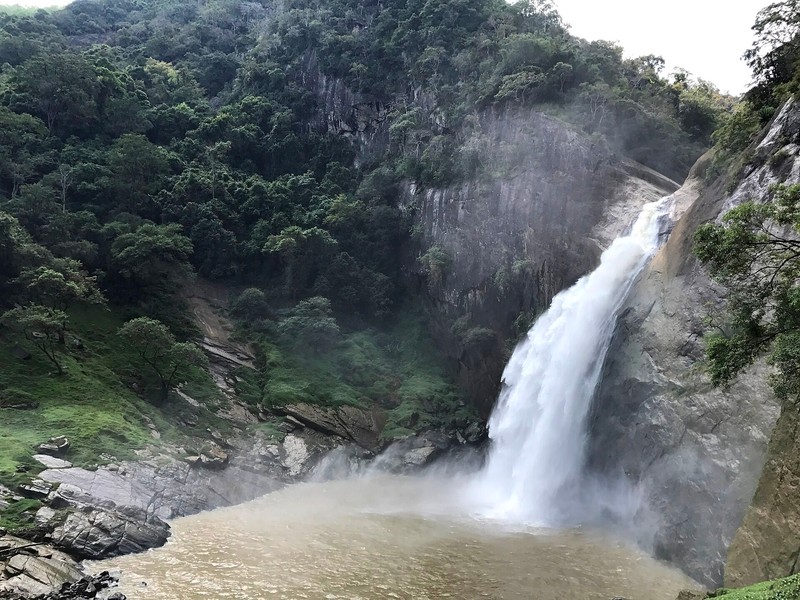
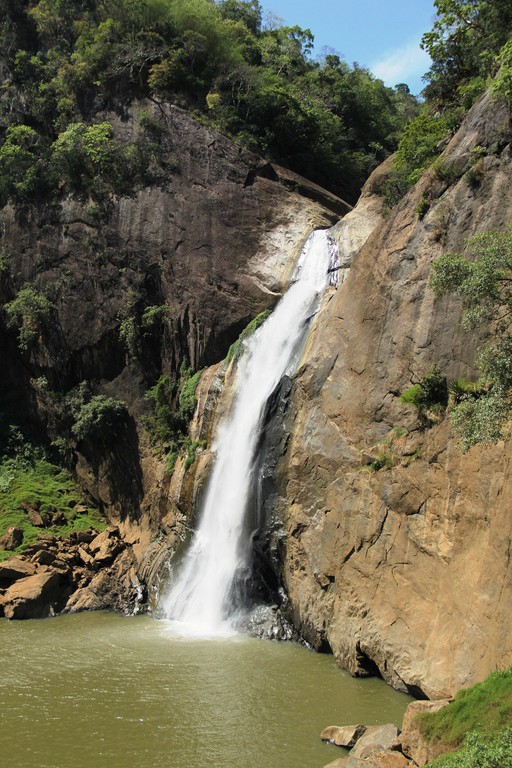
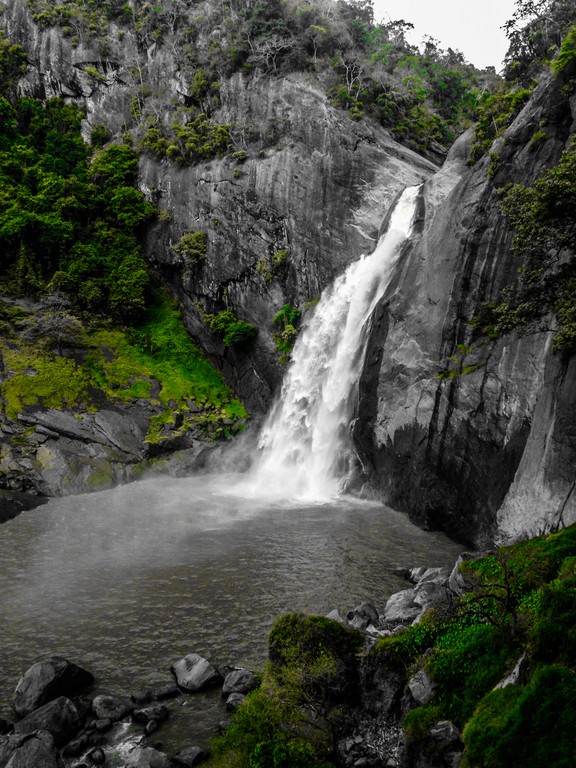
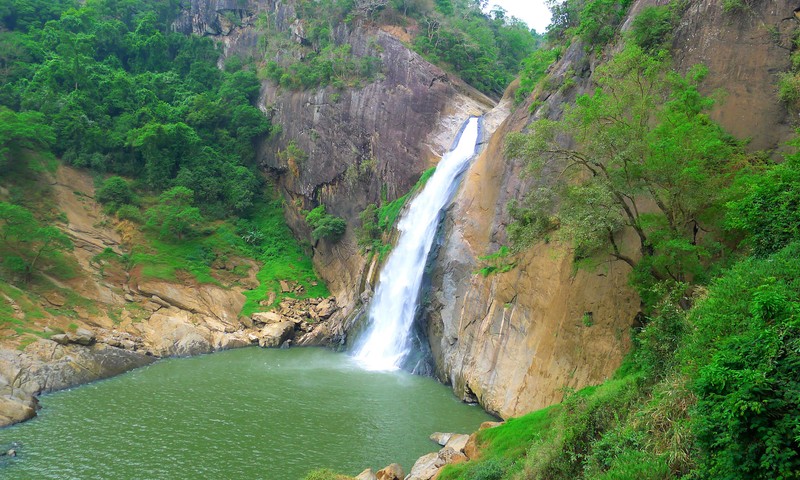
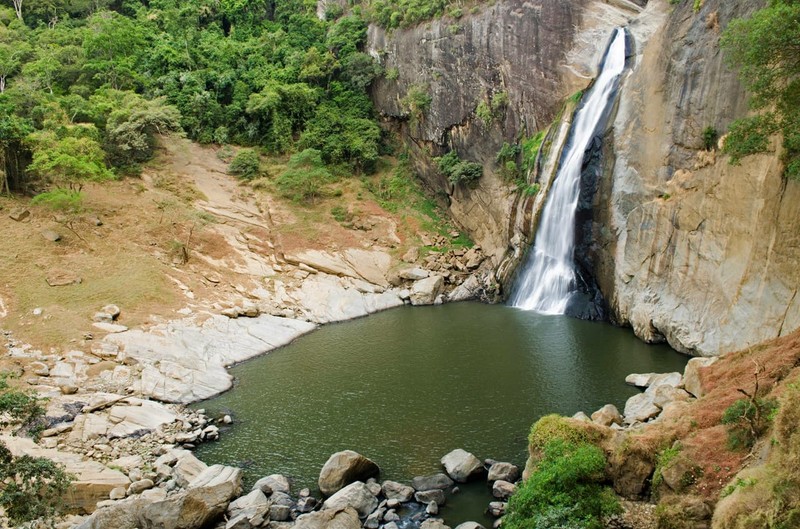
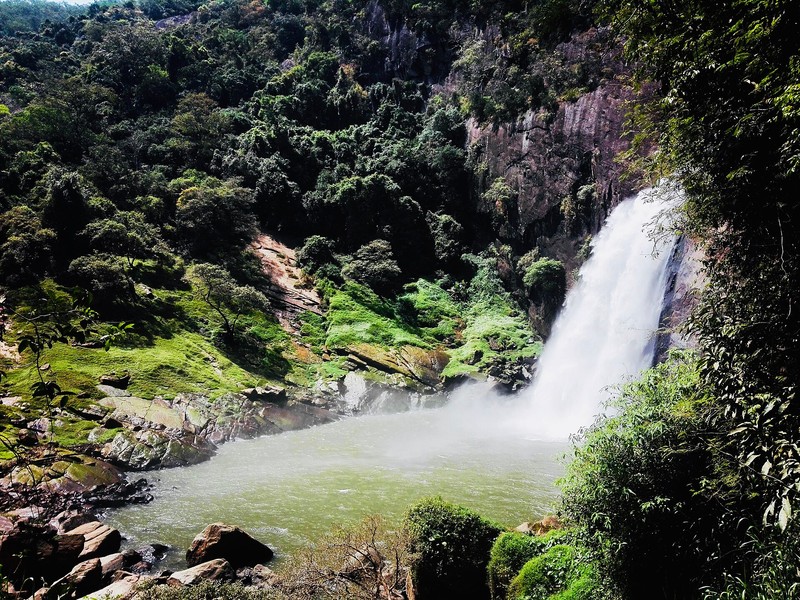
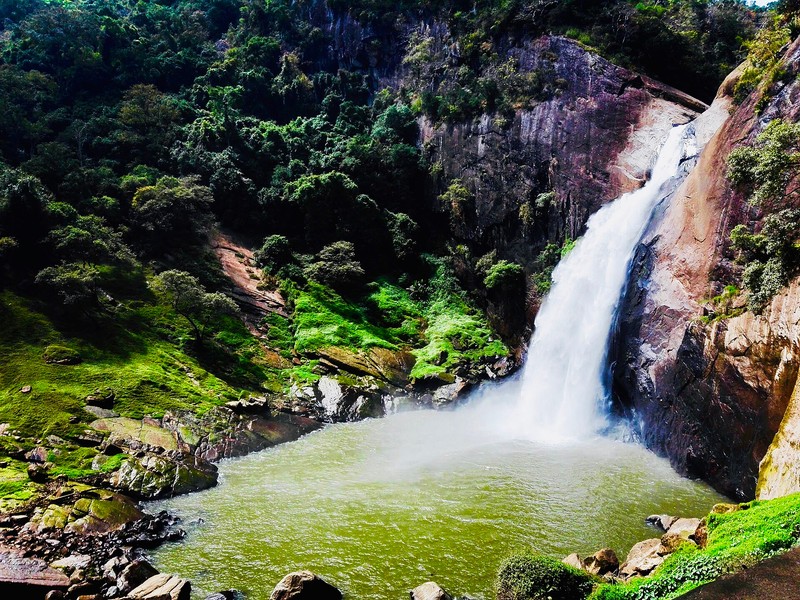
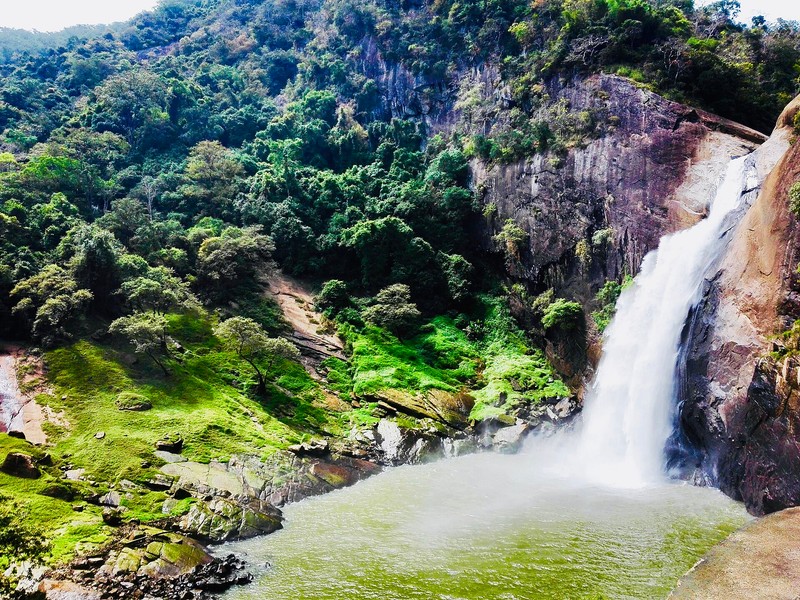
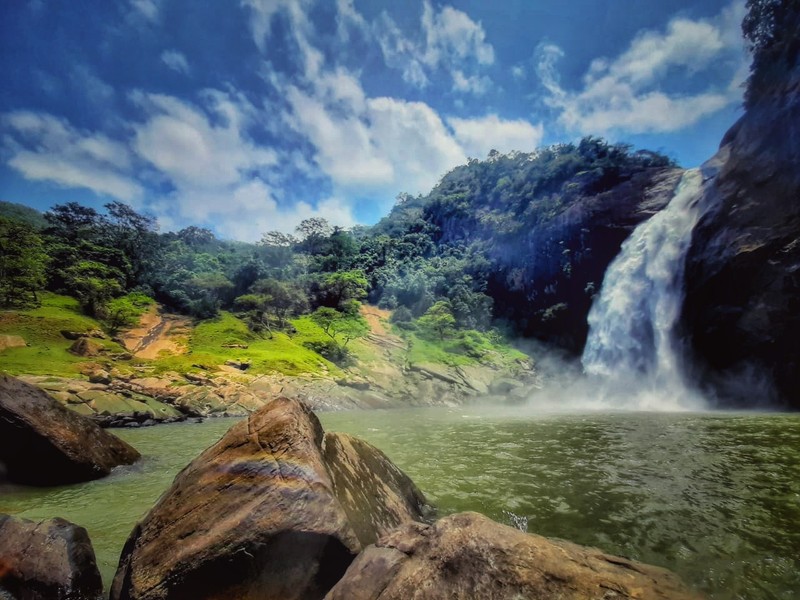
Dunhinda Falls is one of Sri Lanka’s best-known natural attractions, located near the town of Badulla in Uva Province. The Badulu Oya River plunges about 64 metres down a rocky cliff surrounded by dense tropical vegetation. The waterfall is admired for its powerful cascade, drifting spray and scenic forest path leading to a viewing platform.
The meaning of the name
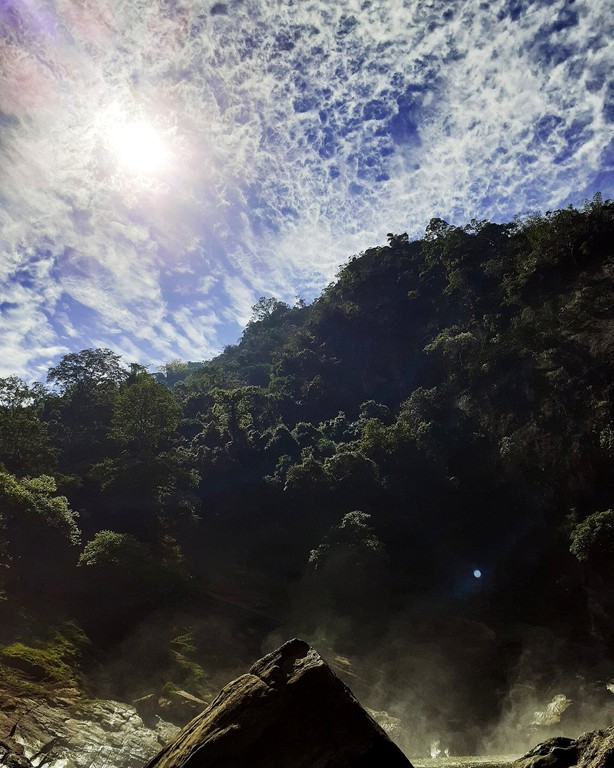
The name Dunhinda refers to the mist that rises around the foot of the waterfall. In Sinhala, “dun” means smoke or mist, describing the cloud of fine droplets created by the falling water. The falls are also sometimes called Bridal Falls because the long white cascade resembles a bridal veil.
At approximately 64 metres high, Dunhinda drops into a deep natural pool beneath a steep rock face. Its appearance changes with the weather: after rainfall, the flow can become stronger and the spray more dramatic. The sound of rushing water often reaches visitors before the main cascade comes fully into view.
Badulu Oya and the surrounding landscape
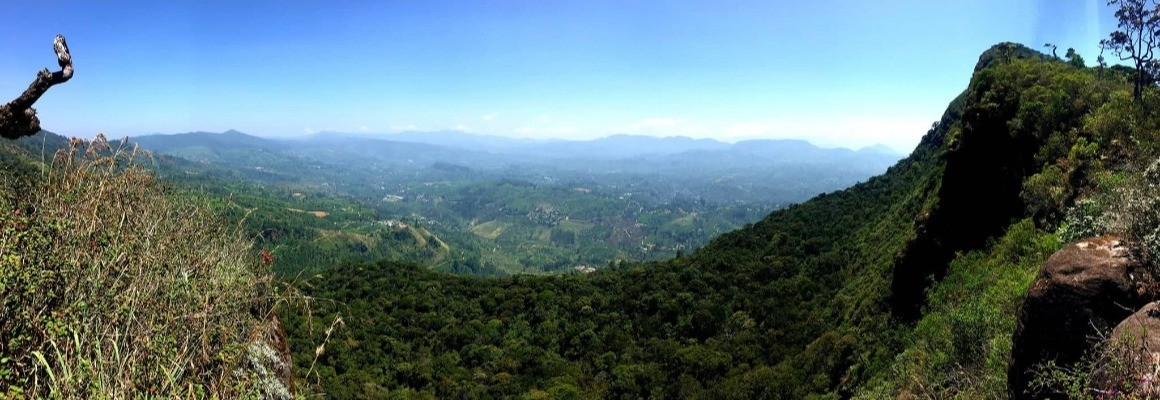
The waterfall is formed by the Badulu Oya River, which runs through the Badulla area. The surroundings feature rocky slopes, humid tropical forest and lush vegetation typical of Sri Lanka’s uplands. Along the trail, visitors may hear birds, spot butterflies or see monkeys. Wildlife should be observed from a distance and never fed.
Kuda Dunhinda, the smaller waterfall
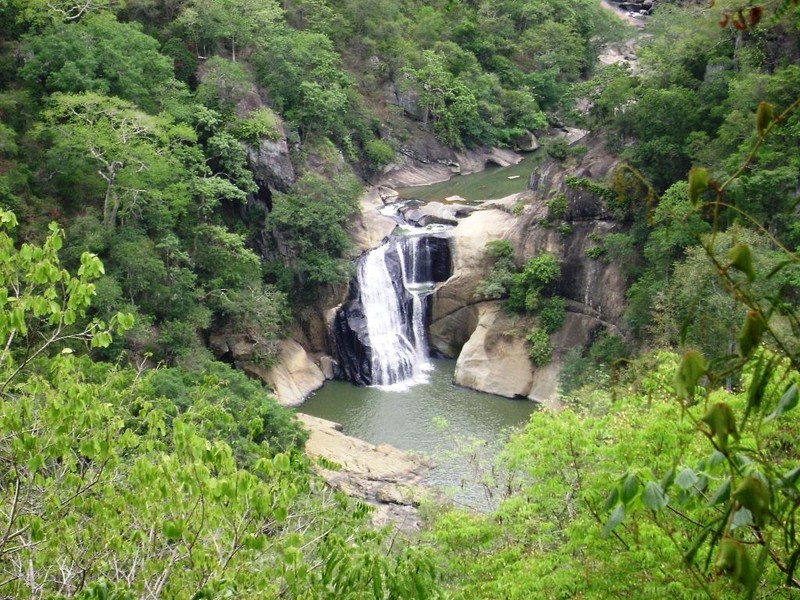
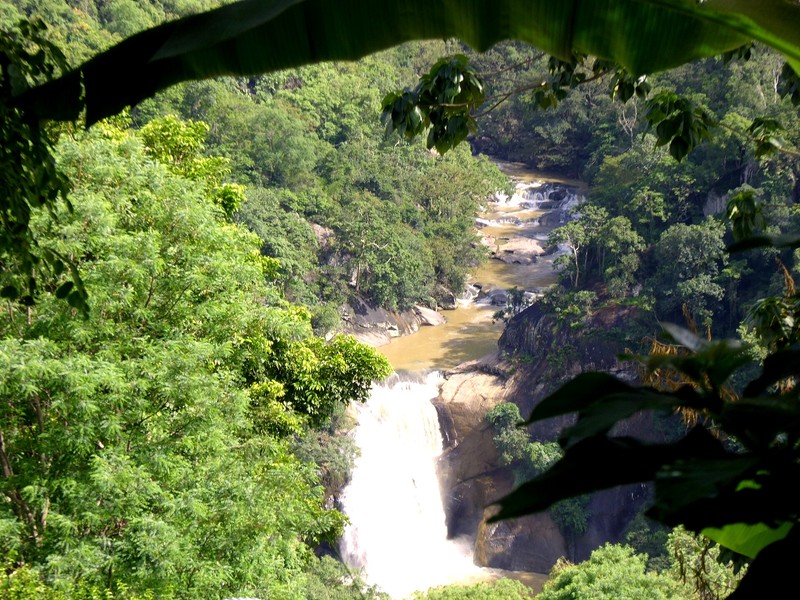
On the way to the main cascade, visitors can see Kuda Dunhinda, whose name means “Little Dunhinda”. This smaller waterfall adds another point of interest to the walk. Access to it can be rougher and more slippery than the main path, so it is best viewed from safe, accessible sections rather than by venturing onto unmaintained forest trails.
How to reach the waterfall
Dunhinda Falls lies about five kilometres from Badulla. Visitors usually travel along the Badulla–Mahiyangana road to Dunhinda Junction, where the walking route begins. The forest path to the main waterfall is approximately one to one and a half kilometres each way, depending on the route section and starting point. Parts of the trail can be narrow, uneven or muddy after rain. A viewing platform near the end provides a place to admire the main cascade and take photographs.
Best time to visit
The falls can be visited throughout the year, but the volume of water varies with rainfall. June and July are often mentioned as good months to see the waterfall, while rainy periods can also produce an impressive flow. Wet weather, however, can make the path slippery. Check the local forecast, wear shoes with good grip and allow enough daylight for the return walk.
Safety and visitor advice
Swimming near the base of the waterfall is dangerous. The pool is deep, currents can be strong and submerged rocks may be slippery. Do not approach cliff edges, descend unmarked slopes or cross the stream for photographs. Stay on designated paths and follow local instructions. Avoid carrying food openly around monkeys, never feed wildlife and take all rubbish with you. Check current access rules before travelling.
Why visit Dunhinda Falls
Dunhinda is a rewarding stop for travellers who want to experience one of Sri Lanka’s striking natural landmarks without undertaking a long mountain trek. The high cascade, tropical forest, smaller waterfall along the route and dedicated viewing platform make it a good choice for nature lovers and photographers. A visit can be combined with exploring Badulla and other destinations in Uva Province.
Gallery