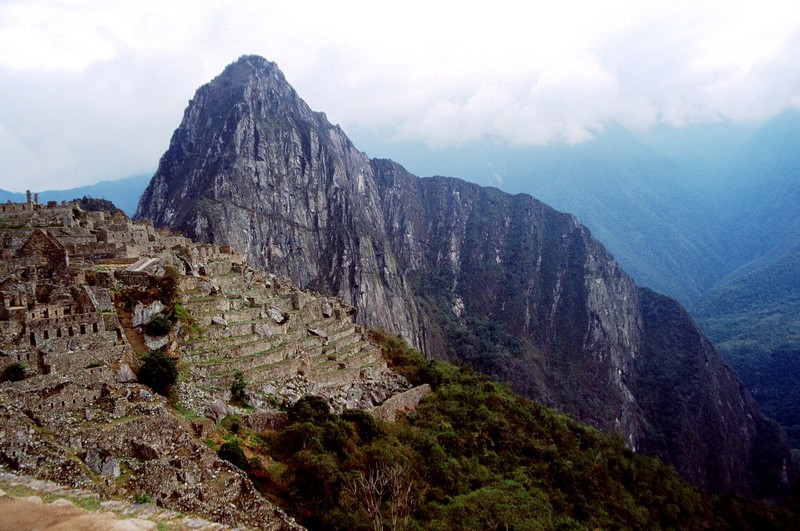
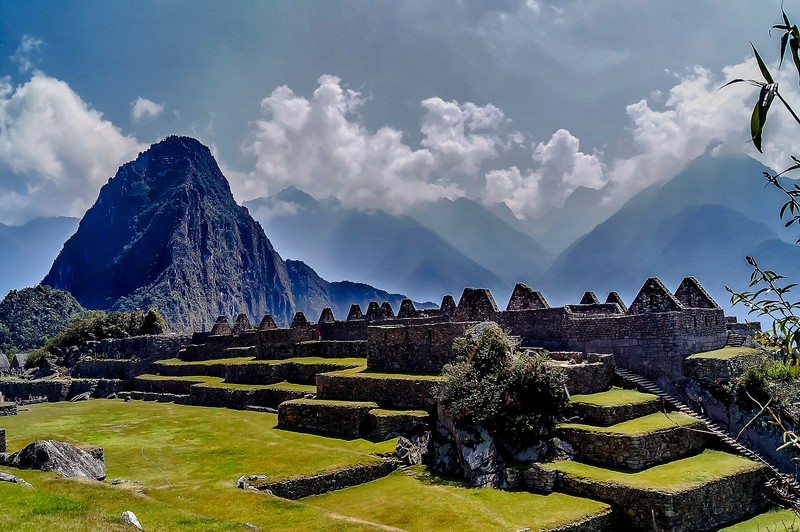
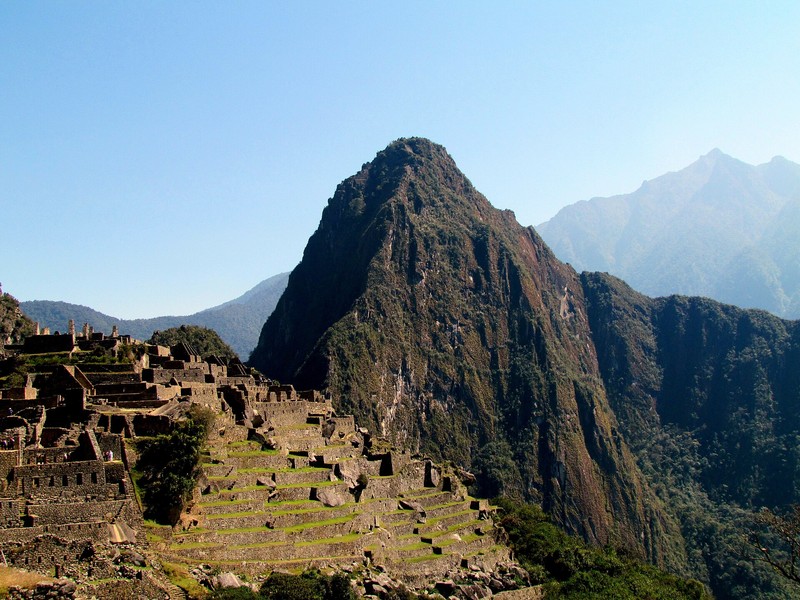
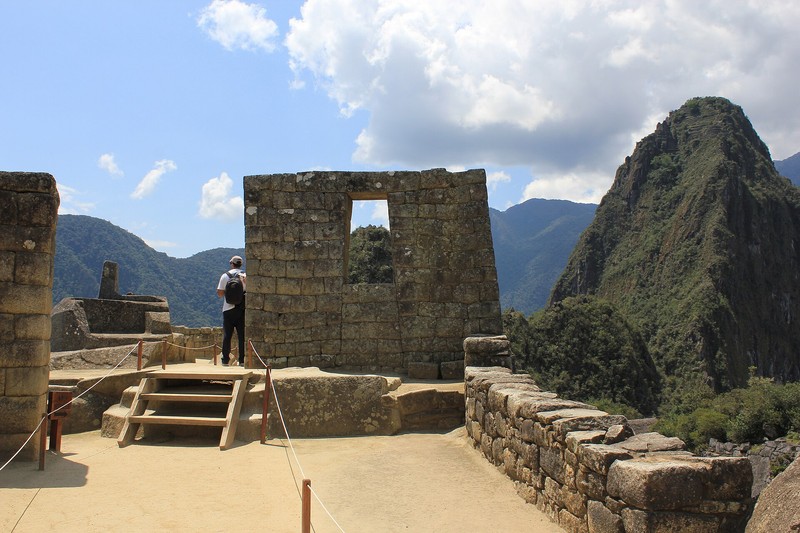
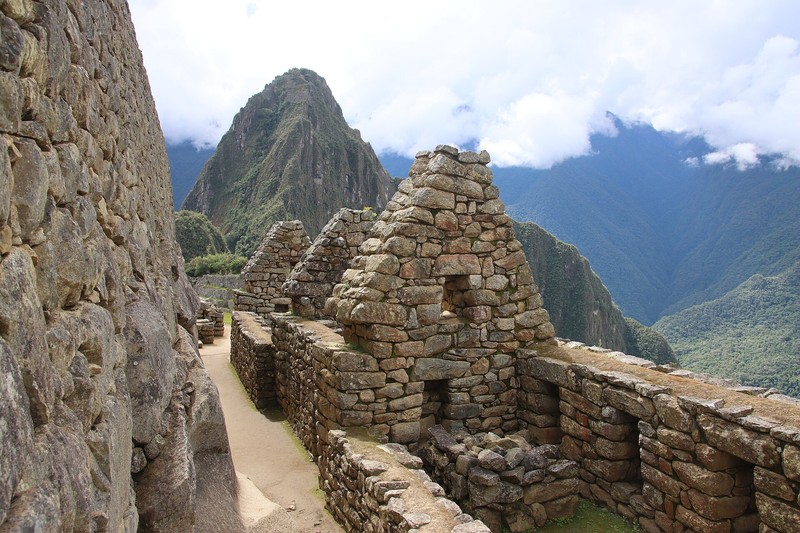
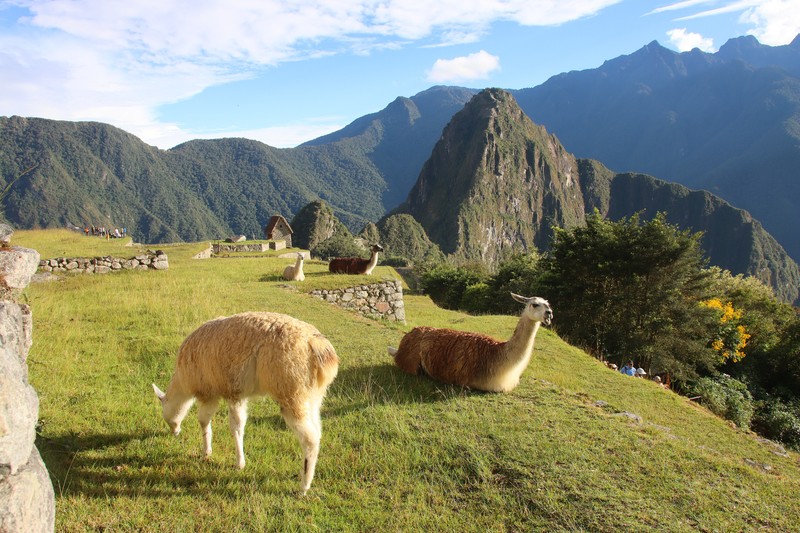
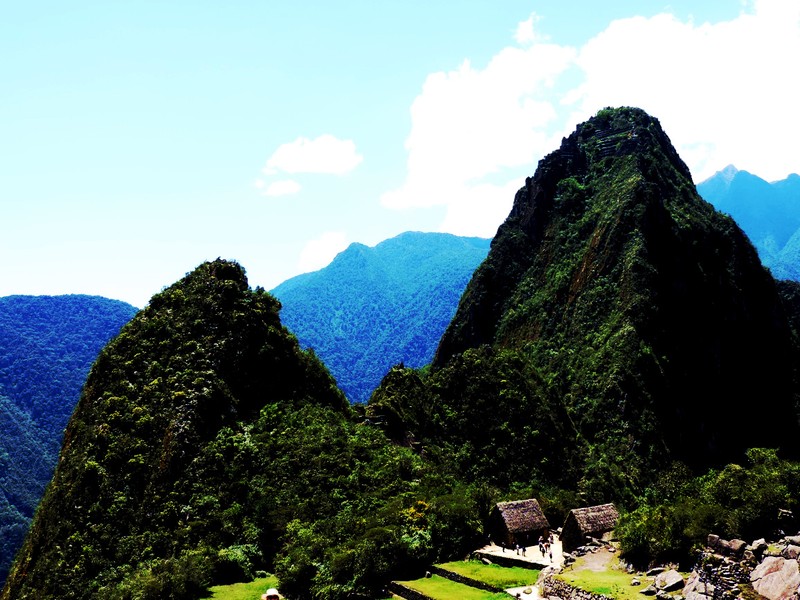
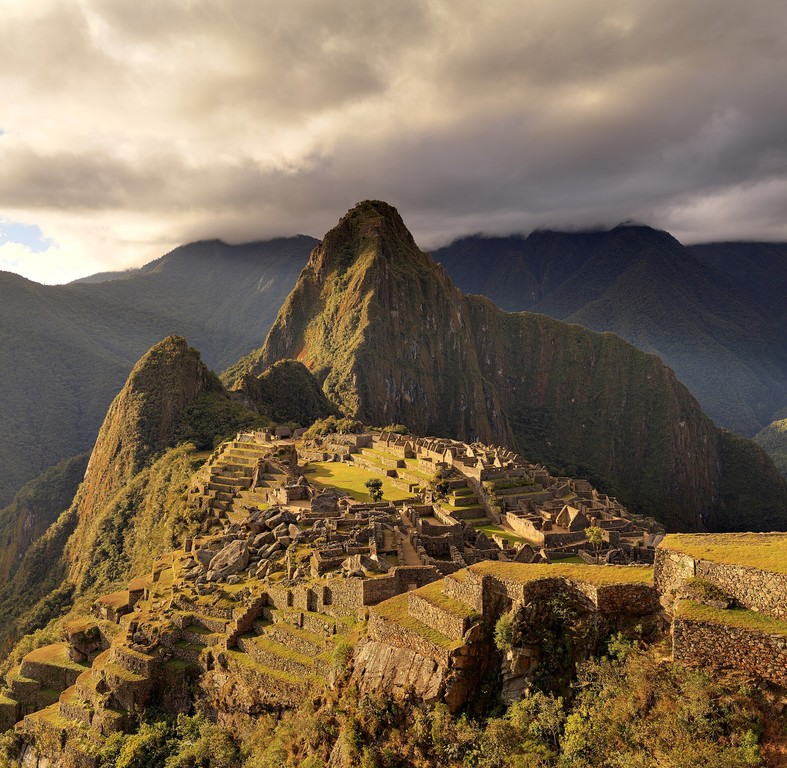
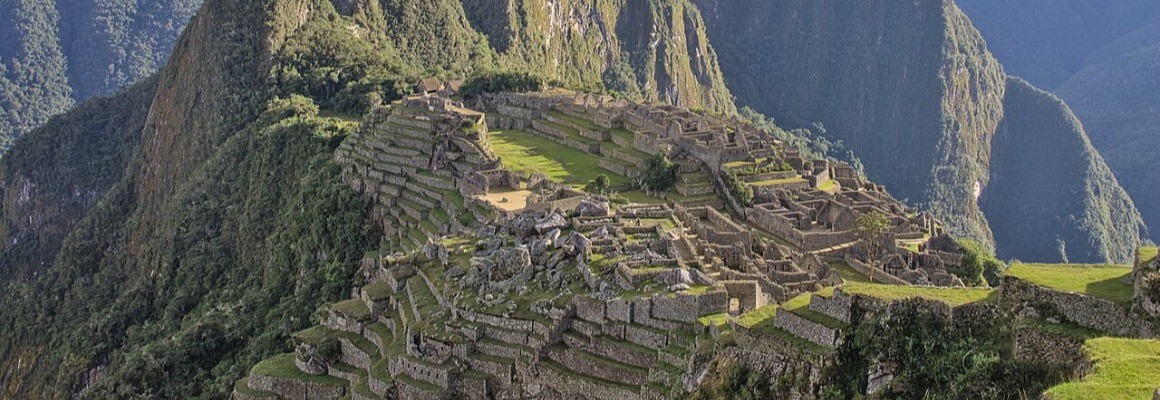
Huayna Picchu is the famous mountain rising above the ancient Inca city of Machu Picchu in the Peruvian Andes. Its steep silhouette has become one of Peru's most recognizable symbols, appearing behind the stone buildings and green terraces in classic views of the archaeological site. The name Huayna Picchu is commonly translated from Quechua as “Young Mountain,” in contrast to neighbouring Machu Picchu, or “Old Mountain.”
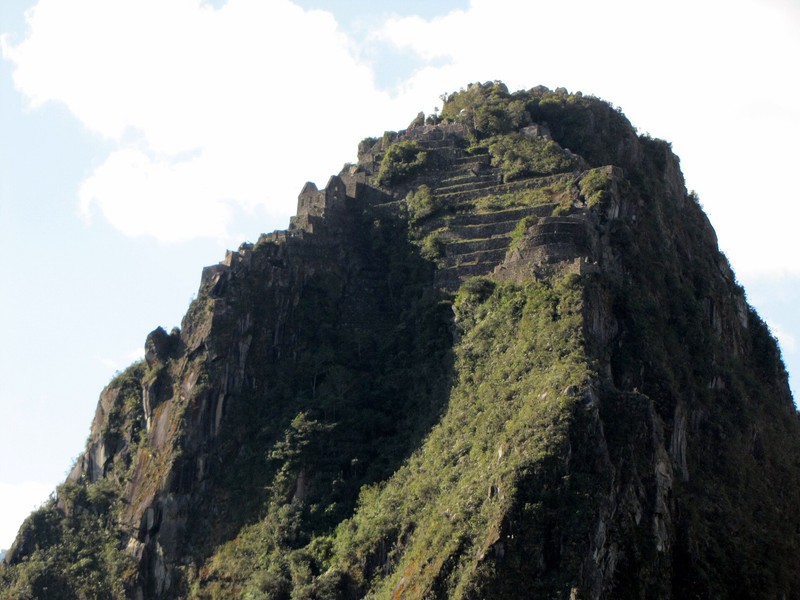
The summit reaches approximately 2,720 metres above sea level. The climb follows a narrow mountain trail with ancient stone steps, steep slopes and panoramic views of Machu Picchu, the Urubamba River valley and the surrounding peaks. Today, the ascent is considered one of the most memorable adventures available to visitors of the archaeological complex.
Where Huayna Picchu is located
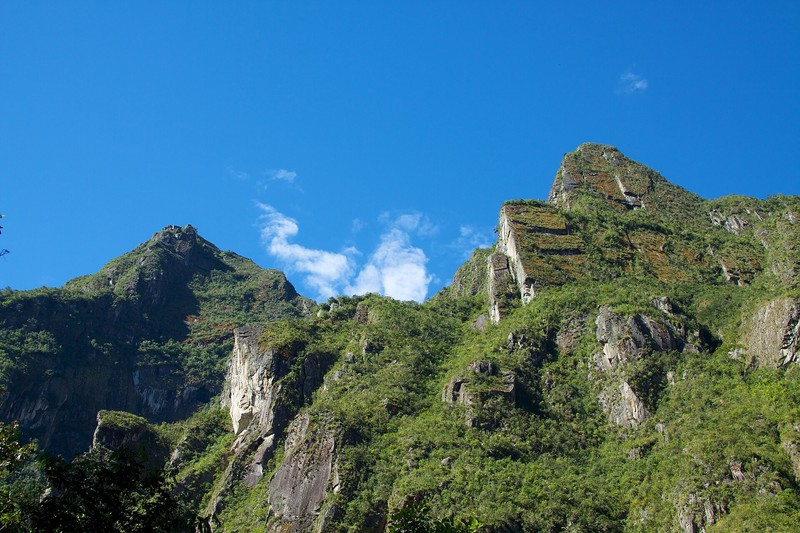
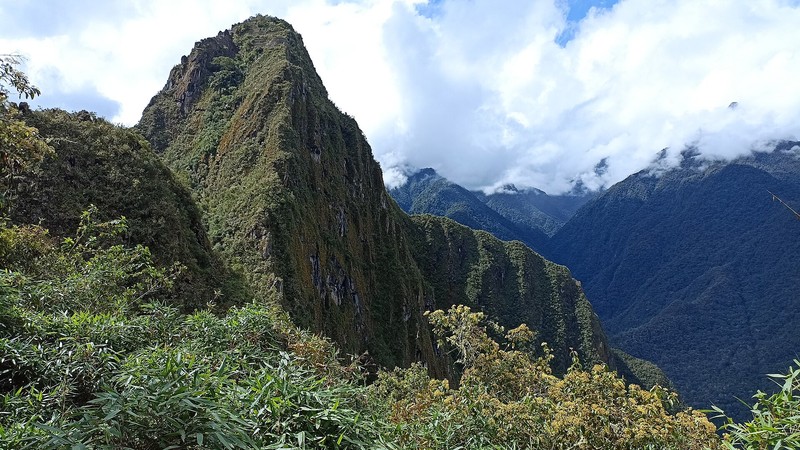
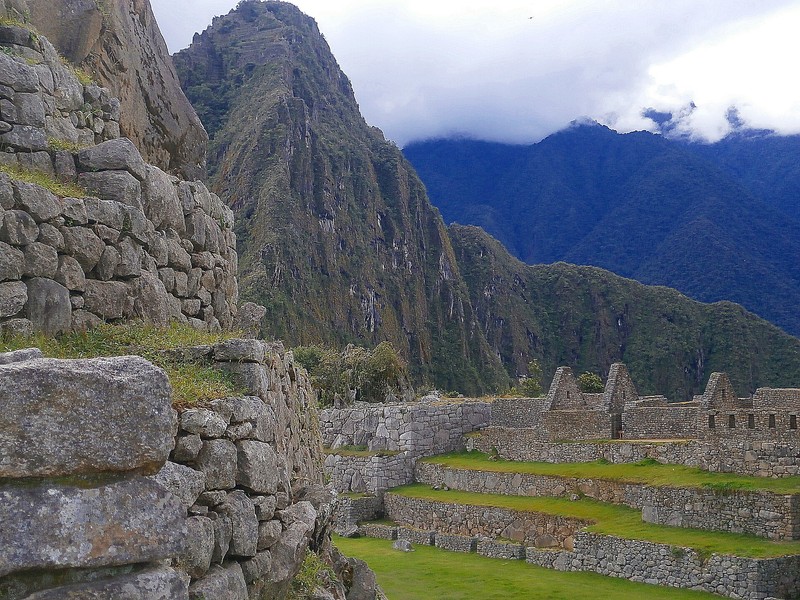
The mountain lies within the Historic Sanctuary of Machu Picchu in Peru's Cusco region. It forms part of the Eastern Cordillera of the Andes, where high peaks rise above deep valleys and humid mountain forests. Huayna Picchu stands immediately north of the main ancient city, making its distinctive profile visible from the central terraces and many viewpoints.
Machu Picchu lies at approximately 2,430–2,450 metres above sea level, while Huayna Picchu rises to about 2,720 metres. The difference in elevation and the mountain's unusual shape create the impression of a rocky wall towering above the city. Green mountain slopes surround the site, and the Urubamba River winds through the deep gorge below.
The mountain and the Incas
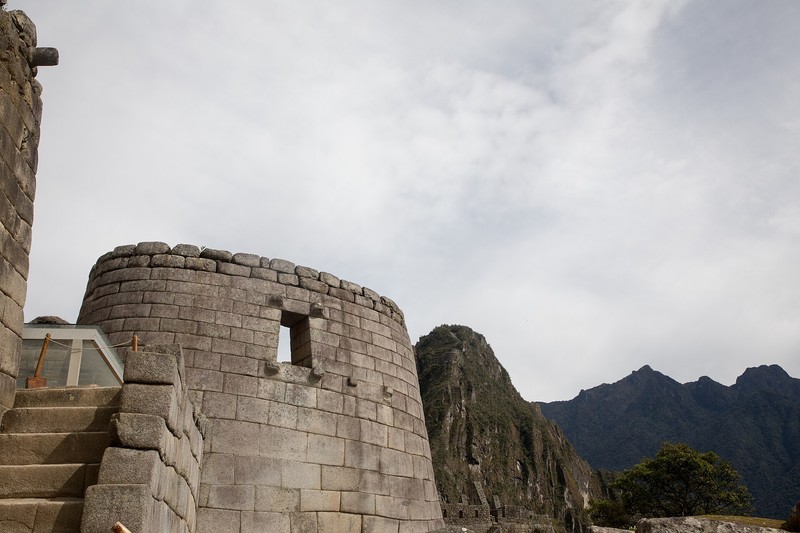
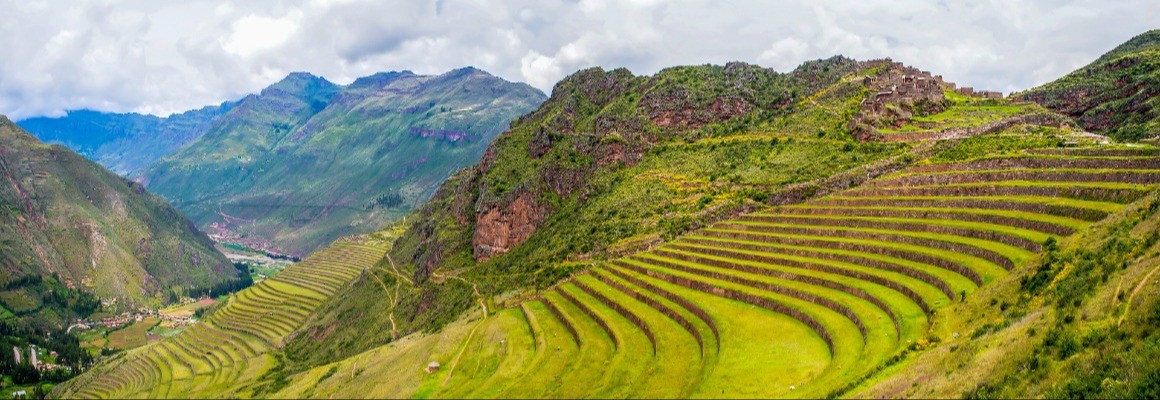
Huayna Picchu is closely associated with the history of Machu Picchu, one of the most important monuments of Inca civilization. The ancient city was built around the middle of the fifteenth century, during the reign of Pachacutec. Across the mountain slopes, the Incas constructed terraces, laid stone paths and built structures adapted to the challenging Andean terrain.
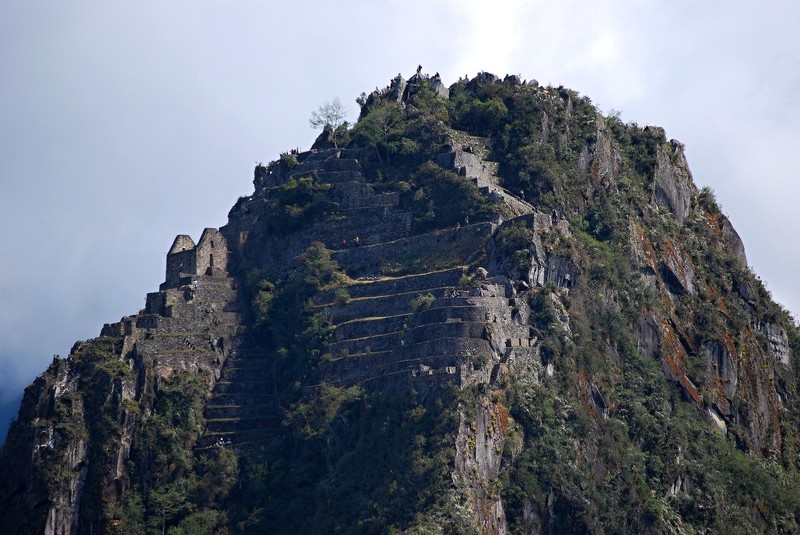
The precise purpose of every structure on Huayna Picchu remains uncertain. Researchers suggest that the mountain may have served a strategic or observation role because its slopes offer broad views of the valley and the surroundings of Machu Picchu. Terraces may have supported agriculture, while some structures may have had ritual significance. Not every interpretation is confirmed by archaeological evidence, so it would be too simplistic to describe the mountain solely as a military lookout.
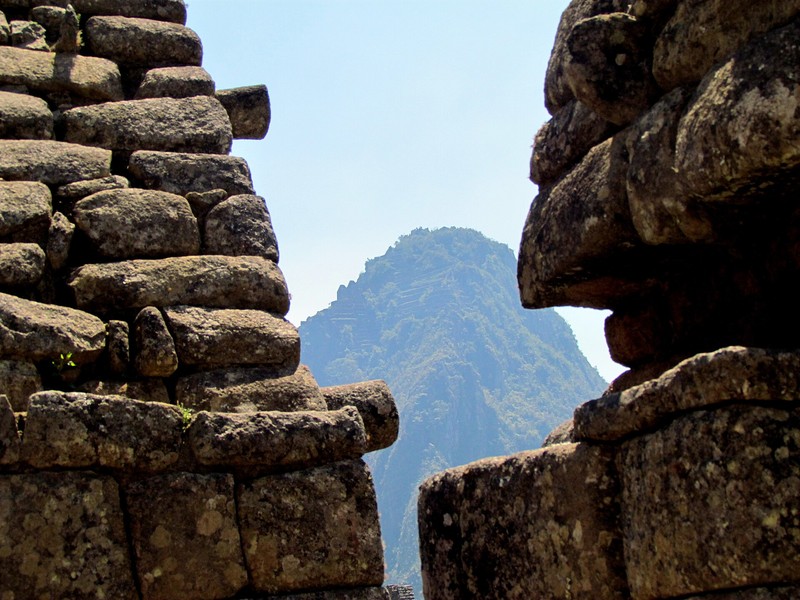
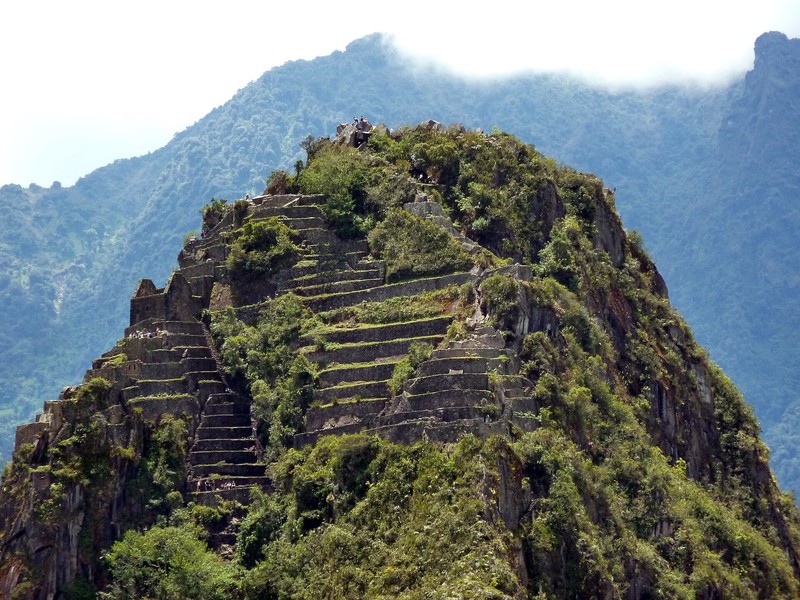
Stone stairways, retaining walls and small architectural complexes survive on the slopes. They demonstrate the Incas' skill in adapting construction to mountainous terrain. Many paths are narrow and steep, requiring care even for modern visitors.
Climbing to the summit of Huayna Picchu
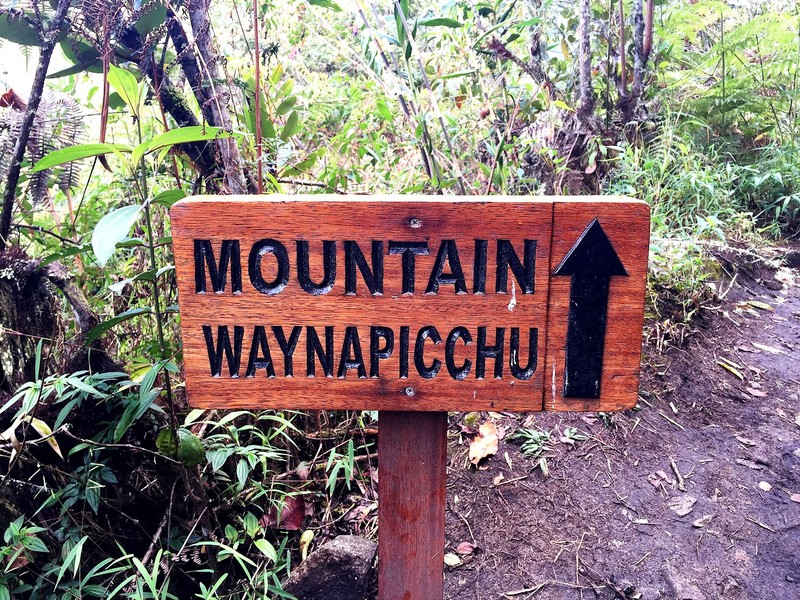
The mountain's main attraction is the opportunity to rise above Machu Picchu and view the ancient city from an unusual angle. The ascent begins after visitors enter the archaeological complex and reach the checkpoint for the separate mountain route. The trail includes steep stone steps, narrow passages and sections with significant drops. The climb is physically demanding and is unsuitable for people with a strong fear of heights or difficulty using steep stairs.
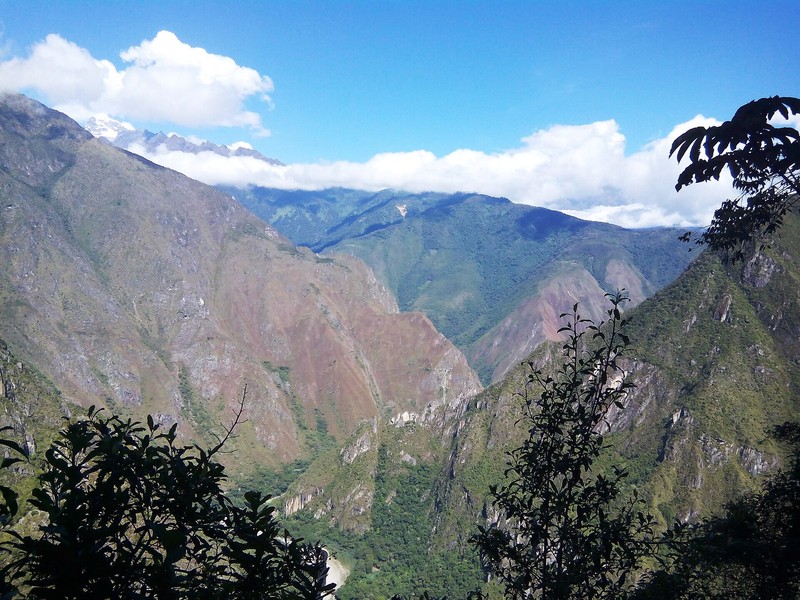
The time needed depends on fitness, weather and walking pace. Visitors should allow several hours for the mountain and the archaeological site together. Along the way, they can see ancient terraces, stone walls and mountain vegetation. The summit provides impressive views of the citadel, surrounding peaks and the deep valley of the Urubamba River.
One well-known feature on the mountain is a complex often called the Temple of the Moon. It is located in a cave and is associated with a separate route whose availability depends on current visitor regulations. It should not be assumed that this site is automatically included in the standard summit hike; check which routes are open and which tickets are required before travelling.
Panoramic views of Machu Picchu
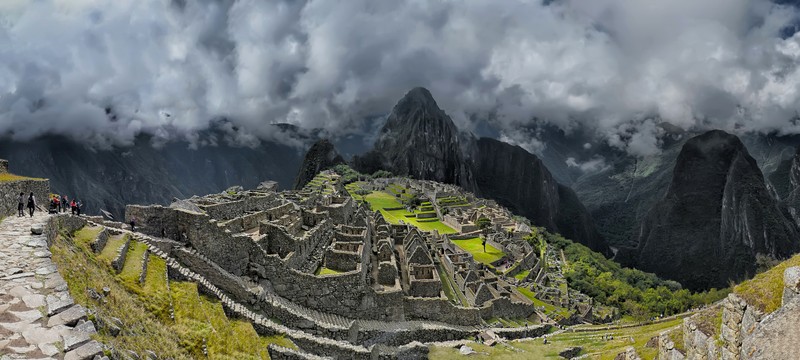
From Huayna Picchu, the layout of the ancient city is especially clear. Stone buildings, agricultural terraces and central plazas form a unified complex harmoniously integrated into the surrounding mountains. The view helps visitors appreciate how carefully the Incas used the natural contours of the landscape when building their settlement.
The panorama changes with the weather. On clear days, green slopes, bends in the river and surrounding peaks are easy to see. In the morning and after rain, clouds and mist often envelop the mountains, making the ancient city seem to emerge from the cloud cover. Thick fog can also limit visibility and make the trail more difficult to navigate.
Huayna Picchu is particularly appealing to photographers because of its unusual perspective. The summit offers panoramic views of Machu Picchu that differ from the familiar photographs taken from viewpoints inside the archaeological complex. Visitors should never leave the marked trail or take risks on narrow sections for the sake of a photograph.
Nature and climate
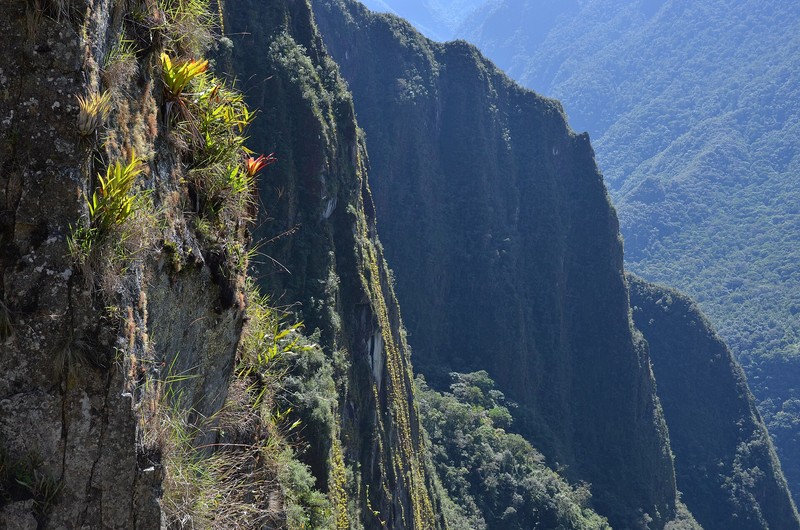
The Machu Picchu area lies in a transition zone between the high Andes and the humid forests of the eastern slopes. Ferns, mosses, vines and orchids grow here, while the surrounding habitat supports many bird and insect species. The natural landscape is an essential part of the historic sanctuary.
The climate is humid and the weather can change quickly. The dry season generally brings more clear days, but clouds and brief showers are possible throughout the year. Rain makes stone steps slippery, while fog can sharply reduce visibility. Before climbing, check the forecast and any official restrictions on the route.
When to climb Huayna Picchu
The relatively dry season in the Cusco region usually runs from April to October. The chance of prolonged rain is lower during these months, and hiking conditions are often more comfortable. June, July and August are popular with travellers, so tickets for the climb may sell out quickly. During the rainy season, generally from November to March, the slopes are wetter, but the surrounding vegetation becomes especially lush.
Access to Huayna Picchu is controlled through limited quotas and separate routes, so tickets should be purchased in advance through the official Machu Picchu ticketing system. Check the current schedule, entry time, route availability and visitor requirements. A ticket for the main archaeological area should not automatically be treated as permission to climb the mountain.
Preparing for the climb
Wear shoes with good grip and comfortable clothing, and bring water, sun protection and a lightweight rain jacket. A small backpack is preferable because bulky items make movement more difficult on narrow sections. It can help to acclimatize to the altitude in Cusco or the Sacred Valley, especially after arriving from a lowland region.
The ascent requires balance, attention and confidence on stairs. Do not rush, overtake others in hazardous places or attempt the route in unsuitable footwear. People with a severe fear of heights, limited mobility or conditions that may make strenuous exercise difficult should carefully assess their abilities before booking.
Follow the rules of the protected area: stay on the marked trail, do not damage stone structures, leave no litter and avoid disturbing wildlife. These measures protect visitors and preserve the fragile archaeological and natural landscape.
Huayna Picchu and Machu Picchu: the difference
Machu Picchu is the ancient Inca city, with temples, residential buildings, plazas and agricultural terraces. Huayna Picchu is a separate mountain rising above the northern part of the citadel and forming its iconic natural backdrop. The names often appear together, but they refer to different places.
Visiting Machu Picchu offers an introduction to Inca architecture and history, while climbing Huayna Picchu adds a physical adventure and panoramic views. The ascent is optional: visitors can explore the ancient city without climbing the mountain. The choice depends on fitness, interest in hiking and availability of the appropriate ticket.
Why visit Huayna Picchu
Huayna Picchu combines the natural beauty of the Andes, Inca engineering heritage and the excitement of a mountain climb. Its steep slopes, ancient stone steps and sweeping views reveal Machu Picchu from a different perspective. It is especially appealing to history enthusiasts, hikers and photographers who want to experience the landscape surrounding one of the world's best-known archaeological sites.
Huayna Picchu is more than a viewpoint: it is part of a protected historic sanctuary where nature and archaeological remains form a shared heritage. Planning ahead, following access rules and treating the trail with care help make the climb safer and preserve this remarkable place for future generations.
Gallery