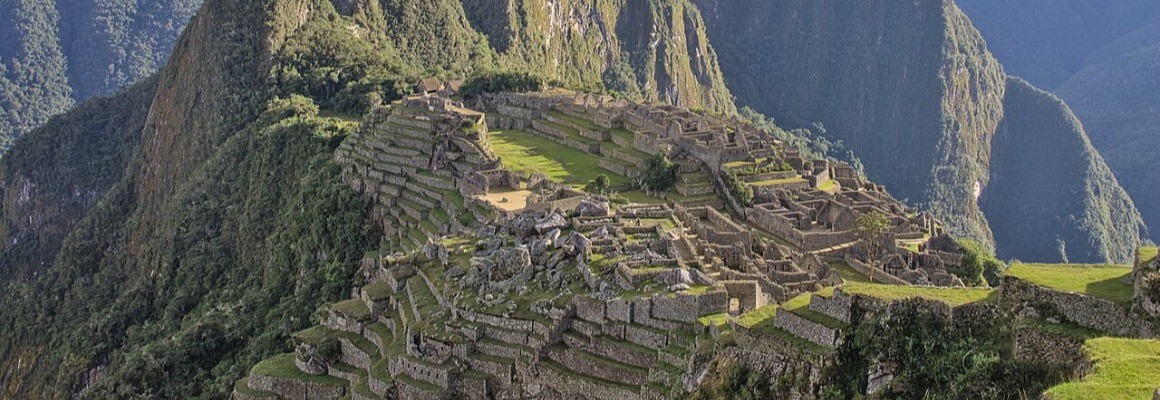
Cusco is a historic city in southeastern Peru, located in the Andes at an altitude of about 3,400 metres above sea level. It was the capital of the Inca Empire and still preserves traces of its architecture, traditions, and culture. Today, Cusco is considered one of South America’s most important historic centres and serves as a starting point for trips to Machu Picchu and other ancient Peruvian sites.
The historic centre is a UNESCO World Heritage Site. Its streets combine Inca stone walls, colonial buildings, squares, churches, and traditional houses with inner courtyards. This blend of architectural periods makes Cusco an especially vivid place to explore the history of pre-Columbian civilisations and the Spanish colonial era.
Capital of the Inca Empire
Before the arrival of the Spanish, Cusco was the political, religious, and administrative centre of the Inca Empire, known as Tawantinsuyu. In Inca tradition, the city had special symbolic importance and was regarded as the centre of their world. From here, rulers governed extensive Andean territories and developed a road network linking different parts of the empire.
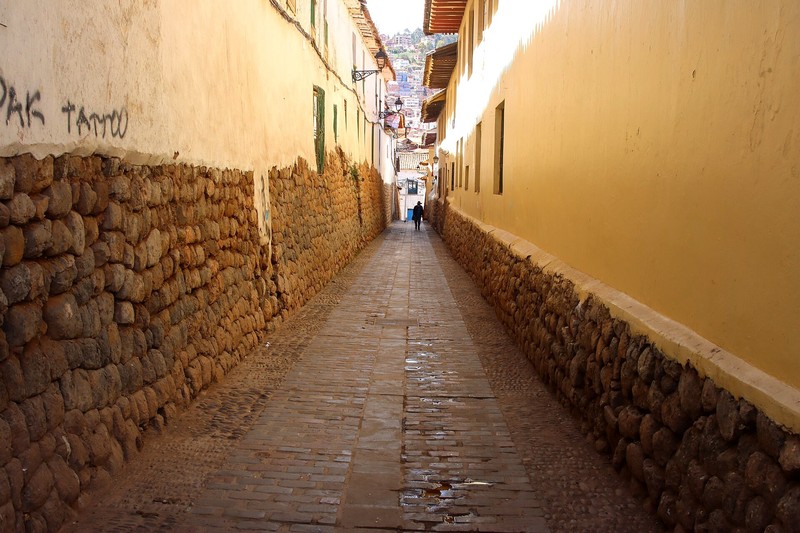
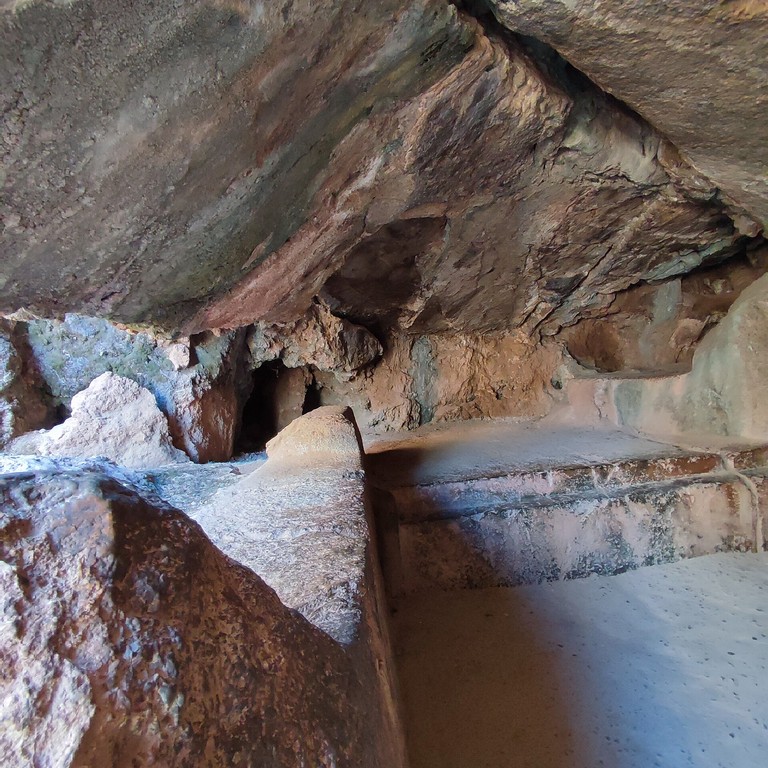
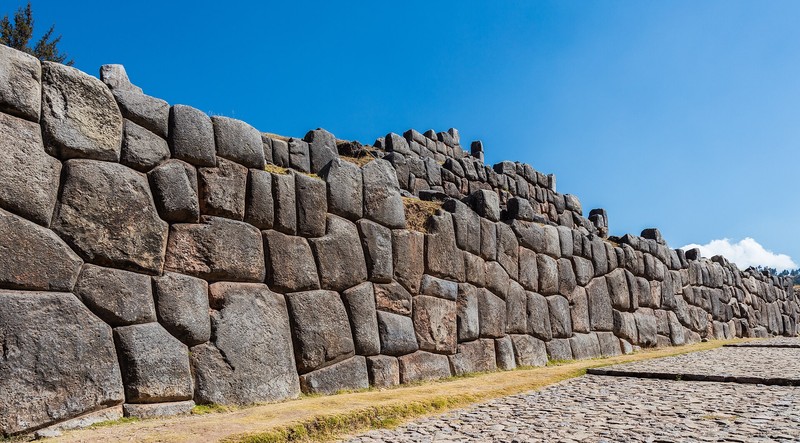
The Incas built stone structures with remarkably precise joints, without mortar. Some walls have survived to this day and remain a defining feature of the cityscape. After the Spanish conquest in the sixteenth century, many Inca structures were partly dismantled, and churches and colonial buildings were erected on their foundations.
Plaza de Armas
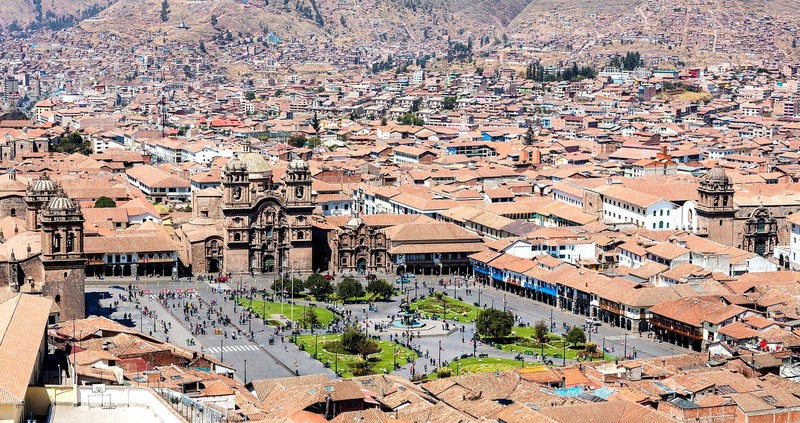
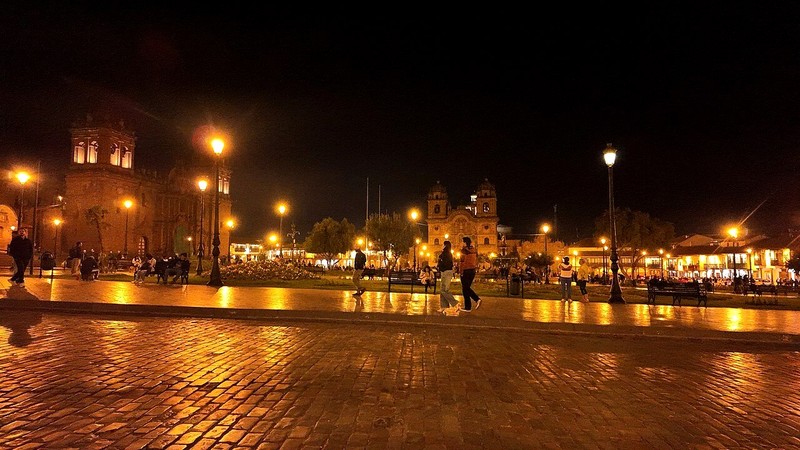
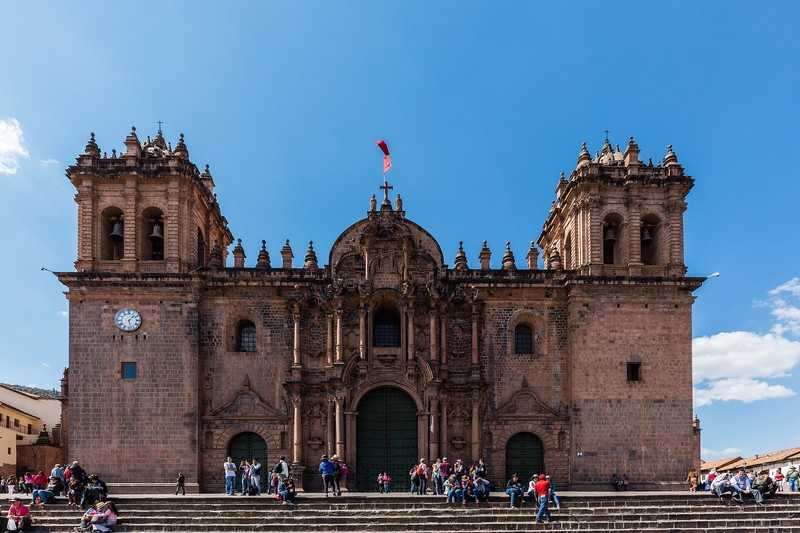
Plaza de Armas is Cusco’s main square and one of its most recognisable places. In Inca times, this area formed part of the ceremonial centre; after the Spanish conquest, it took on the appearance of a colonial square. Today it is surrounded by historic buildings, arcades, restaurants, shops, Cusco Cathedral, and the Church of the Society of Jesus.
The square remains a centre of city life. Cultural events, religious festivals, and traditional celebrations take place here. It is a convenient starting point for walking through old streets, exploring architecture, and visiting museums in the historic centre.
Cusco Cathedral
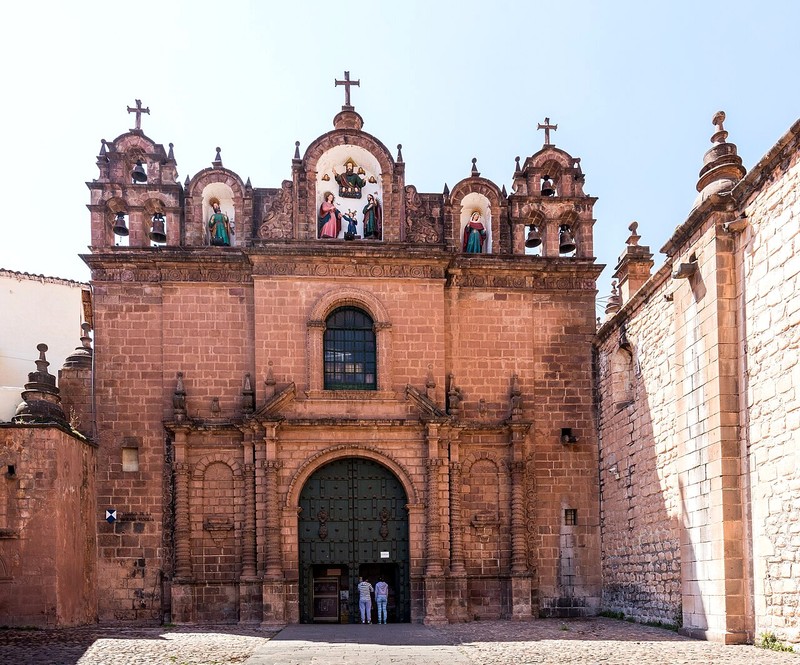
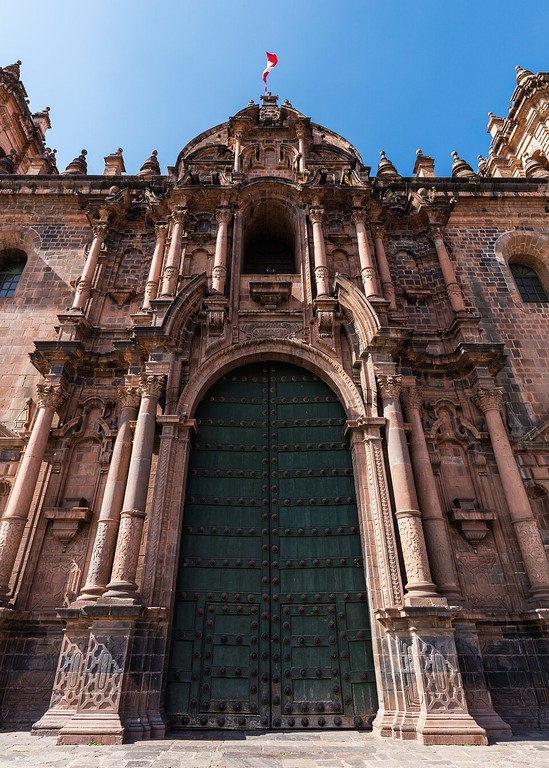
Cusco Cathedral stands on Plaza de Armas and is one of Peru’s major examples of colonial architecture. Construction began in the sixteenth century and continued for several decades. Its design combines elements of Spanish architecture with local artistic traditions.
The interior contains numerous altars, carved wooden features, religious artworks, and paintings by artists of the Cusco School. This artistic tradition developed during the colonial period, combining European techniques with local subjects and imagery. The cathedral helps visitors understand how the region’s culture changed after the arrival of the Spanish.
Qorikancha, the Temple of the Sun
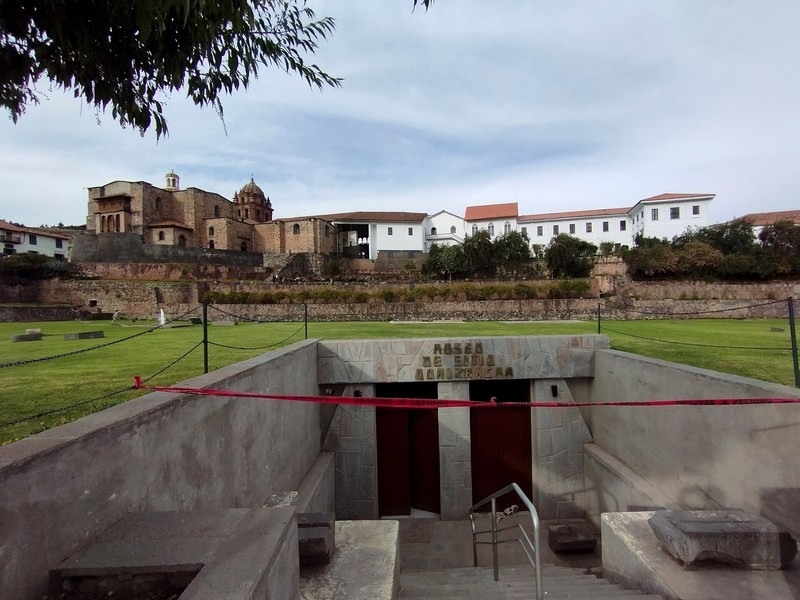
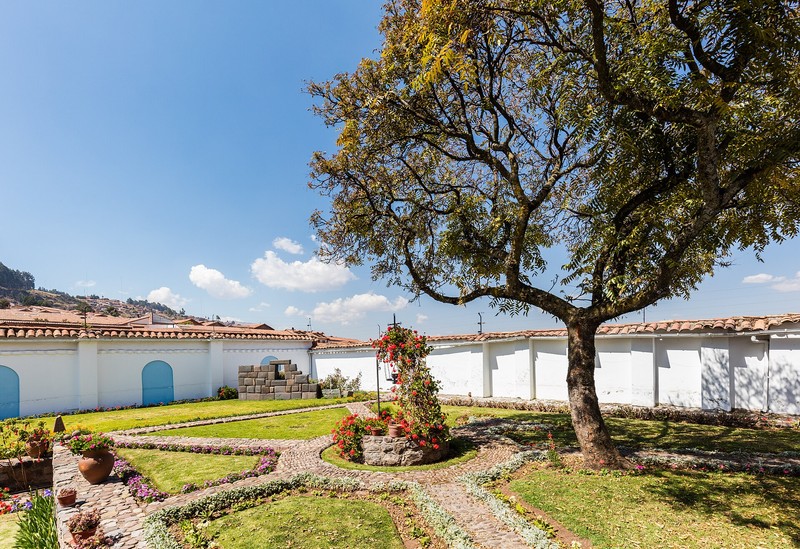
Qorikancha was one of the most important religious complexes of the Inca Empire and was dedicated to Inti, the Sun deity. At the height of the Inca state, the temple was richly decorated and featured highly skilled stonework. The Spanish built the Santo Domingo monastery on its foundations, so visitors can now see an unusual combination of Inca walls and colonial architecture.
The surviving stone structures demonstrate the precision of Inca builders. Qorikancha helps illustrate the religious importance of the Sun in Inca beliefs and Cusco’s role as the ceremonial centre of the empire.
Sacsayhuamán
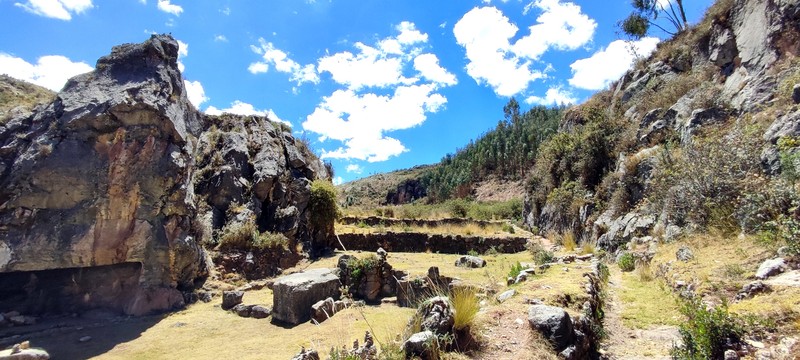
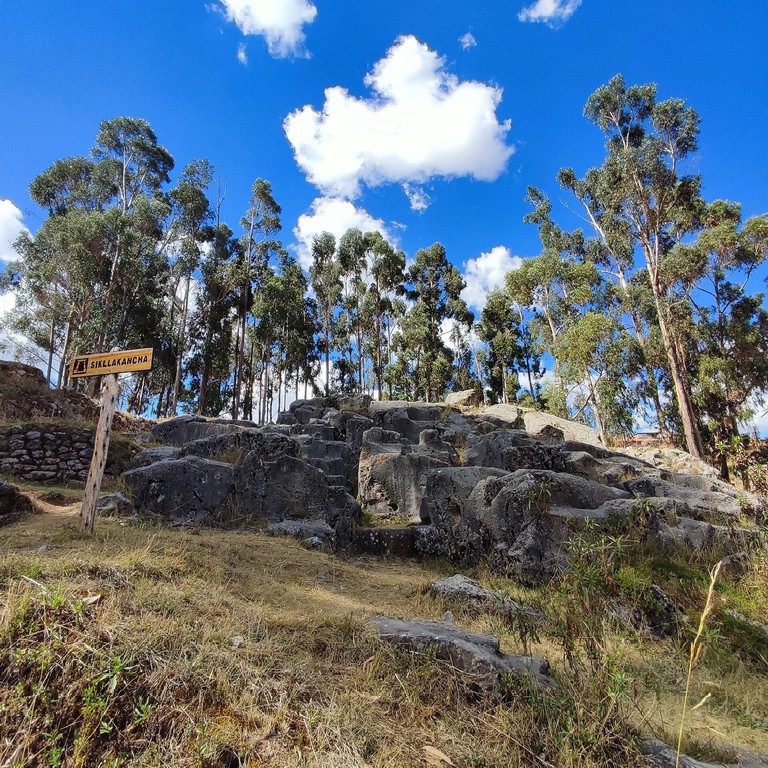
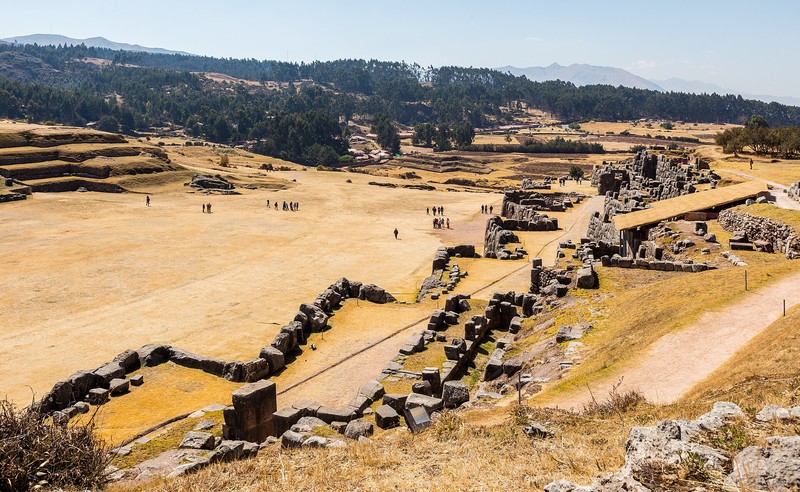
Sacsayhuamán is a large archaeological complex on a hill above Cusco. It is known for massive stone walls made from enormous irregularly shaped blocks. The stones fit together so precisely that there are almost no wide gaps between them. The scale of the complex reflects the Incas’ advanced engineering knowledge.
The site is associated with defensive, ceremonial, and administrative functions. Sacsayhuamán is also known as the setting for Inti Raymi, the festival dedicated to the Sun, celebrated in Cusco every June. The complex offers panoramic views of the city and surrounding mountains.
The Twelve-Angled Stone and Old Streets
One of the historic centre’s best-known details is the Twelve-Angled Stone, set into a wall on Hatun Rumiyoc Street. Its unusual shape and precise workmanship demonstrate the skill of Inca stonemasons. The stone has become a popular photo spot and a symbol of Cusco’s traditional masonry.
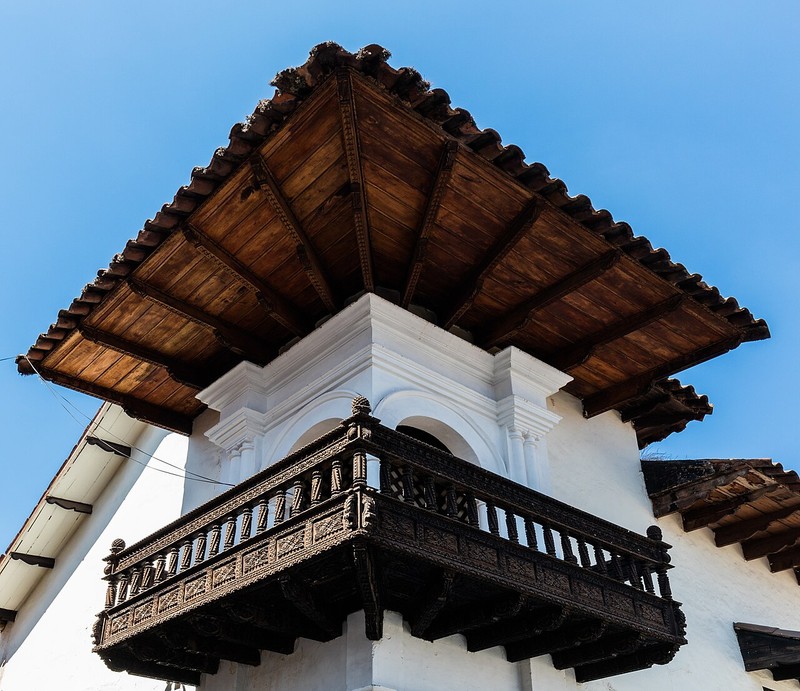
Narrow cobbled streets, old stone walls, balconies, and small courtyards give the city its distinctive atmosphere. Walking through the centre, visitors can see modern houses and colonial buildings resting on older foundations. Many streets lead to small squares, markets, museums, and craft workshops.
San Pedro Market and Local Food
San Pedro Market is one of the places where visitors can experience everyday life in Cusco. Stalls sell fruit, vegetables, cheese, bread, spices, freshly squeezed juices, and traditional dishes. The market is interesting not only for shopping but also for discovering the variety of products found in the Andean region.
Cusco’s cuisine makes use of potatoes, maize, grains, meat, and local herbs. Regional dishes include soups, roasted meats, maize-based foods, and traditional recipes associated with festivals. Restaurants serve both local cooking and modern interpretations of Peruvian cuisine.
Museums and Traditional Culture
Cusco has museums devoted to archaeology, art, history, and Andean culture. Their collections help explain the Inca civilisation, the region’s pre-Columbian cultures, and the changes that followed the Spanish conquest. The city also has craft workshops and galleries displaying textiles, ceramics, silverwork, and other traditional creations.
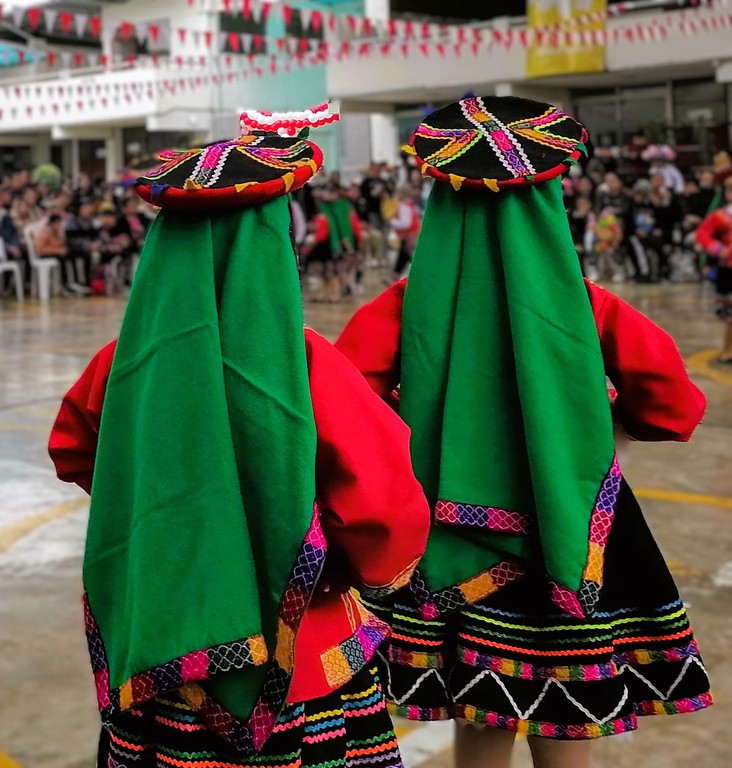
Cusco maintains strong cultural traditions. Religious processions, folk festivals, musical performances, and dance events take place throughout the year. Many celebrations combine elements of Catholic culture with older Andean customs.
Inti Raymi Festival
Inti Raymi is a traditional festival dedicated to the Sun deity. The modern theatrical ceremony takes place every year on 24 June, with events at historic sites in Cusco, including Sacsayhuamán. The performance recreates elements of rituals associated with Inca heritage.
The festival attracts large crowds, so the city can be particularly busy in late June. Travellers planning a visit around this date should arrange accommodation and excursions in advance.
Cusco as a Base for Exploring the Region
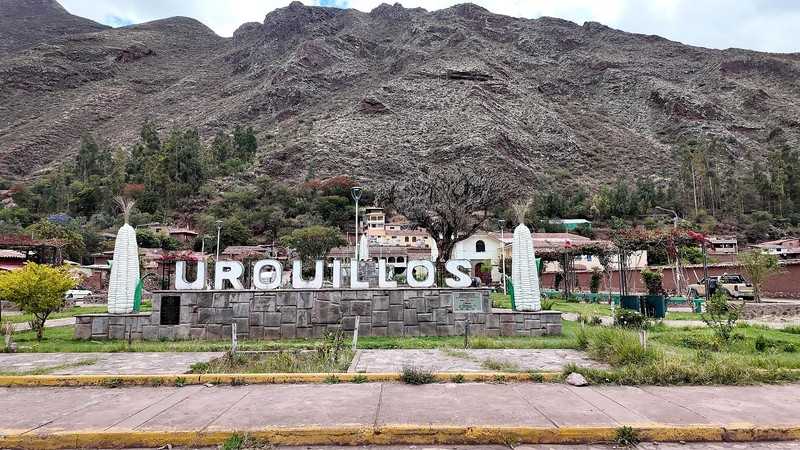
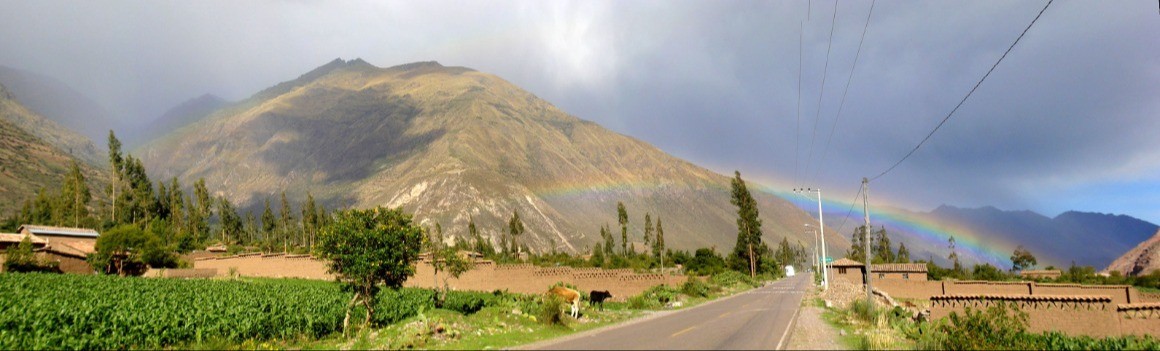
The city is often used as a base for trips through the Sacred Valley of the Incas, to the archaeological sites of Pisac and Ollantaytambo, and to Machu Picchu. The surrounding area includes rural settlements, ancient agricultural terraces, and mountain routes. Excursions vary in length and difficulty, so choose an itinerary according to your fitness and the time needed to acclimatise.
Cusco lies at a considerable altitude, and some travellers may experience headaches, fatigue, or shortness of breath during the first days. It is advisable to take things slowly, drink enough water, and avoid strenuous exercise immediately after arrival. Seek medical help if symptoms are severe or worsen.
How to Get There
Cusco has Alejandro Velasco Astete International Airport, which handles domestic flights and some international routes. Long-distance buses also connect it with Lima and other Peruvian cities, although mountain road journeys take considerably longer. The historic centre is easy to explore on foot, but the altitude and steep streets can make walking demanding.
Best Time to Visit
Cusco has a dry season, generally from about May to September, and a wetter period that mainly falls between November and March. The dry season usually brings clearer weather for walking and excursions, but it is also a popular travel period. During the rainy season, the landscape becomes greener, although rainfall may affect plans and trail conditions.
Cusco combines Inca architectural heritage, colonial monuments, living cultural traditions, and spectacular mountain scenery. The city offers a deeper understanding of Peru’s history and remains one of the most important places for discovering Andean civilisation.
Gallery