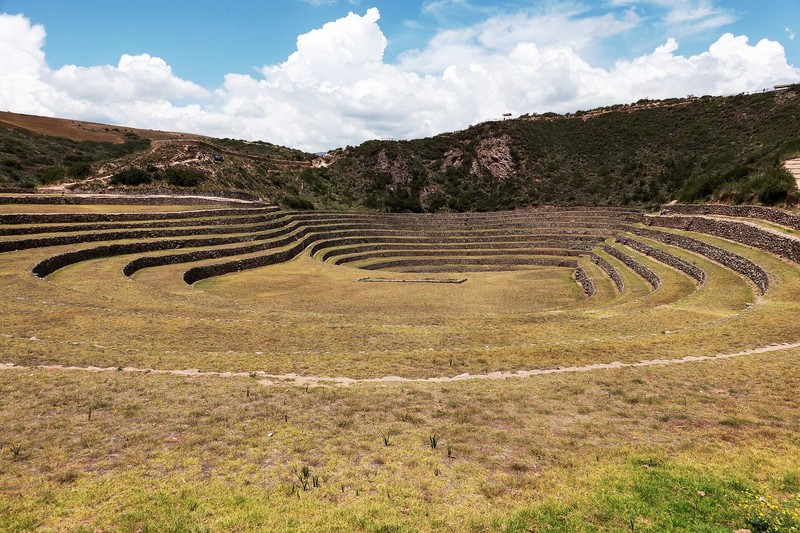
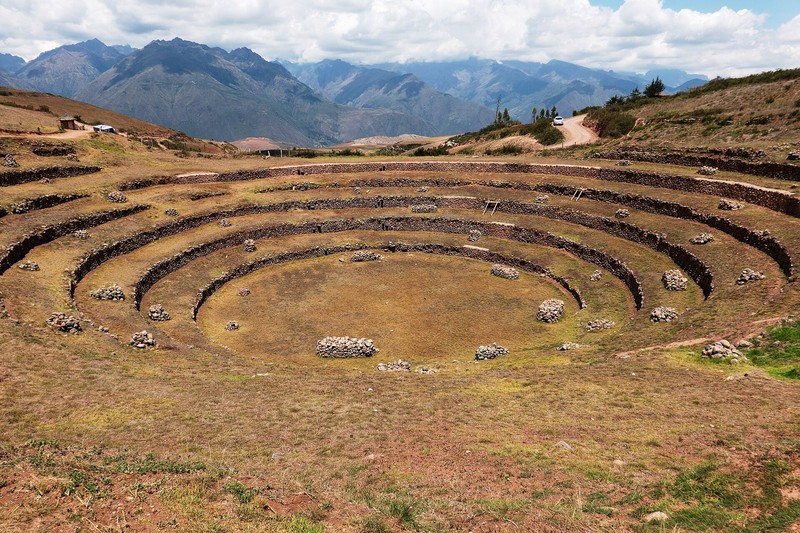
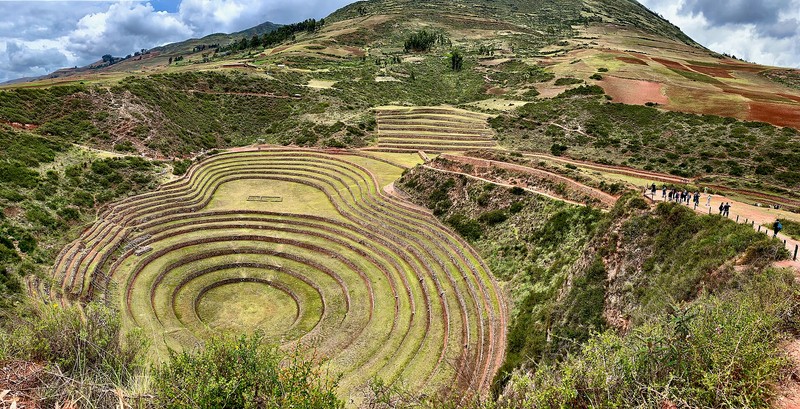
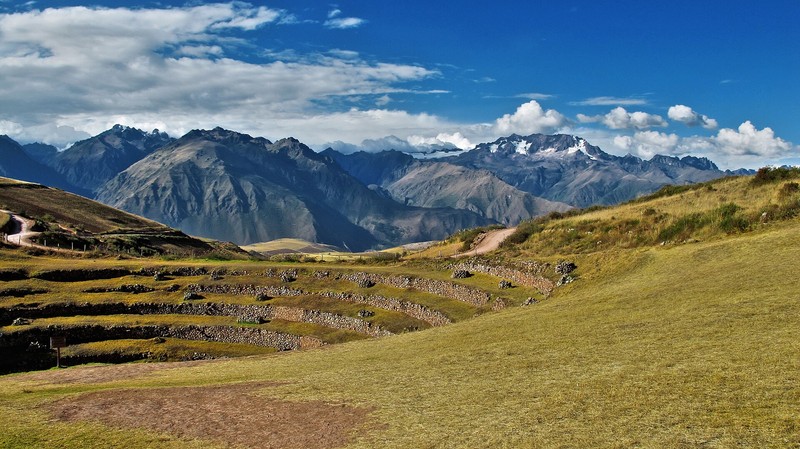
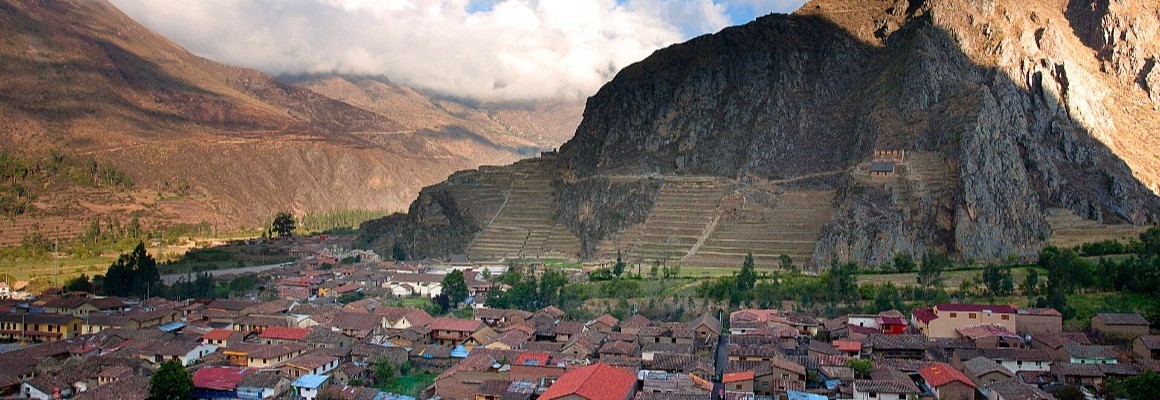
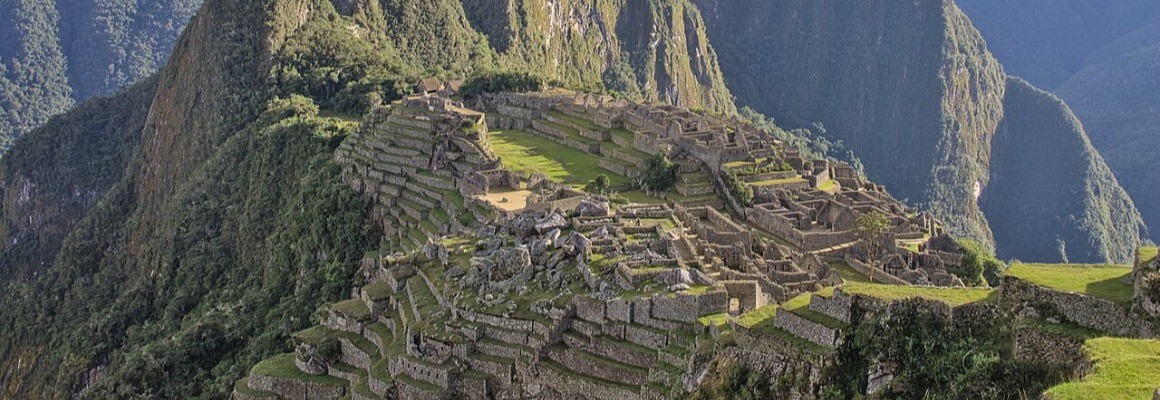
Moray is a unique archaeological complex in Peru, famous for its enormous circular terraces descending into natural depressions in the ground. The structures resemble giant amphitheaters and are considered one of the most remarkable examples of Inca engineering. Moray lies in the Cusco region, near the village of Maras, within the historic Sacred Valley of the Incas. The site attracts travelers with its unusual architecture, mountain scenery, and the opportunity to learn how ancient Andean communities adapted agriculture to different climatic conditions.
History of the Moray Archaeological Complex
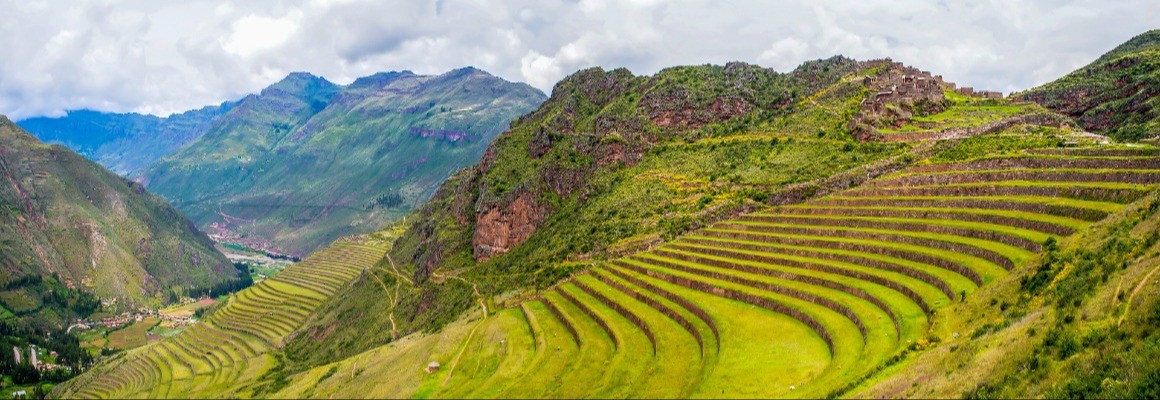
Moray is associated with the agricultural technologies of the Inca civilization, which developed sophisticated systems of terraces, channels, and drainage. In Peru’s mountain regions, plant cultivation depended on altitude, temperature, humidity, and soil conditions. The Incas learned to reshape the landscape by building terraces on steep slopes and using different elevations to grow crops.
The precise history of Moray and the original purpose of all its structures are still being studied. The most common archaeological interpretation sees the complex as a place for agricultural experimentation and plant adaptation. Researchers suggest that the terraces helped people observe how crops developed under different conditions of sunlight, temperature, and humidity. Other theories proposing ceremonial or astronomical functions remain hypotheses rather than established facts.
The Circular Inca Terraces
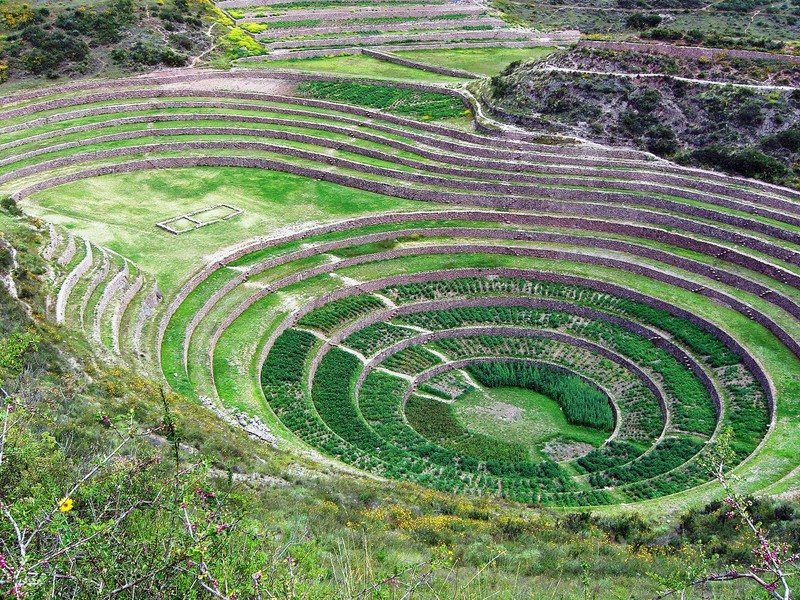
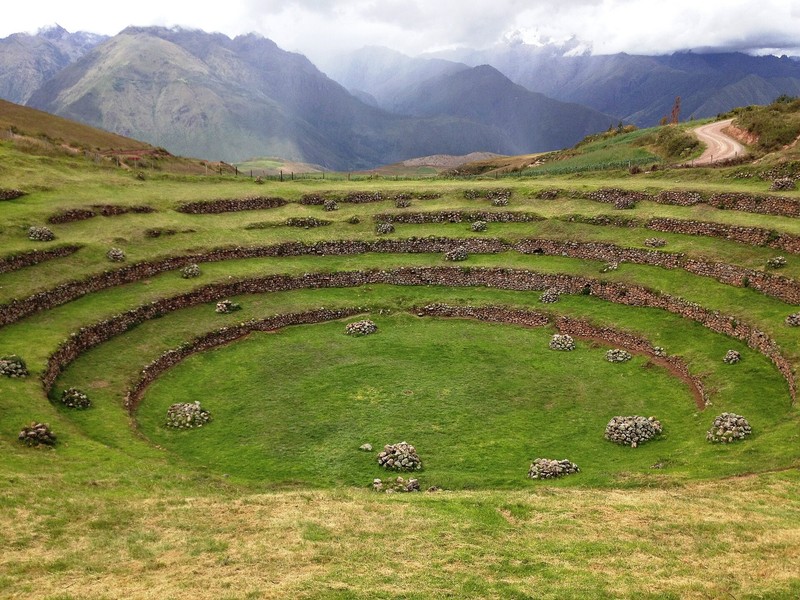
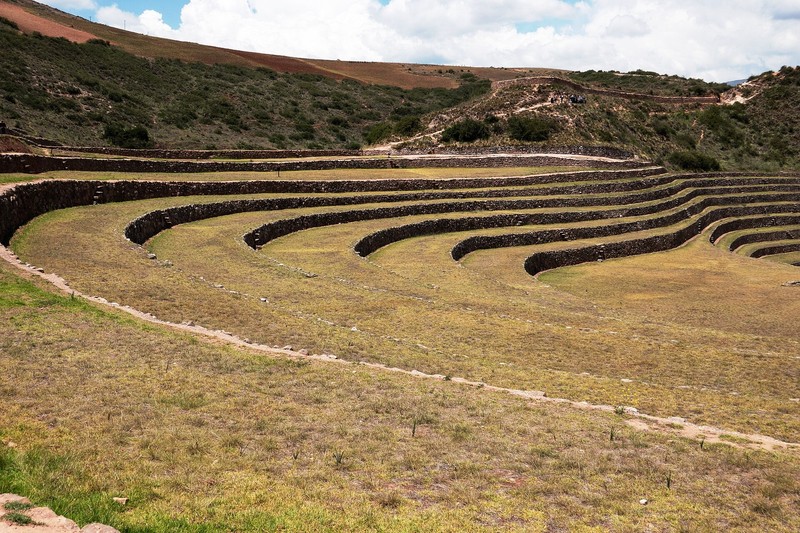
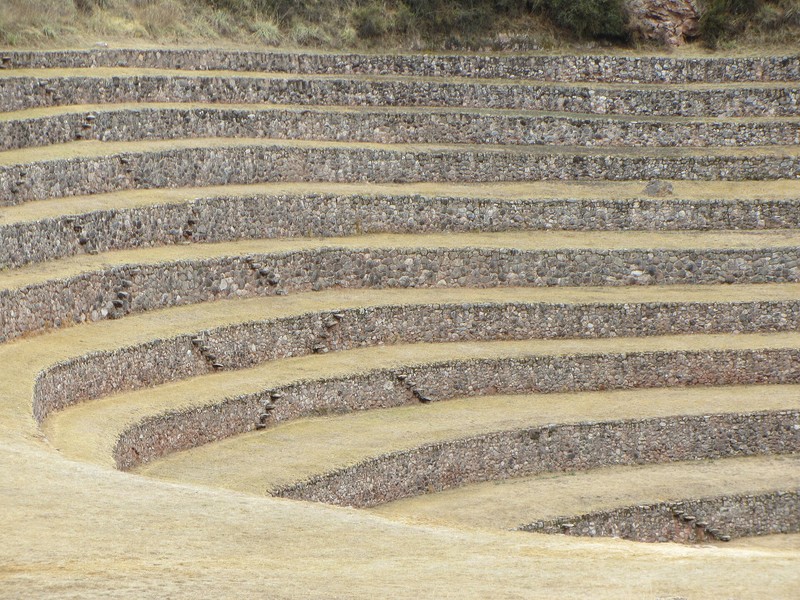
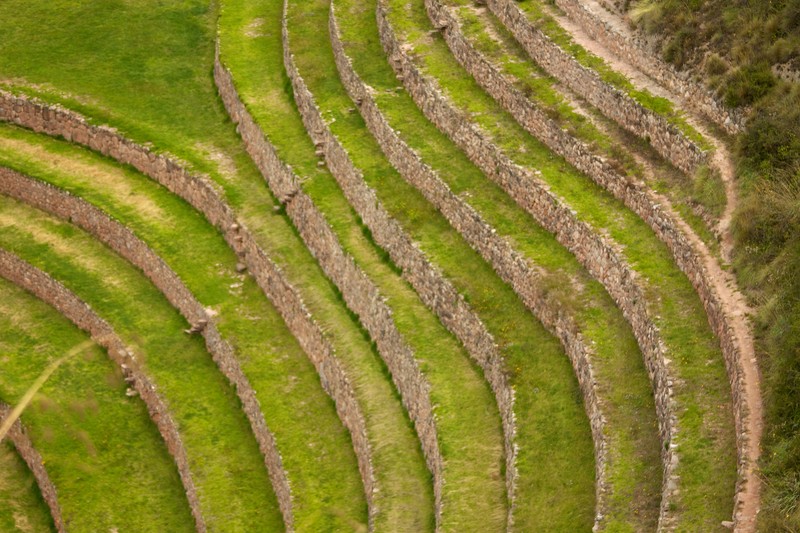
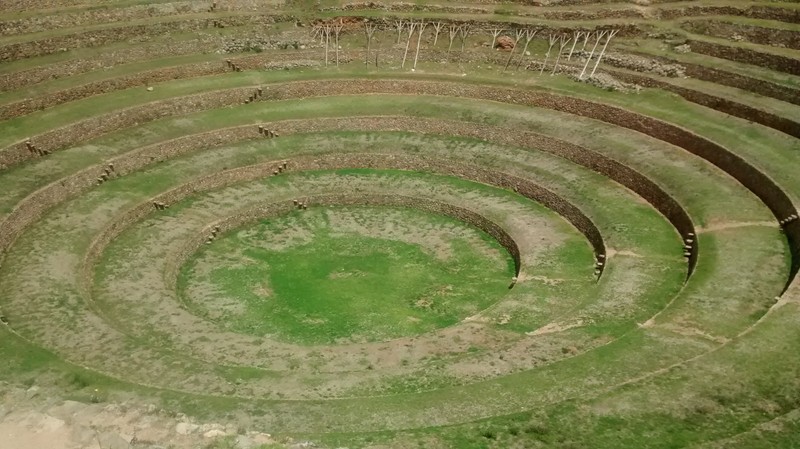
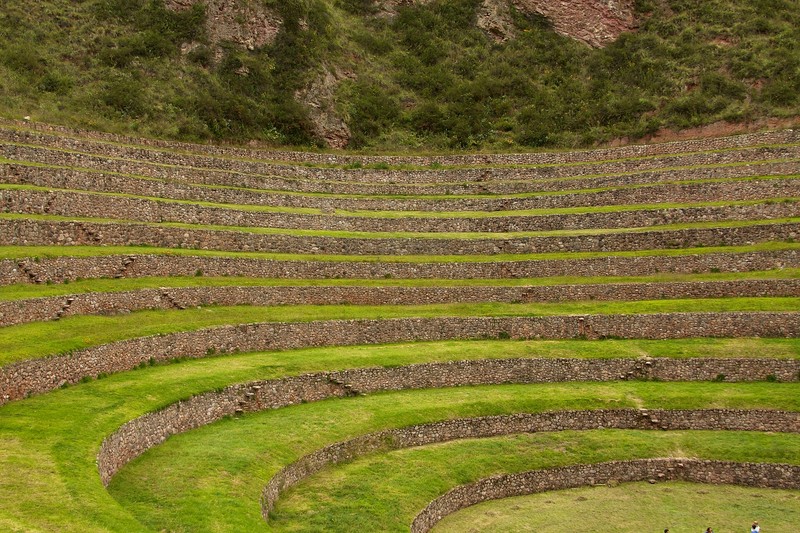
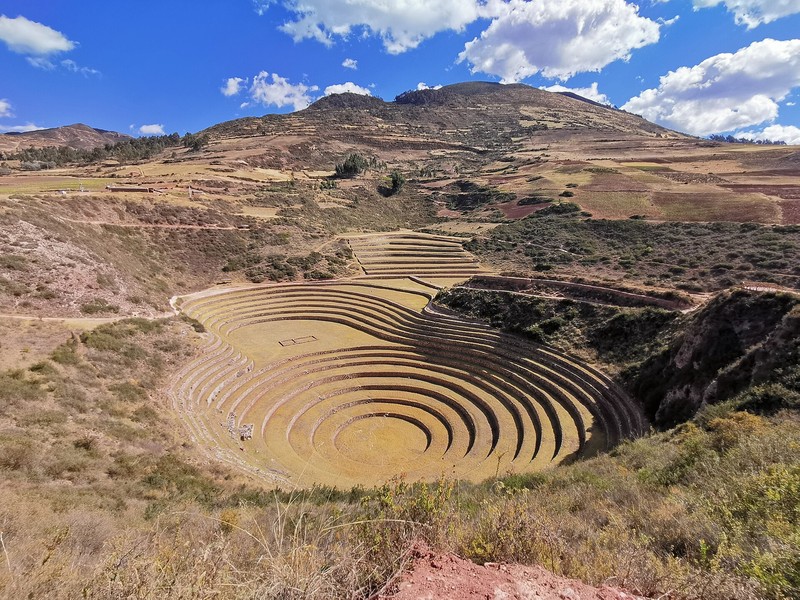
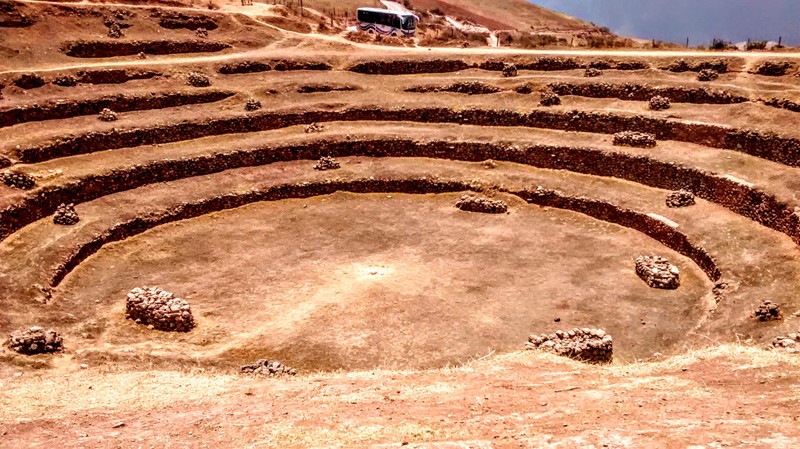
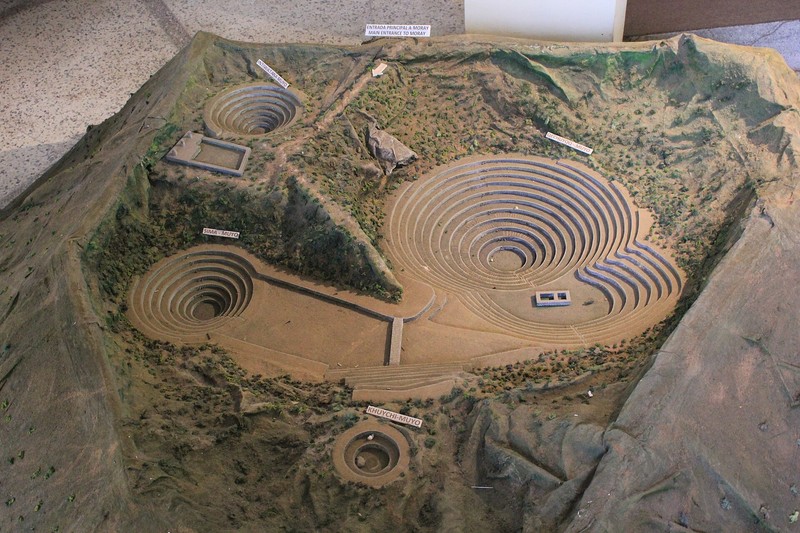
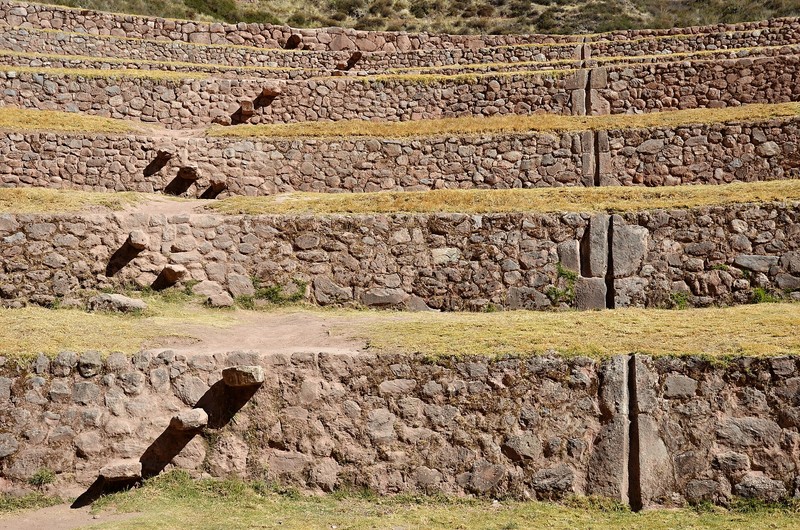
Moray’s main attraction is a group of large natural depressions transformed into concentric terrace systems. Stone retaining walls form successive levels that descend toward the center. The best-known depression contains twelve concentric terrace levels. Stairways and passages connect the levels, while the structures follow the natural contours of the surrounding landscape.
From a distance, Moray resembles an ancient amphitheater, but its architecture differs from ordinary venues designed for gatherings or performances. The terraces create areas with different environmental conditions. Temperature and humidity are affected by the depth of the depression, sunlight, wind direction, slope orientation, and soil characteristics. These factors produced distinct microclimatic zones within a single complex.
Moray as an Agricultural Laboratory
The Incas cultivated many plants across the Andes and sought reliable harvests in challenging mountain environments. Moray’s design may have allowed them to compare plant growth at different terrace levels and identify suitable conditions for particular crops. Archaeological features such as the terraces, channels, and drainage arrangements support the site’s connection with intensive agriculture.
The contrast between the microclimates of the upper and lower levels is one of Moray’s most intriguing features. Depending on depth, sunlight, and surrounding terrain, individual terraces could receive different amounts of heat and moisture. This created opportunities to observe how plants responded to varying conditions. However, the exact use of each terrace and the complete list of crops grown here remain uncertain, so Moray is best described as a probable center of agricultural research rather than a laboratory whose experimental program is fully known.
Engineering and Water Management
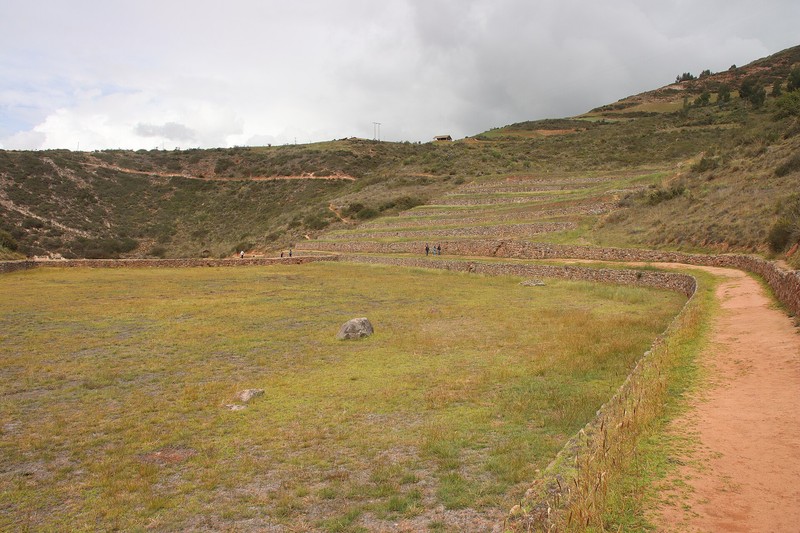
Farming in the Andes required not only suitable soil but also systems for supplying water, distributing it, and removing excess moisture. Moray contains elements of water management associated with its terraces and terrain. Stone retaining walls held the soil in place, while the carefully arranged platforms made use of the natural depressions for agricultural purposes.
Moray demonstrates how closely the Incas connected architecture, farming, and the natural environment. Instead of completely reshaping the mountain landscape, builders adapted their structures to its contours. The complex remains important for the study of ancient technology, soil and water management, and agricultural adaptation to high-altitude climates.
Where Is Moray?
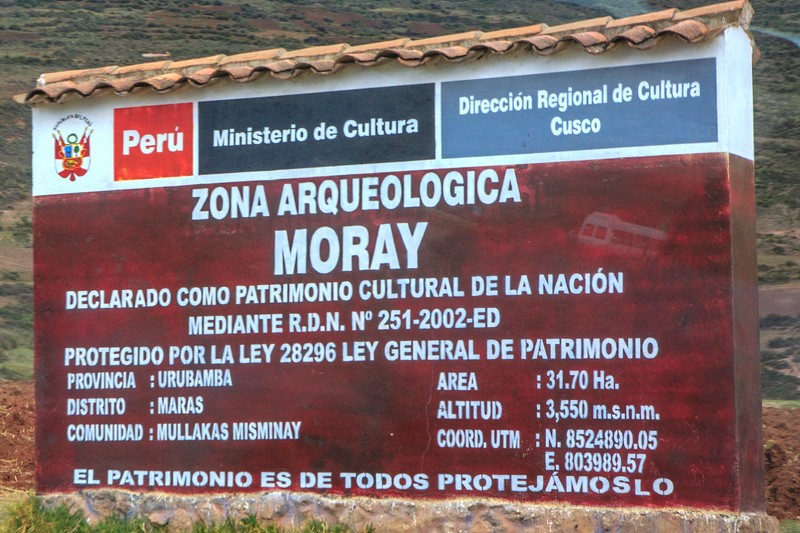
The archaeological zone is located in the Maras district, in Urubamba Province, Cusco Region, southern Peru. The site stands at approximately 3,480 meters above sea level. Visitors can travel by road from the village of Maras, and the trip is often combined with a visit to the Salineras de Maras salt ponds and other attractions in the Sacred Valley of the Incas.
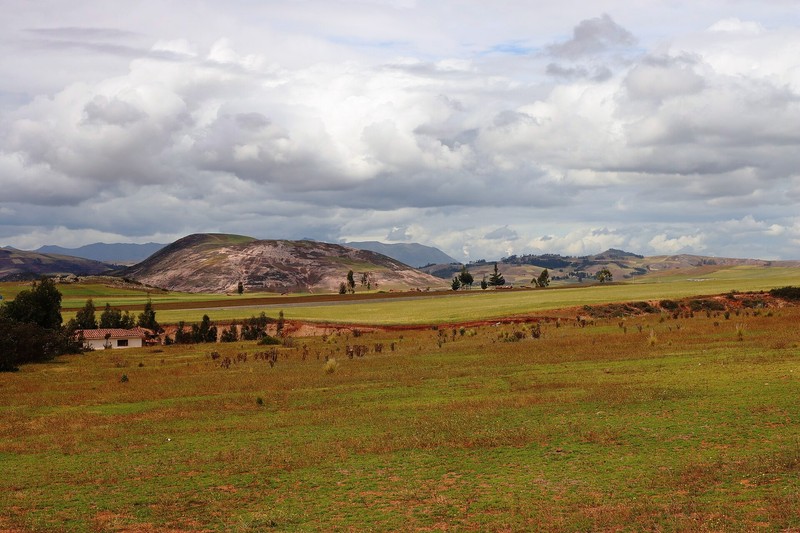
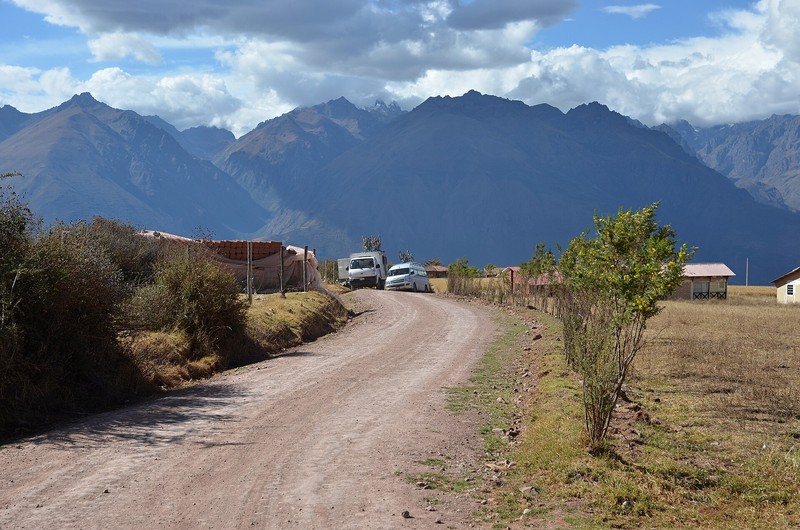
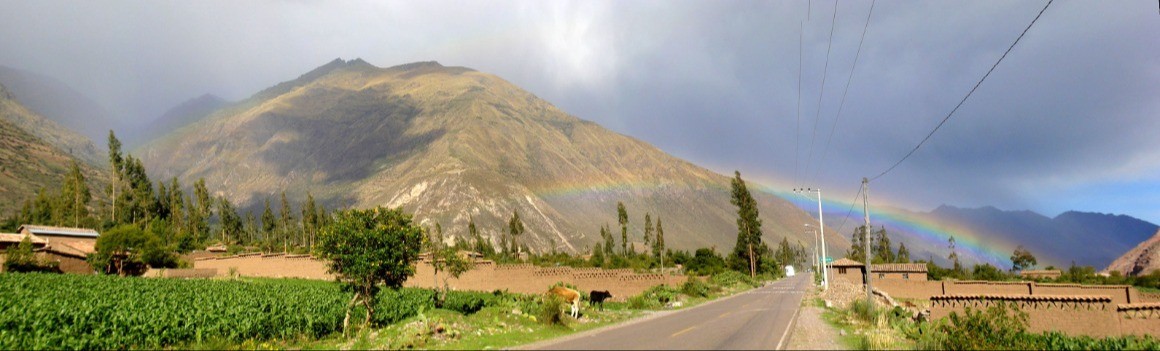
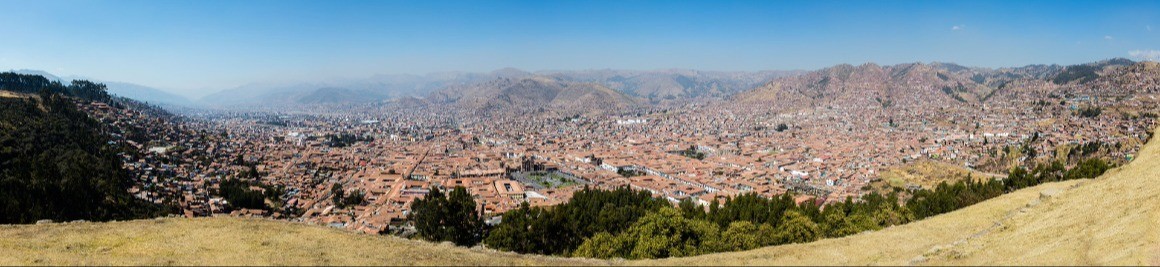
Travelers from Cusco usually reach Moray by car, tourist minibus, or organized excursion. The road passes through Andean mountain scenery and rural settlements. The Maras–Moray route is popular with visitors who want to explore not only famous Inca cities and temples but also the engineering structures connected with everyday life and agriculture in the ancient state.
What to See at Moray
The most striking view is from above, where the concentric terraces reveal their circular geometry. From viewpoints around the complex, visitors can see the stone retaining walls, stepped levels, passages between terraces, and the way the structures follow the shape of the natural depression. The contrast between ancient stonework, green fields, and high mountains makes Moray one of the most photogenic archaeological sites in the Cusco region.
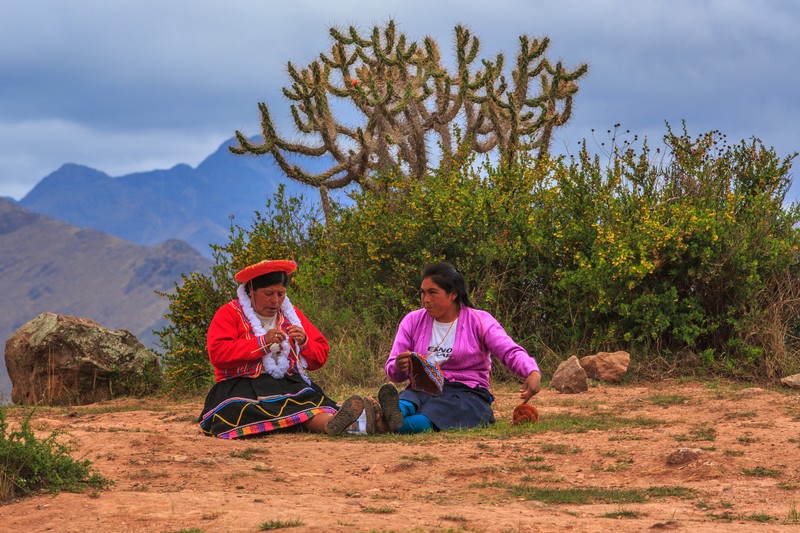
Moray is also fascinating for people interested in agricultural history, Inca architecture, and traditional resource management. A visit helps illustrate how important climate observation, crop selection, and the efficient use of limited land were to life in the Andes. Many travelers combine the terraces with a trip to Maras, the salt ponds, and an introduction to the traditional culture of local Andean communities.
Visitor Tips
Moray lies high in the mountains, so the weather can change quickly even on sunny days. Bring warm layers, comfortable walking shoes, water, sunscreen, and a hat. Check current opening hours and visitor rules before traveling. Within the archaeological complex, stay on permitted paths, avoid climbing ancient walls, and do not damage the terraces.
Allow enough time to view the structures from several viewpoints and appreciate their scale. If you plan to visit Salineras de Maras as well, organize the route in advance. Moray is more than an unusual Peruvian attraction: it is evidence of Inca engineering knowledge, agricultural ingenuity, and a sophisticated understanding of the relationship between landscape, climate, and plant cultivation.
Gallery