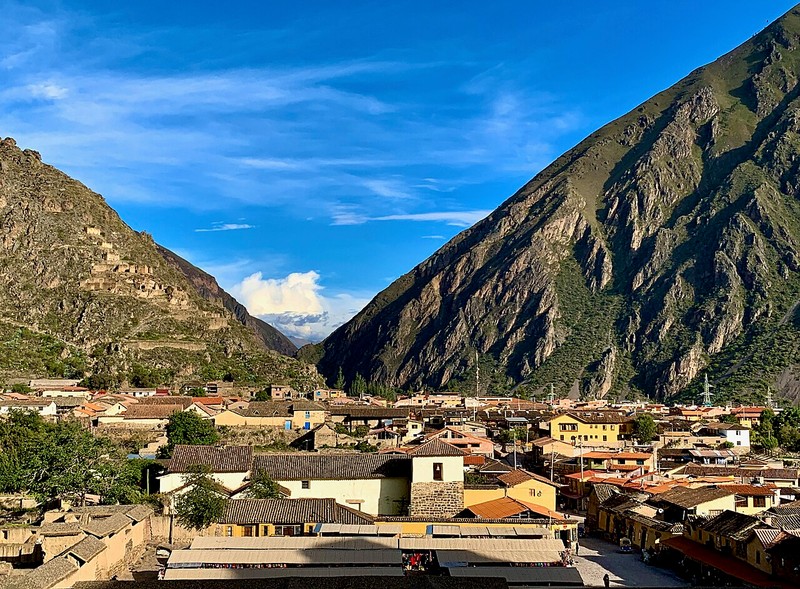
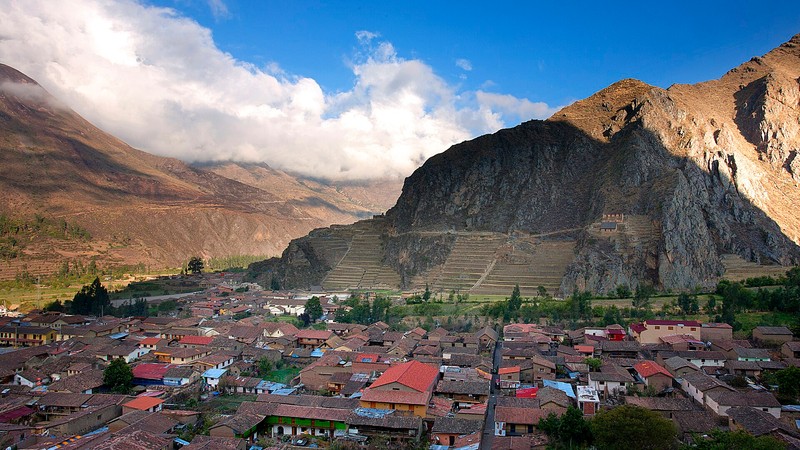
Ollantaytambo is an ancient Inca town in Peru’s Sacred Valley, in the Cusco region, at an altitude of about 2,850 metres above sea level. It is one of South America’s most impressive archaeological sites, with monumental stone structures, agricultural terraces, ceremonial spaces and traces of the original urban layout. Ollantaytambo was an important administrative, religious, agricultural and military centre of the Inca Empire and remains one of the most interesting stops on the route to Machu Picchu.
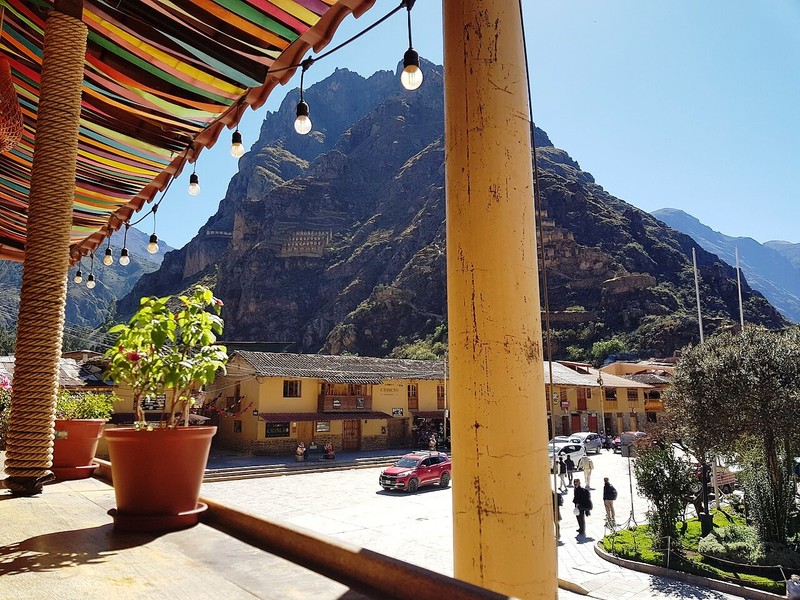
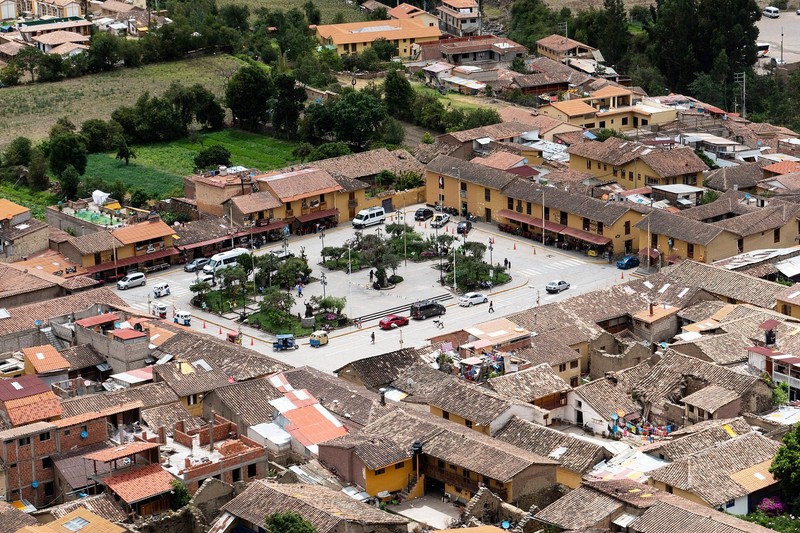
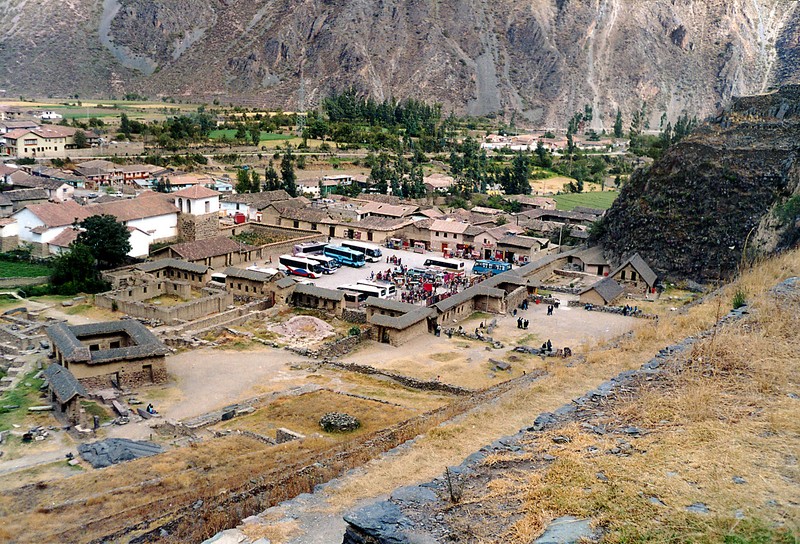
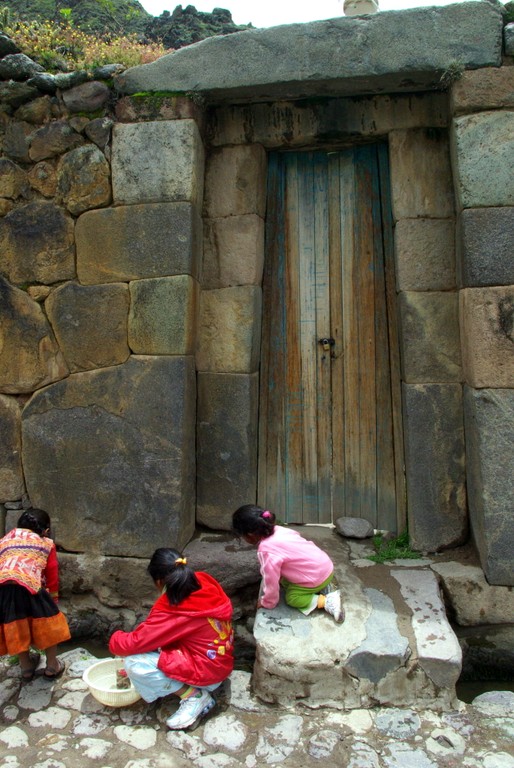
One of the town’s defining features is the close relationship between the archaeological complex and a living settlement. In the old town, visitors can still see narrow stone streets, Inca-period walls and traditional blocks that preserve elements of the ancient plan. Ollantaytambo therefore offers more than the ruins of an ancient civilisation: it also reveals a historic environment where everyday life continues.
History of Ollantaytambo
The settlement has roots in the pre-Inca period, but its most significant construction phase came during the expansion of the Inca Empire in the 15th century. The ruler Pachacuti is associated with the development of Ollantaytambo into a major administrative, agricultural, religious and military centre. Its strategic position helped control important routes through the Sacred Valley and passages towards the eastern Andes.
The town was planned as an organised settlement with residential quarters, plazas, palaces, temples, service buildings and defensive structures. Two historic sectors are traditionally identified: Qosqo Ayllu and Araccama Ayllu. Their architecture shows how carefully the Incas integrated urban space with mountain terrain, water resources and farmland.
Ollantaytambo also played a significant role in resistance to the Spanish conquest. In 1536, it became one of the strongholds of the resistance led by Manco Inca Yupanqui. His forces used the fortified terrain and the features of the valley in fighting Spanish troops commanded by Hernando Pizarro. After a fierce confrontation, the Spanish were forced to retreat. These events made Ollantaytambo an important place in the history of the final decades of the Inca state’s independence.
The archaeological complex and Inca fortress
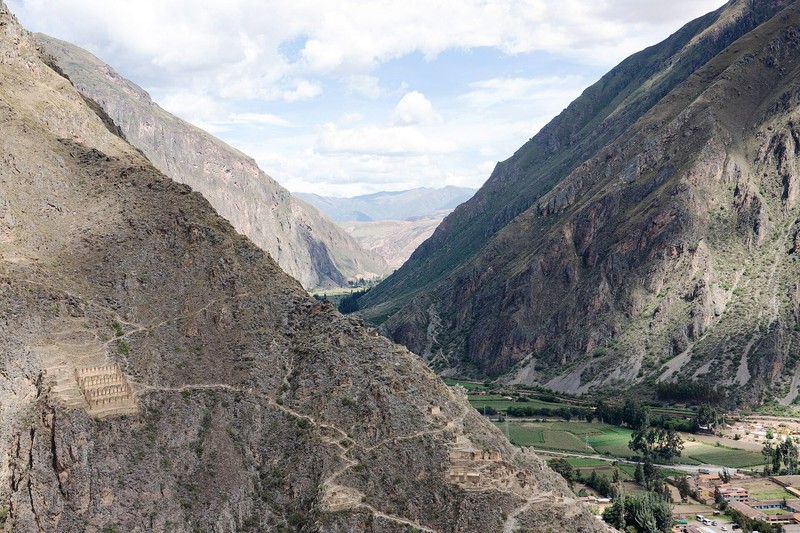
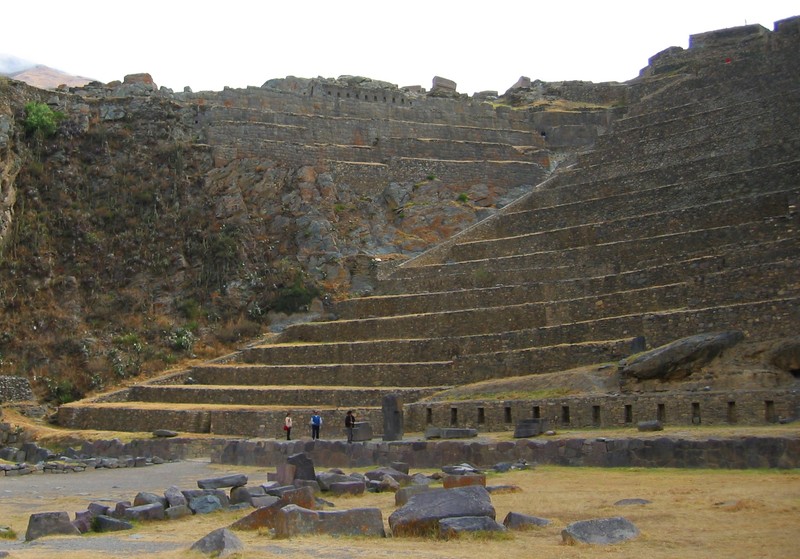
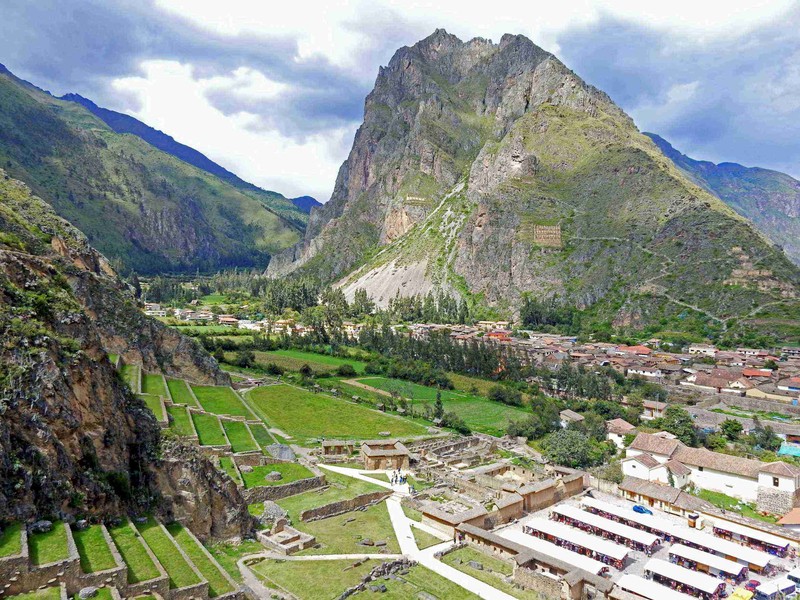
The main attraction is the Ollantaytambo archaeological complex, often called the Inca fortress. Its purpose, however, extended well beyond military defence: it included religious buildings, administrative spaces, agricultural terraces and facilities associated with governing the surrounding territory. The complex rises along mountain slopes above the valley, offering broad views of the settlement and the Andes.
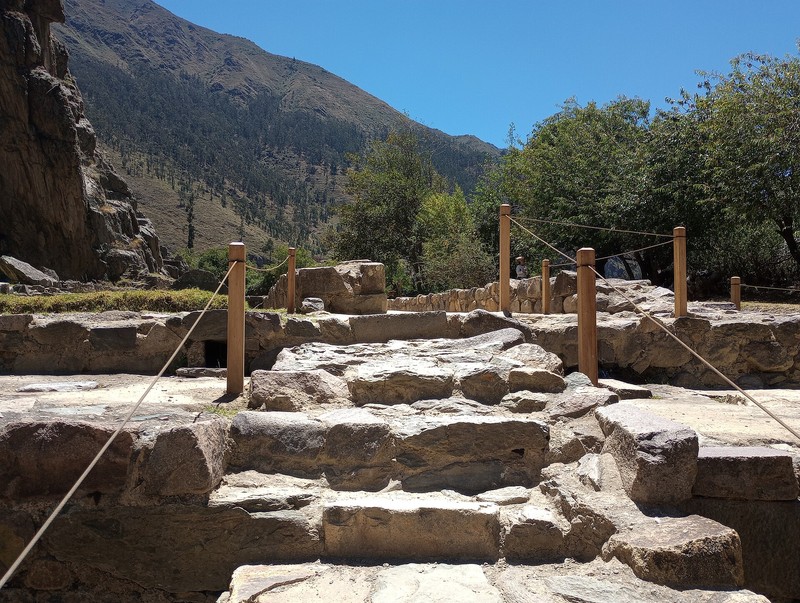
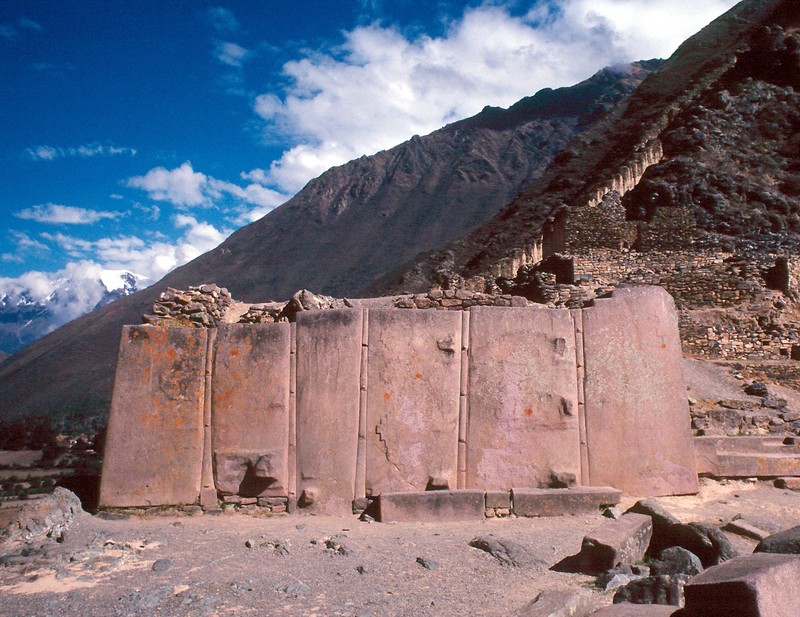
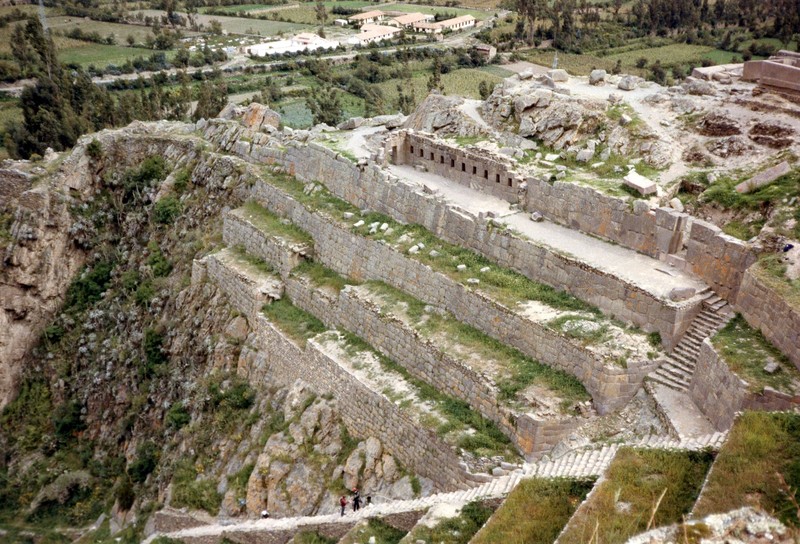
Stone stairways and passages lead to the upper platforms, while broad terraces reinforce the slopes. Massive stone blocks in the upper section are associated with the unfinished Temple of the Sun. Some monoliths are made of reddish stone and stand out for their size and careful workmanship. Their arrangement demonstrates the skill of Inca builders, who fitted heavy stone elements together with remarkable precision.
Defensive walls, tower-like structures and lookout points are also worth examining. They make use of the natural mountain landscape and helped control approaches to the town. Together with the terraces and residential structures, they show that Ollantaytambo was a complex, multifunctional centre rather than a single temple or military stronghold.
Stonework and engineering skill
One of the strongest impressions left by Ollantaytambo is the quality of its stonework. Many blocks fit so closely together that the joints are barely visible. Inca builders used stone tools, carefully shaped the surfaces and fitted the blocks together without the cement mortar familiar in modern masonry. Moving heavy monoliths required organised labour, detailed knowledge of the terrain and careful logistics.
Some of the stone was brought from quarries a considerable distance from the main structures, including the area around Cachicata. Transporting large blocks across rugged terrain was a major engineering challenge. Traces of ancient construction routes and unfinished elements help researchers investigate how materials were quarried, moved and worked during the Inca period.
Terraces and agriculture
Stone agricultural terraces are an essential part of Ollantaytambo’s historic landscape. They descend the slopes in steps, making it possible to cultivate limited areas of mountain land. The terraces helped organise irrigation, reduce soil erosion and create more suitable conditions for farming in the challenging high-altitude climate.
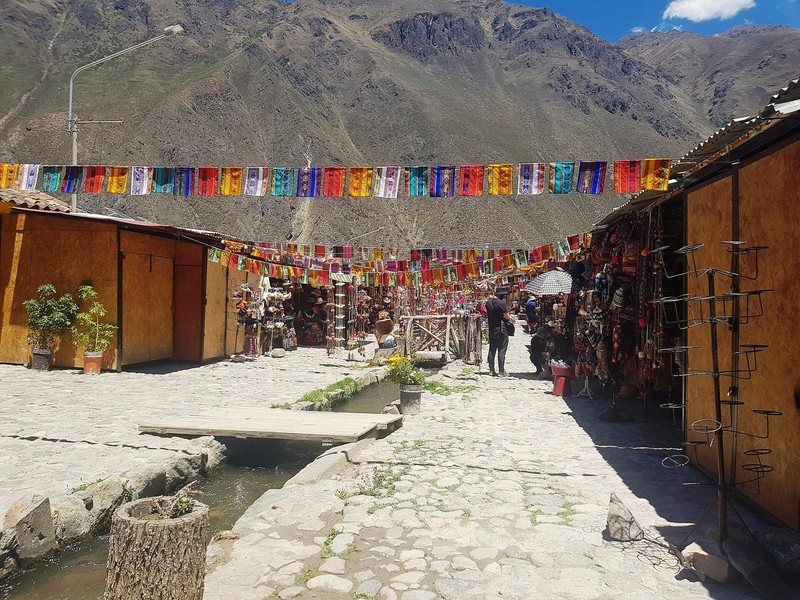
The Incas built irrigation channels and drainage systems that connected fields, residential quarters and ceremonial areas. Water had both practical and symbolic importance in Andean cultures, so springs, channels and stone water features were prominent parts of the town’s architecture. This engineering system illustrates how closely everyday life, religious beliefs and resource management were connected in Inca society.
Stone streets and the old town
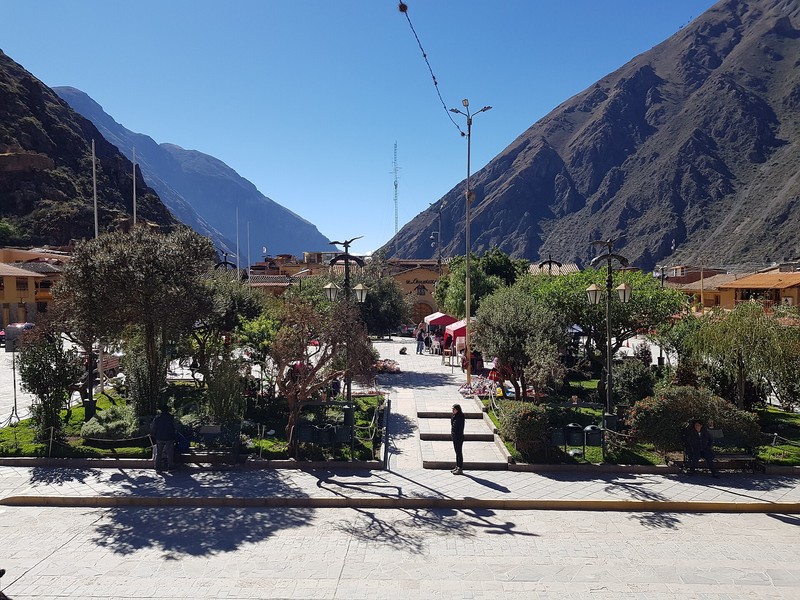
The historic centre of Ollantaytambo is one of the clearest examples of a traditional Inca urban environment that remains in use. Streets run between stone walls, and ancient water channels survive in some places. The foundations of a number of modern buildings incorporate walls constructed before the Spanish conquest. Later, new houses and colonial architectural elements were built over or alongside the older structures.
Walking through the old town helps visitors imagine life in an Inca settlement. Straight streets, inner courtyards, stone house foundations and carefully arranged blocks reveal a highly organised use of space. Ollantaytambo is especially rewarding for travellers who want to see not just individual monuments but an urban environment that retains a connection to pre-Columbian history.
Water features and the Ñusta Fountain
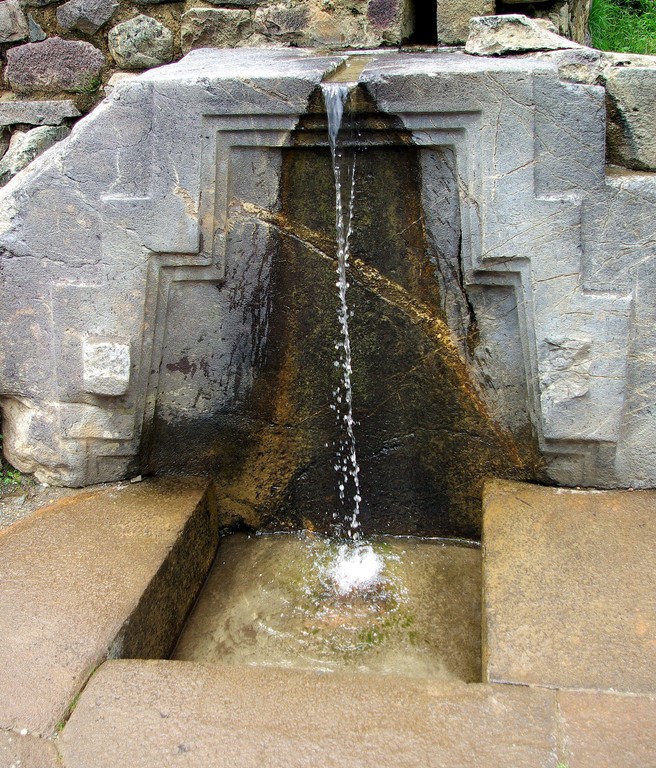
Among the engineering landmarks are stone fountains and channels connected with the water supply. One of the best-known features is the Ñusta Fountain, also referred to as the Ñusta bath. Carved from stone, it is distinguished by precise workmanship and elegant design. Such structures may have served practical as well as ceremonial purposes, reflecting the special importance of water as a source of life and a part of the sacred landscape.
Ollantaytambo’s water systems demonstrate the practical knowledge of ancient engineers. They accounted for changes in elevation, the direction of water flow and the needs of different parts of the settlement. The combination of channels, fountains and terraces became a defining feature of the region’s architectural heritage.
Pinkuylluna and the Inca storehouses
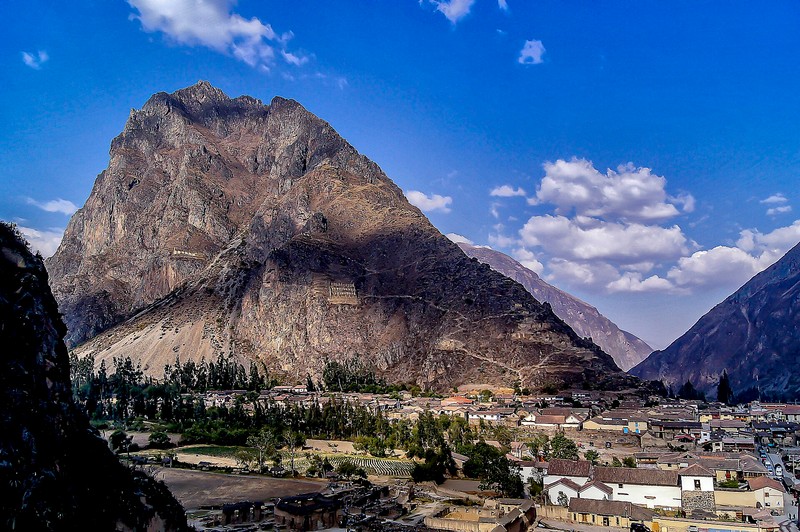
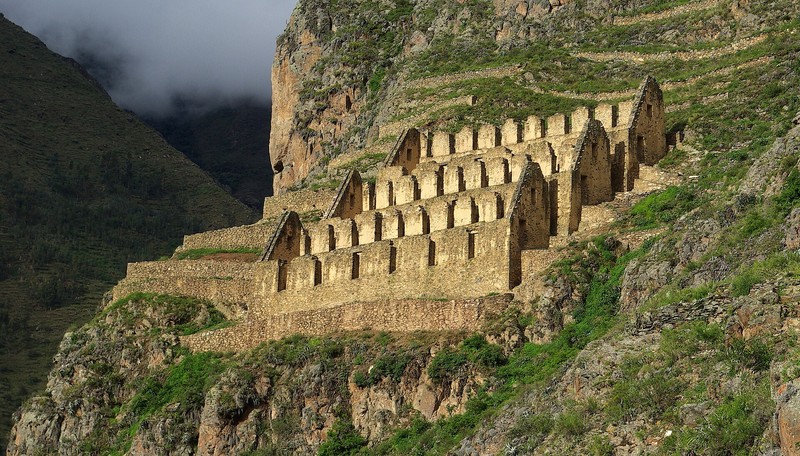
On the mountainside opposite the historic centre stand the structures of Pinkuylluna, commonly associated with ancient storehouses. They sit high above the valley, where cool air and good ventilation helped create suitable conditions for storing supplies. In the imperial system, such facilities were important for preserving agricultural products and distributing them according to the needs of the population, army and administrative centres.
Pinkuylluna also attracts visitors with its views of Ollantaytambo and the surrounding mountains. The climb requires care, and access can vary with trail conditions, so it is worth checking locally before setting out.
What to see in Ollantaytambo
Visitors should allow time for the upper terraces and the Temple of the Sun, where the enormous stone blocks are especially striking. Ceremonial platforms, defensive walls, stone stairways and water features are also worth exploring. In the old town, take a leisurely walk along the narrow streets, examine the Inca masonry incorporated into house foundations and observe how the ancient plan coexists with modern life.
For a fuller exploration of the region, consider adding Pinkuylluna, nearby agricultural terraces and other archaeological sites in the Sacred Valley. Local museums and cultural centres provide further insight into the town’s history, traditional crafts, archaeology and the lives of Andean communities.
How to get to Ollantaytambo
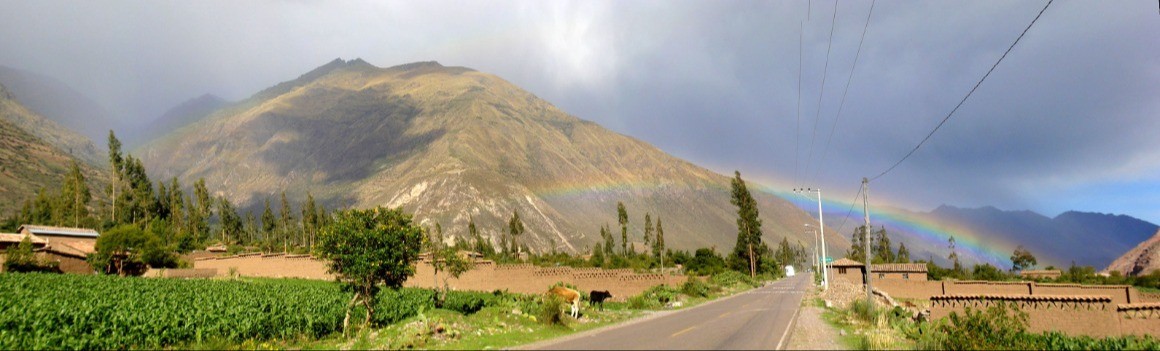
Ollantaytambo is in Urubamba Province in the Cusco region, roughly 60–80 kilometres from Cusco city, depending on the route. Travellers usually arrive by car, tourist bus or shared transport through settlements in the Sacred Valley. The journey passes mountain scenery, farmland and traditional Andean villages.
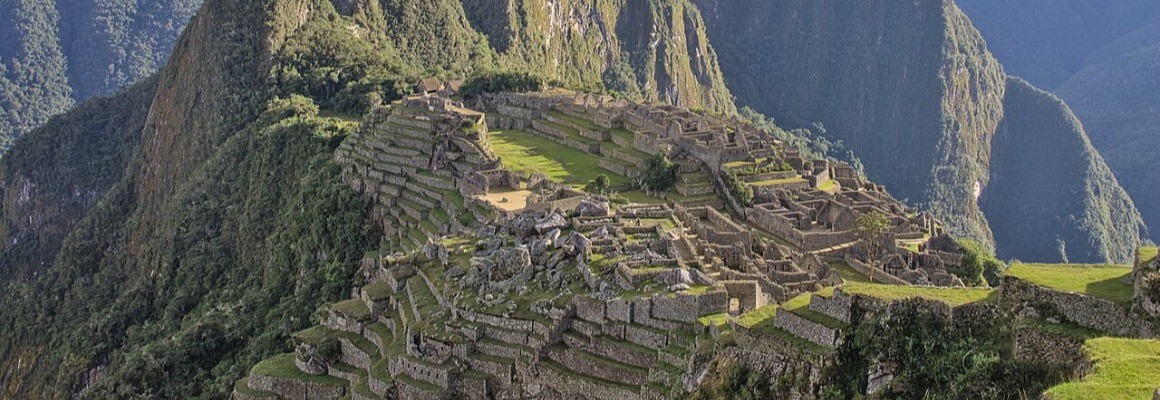
The town is also an important gateway for trips to Machu Picchu. Trains depart from here towards Aguas Calientes, from where visitors continue to the famous archaeological complex. Many travellers spend only a few hours in Ollantaytambo, but staying overnight makes it easier to explore the old town at a relaxed pace and visit nearby trails.
Best time to visit
The Cusco region generally has a dry season from May to September and a wetter period that falls mainly between November and March. Walking around the archaeological complex is often easier during the drier months, although this is also a popular travel season. During the rainy period, the landscape becomes greener, but stone steps and trails may be slippery.
Ollantaytambo lies at considerable altitude, so visitors should avoid overexertion during the first days of a trip, drink enough water and be aware of possible symptoms of altitude sickness. Comfortable shoes with good grip and sun protection are recommended, as Andean weather can change quickly.
Why visit Ollantaytambo
Ollantaytambo is one of the best places to explore the architectural and engineering heritage of the Incas. Visitors can see monumental stone structures, terraces, ancient channels, traditional streets and remains of an urban system created long before modern technology. Its history of resistance to the Spanish gives the site special significance, while its proximity to Machu Picchu makes it a convenient part of a trip through Peru.
This is more than an archaeological monument: it is a place where ancient history remains part of everyday life. Ollantaytambo offers a deeper understanding of how the Incas built towns, adapted to mountain terrain, managed water and agriculture, and created architecture that continues to impress centuries later.
Gallery