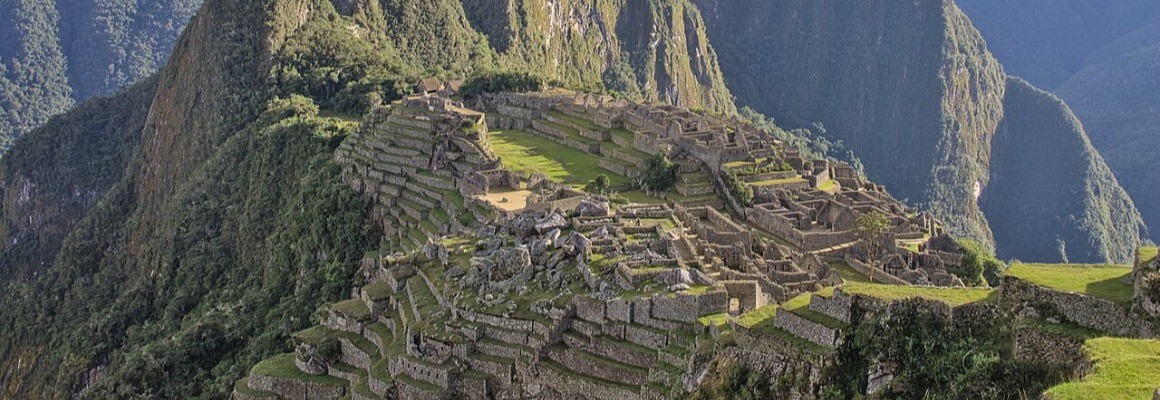
Pisac is a picturesque town in Peru’s Sacred Valley of the Incas, in the Cusco region near the Urubamba River. It is known for one of the most impressive Inca archaeological complexes, vast agricultural terraces, ancient stone structures and a traditional handicraft market. Pisac is an important historic destination in the Sacred Valley, attracting travellers interested in South American civilisations, Andean culture and the history of the Inca Empire.
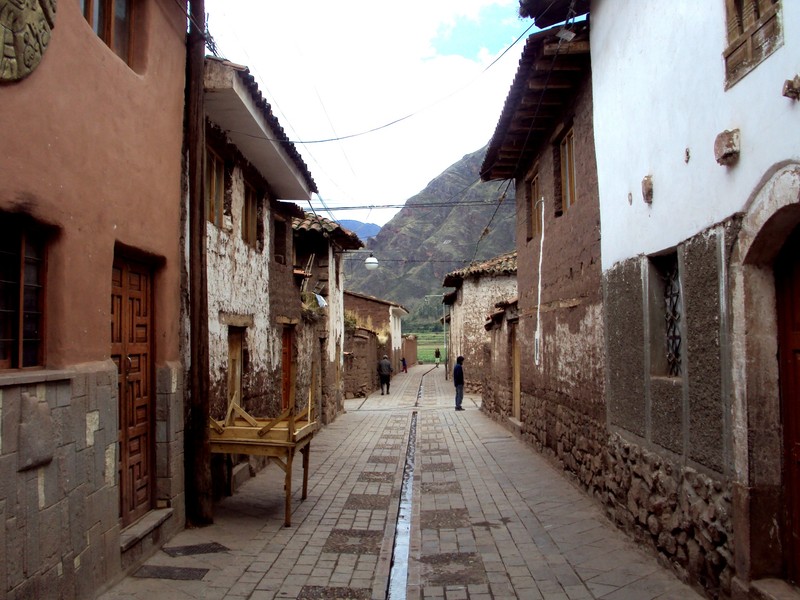
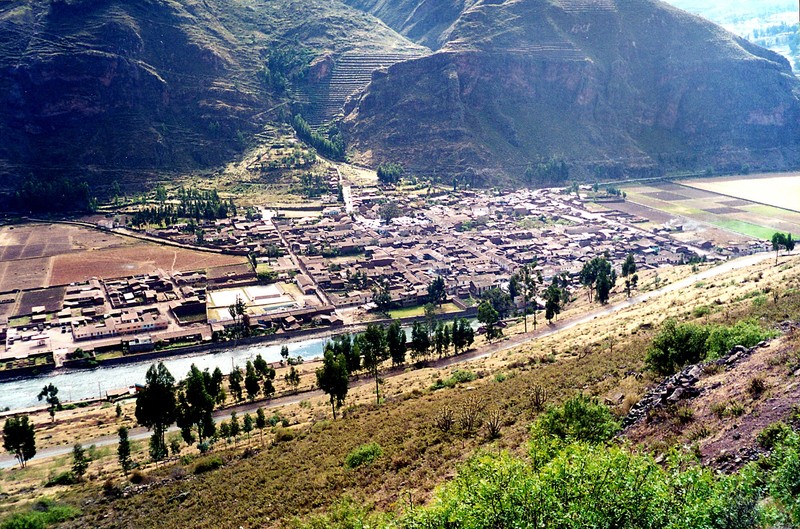
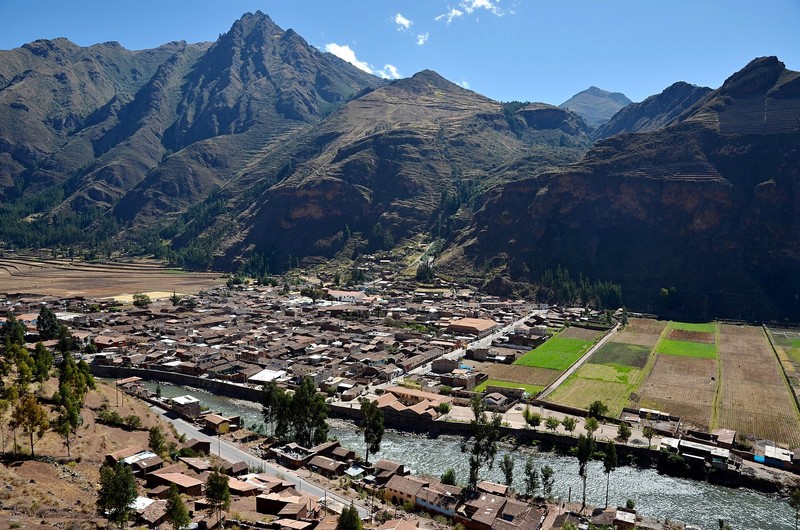
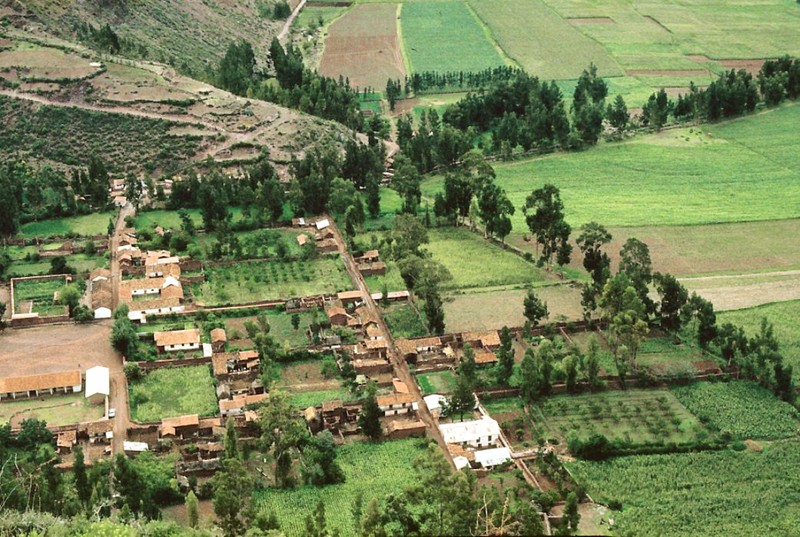
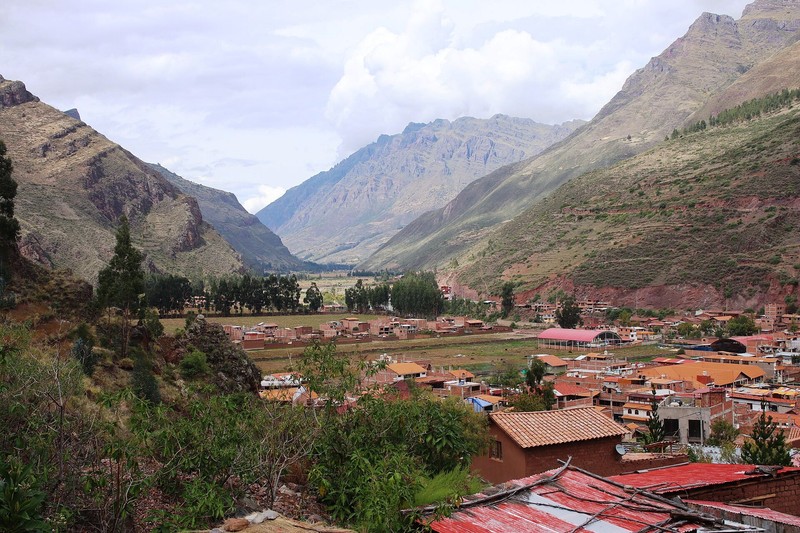
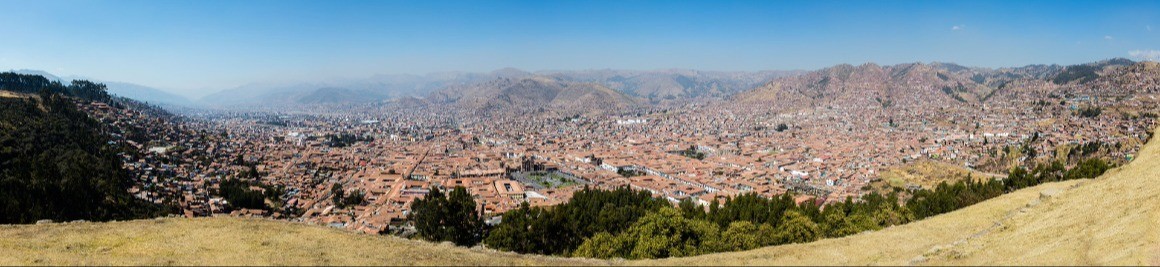
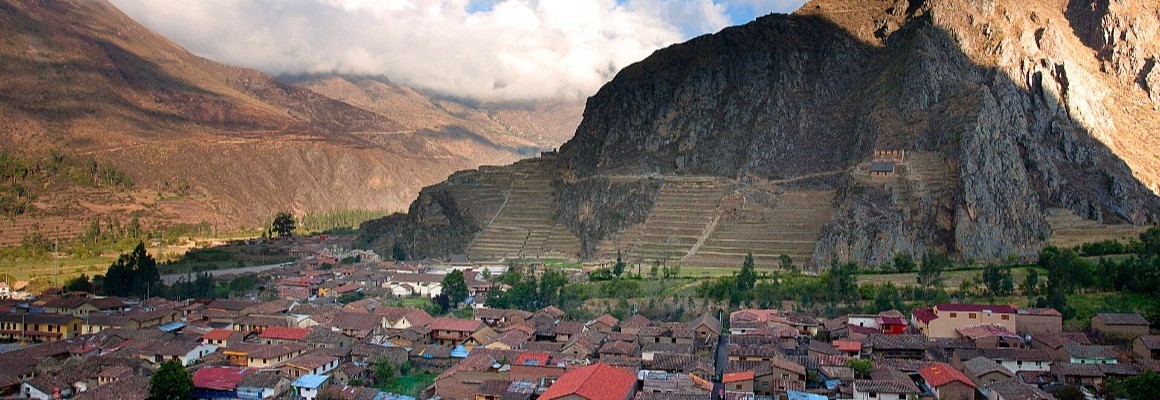
The town’s main feature is the combination of an ancient settlement on a mountain slope and a modern town in the valley below. The archaeological ruins sit high above the town and offer panoramic views of the mountains, fields and the Urubamba River valley. Below, the historic centre has a main square, traditional streets, craft shops and a famous market where local artisans sell their work.
History of Pisac
Pisac reached its greatest development during the expansion of the Inca Empire in the 15th century. Its construction is traditionally associated with the ruler Pachacuti, under whom major administrative, agricultural and ceremonial centres were established. Researchers view the archaeological complex not simply as a defensive structure, but as a large Inca estate that included residential buildings, terraces, temples and water-supply systems.
Pisac’s strategic location was important. It stood near the entrance to the Sacred Valley and along routes connecting Cusco with other parts of the Andes. The high mountain slopes provided broad views of the surrounding landscape, while the extensive terrace system made steep ground suitable for farming. This combination of natural advantages and engineering made the settlement an important part of the Inca administrative and economic system.
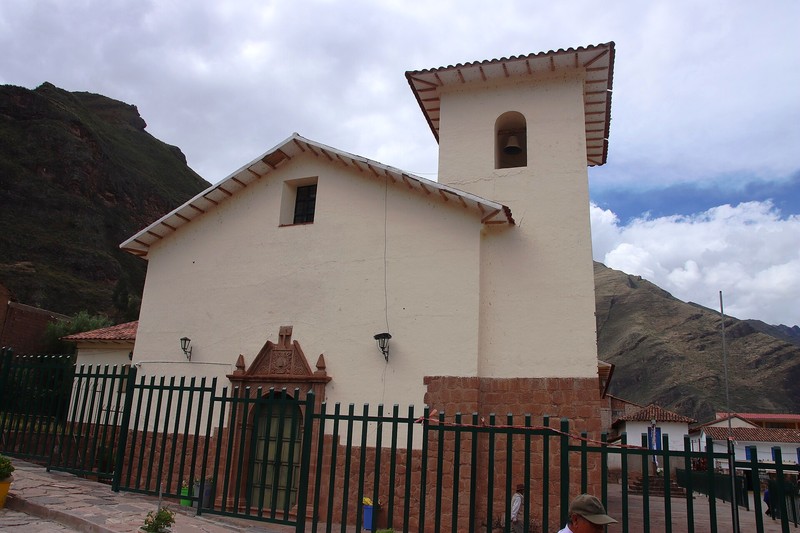
In the 16th century, the region came under Spanish control. During the conquest, the ancient settlement suffered damage, some structures were destroyed and many inhabitants left their former homes. The Inca cemetery was looted. A new settlement later developed in the valley under the influence of Spanish colonial architecture. Modern Pisac therefore consists of two historically connected parts: the archaeological complex in the mountains and the town below.
The Pisac archaeological complex
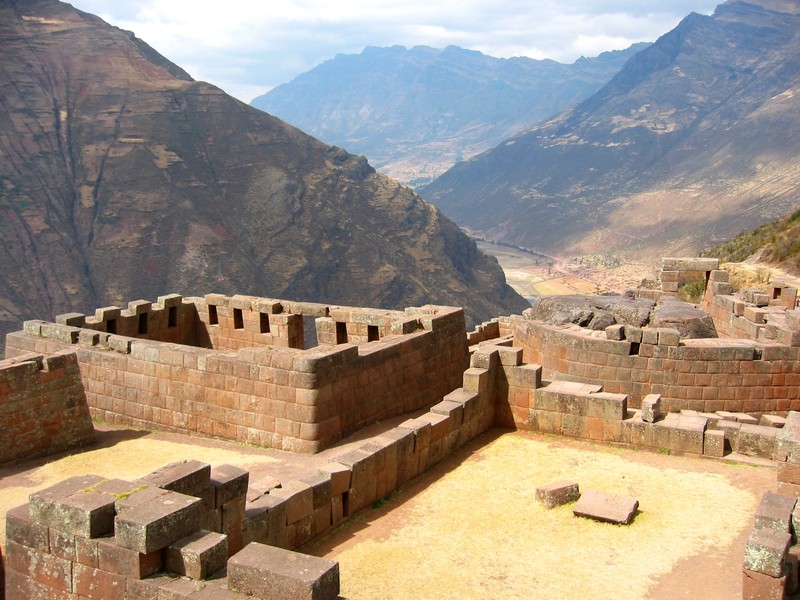
Pisac Archaeological Park lies along a mountain ridge above the town. Its grounds contain several groups of structures spread across slopes and summits and connected by ancient roads and stairways. The complex is extensive and architecturally varied, with residential areas, ceremonial platforms, stone walls, terraces, channels and other elements of Inca infrastructure.
Archaeologists distinguish several sectors, including Intihuatana, Qallaqasa, Kantus Raqay and other groups of buildings. They differ in location, architectural style and likely function. Some areas were associated with ceremonies and religious practices, while others were used for living, practical activities and observing the valley. Together, they form a complex architectural ensemble that fits naturally into the mountain landscape.
Pisac is often compared with other famous archaeological sites in Peru because of the quality of its stonework and the scale of its engineering. Yet the complex has a distinct character: its structures are distributed along an extended mountain ridge, and agricultural terraces cover much of the slopes. A visit reveals how extensively the Incas used natural terrain when building towns and economic centres.
Intihuatana and ceremonial structures
One of the best-known sectors of the archaeological complex is Intihuatana, an area associated with ceremonial architecture and observations of celestial phenomena. The name “Intihuatana” is commonly translated from Quechua as “the place where the sun is tied.” Similar stone structures appear at several Inca centres and are associated with calendar observations, rituals and beliefs about the movement of the sun.
The sun held a special place in Inca culture, and observing seasonal changes had practical importance for agriculture. Decisions about sowing and harvesting depended on understanding seasonal cycles. Ceremonial spaces may have combined religious rites, public gatherings and observations of natural phenomena. The exact purpose of individual structures at Pisac is still studied, so their functions cannot always be identified with certainty.
Inca agricultural terraces
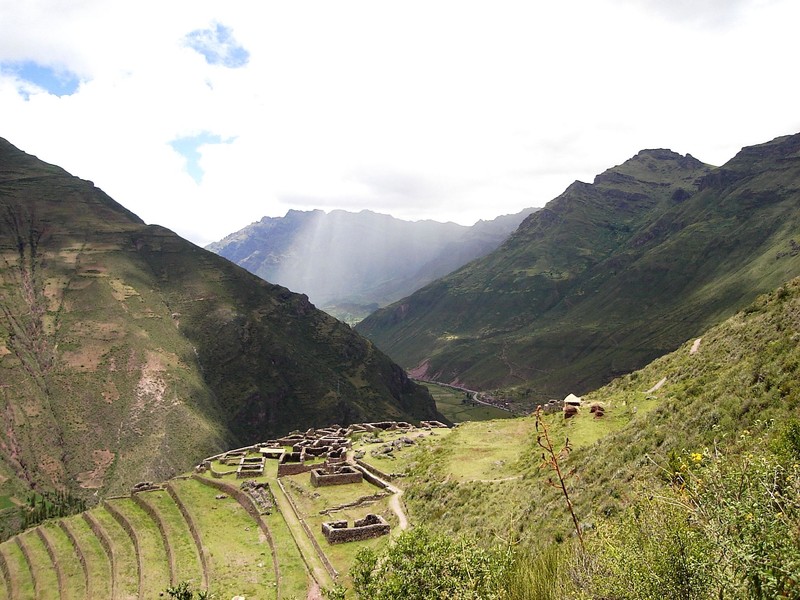
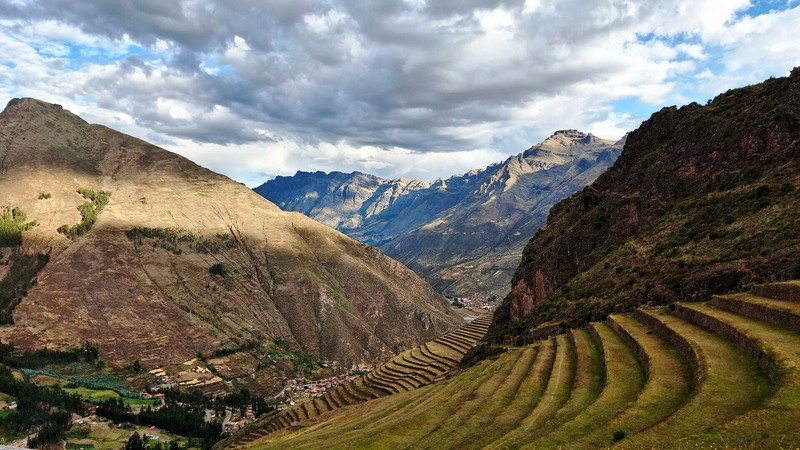
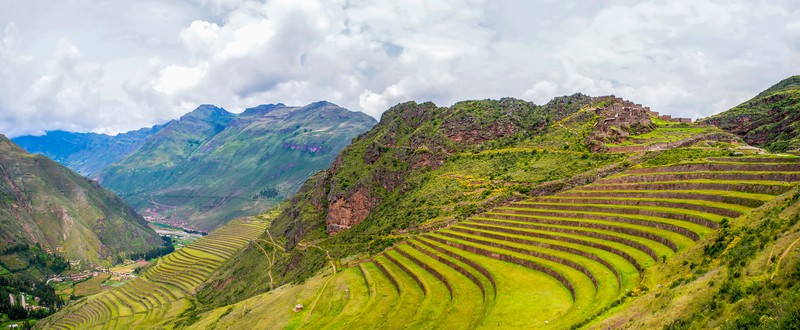
One of Pisac’s most impressive features is its enormous agricultural terraces, which descend along steep mountain slopes. Stone retaining walls create stepped platforms where crops such as maize, potatoes, quinoa and other plants could be grown. The terraces increased the amount of usable farmland and helped adapt agriculture to difficult mountain terrain.
Terracing served several purposes at once. It helped hold soil on the slopes, reduced erosion, improved water distribution and created more convenient planting areas. Builders took account of the gradient, soil conditions and the need to drain excess moisture. Stone walls and drainage systems helped stabilise the slopes and support continued agricultural use.
Pisac’s terraces demonstrate the high level of organisation in Inca farming. They formed part of a large economic system in which food production supported the population, administrative centres and state institutions. Even today, the stepped fields remain an essential part of the Sacred Valley landscape and reveal the scale of engineering work carried out centuries ago.
Stone architecture and engineering
Pisac’s architecture displays characteristic features of Inca construction. Stone blocks were carefully shaped and fitted together to create strong walls capable of bearing considerable loads and withstanding ground movement. In some structures, the masonry is particularly precise, while doorways and niches have forms typical of Inca architecture.
Builders used the natural terrain as part of their architectural design. Roads, stairways, retaining walls and buildings were positioned according to the steepness of the slopes and access to water. Channels played an important role in directing water to agricultural plots and residential areas. The combination of masonry, water systems and terraces shows that Pisac was not a random collection of ruins but a carefully organised settlement.
The ancient Inca cemetery
Near the archaeological complex is a well-known burial area on a steep mountainside. Burial niches were cut into the rock to hold the remains of the dead. Such places were important in Andean societies, where ancestor veneration was closely connected with religious beliefs and social organisation.
The cemetery at Pisac suffered during the Spanish conquest and subsequent looting. Many burial places were disturbed, and some archaeological material was lost. Today, the site recalls the complex burial traditions of the Incas and the vulnerability of archaeological heritage. Visitors should respect preservation rules and avoid attempting to climb to inaccessible areas.
The traditional market of Pisac
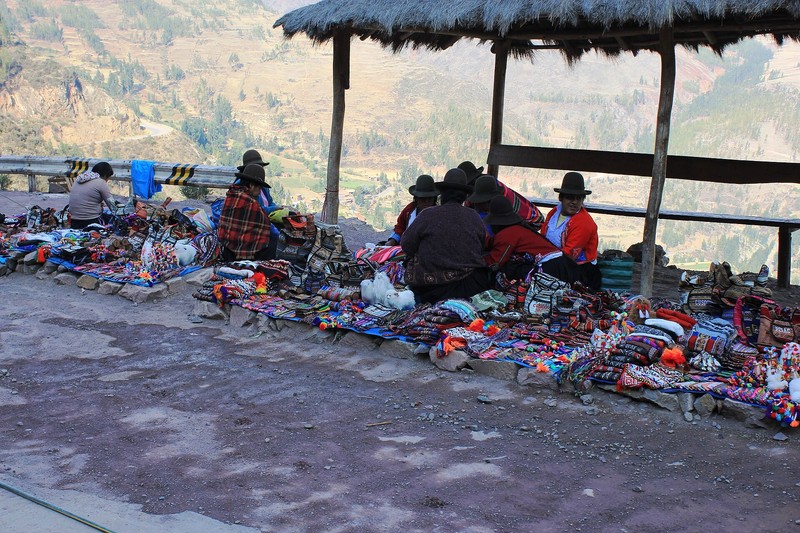
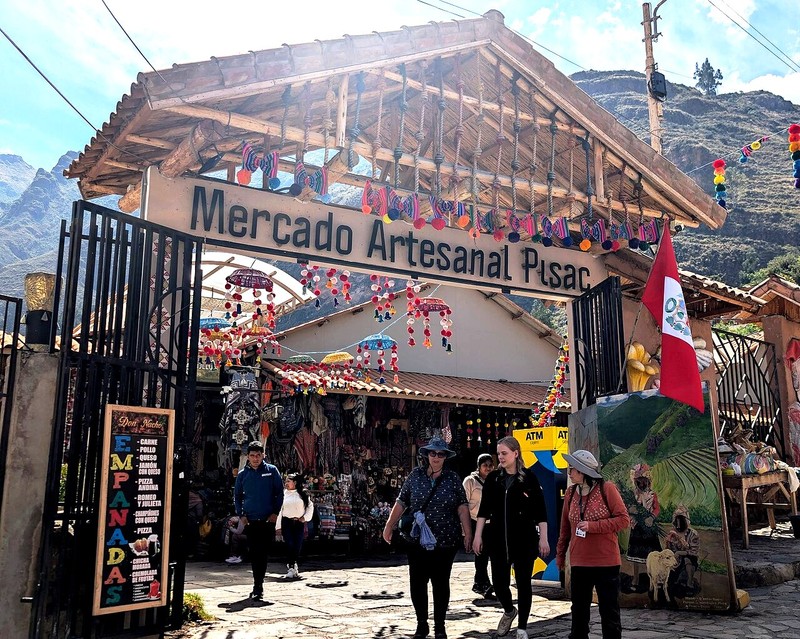
Modern Pisac is famous for its traditional handicraft market, held around the main square and neighbouring streets. Vendors sell woven goods, alpaca-wool scarves and ponchos, ceramics, silver jewellery, musical instruments, bags, decorative objects and other handmade products. Bright colours, traditional patterns and the variety of goods make the market one of the town’s best-known attractions.
The market matters not only to tourists but also to local residents. Stalls offer produce grown in the valley, fruit, vegetables and traditional dishes. Trading preserves links with the region’s agricultural and craft traditions, while local artisans’ work reflects the heritage of Andean communities. When buying textiles and souvenirs, it is useful to compare several stalls, check the material and ask how an item was made.
On the busiest market days, people from nearby villages, including Quechua communities, come to buy and sell goods. At these times, the market’s role as a place for social interaction and exchange is especially clear; it is more than a tourist attraction. Visitors can experience the living traditions of the Sacred Valley and see how local culture continues in everyday life.
Culture and traditions of the Sacred Valley
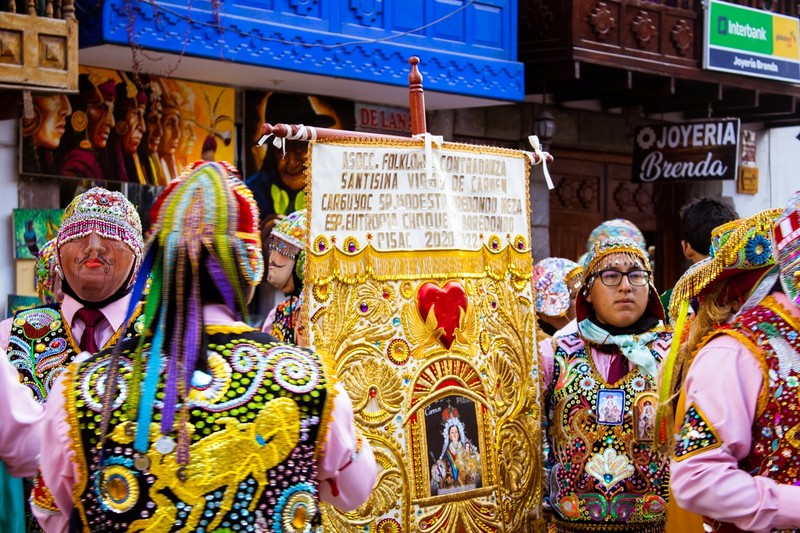
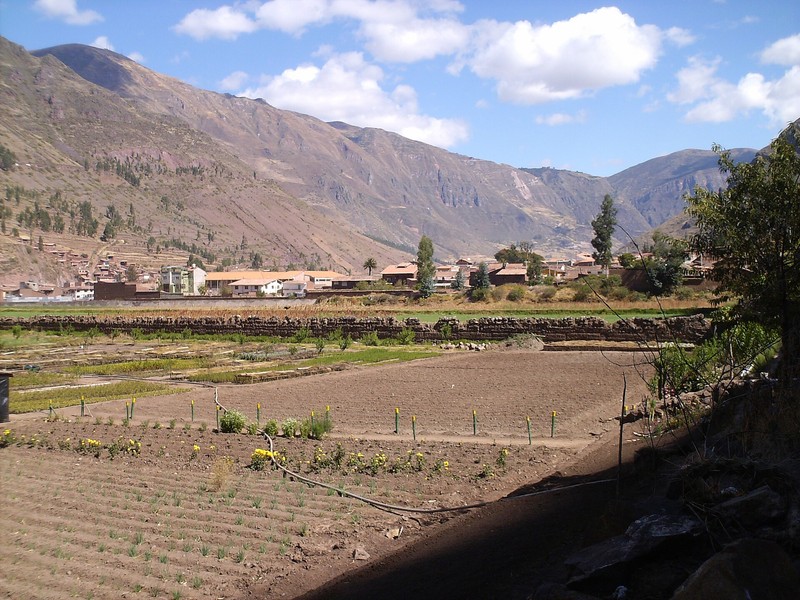
Pisac lies in a region where many elements of Quechua culture remain alive. People in nearby settlements continue to practise farming, weaving and craft production. Traditional textile patterns, methods of processing wool, local dishes and festivals reflect the historical connection between modern communities and Andean cultural heritage.
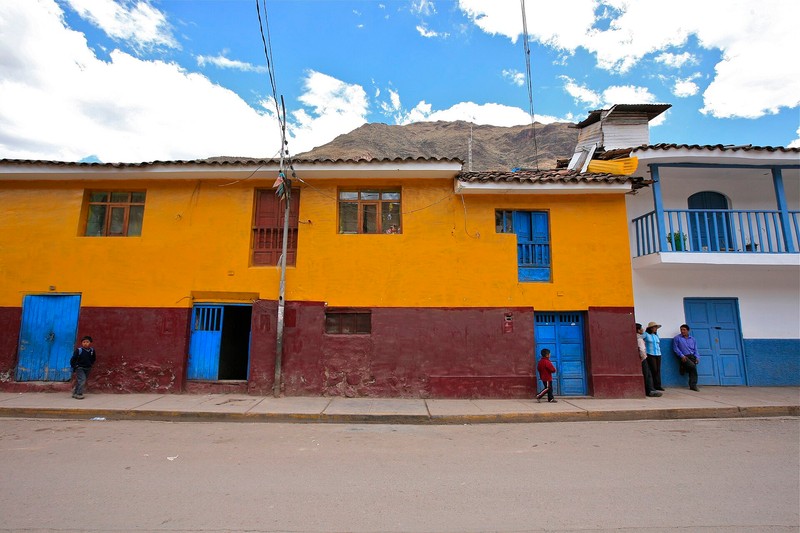
Spanish colonial influence is visible in the town’s architecture, especially around the centre, but Indigenous traditions remain an important part of local identity. A visit to Pisac shows how ancient Inca monuments, colonial buildings and contemporary craft practices coexist in a small town.
What to see in Pisac
The main highlight is the archaeological complex on the mountain. Allow enough time to explore it, because the structures occupy different levels and are connected by trails, stairways and ancient roads. Along the route, visitors can see terraces, stone walls, ceremonial areas and viewpoints overlooking the Sacred Valley.
After visiting the ruins, descend to town and explore the main square, market and old streets. You can buy work by local artisans, try regional dishes and observe everyday life in the settlement. If time allows, take in the surrounding mountains and agricultural fields that create the valley’s distinctive landscape.
How to get to Pisac
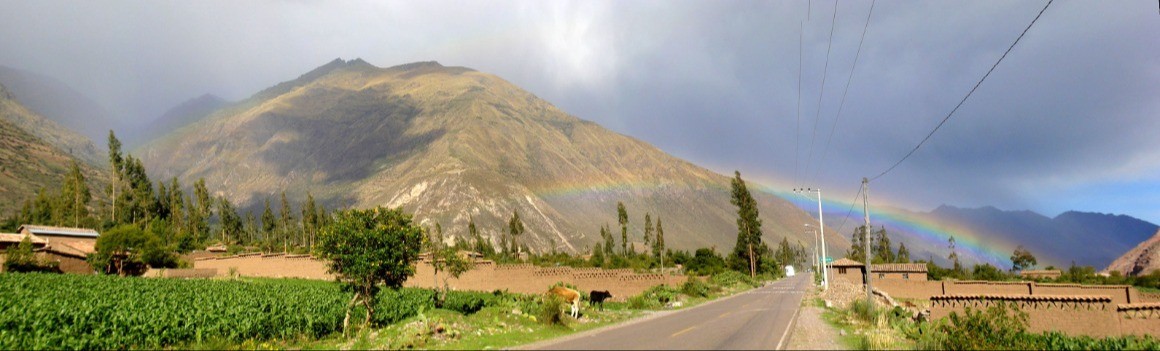
Pisac is about 30–35 kilometres from Cusco city, depending on the starting point and route. Travellers can reach the town by car, tourist bus or shared transport through the Sacred Valley. The road passes mountain slopes, farmland and small traditional Andean settlements.
The archaeological complex itself lies above the modern town, so visitors should plan for an additional climb after arriving in Pisac. Some travellers use a car or organised tour to reach an upper entrance and then explore the ruins on foot. Access arrangements and trail conditions can change, so it is useful to check current local information before visiting.
Best time to visit
The Cusco region generally has a dry season from May to September and a wetter period, mainly from November to March. Walking the archaeological trails is often easier during the dry months, when views can also be especially clear. During the rainy season, the surrounding mountains become greener, but stone steps and dirt paths may be slippery.
Pisac is at a considerable altitude, particularly the archaeological complex on the mountain ridge. Walk at a comfortable pace, drink enough water and avoid strenuous activity during the first days in the Andes. Comfortable shoes with good grip, a hat, sunscreen and an extra layer of clothing are useful because the weather can change quickly.
Practical tips for travellers
Before visiting the archaeological park, check opening hours, entry rules and any requirements for the tourist ticket. Some routes follow narrow trails and steep stone steps, so stay on marked paths and do not cross barriers. Do not climb on the walls, touch fragile archaeological features or leave rubbish at the site.
If you want a deeper understanding of the complex’s history and architecture, consider hiring a local guide. A guided visit can explain the purpose of different sectors, the construction of the terraces and Pisac’s role in the settlement network of the Sacred Valley. At the market, carry some local currency in cash and check the quality of products before buying.
Why visit Pisac
Pisac is one of the most interesting places in Peru for discovering Inca history and culture. Its extensive agricultural terraces, ceremonial structures, stone architecture and remains of a sophisticated water system show how the Incas adapted mountain terrain for settlement, farming and regional administration.
Yet Pisac is much more than ancient ruins. Its traditional market, craft workshops, colonial architecture and the everyday life of local communities make it an important part of the Sacred Valley’s cultural heritage. A visit combines archaeology, mountain scenery, history and an introduction to the living traditions of the Andes.
Gallery