Nymphenburg Palace is one of Munich’s most important historic landmarks and a major example of Baroque architecture in Bavaria. It once served as the summer residence of Bavarian electors and kings. Today, the complex is known for its ceremonial rooms, historic collections, canals and extensive park with garden pavilions, fountains and tree-lined paths.
History of Nymphenburg Palace
The palace originated in the seventeenth century. In 1662, the long-awaited heir Max Emanuel was born to Bavarian Elector Ferdinand Maria and his wife Henriette Adelaide of Savoy. To celebrate the birth, the rulers planned a country residence west of Munich. Construction began in 1664 under the Italian architect Agostino Barelli.
The original building was a relatively compact residence with Italian architectural features. Later generations of Bavarian rulers expanded and remodelled it repeatedly, adding new wings, state rooms, galleries and garden pavilions. Over time, Nymphenburg became a large royal complex reflecting the ambitions and tastes of a European court.
Architecture and interiors
The palace is distinguished by its long, symmetrical facade, pale exterior and a combination of Baroque and later architectural elements. The central section and side pavilions frame a formal courtyard. From the park, visitors can appreciate the full scale of the palace and the long water channel extending in front of it.
The interiors include ceremonial halls, historic apartments, decorative paintings and elaborate ornament. The Great Hall is one of the best-known rooms, with eighteenth-century frescoes. Another highlight is King Ludwig I’s Gallery of Beauties, featuring portraits of women from different backgrounds.
The palace park
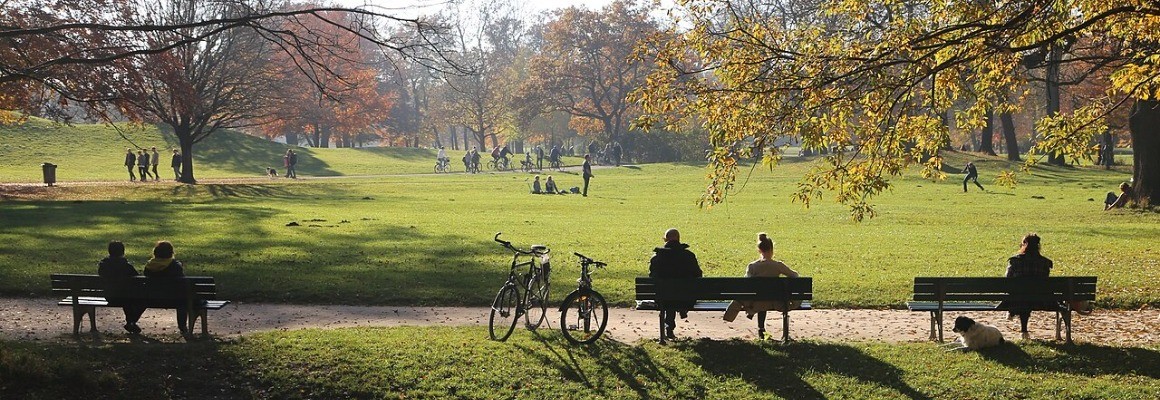
Nymphenburg Park covers a large area and is one of Munich’s most attractive historic green spaces. Its layout combines a formal Baroque axis, straight canals and geometric garden sections with a more natural English landscape garden. Long avenues, ponds, bridges and open lawns offer changing views of the palace and grounds.
The central canal reinforces the symmetry of the ensemble. During the warmer months, gondola rides may be available when weather conditions permit. Fountains and water features reflect the historic engineering systems developed to operate the gardens’ water displays.
Garden palaces and pavilions
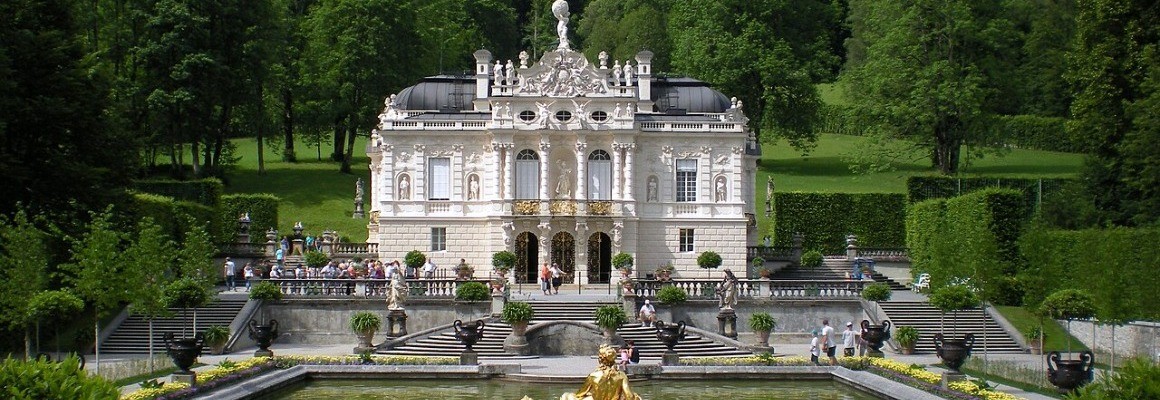
Amalienburg is an elegant eighteenth-century hunting pavilion celebrated for its Rococo decoration and Hall of Mirrors. Badenburg contains a historic indoor swimming pool, an unusual feature for a royal residence of its time. Pagodenburg is notable for interiors influenced by East Asian motifs popular in eighteenth-century European decorative art. Magdalenenklause was designed as a secluded, ruin-like retreat for quiet reflection.
Museums and collections
The Marstallmuseum displays ceremonial carriages, sleighs and other vehicles used by the Bavarian court. The complex is also associated with the Museum of Nymphenburg Porcelain, which introduces visitors to the history of Bavaria’s renowned porcelain production.
What to see during a visit
First-time visitors should explore the state rooms, follow the main axis of the park and allow time to reach the garden pavilions. Amalienburg is particularly rewarding for those interested in architecture and decorative arts. The grounds are extensive, so a park walk requires extra time. Spring and summer bring lush greenery and operating fountains, autumn adds colourful foliage, while winter offers a quieter atmosphere.
Visitor information
Nymphenburg lies in western Munich and can be reached by public transport, including tram and bus services to stops near the palace. Opening hours for the palace and museums vary by season, and some garden palaces close during winter. Check the official website before travelling for current schedules, access information and ticket requirements.
Why visit Nymphenburg
Nymphenburg brings together Bavarian history, court art, Baroque and Rococo architecture, and historic landscape design. It is both a museum palace and a large heritage landscape suited to a leisurely walk. The complex is a rewarding stop for visitors exploring Munich and Europe’s royal residences.
Gallery