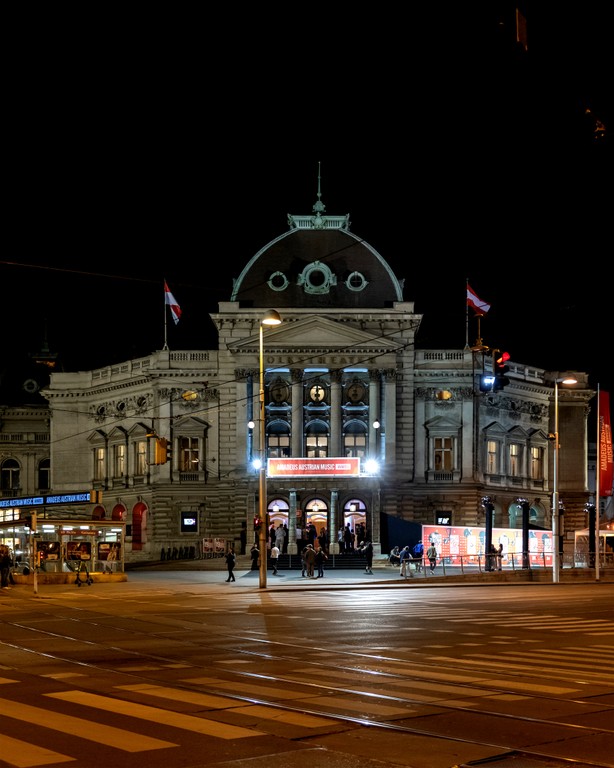
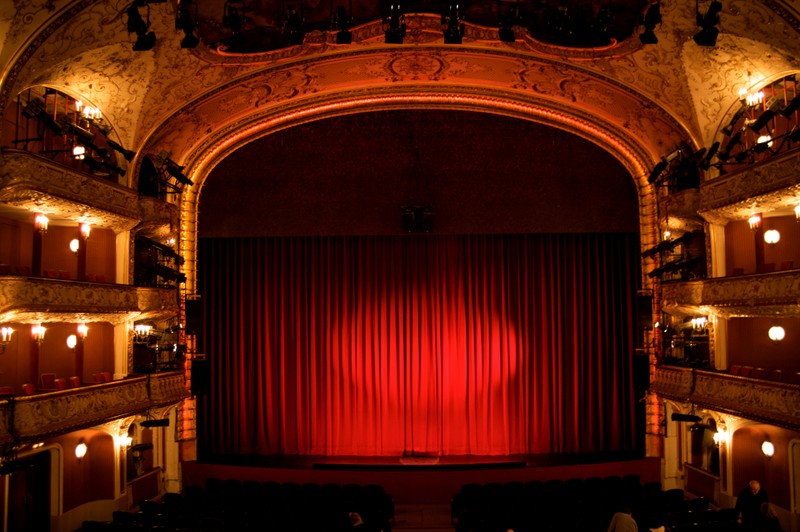
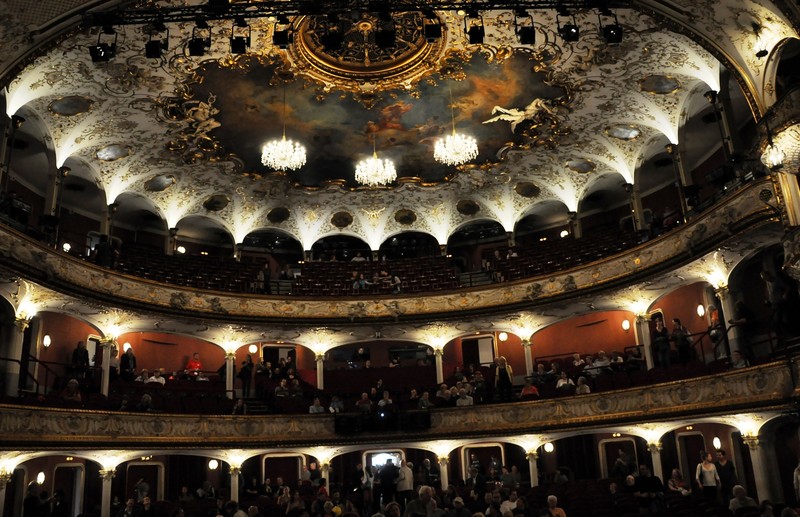
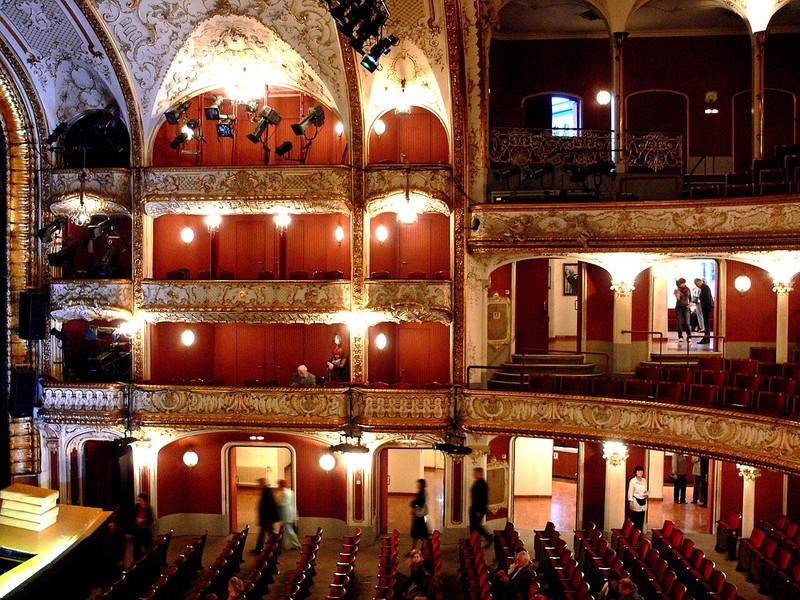
Volkstheater is one of Vienna’s best-known drama theatres, founded in 1889. Its German name means “People’s Theatre” and reflects the original aim of making theatre more accessible to a broad section of society. Today, the programme includes classical plays, contemporary drama, comedies and experimental productions. The theatre is notable both for its repertoire and for its historic building, which is closely connected with the cultural life of the Austrian capital.
History of the theatre
Volkstheater opened in 1889 as an alternative to the imperial Burgtheater. Its creation was supported by members of Vienna’s middle class, who wanted more opportunities for cultural entertainment and education. The playwright Ludwig Anzengruber was among those associated with the movement. The new theatre was intended to stage popular plays, classical drama and contemporary works reflecting society.
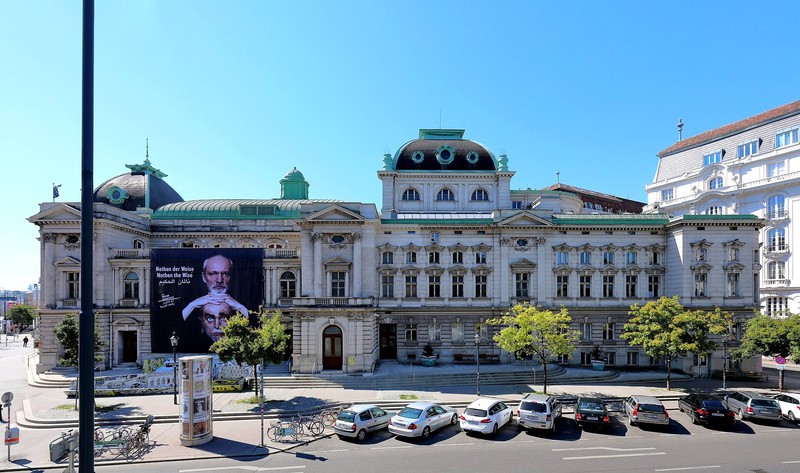
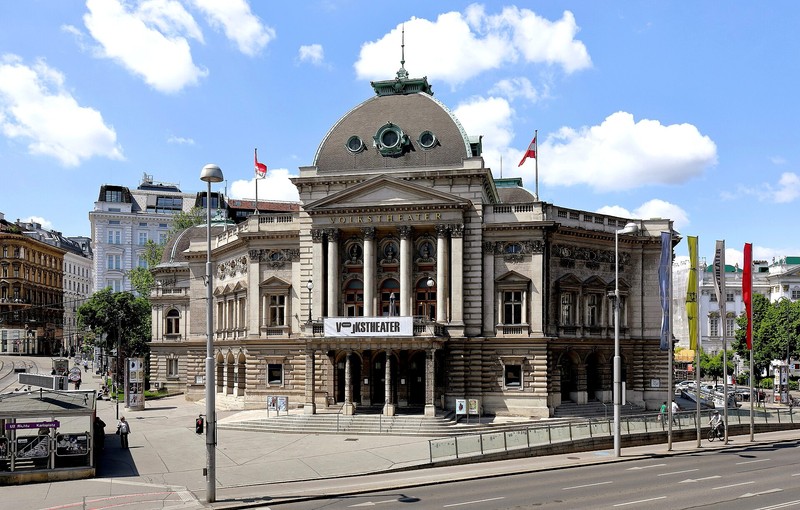
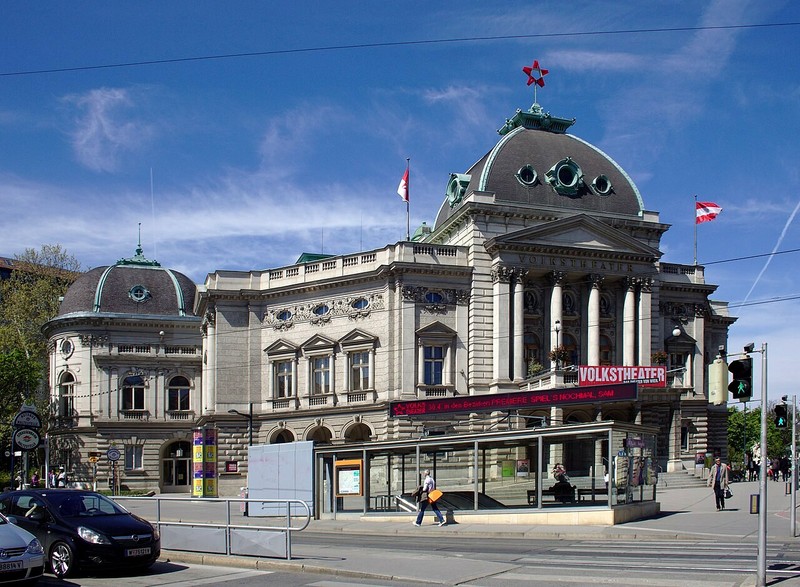
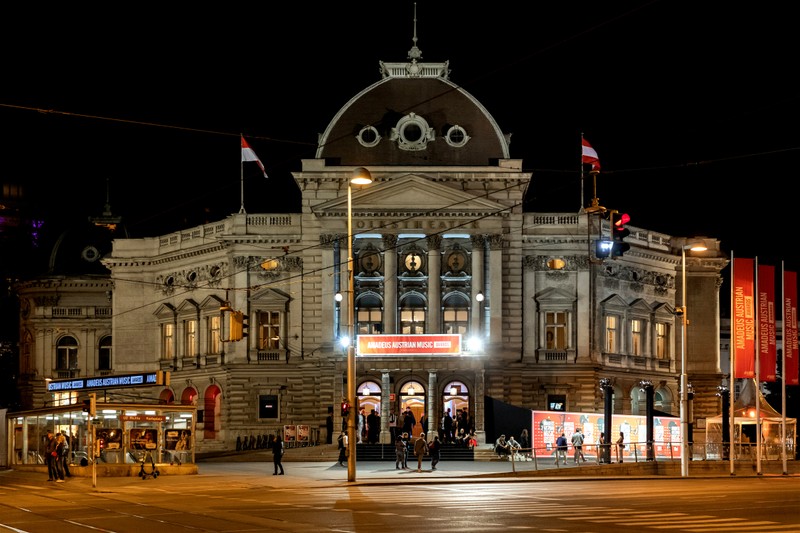
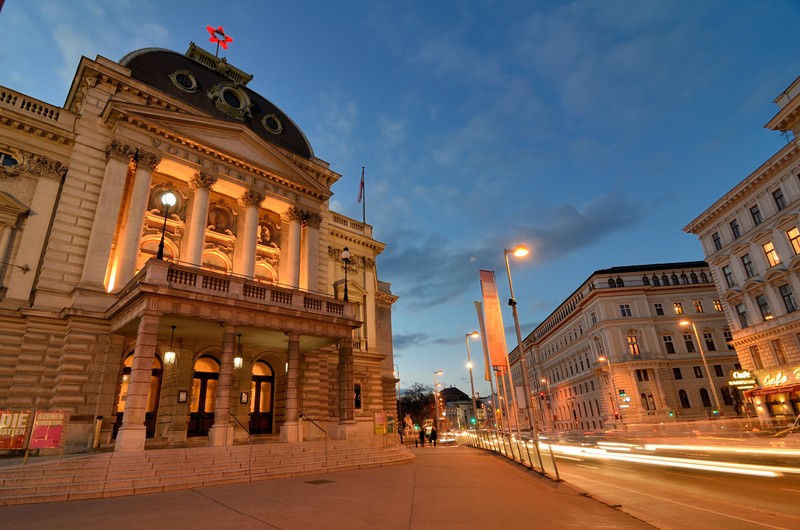
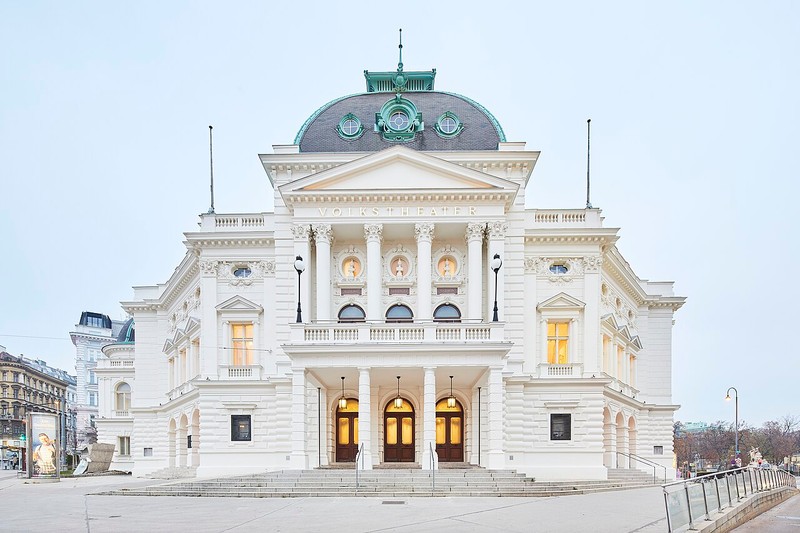
The building was designed by Ferdinand Fellner and Hermann Helmer, architects known for their theatre projects across Central Europe. Its historicist architecture gave the structure a ceremonial appearance suited to Vienna’s cultural ambitions at the end of the 19th century. The theatre soon became an important venue for Austrian and international playwrights.
During the first half of the 20th century, Volkstheater staged works by modern playwrights and contributed to public debate. Its history also includes difficult events. Under National Socialism, the theatre became part of the state-controlled leisure system, while its artistic activity and the building’s decoration were altered. In 1932, theatre director Rudolf Beer died by suicide after a brutal attack by members of the SA. This tragedy remains part of the institution’s complex history.
Repertoire and notable playwrights
Volkstheater has traditionally placed Austrian drama at the centre of its programme while also presenting European and international writers. Over the years, it has staged classical works, contemporary social dramas and experimental productions. Plays by Ferdinand Raimund and Johann Nestroy hold an important place in the repertoire, reflecting the long tradition of Viennese theatre.
From the 1970s onwards, the theatre increasingly explored modern Austrian literature, including works by Wolfgang Bauer and Peter Turrini. Contemporary productions may combine drama with visual art, digital technology and unconventional staging. In addition to performances, the theatre hosts talks, discussions and other events that help audiences explore the themes of its productions.
Architecture and auditoriums
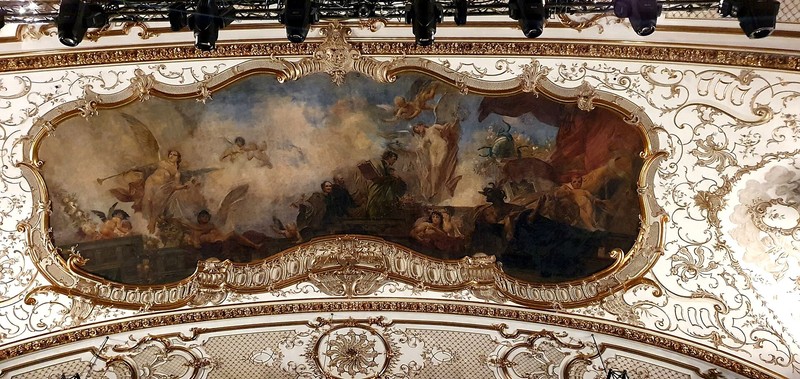
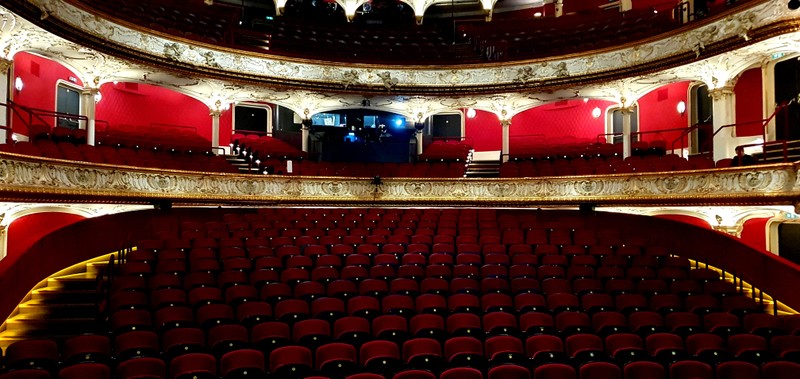
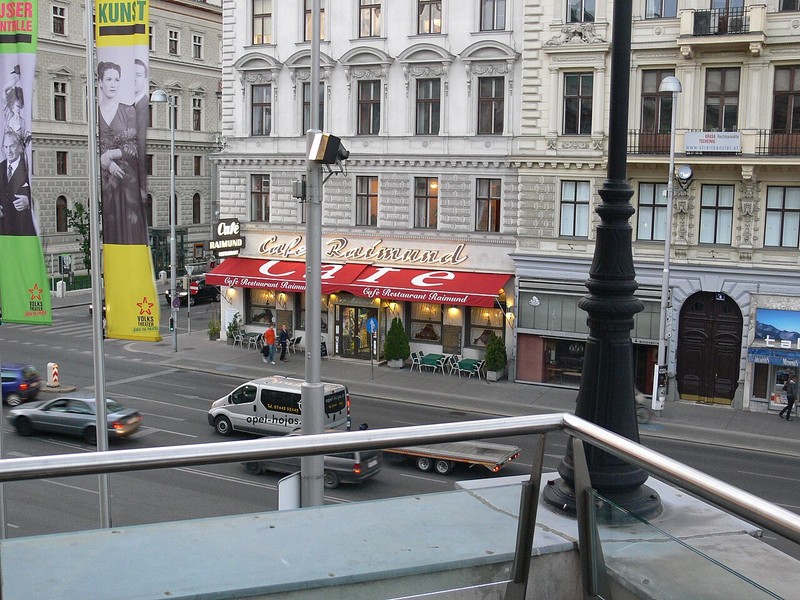
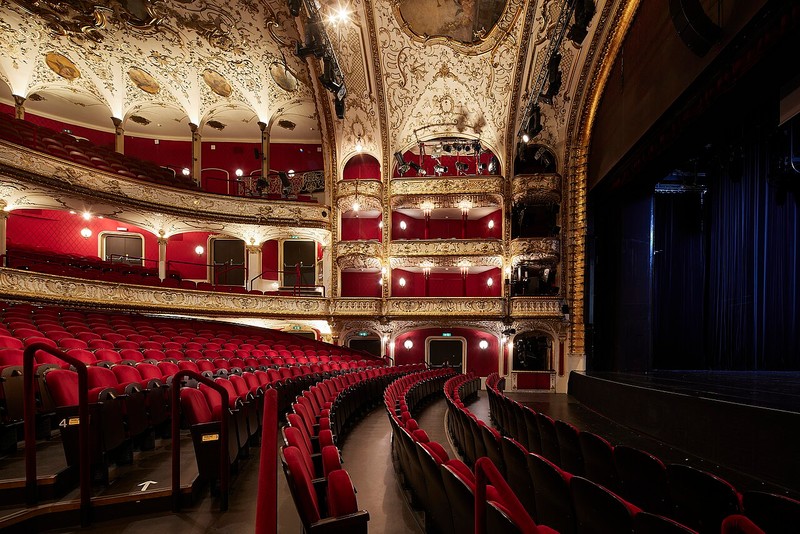
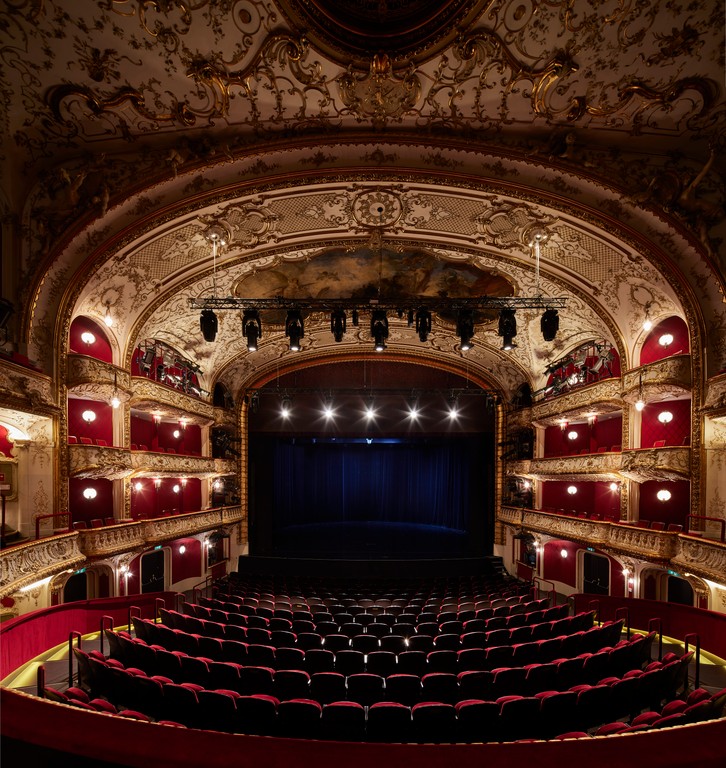
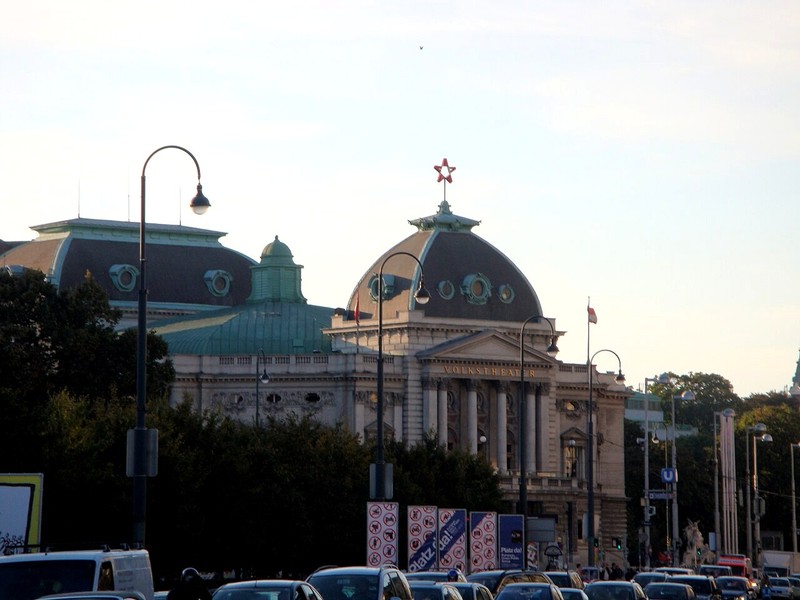
The historic Volkstheater building stands on Arthur-Schnitzler-Platz in Vienna’s seventh district. Its exterior reflects the architectural ideas of the late 19th century, when theatres were designed as prominent public buildings. The main auditorium seats more than 800 people and accommodates large-scale productions, classical drama, comedy and ensemble performances.
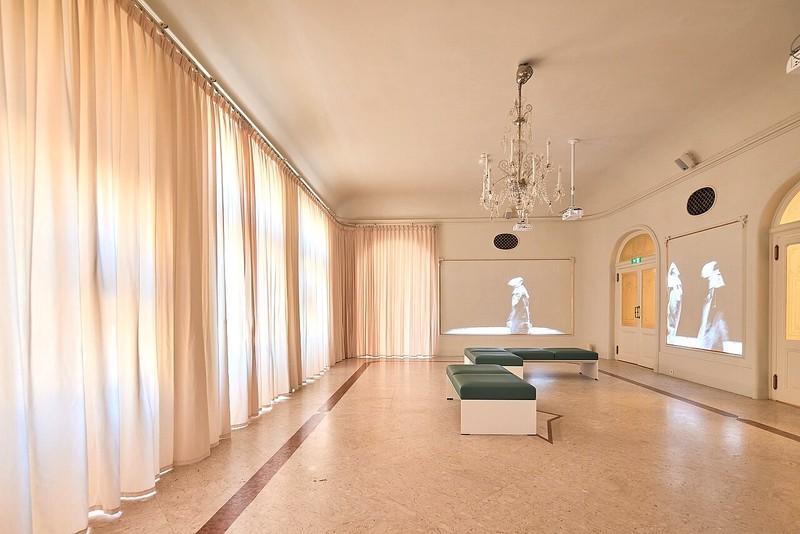
Alongside the main stage, the theatre uses additional spaces for intimate productions, special events and artistic experimentation. These include the Rote Bar, the Dunkelkammer and other venues that broaden the programme. The Volkstheater Bezirke project also presents performances and cultural events in different districts of Vienna.
Volkstheater today
Today, Volkstheater aims to be an open cultural space for Vienna’s residents and visitors. Its programme includes new interpretations of classics, contemporary drama and projects that bring theatre into dialogue with visual art. The repertoire changes throughout the season, so visitors should check the current schedule on the official website.
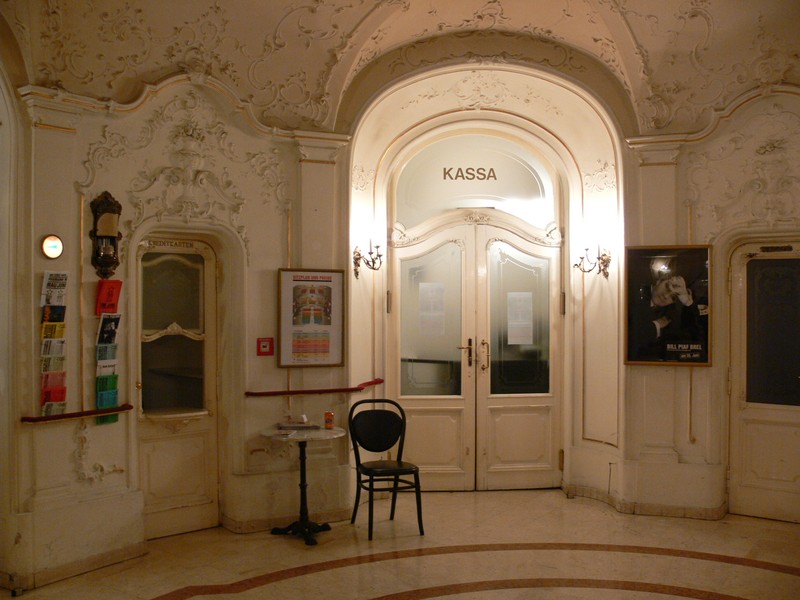
Tickets are available online and at the theatre box office. Online booking allows visitors to choose specific seats, while prices depend on the production and seating location. Advance booking is recommended for popular performances. The theatre also offers subscriptions and special ticket options, with details varying by season.
Location and how to get there
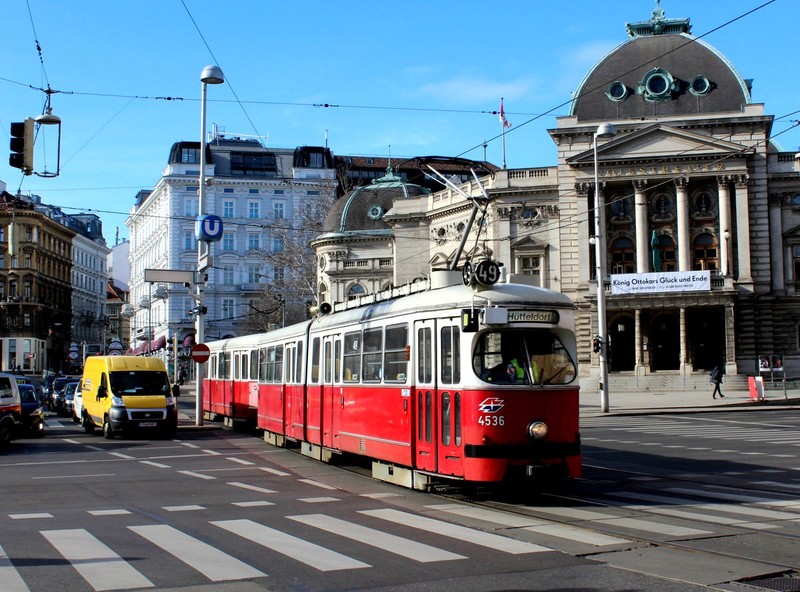
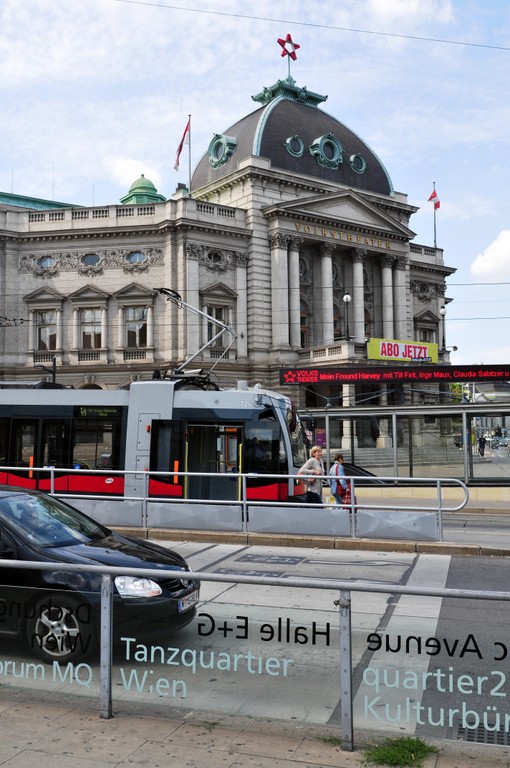
Volkstheater is located at Arthur-Schnitzler-Platz 1, 1070 Vienna. Public transport is convenient: the Volkstheater underground station, served by lines U2 and U3, is directly beside the theatre. Bus 48A and tram 49 also stop nearby. Check current Vienna public transport information before travelling, as services can change.
The main ticket office is generally open Monday to Saturday from 12:00 to 19:30, excluding Sundays and designated public holidays. The evening box office in the main building opens one hour before a performance. Before visiting, check the performance time, entry arrangements and seat availability on the official website. Step-free access to the main theatre is available from the Neustiftgasse side; wheelchair spaces should be booked in advance.
Gallery