History
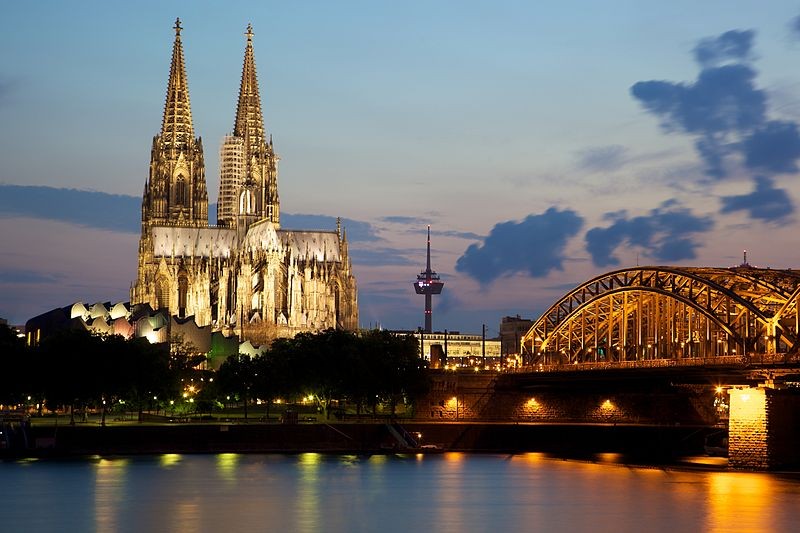
The official name of the state sounds like the Federal Republic of Germany. For the first time, the name of the country was introduced by Julius Caesar. Researchers suggest that the word may come from the Celtic "gair", which means "neighbor". In German, the country is called "Deutschland", which translates as referring to the people. The history of Germany has influenced the life of Europe.
The first settlements were in prehistoric times. Archaeological finds indicate that Celtic tribes lived in Germany before our era. The ancestors of the Germans settled, fleeing from the expansion of the Romans. Historians call the Germans lazy people, but they had no equal in military affairs. They easily subdued neighboring tribes. The founding date of the state is considered to be 962. The German people meant people close to the ruler. They were dukes, counts, and archbishops. Initially, the power of kings and emperors was not inherited. They were elected at the meeting by a narrow circle consisting of electors (princes) of large cities. The decision was considered and considered.
The names Bavaria, Brandenburg and Saxony are still used to designate lands. The Federal Republic was established in 1949. Germans don't like to remember the Second World War. In the 90s, the 5 regions that made up the eastern part of Germany became part of the Federal Republic of Germany.
Germany has come a long way before becoming a world leader. It ranks third in terms of exports and imports of goods. German quality is highly appreciated all over the world. The country ranks sixth in the ranking of countries with a high standard of living. For many years, people have been coming here not only to relax, but also to get an education.
Germany is associated with the birthplace of Ludwig van Beethoven, Friedrich Schiller, Heinrich Koch, Johann Goethe, Heinrich Heine, and the brothers Grimm. Modern prominent personalities include model Claudia Schiffer, Rammstein singer Till Lindemann, and composer Hans Zimmer.
Climate
The weather is predictable, so in Germany, many people watch the weather forecast before going outside. He is truthful and almost always corresponds to reality. The climate is favorable, but conditions differ from each other in different regions. The temperate continental climate mainly prevails, so there are mild winters and warm rather than hot summers.
There is no sweltering heat or storms in Germany. A large amount of precipitation falls in the territories adjacent to the Black Sea and the Baltic coast. There is less precipitation in the central and southern parts, and there is little snow in winter. The minimum temperature is -3 °C, and the maximum is up to +20 °C. The situation is changing during cyclones. Abnormal heat is considered to be +30 ° C, Arctic cold ‒ up to -20 ° C. Temperature fluctuations occur in the eastern sector of Germany, while stability remains in the rest of the country.
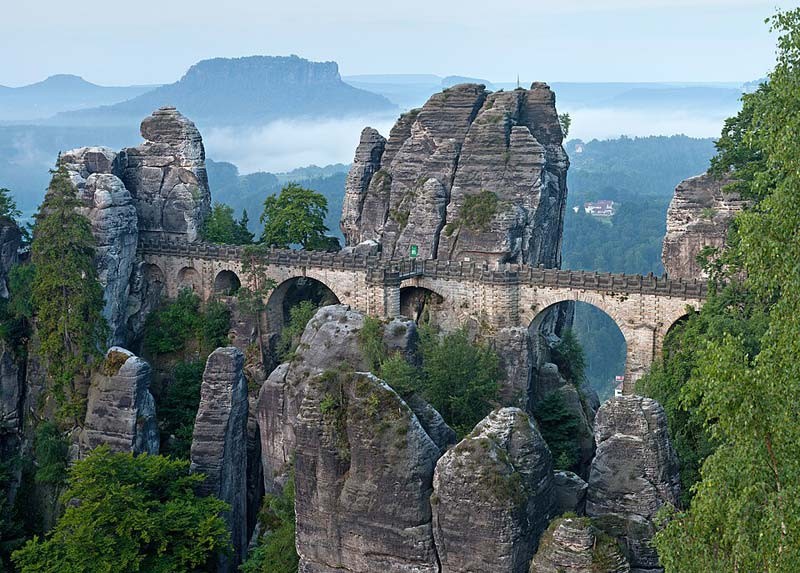
The weather in the German Alps is different. It is cold in winter, and the season is characterized by thick snow cover, but this also attracts tourists who are fond of winter sports and prefer active recreation.
Nature and Wildlife
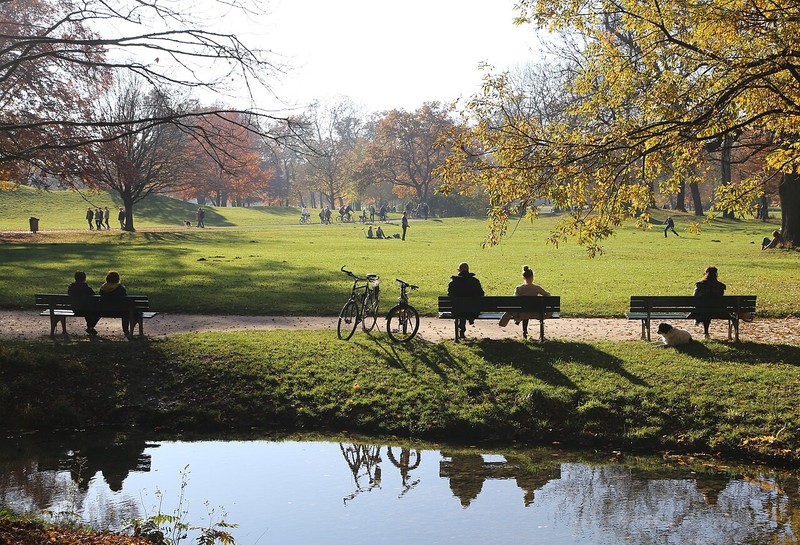
High population density, scientific and technological progress, and industrial zones have virtually no effect on flora and fauna. In Germany, the environment is carefully protected. Due to this, the country is included in the list of states with a favorable environmental situation.
The nature of the country has always inspired artists, poets and writers who admired its beauty in their works. Almost 30% of Germany is forested. Germany provides 70% of the population with wood. About 2 million hectares of land belong to the private sector. The forests are mainly located in the south. Two thirds belong to coniferous trees, and the remaining part consists of deciduous forests, among them oaks, birches and walnut. There are also many wild flowers growing here, there are orchids, violets, fir, gentians and edelweiss. When they bloom in the meadows, it seems that the earth is covered with a living carpet. If you take a photo, it will look like a colorful postcard. Lichens and mosses are concentrated on the peaks. You can pick berries and mushrooms, but you need to be careful not to take poisonous species with you.
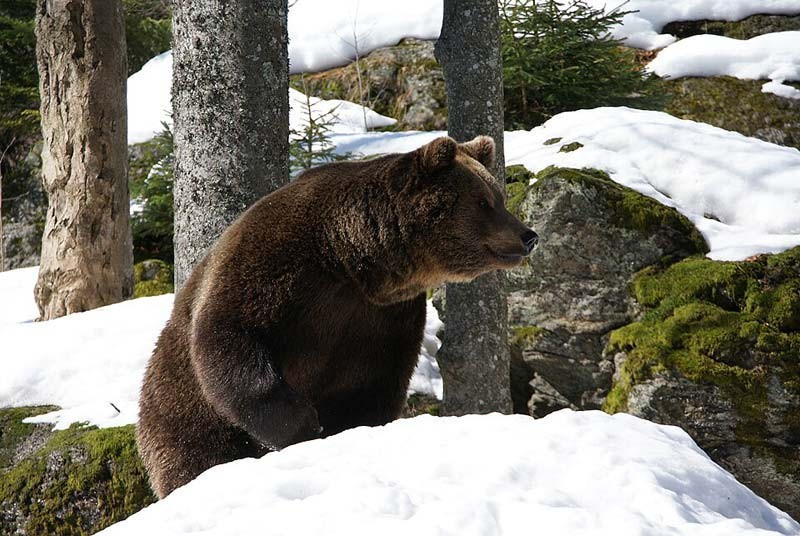
Forests and mountain ranges contribute to the diversity of fauna. Foxes, wolves, and wild boars live in Germany. Residents of Berlin and Munich have recently complained about the invasion of wild boars. This is due to the ban on hunting after the Second World War. Moose, bears and bison are the least common.
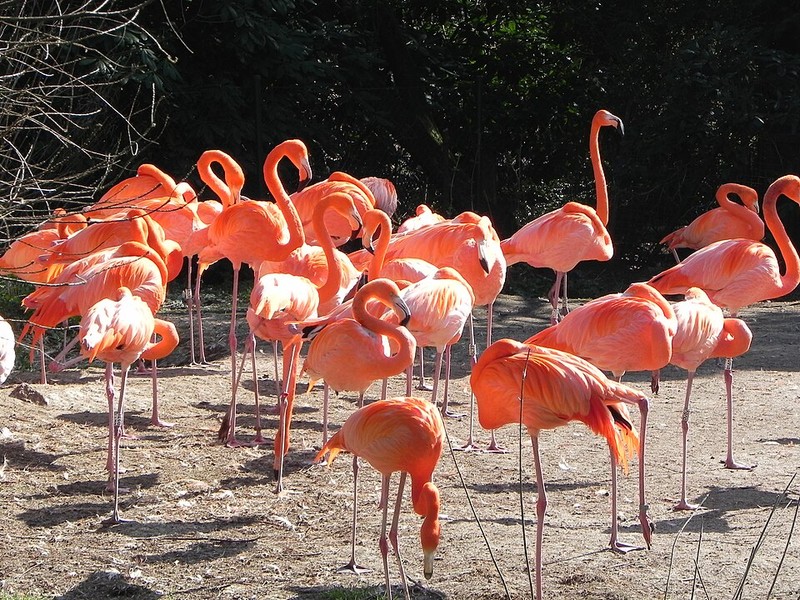
There are also hares, rabbits, deer, badgers and martens. In addition to them, reptiles can be found in natural conditions in the vast expanses of the country. Vipers are the most common. Many migratory birds, especially geese and ducks, migrate across the territory from north to south and from west to east. You can meet swans, cranes, woodpeckers, swallows, owls and storks. Crows are protected by the state. In the aquatic world there are flounder, herring, sea bass, trout, catfish and carp in the rivers.
In order to preserve landscapes, rare plants and animals, more than 55 nature reserves and nature parks have been created. The most famous is the Bavarian Forest. Its natural areas are recognized as a protected area.
Cuisine
There are "3 whales" of national cuisine: sausages, beer and sauerkraut. In Germany they like to eat pork. She is called the queen of German cuisine. There are more than 1.5 thousand types of sausages. They are usually served with sauces. In almost all establishments, you can order baked or stewed pork knuckle, chops. Potatoes and green peas are suitable as a side dish. German dishes are very high in calories, but after a meal you feel full. For a hearty lunch, residents and visitors of Germany are often asked to serve Bavarian beer.
The cuisine of Lower Saxony is slightly different. Instead of pork, lamb is preferred here, and they like to serve assorted berries for dessert. In Hamburg, they cook eel soup and roast sea tongue. They love fish here, so you can buy it smoked.
The most popular establishments are:
- Einsunternull (Berlin) ‒ a Michelin-starred restaurant, which enhances the status of the institution. The dishes here are prepared in the author's execution. A full-time sommelier will help you choose a drink for your meal. The lower level of the restaurant is located in a former brewery building.
- Mutter Hoppe (Berlin) ‒ you can order homemade German cuisine here. The dishes are served in large portions, so no one leaves hungry. The menu is served in German, English, and Russian.
- Live music is played every Friday.
- Hofbrauhaus (Munich) ‒ the prototype of the court brewery with massive wooden tables, similar to the furniture of the XIX century. The hall is designed for 1300 guests. The menu is served in different languages. An open-air beer garden has been opened.
- "Loewenbraeu" (Bavaria) ‒ the restaurant is always noisy, it is designed for large companies. There is a private beer and wine cellar. The building accommodates 300 visitors.
German beer is one of the best-selling exports. It undergoes strict quality control. The restaurants have a huge variety of drinks. Many establishments have a large selection of buns, cakes and gingerbread. Bread is always fresh everywhere, it is baked from different types of flour.
Housing Rental
Right-hand traffic in Germany. If tourists have a driver's license and they are of legal age, you can rent a car. It will be much more convenient to move around. This gives you complete freedom to choose attractions.
There are several rental services.
Visa
Germany is a member of the Schengen area, and the visa regime is in effect. You need a passport and a visa. To receive it, you need to specify the purpose of the trip, its dates and residential addresses, and attach 2 photos. If there is an invitation from a German citizen, the original document is required with a signature certified by the Office for Foreigners. If the inviting party does not want to take responsibility for the costs of possible medical care, you should take an insurance policy with you.
There are customs regulations that you need to familiarize yourself with before traveling. There are no restrictions on the import or export of national or foreign currency. But cash of more than 10 thousand euros must be declared.
The transportation of prohibited vehicles is strictly prohibited. These include drugs, poison, psychotropic substances, and weapons. Fuel cannot be exported from Germany. If the border is crossed by car, the spare canister should not contain more than 10 liters of fuel. Transportation is strictly on schedule. This should be taken into account so as not to be late.
Holidays
To get to know the country better, you can go to a large-scale celebration and feel its atmosphere. There are a lot of such events in Germany. Mass celebrations will bring positive memories for a long time and help overcome the language barrier.
Oktoberfest is the most ambitious German festival. Large-scale festivities take place in Munich every year in the second half of September and the beginning of October. For 16 days, the city turns into a large pub. The guests of the festival drink millions of mugs of the best beer and eat meat and legendary Bavarian sausages. There is also a mobile entertainment fair.
Fastnacht is a colorful procession in fancy dress. People usually dress up as yetis, magicians, sorcerers, jugglers, princesses, and even politicians. During the carnival, confetti "explodes", the audience treats each other with sweets. A concert is being held in honor of the holiday.
Kiel Week is a sailing festival celebrated every June in Kiel. There is no exact date, but it is the last week of the first summer month. The program includes folk festivals, processions and a sailing regatta. A stage is being set up on the embankment, where comedians, musicians and circus performers perform.
The Berlin Marathon is a mass race that has been held since 1974. The holiday popularizes sports and promotes a healthy lifestyle. Sometimes, due to the large number of people willing to participate in this sporting event, the organizers reject applications. There are distances for running, athletic walking, wheelchair riding, a roller skating marathon and symbolic children's competitions.
Bochum Total is a summer music festival taking place in Bochum. The teams perform in different genres, including jazz and heavy rock. The event was first held in 1986. This is a great opportunity to have fun: you can listen to music and meet new friends.
Germany loves scale, so they prepare for the holidays in advance. Festivals are usually held for about a week.
Shopping
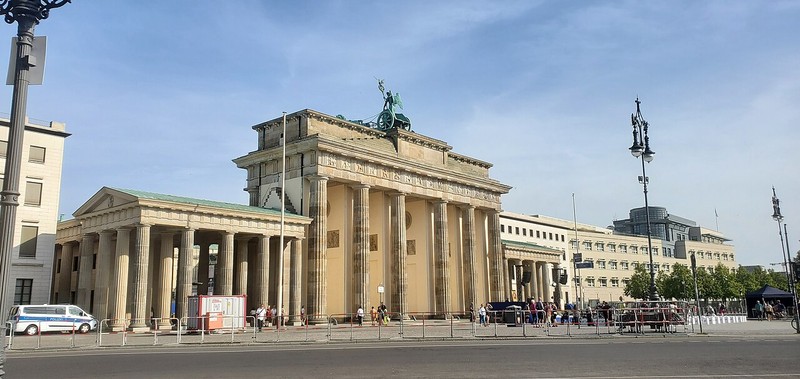
All products in Germany are characterized by high quality. You can refund the Tax free for purchases. There are 2 discount seasons: winter and summer. Berlin is considered the center of shopping in Germany. A wide range of products is available at the Kaufhaus des Westens shopping center. This is a department store that occupies 7 floors. There are imported goods in shops and supermarkets. If you need products from local manufacturers, you need to pay attention to the labels, where more detailed information will be provided. As a rule, they are the highest quality on the counter.
There are large malls in all cities with a population of 100,000 or more. You can completely update your wardrobe, things will last a very long time. Friends and relatives can buy souvenirs.
Retail stores are open from 7.00 to 18.30. They close at 2 p.m. on Saturdays and are closed on Sundays. On this day, almost all trading is suspended. But this rule does not apply to cafes and restaurants. There are flea markets where you can buy antiques cheaply.
Entertainment
All conditions for comfortable rest and entertainment have been created in Germany. You can create a cultural program for every taste.
The German Historical Museum. It was founded in Berlin in 1987. Today it houses more than 2,000 exhibits. During the tour, you can learn about the history of German development in all existing industries.
Dinosaur Park. It is located in the suburb of Kleinvelk. Dresden and Bautzen are located nearby. In this park, you can be transported to the primitive world and find out which dinosaurs lived before our era. You can come here with children, a large and friendly company, or alone. An interesting pastime is guaranteed.
Amusement park and zoo "ZOOM". It is located in the Ruhr area. The day flies by here. You can travel around the world in 1 day. Guests can look at exotic animals, learn about habitats and get acquainted with the culture and traditions of other countries.
The Hamburg Dungeon Horror Museum. It is located in Hamburg. A great place for thrill seekers and those who want to get distracted and have an unforgettable time. You can watch a theatrical performance (the show lasts 90 minutes) or visit the fear rooms, take a walk through an unusual amusement park.
Hotels
In the country, hotel stays are divided into 4 categories. You can stay in a hotel, a Garni hotel, a boarding house and an inn. You can hire a porter at the hotel and eat at the restaurant. The conditions in Garni are almost the same, but visitors are not offered food and drinks. Either there is only one breakfast in the program, or there will be no meal at all. The pension is located near the resort area. The inn is a small, cozy, but quiet hotel.
The star system of hotels is not in demand in Germany. However, practice shows that some tourists prefer to stay in three-star hotels. The rooms are not spacious, and the facilities in the form of a shower and toilet are provided on each floor with one copy. But there is comfortable furniture and a mini-bar. The more stars the hotel has, the more expensive the room will cost. But the conditions will be better.
Rooms can be booked in advance and, if necessary, a transfer to the airport can be arranged. This service is especially in demand for those who are visiting Germany for the first time.