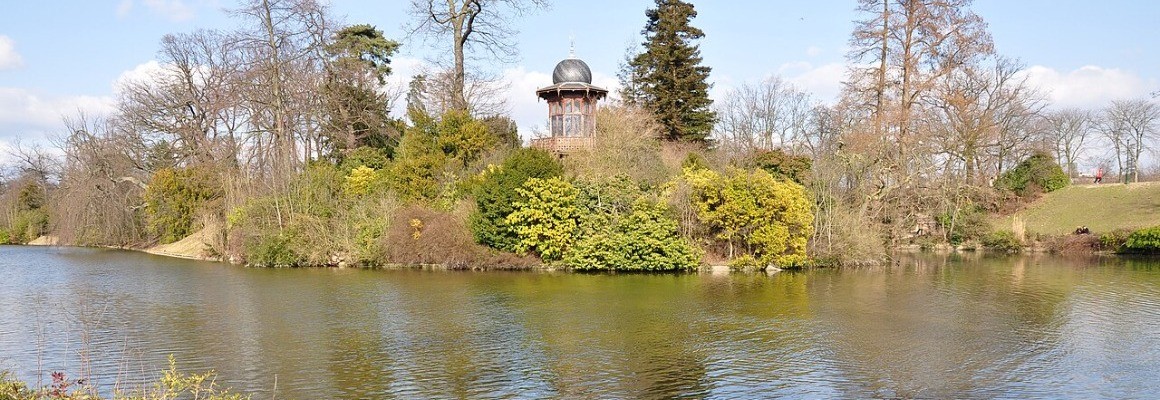
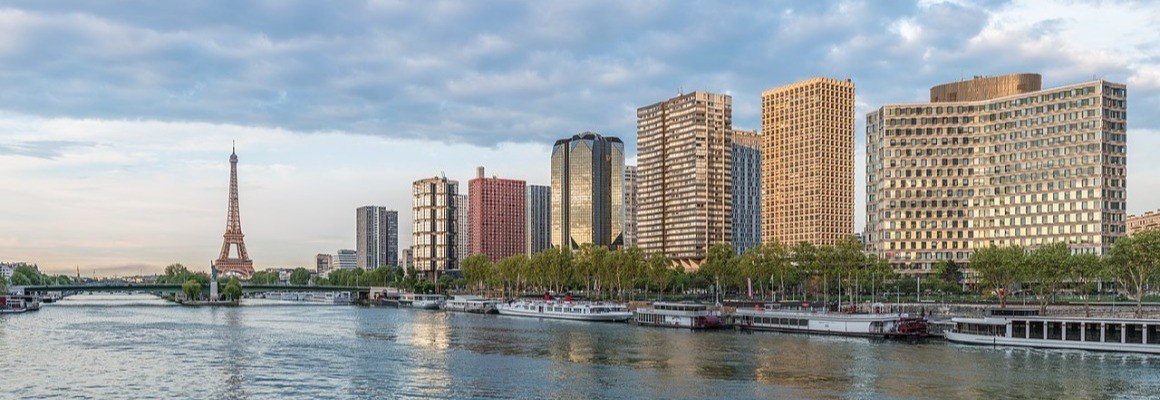
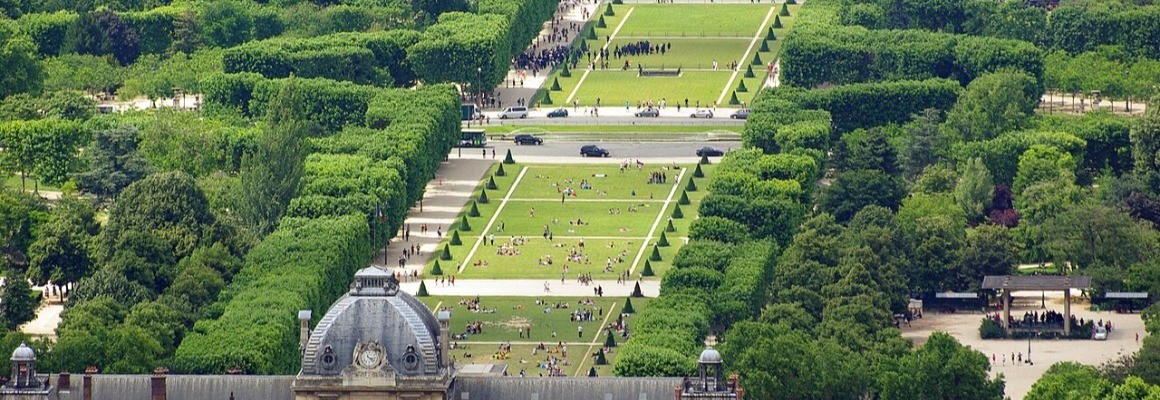
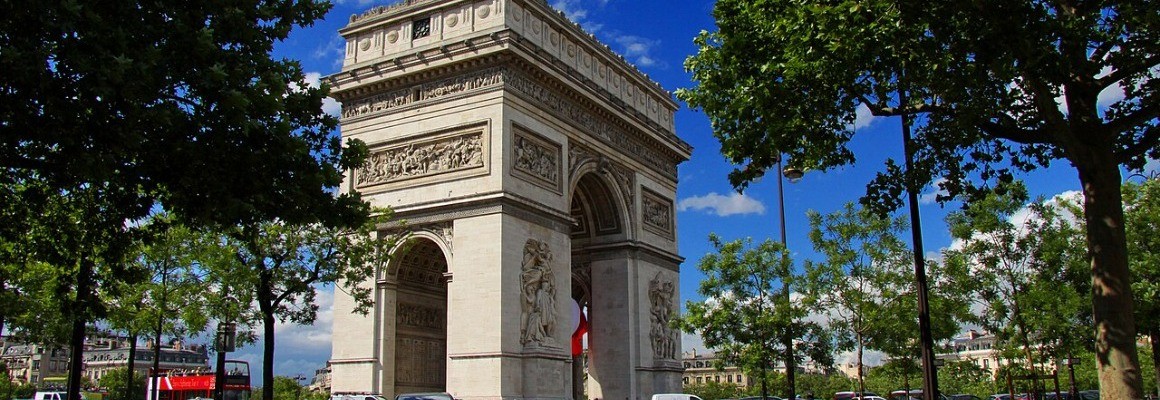
Parc de Saint-Cloud is one of France’s finest historic parks, located in the western suburbs of Paris on hills overlooking the Seine. Its official name is the Domaine national de Saint-Cloud. Covering approximately 460 hectares, the estate includes formal gardens, broad avenues, fountains, sculptures, wooded areas, and viewpoints with panoramic views of Paris and its surroundings.
Today, the park is an important example of French landscape design and a popular place for walking and relaxing. It preserves elements of the formal gardens developed in the 17th century with the involvement of André Le Nôtre, as well as traces of the palace that once stood at the heart of the estate.
History of the estate
The history of Saint-Cloud reaches back to the 16th century. In 1577, Catherine de’ Medici acquired a property here, which later passed to Jérôme de Gondi. Terraced gardens, fountains, and ornamental pools were developed around the country residence.
In 1658, the estate came into the possession of Louis XIV, who gave it to his brother Philippe of Orléans, known at court as Monsieur. Under Philippe, the grounds were greatly expanded, new avenues and water features were created, and a palace was built in the 1670s. André Le Nôtre contributed to the gardens, while architects Antoine Le Pautre and Jules Hardouin-Mansart worked on the palace and water features.
In 1785, Queen Marie Antoinette acquired the estate and arranged further improvements. Saint-Cloud later served as a residence for French rulers and became closely connected with the country’s political history.
Napoleon and the palace
In November 1799, the coup of 18 Brumaire took place in the palace orangery, helping Napoleon Bonaparte seize power and establish the Consulate. Napoleon was proclaimed emperor in 1804, and his civil marriage to Marie Louise of Austria took place at Saint-Cloud in 1810.
During the Franco-Prussian War, the palace was badly damaged by fire in 1870. The remains were demolished in 1892. Today, historical documents, museum exhibits, and the surviving layout of the grounds preserve the memory of the vanished residence.
The Grande Cascade
The Grande Cascade is the park’s most famous feature and an outstanding example of 17th-century landscape and hydraulic engineering. Its upper section was designed by Antoine Le Pautre in the 1660s. Between 1697 and 1699, Jules Hardouin-Mansart enlarged the ensemble by adding the lower cascade and a canal.
The structure extends for almost 200 metres and descends approximately 20 metres. Water flows through several levels, basins, and cascades. Stone balustrades and decorative sculptures give the ensemble its monumental appearance. The cascade formed part of an elaborate hydraulic network of channels, reservoirs, and pools.
Gardens and panoramic views
André Le Nôtre used the natural hillside to create broad perspectives, terraces, and long avenues. Formal gardens blend with woodland, open lawns, and later landscape-style sections. Viewpoints offer sweeping scenes of the Seine, Paris, and the western suburbs.
The park changes with the seasons. Trees and gardens awaken in spring, the broad lawns are especially inviting in summer, autumn brings golden and reddish foliage, and winter reveals the precise geometry of the avenues and terraces.
What to see
A visit should include the Grande Cascade, the historic terraces, and viewpoints overlooking the river valley. History enthusiasts can explore the layout of the former palace grounds and imagine the vanished residence. The town of Saint-Cloud also has a museum dedicated to local history and the estate.
Because the park covers about 460 hectares, several hours are useful for exploring its main highlights. Visitors can also follow woodland paths, relax on the lawns, and enjoy the changing scenery.
When to visit
The park welcomes visitors throughout the year. Spring brings fresh greenery, summer is ideal for shaded walks, and autumn offers colourful foliage. Winter is generally quieter. Opening hours vary by month, and certain areas may close temporarily, so check current information before visiting.
How to get there
The park lies west of Paris, in the commune of Saint-Cloud and neighbouring towns in the Hauts-de-Seine department. Public transport from Paris includes train, tram, or bus services, followed by a walk to one of the entrances. Entry to the park is generally free, although special events and guided activities may have separate conditions.
Wear comfortable shoes, bring water, and dress for the weather. Follow signs, respect temporary closures, and avoid damaging plants or historic structures. Parc de Saint-Cloud combines French royal history, landscape design, engineering, and nature in one of the most remarkable historic green spaces near Paris.
Gallery