Wadi El Rayan – an oasis of lakes and waterfalls
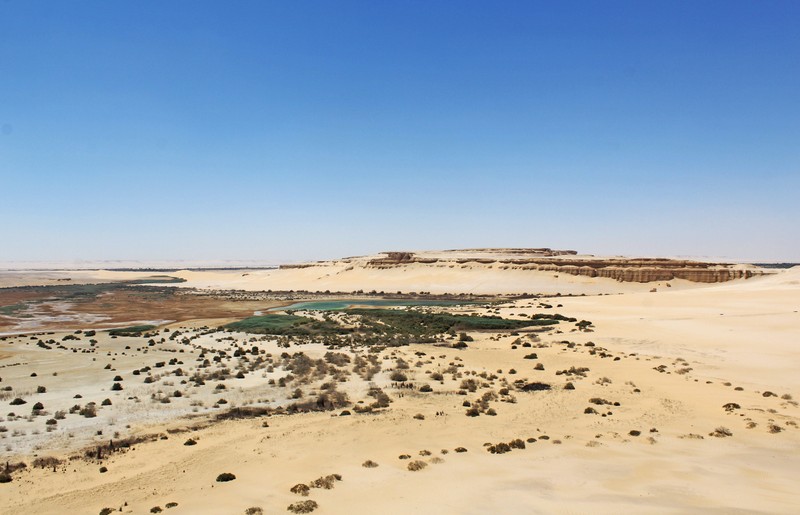
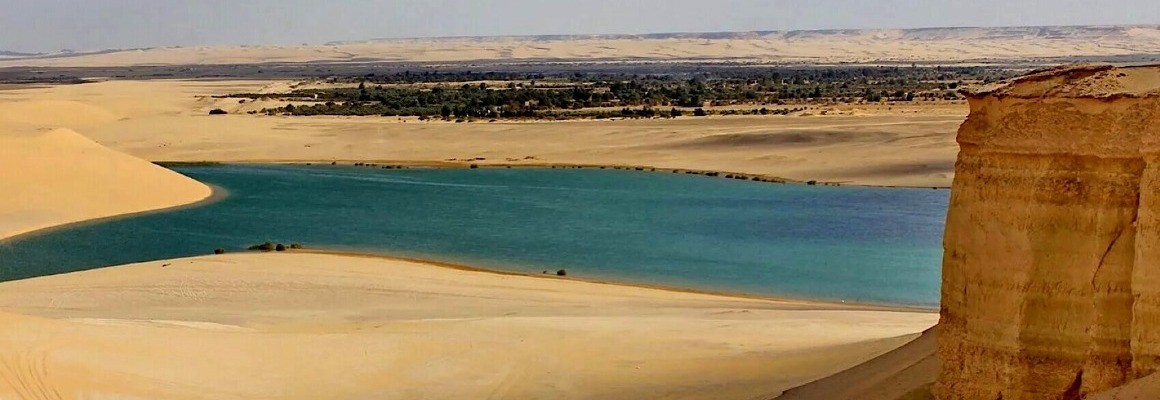
Wadi El Rayan is a protected natural area in the southwestern part of the Faiyum Depression in Egypt’s Western Desert. Large lakes lie among sand dunes, rocky hills and arid plains. Located about 150 kilometres from Cairo, the reserve is known for its waterfalls, desert scenery and birdlife.
History of the reserve
Wadi El Rayan was designated a protected area in 1989 and covers approximately 1,758 square kilometres. The lakes began forming in the 1970s, when excess agricultural drainage water from Faiyum flowed into a desert depression. Two large lakes gradually developed, connected by a series of cascades.
The Upper and Lower Lakes
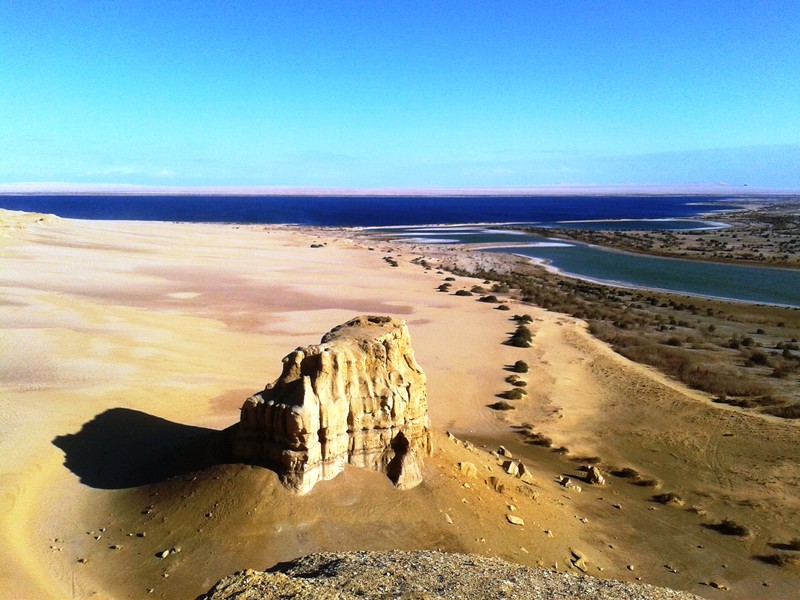
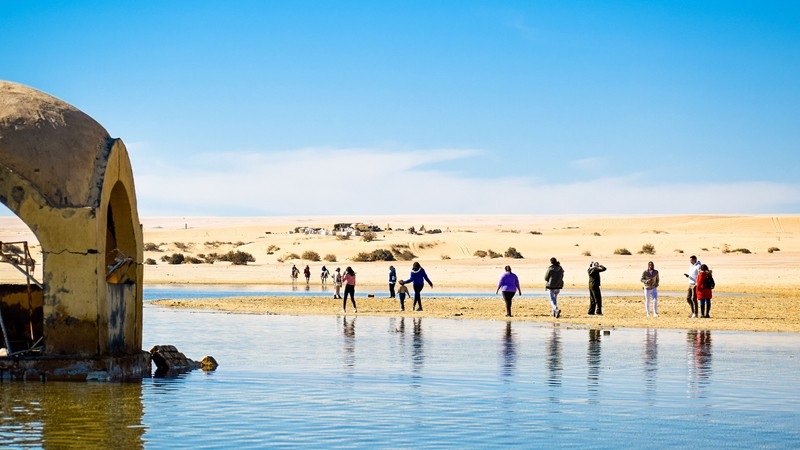
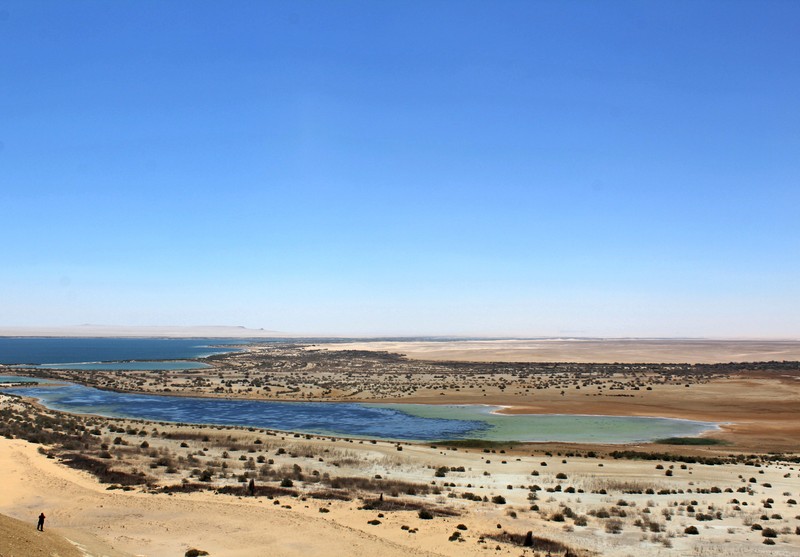
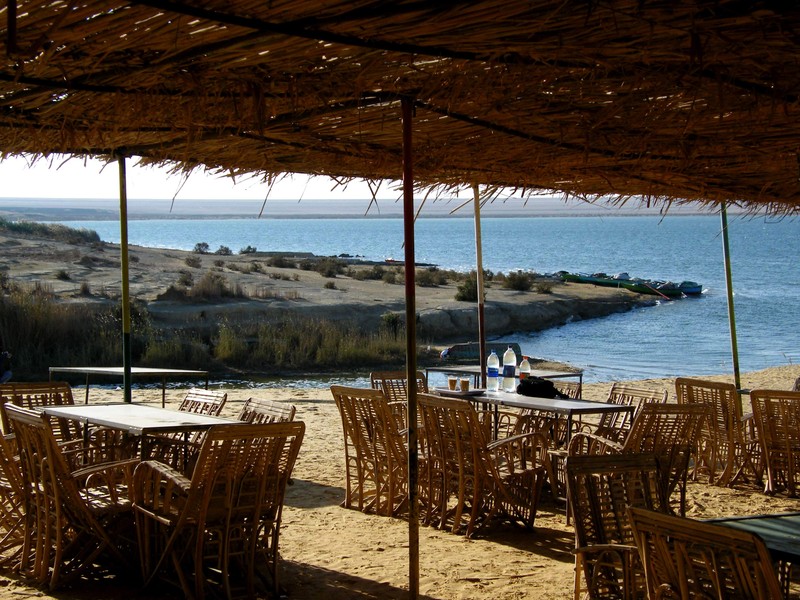
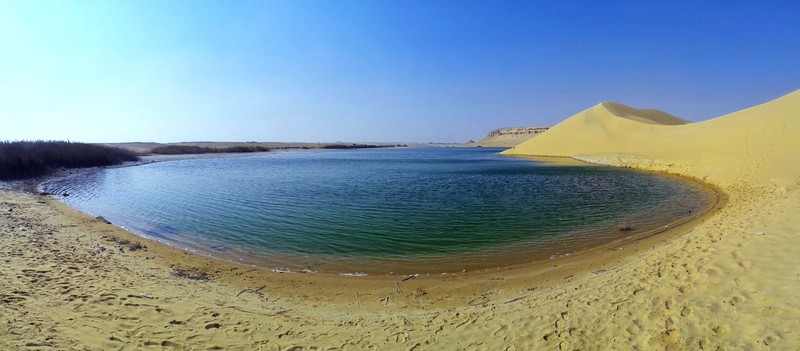
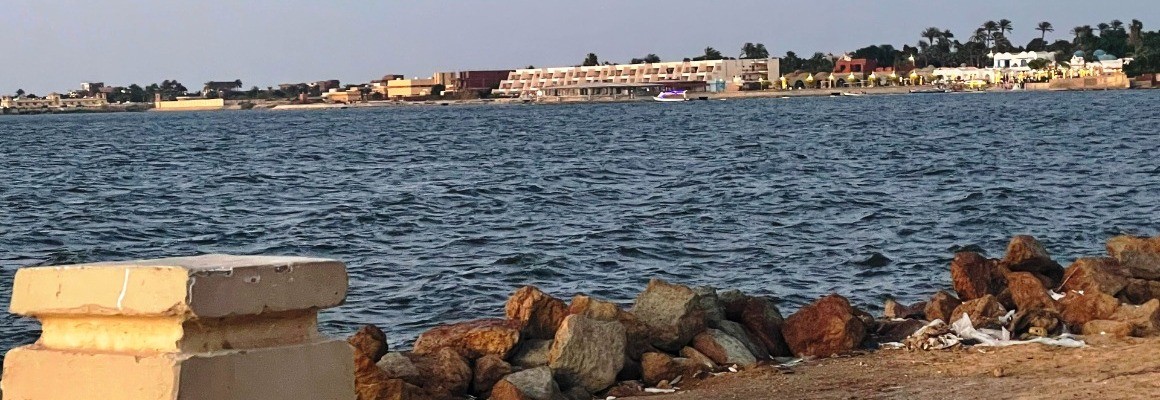
The Upper Lake lies to the north, while the Lower Lake is farther south. Their shores are surrounded by desert plains and sandy slopes. The lakes provide habitats for fish and waterbirds. Because of the hot climate and the inflow of drainage water, their water chemistry differs from that of natural freshwater lakes.
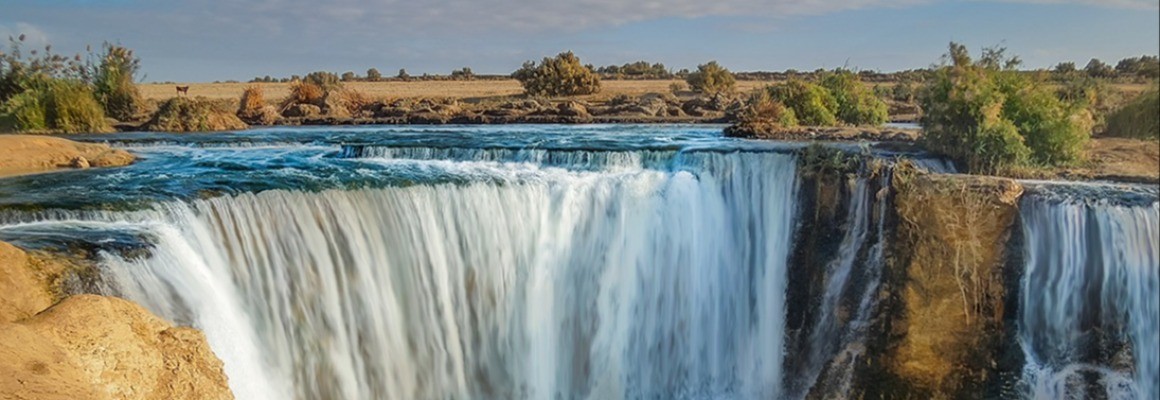
Wadi El Rayan Waterfalls
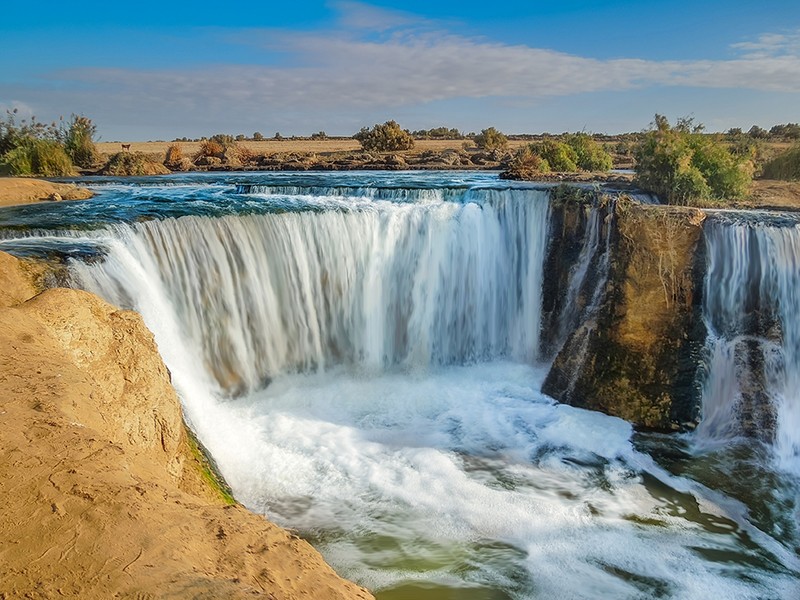
The reserve’s best-known attraction is the cascade between the two lakes. Water passes through a connecting channel with a change in elevation, forming waterfalls that look striking against the desert landscape. The area is popular for short walks and photography. Swimming and water sports should only take place where permitted.
Sand dunes and natural springs
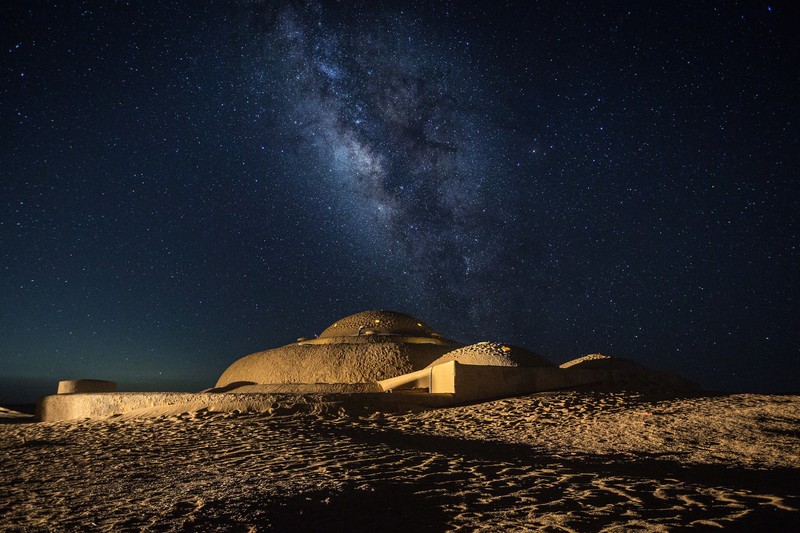
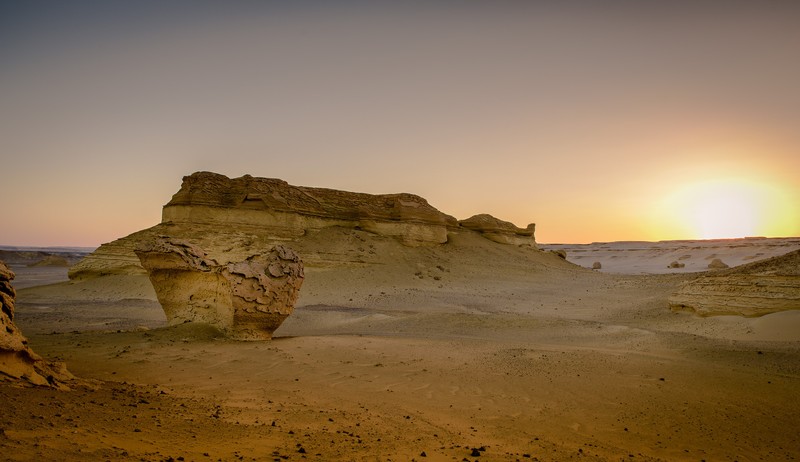
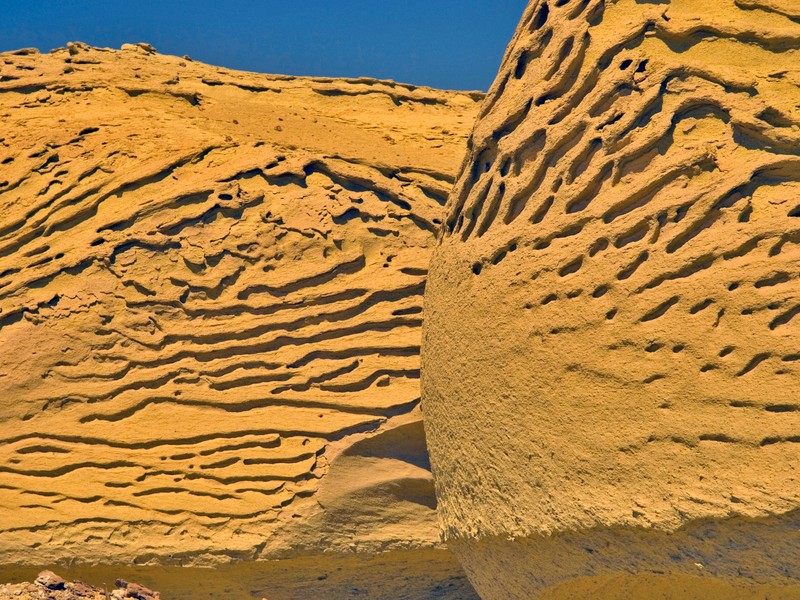
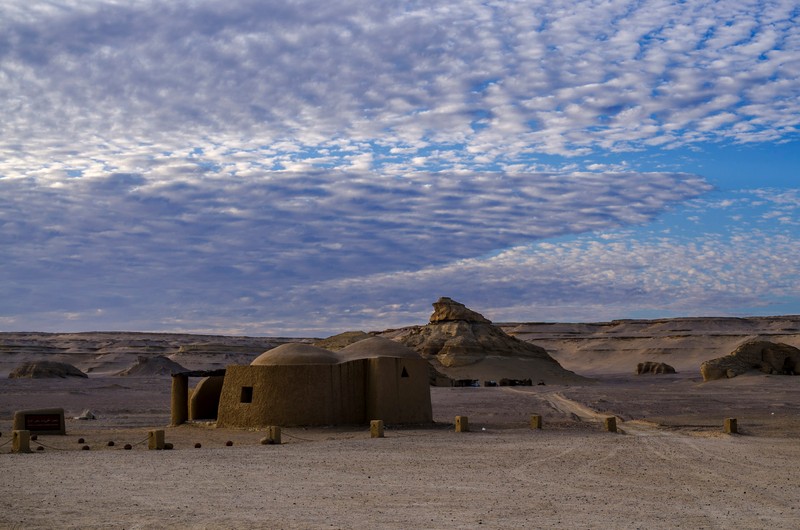
Beyond the lakes are sand dunes, open plains and rocky formations. The southwestern part includes the Oyoun El Rayan area, known for natural springs, desert vegetation and wildlife habitats. To protect this fragile environment, visitors should avoid polluting the water, damaging plants or leaving rubbish.
Al Modawara Mountain
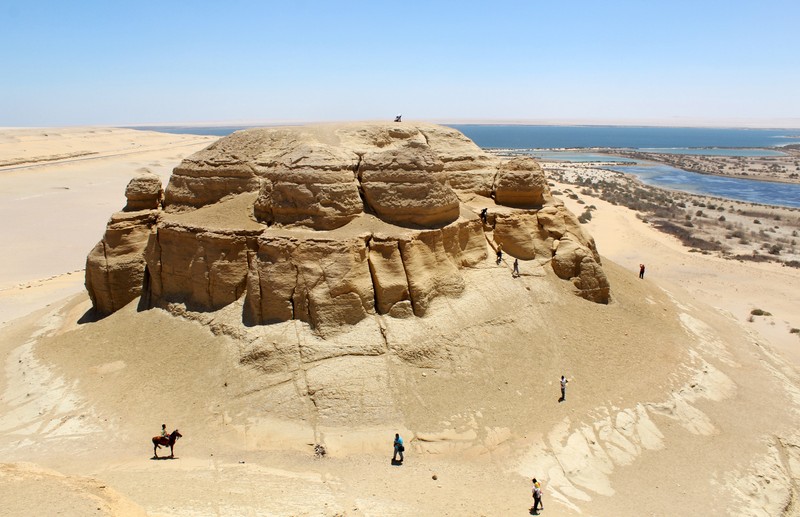
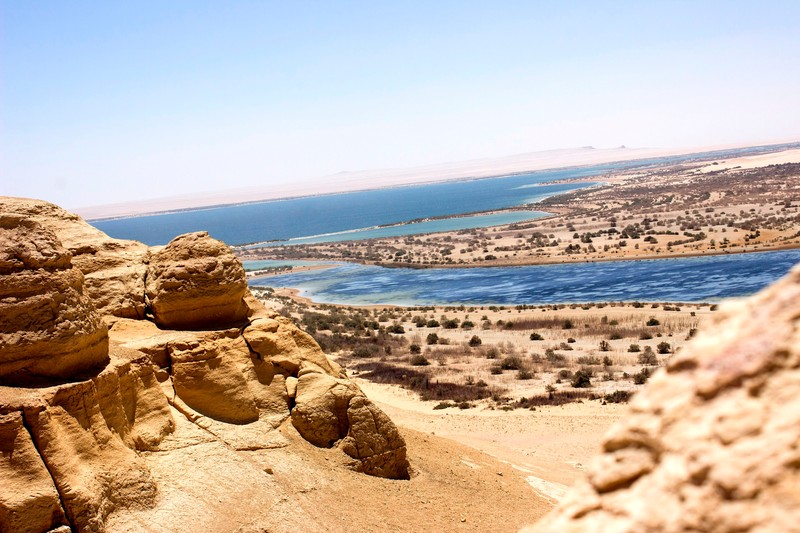
Near the Lower Lake, Al Modawara Mountain is known for its distinctive rock formations and panoramic views over the water and desert. Walkers should take account of the heat, loose ground and lack of marked trails in some places.
Birds and wildlife
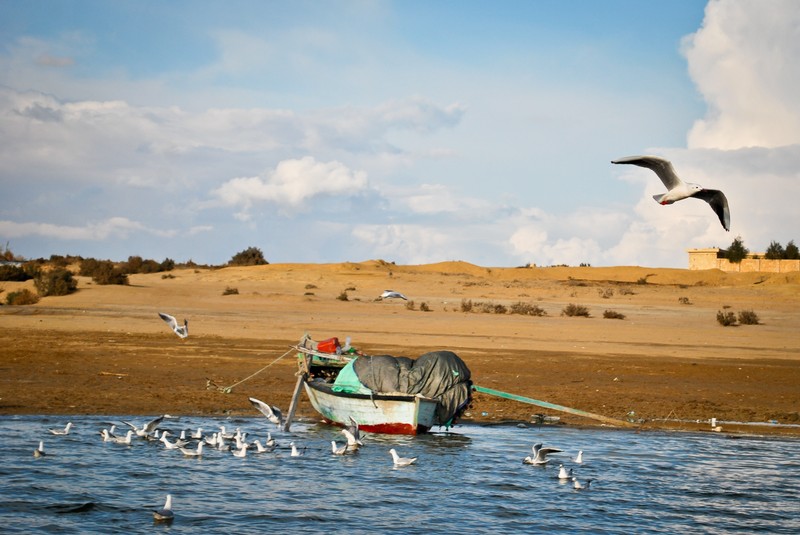
The lakes and their shores attract waterbirds, gulls and other species, especially during seasonal migrations. Desert areas are home to gazelles, fennec foxes, reptiles and other animals adapted to dry conditions. Wildlife is best observed during cooler hours and from a respectful distance.
The Valley of the Whales
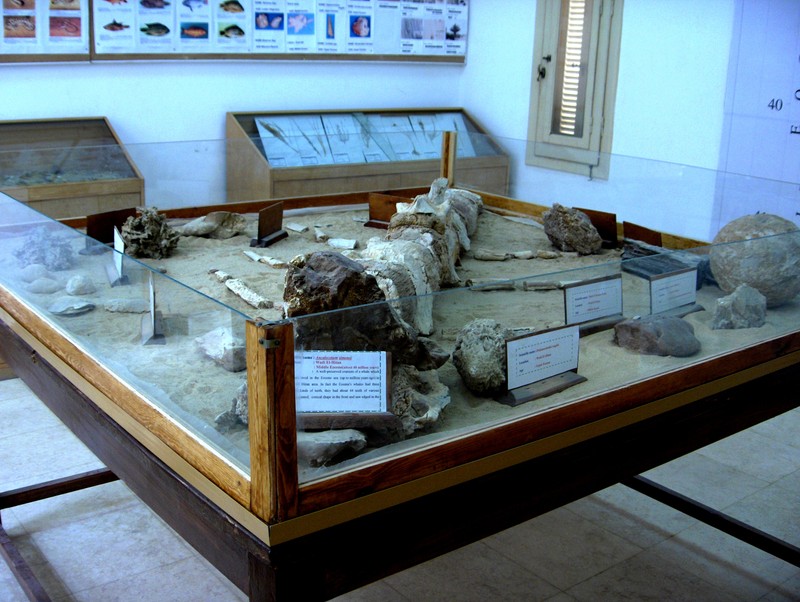
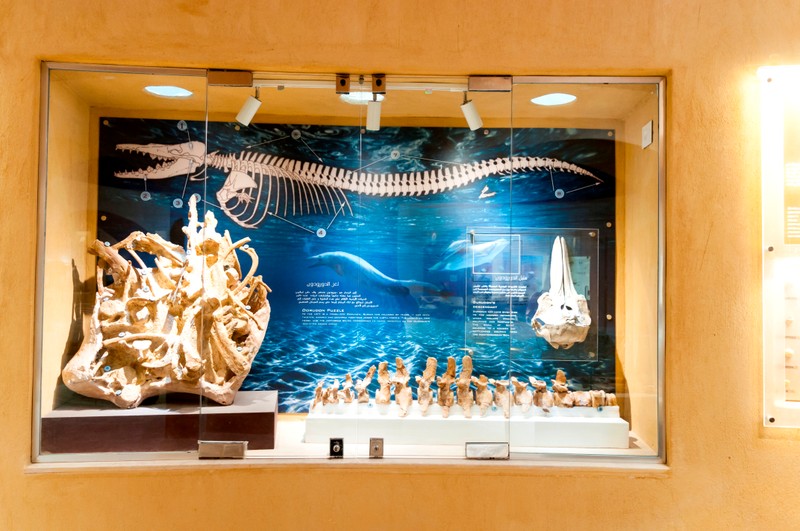
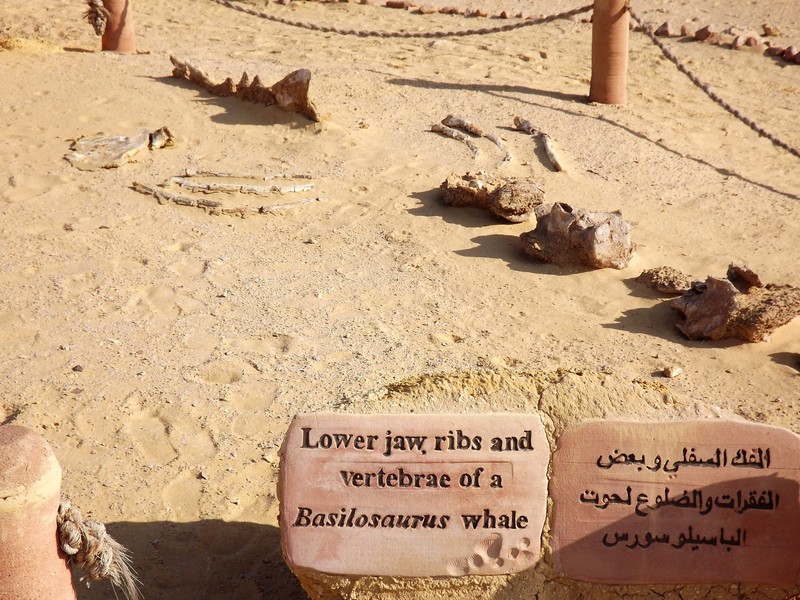
Nearby Wadi Al-Hitan, or the Valley of the Whales, is a UNESCO World Heritage Site. It contains fossil remains of ancient cetaceans dating back around 40 million years. These discoveries help researchers study whale evolution and the transition of their ancestors from land to water. Visitors must follow conservation rules and never disturb or collect fossils.
Things to do and the best time to visit
Visitors can enjoy the waterfalls, photograph desert scenery, watch birds and explore geological sites. Autumn, winter and spring are generally the most comfortable seasons. In summer, arrive early, carry enough drinking water and bring a hat and sun protection.
How to get there
From Cairo, travellers usually drive through Faiyum city and continue by road to the lakes and waterfalls. A hired vehicle or organised tour is more convenient for remote sections of the reserve. Check access rules and route conditions before travelling.
Why visit Wadi El Rayan
Wadi El Rayan combines lakes, waterfalls, sand dunes, rocky hills and diverse birdlife. Together with the Valley of the Whales and the historic sites of Faiyum, it offers a rewarding route for travellers seeking Egypt’s natural landscapes beyond the usual tourist destinations.
Gallery