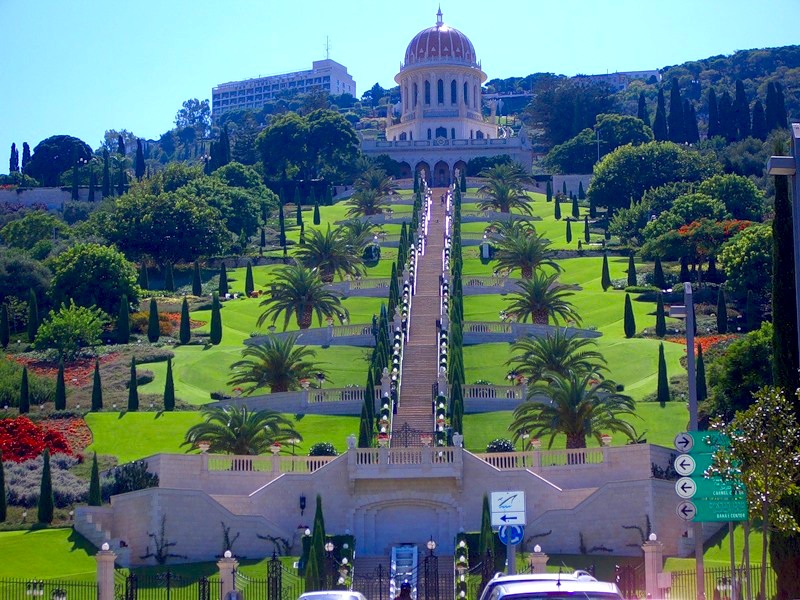
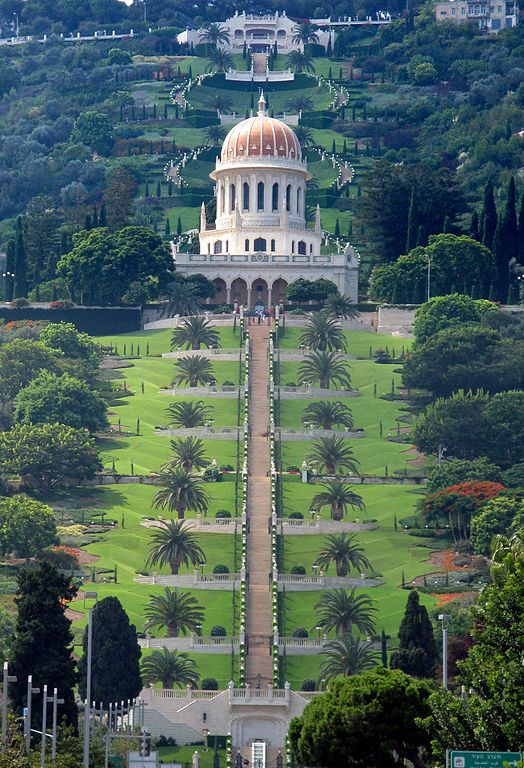
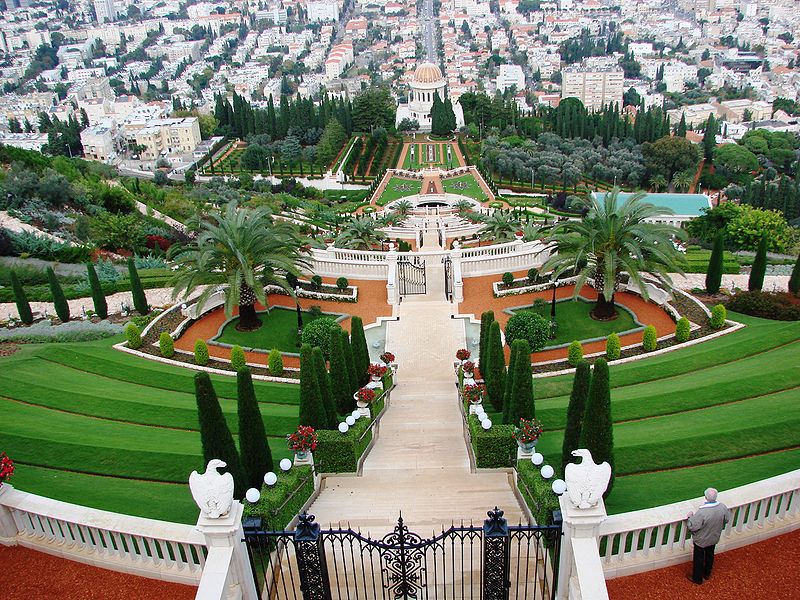
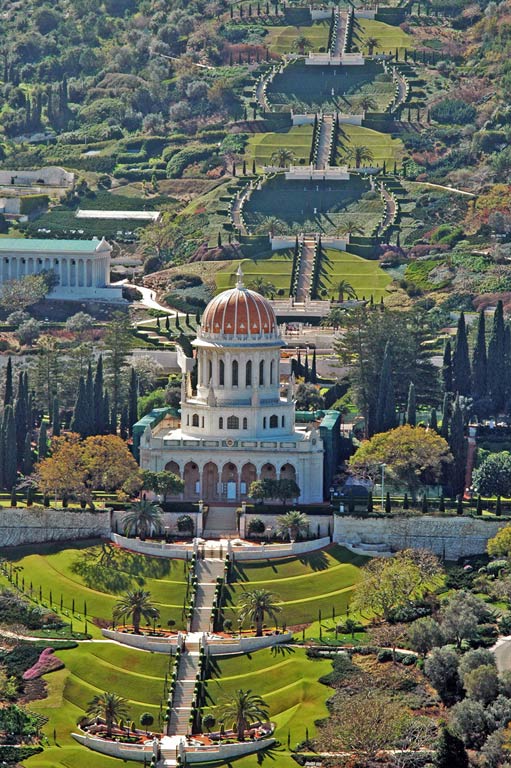
The Bahá’í Gardens are among Haifa’s best-known landmarks, situated on the northern slope of Mount Carmel in Israel. This extensive garden complex consists of nineteen terraces descending the hillside toward the city centre. At the heart of the design stands the golden-domed Shrine of the Báb, one of Haifa’s most recognisable symbols.
The gardens are admired for their symmetry, immaculate lawns, flower beds, cypress trees, stone stairways and panoramic views of the city, the Mediterranean Sea and Haifa Bay. They are more than a public garden: they are a sacred place for followers of the Bahá’í Faith and an important part of the Bahá’í World Centre.
Nineteen terraces on Mount Carmel
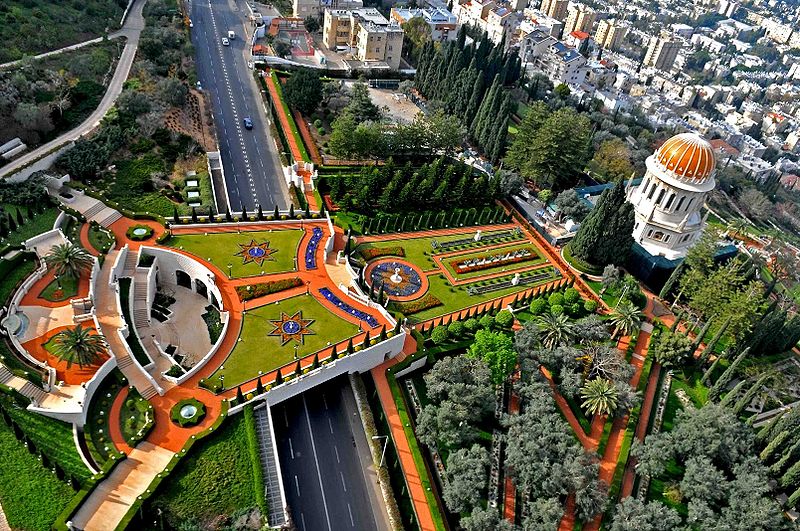
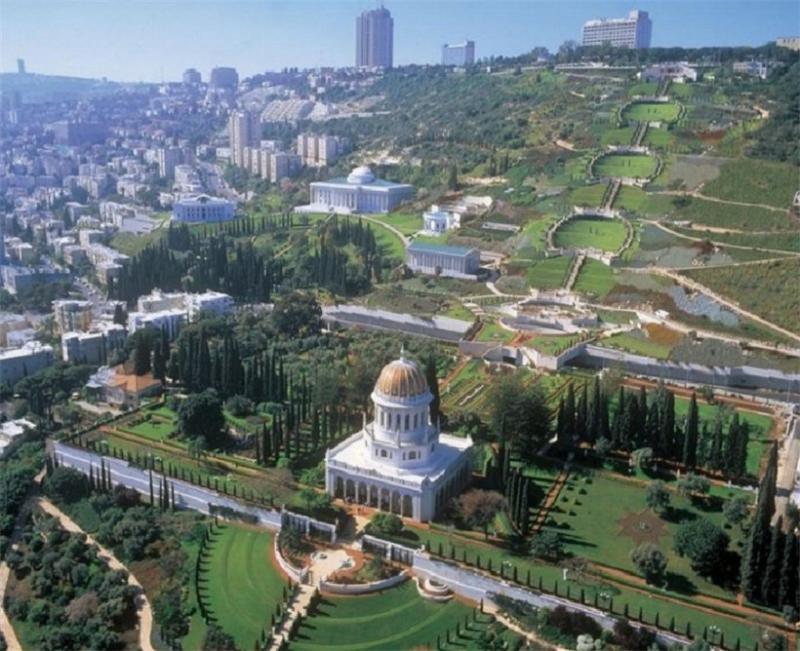
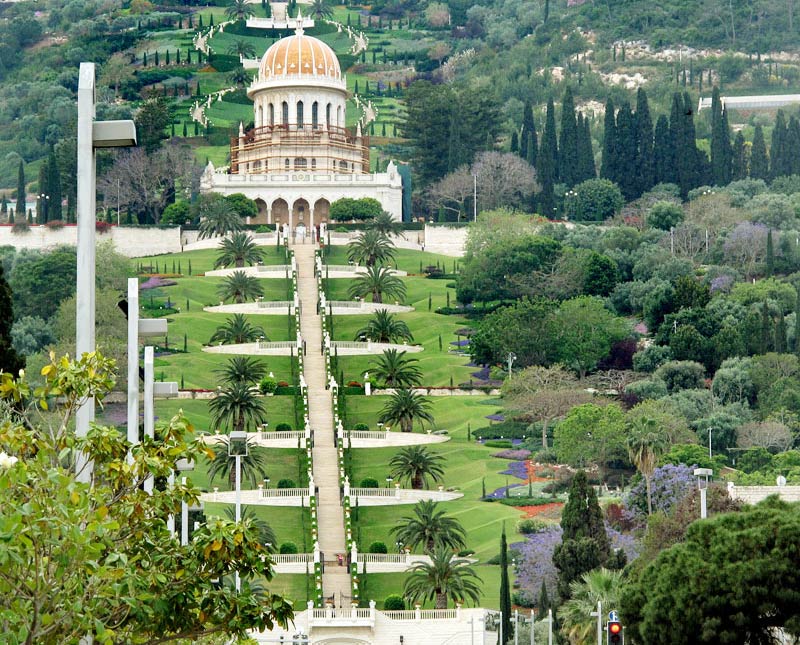
The terraces form a garden staircase stretching for about a kilometre along the mountain slope. Their arrangement emphasises the central axis of the complex and draws the eye toward the golden dome of the Shrine of the Báb. The difference in elevation between the upper and lower sections is about 225 metres, making the gardens a unified architectural composition integrated into the hillside.
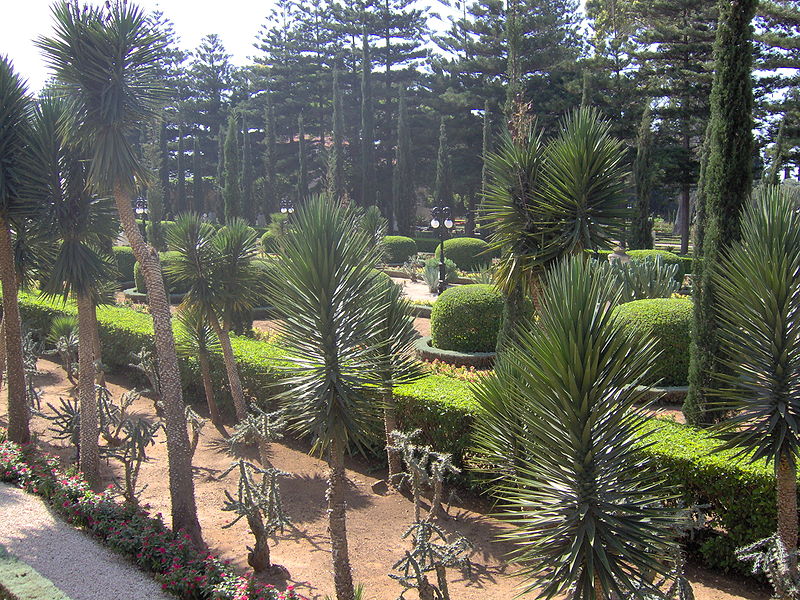
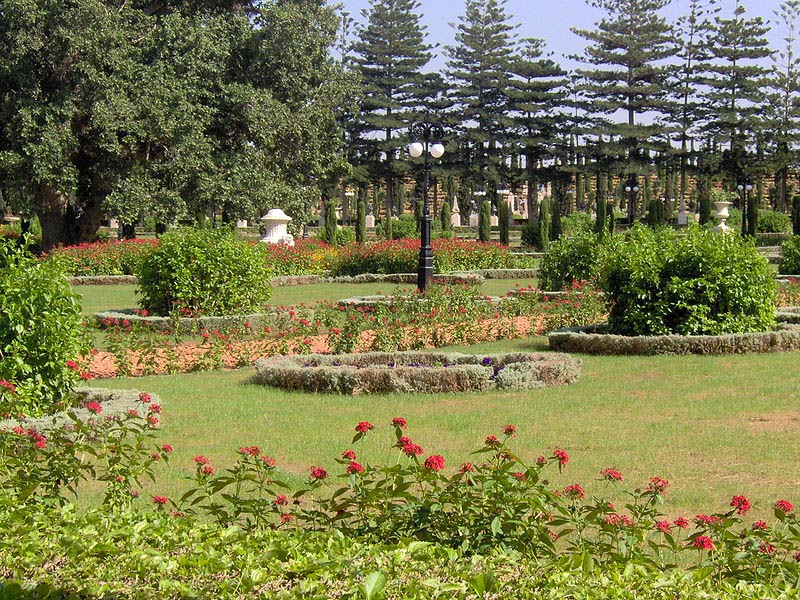
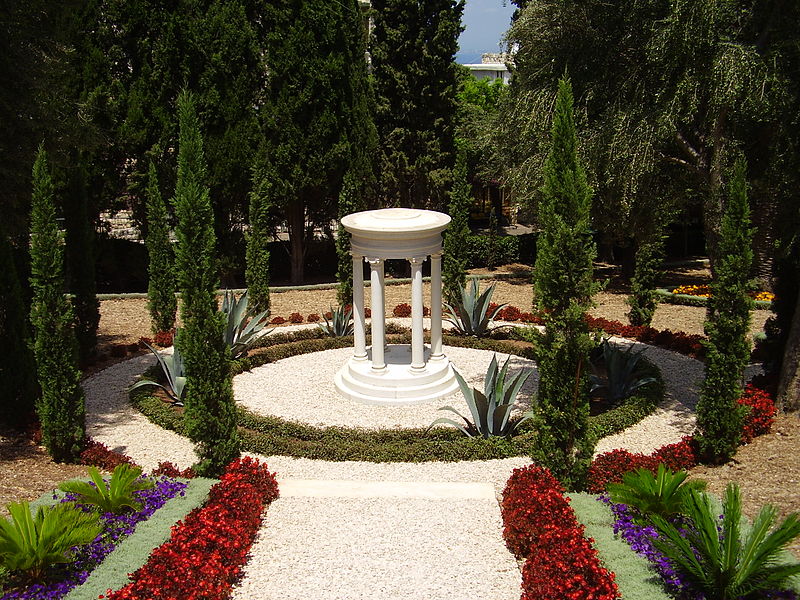
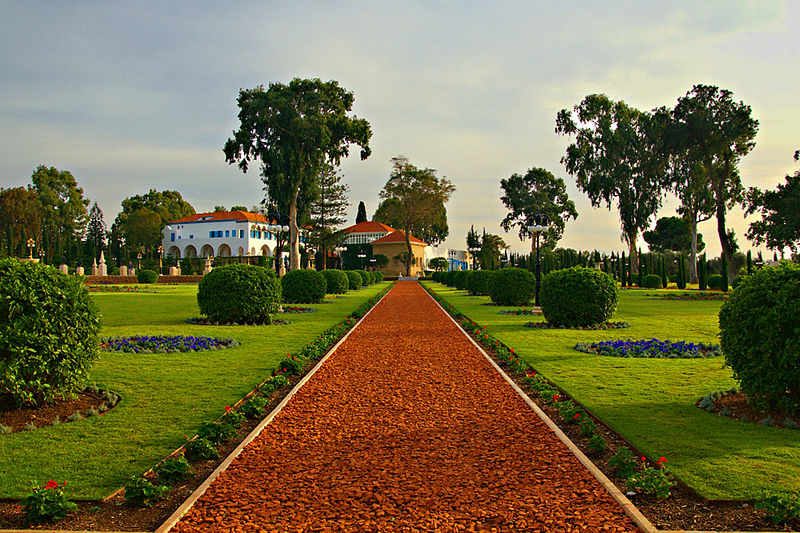
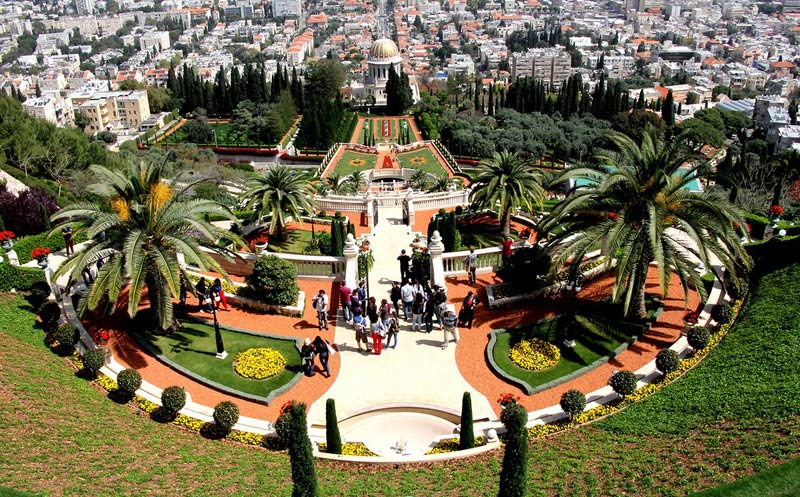
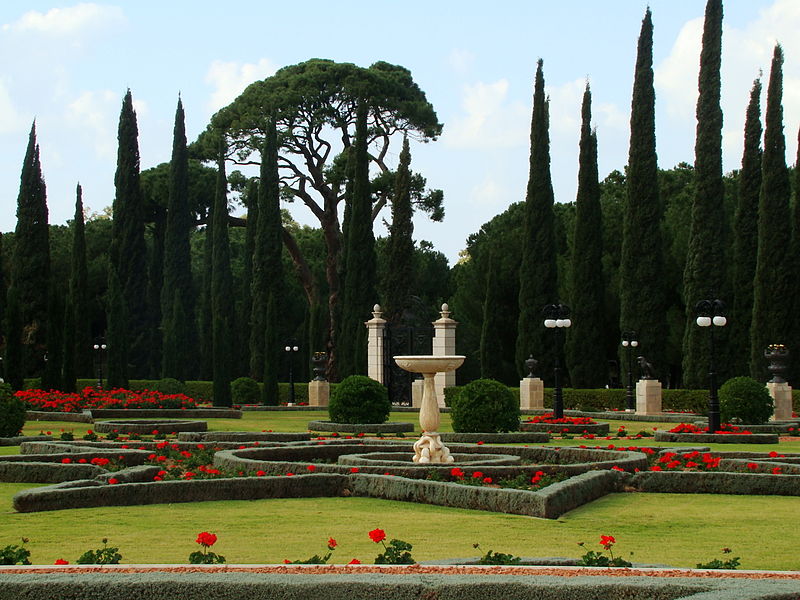
Each terrace has its own arrangement of paths, lawns and flower beds, while symmetry links the entire design. Clipped shrubs, cypress trees, stone borders and carefully maintained paths create a sense of order. Water, greenery and geometric forms blend with the natural contours of the mountain.
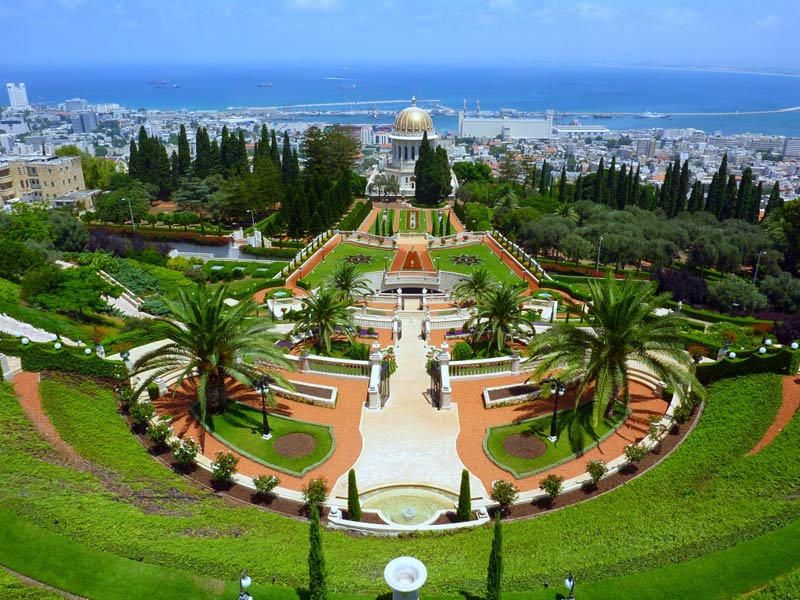
The gardens are particularly impressive from the lower city streets, where the terraces can be seen climbing toward the summit. From the upper viewpoints, visitors can enjoy broad views of Haifa, its port, the bay and the Mediterranean coastline.
The Shrine of the Báb
The architectural centre of the gardens is the Shrine of the Báb, crowned by a golden dome. The Báb was a nineteenth-century religious figure whose teachings preceded the emergence of the Bahá’í Faith. His remains were brought to Haifa, and his shrine became one of the most revered places for Bahá’ís.
The building combines elements from different architectural traditions. Its pale stone façade, columns, arched details and golden dome stand out against the greenery and blue sky. Positioned on the central terrace, the shrine forms the visual focus of the entire garden complex.
For believers, it is a place of prayer and pilgrimage. Visitors who do not follow the Bahá’í Faith can also explore the gardens and learn about their spiritual significance, provided they respect the site’s rules. Restrictions inside the shrine are stricter than those in the open terraces.
What is the Bahá’í Faith?
The Bahá’í Faith emerged in Persia in the nineteenth century. Its founder, Bahá’u’lláh, taught the unity of humanity, the oneness of God and the shared spiritual foundation of the world’s religions. Important principles include overcoming prejudice, equality between women and men, the importance of education, and the pursuit of peace and cooperation among peoples.
The Báb is regarded as the forerunner of Bahá’u’lláh and a central figure in the early history of the religion. His shrine in Haifa therefore has special spiritual importance. The Bahá’í World Centre, located in Haifa and Acre, brings together sacred places, administrative institutions and gardens associated with the history of the faith.
The history of the gardens
The idea of creating terraces on Mount Carmel developed long before the modern complex was completed. In the early twentieth century, ‘Abdu’l-Bahá helped shape the vision of a carefully designed setting around the Shrine of the Báb. An initial staircase linking the lower city with the shrine was built in the 1930s.
The modern terraces were designed by architect Fariborz Sahba. The main construction took place between 1990 and 2001. Designers had to account for the steep slope, local climate, irrigation needs and the challenge of maintaining a coherent composition across a large vertical distance.
In July 2008, the Bahá’í Holy Places in Haifa and the Western Galilee were inscribed on the UNESCO World Heritage List. The property includes not only the gardens in Haifa but also other historic places associated with Bahá’u’lláh and the development of the Bahá’í Faith.
Plants and garden maintenance
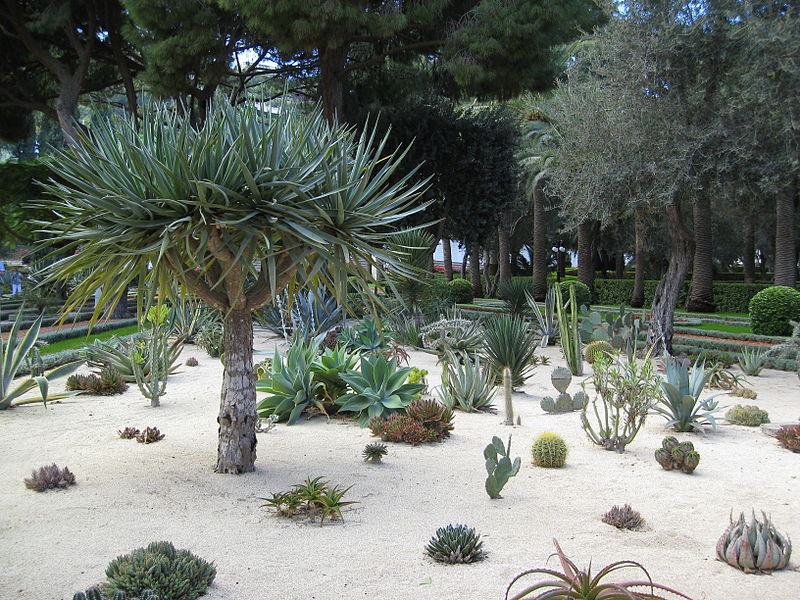
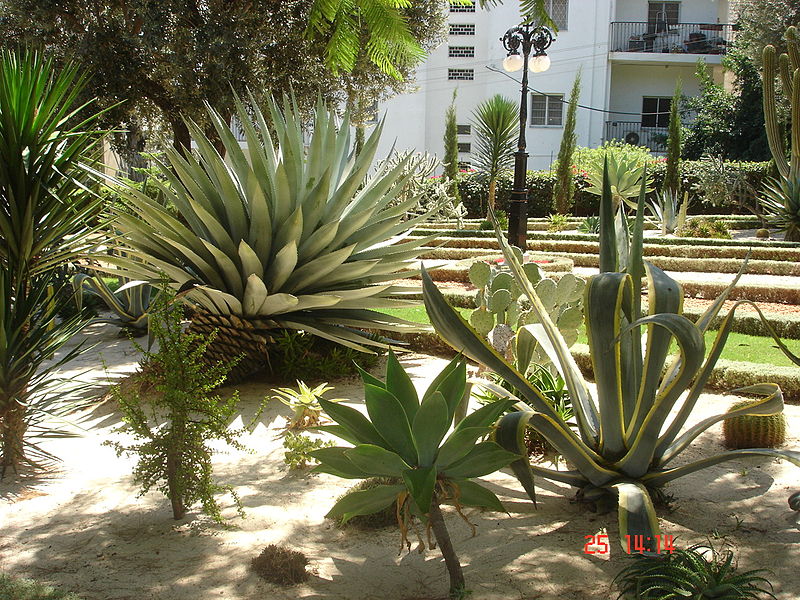
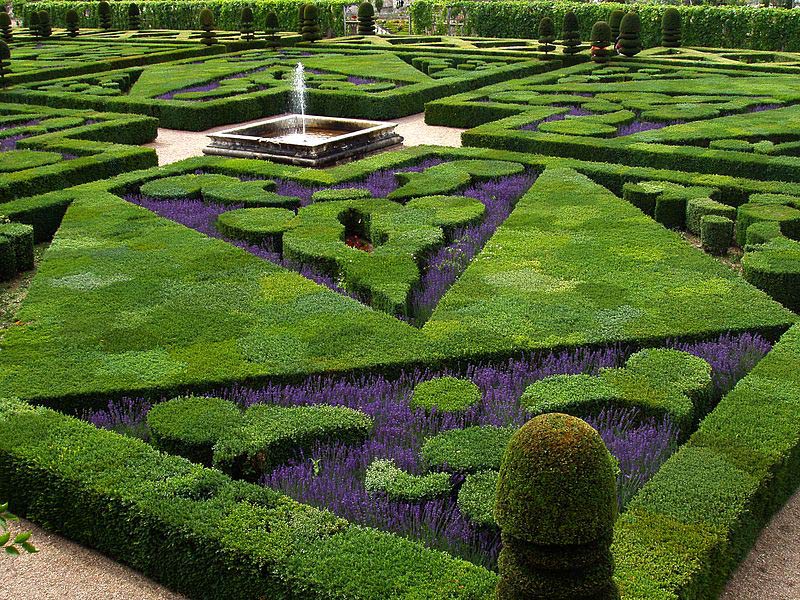
The gardens feature carefully selected vegetation, including flower beds, lawns, cypress trees, shrubs and ornamental trees. Plants are arranged to emphasise the geometry of the terraces and preserve visual harmony throughout the seasons.
Maintaining such a landscape requires constant work. Gardeners care for the plants, trim hedges, maintain the paths and look after water features. Regular maintenance keeps the gardens immaculate even in the middle of a busy city.
Panoramic views and photography
The Bahá’í Gardens are among Haifa’s finest places for panoramic photography. The terraces form a striking geometric line connecting the mountain and the city. One of the most popular compositions places the golden dome in the centre, with the streets and buildings of the German Colony below.
From the upper viewpoints, visitors can see the port, Haifa Bay and the coastline toward Acre. On clear days, the sea horizon stands out beautifully behind the gardens. Photographers should consider the direction of sunlight and time of day, as morning and late-afternoon light can be softer than midday sun.
Visiting the Bahá’í Gardens
The gardens are in central Haifa and can be reached by public transport or taxi. There are several access points, including the upper terrace on Yefe Nof Street and the main entrance on Hatzionut Avenue. The route depends on the chosen entrance and which areas are open on the day of the visit.
Some sections can be viewed independently from designated viewpoints, while guided tours require advance reservations. Visiting hours for the shrine and inner gardens differ from those for the outer terraces, so visitors should check current rules and schedules before travelling.
Modest clothing is required: shoulders and knees should be covered. Comfortable shoes with good grip are recommended because paths and stairways can be steep. Photography is not allowed inside the shrines, although it is permitted in outdoor areas subject to the site’s rules.
When to visit
The gardens can be visited during much of the year, but the experience depends on weather and light. In spring and early summer, the vegetation is particularly fresh and the flower beds are colourful. During warmer months, visitors should account for the heat and consider arriving in the morning or later in the afternoon.
The gardens may close temporarily because of rain, Bahá’í holy days or special events. It is therefore important to check access information before visiting. Allow enough time to appreciate the terraces and the panoramic views, even if you plan to visit only the public viewpoints.
The significance of the Bahá’í Gardens
The Bahá’í Gardens unite architecture, landscape design and spiritual history. Their terraces not only beautify the slope of Mount Carmel but also form a ceremonial approach to one of the most important shrines of the Bahá’í Faith. Carefully maintained paths and symmetrical planting create an atmosphere of order and contemplation.
Today, the complex is one of Haifa’s most recognisable landmarks and attracts both pilgrims and travellers. It offers distinctive architecture, views of the Mediterranean and an introduction to a religious tradition that emphasises the unity of humanity and the pursuit of peace.
Gallery