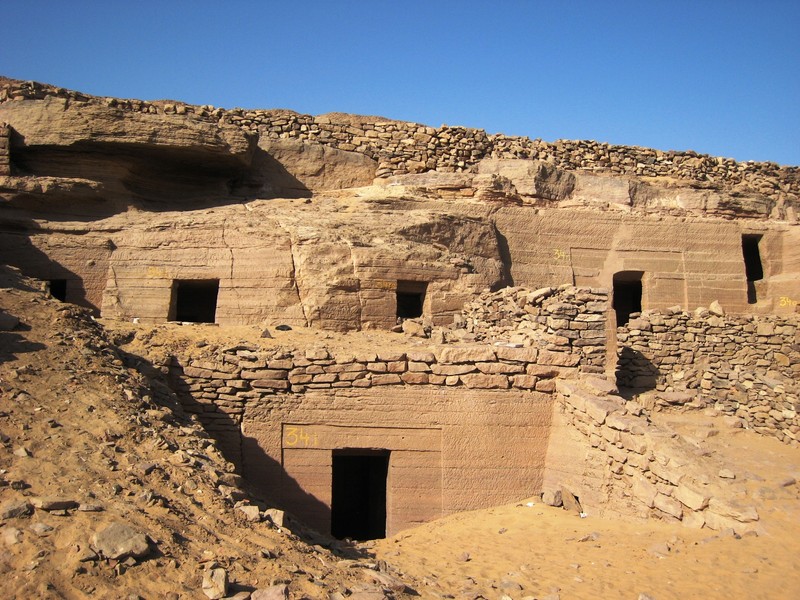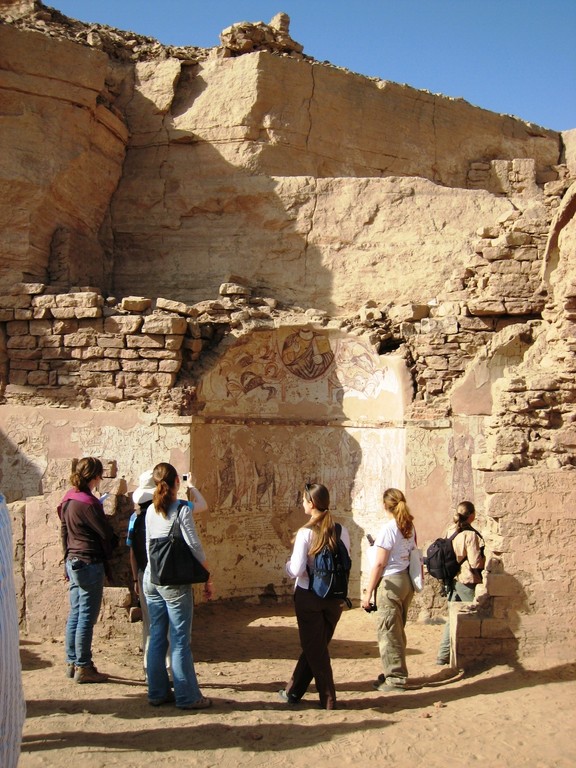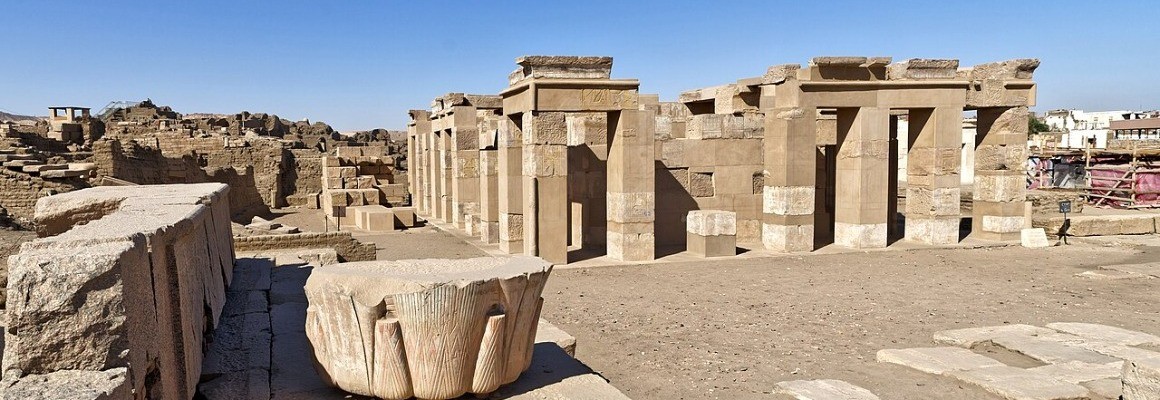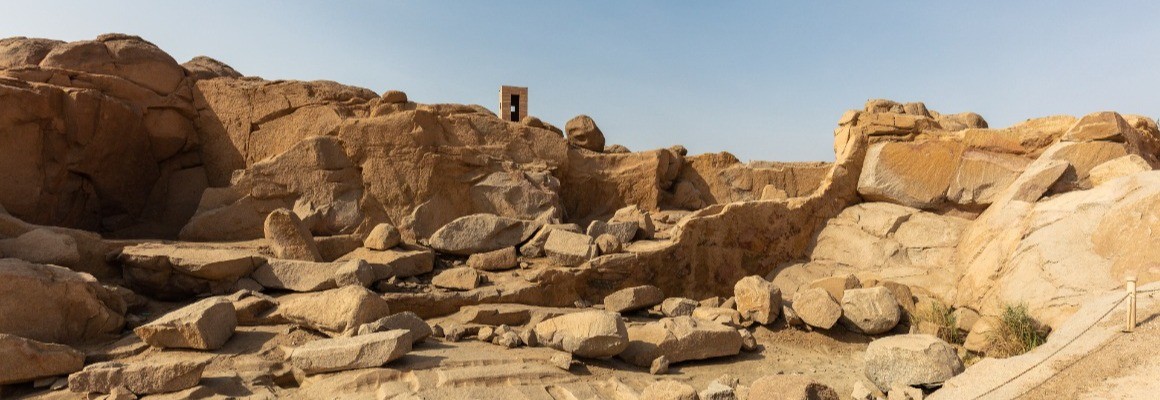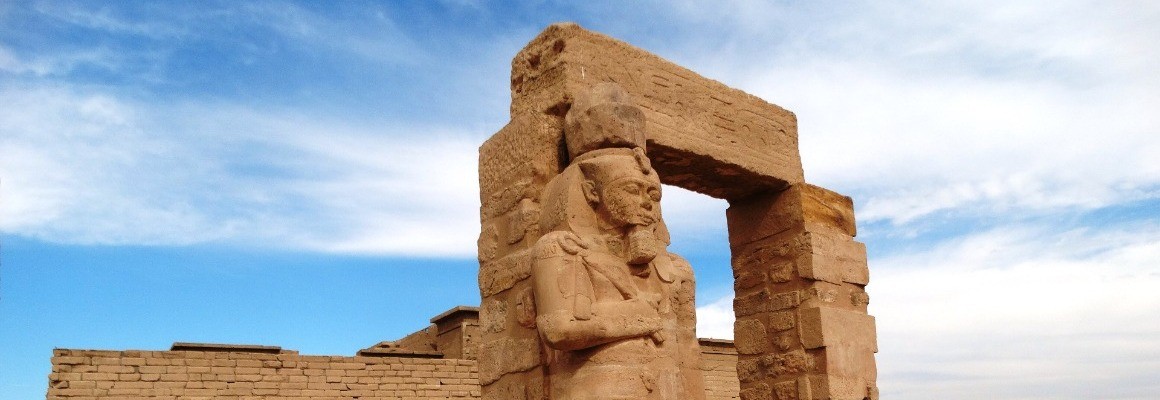

The Tombs of the Nobles in Aswan form the ancient necropolis of Qubbet el-Hawa, located on the rocky slopes of the Nile’s west bank opposite the modern city. The site contains rock-cut tombs belonging to governors, provincial rulers and senior officials of southern Egypt. Their inscriptions and decorations reveal how the local elite lived, served the pharaohs and understood life after death.
History of Qubbet el-Hawa
The necropolis began during the Old Kingdom and continued to be used through later periods, including the Middle Kingdom and the Greco-Roman era. Many tombs belonged to officials responsible for Egypt’s southern territories and its relations with Nubia. Aswan stood near the First Cataract and was an important strategic point on trade and military routes along the Nile.
Local governors supervised expeditions, resources and contacts with neighbouring regions. Their tombs preserve inscriptions about journeys, trade missions and royal service. Archaeological investigations continue to reveal new chambers and burials, adding to the history of the site.
Architecture of the rock-cut tombs
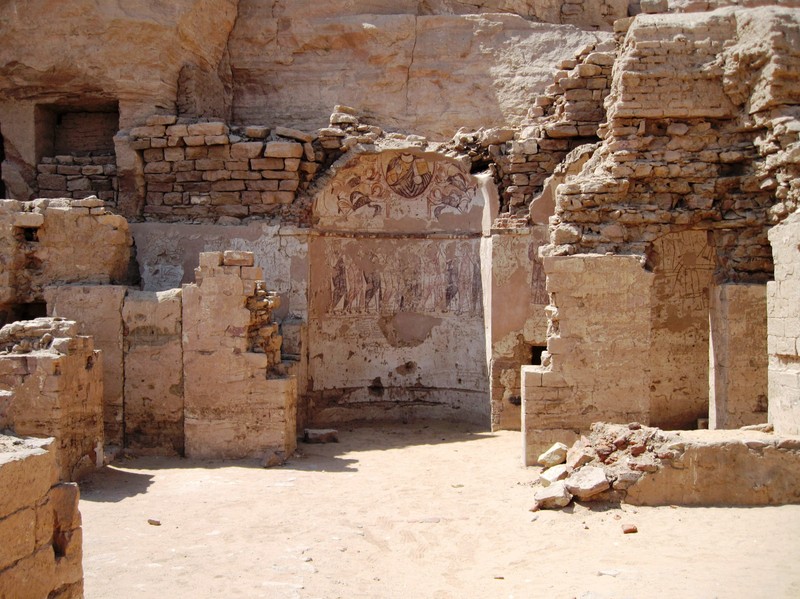
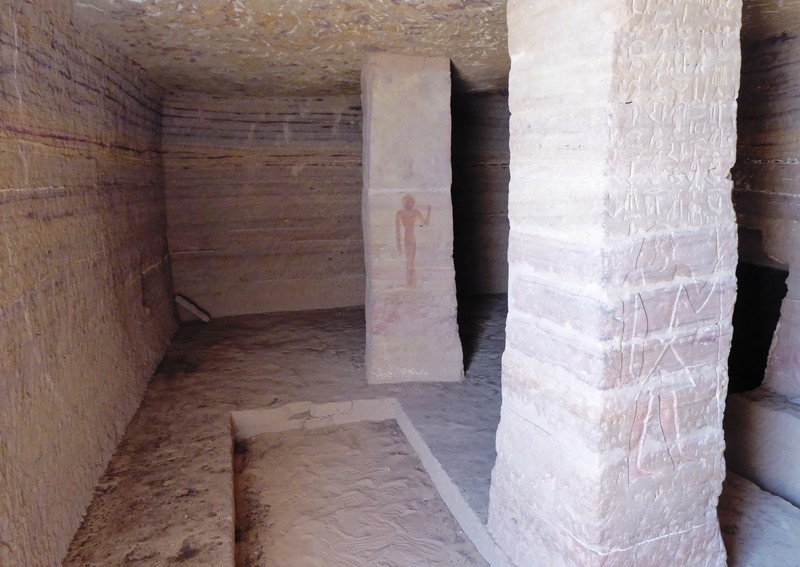
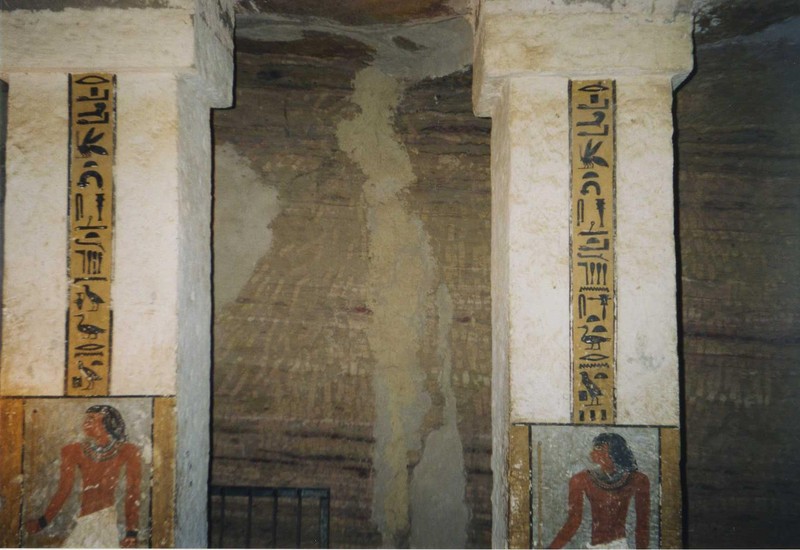
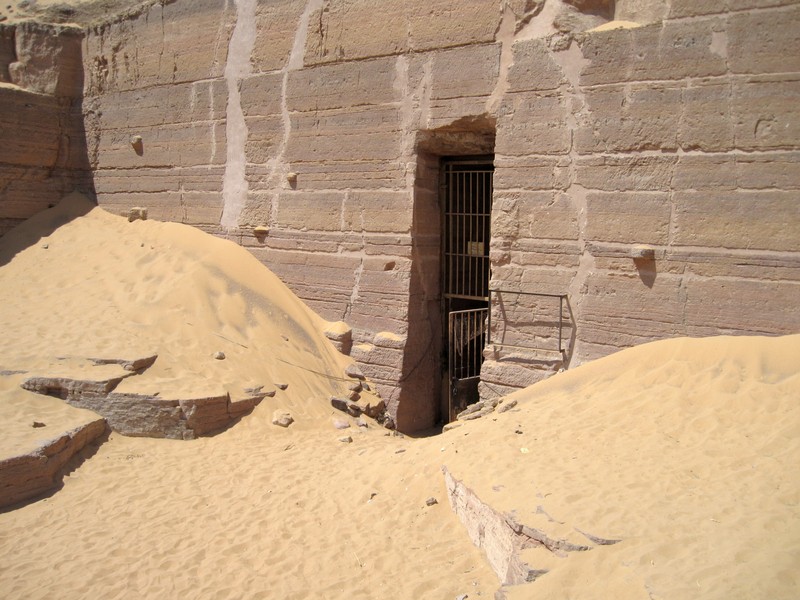
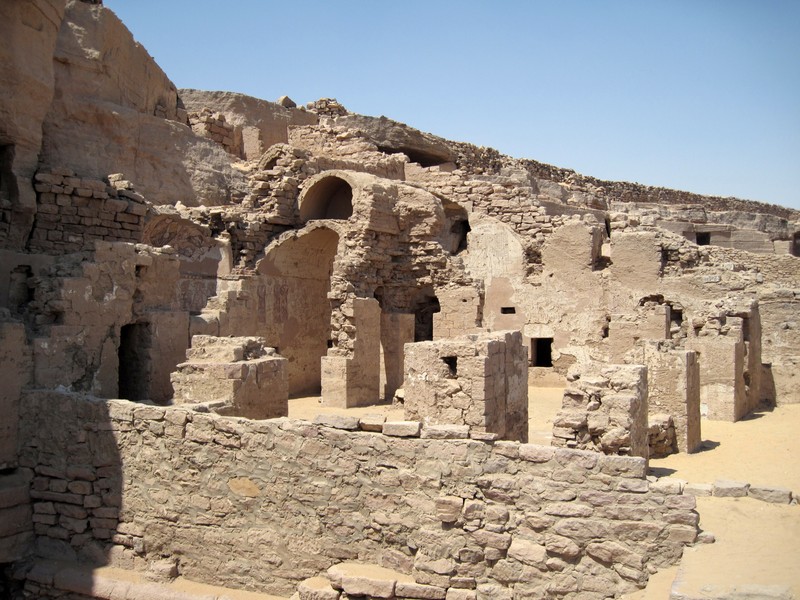
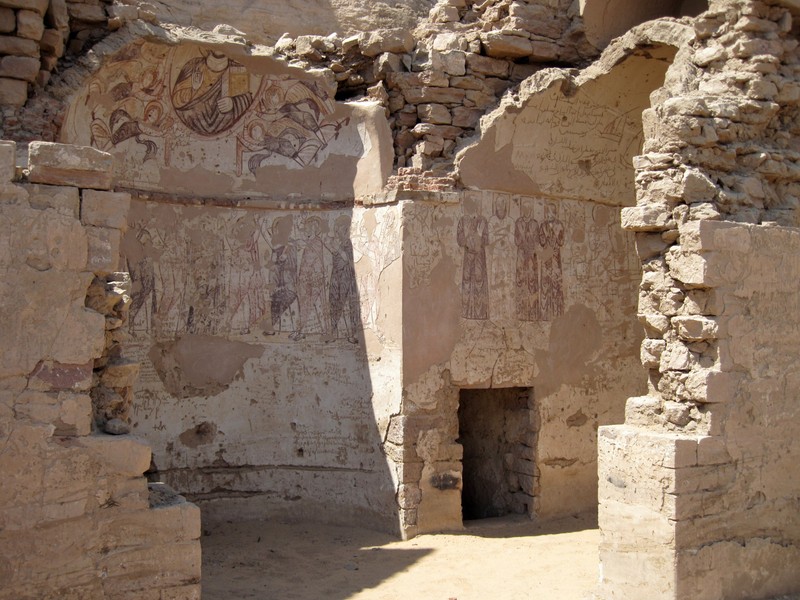
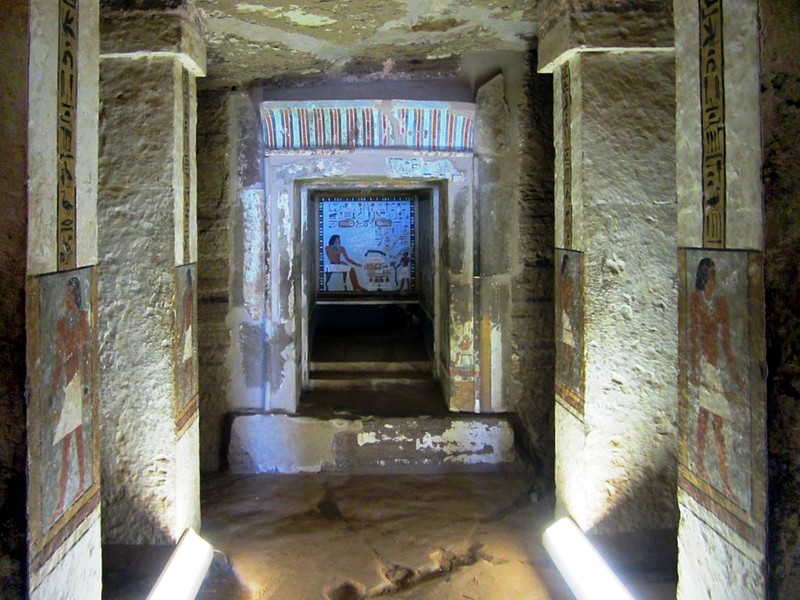
Most tombs were carved directly into the hillside. Depending on their size, they contain entrances, halls, columns, niches and burial chambers. Larger complexes included spaces for funerary rituals and offerings to the deceased.
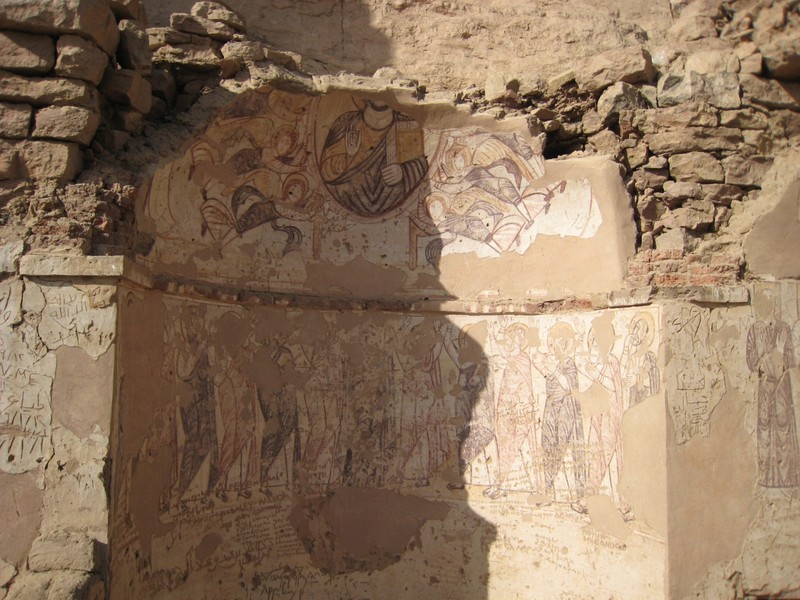
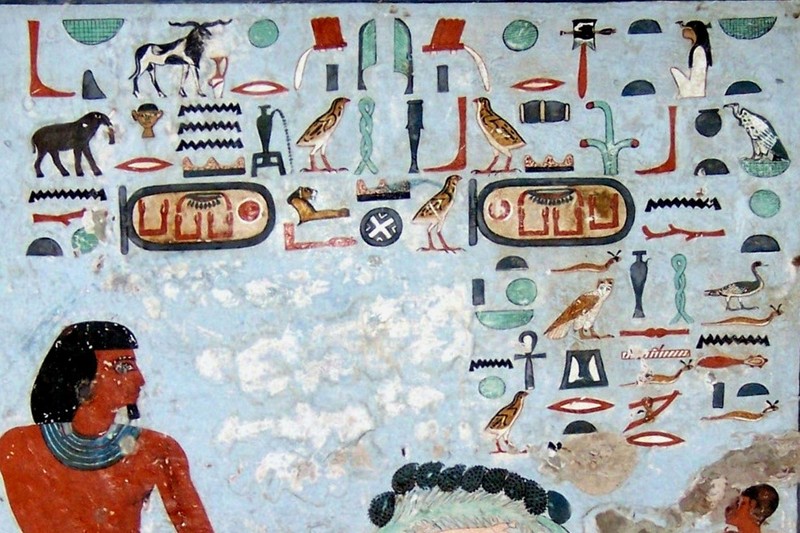
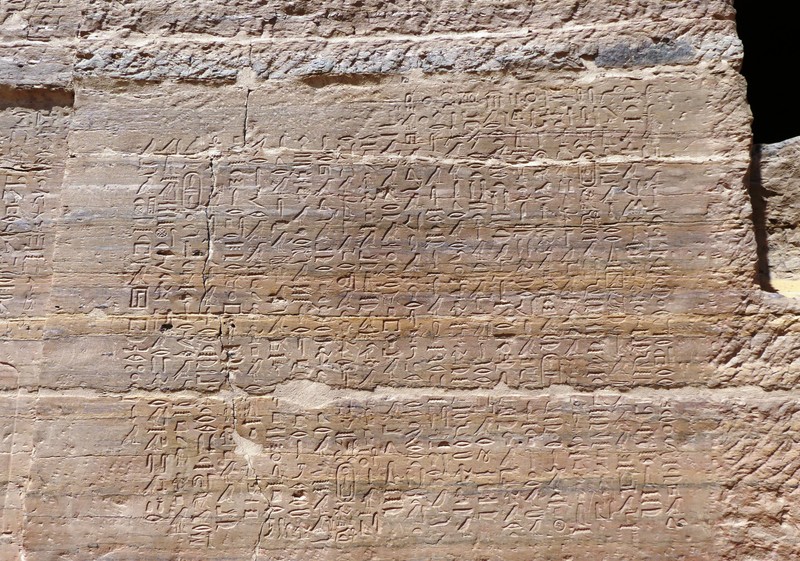
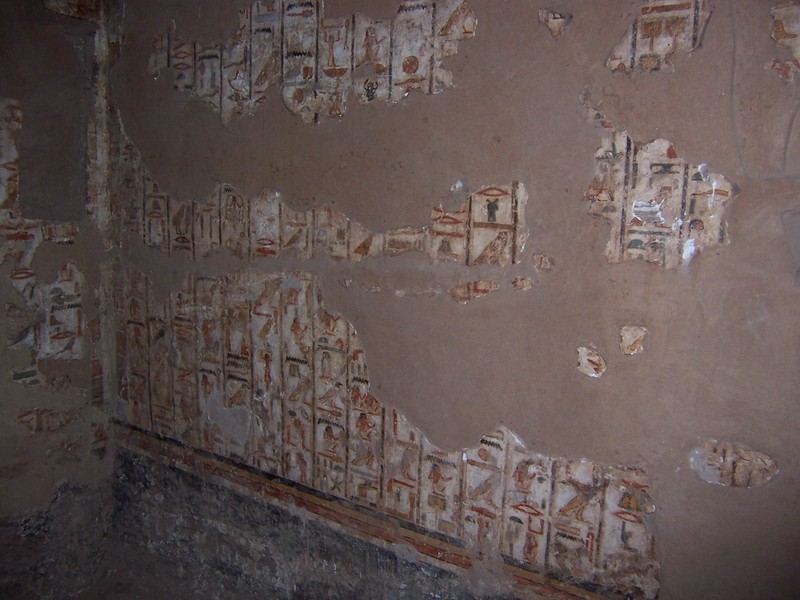
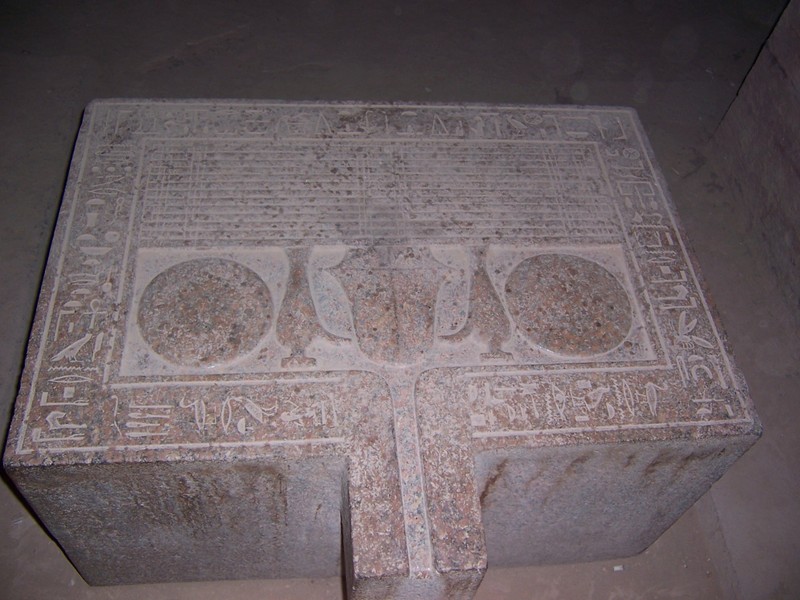
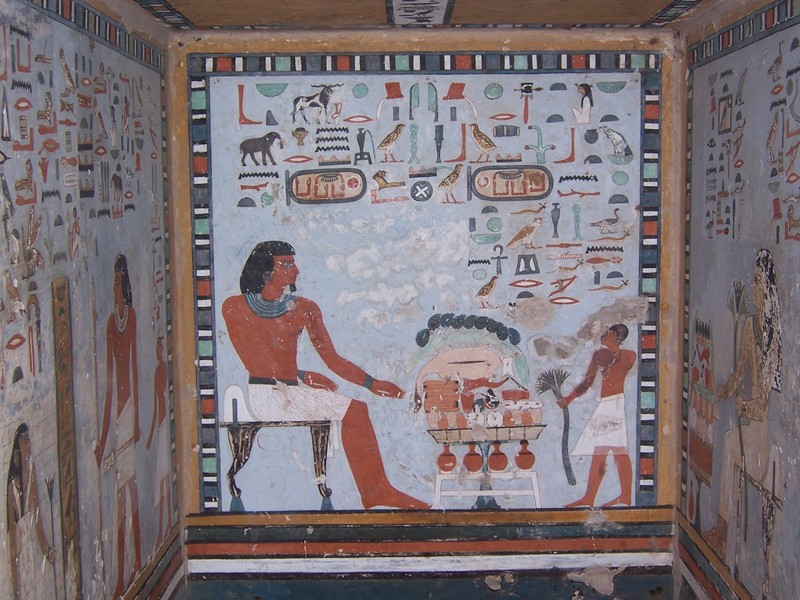
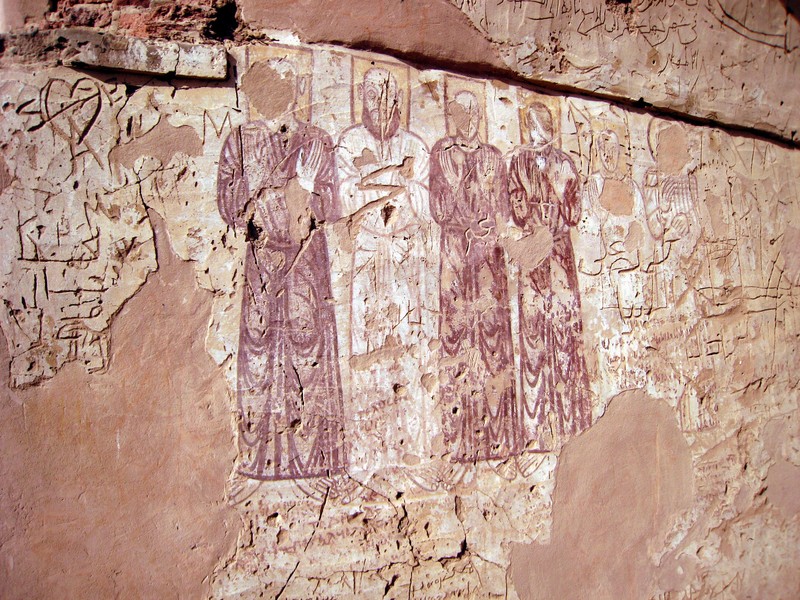
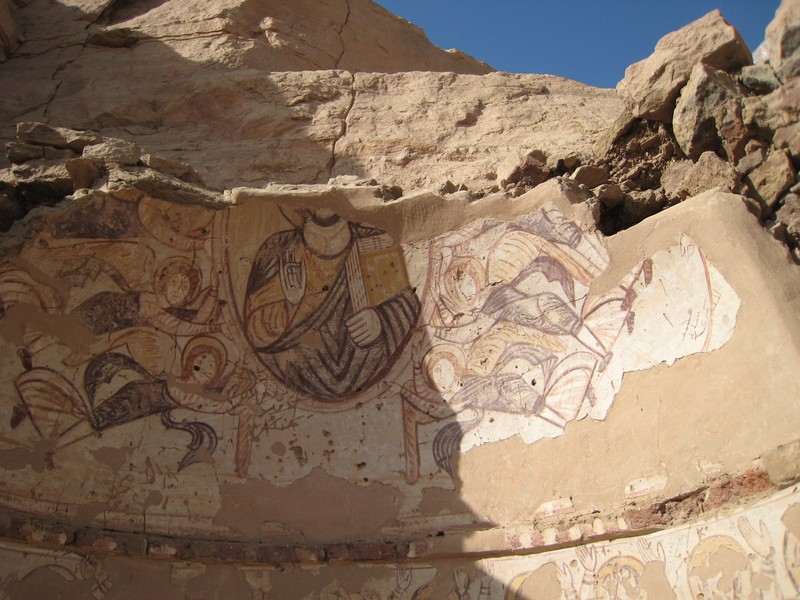
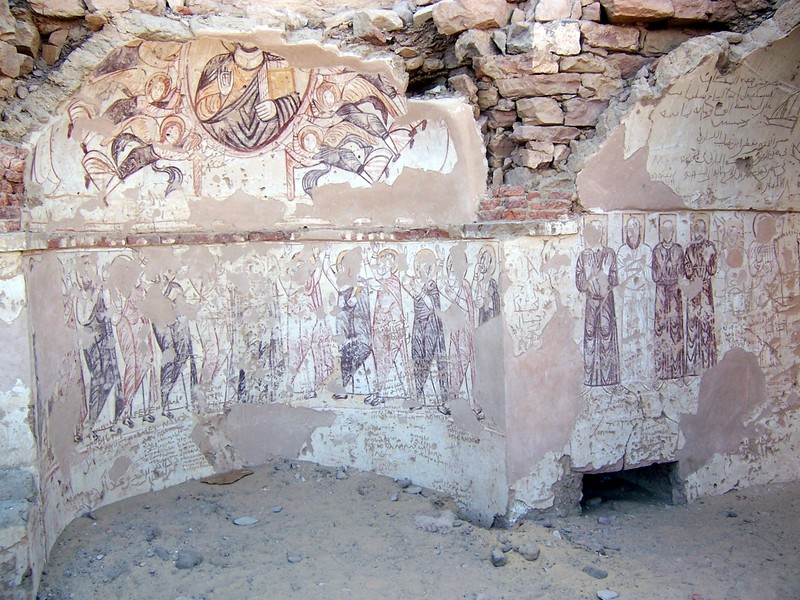
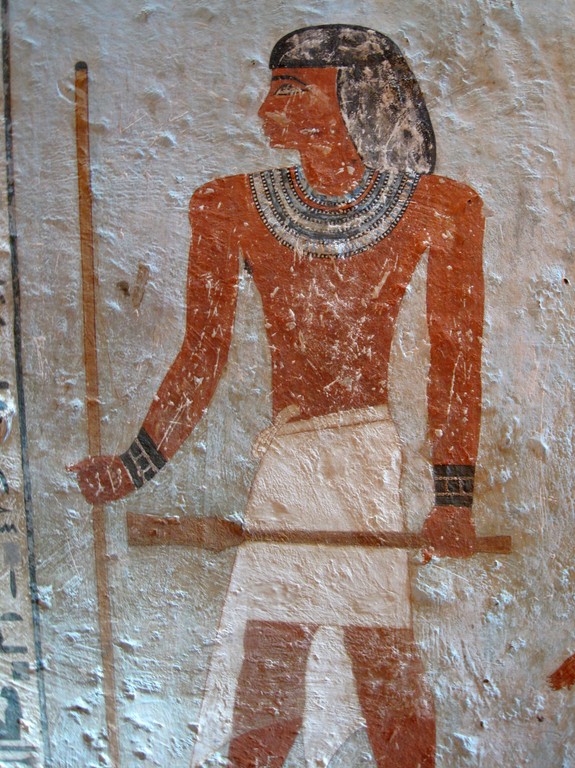
Some walls preserve inscriptions, reliefs and traces of painted decoration. Scenes of farming, hunting, fishing, crafts and religious ceremonies provide insight into everyday life and ancient Egyptian beliefs about the afterlife.
The Tomb of Sarenput II
One of the best-known tombs belonged to Sarenput II, a governor of Elephantine during the Middle Kingdom. Its spacious chambers, carefully planned layout and surviving coloured decoration make it particularly notable. Images and inscriptions refer to the governor, his family and the religious ideas of his time.
The Tomb of Harkhuf and Nubian expeditions
The tomb of Harkhuf is famous for inscriptions describing journeys to Nubia during the reign of Pharaoh Pepi II. The texts mention distant routes, valuable goods and missions undertaken for the royal court. They are an important source for studying trade, diplomacy and relations between Egypt and regions farther south.
The meaning of the name
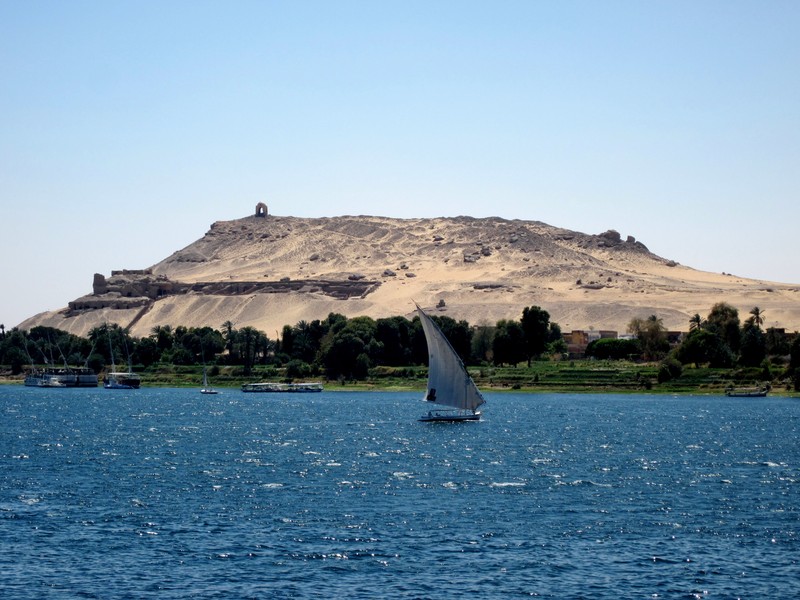
Qubbet el-Hawa is commonly translated as “Dome of the Wind.” The name refers to the domed tomb of Sheikh Aly Abu al-Hawa, which stands on the hilltop above the ancient cemetery. The modern name therefore connects pharaonic burials with a later Islamic tradition.
Archaeological discoveries
Egyptian and international teams continue to investigate the necropolis. In February 2026, an Egyptian archaeological mission announced the discovery of additional rock-cut tombs dating to the Old Kingdom. Finds included burial chambers, pottery vessels with hieratic inscriptions and objects from later periods.
Views of the Nile and Aswan
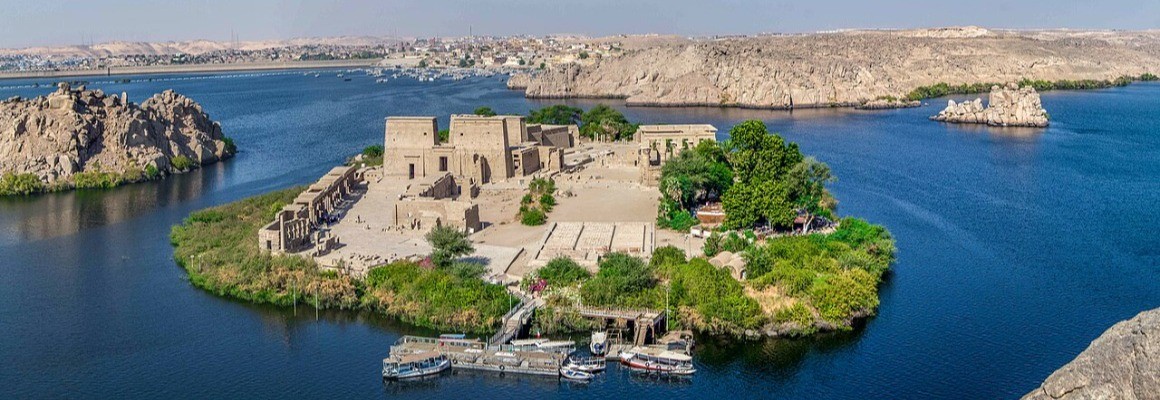
The hillside location offers broad views of the Nile, Elephantine Island and Aswan. From above, visitors can see the green river valley contrasting with the dry desert hills. The landscape helps explain Aswan’s historic importance as a gateway between Egypt and Nubia and a centre for river transport and trade.
How to get there and visiting tips
Qubbet el-Hawa lies on the west bank of the Nile opposite Aswan. Visitors usually cross the river by boat and then climb a path and steps to reach the tombs. The ascent can be tiring in hot weather, so bring water, sun protection and comfortable shoes.
Access to individual tombs may vary according to conservation work and site regulations. Check current opening hours, ticket prices and which chambers are open before travelling. Avoid touching painted surfaces and follow local photography rules.
Why visit the Tombs of the Nobles
The necropolis presents ancient Egyptian history through the lives of regional governors and officials rather than only through kings and monumental temples. Its inscriptions document journeys, trade and public service, while its architecture and decoration reveal beliefs about death and the afterlife. Combined with the views of the Nile, Qubbet el-Hawa is one of Aswan’s most rewarding archaeological sites.
Gallery