The Archbishop's Castle in Kroměříž
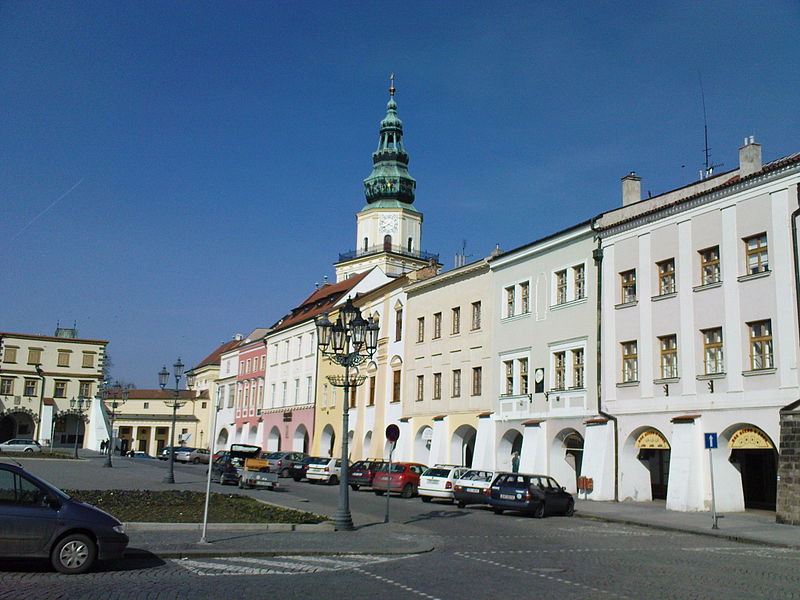
Kroměříž Castle, also known as the Archbishop's Château, stands in the historic centre of Kroměříž in Moravia, Czechia. Closely associated with the bishops and archbishops of Olomouc, it is renowned for its monumental architecture, ceremonial interiors, art collections and historic gardens.
History and Baroque transformation
The residence developed from earlier episcopal buildings. After the destruction of the Thirty Years' War, Bishop Karl II von Liechtenstein-Castelcorn transformed the complex during the second half of the 17th century. Architects Filiberto Lucchese and Giovanni Pietro Tencalla helped create the grand Baroque residence that defines the site today.
Architecture and interiors
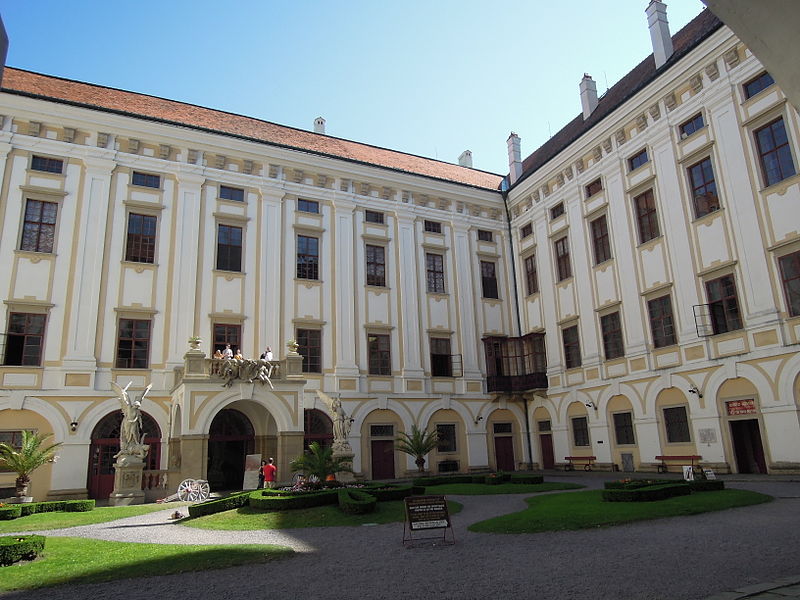
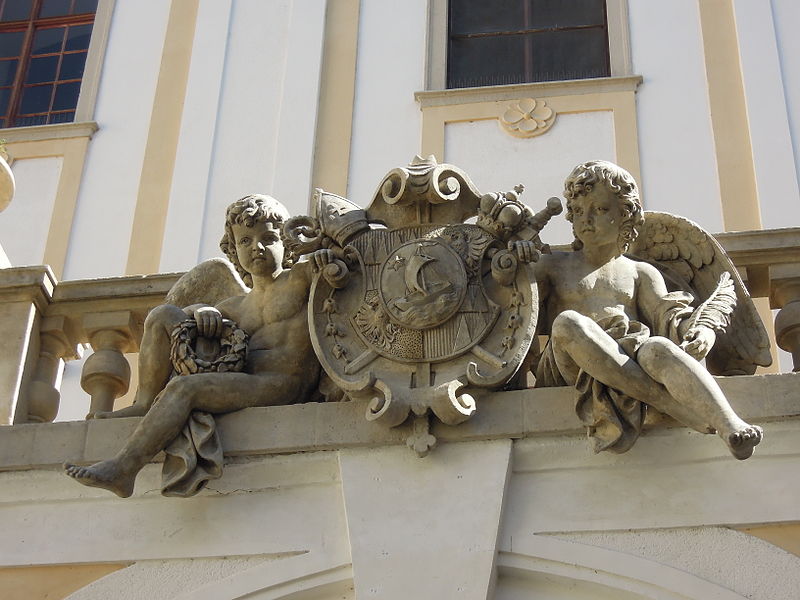
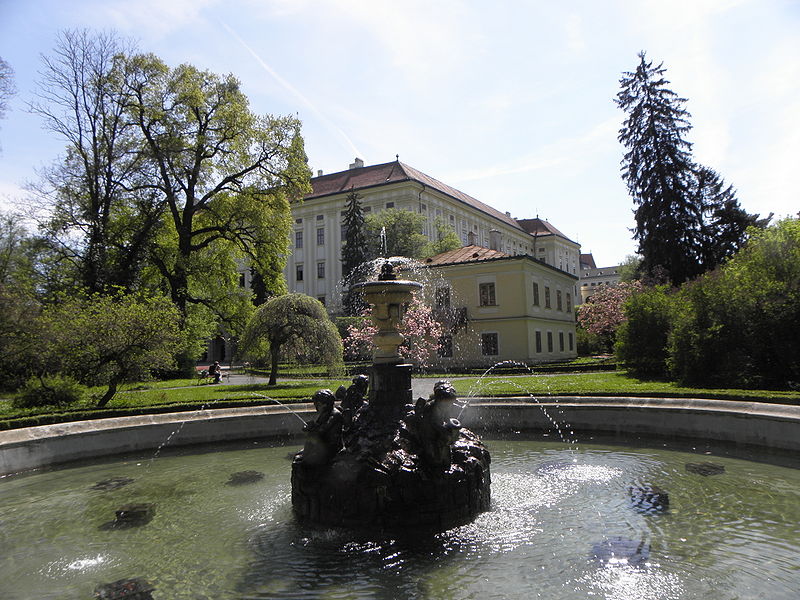
The palace has four wings arranged around a central courtyard. Its interiors include ceremonial halls, historic rooms, chapels and spaces used for administration and representation. Decorative ceilings, stucco, paintings, furniture and applied arts reflect the tastes of successive generations.
Art collections
The castle's picture gallery contains works by major European artists. One of its best-known paintings is Titian's The Flaying of Marsyas. The collections also include a valuable library, music archive, drawings, prints and numismatic objects assembled by the bishops and archbishops of Olomouc.
The events of 1848
During the revolutionary year of 1848, the Austrian Constituent Reichstag was transferred to Kroměříž. The castle became a setting for debates about constitutional reform, adding an important political chapter to its religious and cultural history.
The Castle Garden and Flower Garden
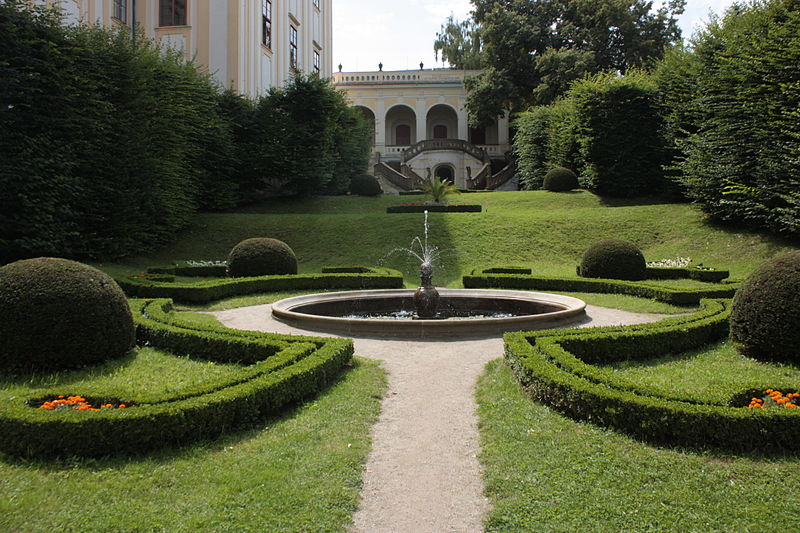
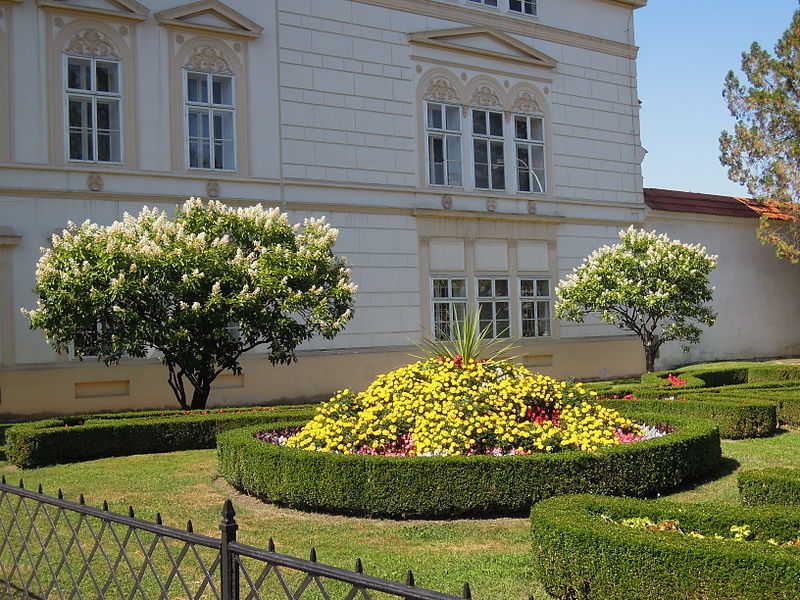
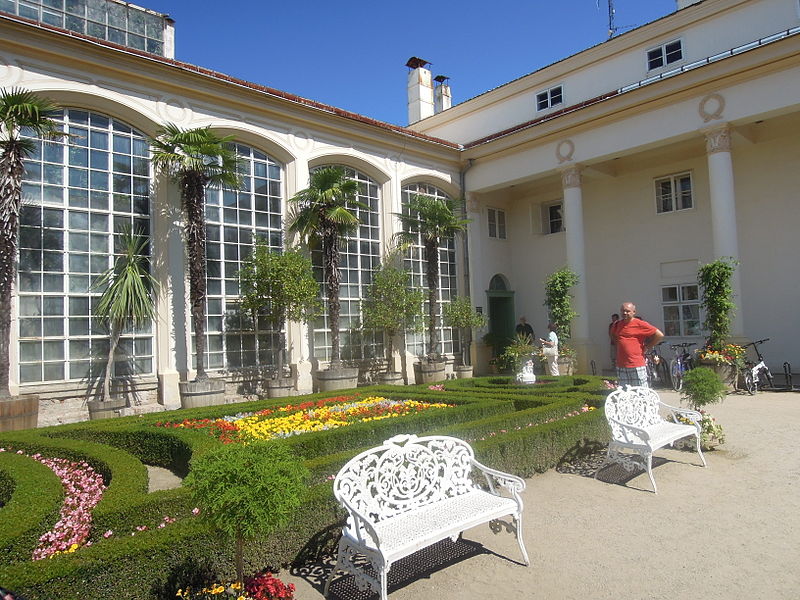
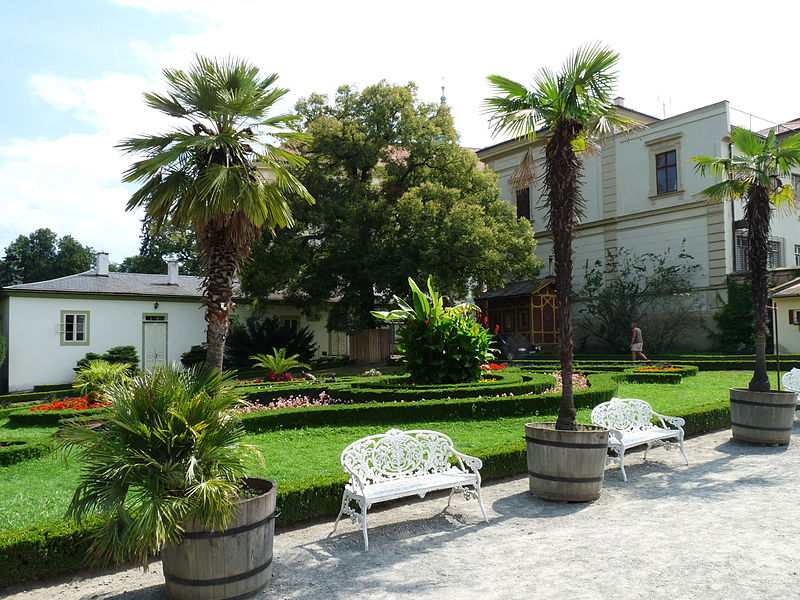
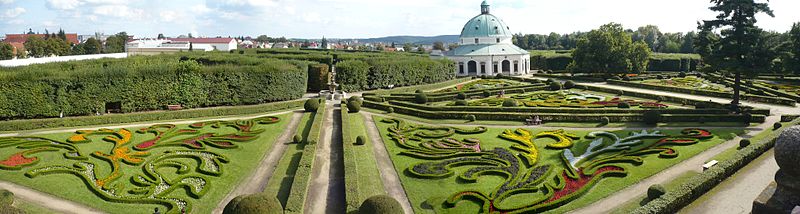
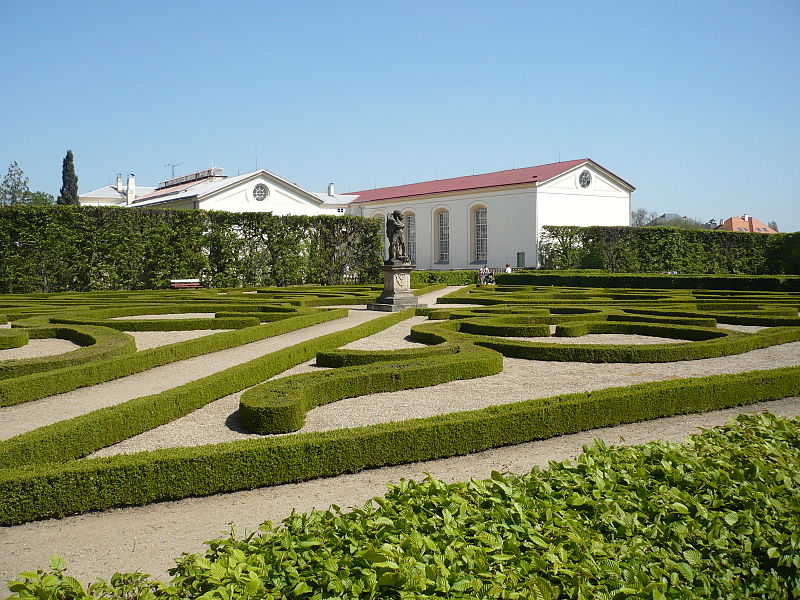
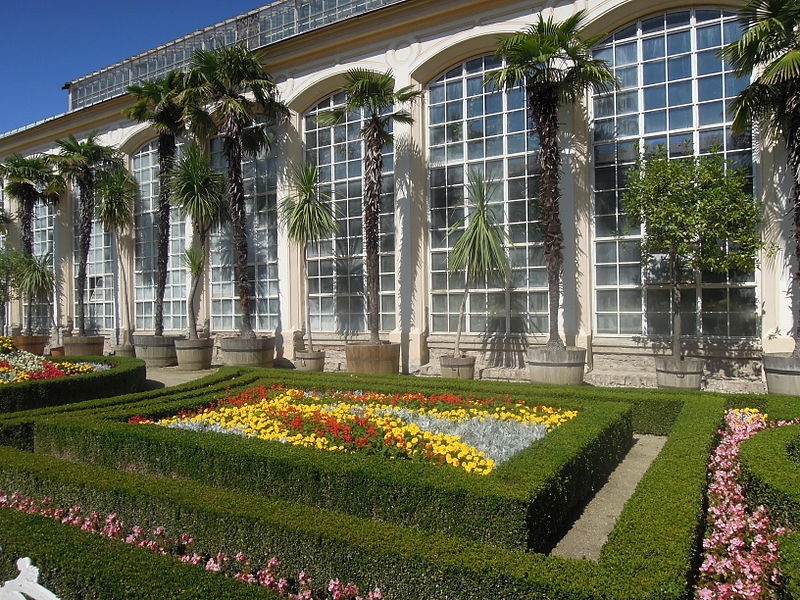
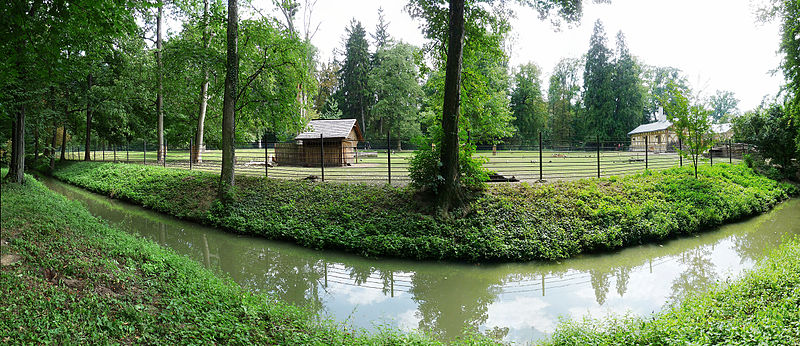
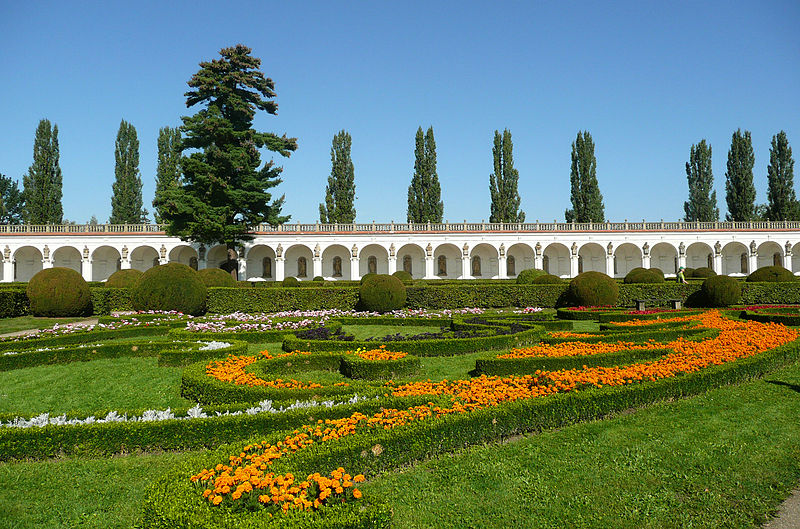
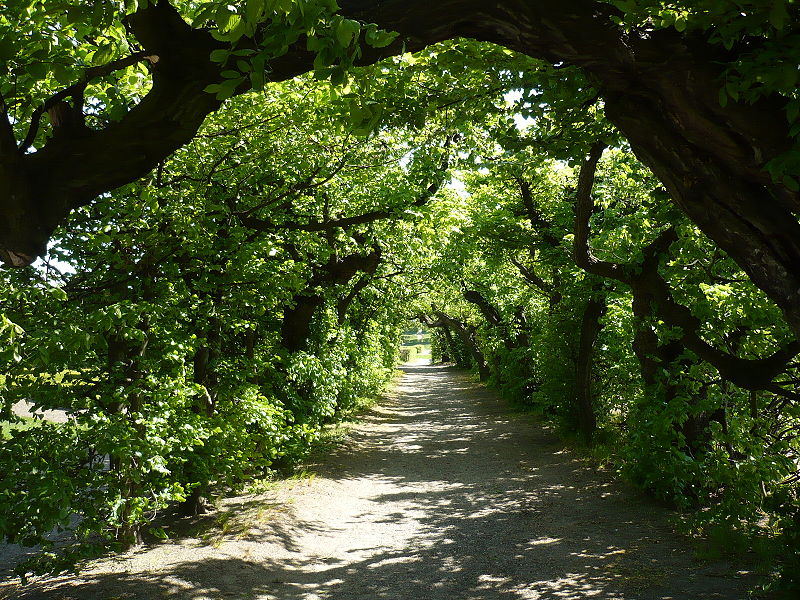
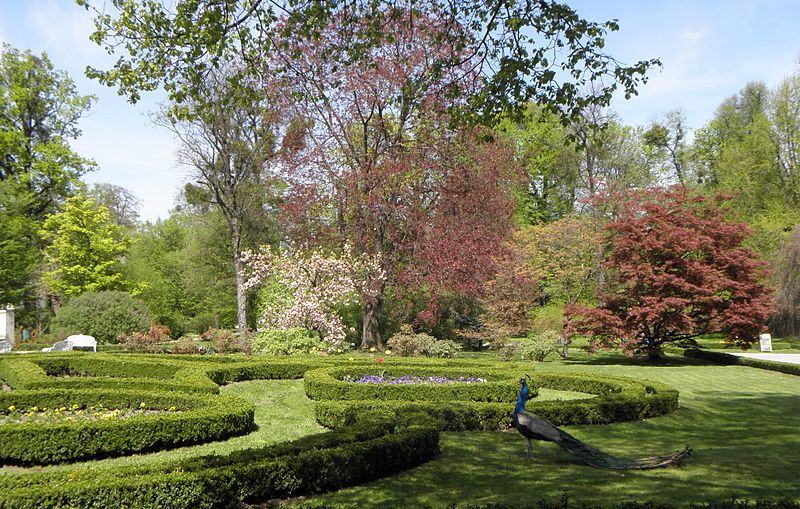
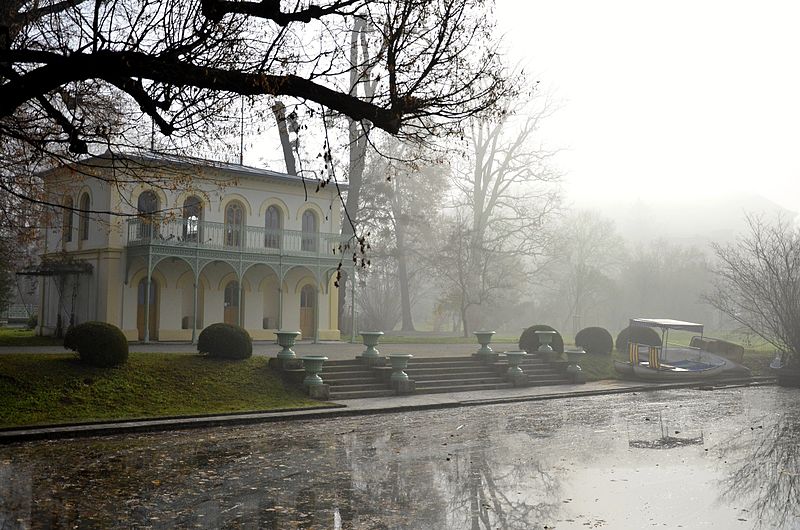
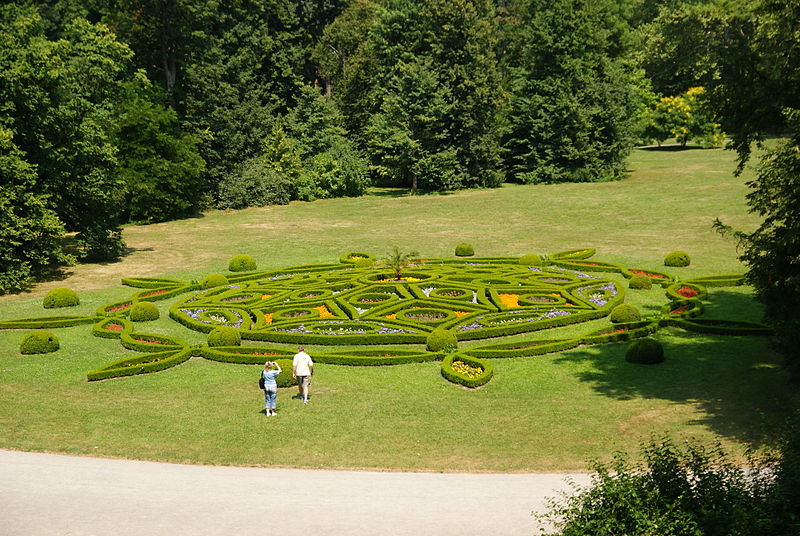
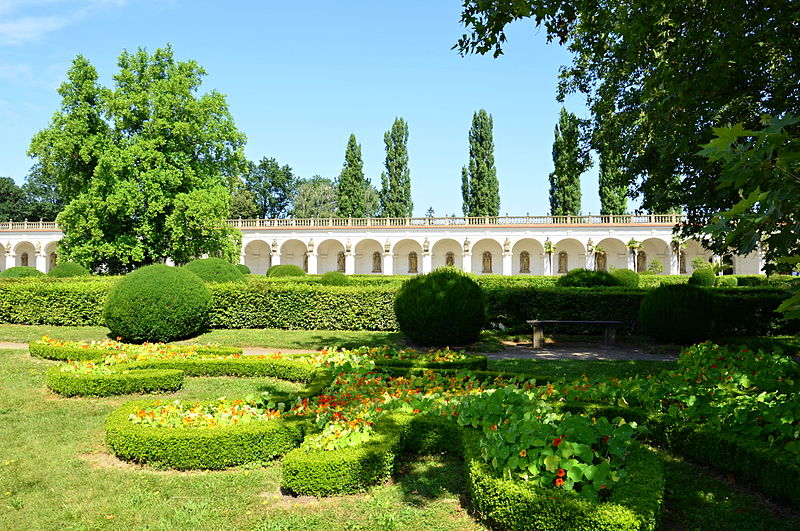
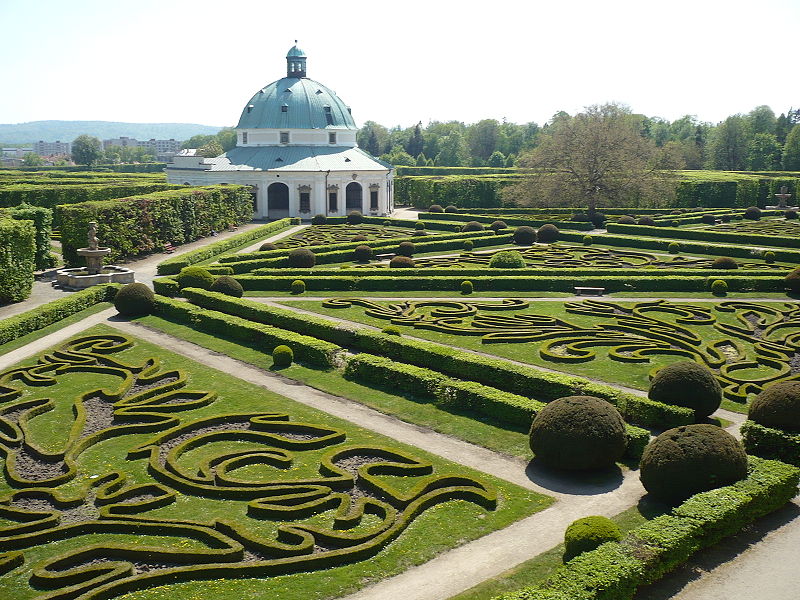
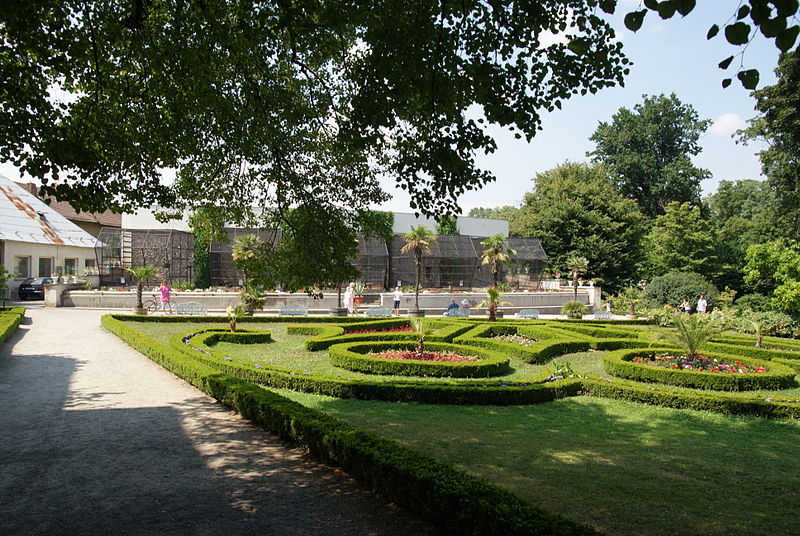
The Castle Garden covers more than 60 hectares and developed into a large landscape park during the 19th century, with paths, ponds, bridges and rare trees. The nearby Flower Garden, created in the 17th century, preserves an early Baroque geometric layout, symmetrical flowerbeds, fountains, a central rotunda and a long colonnade decorated with statues.
UNESCO World Heritage
The castle and gardens were inscribed on the UNESCO World Heritage List in 1998. The ensemble is recognised for its exceptional preservation and its importance in the development of Baroque palace and garden design in Central Europe.
Visiting the castle
Visitors can explore the interiors and art collections on designated tour routes, walk through the Castle Garden and visit the Flower Garden separately. As access to some rooms depends on guided tours, check opening times and ticket options before travelling. Allow much of a day to appreciate the entire ensemble.
Gallery