The Coptic Museum – a treasury of Egypt’s Christian heritage
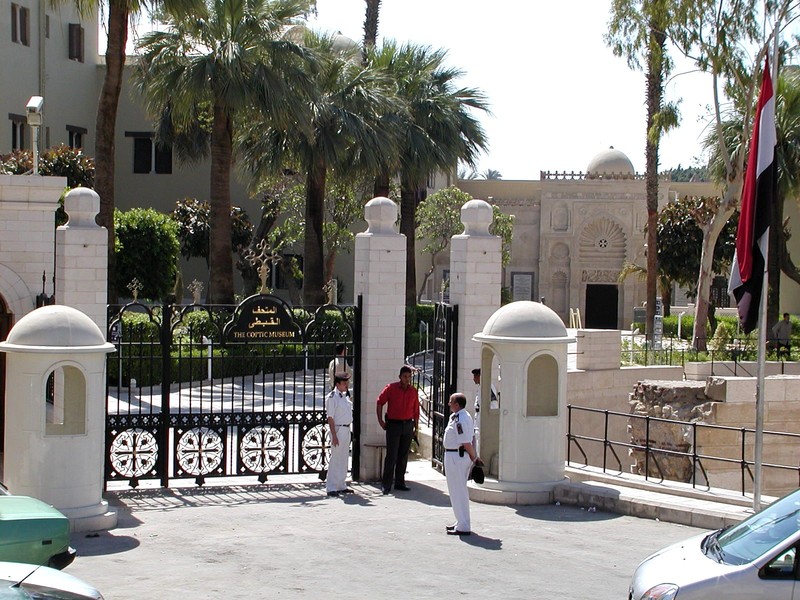
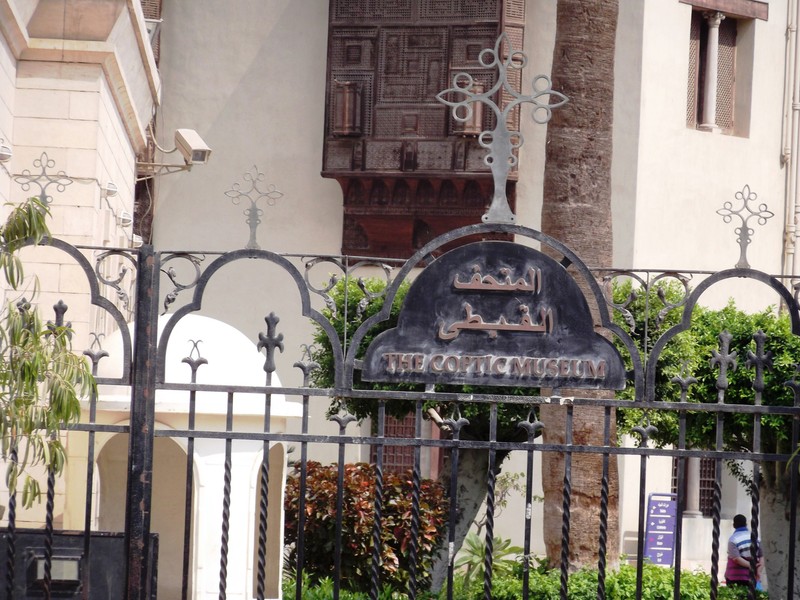
The Coptic Museum in Cairo is dedicated to the history and art of Egypt’s Coptic Christian community. It is located in Old Cairo, near the remains of the ancient Babylon Fortress. Its collection includes manuscripts, icons, textiles, carved woodwork, frescoes, architectural fragments and objects used in church worship.
History of the museum
The museum was established through the efforts of Marcus Simaika Pasha, who worked to preserve Coptic heritage and collect historic objects from churches and monasteries. It was founded in 1908 and officially opened in 1910. A new wing opened in 1947, allowing the collection to expand.
Who are the Copts?
The Copts are Egypt’s historic Christian community, whose church tradition traces its origins to Saint Mark’s preaching in Alexandria in the first century. Coptic culture maintained its religious customs, liturgical language and artistic traditions while interacting with ancient Egyptian, Greco-Roman, Byzantine and Islamic cultures.
Museum architecture
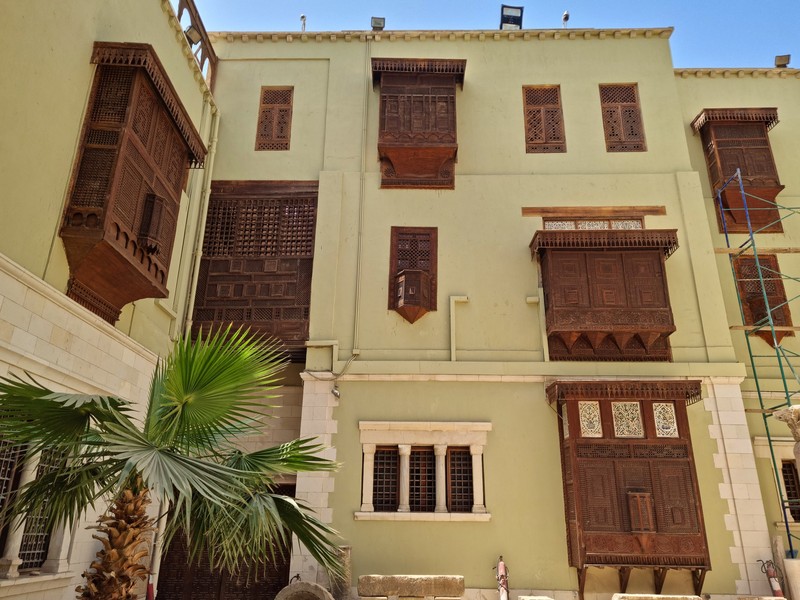
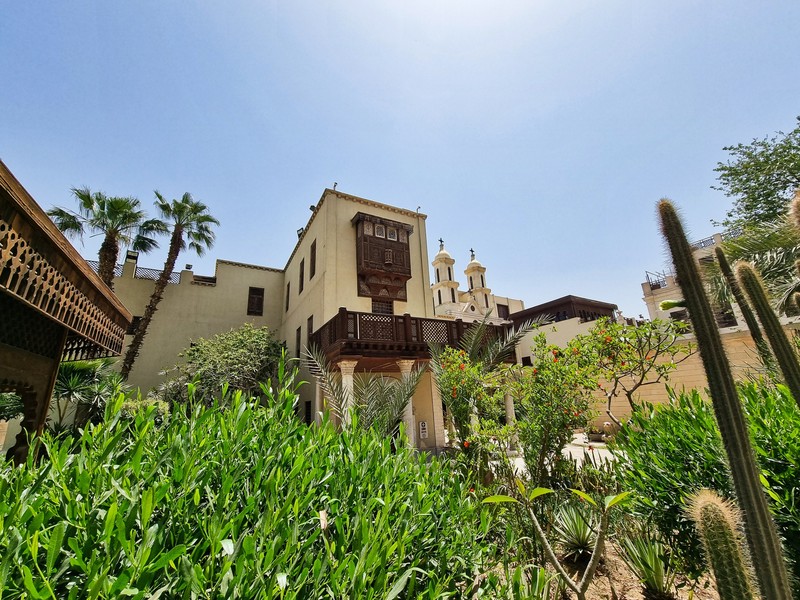
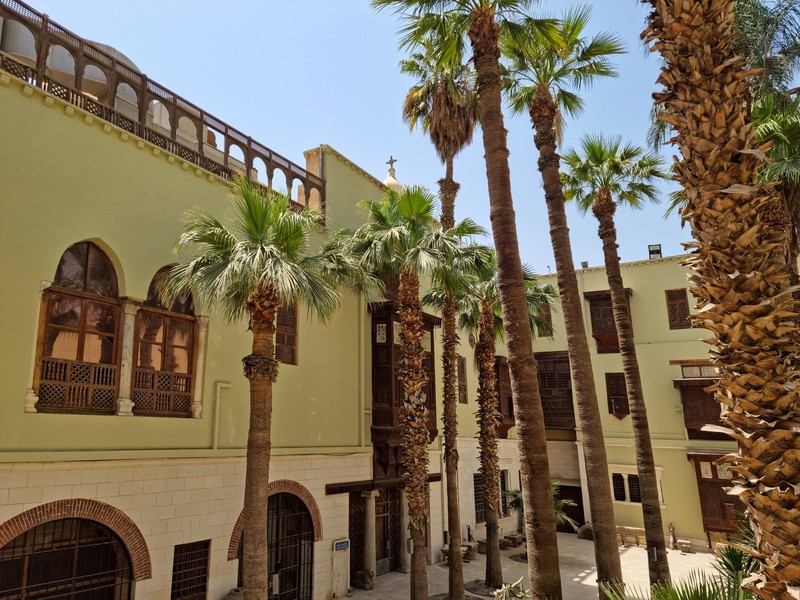
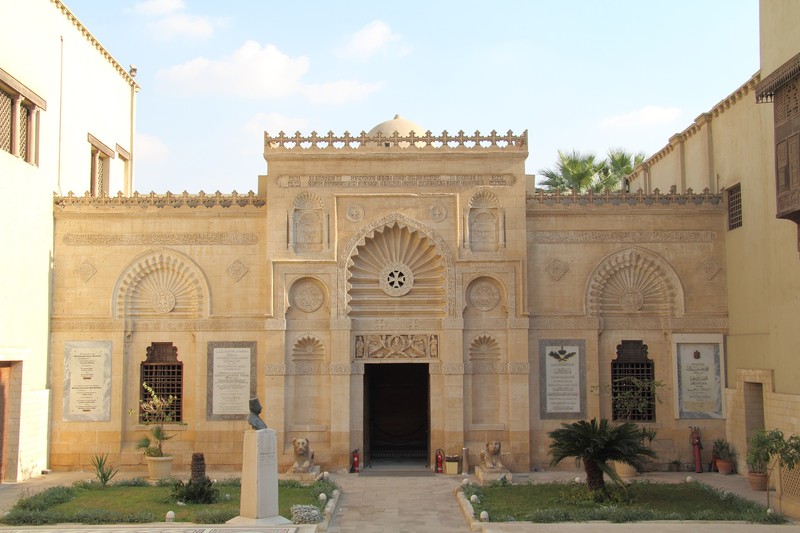
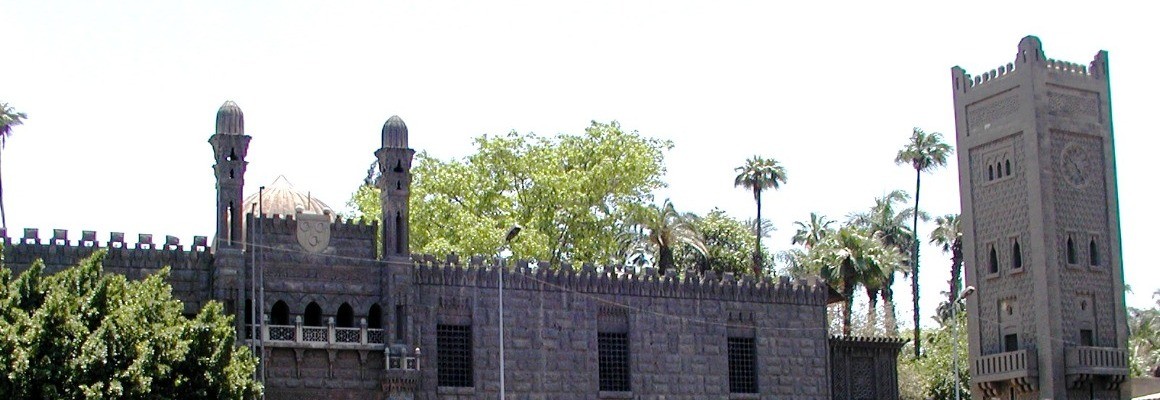
The museum buildings combine traditional Egyptian and Islamic architectural features. Carved wooden ceilings, mashrabiya screens, marble columns, arches and decorative details contribute to the character of the interiors. The museum consists of an old wing opened in 1910 and a new wing opened in 1947.
Collections and galleries
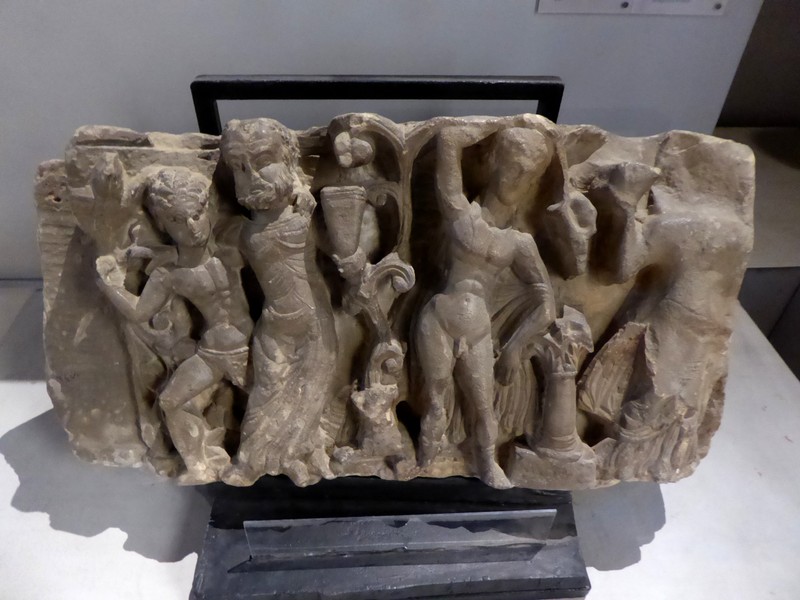
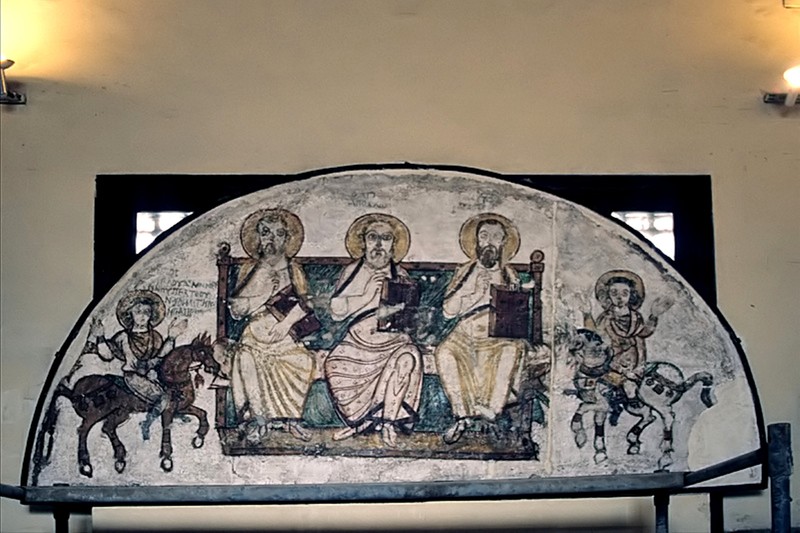
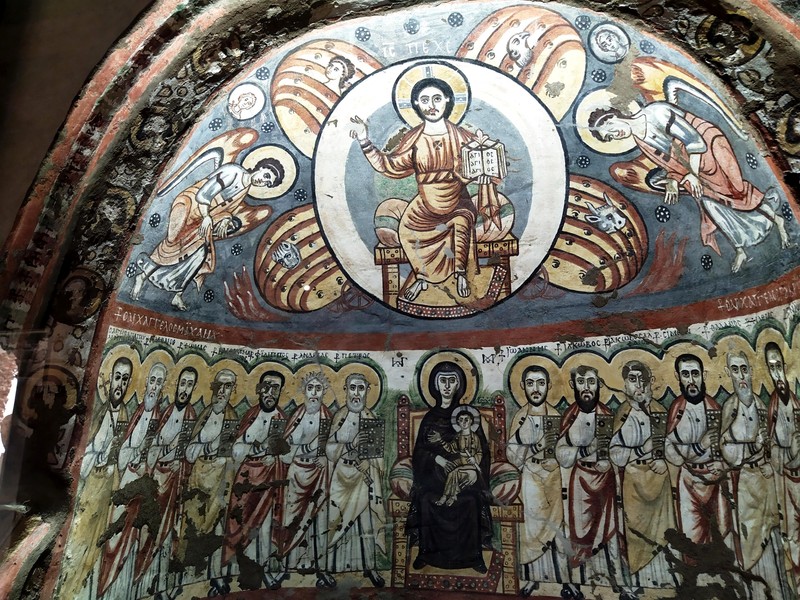
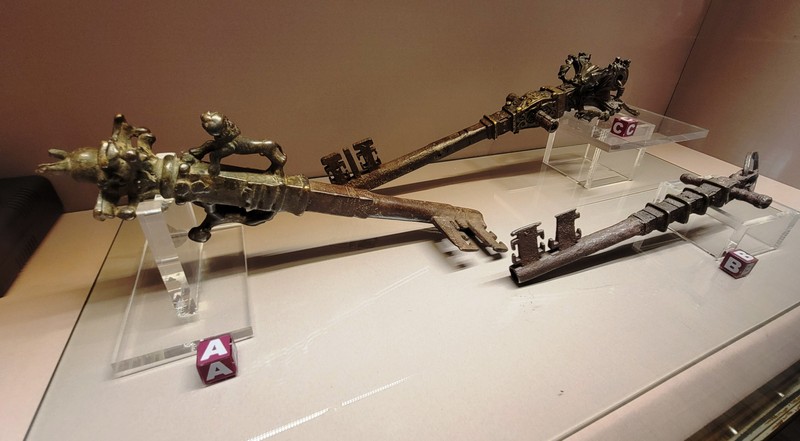
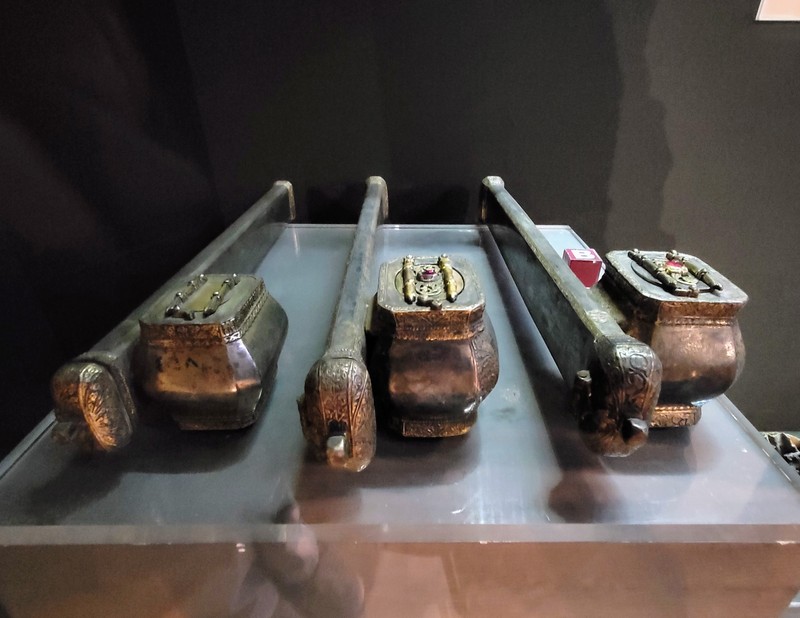
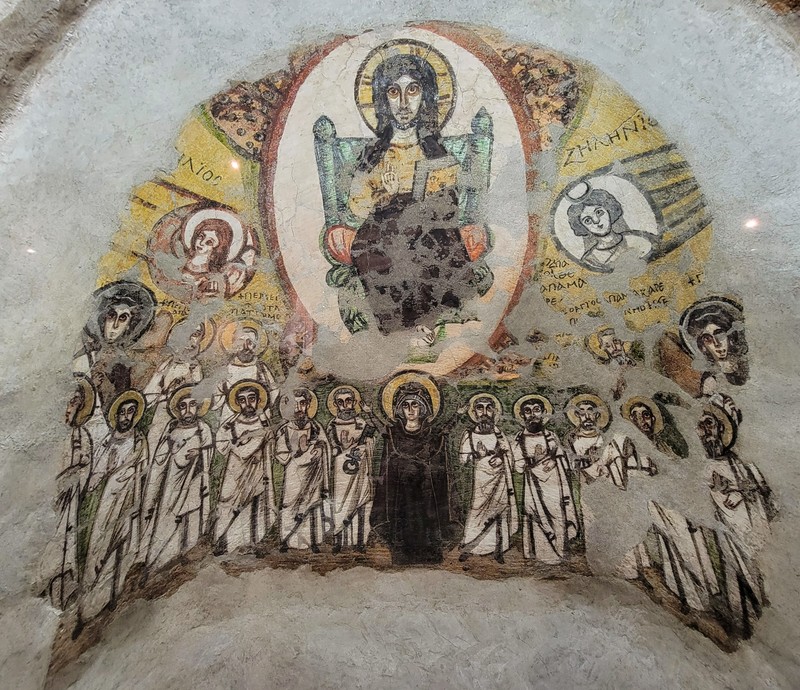
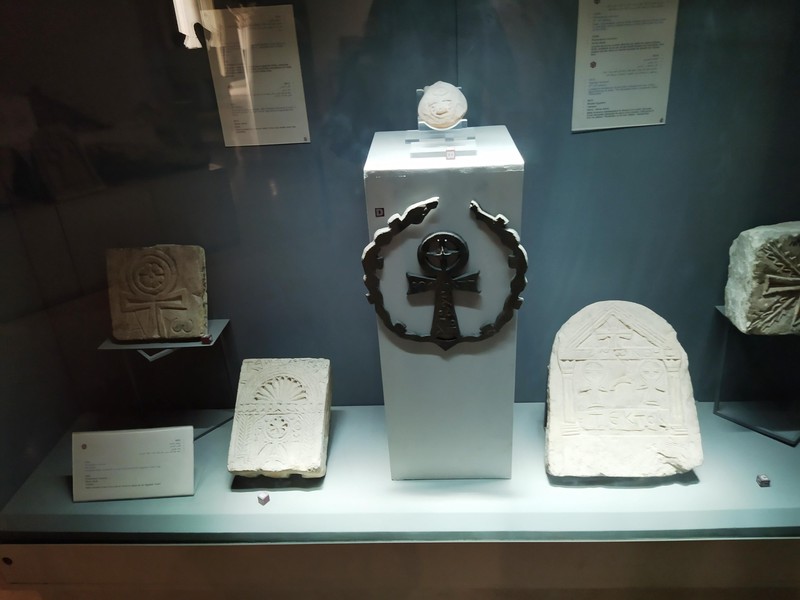
The museum holds around 16,000 objects, including stone reliefs, fresco fragments, icons, manuscripts, papyri, textiles, woodwork, metal objects, ceramics and glass. Their decoration combines geometric patterns, plant motifs, animals and biblical scenes.
Manuscripts and the Coptic language
The manuscripts help researchers study the Coptic language, religious education and Egypt’s book culture. The collection includes religious texts, psalms and liturgical materials written on papyrus and parchment. Coptic is particularly important for understanding the later stages of the ancient Egyptian language.
Icons and religious art
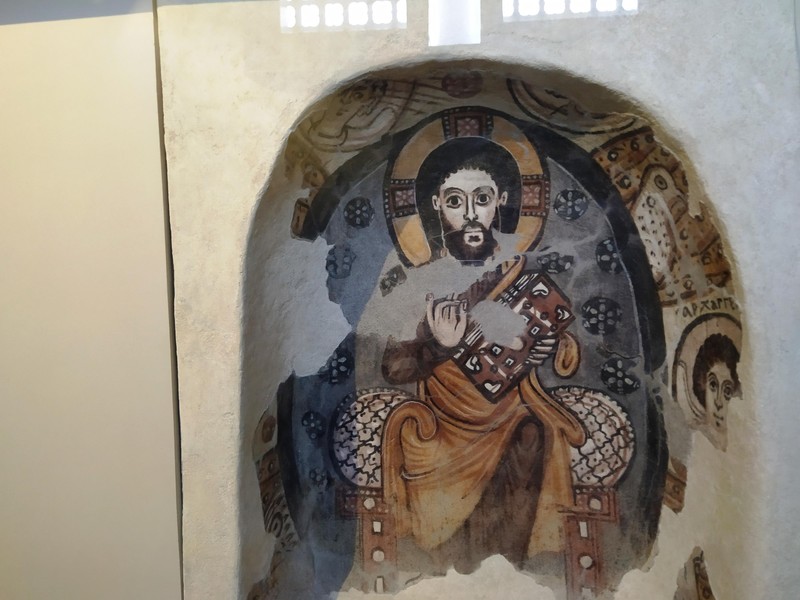
Coptic icons depict Christ, the Virgin Mary, saints, monks and biblical stories. They are often characterized by expressive faces, clear compositions and symbolic use of colour. Icons played an important role in worship and the spiritual life of the community.
Wood carving and historic doors
The museum preserves carved panels, doors, church screens, furniture and architectural details. Craftspeople decorated wood with geometric patterns, plant forms, birds and biblical scenes. These objects help visitors imagine the original appearance of historic churches.
Textiles, ceramics and metalwork
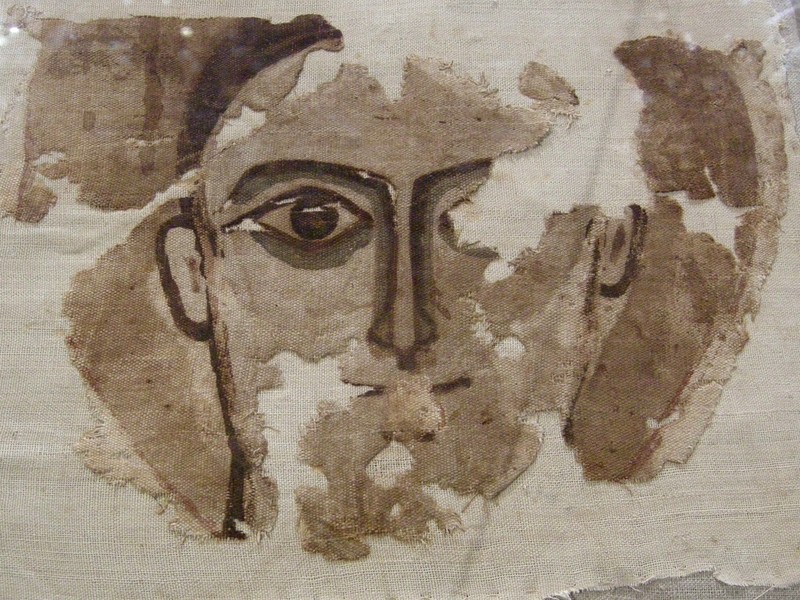
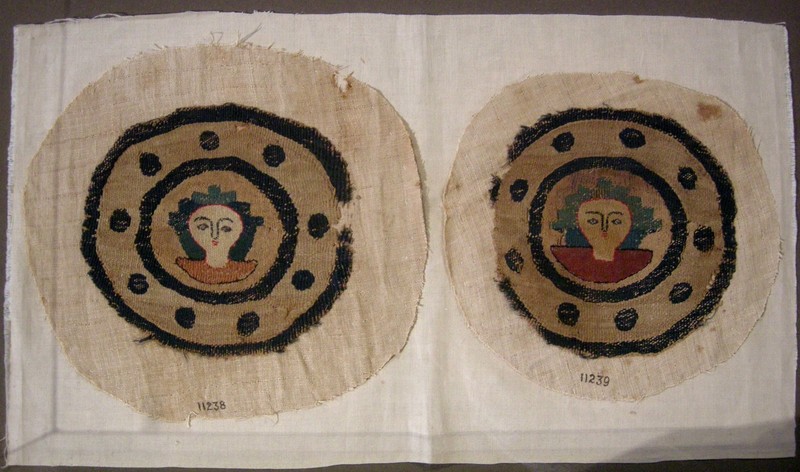
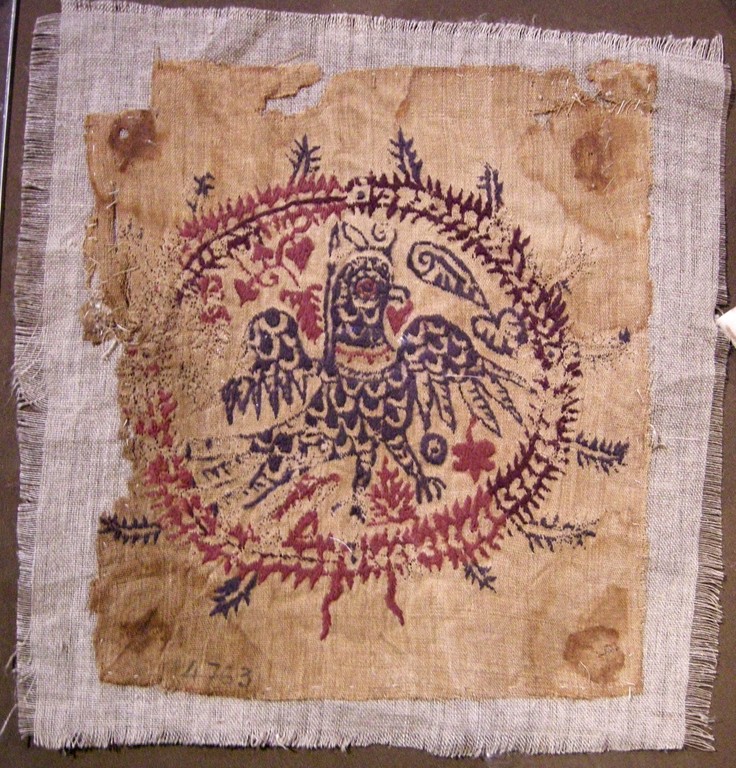
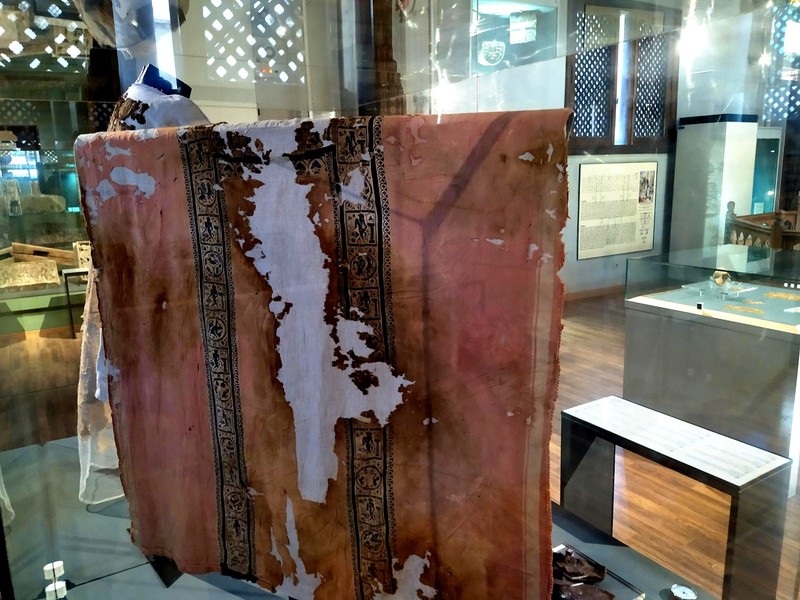
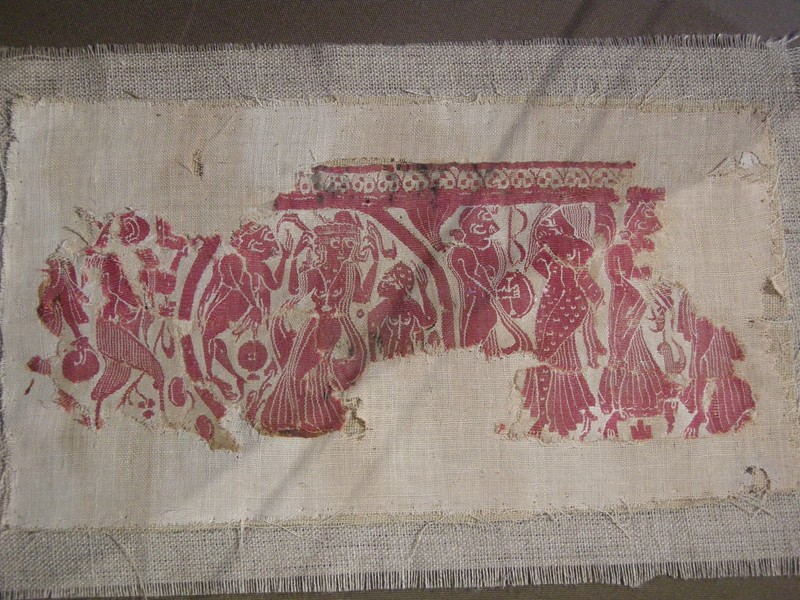
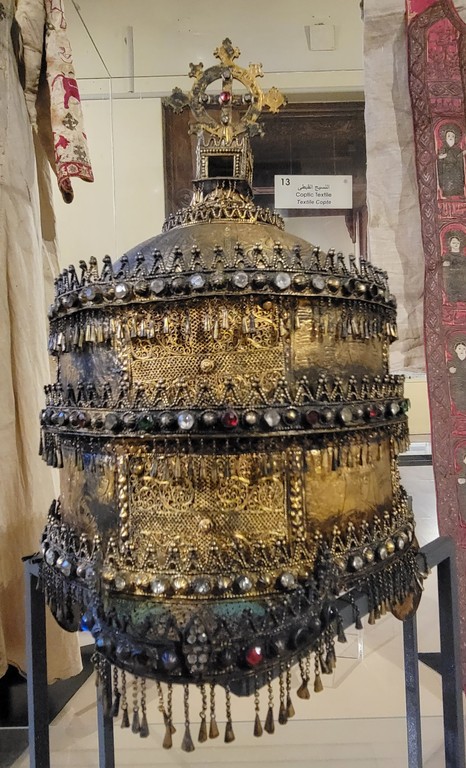
Coptic textiles are known for their intricate patterns and fine workmanship. The museum also displays pottery, glass objects and metalwork that reveal aspects of craft production and daily life. Their materials and decoration reflect Egypt’s cultural and commercial connections with other regions.
Monastic culture
Egyptian monasteries played a major role in preserving manuscripts, developing crafts and providing religious education. Objects connected with monastic life help explain the spiritual practices and artistic traditions of Christian communities in Egypt.
Location in Old Cairo
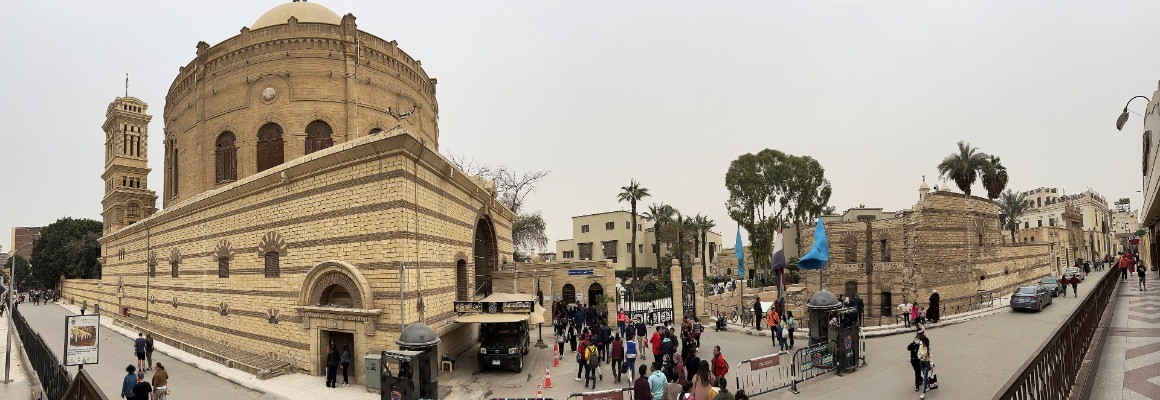
The museum is on Mar Girgis Street in Old Cairo, near Babylon Fortress. Nearby landmarks include the Hanging Church, the Church of Saints Sergius and Bacchus, and the Ben Ezra Synagogue. The area offers an opportunity to explore the different religious traditions that shaped the city.
Visiting the Coptic Museum
The museum is located at 3 Mar Girgis Street, Old Cairo. The easiest option is to take the metro to Mar Girgis station and walk to the entrance. Allow around one and a half to two hours to explore the collection. Check current opening hours, ticket prices and photography rules on the official website of Egypt’s Ministry of Tourism and Antiquities before visiting.
Why visit?
The Coptic Museum reveals an important part of Egyptian history: the development of Christian art and the preservation of ancient cultural traditions. Its manuscripts, icons, textiles and architectural fragments make it a rewarding destination for anyone interested in history, archaeology and art.
Gallery