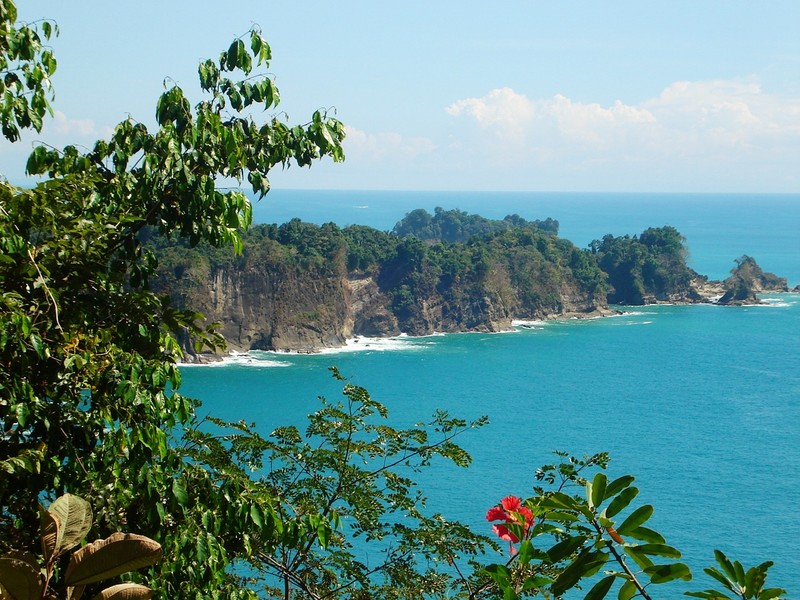
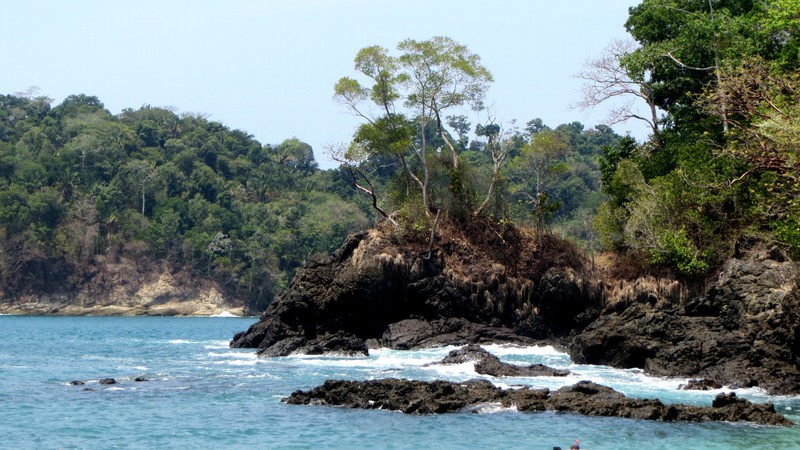
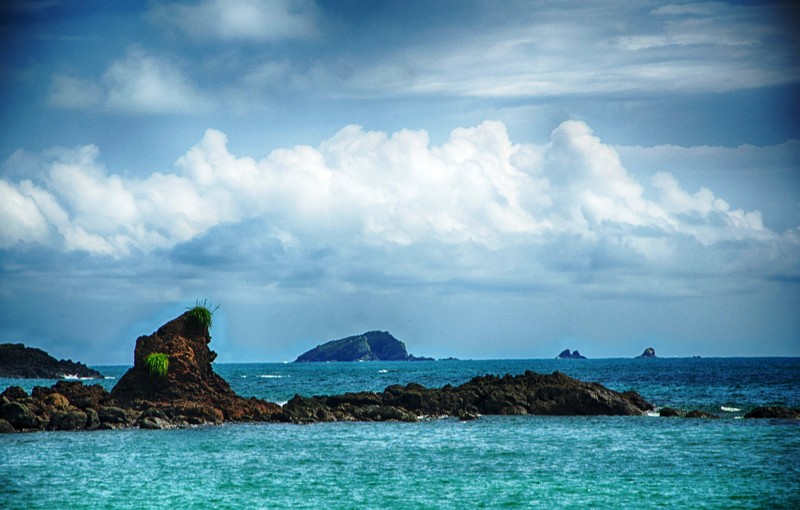
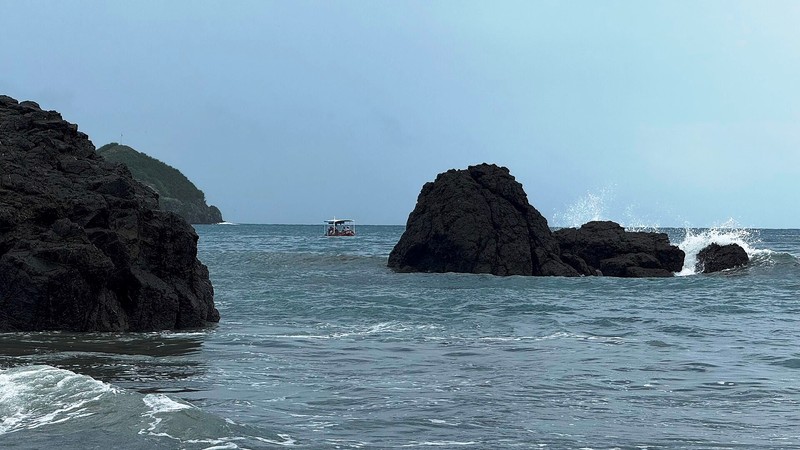
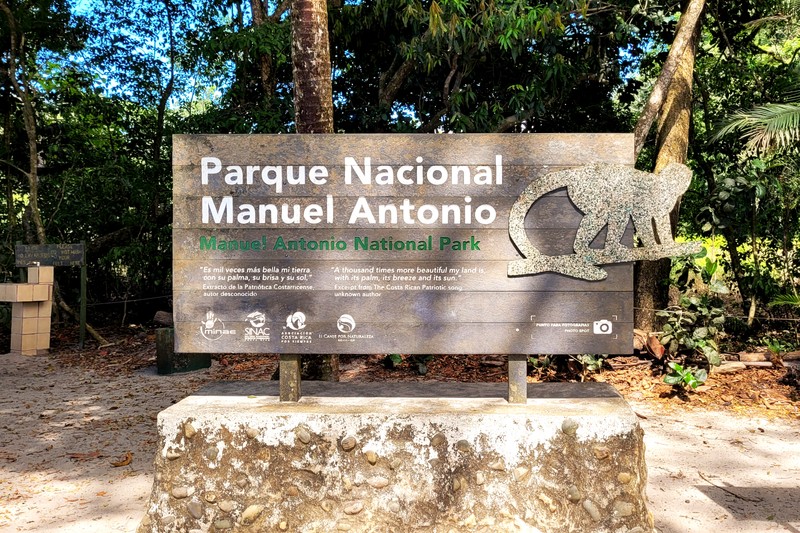
Manuel Antonio National Park is one of Costa Rica’s best-known natural attractions. It lies on the country’s central Pacific coast in Puntarenas Province, near the town of Quepos. Tropical forest meets sandy beaches here, while coastal cliffs, small islands, mangroves, and a lagoon create a varied landscape.
History of the national park
The national park was established in 1972 following public pressure to preserve local residents’ access to the beaches. Its creation helped protect valuable coastal ecosystems and limit uncontrolled tourism development.
Nature and wildlife
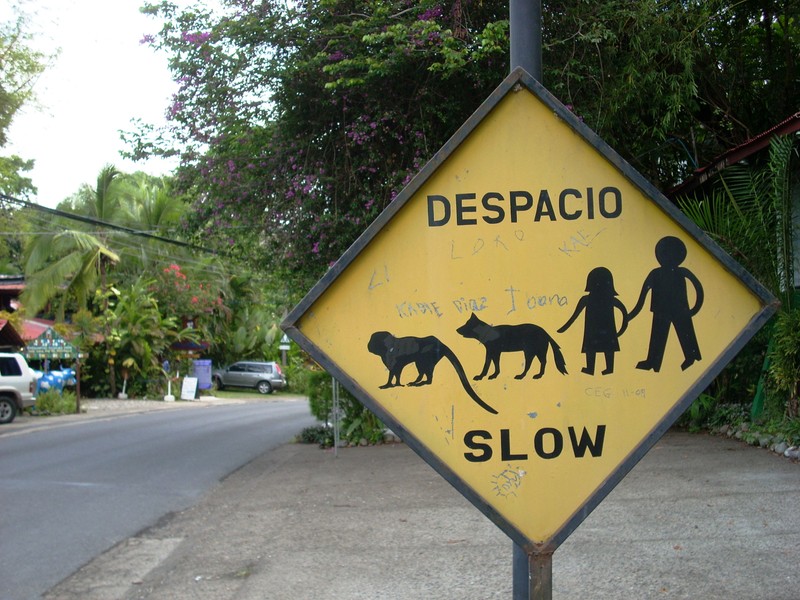
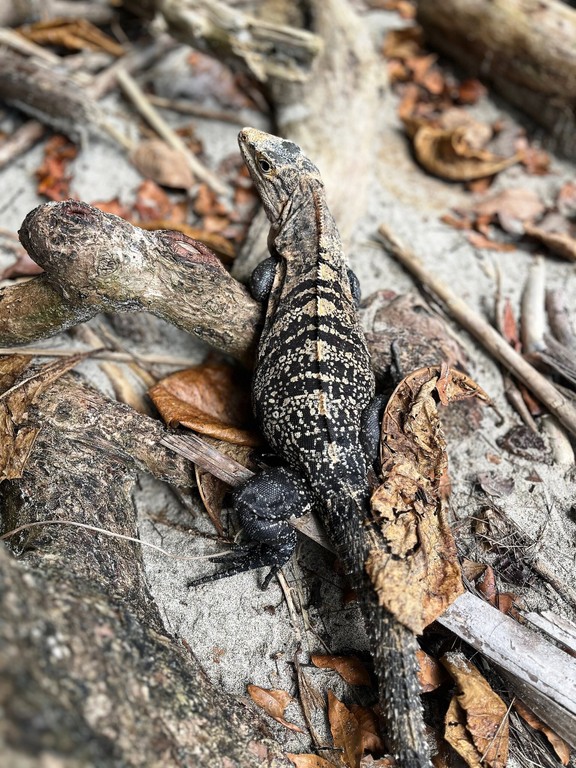
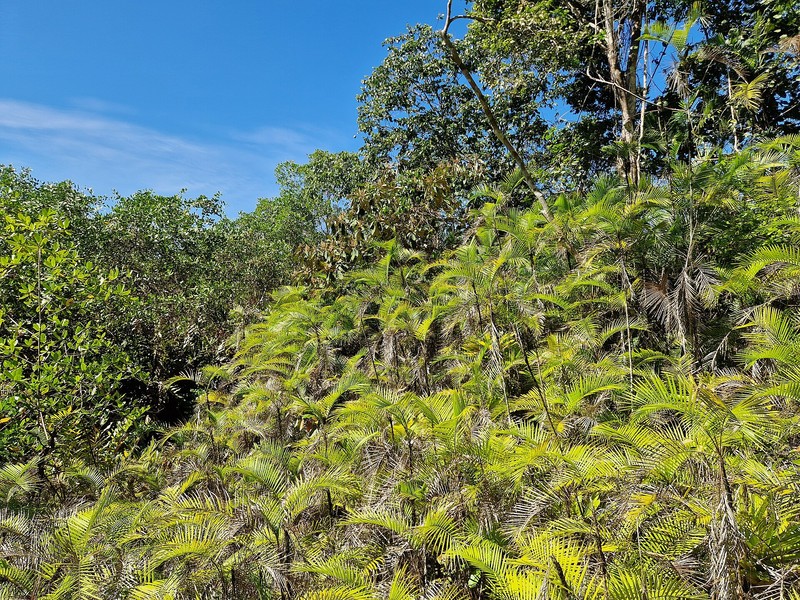
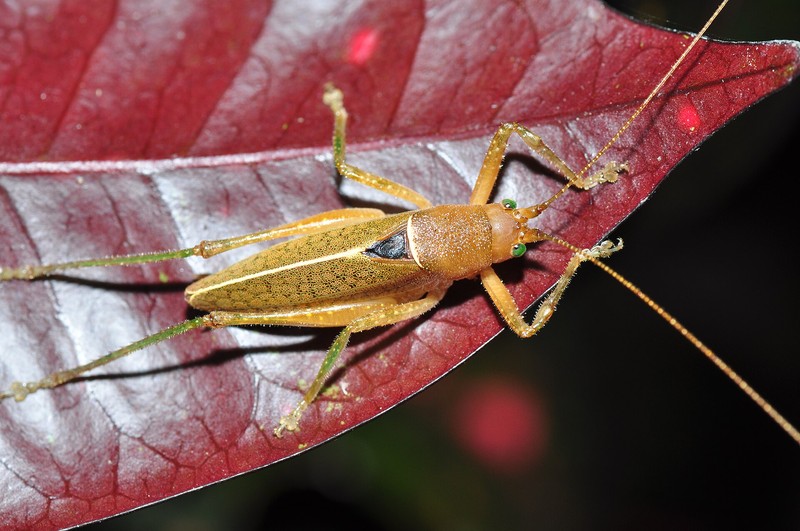
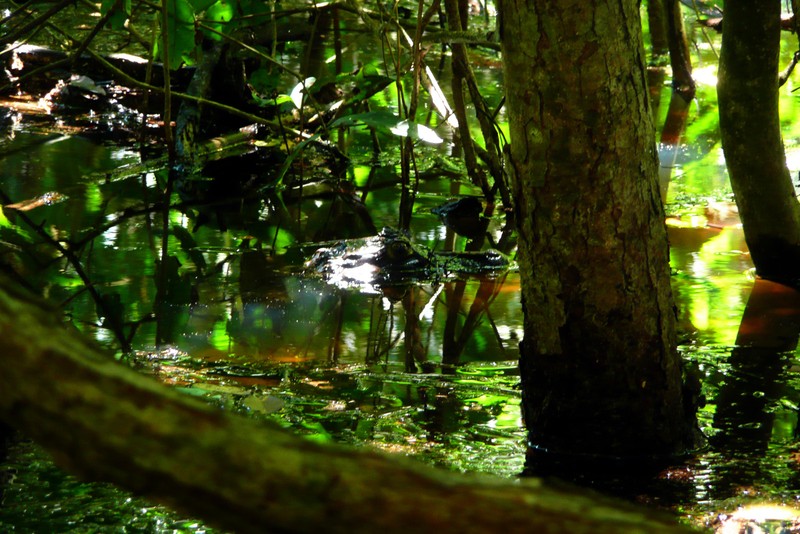
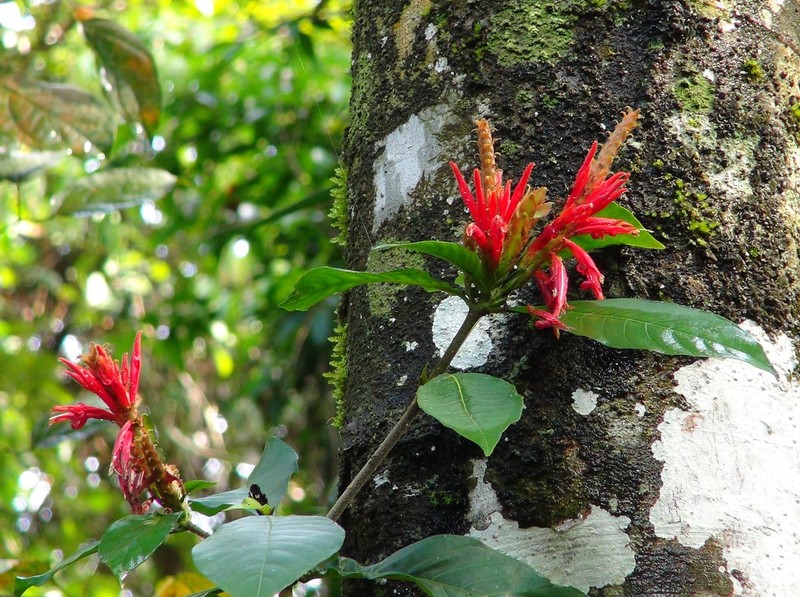
The park contains humid tropical forest, mangrove ecosystems, marine habitats, and a small lagoon. Wildlife includes white-faced capuchins, howler monkeys, sloths, coatis, raccoons, iguanas, and many bird species. The local population of the endangered Central American squirrel monkey is particularly important.
Visitors can observe animals in their natural habitat, listen to tropical birds, and discover a wide variety of plants. Hiring an experienced local guide can improve the chances of spotting wildlife that is difficult to see.
Beaches and scenic places
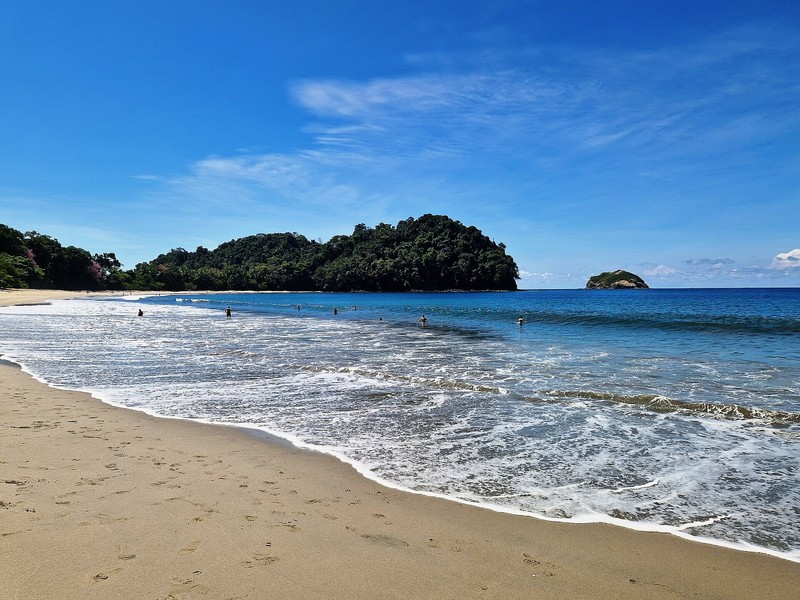
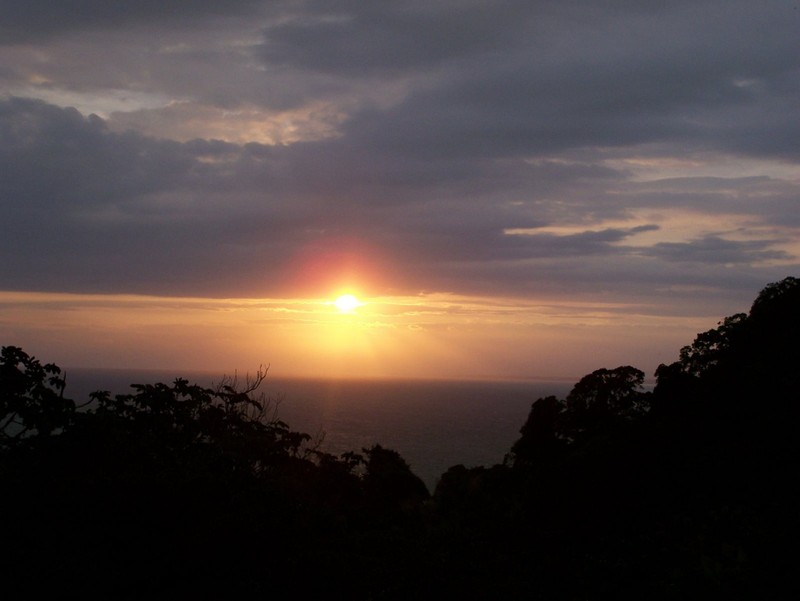
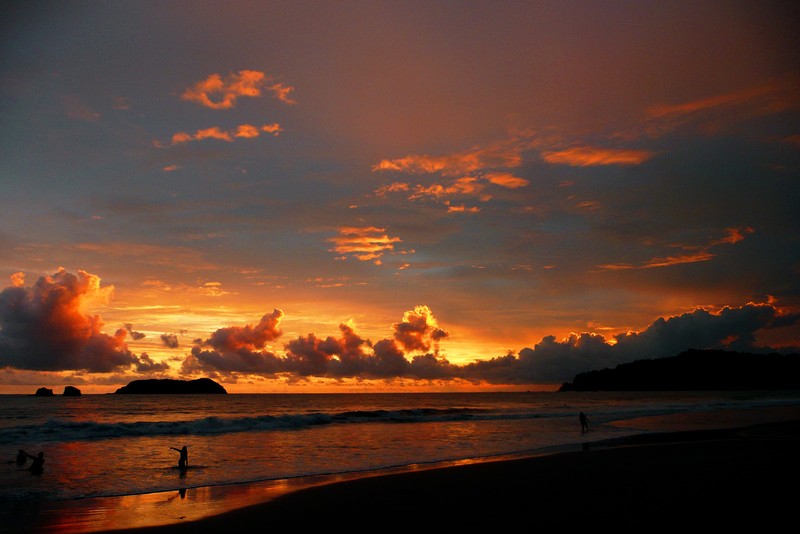
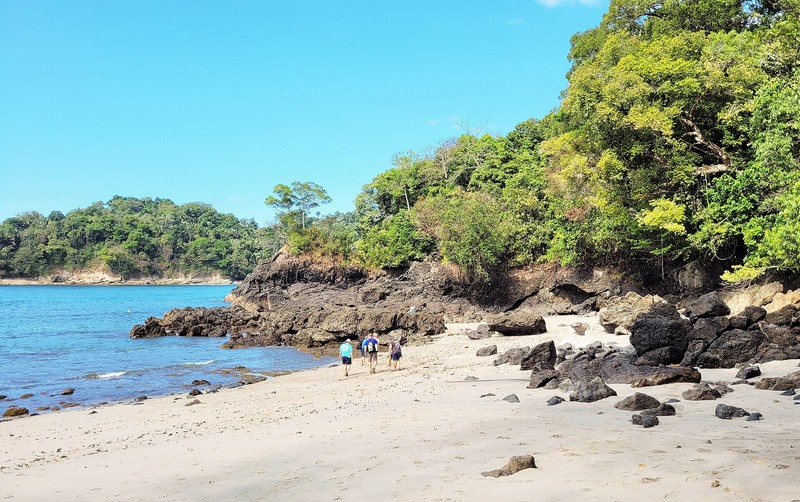
Manuel Antonio is known for its combination of green hills and pale sandy beaches. Notable coastal areas include Manuel Antonio Beach, Espadilla Sur Beach, and Puerto Escondido. Depending on sea conditions and current restrictions, visitors can relax by the water, swim in permitted areas, and enjoy views of the Pacific Ocean.
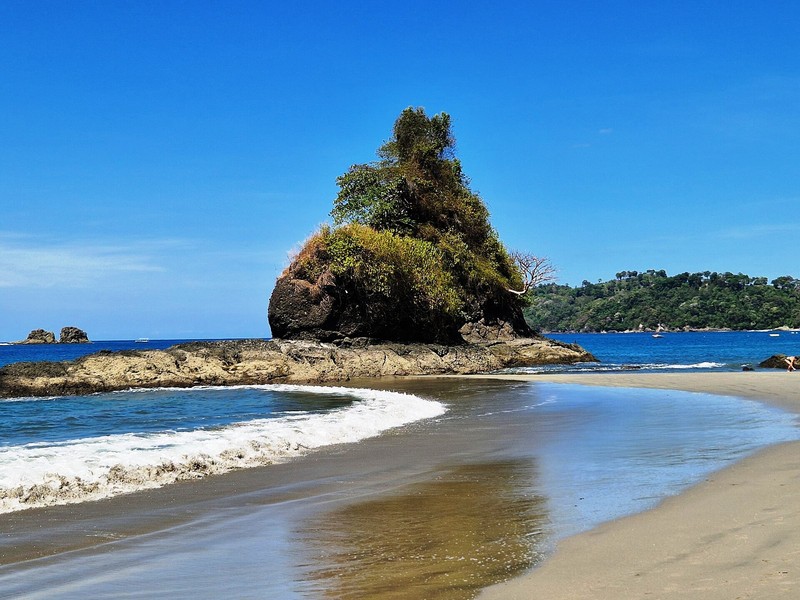
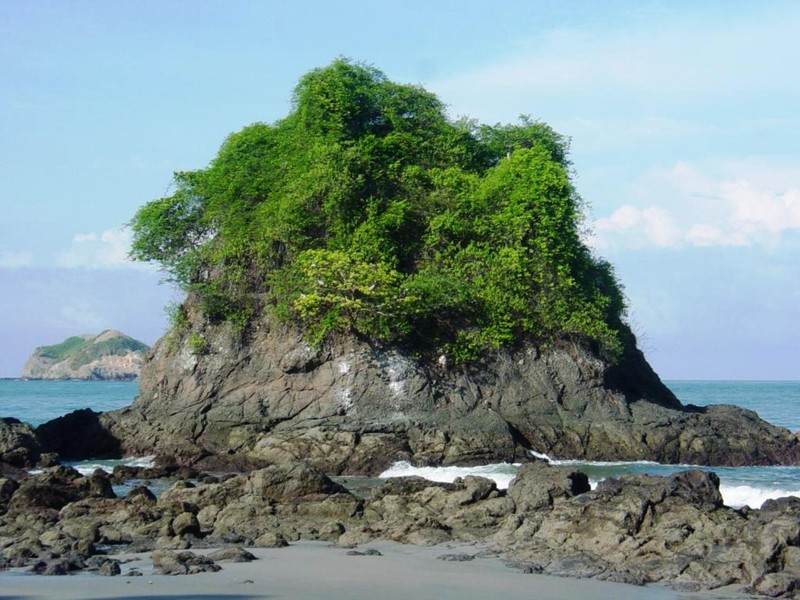
Another natural highlight is Punta Catedral, a headland connecting sections of the coastline and offering attractive sea views. The park also protects small islands that provide shelter for marine birds.
Walking trails
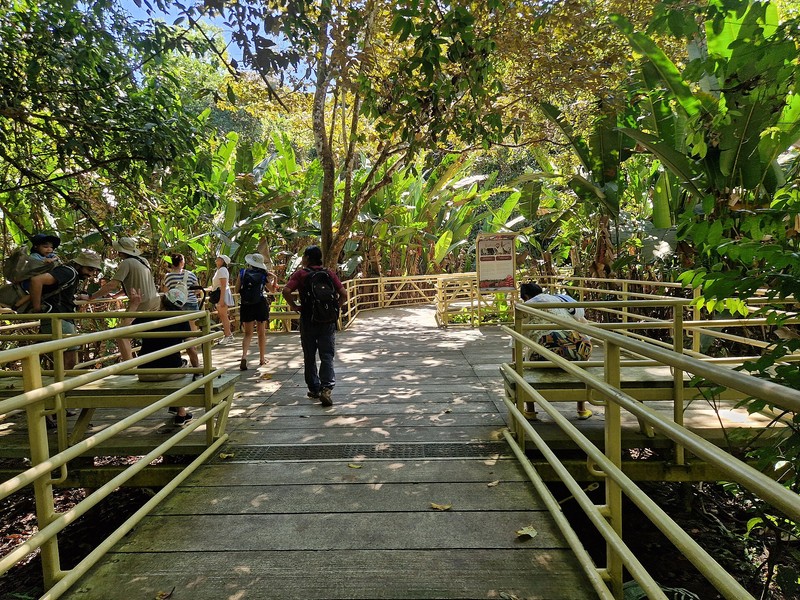
Trails cross the forest and lead to beaches and viewpoints. Along the way, visitors can encounter different types of vegetation and observe wildlife. Some routes may close temporarily, so check the park administration’s latest information before visiting.
How to get there
The national park is about 7 kilometres from Quepos and approximately 157 kilometres south of San José. From the capital, travellers generally take Route 27 toward Caldera, then join Route 34 toward Tárcoles and Jacó before continuing to Quepos and the village of Manuel Antonio.
Visitor tips
Tickets should be purchased in advance through the official SINAC booking system. Visitors must bring physical or digital identification. Single-use plastics, feeding wild animals, and leaving marked trails are prohibited. There is no official parking area directly at the park, so plan transport and parking ahead of time.
Manuel Antonio National Park is ideal for travellers who want to combine rainforest walks, wildlife watching, and time on Costa Rica’s Pacific coast.
Gallery