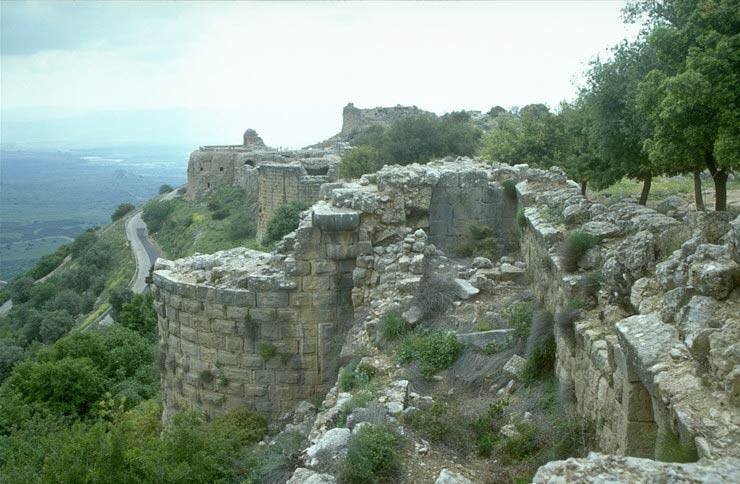
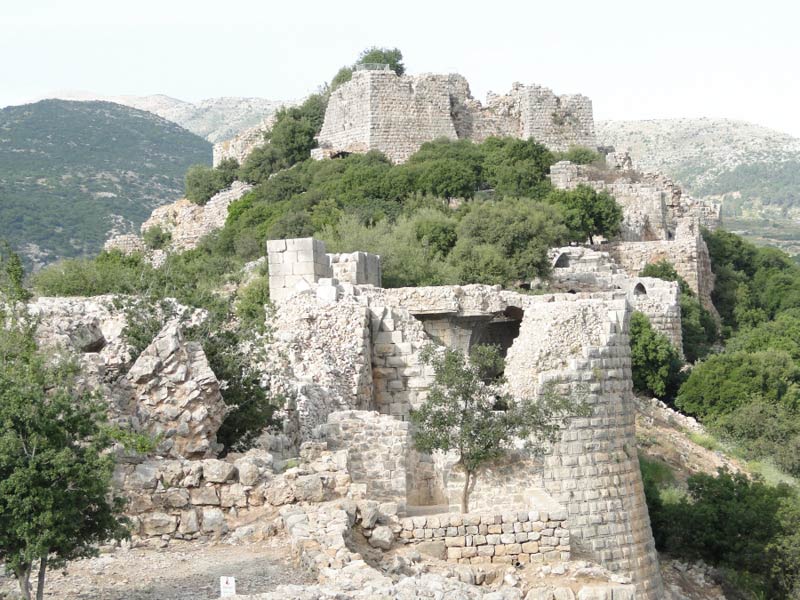
Nimrod Fortress is one of the largest and most impressive surviving medieval fortresses in Israel. It stands on a rocky ridge at the foot of Mount Hermon in the country’s north. Massive walls, powerful towers, narrow passages, underground spaces, and a concealed exit make it a remarkable example of medieval military architecture.
History of construction
The fortress was begun around 1227 under the Ayyubids, the Muslim dynasty founded by Saladin. Its construction was prompted by fears of another Crusader advance toward Damascus. The stronghold was designed to control an important route linking the Hula Valley and the Golan region with the lands toward Damascus.
After the Mamluks took control of the region in the thirteenth century, the fortress was expanded and strengthened. Under Sultan Baybars, towers were rebuilt and the defensive system enlarged. A monumental Arabic inscription dated 1275 commemorates construction work carried out during this period.
Strategic location and defensive architecture
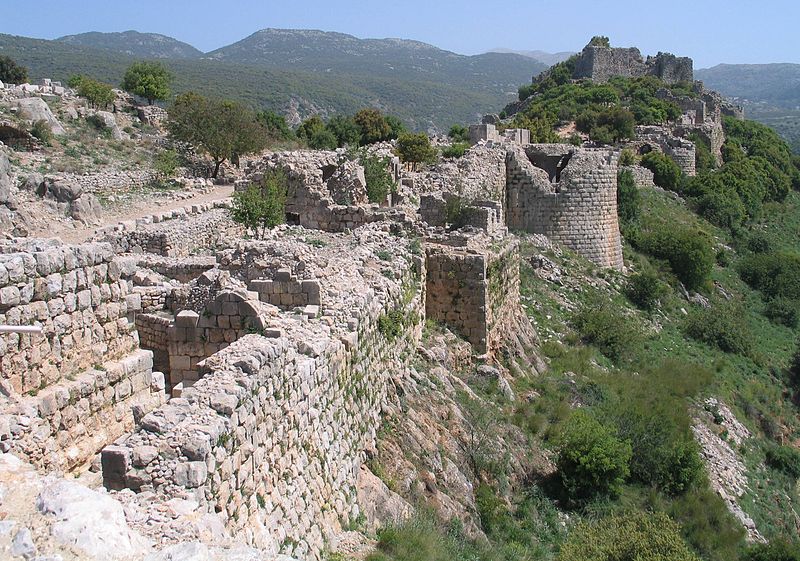
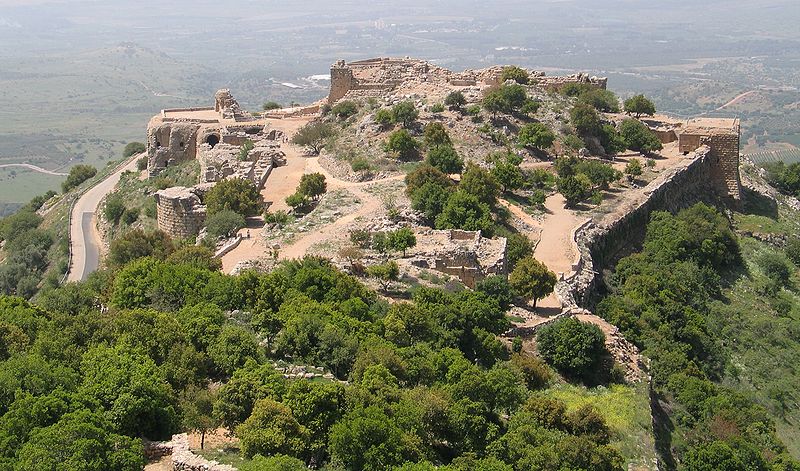
The fortress occupies a long rocky ridge with steep slopes. The natural terrain formed part of its defenses, making it difficult for attackers to approach the walls. The complex included an upper keep, a lower courtyard, defensive walls, and towers.
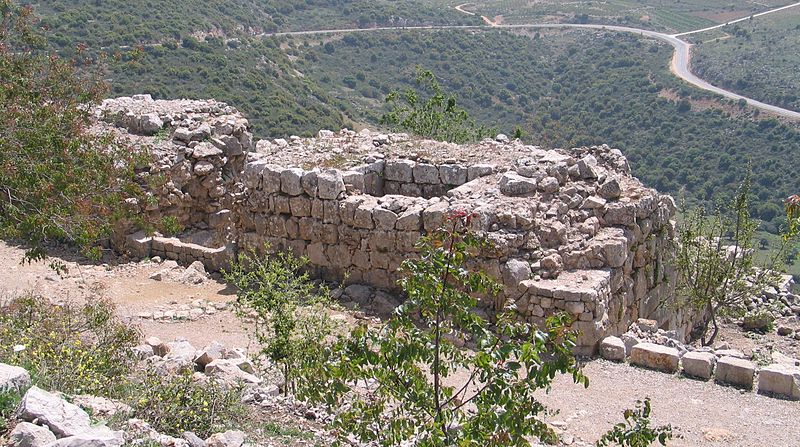
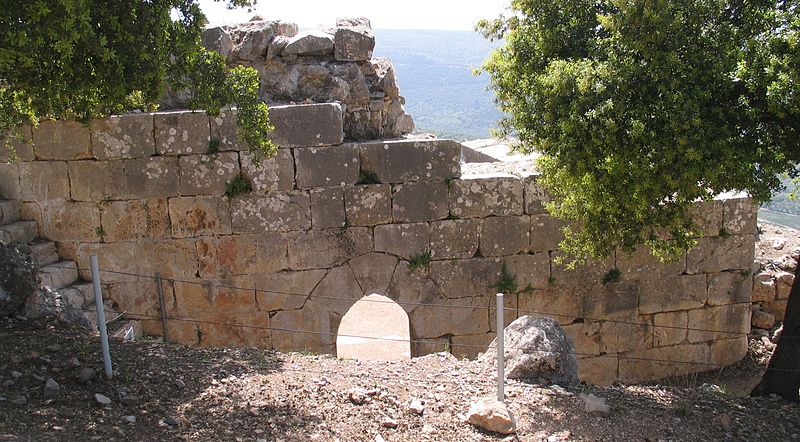
The walls are built from large dressed stones. Narrow corridors, staircases, arched passages, arrow slits, and rooms for the garrison and supplies survive inside. Notable structures include the southwestern tower and the so-called Beautiful Tower, known for its distinctive design.
The inscription of Baybars
One of the fortress’s best-known features is a large Arabic inscription from the Mamluk period, measuring about six meters in length. It commemorates construction work associated with Sultan Baybars and dates to 1275. The text names the ruler and people involved in the project, providing valuable evidence for the history of the fortress.
The secret passage and water supply
A concealed passage is among the most intriguing features of the site. Its stone steps and vaulted ceiling lead toward a hidden exit beyond the outer wall. Such a passage could have enabled discreet movement or escape during an emergency.
Water storage was equally important. A large reservoir east of the fortress measures approximately 54 by 26 meters and is about five meters deep. It collected rainwater through channels and helped supply the garrison, particularly during a siege when outside sources could be inaccessible.
Life inside the fortress
The fortress served not only as a defensive structure but also as a residence for soldiers and local administrators. Its rooms were used for accommodation, storing weapons and food, and carrying out administrative and domestic tasks. Under the Mamluks, it developed into an important military and administrative center.
Decline and archaeological research
As the strategic importance of the region changed, the fortress gradually lost its original role. In the fifteenth century it was apparently used as a prison for rebels and was later abandoned. Earthquakes damaged parts of its walls and towers, although substantial sections survived.
During the twentieth century, archaeologists studied the towers, walls, interior spaces, and inscriptions. Today the fortress is protected within Nimrod Fortress National Park and is recognized as a major monument of medieval architecture.
What to see
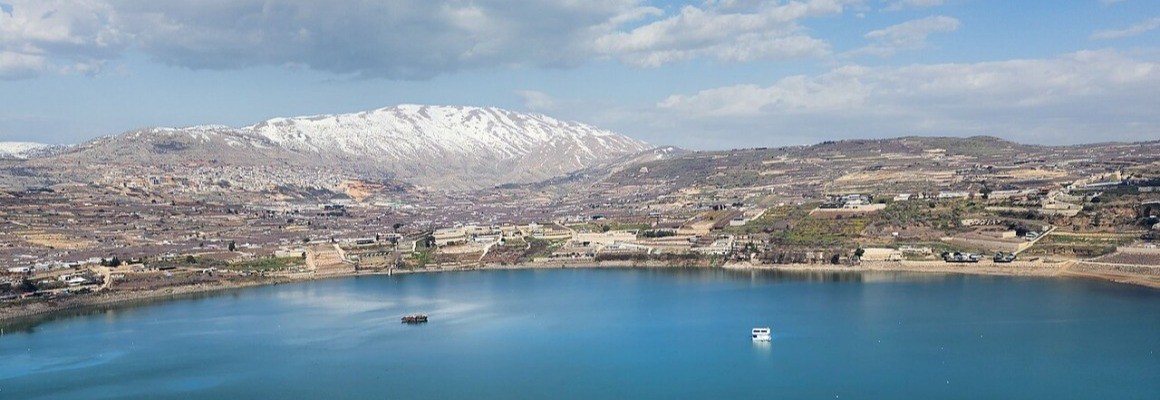
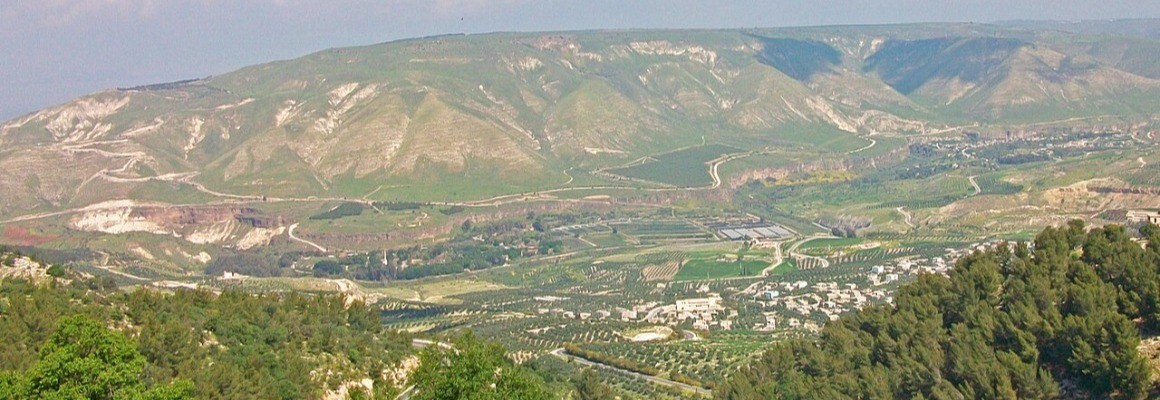
Visitors can explore the keep, massive walls, towers, the inscription of Baybars, the Beautiful Tower, and the secret passage. Viewpoints around the fortress offer broad panoramas of the mountains, valleys, and wooded slopes of Mount Hermon.
Visitor information
The fortress lies in a mountainous area where conditions can be cooler than in other parts of Israel. Spring is often especially attractive, while winter may bring cold, rain, or fog. The route includes stone steps, uneven ground, and narrow passages, so sturdy walking shoes are recommended.
Keep away from cliff edges and remain on marked paths. Check current opening hours and route conditions before traveling. Allow several hours to explore the fortress at a comfortable pace.
Historical significance
Nimrod Fortress demonstrates how Ayyubid and Mamluk rulers used mountain terrain, stone walls, towers, concealed passages, and water storage to protect strategic routes. It is an important surviving example of the development of military architecture in the medieval Middle East.
Gallery