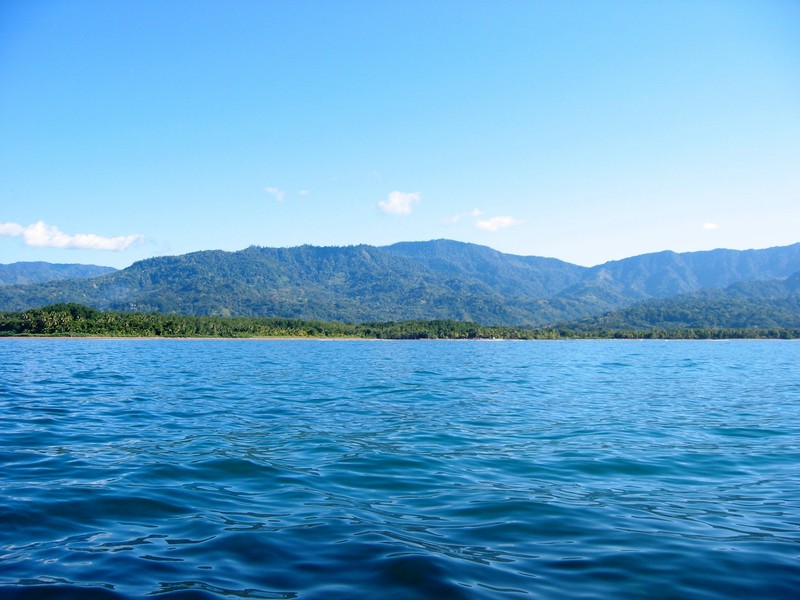
Ballena National Marine Park lies on Costa Rica’s Pacific coast in Puntarenas Province, near the town of Uvita. It was established to protect marine ecosystems and is one of the country’s best-known places for whale and dolphin watching. The park covers approximately 5,160 hectares of marine waters and 171 hectares of land, with a coastline extending for about 15 kilometers.
History of the national park
Ballena became Costa Rica’s first marine national park and one of the first protected areas in Central America created specifically to conserve marine resources. The park was established in 1989, and its legal status was formalized in 1992. Today, it protects coastal waters, coral reefs, islands, beaches, and areas of tropical vegetation.
The Whale Tail – the main attraction
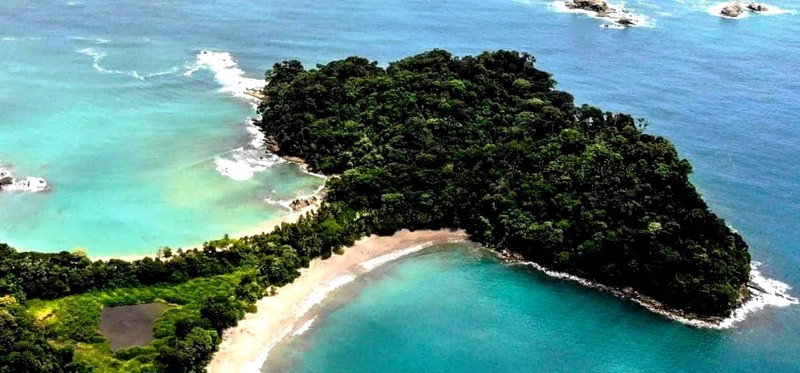
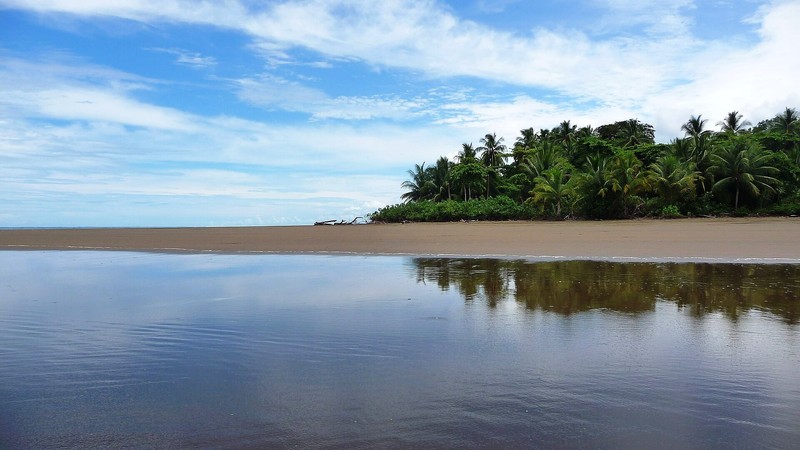
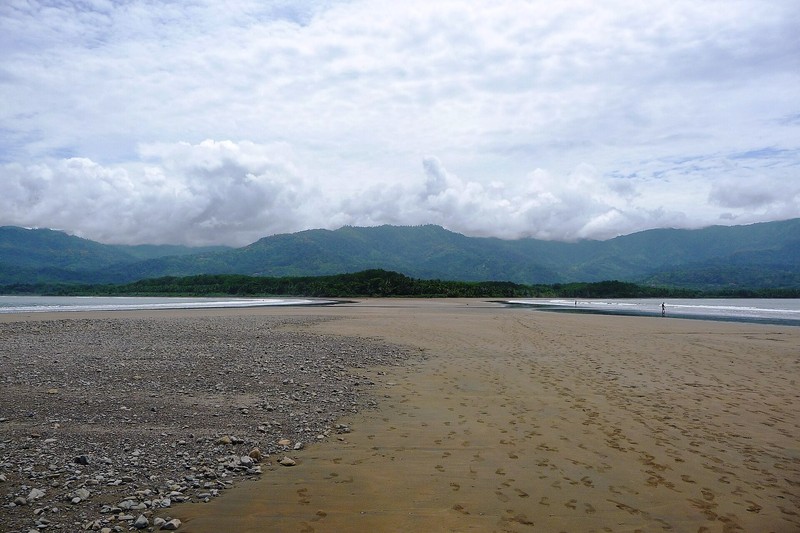
The park’s best-known landmark is a natural tombolo called the Whale Tail. Located near the Uvita Peninsula, it was formed by sand and rocks deposited through the action of ocean currents and tides. At low tide, a narrow strip of land connects the shore to a projection extending into the ocean, creating an outline reminiscent of a whale’s tail.
The Whale Tail can only be reached at low tide. Check the tide schedule before visiting and return to shore before the water rises. Along the way, visitors may see small marine organisms, birds, and varied coastal landscapes. Keep away from dangerous sections of the shore and follow park staff instructions.
Whale and dolphin watching
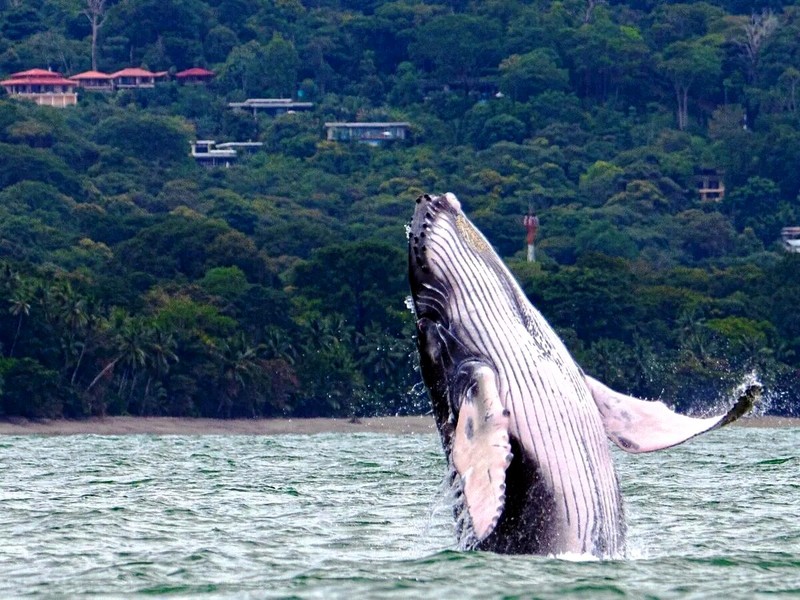
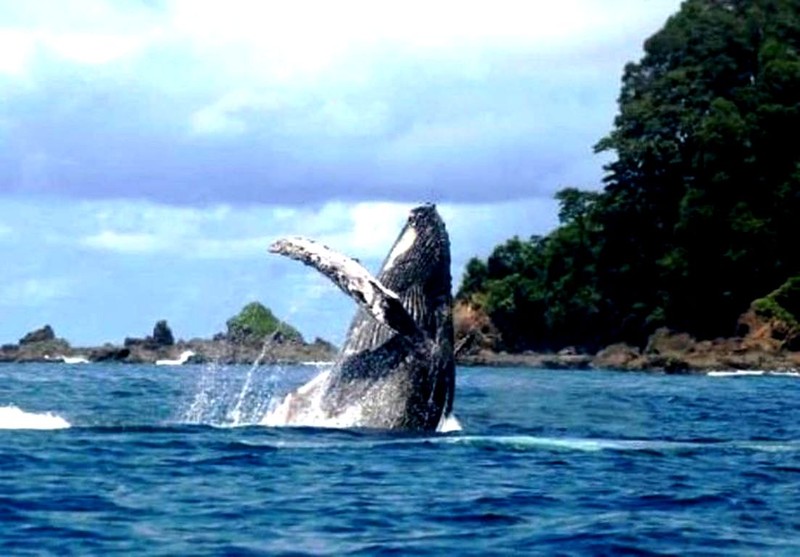
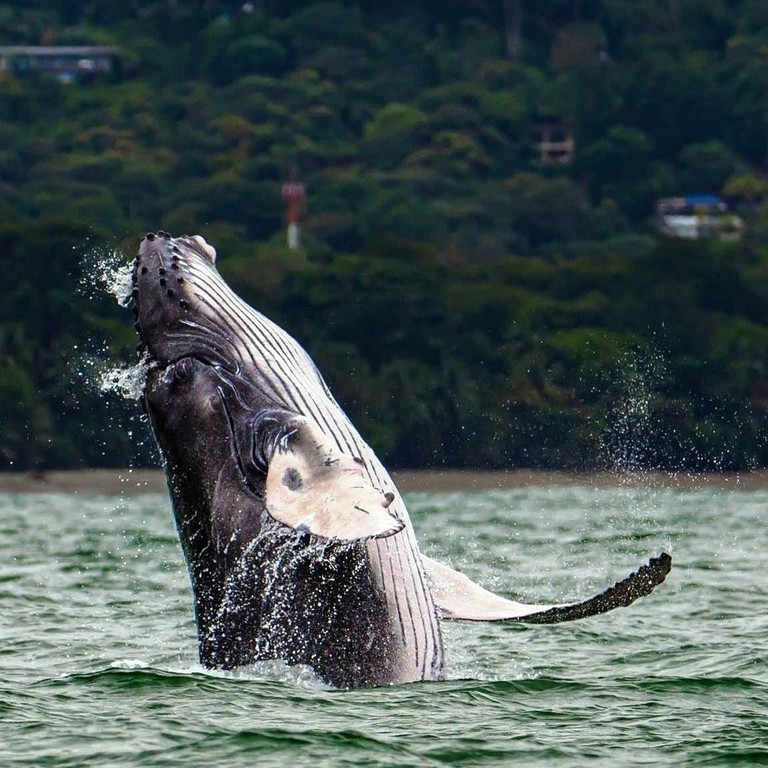
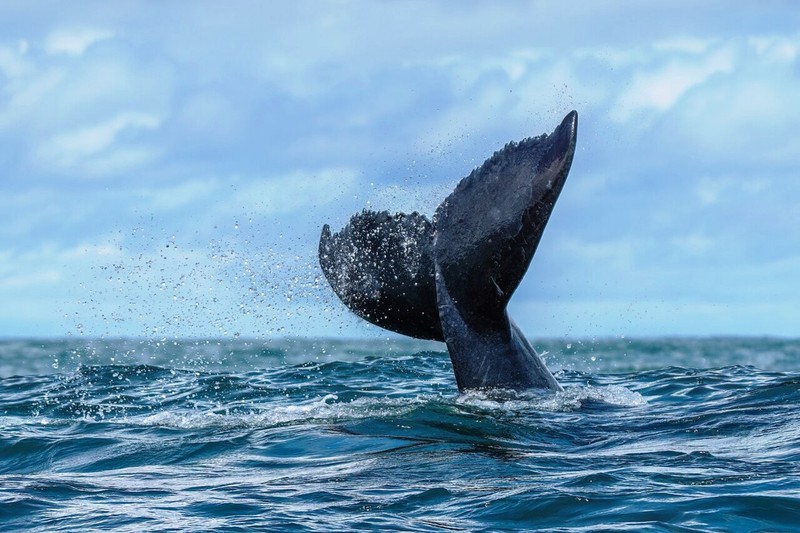
Ballena National Marine Park is known for seasonal migrations of humpback whales. Populations from both the Northern and Southern Hemispheres visit its waters, making whale watching possible during different periods of the year. According to park information, whales originating in the north are more commonly seen from December to April, while those coming from the south appear from July to November. Dolphins can be found in the area throughout the year.
Boat excursions offer opportunities to see whales, dolphins, and other marine wildlife in their natural habitat. Sightings depend on the season, weather, and ocean conditions. Choose responsible tour operators that maintain appropriate distances and avoid disturbing the animals. Boats should avoid sudden maneuvers and excessive noise and remain at a safe distance from whales.
Ballena Island and the Tres Hermanas rocks
The marine section of the park includes Ballena Island and the rocky formations known as Tres Hermanas, or “Three Sisters.” These sites provide habitat and nesting areas for seabirds. Coral reefs and a variety of marine organisms occur in the surrounding waters. Depending on conditions, visitors can snorkel or dive while observing the underwater environment without damaging corals or disturbing wildlife.
Beaches in the national park
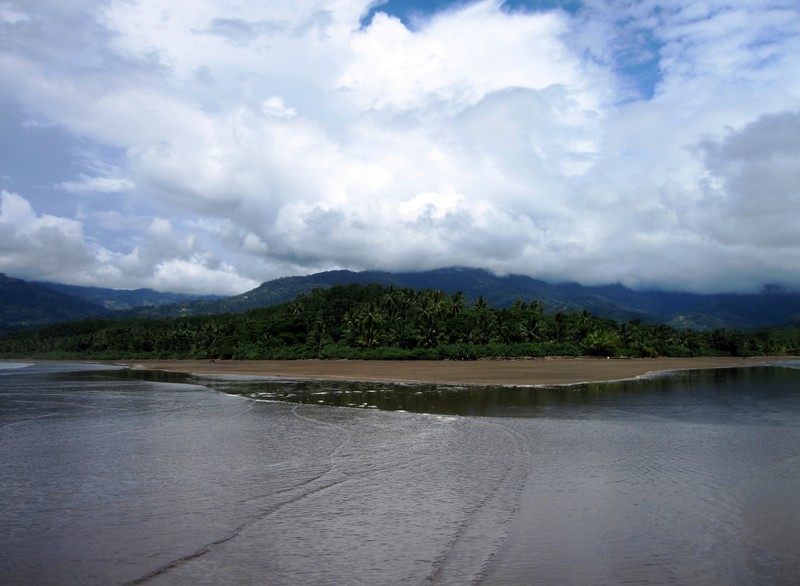
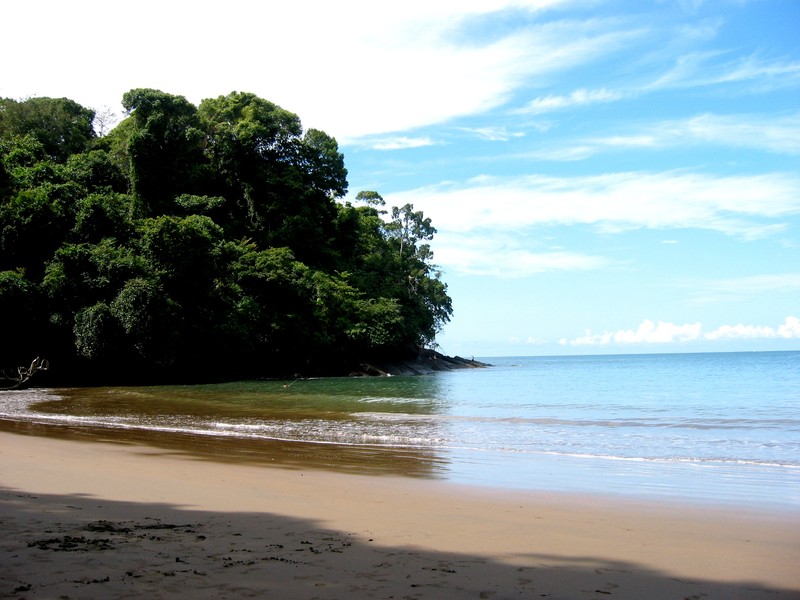
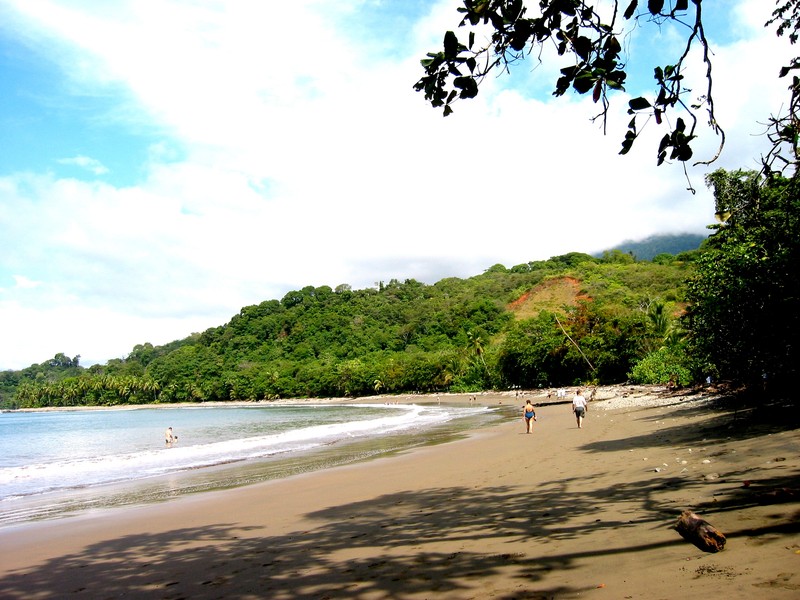
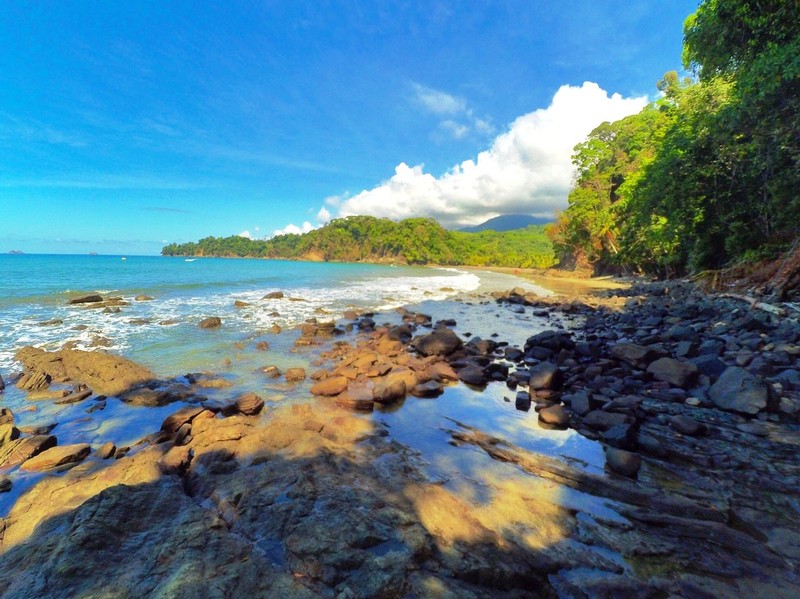
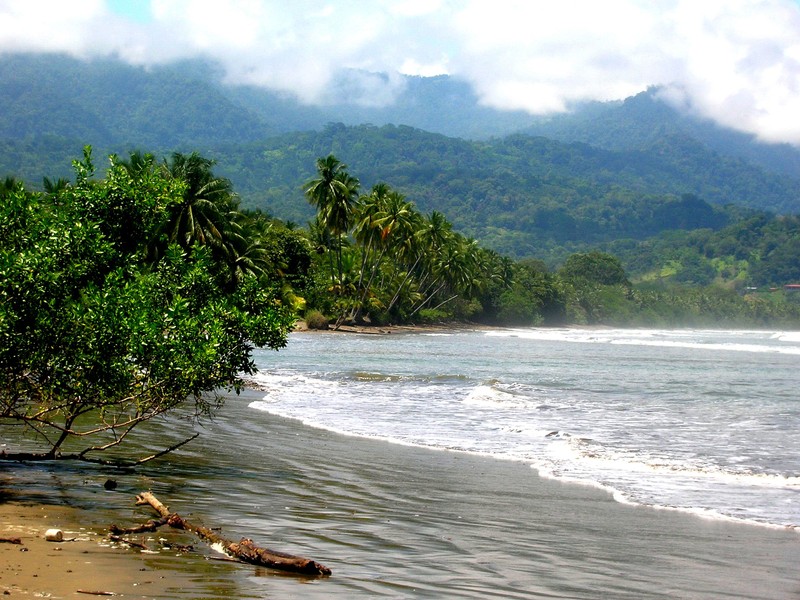
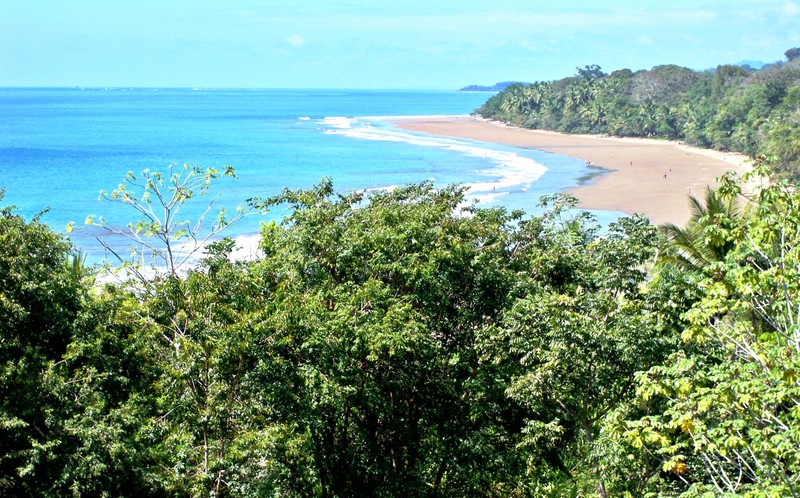
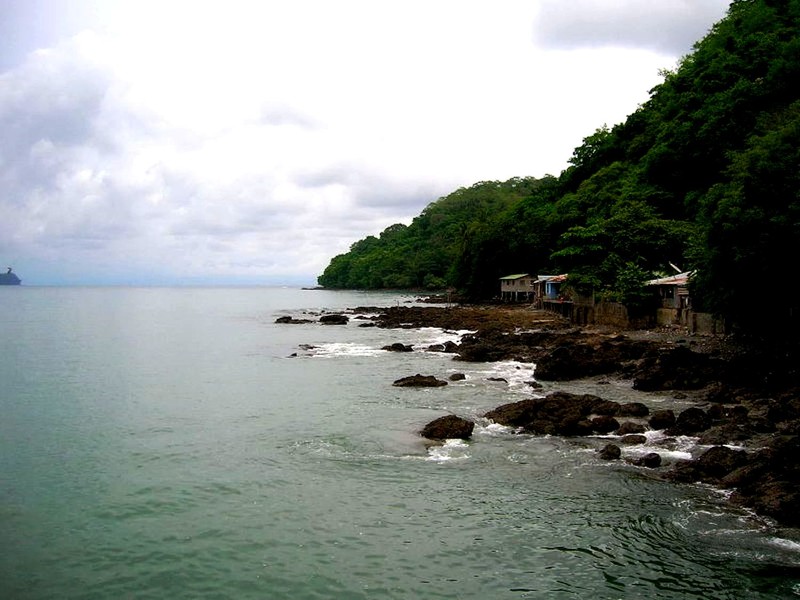
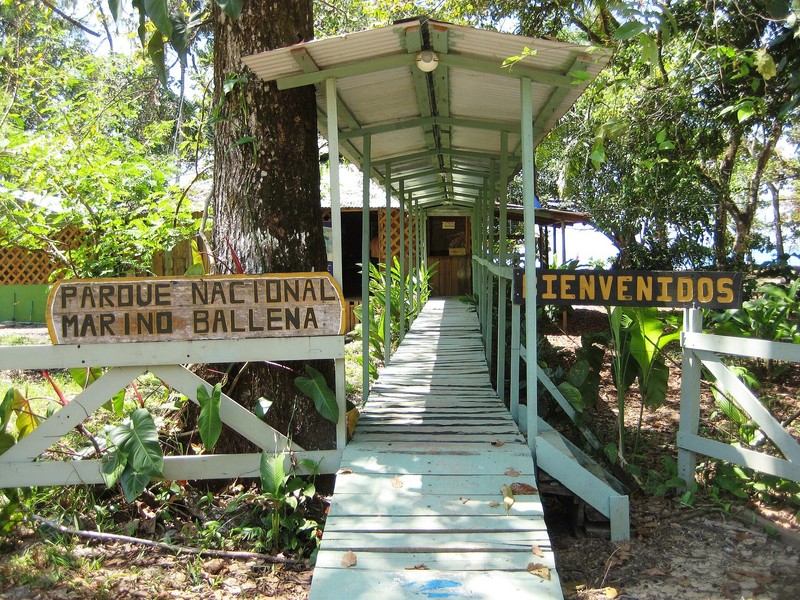
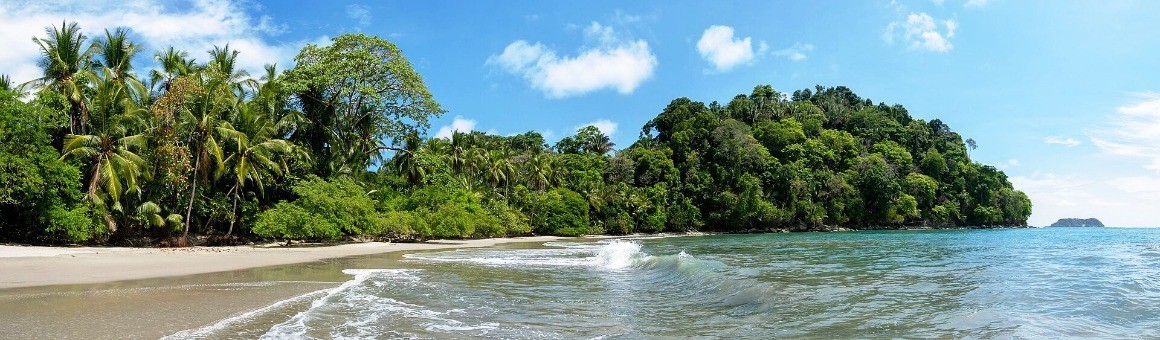
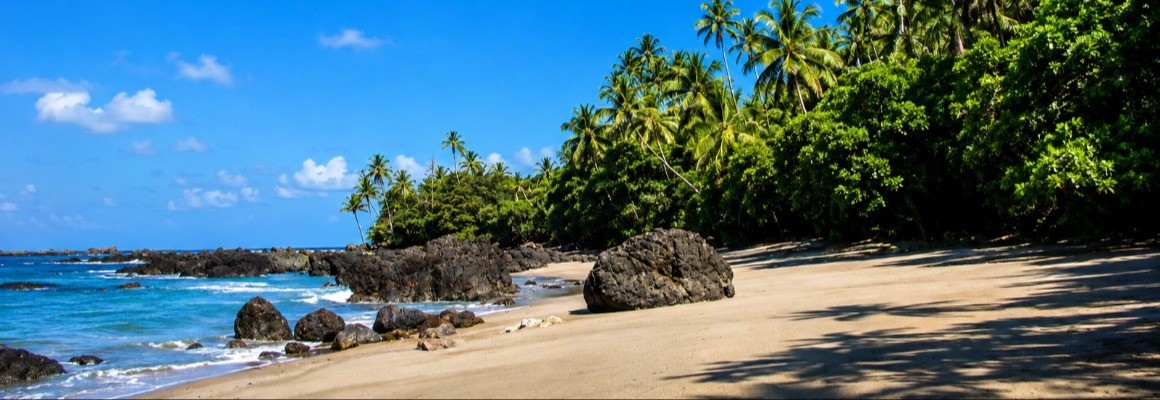
The park includes Uvita, Colonia, Arco, Ballena, and Piñuela beaches. They feature a mix of sandy and rocky shorelines, tropical vegetation, and views of the Pacific Ocean. Arco Beach is particularly notable for its rock formations and a small waterfall, but access and a safe return are possible only when water levels allow. The official entrance is through the Ballena sector.
Plants and wildlife
The park’s natural habitats include marine reefs, rocky shores, sandy beaches, mangroves, and humid tropical forest. This diversity supports rich coastal and marine wildlife. In addition to humpback whales and dolphins, nearby waters are home to sea turtles, rays, tropical fish, and other marine animals. Birds can be observed on the islands and rocks, where they rest and nest.
Best time to visit
The park is open year-round, but the best time depends on your plans. Humpback whale watching is generally best from July to November or from December to April. For a walk to the Whale Tail, the most important factor is low tide, so check the tide schedule in advance. The dry season usually lasts from mid-December to mid-April, while the wetter season runs from mid-April to mid-December.
Opening hours and visitor rules
The park has four official entrances: Uvita, Colonia, Ballena, and Piñuela. Opening hours vary by sector: Uvita generally operates from 7:00 a.m. to 5:00 p.m., Colonia from 7:00 a.m. to 6:00 p.m., and Ballena and Piñuela from 8:00 a.m. to 4:00 p.m. Tickets are sold at official entrance points, and published rules state that payment is accepted by bank card. Check the official website for current hours and fees before your trip.
Visitors should heed warnings about strong currents and avoid swimming in marked danger zones. Removing shells, coral, or other natural objects, leaving rubbish, and disturbing wildlife are prohibited. Comfortable shoes are useful for rocky shorelines; bring water, a hat, and sunscreen. Published park rules prohibit pets, smoking, alcohol, open fires, and drones.
How to get to Ballena National Marine Park
The park is near Uvita on Costa Rica’s southern Pacific coast. From San José, the usual route follows Highway 27, then turns near Orotina toward Tárcoles, Jacó, and Manuel Antonio before continuing along the South Inter-American Highway to Uvita. The park entrances serve different coastal sectors, so choose the appropriate one for your plans, whether you want to visit the Whale Tail, explore the beaches, or join a boat excursion.
Why visit Ballena National Marine Park
Ballena National Marine Park combines scenic beaches, the distinctive natural Whale Tail, coral reefs, and opportunities to see whales and dolphins. Visitors can walk along the coast, take a boat trip, snorkel, or simply enjoy views of the Pacific Ocean. It is one of Costa Rica’s most appealing natural destinations for travelers interested in marine life and ecotourism.
Gallery