Corcovado National Park lies on the Osa Peninsula in southwestern Costa Rica, along the Pacific coast. It is one of Central America’s most important protected areas, known for humid tropical forests, rivers, wetlands, mangroves and wild beaches. The park preserves rare ecosystems and offers visitors a chance to experience tropical nature in a relatively undisturbed setting.
Geography and natural features
Corcovado covers a substantial part of the Osa Peninsula and includes extensive terrestrial and marine areas. Lowland rainforests, marshes, rivers, lagoons, coastline and hills form a varied landscape. The park’s highest elevation reaches about 782 metres above sea level. Hot, very humid conditions support dense vegetation and diverse habitats.
Wildlife diversity
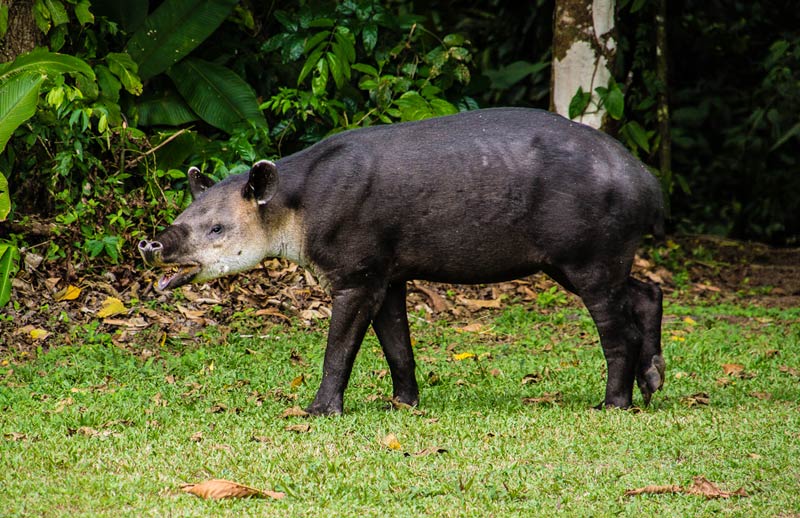
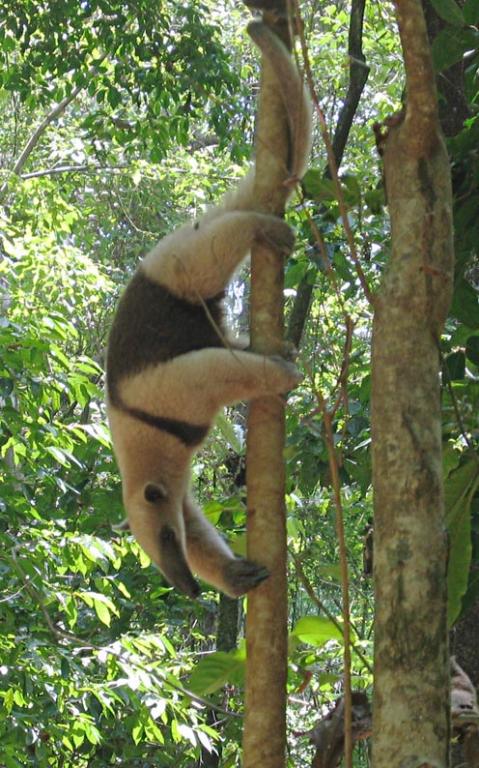
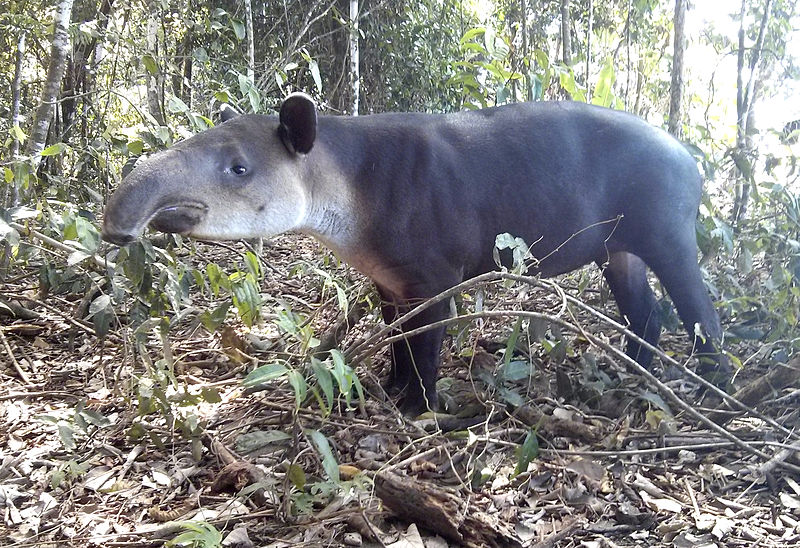
Corcovado is considered one of Costa Rica’s richest regions for biodiversity. Its forests shelter Baird’s tapirs, white-nosed coatis, anteaters, sloths, several monkey species and wild cats such as ocelots and pumas. The park is also known for scarlet macaws and many other birds, reptiles, amphibians, fish and insects. Crocodiles may inhabit rivers and estuaries, while bull sharks can sometimes be found near the mouth of the Sirena River.
Tropical rainforest
The forest has several vegetation layers, with tall trees forming a canopy above a humid, shaded understory. Vines, mosses, ferns and epiphytes grow on trunks and branches. These forests help regulate water, protect soils and provide habitat for wildlife. Visitors should stay on authorised trails, avoid feeding animals and carry out all rubbish.
Sirena sector
Sirena is one of the park’s best-known sectors. A biological station serves as a base for trails through forest and around rivers and pools. The variety of habitats offers opportunities to spot birds, monkeys, coatis and other wildlife, although sightings depend on weather, time of day and chance. Overnight stays and meals may be available under current arrangements, but places are limited and must be booked in advance.
San Pedrillo, La Leona and Los Patos
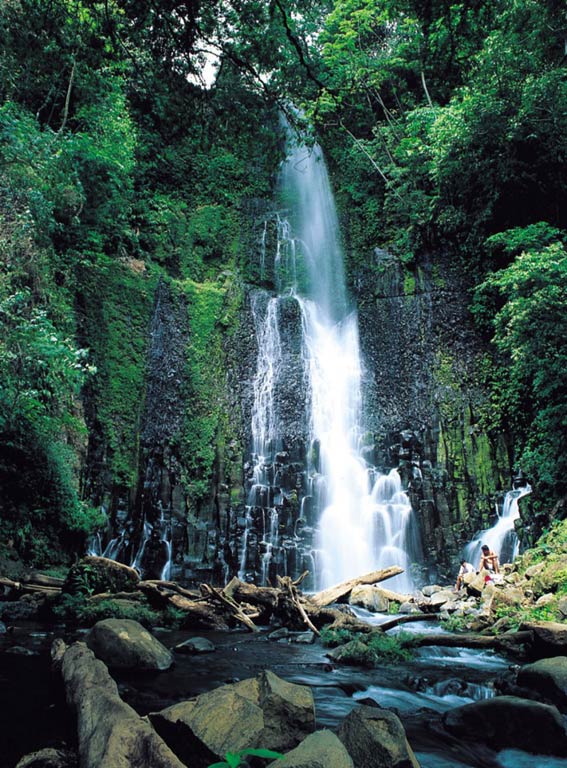
San Pedrillo is known for forest trails and a route to a waterfall. La Leona lies near the Pacific coast and serves as an access point for hiking routes. During sea-turtle nesting seasons, natural nesting activity may be observed in designated areas where regulations allow it.
Los Patos lies in the park’s forested interior and offers trails near the Rincón River, waterfalls and tall trees. El Tigre has more demanding routes over uneven terrain, with viewpoints along the way. Trail access and guide requirements can change, so check current conditions before setting out.
Beaches, rivers and waterfalls
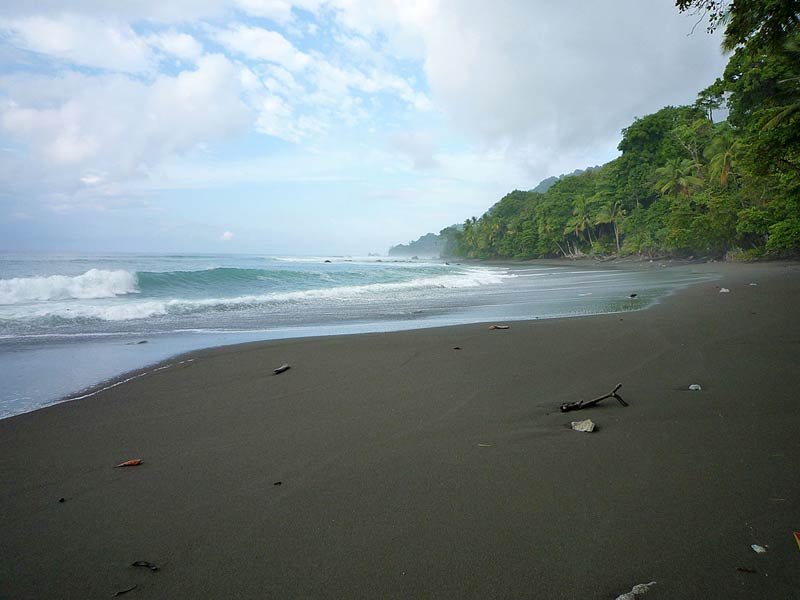
Corcovado’s coastline features secluded beaches, river mouths and forest that reaches close to the shore. Playa Llorona is a well-known destination reached by a long trail. Ocean currents can be strong, and swimming is prohibited in dangerous areas. Rivers and waterfalls should be viewed from authorised routes and safe locations.
History of the park
Corcovado National Park was established in 1975 to protect the natural wealth of the Osa Peninsula. Its protected status has helped preserve extensive rainforest and habitats threatened by changes in land use. Today the park is managed by Costa Rica’s National System of Conservation Areas, known as SINAC.
When to visit
The climate is hot, rainy and very humid. The relatively dry season generally runs from mid-December to mid-April, while the rainy season usually extends from mid-April to mid-December. Conditions can change quickly, and heavy rain may affect trail access. Check which sectors are open for your dates before travelling.
How to visit Corcovado
Puerto Jiménez and Drake Bay are the main bases for exploring the region. Depending on the route, visitors reach park sectors on foot, by boat or by small aircraft. Advance reservations are required, and an authorised guide is mandatory on several routes. Bring sturdy closed footwear, lightweight clothing, sun protection, water and waterproof bags for valuables. Prepare for heat, humidity and challenging trail conditions.
Why visit Corcovado
Corcovado National Park is an exceptional destination for travellers who want to experience Costa Rica’s tropical biodiversity. Visitors can walk through rainforest, look for birds and mammals, discover rivers and waterfalls and reach the Pacific coast. Good preparation and respect for park rules help protect the unique ecosystems of the Osa Peninsula.
Gallery