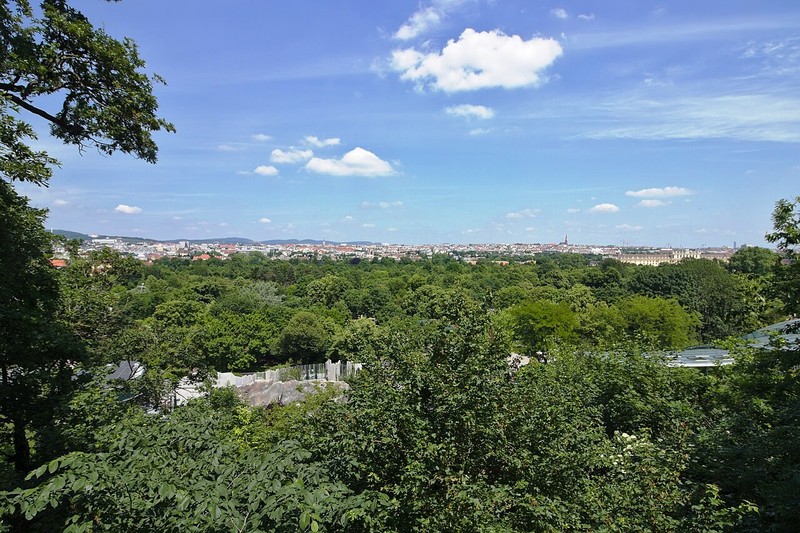
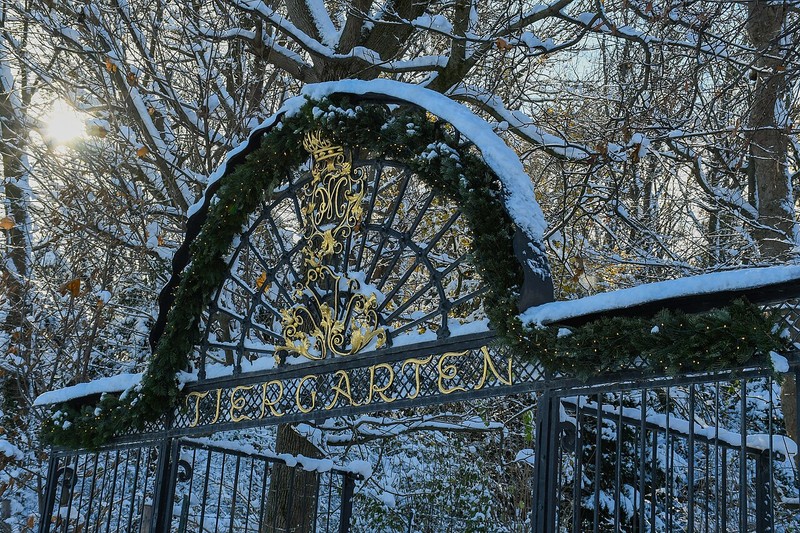
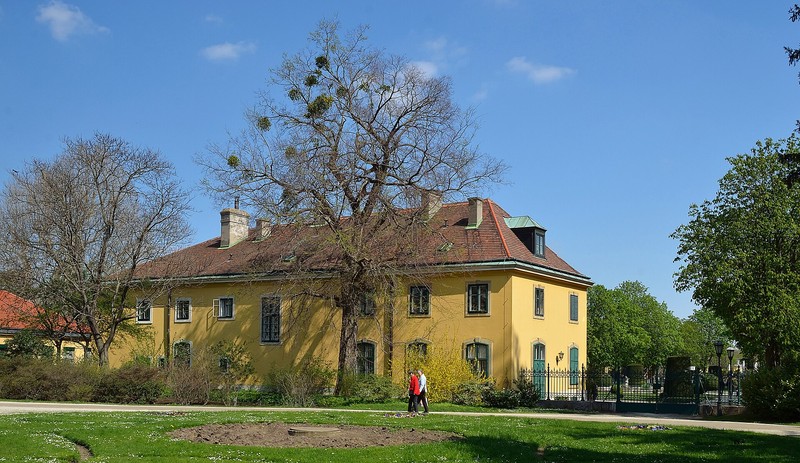
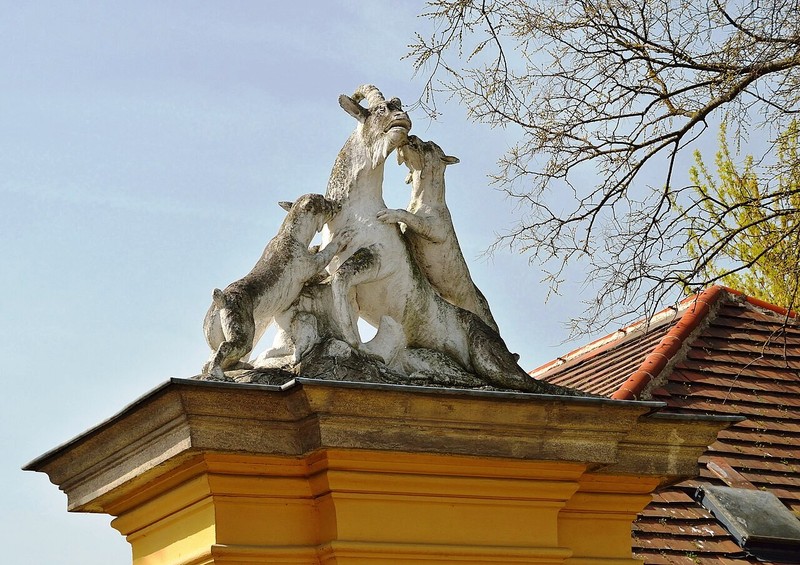
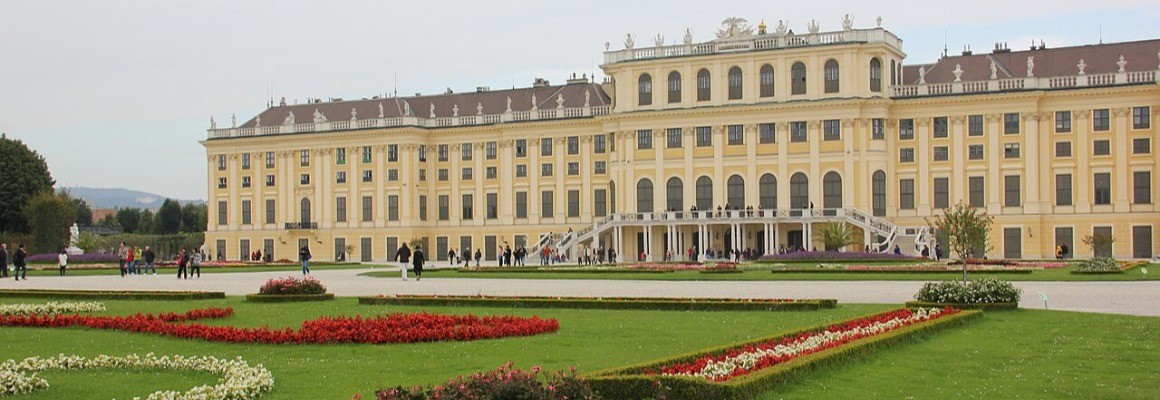
Schönbrunn Zoo (Tiergarten Schönbrunn) is located within the Schönbrunn Palace and Gardens complex in Vienna. Founded in 1752, it is considered the oldest continuously operating zoo in the world. Historic pavilions and imperial heritage coexist with modern animal care, scientific research and conservation programmes. The zoo covers around 17 hectares and forms part of the UNESCO World Heritage Site of Schönbrunn Palace and its Gardens.
History of the world's oldest zoo
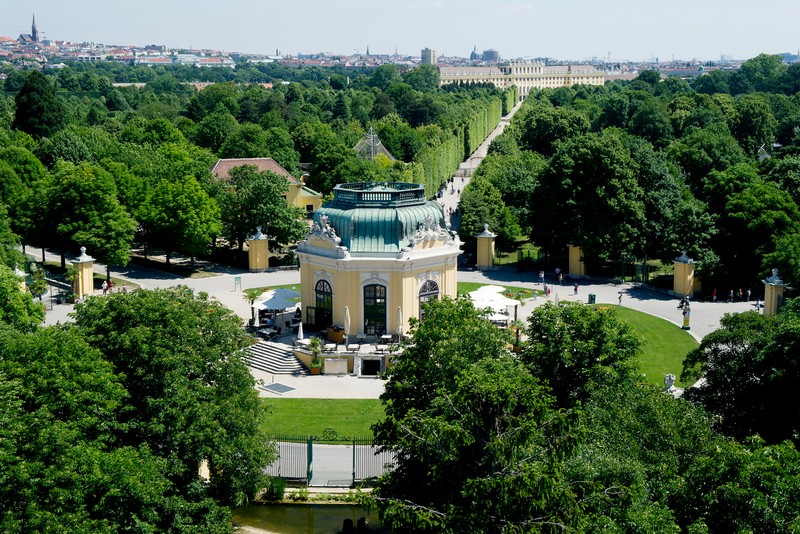
The zoo began under Emperor Francis I Stephen of Lorraine, husband of Maria Theresa. In 1752, a menagerie with animal enclosures arranged around a central pavilion was established in the park of the imperial summer residence. The collection was originally intended for the imperial family and court guests. The central pavilion, used by the imperial couple for relaxation and breakfast, was completed in 1759.
From 1778, the menagerie opened to the public on Sundays, and by 1779 it was accessible to a wider audience. Under Emperor Joseph II, expeditions to Africa and the Americas brought new animals to Vienna. The zoo continued to expand during the 19th century and became increasingly popular with residents and travellers.
In 1906, an elephant conceived in captivity was born here, an important milestone in zoo history. The 20th century brought difficult periods, especially during the world wars, when the animal population fell sharply. Later, the collection was rebuilt and enclosures modernised. Management was reorganised in the 1990s, with greater emphasis on modern animal care, research and nature conservation.
Animals and habitats
Today, thousands of animals representing around 500 species live at the zoo. Exhibits introduce visitors to wildlife from different continents, from Arctic environments to tropical forests. Since the grounds are extensive, it is worth allowing several hours to explore the main enclosures and houses.
Polar Bear World and the Polarium
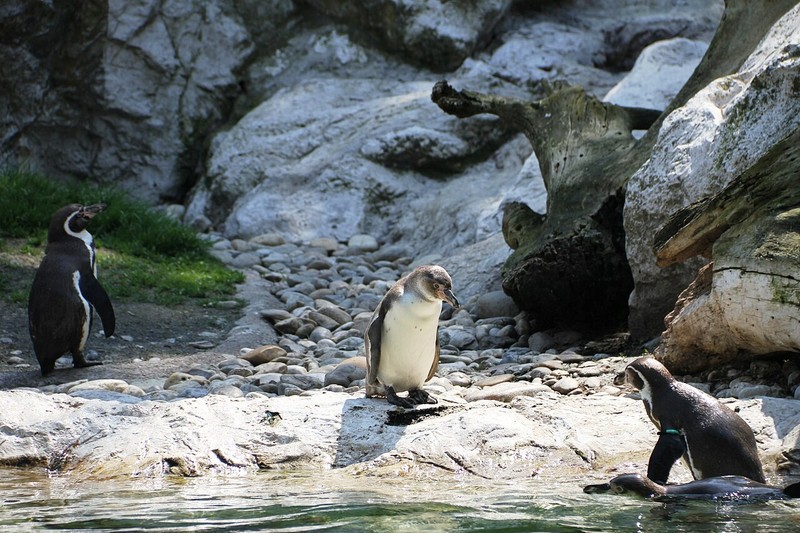
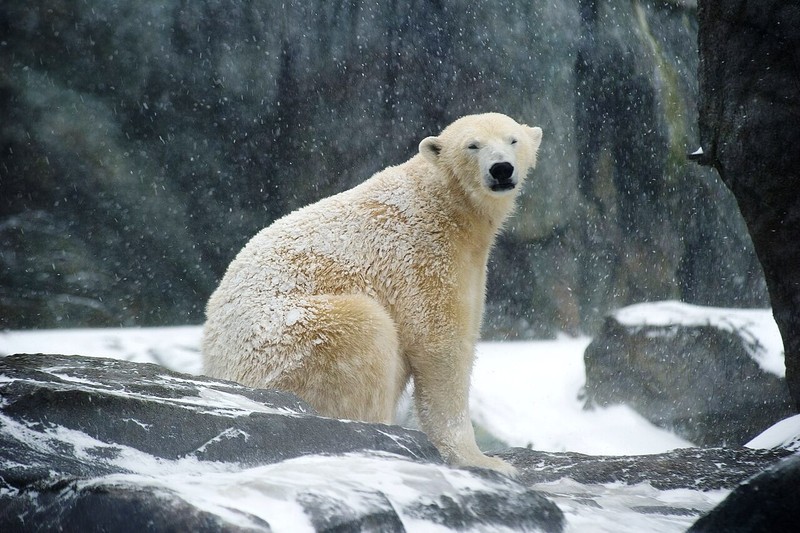
Polar Bear World allows visitors to observe Arctic predators on land and in the water. The Polarium focuses on animals from cold seas and polar regions, including penguins and South American sea lions. Underwater viewing windows reveal how the animals swim and dive. The exhibits also explain their behaviour and the environmental threats facing aquatic ecosystems.
The Rainforest House
The Rainforest House recreates the warm, humid environment of Southeast Asian tropical forests. Heat, high humidity and dense vegetation provide a tropical atmosphere throughout the year. Animals adapted to this environment include Asian small-clawed otters, flying foxes, reptiles and various birds. The exhibit also highlights how deforestation threatens many rainforest species.
Giant pandas and other rare animals
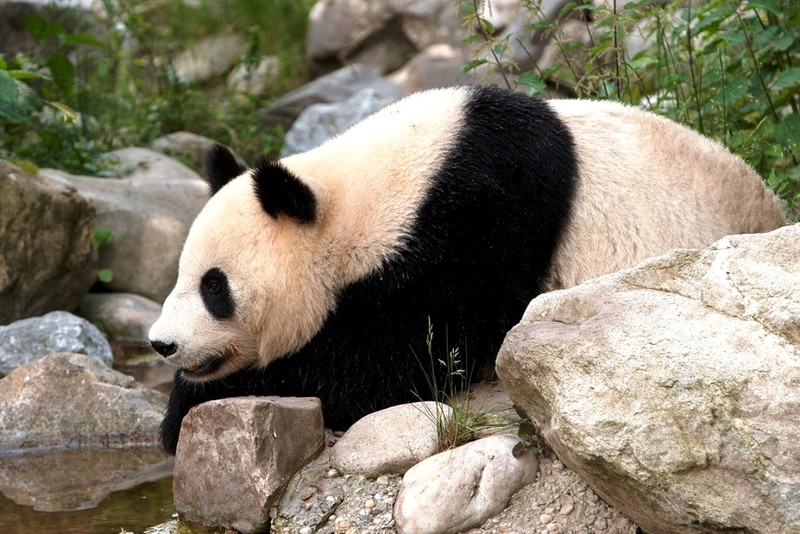
Schönbrunn Zoo is well known for its giant panda programme. In 2007, Fu Long was born here, becoming the first giant panda in Europe to be born in a zoo following natural mating. Other panda cubs were born at the zoo in subsequent years. Work with this species takes place through international cooperation and scientific programmes.
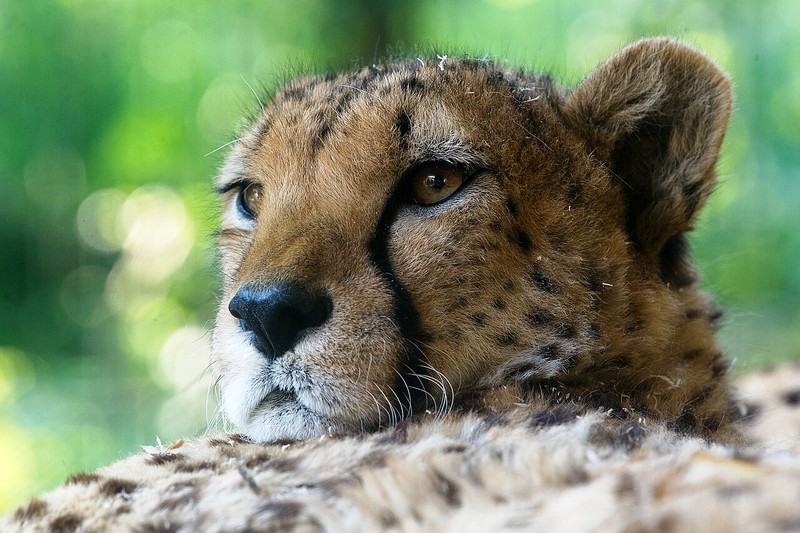
Visitors may also see Amur tigers, Amur leopards, orangutans, elephants, rhinoceroses and many other animals. The species on display and access to individual enclosures can change because of breeding programmes, veterinary care or construction work.
Historic pavilions and the aquarium
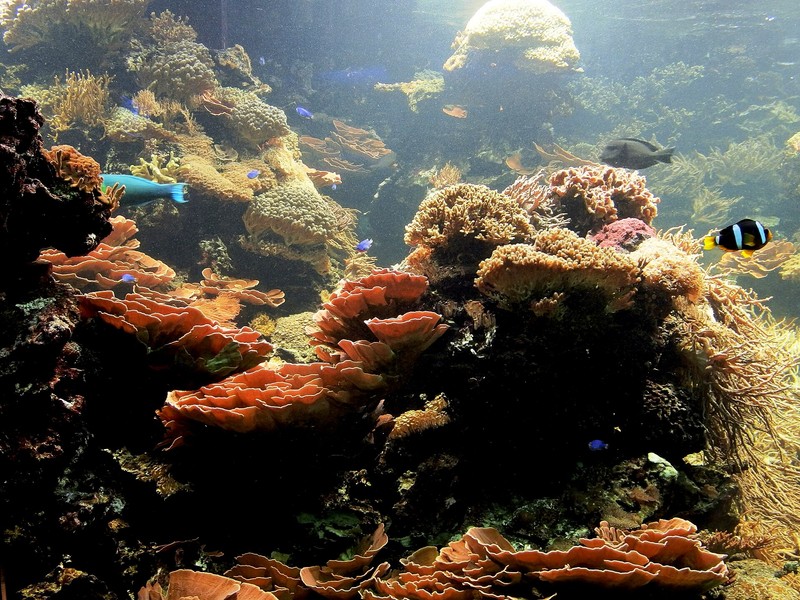
The historic buildings reflect the zoo's origins as an imperial menagerie. The ORANG.erie pavilion is linked to the tradition of growing exotic plants and is now associated with orangutans. The Aquarium and Terrarium House presents fish, jellyfish, rays, moray eels, reptiles and amphibians. Access to individual areas may change during exhibit renovations.
The Tirolerhof and South America Park
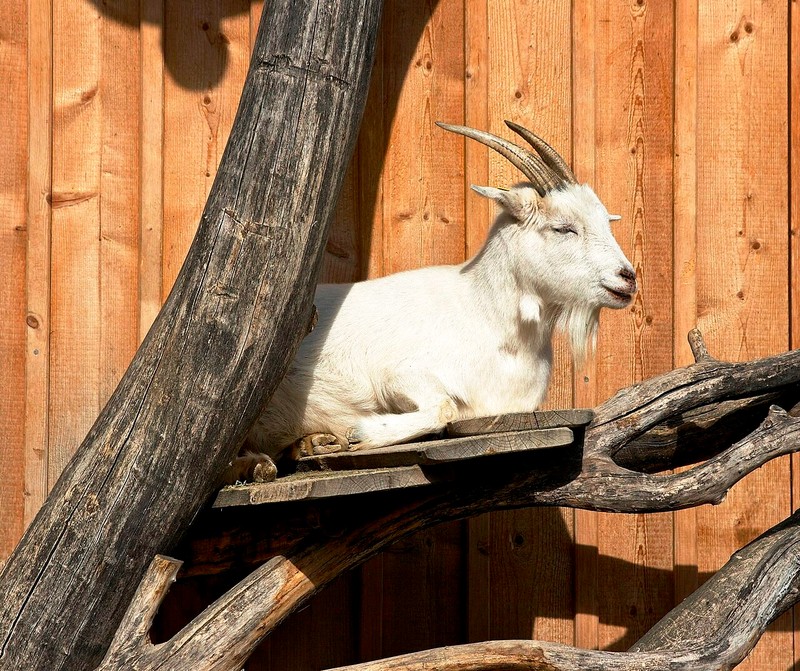
The Tirolerhof is dedicated to rare and traditional Austrian domestic animal breeds. Visitors can learn about the preservation of livestock breeds and the importance of genetic diversity. South America Park features open landscapes with hills and ponds, where capybaras, giant anteaters, rheas and other South American species can be seen.
A family-friendly zoo
Schönbrunn Zoo is popular with families. Children can encounter domestic animals and explore exhibits featuring birds, primates and small mammals. Educational displays and guided tours explain species conservation, veterinary work and international wildlife projects. Special themed tours are also available for small groups.
Research and conservation
Today, Schönbrunn Zoo is more than a tourist attraction: it is a centre for education, research and species conservation. Specialists study animal behaviour, participate in breeding programmes and cooperate with other zoos and conservation organisations. Particular attention is given to species threatened with extinction in the wild.
Getting to Schönbrunn Zoo
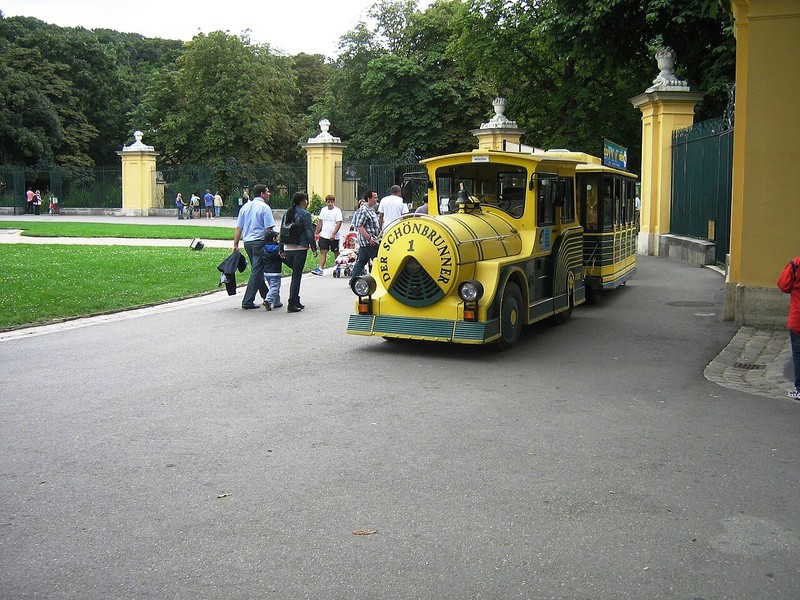
The zoo lies within the Schönbrunn Palace and Gardens complex in western Vienna. The U4 underground line serves the area, with Schönbrunn and Hietzing stations providing access depending on the chosen entrance. Before visiting, check the official website for current opening hours, ticket prices, feeding times and access to individual exhibits. Allow about half a day to explore the main areas. A zoo visit can be combined with the palace and its gardens.
Gallery