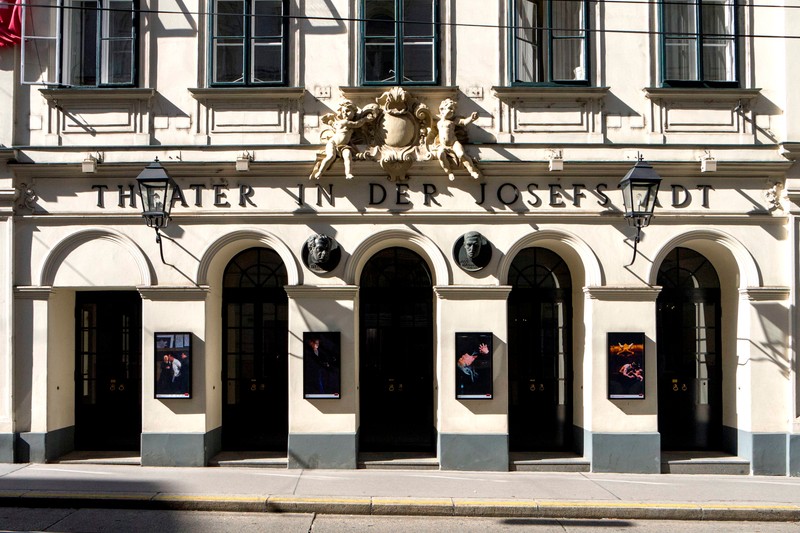
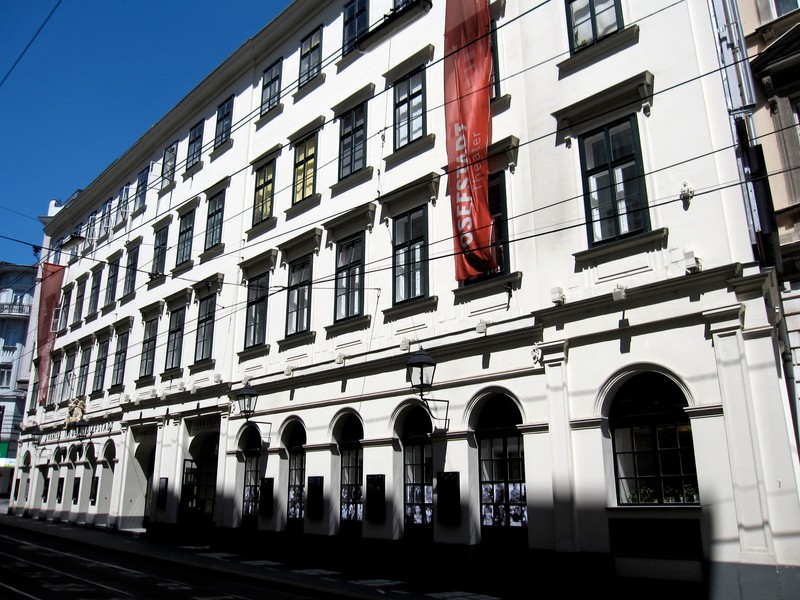
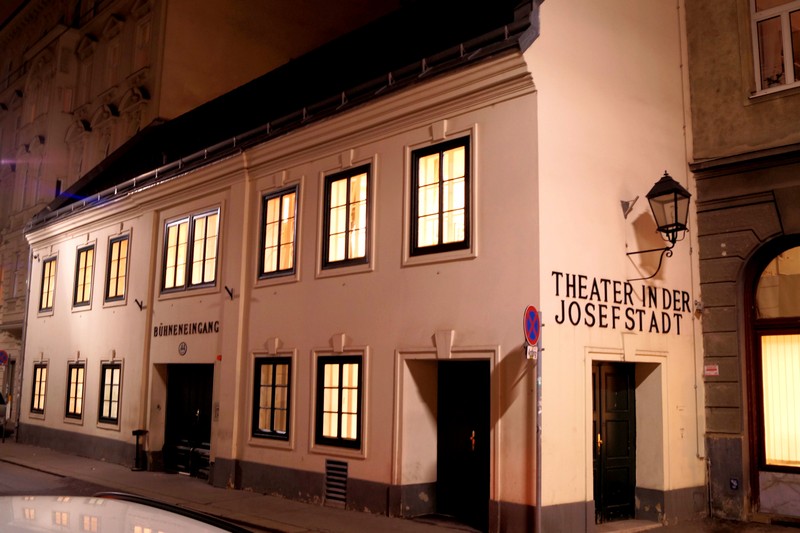
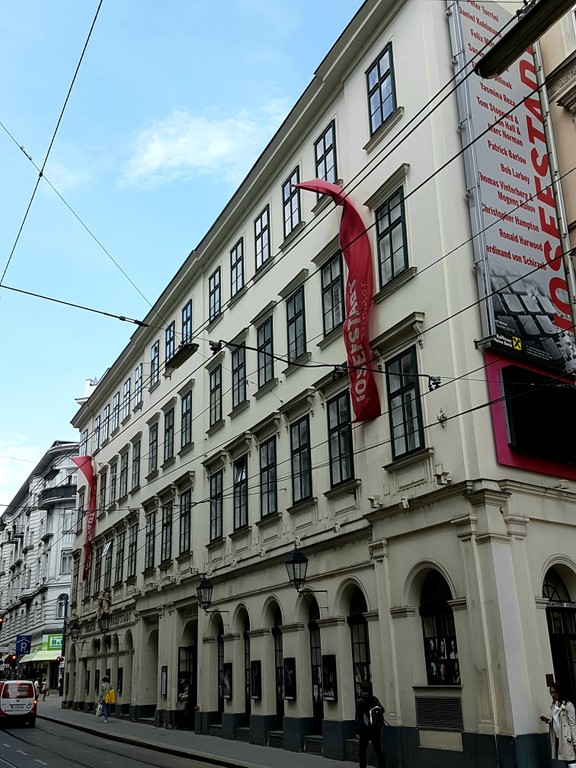
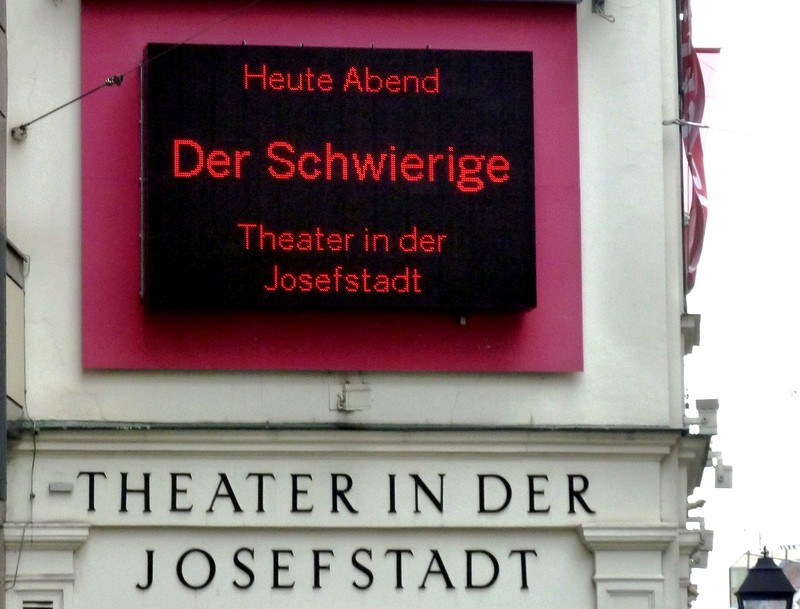
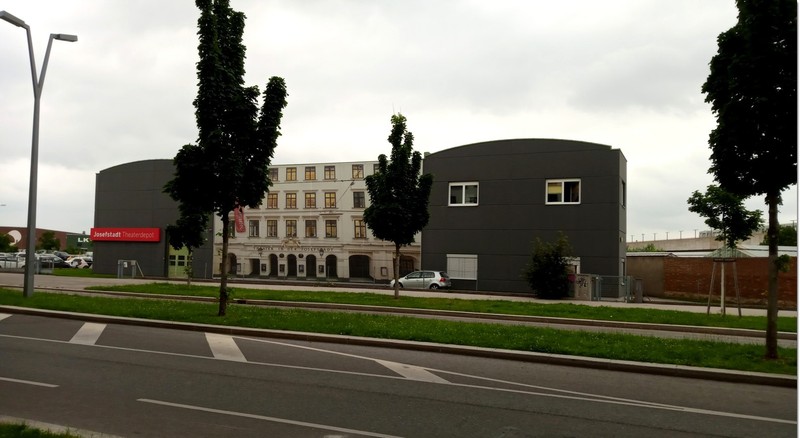
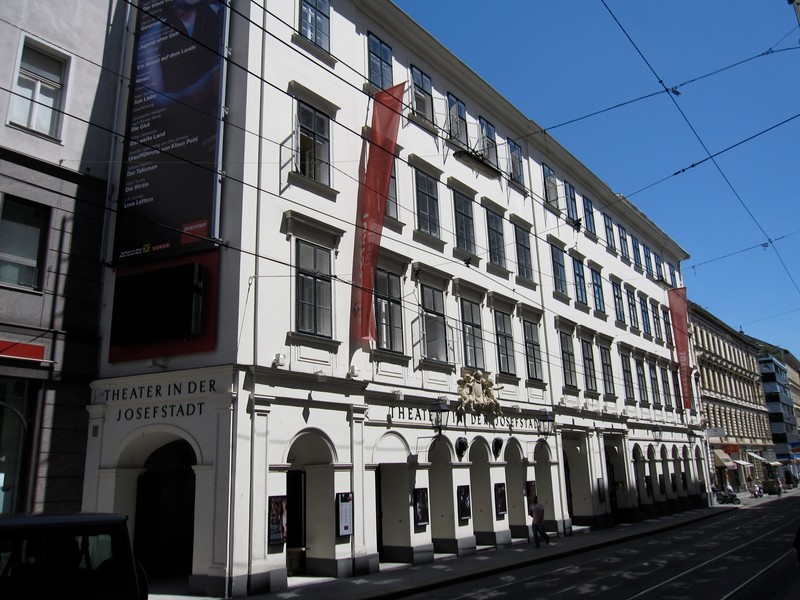
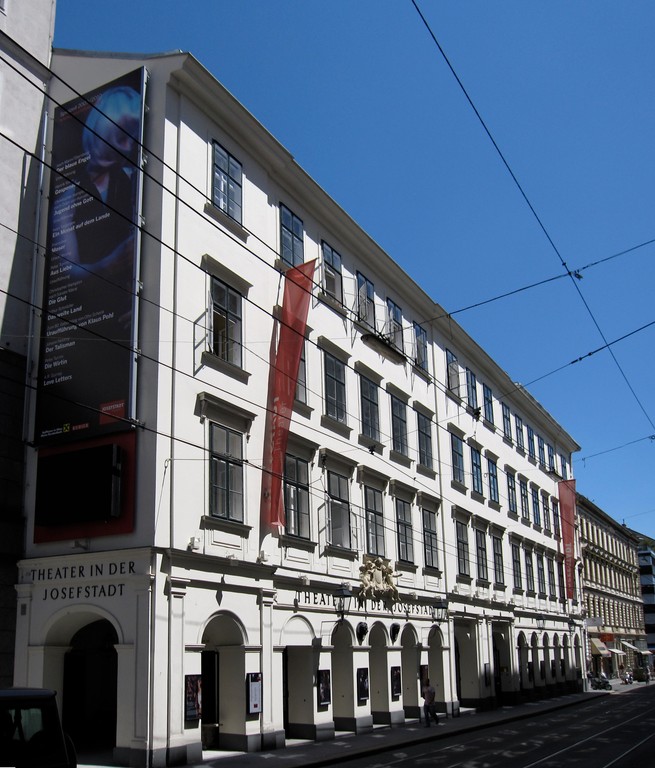
Theater in der Josefstadt is one of Vienna's oldest operating theatres and an important part of Austria's cultural life. It is located in the city's eighth district on Josefstädter Straße. The theatre is known for productions of classical plays, contemporary drama, and comedies, as well as premieres by Austrian and international writers. Over more than two centuries, its stage has welcomed distinguished actors, composers, and directors.
History of the theatre
The theatre opened in 1788 as a small stage in Vienna's suburb of Josefstadt. The original building was modest and intended for performances for local audiences. Gradually, the theatre became more popular and expanded its repertoire. Alongside drama, it began presenting musical productions and works from different European theatrical traditions.
By the beginning of the 19th century, the original venue could no longer accommodate everyone who wanted to attend. A new building designed by architect Joseph Kornhäusel opened in 1822. The inauguration featured Ludwig van Beethoven's overture The Consecration of the House, conducted by the composer himself. This event became an important chapter in the theatre's history and strengthened its reputation among Vienna's cultural institutions.
Famous composers and performers
The theatre's history is connected with several major figures in the arts. Johann Strauss the Elder conducted here, while well-known actors and dancers appeared on its stage. In 1829, Johann Nestroy made his debut here as an actor and playwright; he later became one of the central figures of Viennese comedy. In 1834, the theatre hosted the premiere of Ferdinand Raimund's play The Spendthrift.
During the 19th century, the theatre presented musical plays, operas, and operettas, as well as performances by popular entertainers of the time. In 1847, illusionist Ludwig Döbler demonstrated moving images using optical devices associated with Simon Stampfer's inventions. Such shows attracted audiences interested in new technical and theatrical effects.
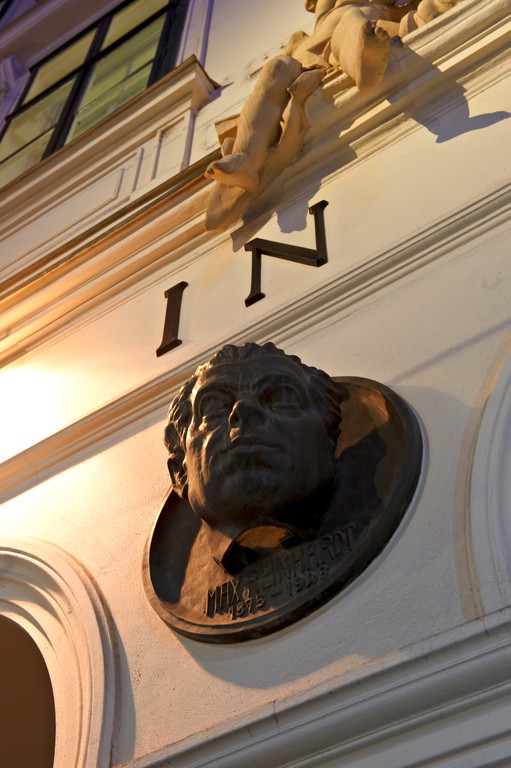
Renovation under Max Reinhardt
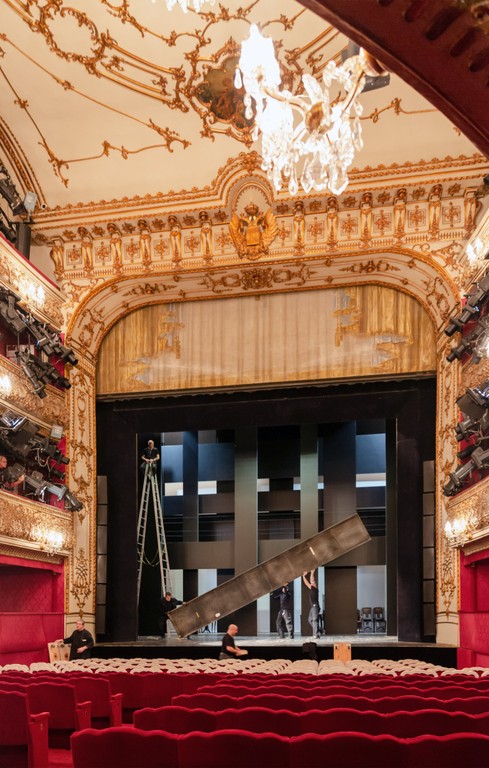
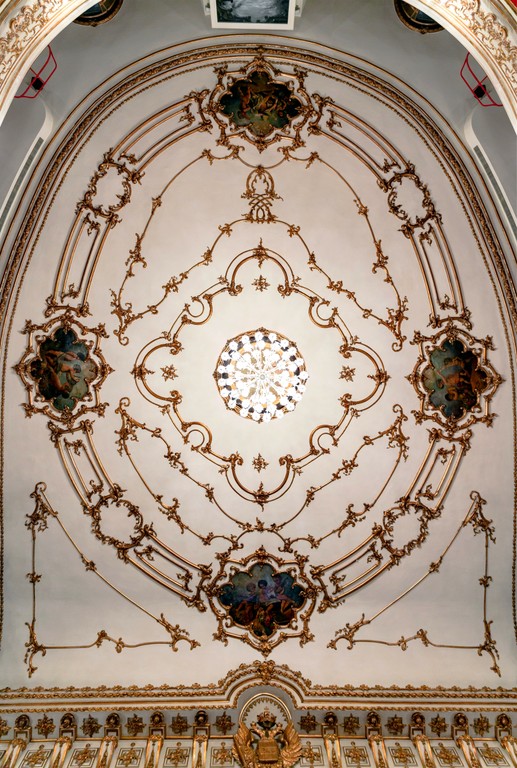
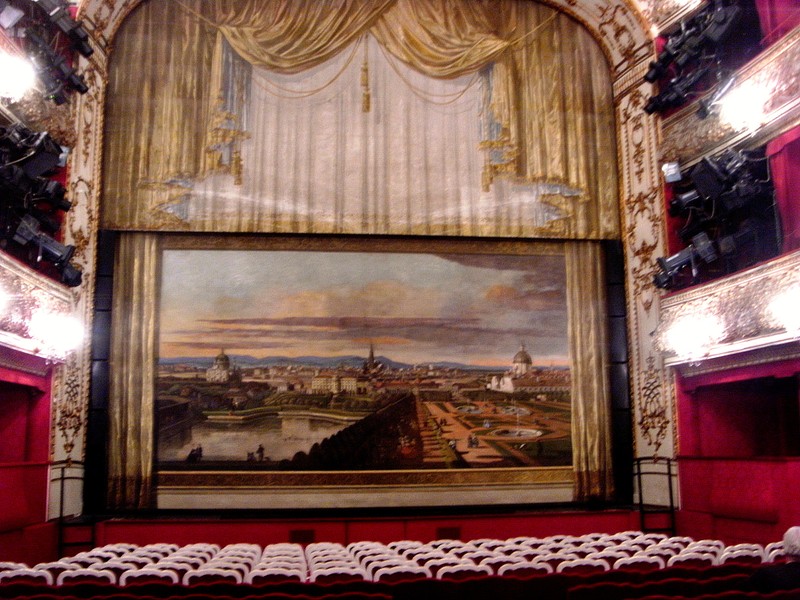
A new chapter began in 1923–1924, when the theatre was led by the renowned director Max Reinhardt. The renovation gave the building much of the appearance it retains today. The interiors were decorated with red tones, gold details, and ornamental features, while the stage facilities were modernised. The renovated theatre reopened on 1 April 1924 with Carlo Goldoni's comedy The Servant of Two Masters, directed by Reinhardt.
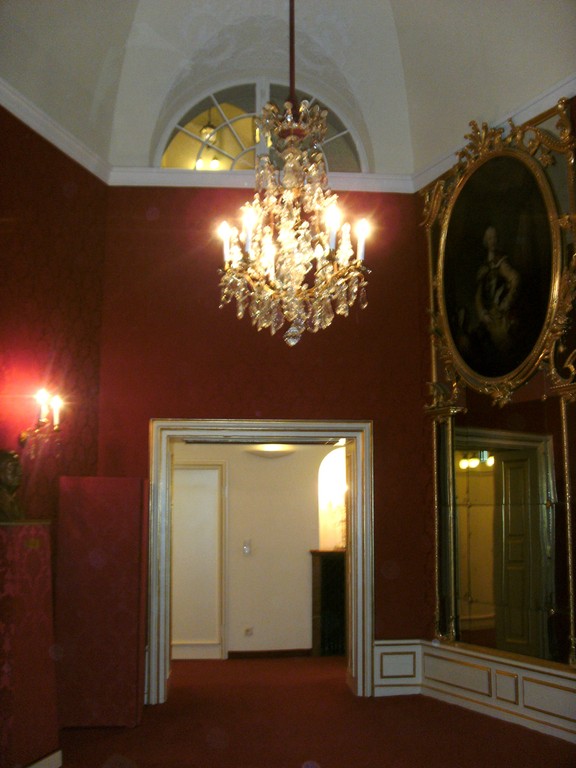
The historic auditorium resembles a traditional European theatre with boxes. Red and gold decoration, ornamental chandeliers, and elegant foyers create an atmosphere of classical theatrical splendour. The Sträußelsäle rooms are particularly notable: they retain their historic character and are now used, among other purposes, as spaces for audiences during intervals.
Today's repertoire
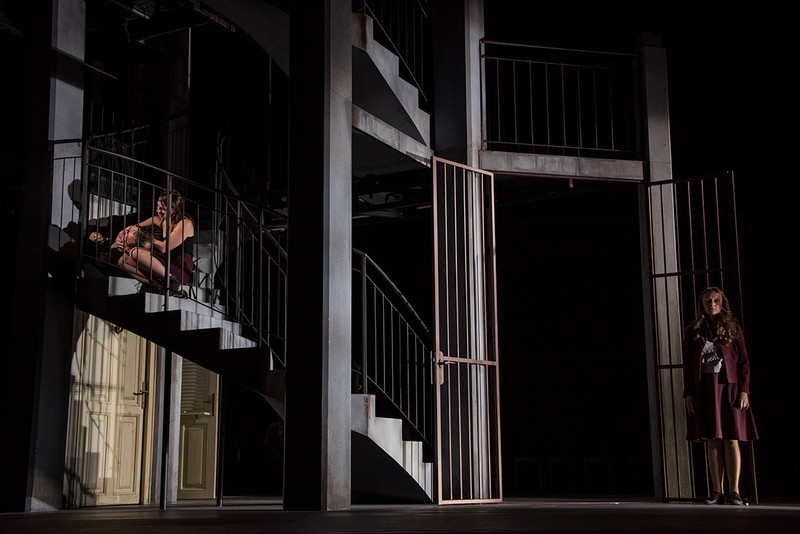
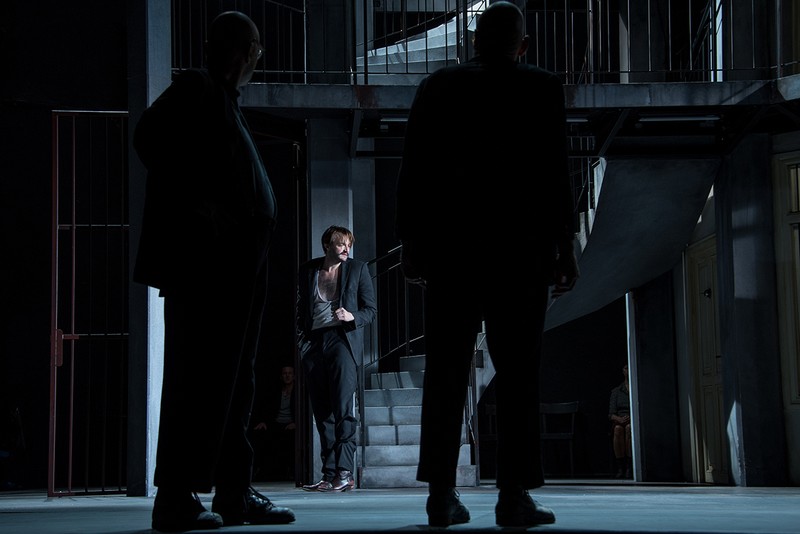
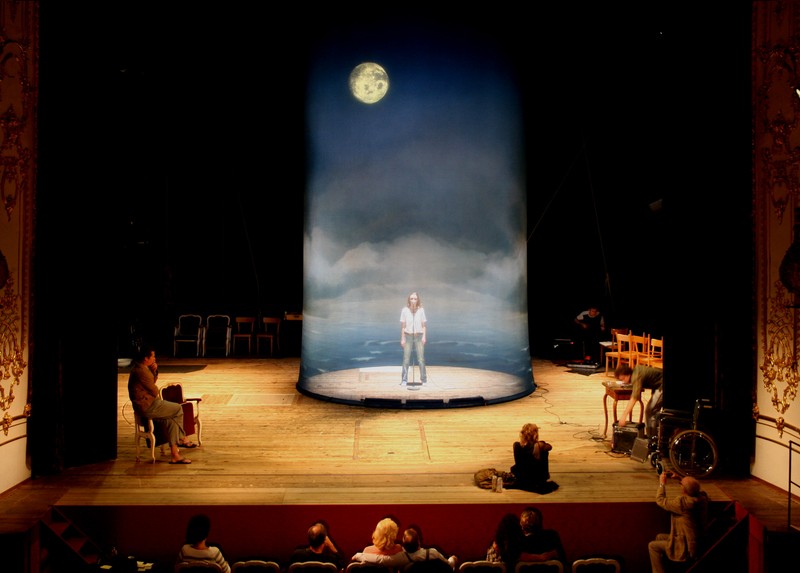
Today, Theater in der Josefstadt combines classical works with contemporary drama, comedies, and new stage interpretations. Its repertoire includes plays by European authors from different periods as well as works by contemporary playwrights. The theatre places emphasis on acting, production quality, and expressive stage design.
Most performances are in German, so international visitors should check the language of a particular production and whether additional materials are available before buying tickets. Even those who do not plan to attend a performance may appreciate the historic architecture and the theatre's place in Vienna's theatrical history.
Accessibility for visitors
The theatre seeks to accommodate visitors with limited mobility. The main entrance is at street level, and dedicated spaces are available for wheelchair users. Certain assistive facilities are also provided for visitors with hearing impairments. Options depend on the auditorium and event, so wheelchair spaces should be booked in advance.
Guide dogs are permitted by prior arrangement. The theatre occupies a historic building, and not every area has lift access. Visitors who have difficulty using stairs should therefore check the accessibility of their chosen seats with theatre staff before purchasing tickets.
How to get to Theater in der Josefstadt
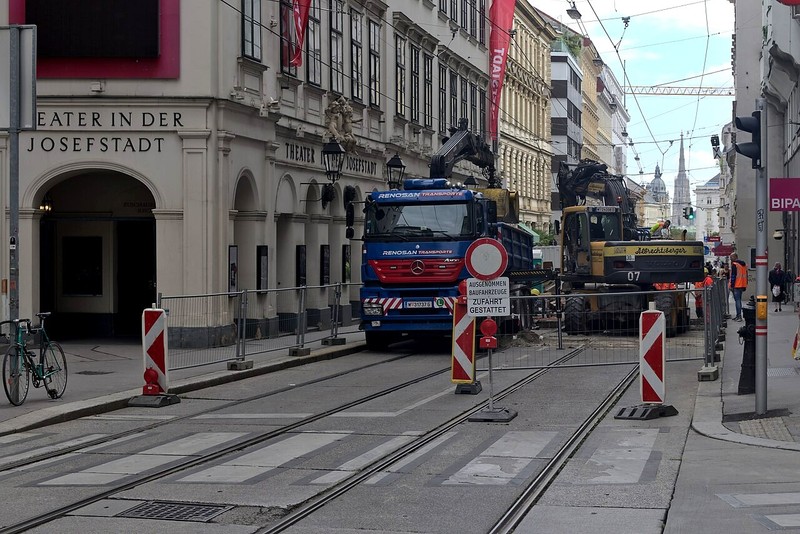
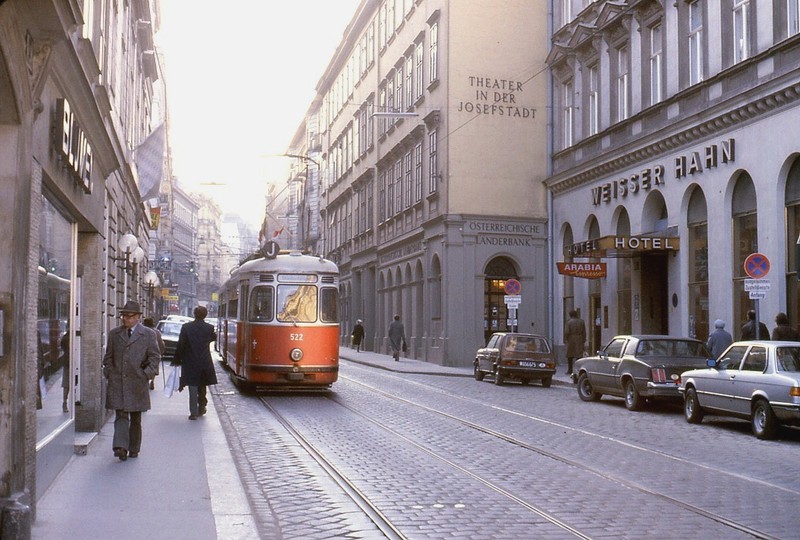
Address: Josefstädter Straße 26, 1080 Vienna. The theatre is accessible by public transport. Tram 2 stops nearby, including at Lederergasse/Josefstädter Straße. One of the closest metro stations is Rathaus on line U2; alternative routes may be more convenient depending on the starting point.
Tickets and the current programme are available on the official Theater in der Josefstadt website. It lists performance dates, start times, visiting conditions, and accessibility information. Booking early is recommended for popular productions. A visit offers the chance not only to see a performance but also to experience one of Vienna's oldest theatrical traditions.
Gallery