The Vienna Coffee Museum (Wiener Kaffeemuseum) explores the history of coffee, methods of preparation and Vienna’s famous coffeehouse culture. Founded in 2003, it forms part of the Austrian Museum of Social and Economic Affairs. Its exhibits trace the journey of coffee from its origins and spread around the world to the preparation of the finished drink.
The collection includes historic and modern coffee machines, grinders, cups, coffee sets and accessories. Some exhibits come from the personal collection of the museum’s founder, coffee expert Edmund Mayr. Visitors can discover how coffee technology evolved and why coffee became an essential part of everyday life in Vienna.
History of the museum
The Vienna Coffee Museum was founded in 2003 by coffee expert and collector Edmund Mayr. It is housed within the Austrian Museum of Social and Economic Affairs, established in 1925 to make social and economic topics accessible to the public.
The coffee collection adds a dedicated exhibition about one of Austria’s most recognisable cultural traditions. It brings together objects from different periods and illustrates changes in coffee preparation, equipment and customs.
Viennese coffeehouse culture
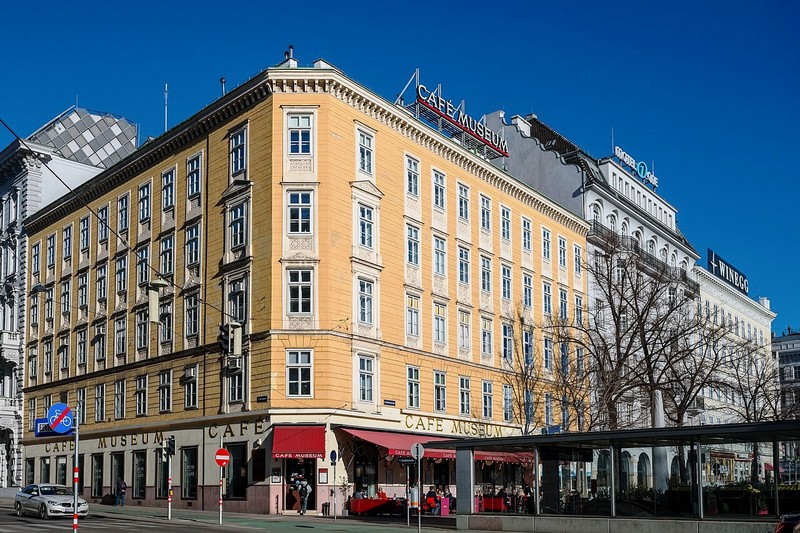
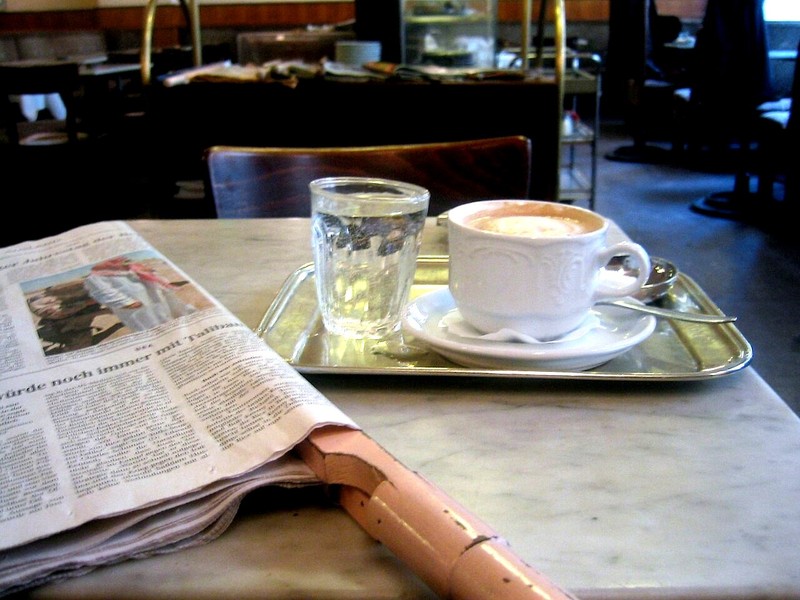
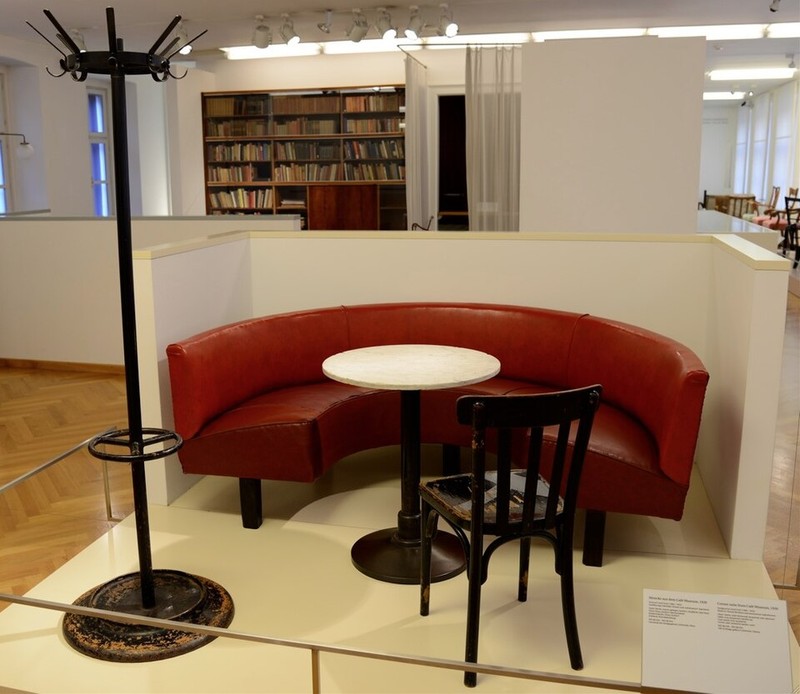
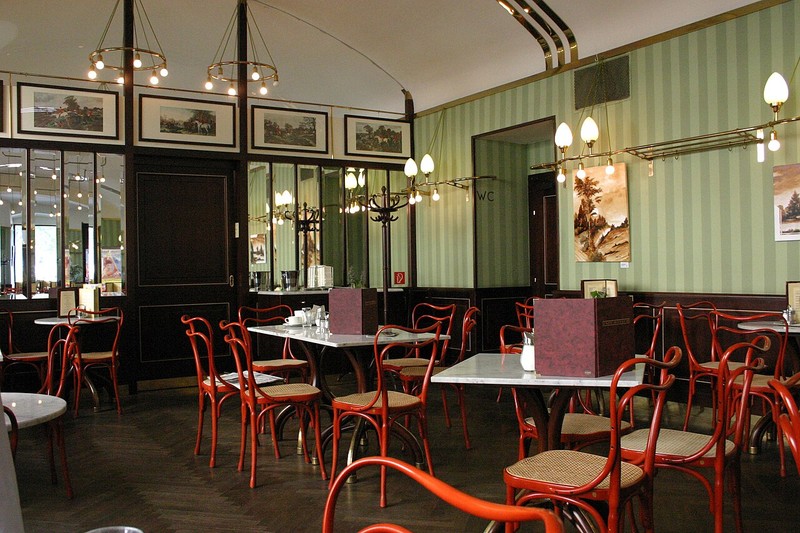
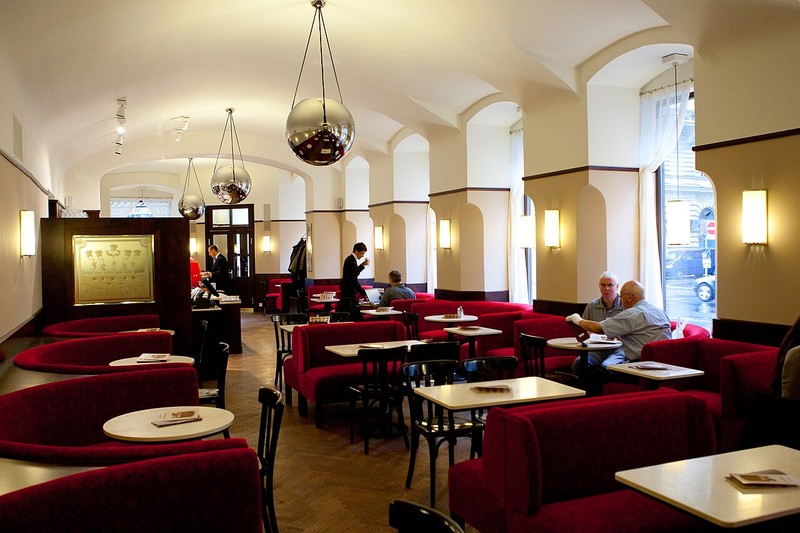
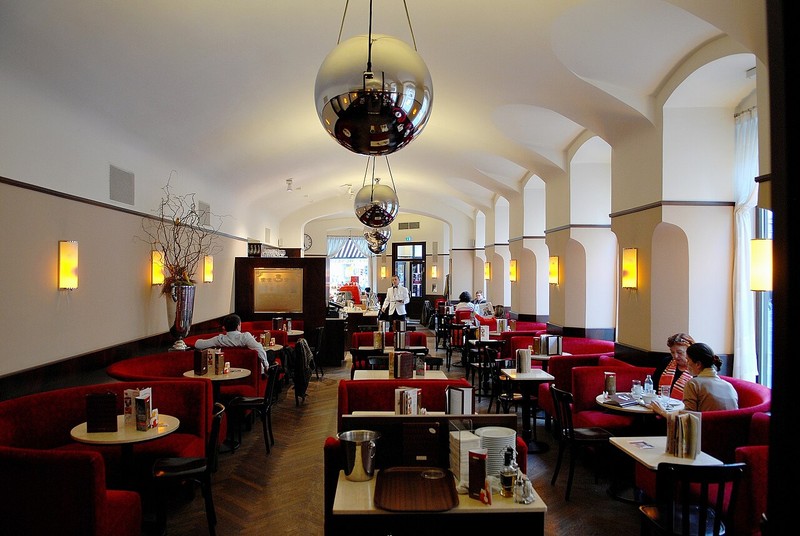
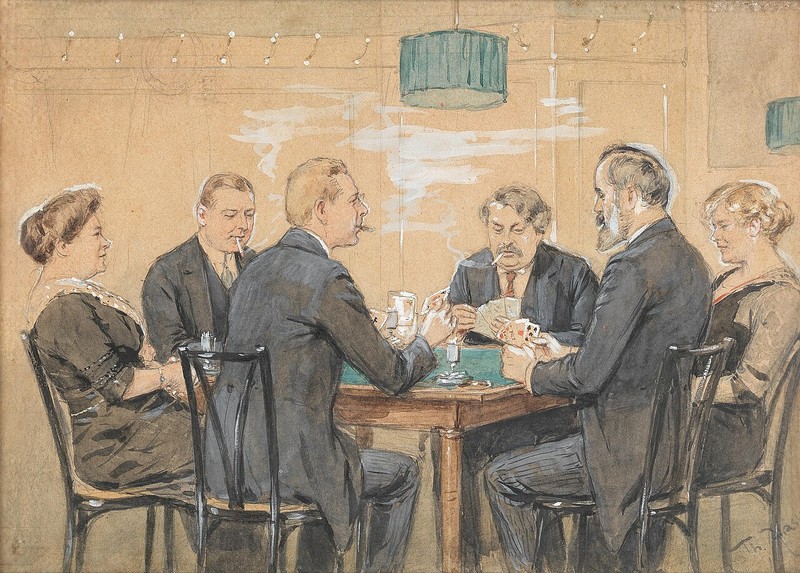
Coffee has a special place in Vienna’s history. Coffeehouses became social spaces where people met, read newspapers, discussed current events and spent their leisure time. A traditional Viennese coffeehouse is more than a place to order a drink: it is a place for conversation and relaxation.
Coffee became established in Vienna in the late seventeenth century, and several stories are associated with the first coffeehouses, including the popular legend of Georg Franz Kolschitzky. Historical research, however, points to Armenian merchant Johannes Deodat, who received the first known licence for public coffee sales in Vienna in 1685. The story of Kolschitzky should therefore be treated as a well-known tradition rather than an undisputed fact.
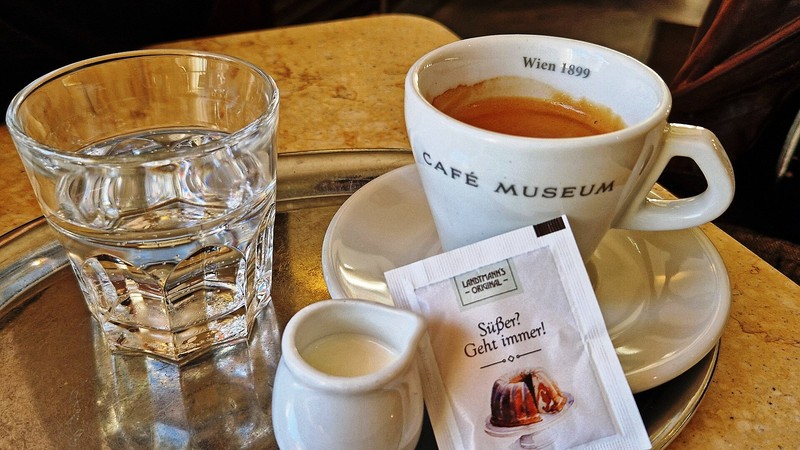
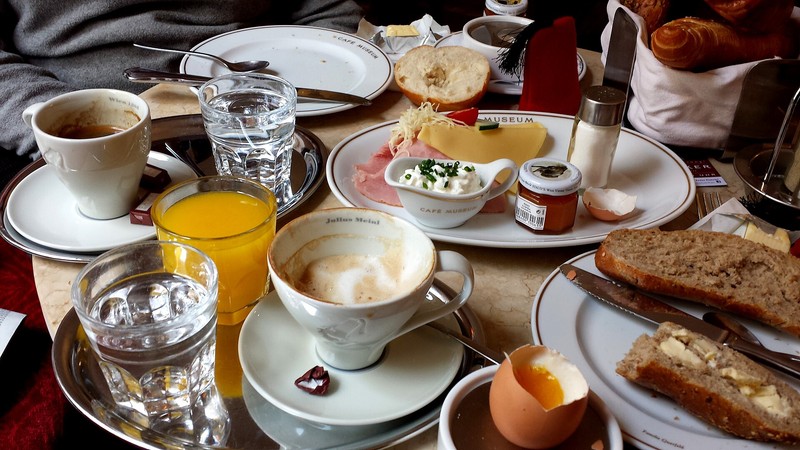
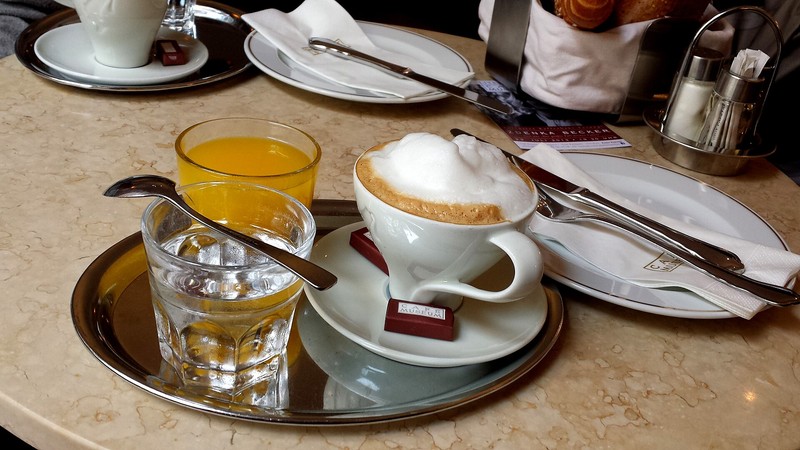
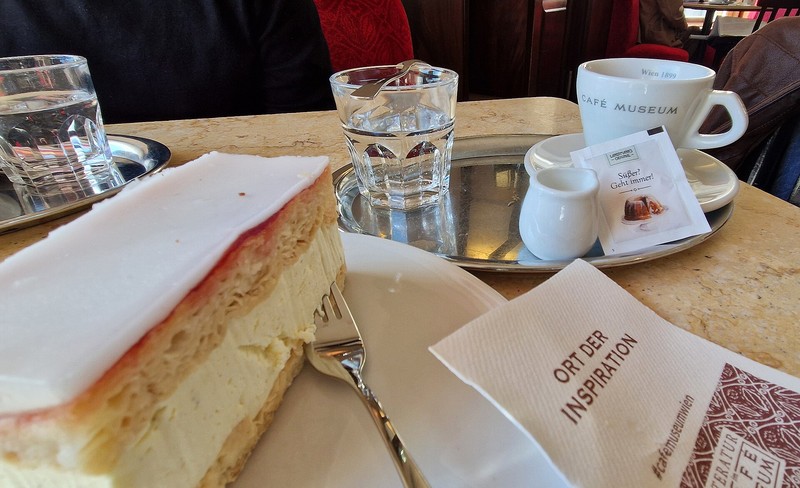
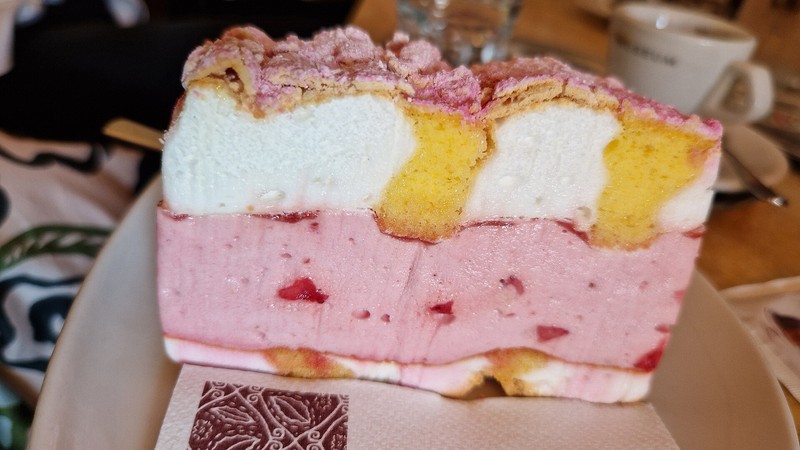
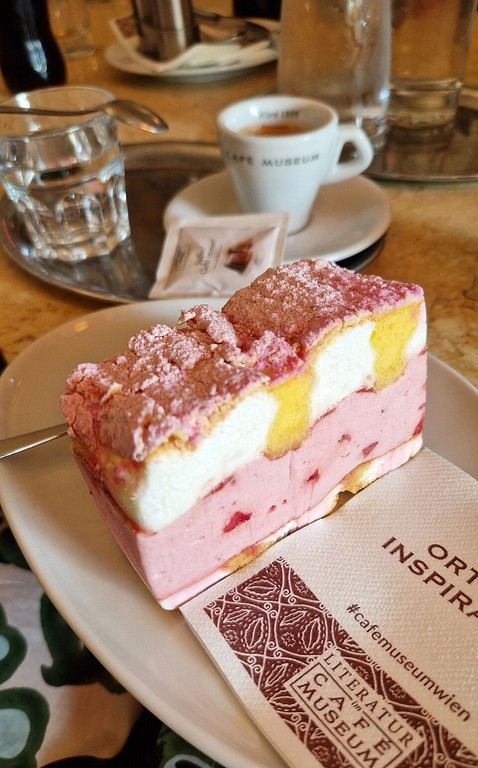
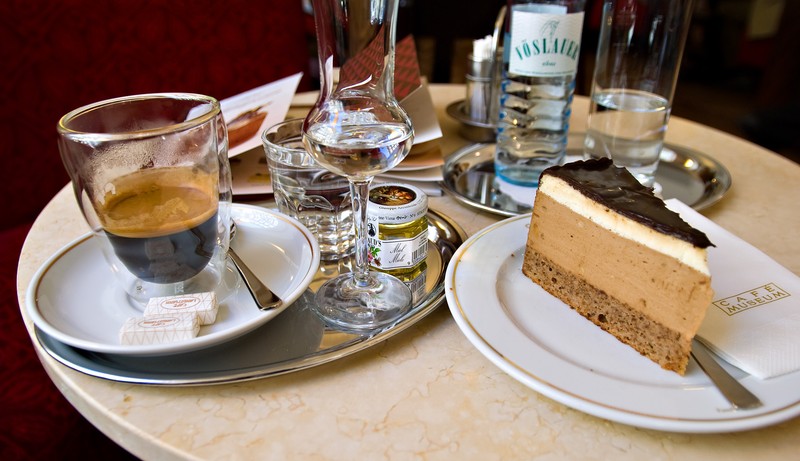
Viennese coffee is often served with a glass of water and accompanied by pastries or desserts. Classic choices include Sachertorte and apple strudel. The museum explores how these customs developed and how coffeehouses became an important part of the city’s cultural life.
The museum collection
The collection includes coffee equipment from different periods, containers for storing beans, serving accessories and tableware. The exhibits show how preparation methods changed and how domestic and professional equipment reflected changes in everyday life.
Highlights include historic coffee machines and grinders, coffee sets, storage containers and cream jugs. The museum also introduces different ways of preparing coffee, making it interesting for history enthusiasts and people fascinated by coffee equipment.
Coffee machines and accessories
Historic coffee machines reveal the technical evolution of brewing. Early devices differed greatly from modern machines, while successive design changes made preparation easier and faster. The grinders illustrate how beans were ground before electric models became common.
Cups, coffee sets, pots and serving accessories reflect the domestic habits of different periods, as well as ideas about hospitality and etiquette. In Vienna, serving coffee became a ritual associated with taking time to relax and talk.
Guided tours and tastings
The museum also serves as an information and professional centre devoted to coffee. It may organise themed tours, presentations, workshops and events for people working in the coffee industry and anyone who wants to learn more about the drink.
One programme, known as a Coffee Experience, lasts approximately 90 minutes. It must be arranged in advance, and a minimum group size applies. Confirm the programme, whether tasting is included and the language of the tour when making a booking.
The Kolschitzky Archive
The museum is associated with an archive named after Georg Franz Kolschitzky, who is often linked in popular accounts with the beginnings of Vienna’s coffeehouse culture. According to tradition, he helped spread coffee drinking after the Ottoman siege of Vienna in 1683.
The historical record is more complex than the familiar legend. Research links the first known licence for public coffee sales in Vienna to Johannes Deodat in 1685. The Kolschitzky story is therefore interesting both as part of coffee folklore and as an example of how historical events acquire popular legends.
How to get to the museum
The museum is located at Vogelsanggasse 36, 1050 Vienna, in the city’s fifth district. Entry is organised through the Austrian Museum of Social and Economic Affairs. Check current public transport routes and connections before travelling.
Visits are generally arranged by appointment. The Coffee Museum follows the opening schedule of its host museum and closes during Vienna’s school holidays. Contact the museum in advance to confirm the date, time, entry conditions and availability of a guided tour.
Visitor tips
If you would like a guided tour or tasting, arrange your visit in advance and check the minimum group size. Allow around an hour and a half for the programme. It is also worth confirming the available tour languages and which parts of the exhibition will be open.
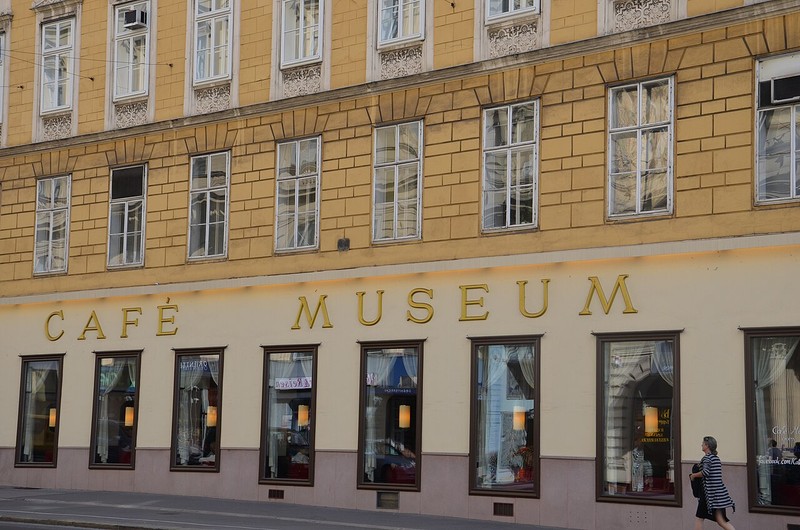
The Coffee Museum is a good choice for visitors interested in Vienna’s history, food culture and traditional cafés. You can combine the visit with a stop at a classic Viennese coffeehouse to try local coffee specialities and desserts.
The Vienna Coffee Museum shows that a familiar cup of coffee has a long history involving trade, technology and social customs. Its historic equipment and everyday objects help explain why coffee culture remains an important part of the Austrian capital’s identity.
Gallery