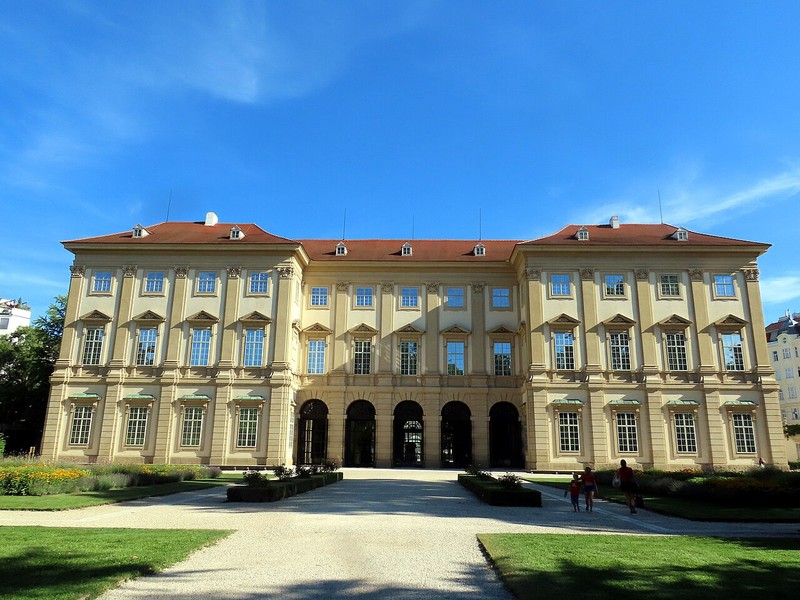
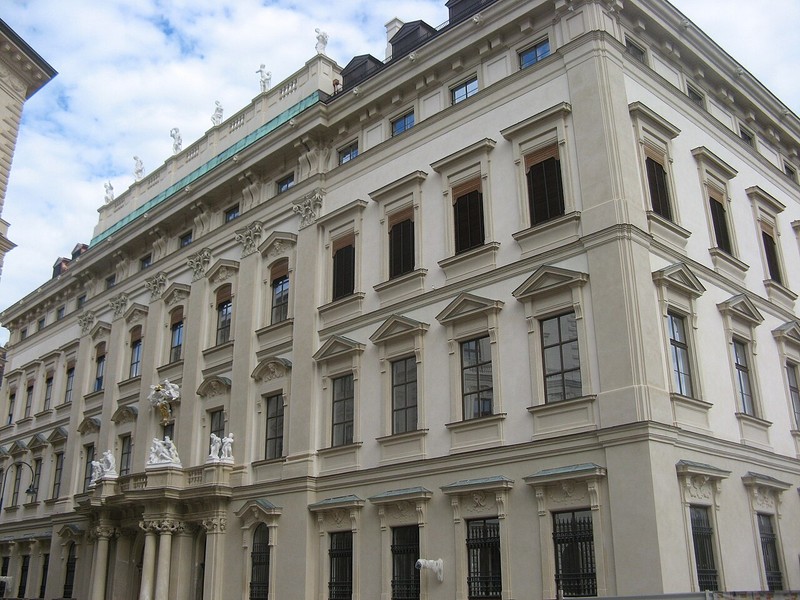
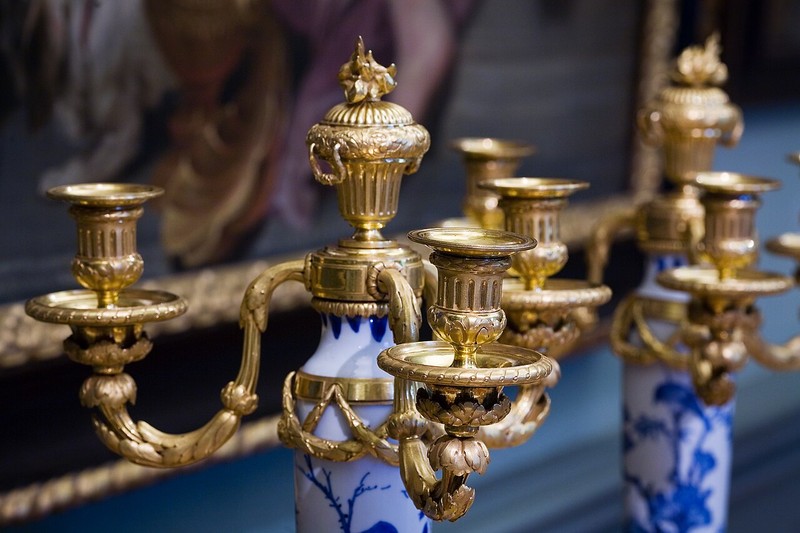
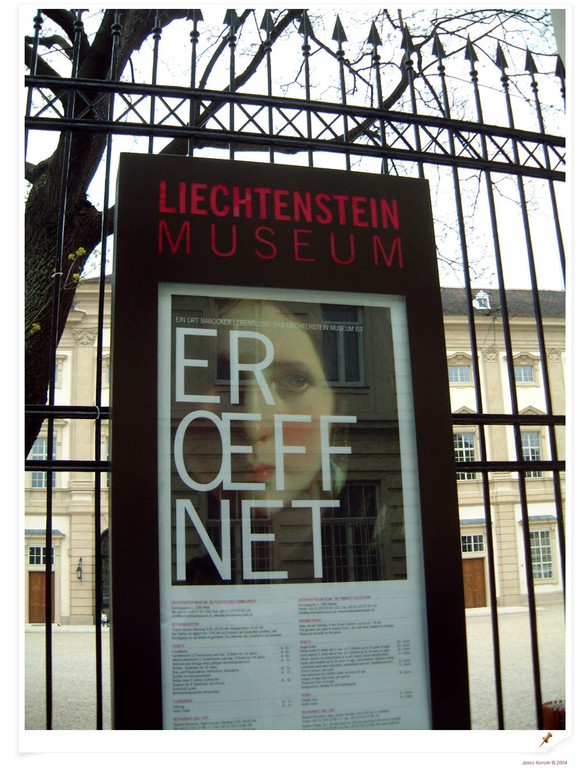
The Liechtenstein Museum is the historical name of an art gallery established in the Garden Palace of the Princely House of Liechtenstein in Vienna. Today, the palace is known as the Liechtenstein Garden Palace and displays part of the Princely Collections, one of Europe’s important private art collections. Visitors can discover paintings, sculpture, decorative arts and the historic interiors of a Baroque palace.
The collection spans several centuries of European art. Highlights include works by Peter Paul Rubens, sculptures, tapestries and objects from the princely Kunstkammer. The palace is distinctive because artworks are displayed in historic rooms where architecture, frescoes, stucco decoration and paintings form a unified artistic setting.
History of the Princely Collections
The House of Liechtenstein is one of Europe’s oldest noble dynasties. Its art collection developed over several centuries as family members acquired paintings, sculptures and rare works of art. Prince Karl Eusebius I and his successor Johann Adam Andreas I played important roles in expanding the holdings, including through purchases of Flemish paintings by Peter Paul Rubens.
In 1687, Johann Adam Andreas I acquired land in the Rossau district, then outside Vienna’s city walls. A palace and garden complex was developed there. In 1810, Prince Johann I opened the Garden Palace as a gallery accessible to the public for an admission fee.
Closure and reopening
The gallery closed to the general public in 1938 following the annexation of Austria by Nazi Germany. The princely family moved its residence to Vaduz, and a significant part of the art treasures was later transferred to Liechtenstein.
The palace underwent extensive restoration between 2000 and 2003 and reopened as a museum on 24 March 2004. Since early 2012, it has no longer operated as a conventional museum with regular opening hours. The interiors and collection can be visited through guided tours and events booked in advance; special access arrangements may apply during the annual spring exhibition.
The Liechtenstein Garden Palace
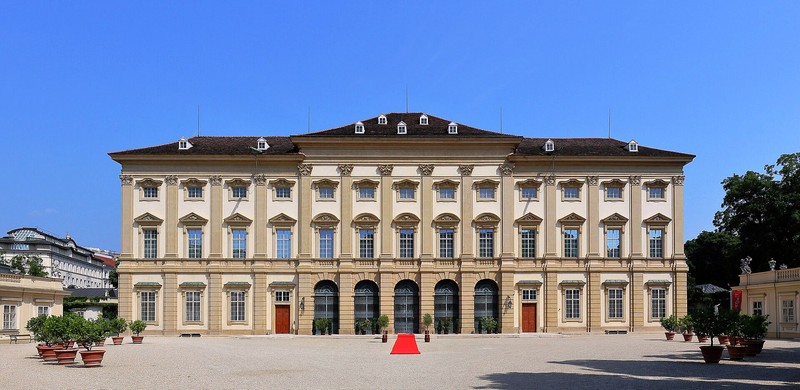
The palace is located in Vienna’s ninth district, in the historic Rossau quarter. The complex was conceived as a princely residence with extensive gardens and service buildings. Its design reflects Italian architectural influences and Baroque principles of symmetry and ceremonial space.
The palace and its entrance courtyard were altered in the late eighteenth century. Architects Joseph Hardtmuth and Joseph Kornhäusel contributed to changes that opened up the view of the façade from Fürstengasse. The surrounding park combines features of the historic Baroque garden with a later landscape design.
Halls and historic interiors
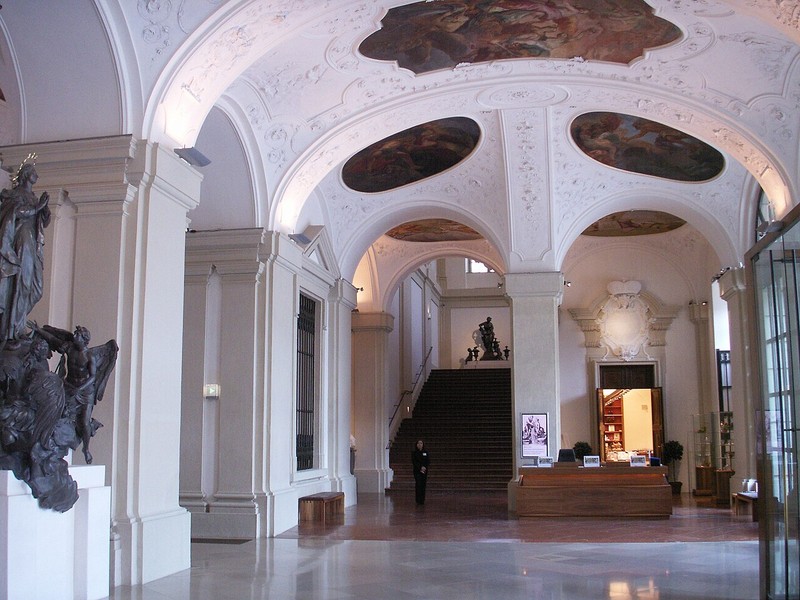
One of the palace’s most impressive rooms is the Hercules Hall. Its ceiling features frescoes by Andrea Pozzo depicting the Labours of Hercules and his ascent to Olympus. Other historic interiors preserve ceiling paintings, stucco decoration, sculptures and decorative details from different periods.
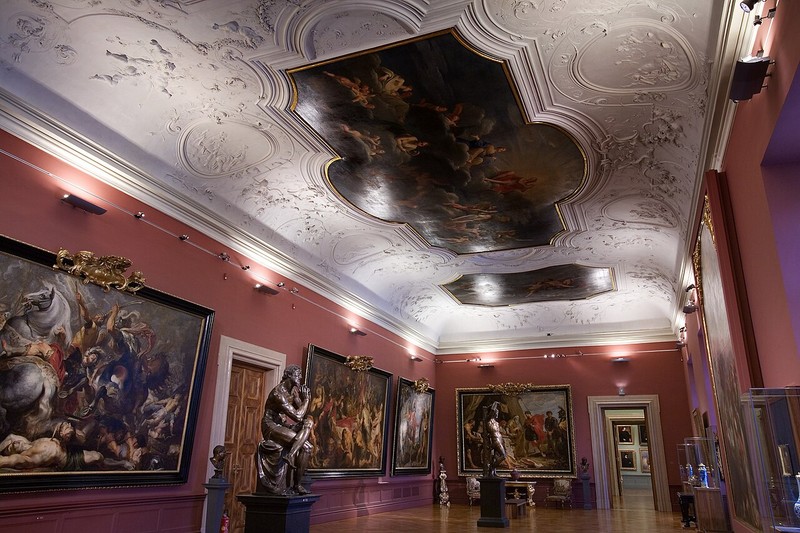
The Great Gallery is also important. It historically displayed large painting cycles, and the combination of paintings, sculpture and Baroque interiors creates the impression of a unified work of art.
Paintings by Peter Paul Rubens
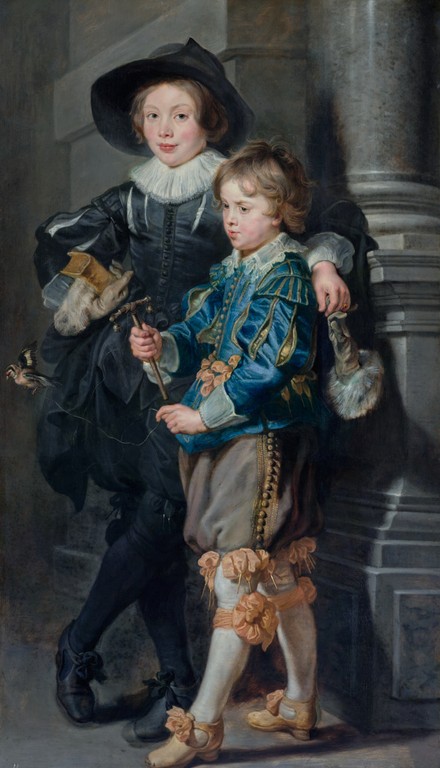
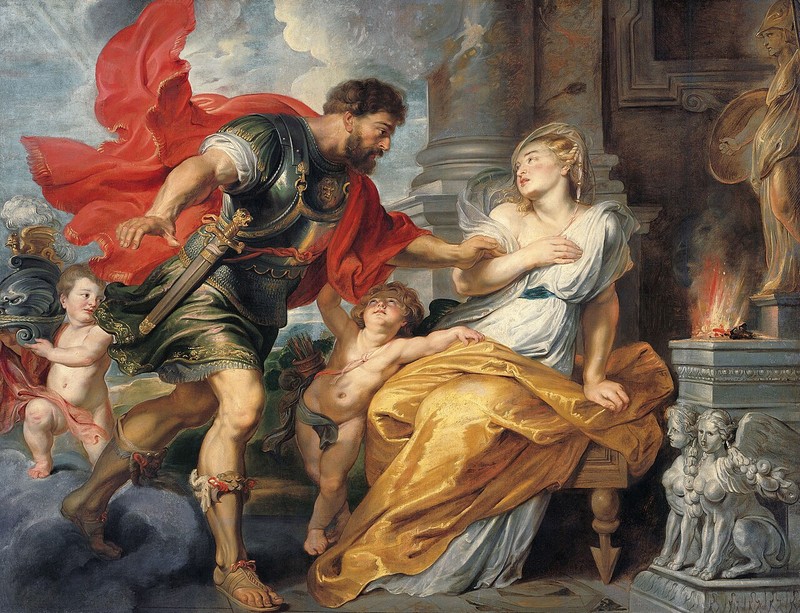
One of the best-known parts of the collection is associated with the Flemish painter Peter Paul Rubens. His dynamic compositions, rich colours and expressive figures became defining features of European Baroque art. A major highlight is the Decius Mus cycle, created by Rubens and his workshop.
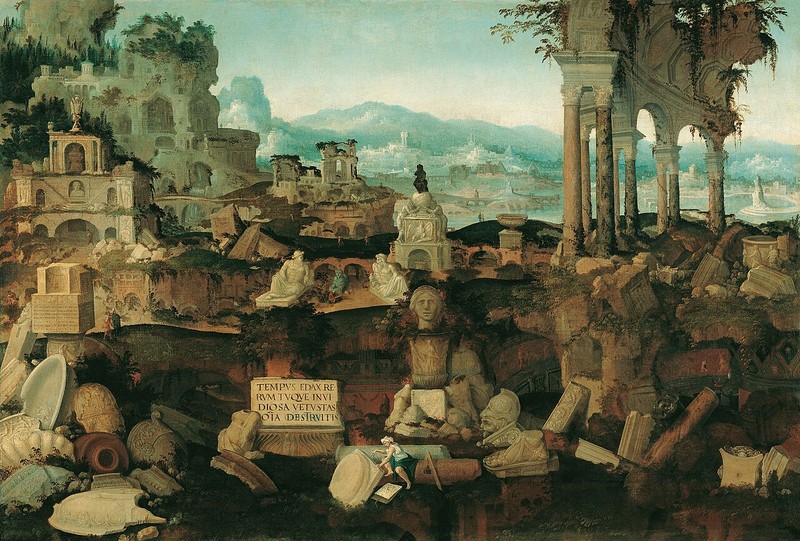
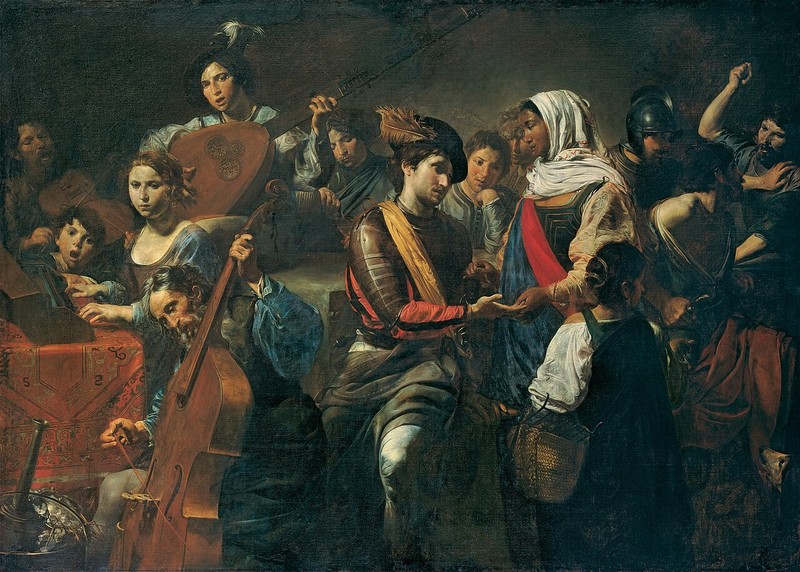
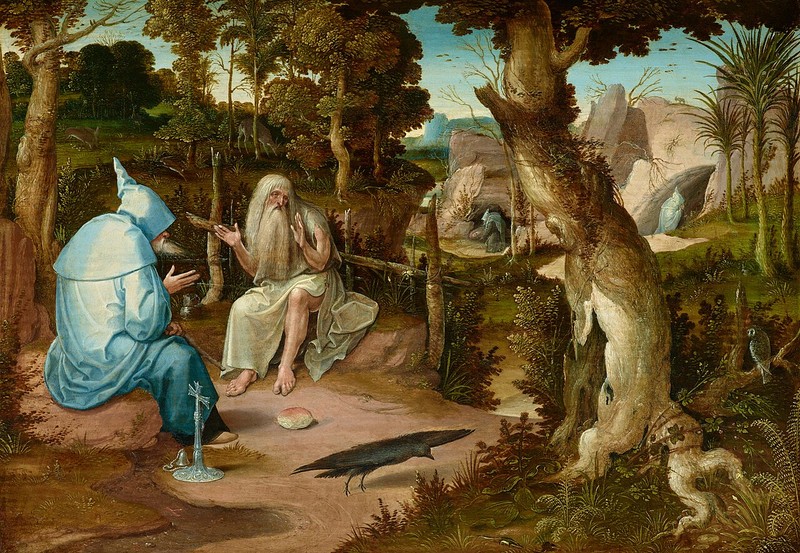
The Princely Collections also include works by other European masters. The selection available to visitors can change because individual works may be loaned to international exhibitions or displayed at other Liechtenstein residences.
The Golden Carriage
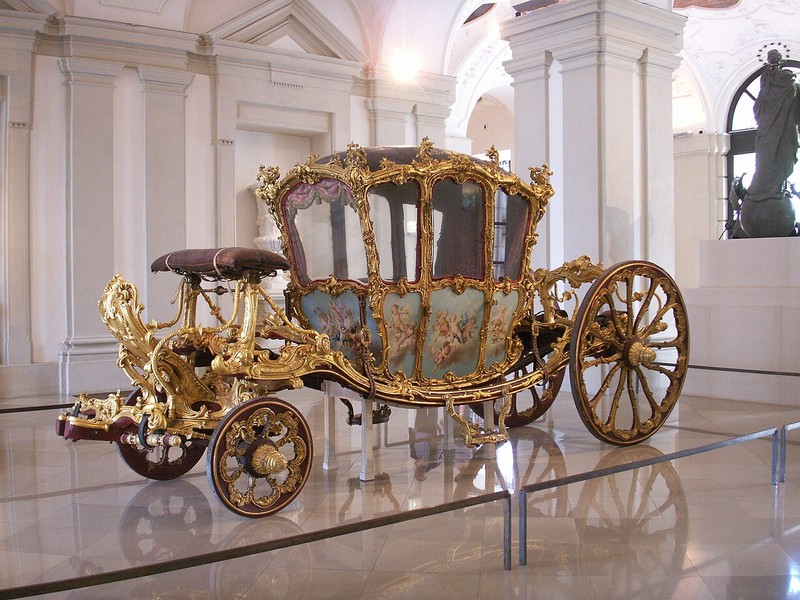
One of the collection’s unusual objects is the Golden Carriage, made for Prince Joseph Wenzel von Liechtenstein. This lavish vehicle was intended for ceremonial journeys and formal occasions. Its decoration demonstrates the skill of artists and craftspeople who worked for European aristocratic courts.
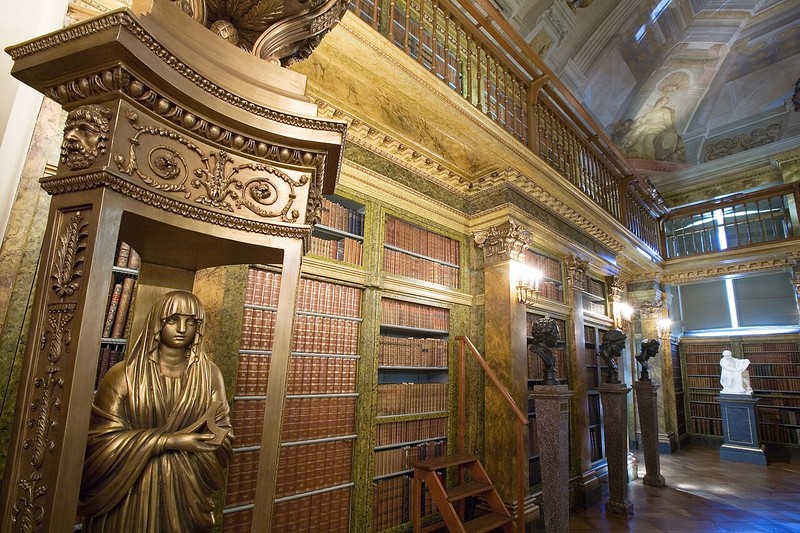
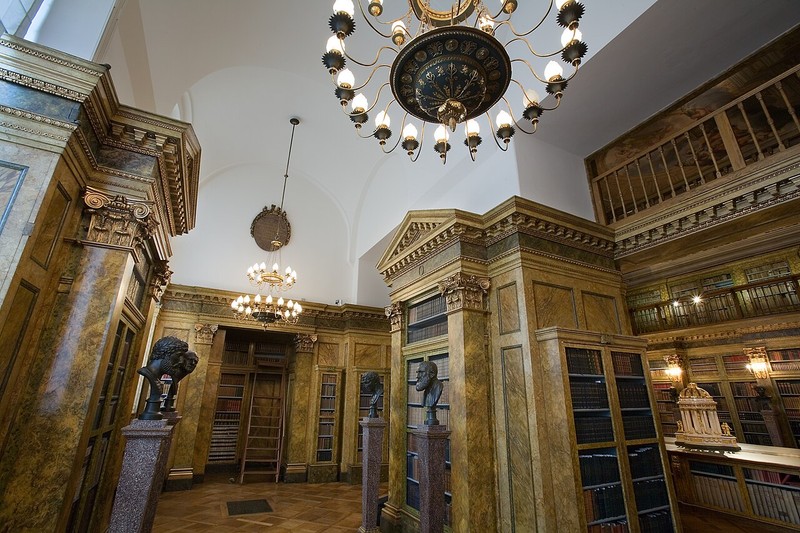
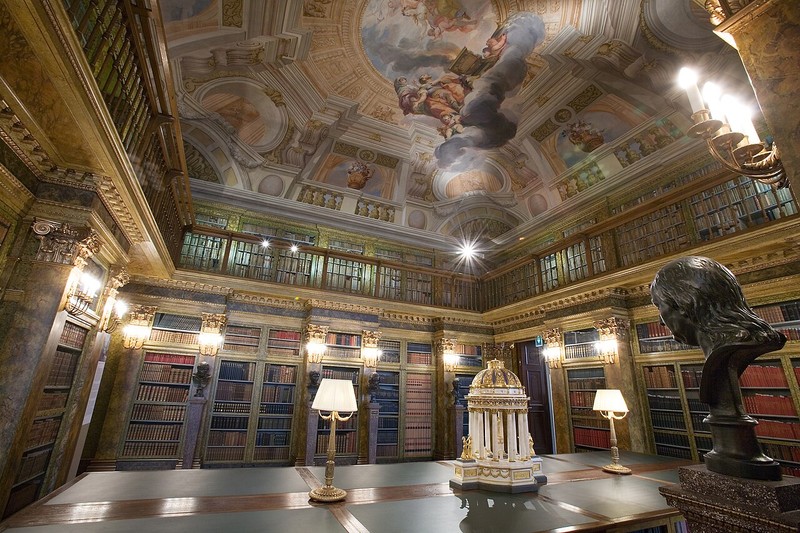
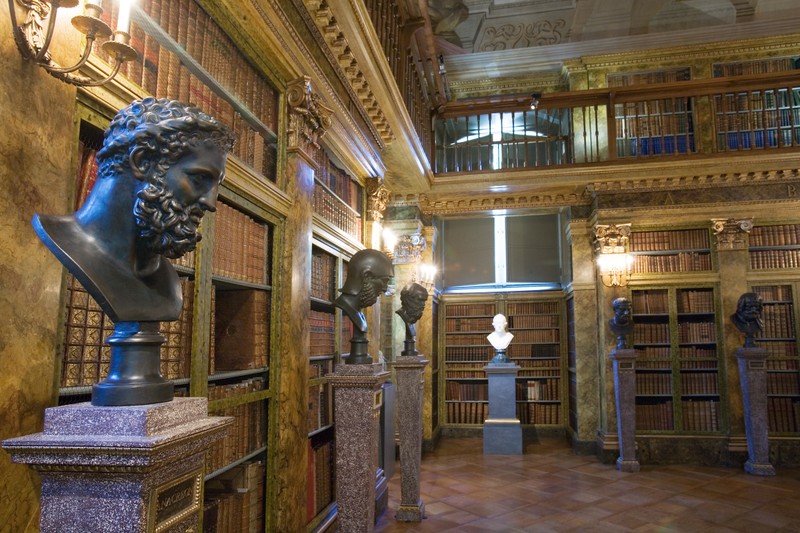
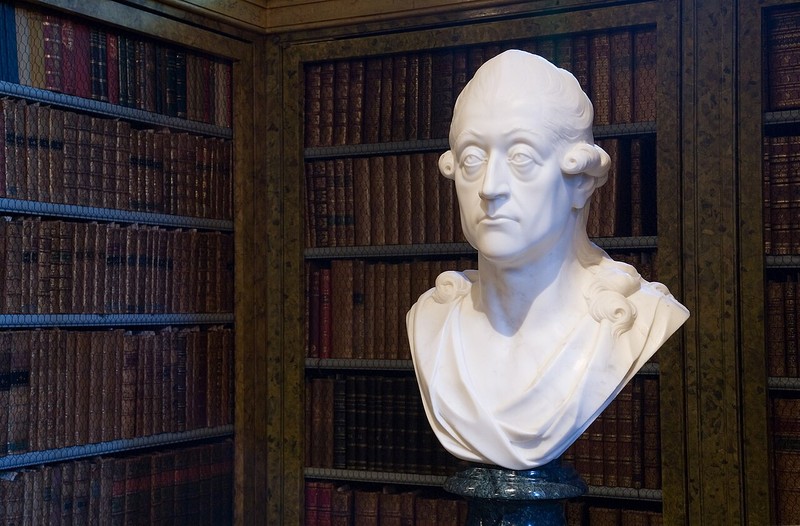
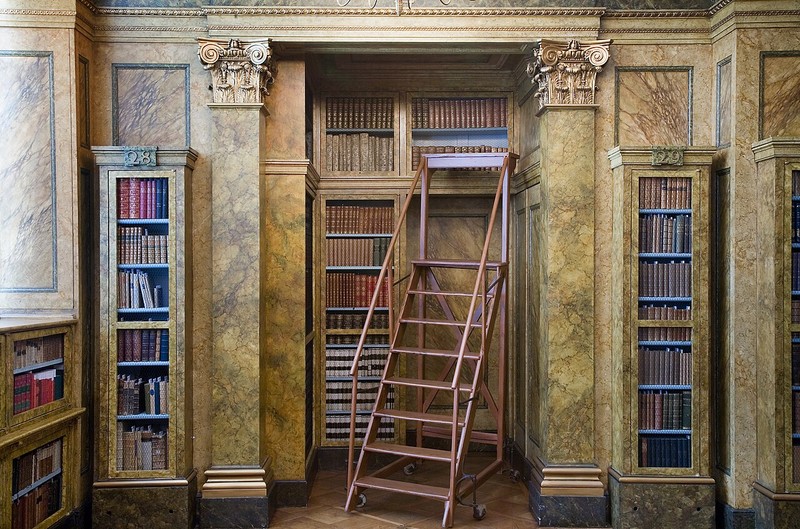
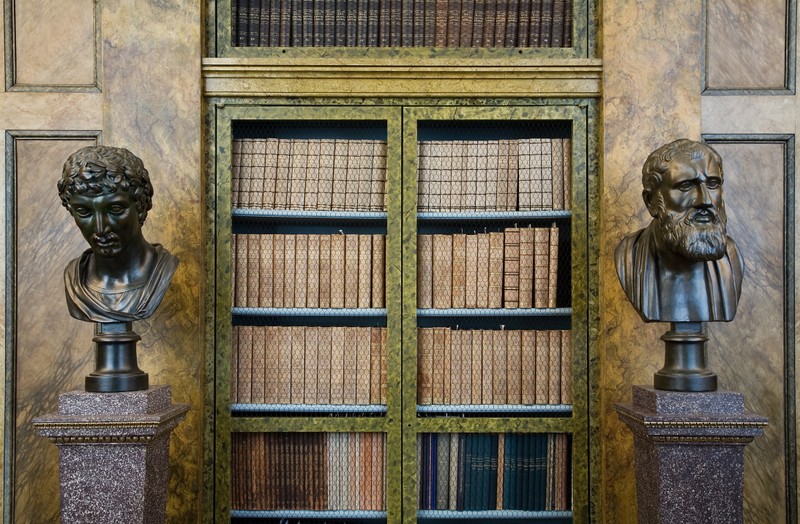
The Historical Library
The palace complex includes a historical library connected with the princely family’s book collection. Its interior contains Neoclassical furniture transferred from the former princely residence on Herrengasse. Between 1912 and 1914, the library collection was installed in the former Gentlemen’s Apartments.
How to visit the palace
The Liechtenstein Garden Palace is located at Fürstengasse 1, 1090 Vienna, Austria. Visits to the interiors and the Princely Collections are available through guided tours and events booked in advance. Check the official website for current dates, prices and ticket availability before travelling.
Tram line D serves the Seegasse and Bauernfeldplatz stops. Another option is to take underground line U4 to Rossauer Lände and walk about 600 metres. Bus 40A also stops at Bauernfeldplatz.
Liechtenstein Park
If the palace is not open to visitors, you can still explore the surrounding Liechtenstein Park during its public opening hours. Mature trees, walking paths and green spaces create a peaceful setting. Access to the park does not, however, provide independent access to the palace interiors.
What to see nearby
The palace stands in the Rossau district, a convenient starting point for exploring Vienna’s ninth district. Historic streets, cafés and architectural landmarks can be found nearby. The Liechtenstein Garden Palace is notable not only for its art collection but also for its princely history, Baroque architecture and richly decorated interiors.
Gallery