Riding Mountain National Park is a large protected area in Manitoba, central Canada. It covers approximately 2,969 km², or 296,900 hectares, and lies on the Manitoba Escarpment. Forests, lakes and wetlands contrast with the open prairie landscapes surrounding the park. Visitors may encounter black bears, moose, elk, wolves and American bison, as well as a wide variety of birds and plants.
History
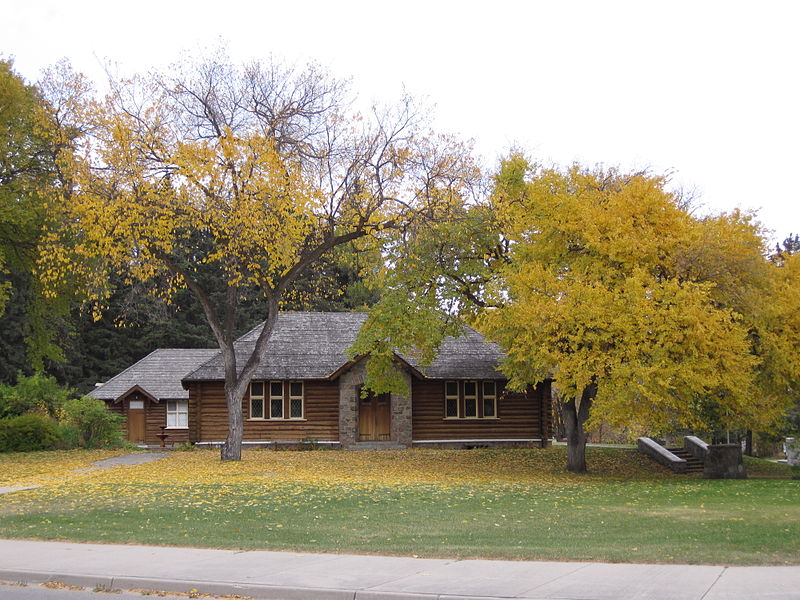
The park was established in 1930 to protect the landscapes of the Manitoba Escarpment, its forests and wildlife habitats. Its official grand opening took place on July 26, 1933. One historical landmark is the East Gate Registration Complex, built in the early 1930s as an entrance facility for visitors.
The area also has deep cultural significance for Indigenous peoples, including Anishinabe communities. It lies within Treaty 2 territory and is connected to the traditional lands of Indigenous nations. Their knowledge of plants, animals and seasonal cycles remains important to understanding the region.
Landscapes and wildlife
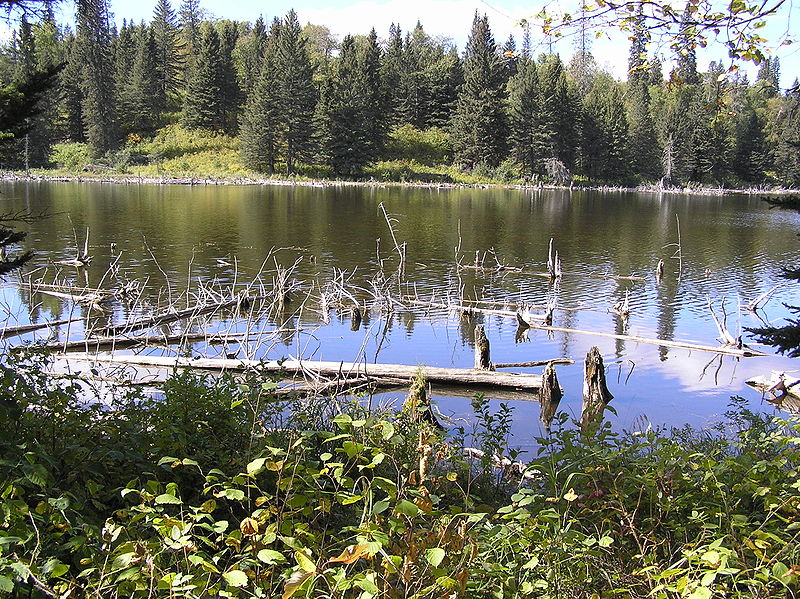
The park contains forests, grasslands, lakes and wetlands. Aspen, birch, spruce and other trees adapted to central Canada's climate grow across the higher ground. Differences in elevation and moisture create a variety of habitats within a relatively compact region.
Large mammals include black bears, moose, wolves and elk. The Lake Audy area is known for its herd of American bison. Wildlife should always be observed from a safe distance; visitors must not approach, feed or pursue animals for photographs. Lakes and wetlands are also important habitats for waterfowl and many other species.
Clear Lake and Wasagaming
Clear Lake is one of the park's main attractions, known for its clear water and sandy beaches. In summer, visitors come to swim, picnic, walk along the shore and enjoy water-based recreation. Nearby Wasagaming is a small resort community with shops, cafés, accommodation and visitor services. It is a convenient base for exploring the park.
The name Wasagaming is associated with a Cree word meaning “clear water.” Walking and cycling routes can be found around the lake. Swimming, fishing, paddling and other activities depend on the season and current regulations, so visitors should check the latest rules for protecting park waters.
Trails and outdoor activities
A network of trails crosses forests, lakeshores and the elevated escarpment. Routes range from short walks to longer hikes. In summer, visitors can cycle, fish, canoe or kayak in permitted areas. Winter brings opportunities for snowshoeing and cross-country skiing.
Designated campgrounds and equipped accommodation options are available. Some overnight stays require permits or advance reservations. Before setting out, check trail conditions, carry enough water and remember that mobile coverage may be unreliable in remote areas.
Grey Owl and conservation
The park is associated with Archibald Belaney, better known as Grey Owl. In the early 1930s, he lived near Beaver Lodge Lake with his wife, Anahareo, and two beavers. As a writer and conservation advocate, he introduced many readers to beavers and the importance of protecting forests and wildlife.
Riding Mountain is part of a UNESCO biosphere reserve. Biosphere reserves combine ecosystem conservation, scientific research and sustainable use of natural resources. The park is important for protecting forest, prairie and wetland habitats while allowing visitors to learn about nature through trails, wildlife watching and educational programs.
Best time to visit
Summer is ideal for beach visits, hiking, camping and water activities, but it is also the busiest season, so campsites and accommodation should be booked in advance. Spring attracts birdwatchers and visitors interested in seasonal changes, although trails can be wet. Autumn brings colourful foliage and opportunities to observe wildlife. Winter offers snowy forest walks, snowshoeing and skiing.
Getting there
The park is about a three-and-a-half-hour drive west of Winnipeg. Wasagaming is the main visitor hub. Highway 10 connects the area with Brandon and Dauphin, while Highway 19 enters from the east through the scenic escarpment. A national park entry permit is required for motor vehicles and can be purchased at park gateways.
A few hours may be enough to visit Wasagaming and Clear Lake, but several days are recommended for hiking, wildlife viewing and exploring more remote areas. Check road and trail conditions, camping rules and wildlife advisories before travelling. Staying on marked trails and respecting wildlife helps protect the park for future generations.
Gallery