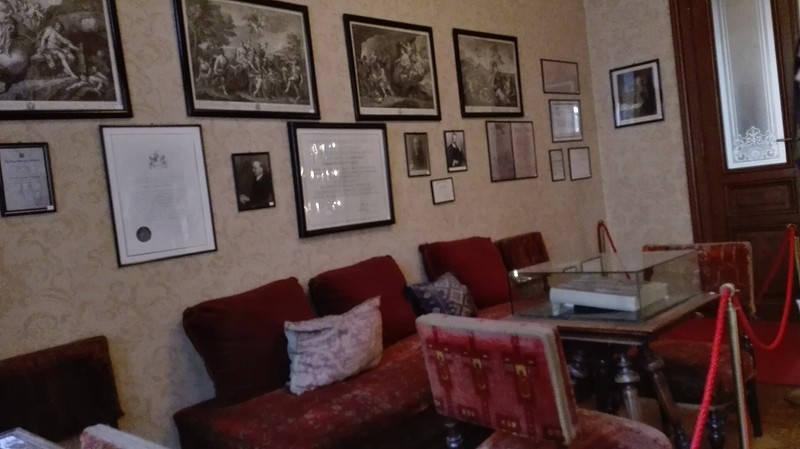
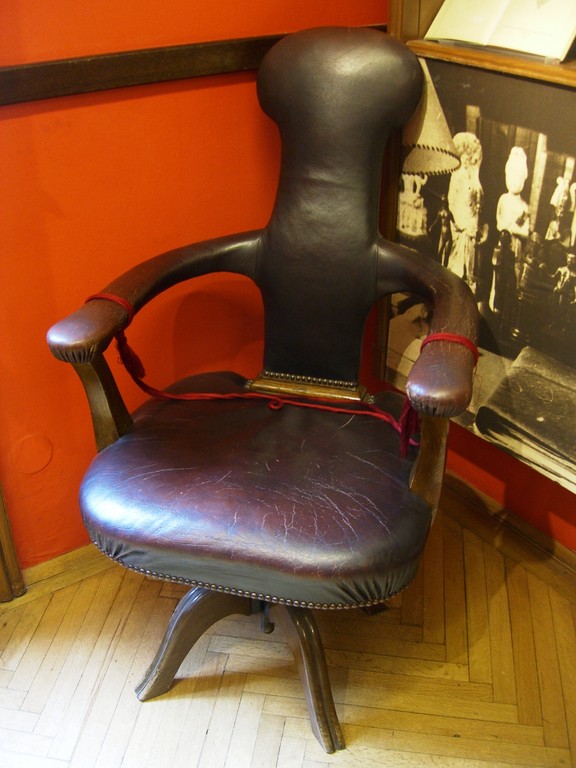
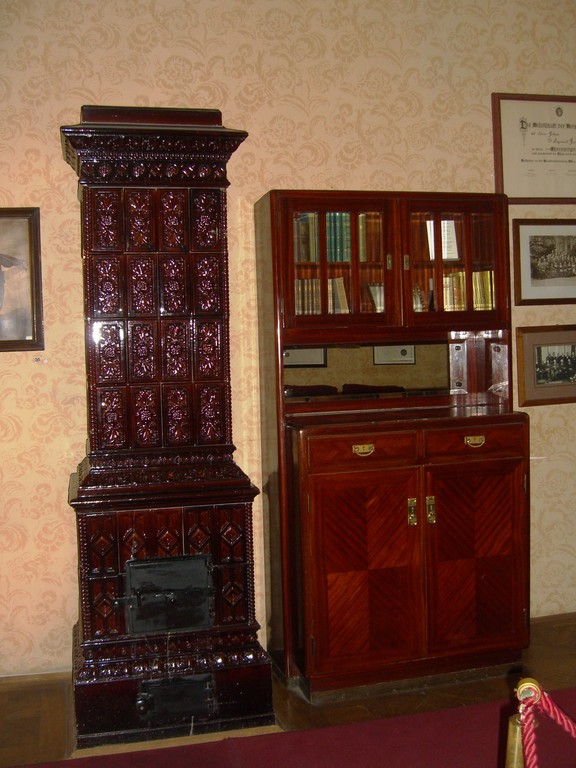
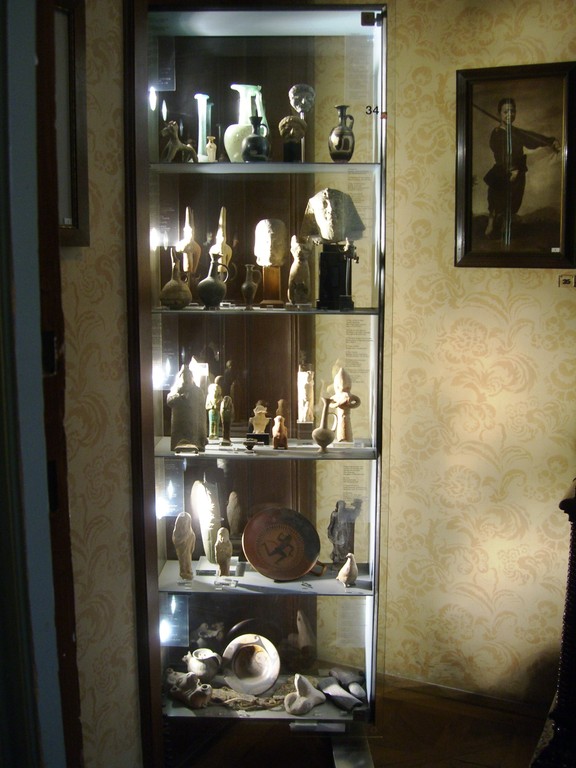
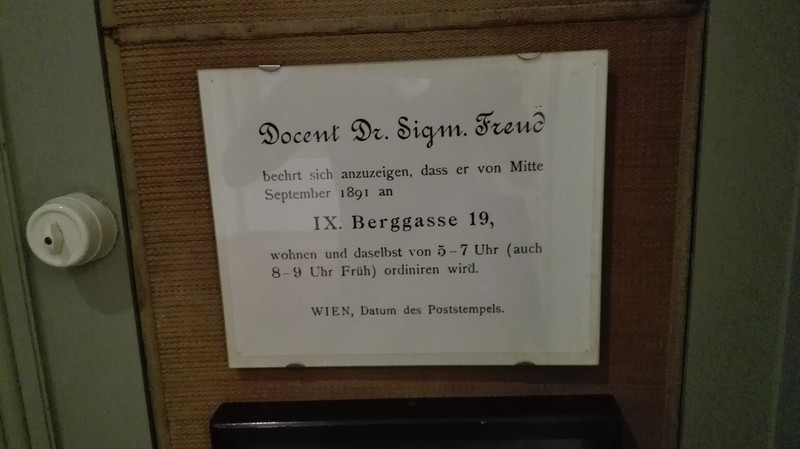
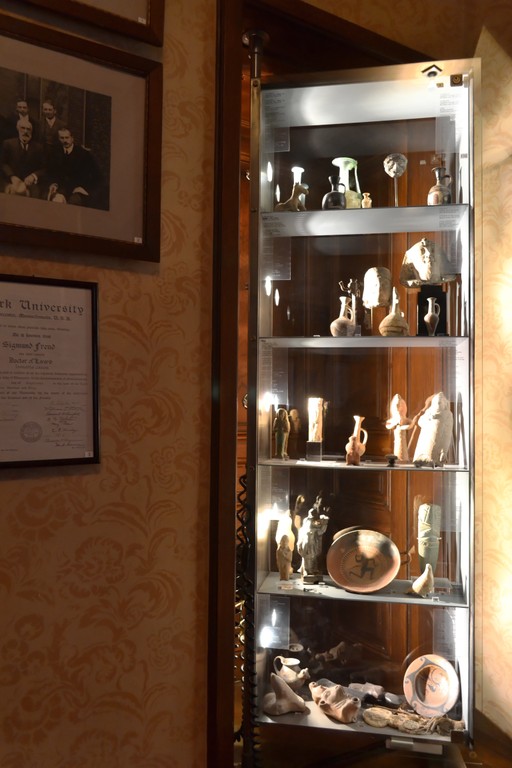
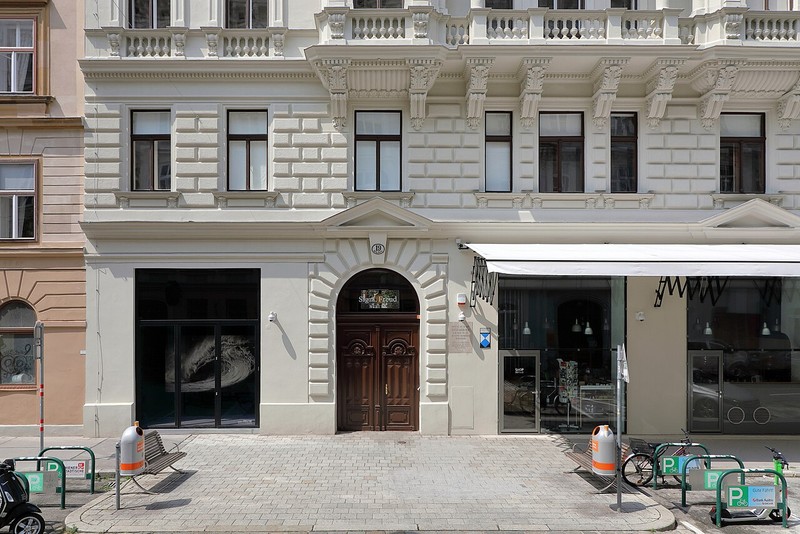
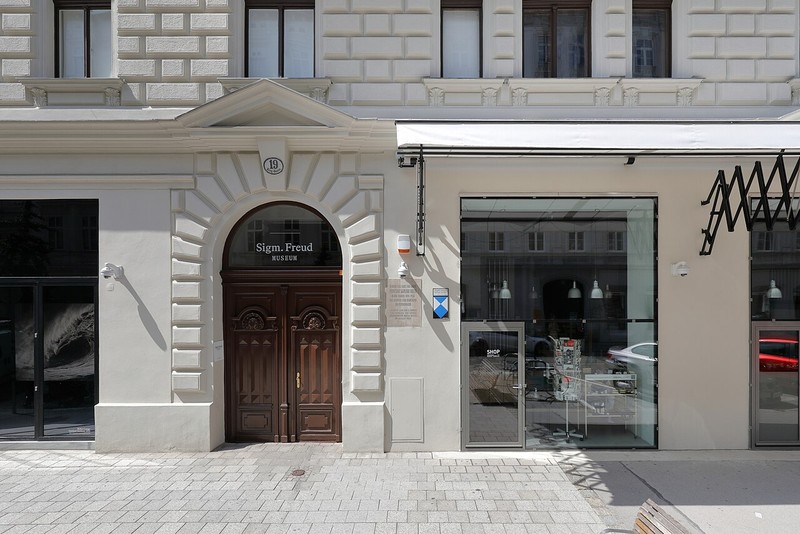
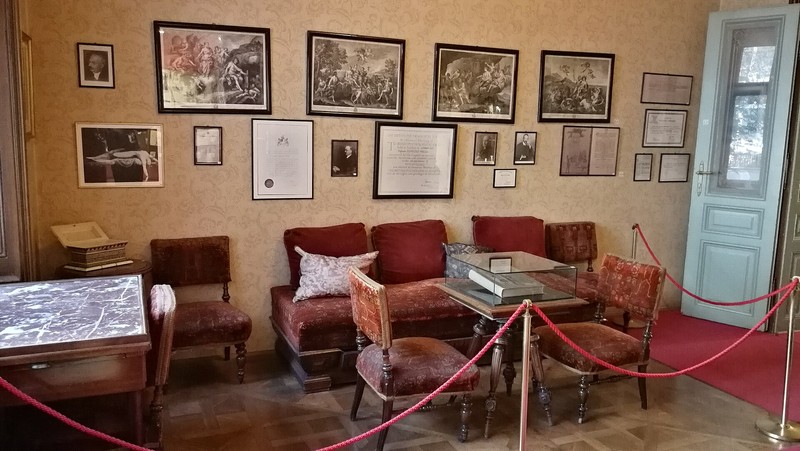
The Sigmund Freud Museum in Vienna explores the life and work of the founder of psychoanalysis. It is located at Berggasse 19, where Freud lived with his family and treated patients from 1891 to 1938. Visitors can see former family rooms, the practices of Sigmund and Anna Freud, historical documents, photographs and objects from the family collection. The museum also explores the development of psychoanalysis, Vienna’s cultural life and the fate of the Freud family under Nazi rule.
History of the museum
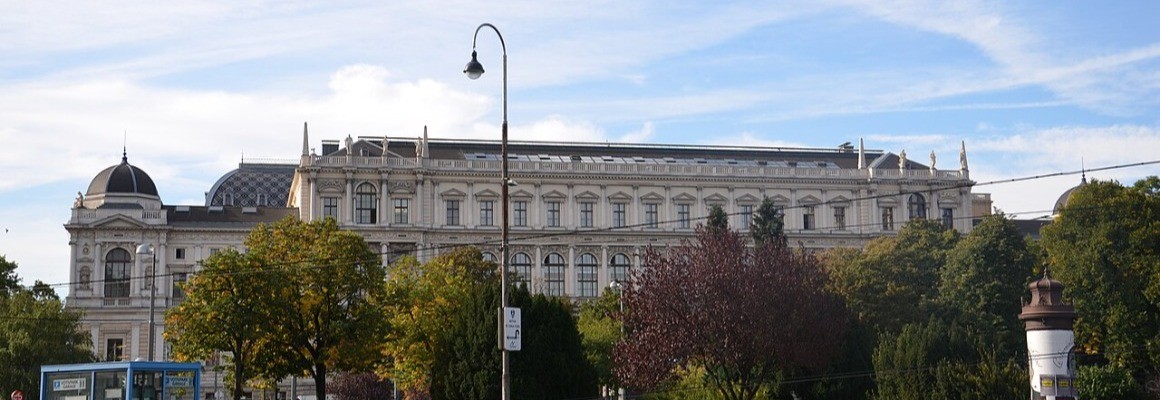
Sigmund Freud was born in 1856 and studied medicine at the University of Vienna. In 1891, he moved with his family to Berggasse 19. Much of his professional life took place here: he received patients, developed his theories and wrote works that influenced psychology, philosophy, literature and the arts.
After Nazi Germany annexed Austria in 1938, Freud and his family faced persecution. Because of his Jewish background and the Nazi regime, he was forced to leave Vienna for London. He died in the United Kingdom in 1939. His former apartment and practice remain important sites in the history of psychoanalysis.
The museum opened on 15 June 1971 in the presence of Freud’s youngest daughter, Anna Freud. Following a major renovation and expansion in 2020, additional rooms connected with the family’s life became accessible to visitors. Today, the museum preserves Freud’s legacy, presents exhibitions and supports research.
What to see in the museum
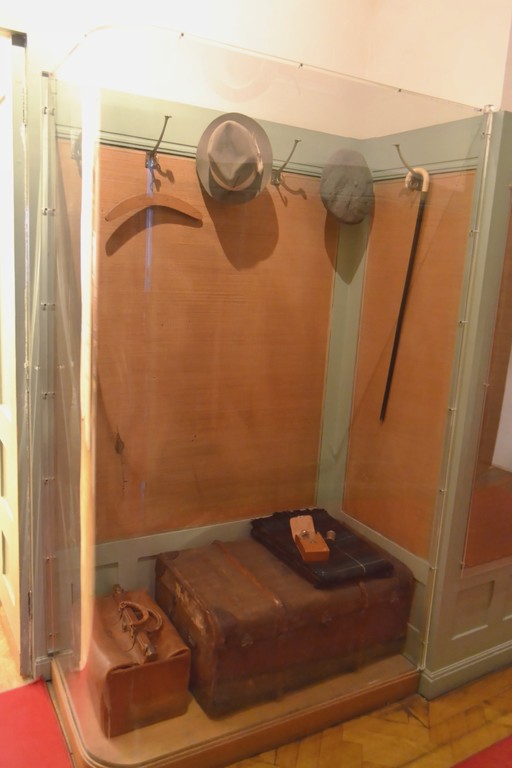
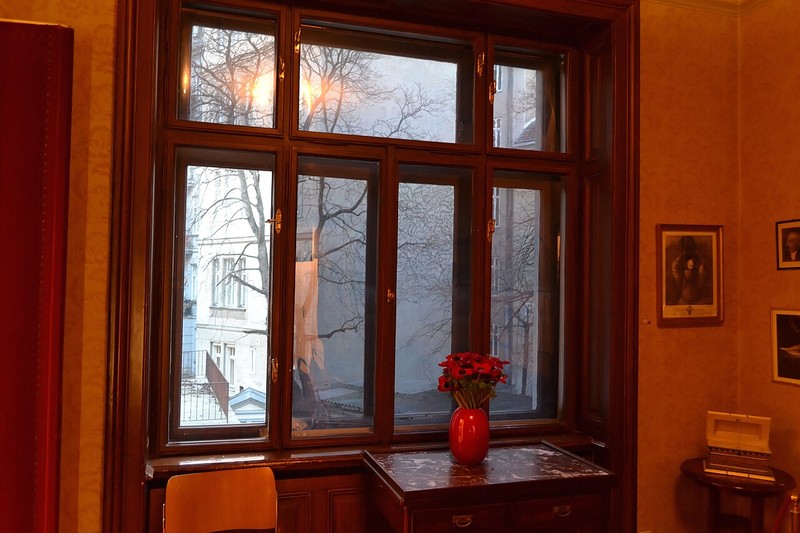
The permanent exhibition introduces Freud’s life, his family and the history of psychoanalysis. Visitors can walk through the former family rooms and see the doctor’s practice and waiting room where he met patients. The preserved layout helps recreate the atmosphere of a Viennese home in the late nineteenth and early twentieth centuries.
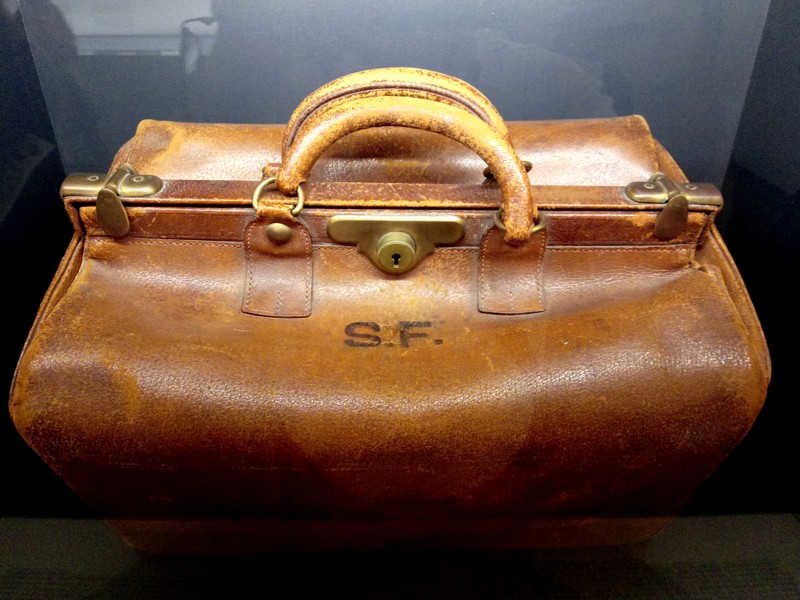
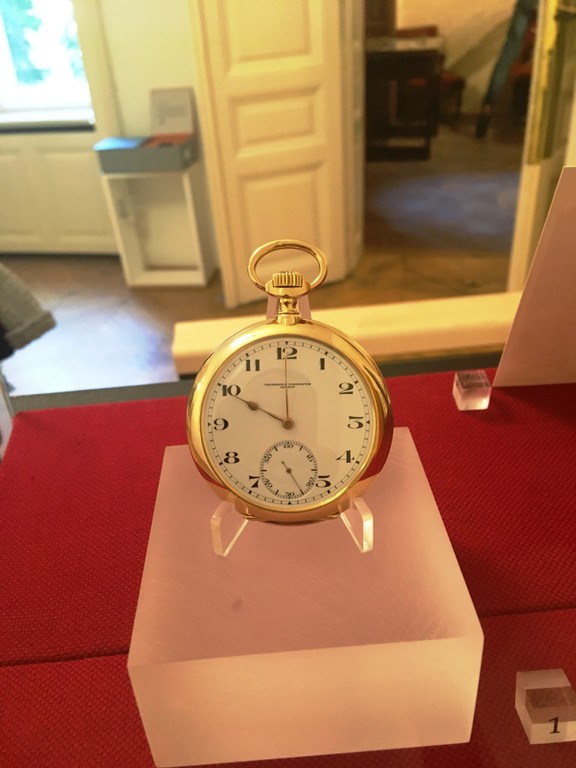
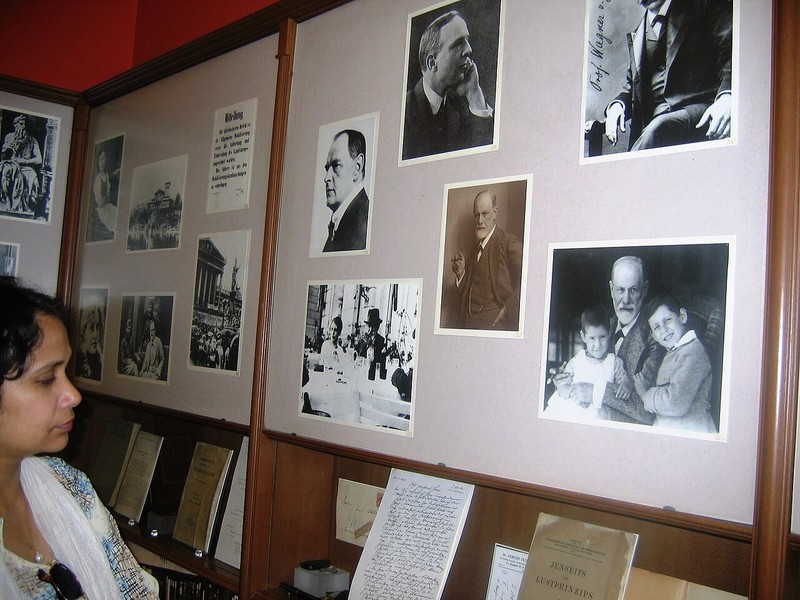
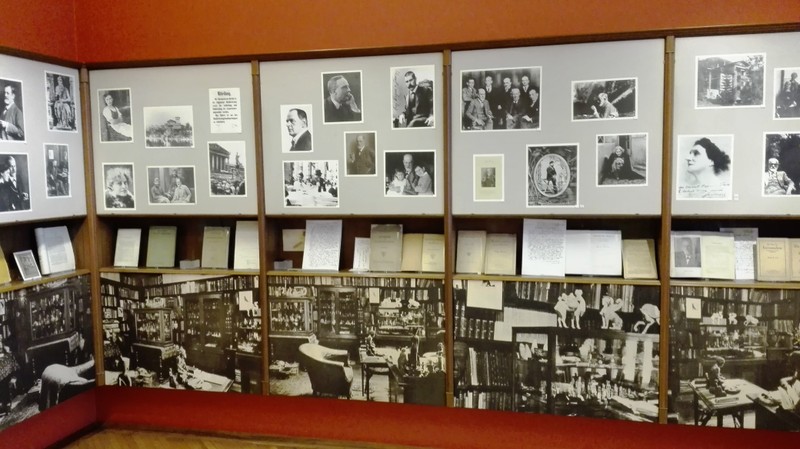
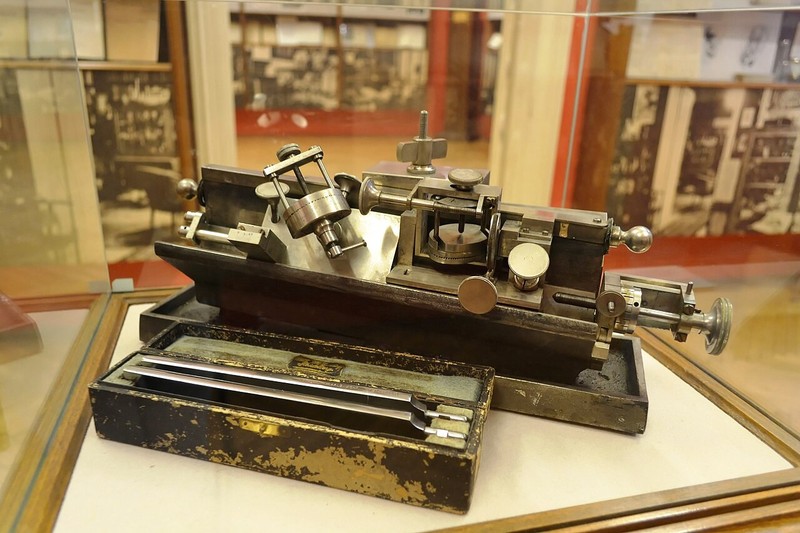
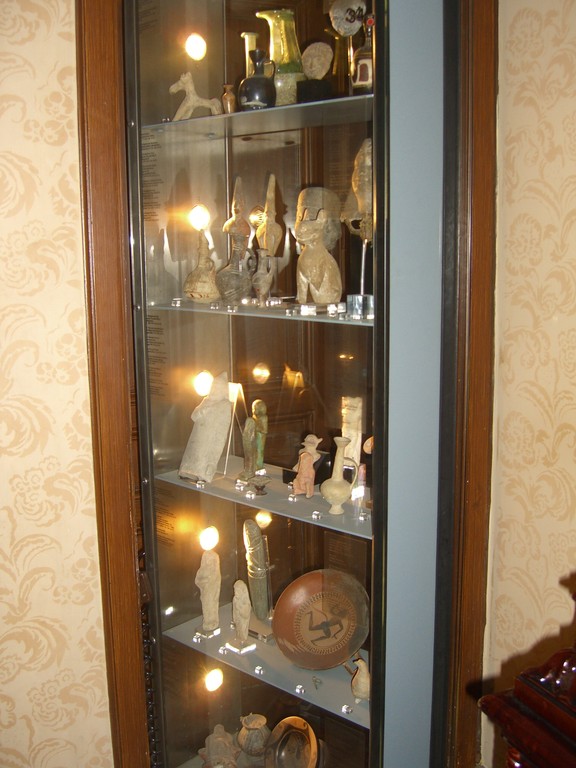
Displays include photographs, letters, documents, publications and objects associated with the Freud family. Special attention is given to Freud’s professional work and the emergence of psychoanalysis as a way of exploring unconscious processes. The exhibition explains how his ideas shaped discussions of dreams, memory, childhood and the inner life.
The practice and the famous couch
Freud treated patients in his practice and held conversations that became central to the development of psychoanalysis. His methods included free association, dream analysis and discussion of personal experiences, encouraging patients to talk about thoughts and feelings that might not have been fully conscious.
The famous couch associated with Freud’s practice is not in the Vienna museum. He took it with him to London in 1938, and it remains in his final home there. At the Vienna museum, an augmented-reality installation allows visitors to view a digital reconstruction of the couch in the historical room using a smartphone.
Sigmund Freud and the development of psychoanalysis
Freud became one of the most influential and controversial figures in the history of psychology. He focused on unconscious processes, childhood experiences, dreams and inner conflicts. His theories influenced the humanities as well as literature, theatre, cinema and visual art.
Modern psychology does not accept all of Freud’s ideas without reservation, and many aspects of his theories remain subjects of academic debate. The museum provides historical context for his work and helps explain why psychoanalysis had such a strong impact on twentieth-century culture.
Library and research
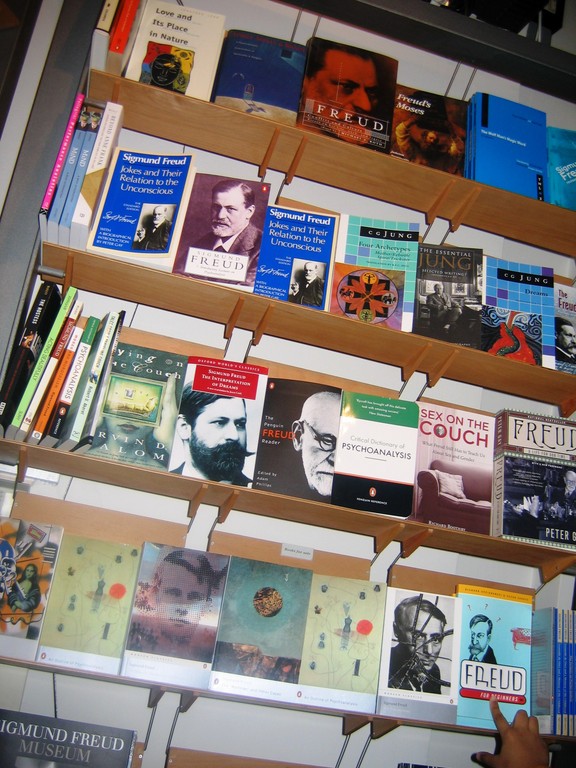
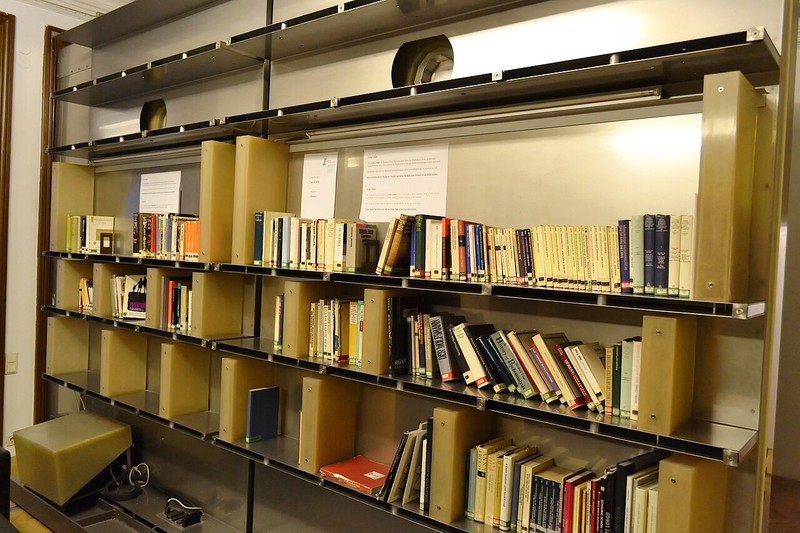
The museum is associated with a specialised research library devoted to psychoanalysis. Its holdings include scholarly publications and historical materials useful for studying psychotherapy and European intellectual history. The library is particularly relevant to researchers, students and professionals in psychology and the humanities; access arrangements should be checked in advance.
The museum also hosts temporary exhibitions, lectures, guided tours and cultural events. Some programmes explore the influence of psychoanalysis on contemporary art, society and culture.
How to get to the Sigmund Freud Museum
The museum is located at Berggasse 19, 1090 Vienna, in the city’s ninth district, Alsergrund. Nearby underground stations include Schottentor on line U2 and Roßauer Lände on line U4. Tram D stops at Schlickgasse, trams 37, 38, 40, 41 and 42 serve Schwarzspanierstraße, and bus 40A stops at Berggasse.
Opening hours and tickets
According to the official website, the museum is open Wednesday to Monday, including public holidays, from 10 a.m. to 6 p.m. It is closed on Tuesdays. Last admission is 30 minutes before closing. Allow at least an hour to explore the exhibition, and longer if you plan to join a tour or visit temporary displays.
The published standard adult ticket price is €16, the reduced ticket costs €12, students under 27 pay €10, and pupils under 18 pay €5.50. Children under 12 enter free. Prices may change, so check the official website before your visit.
The Sigmund Freud Museum is an important Vienna attraction for anyone interested in psychology, culture and European intellectual history. A visit offers a glimpse into the place where psychoanalysis developed and introduces the continuing legacy of Freud’s work.
Gallery