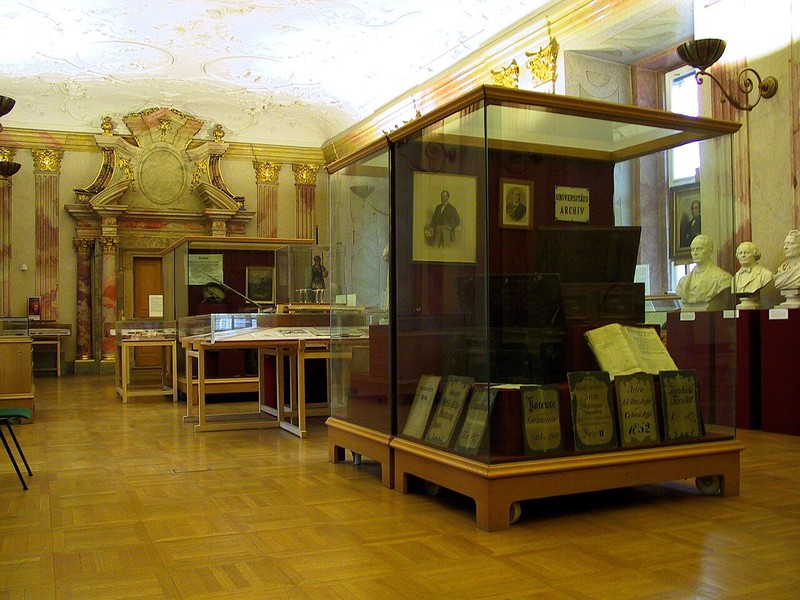
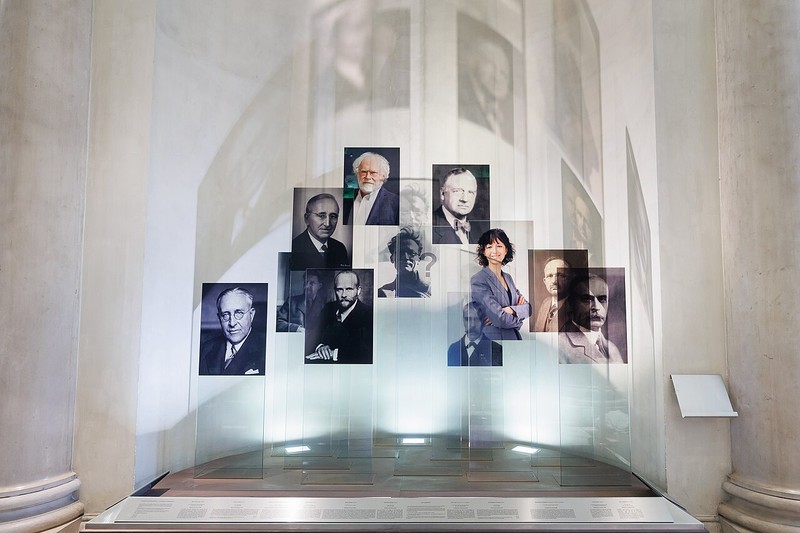
The University of Vienna is a public research university and one of the oldest and largest higher education institutions in Europe. Scientists who studied or taught here later became Nobel Prize laureates, including Karl Landsteiner, Erwin Schrödinger and Hans Fischer. Other well-known people associated with the university include Sigmund Freud, Pope Pius II, Stefan Zweig and Gregor Mendel.
History
In 1365, Duke Rudolf IV founded the university together with his brothers Albert III and Leopold III. It is therefore also known by its Latin name, Alma Mater Rudolphina. To help the institution develop, Albert III invited professors from the Sorbonne to Vienna. At first, the university had three faculties: philosophy, medicine and law.
In 1384, a theology faculty opened with the blessing of Pope Urban V. The university continued to grow, and by 1450 it had around 6,000 students. During the Ottoman siege of Vienna in 1683, the institution faced the threat of closure.
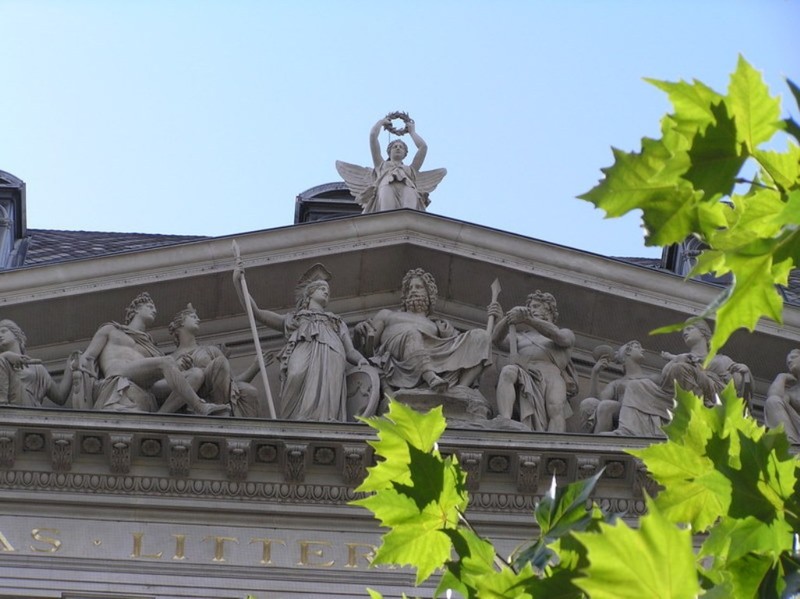
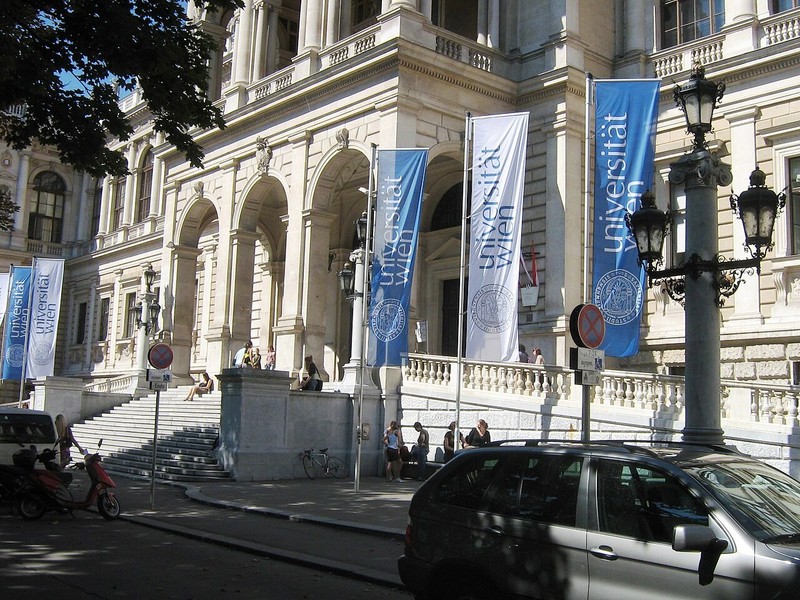
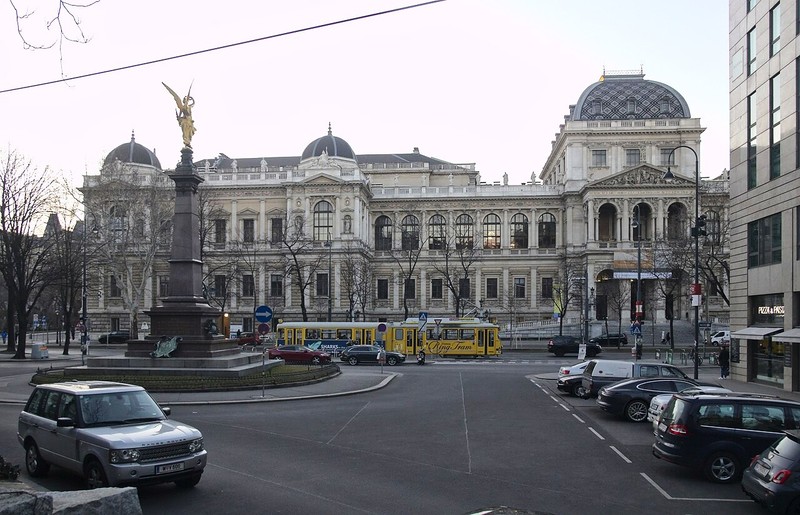
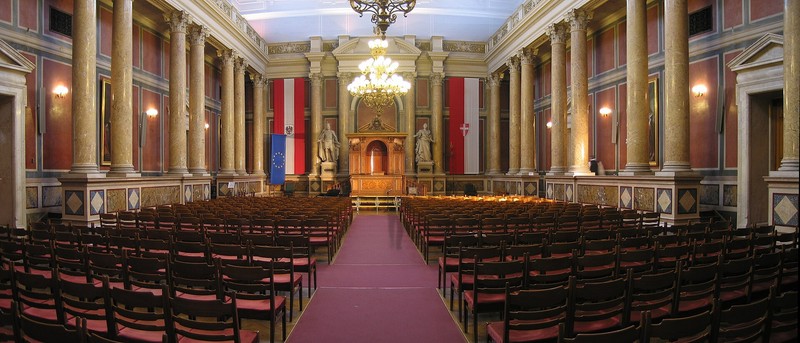
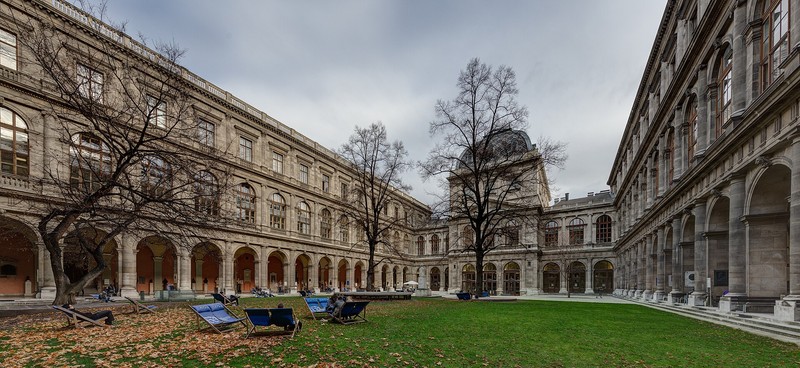
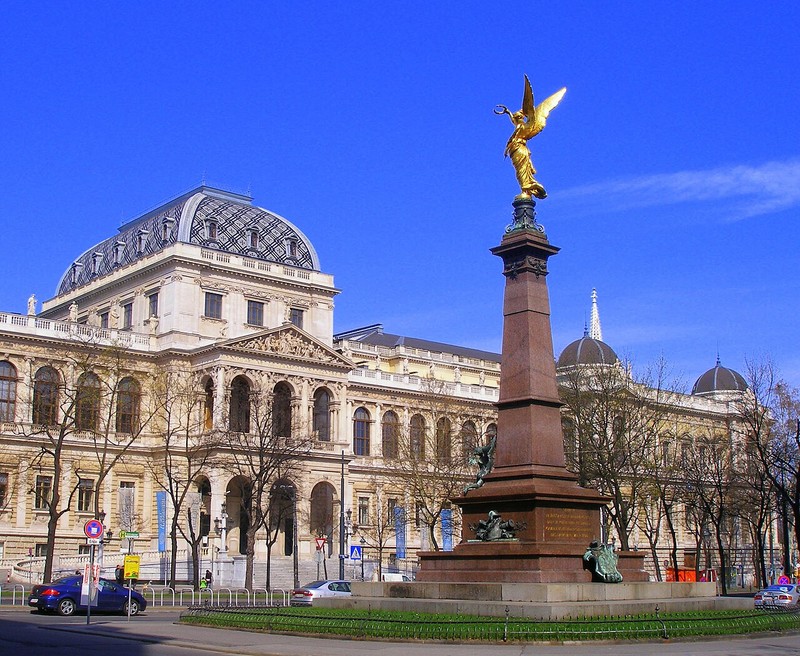
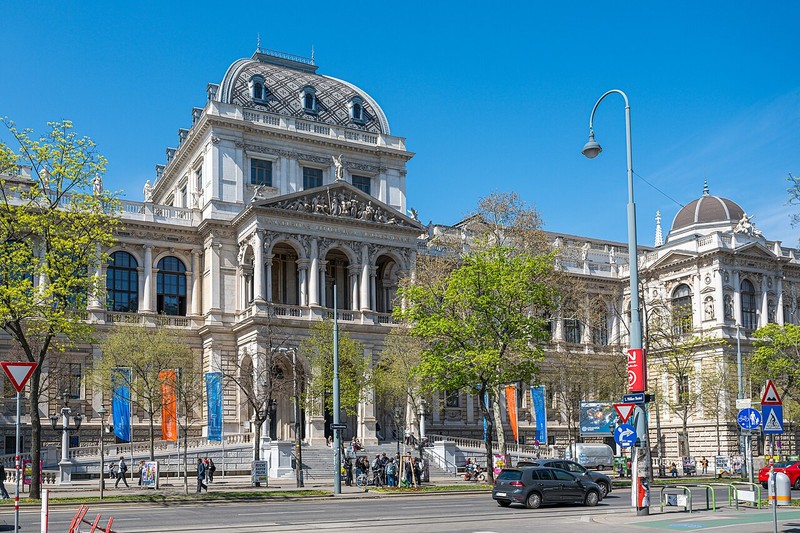
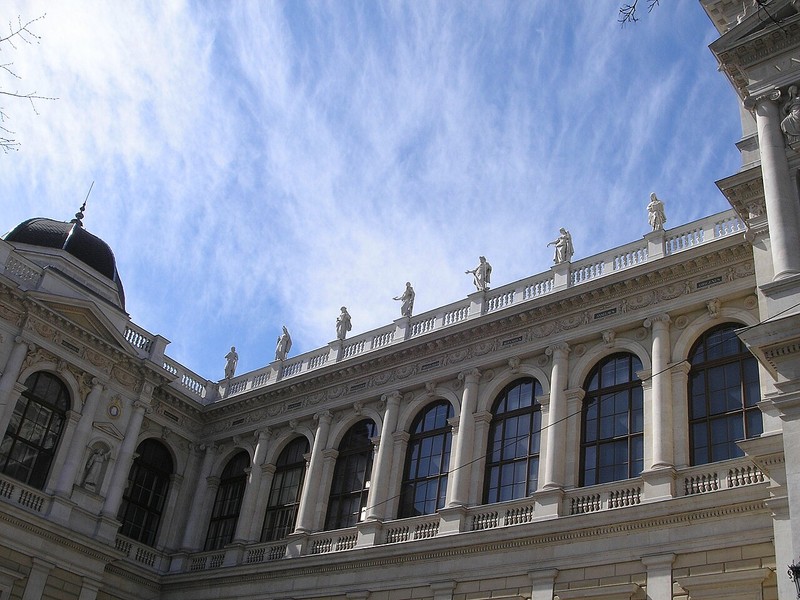
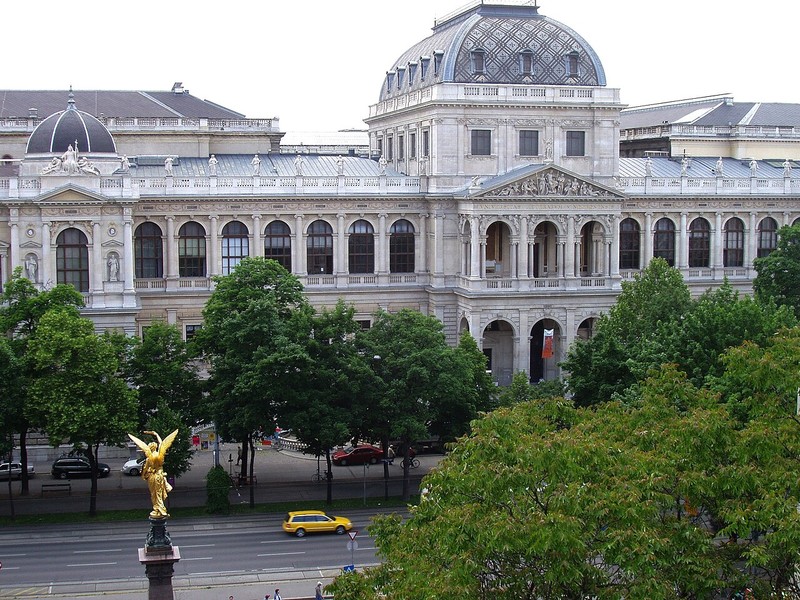
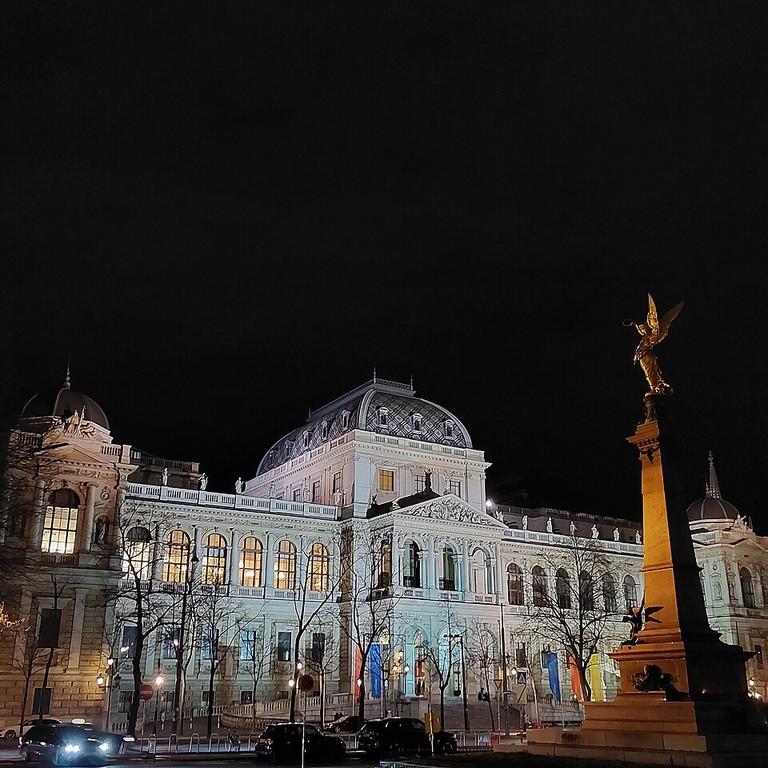
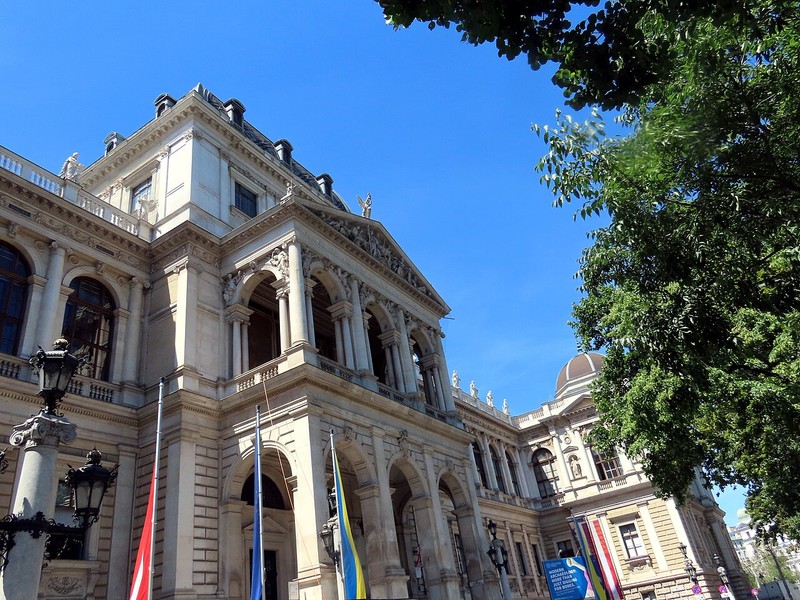
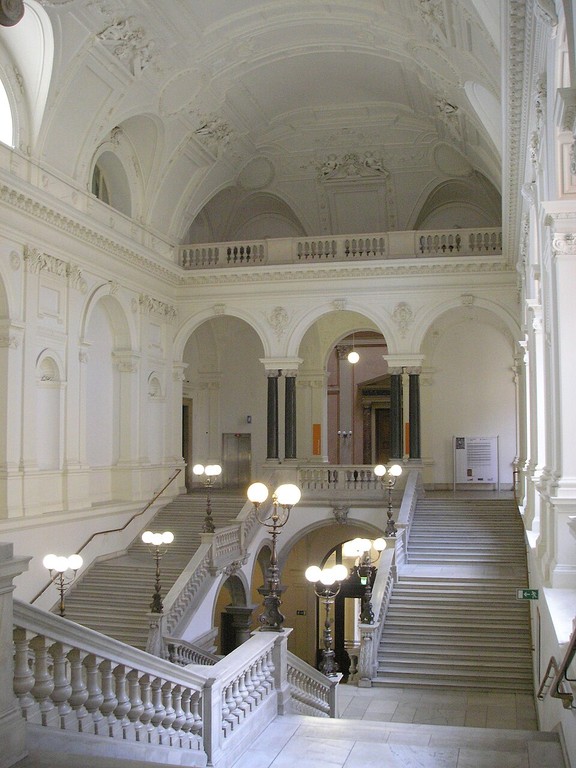
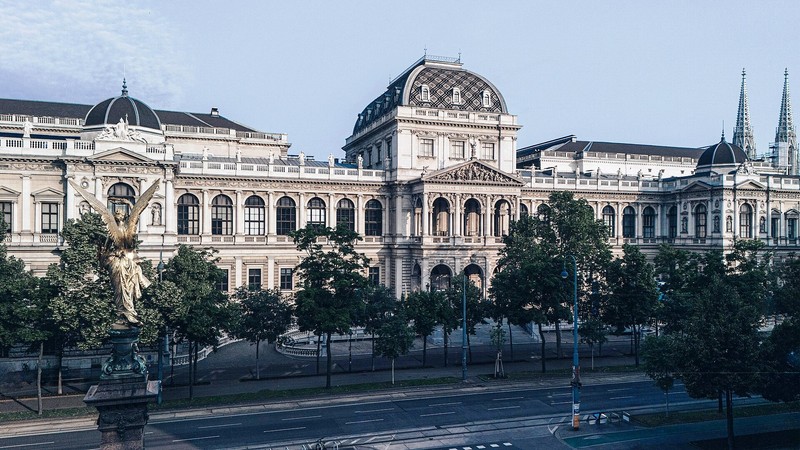
Under Maria Theresa and Joseph II, study programmes were modernised and the influence of the Catholic Church on education gradually diminished. In 1897, women were admitted to university classes for the first time, initially only at the Faculty of Philosophy. The university's main building was constructed in 1884 to designs by architect Heinrich von Ferstel on Vienna's Ringstrasse.
The university today
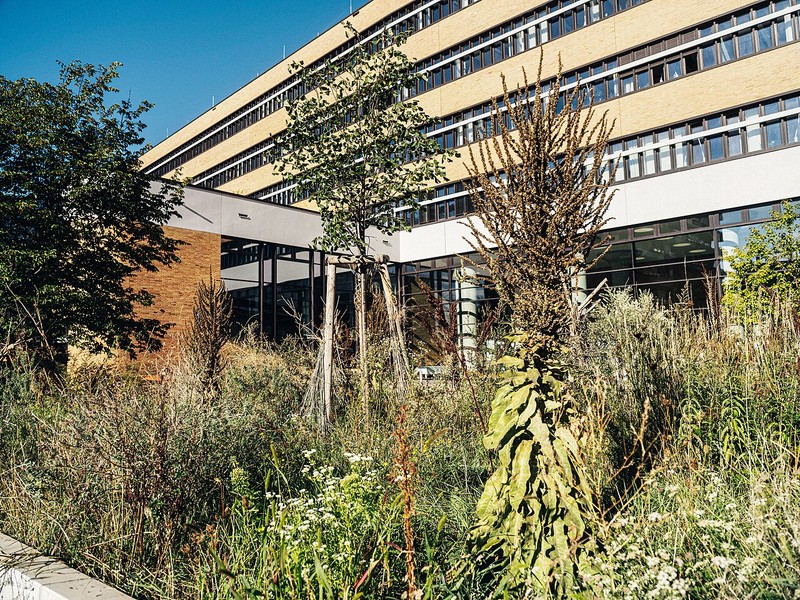
The University of Vienna does not have a single campus. It originally operated in the First District, near the Jesuit Church. Today, its facilities are spread across more than 60 locations throughout Vienna. The historic building on the Ringstrasse is regarded as its central site and is often called “die Uni” by locals. Major university facilities are located in the First and Ninth Districts.
The university offers more than 180 bachelor's, master's and doctoral programmes and has over 15 faculties. Popular fields include economics, business, natural sciences, humanities and social sciences. Most courses are taught in German, although some programmes are available in English. Students can choose some of the subjects they study.
The university hosts centres for sports science, molecular biology, teacher education and translation studies. The Vienna Observatory is also associated with the institution. The university has additional facilities in Upper Austria, Lower Austria and Carinthia.
University library
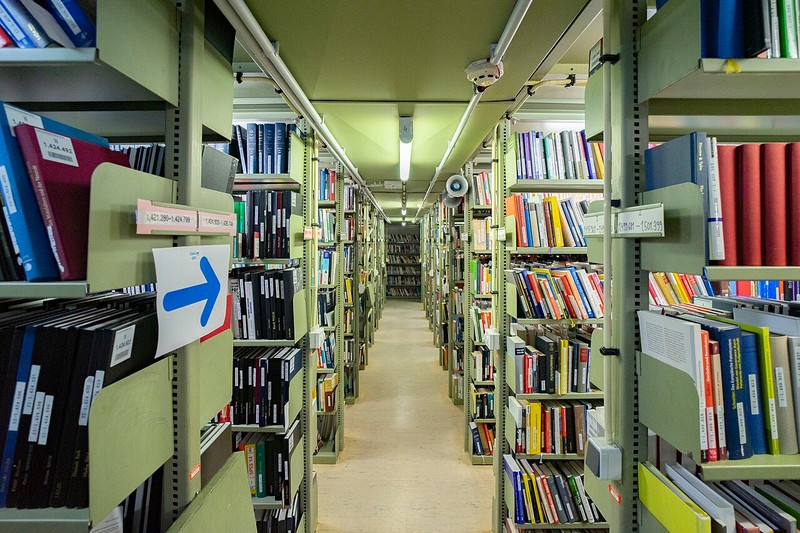
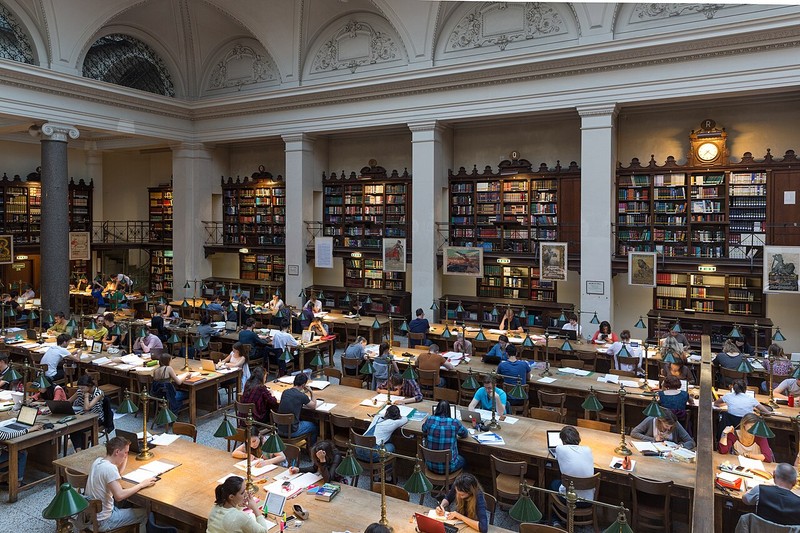
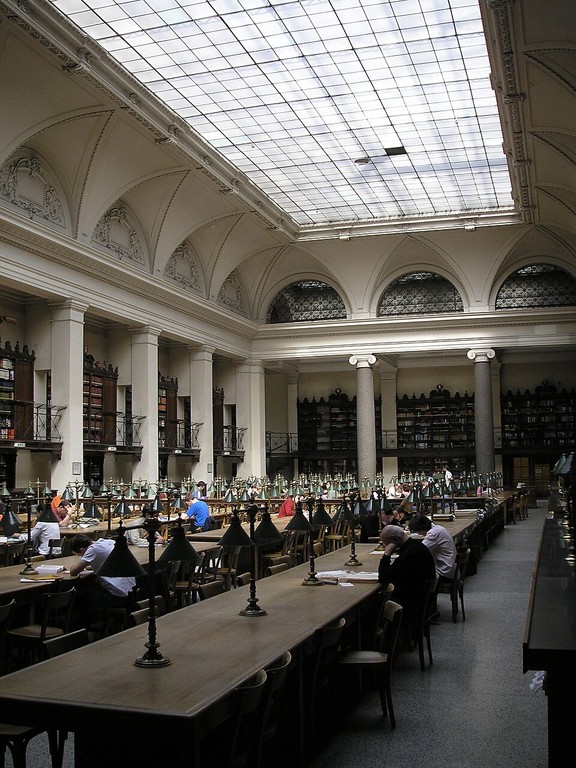
The university library consists of the main collection and around 50 faculty libraries located in different parts of Vienna. It primarily serves students and university staff, but members of the public may also be able to access its collections.
Books can be consulted in the reading rooms. An identity document is required to borrow items. Readers can also use the university's digital library to access electronic materials.
Getting there
The main university building is near the Schottentor stop. It can be reached by bus routes including 1A and 40A, as well as by tram lines 1, 37, 38, 40, 41, 42, 43, 44, 71 and D. Check current public transport information before travelling.
Admission requirements depend on the chosen programme. Some courses do not require entrance examinations, while others have additional tests. These may apply to fields such as pharmacology, biology, economics, computer science, psychology and geophysics. Austrian residents and international applicants can apply for the summer or winter semester. Current deadlines and requirements are published on the university's official website.
Gallery