Chapultepec is one of Mexico City’s best-known historical and natural complexes, combining a vast urban park, a hill with an ancient past, a famous castle, museums, lakes, and cultural spaces. Located in the western part of the Mexican capital, it has played an important role in the city’s life for centuries. Chapultepec is both a recreational destination and a landmark of national history, preserving traces of different periods in Mexico’s past.
Origins of the Name and Ancient History
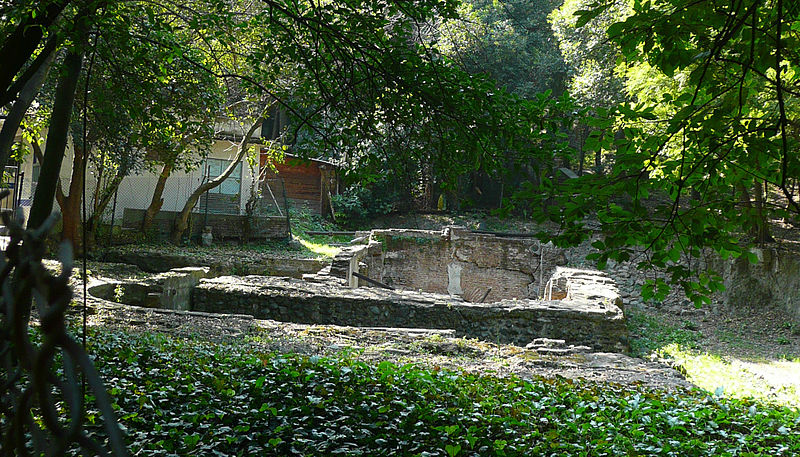
The name Chapultepec comes from Nahuatl and is commonly translated as “Grasshopper Hill.” The history of the area stretches back thousands of years. Archaeological discoveries, including pottery and burials, indicate that people lived here in the pre-Columbian era.
The hill was especially important to the peoples of the Valley of Mexico because of its natural springs. During the era of the Mexica, also known as the Aztecs, Chapultepec was a strategic and sacred place. Its springs supplied water to the capital of Tenochtitlan, built on islands in Lake Texcoco. The area therefore had both religious significance and practical importance for the survival of the ancient city.
Chapultepec in the Colonial Period
After the Spanish conquest of Mexico, Chapultepec retained its importance. In 1530, the Spanish Crown ordered the woodland to be placed under the administration of Mexico City. Viceroys used the area for walks, relaxation, and hunting. Country residences stood here, and the hill gradually became associated with the government of colonial New Spain.
At the end of the eighteenth century, construction began on a new palace at the top of the hill. The project was intended as a retreat for Viceroy Bernardo de Gálvez. Over time, the building served several different purposes and became one of Chapultepec’s most recognizable architectural landmarks.
Chapultepec Castle
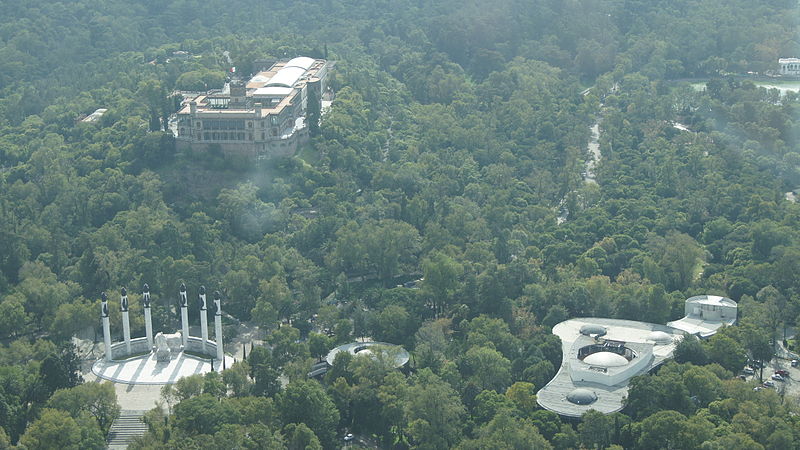
Chapultepec Castle is the park’s principal historical attraction. Construction began in 1785. At different times, the building served as a military academy, an imperial residence, the home of Mexican presidents, and eventually a museum. Its architecture combines elements of European palace traditions with the distinctive history of Mexico.
A defining episode in the castle’s history was the war between Mexico and the United States. In September 1847, the Battle of Chapultepec took place on the hill, where Mexican military cadets defended the academy. The young defenders who died became part of national memory under the name Niños Héroes, or “Boy Heroes.”
From 1864 to 1867, the castle was the residence of Emperor Maximilian of Habsburg and Empress Carlota. During this period, the building was extensively remodeled, and its interiors and gardens were redesigned. Mexican presidents later lived there as well. In 1939, the decision was made to establish the National Museum of History in the castle, and it opened to visitors in 1944.
National Museum of History
The castle houses Mexico’s National Museum of History. Its exhibitions cover major stages in the country’s development, from the Spanish conquest of Tenochtitlan in the sixteenth century to the Mexican Revolution in the early twentieth century. The galleries display paintings, documents, weapons, banners, clothing, furniture, and personal belongings of historical figures.
A visit offers an opportunity to see not only objects from different eras but also the historic interiors of the castle itself. Its halls, courtyards, staircases, and terraces reveal how the building’s purpose changed over time. From the hilltop, visitors can enjoy panoramic views of the park’s greenery and the modern neighborhoods of Mexico City.
Chapultepec Forest and Urban Park
Chapultepec Forest, known in Spanish as Bosque de Chapultepec, is one of the largest urban parks in the Western Hemisphere. It covers approximately 686 hectares. The park is divided into several sections featuring wooded areas, walking paths, cultural institutions, sports facilities, and recreational spaces.
The park’s modern development accelerated in the late nineteenth century. During the presidency of Porfirio Díaz, improvements were made to the grounds, paths were laid out, and artificial lakes and walking areas were created. In the following decades, the park continued to expand and adapt to the needs of a growing city.
Today, Chapultepec is a green refuge for millions of residents and visitors. People come to walk among the trees, relax by the water, exercise, have picnics, and attend cultural events. Despite its location in a densely populated metropolis, the park offers a welcome break from the noise of the city.
Museums, Lakes, and Attractions
Chapultepec is known for its many museums and cultural institutions. In addition to the National Museum of History inside the castle, different parts of the park contain museums devoted to anthropology, modern art, and other cultural subjects. One of the most famous is the National Museum of Anthropology, whose archaeological and ethnographic collections explore Mexico’s Indigenous peoples and the region’s ancient civilizations.
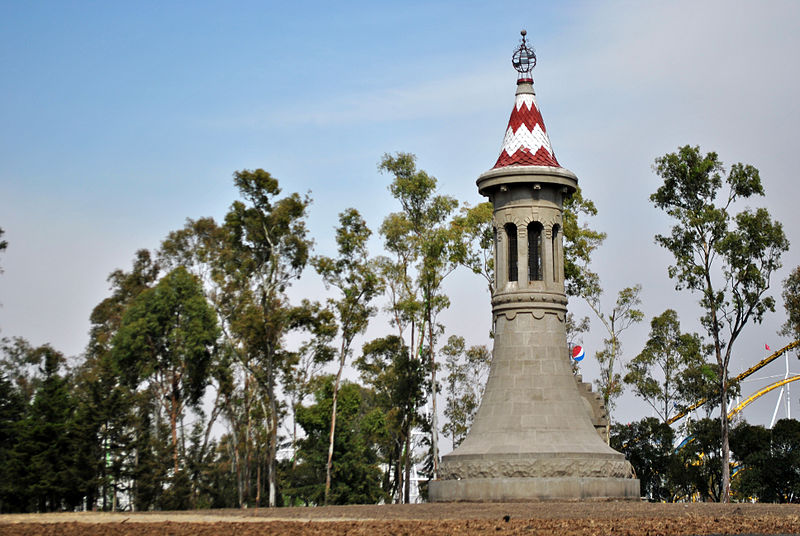
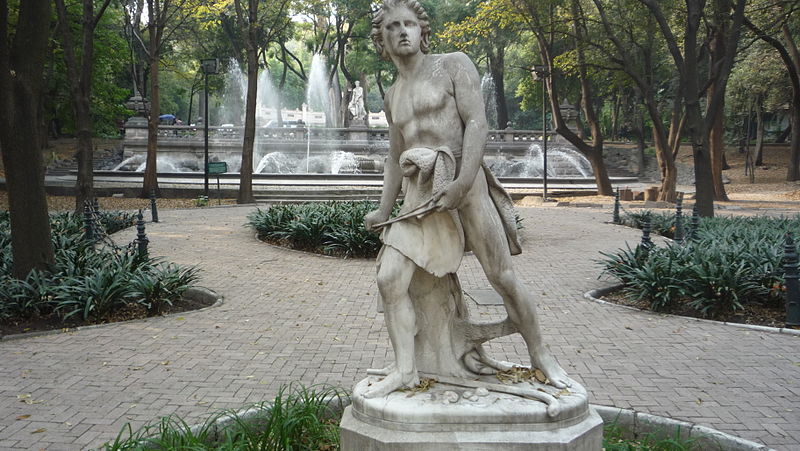
The park contains lakes where visitors can watch waterbirds and relax along the shore. Some lakes offer boating in accordance with current regulations. Fountains, monuments, sculptures, and family recreation areas can also be found throughout the grounds. The variety of attractions makes it possible to spend either a few hours or an entire day here.
Nature and Environmental Importance
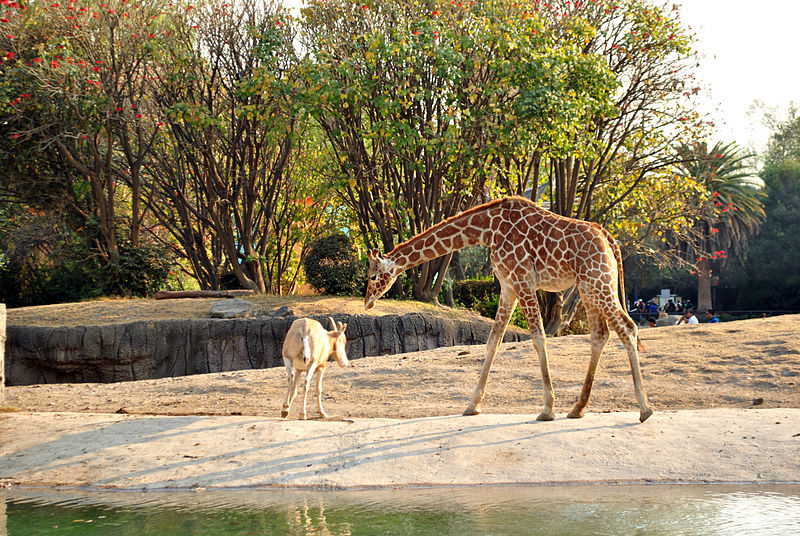
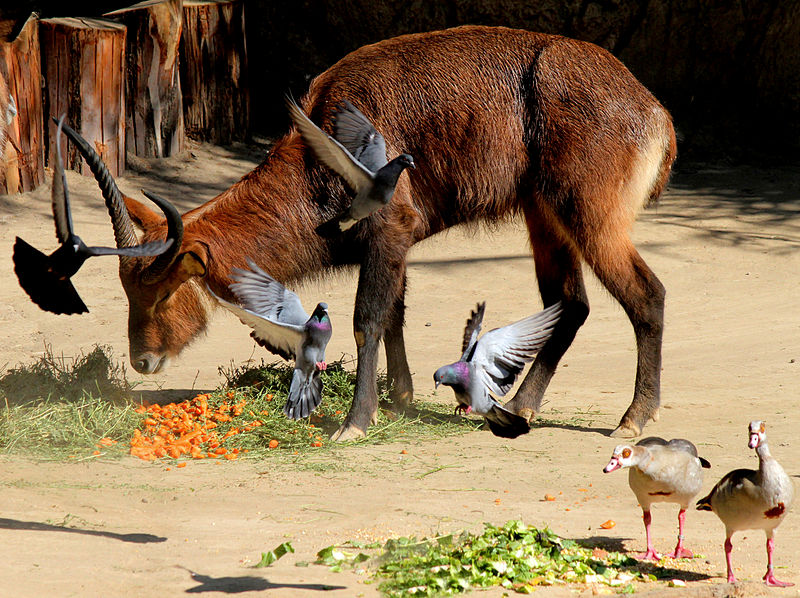
Chapultepec’s vegetation plays an important role in Mexico City’s environmental balance. Trees and shrubs provide shade, help moderate the urban microclimate, and create habitats for birds and other wildlife. The park is also an important public space where residents of the metropolis can spend time in nature.
Preserving the area requires continuous care. Air pollution, heavy visitor numbers, water needs, and pressure from urban development create significant environmental challenges. Park management therefore involves not only providing comfortable recreational spaces but also protecting trees, lakes, and the historic landscape.
Visiting Chapultepec
Chapultepec is ideal for walking, family outings, and discovering Mexican history. First-time visitors should allow time for the castle and the National Museum of History, then explore the park paths and relax by a lake. Those interested in archaeology and culture can add the National Museum of Anthropology to their itinerary.
The park is large, so it is useful to choose the main attractions in advance and check the opening hours of individual museums. Each site may have its own visitor rules and closing days. Comfortable shoes are recommended, especially for visitors planning to walk uphill to the castle.
Chapultepec brings together ancient traditions, colonial heritage, defining events in Mexican history, and modern urban life. It is more than a park: it is an important part of Mexico City’s cultural memory, where historical landmarks and natural spaces form one remarkable complex.
Gallery