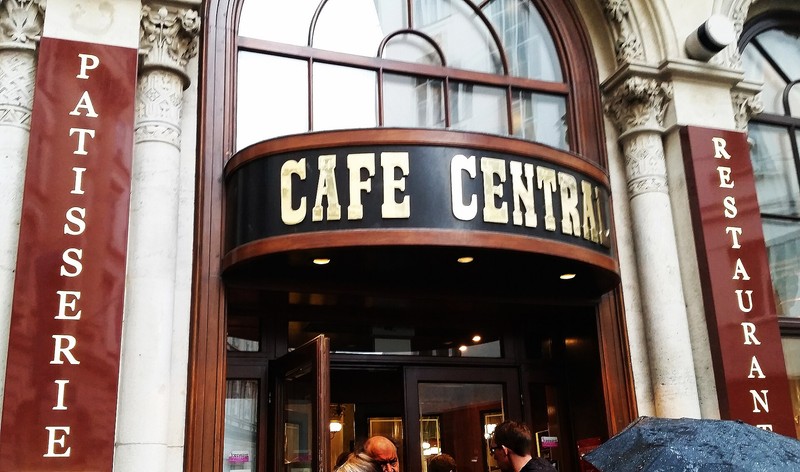
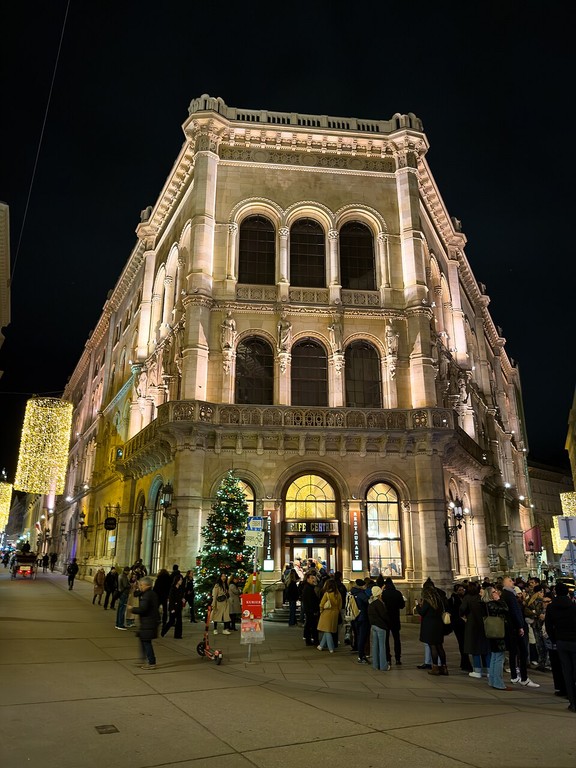
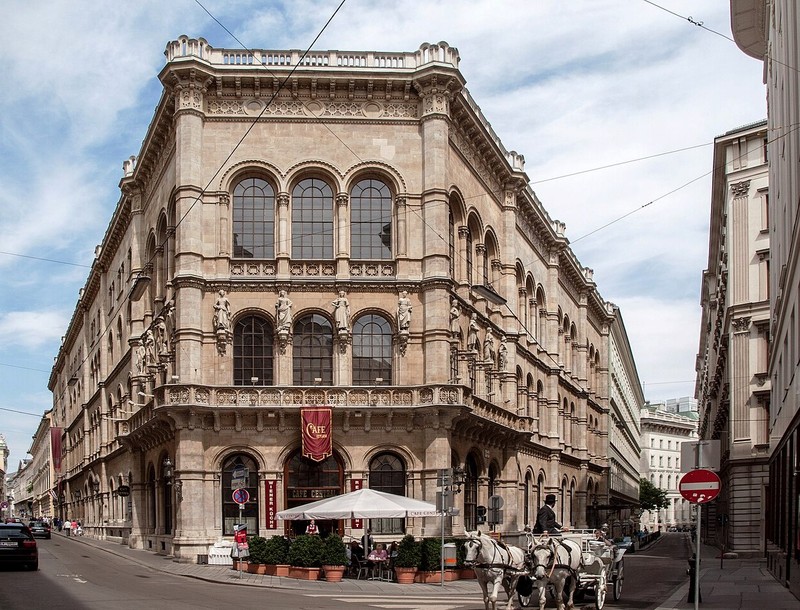
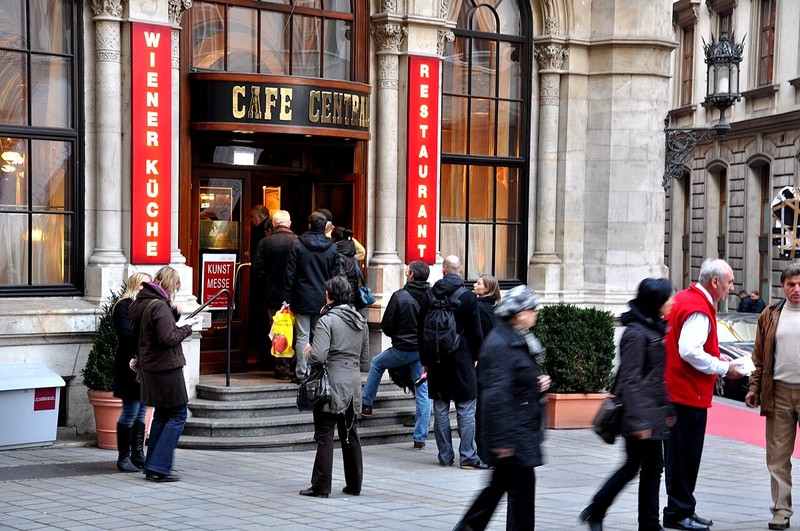
Café Central is a famous Viennese coffeehouse that opened in 1876 inside the historic Palais Ferstel. It became one of the symbols of Austria’s traditional coffeehouse culture and a meeting place for writers, scholars, politicians and members of the intellectual elite. Its notable visitors included Sigmund Freud, Leon Trotsky, writer Peter Altenberg and other figures in European history.
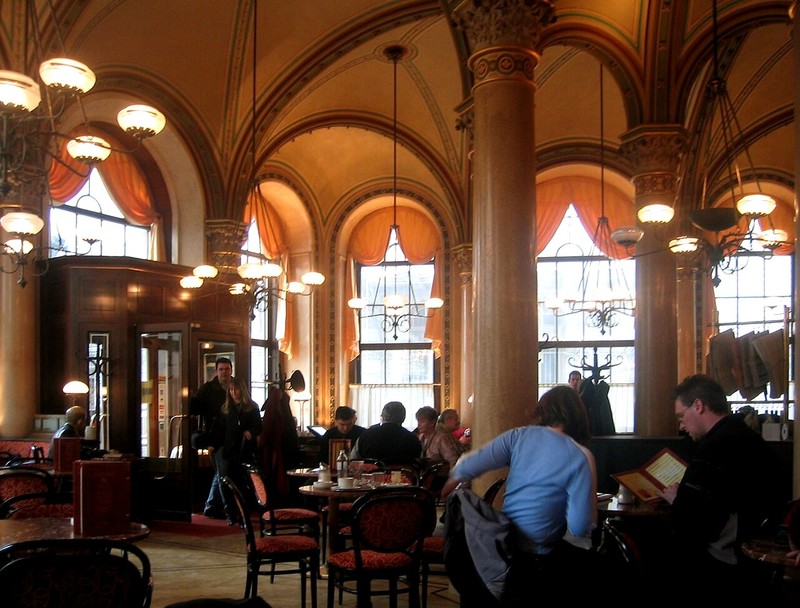
The café is known not only for its history but also for the palace architecture, elegant halls, high vaulted ceilings and old-Vienna atmosphere. Viennese coffeehouses are places where people can enjoy coffee at an unhurried pace, read newspapers, meet friends and talk. In 2011, Viennese coffeehouse culture was included in Austria’s national inventory of intangible cultural heritage.
History of Café Central
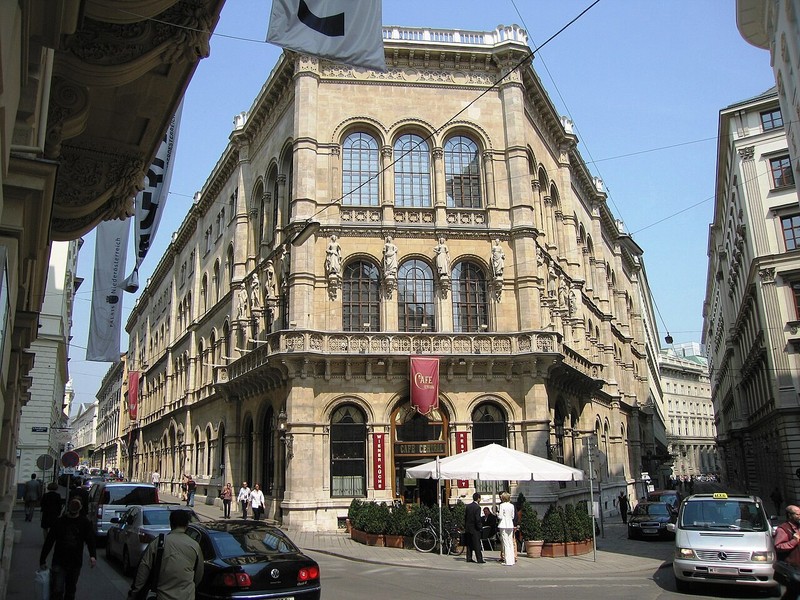
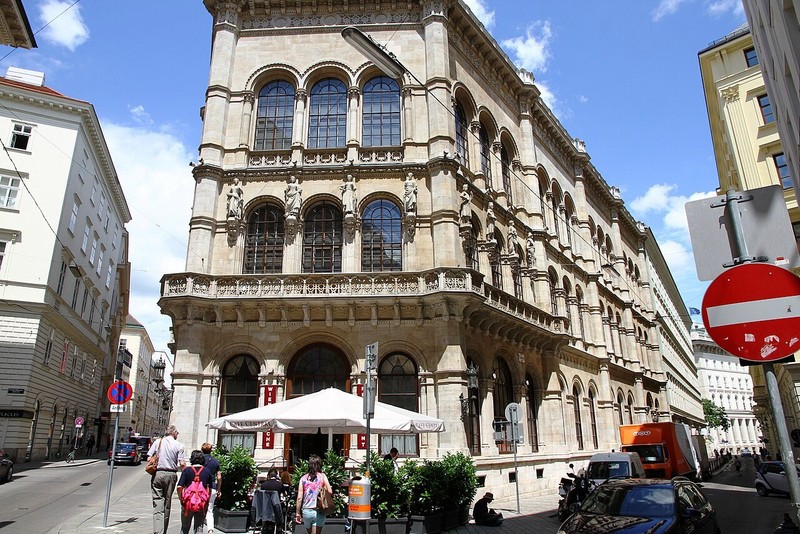
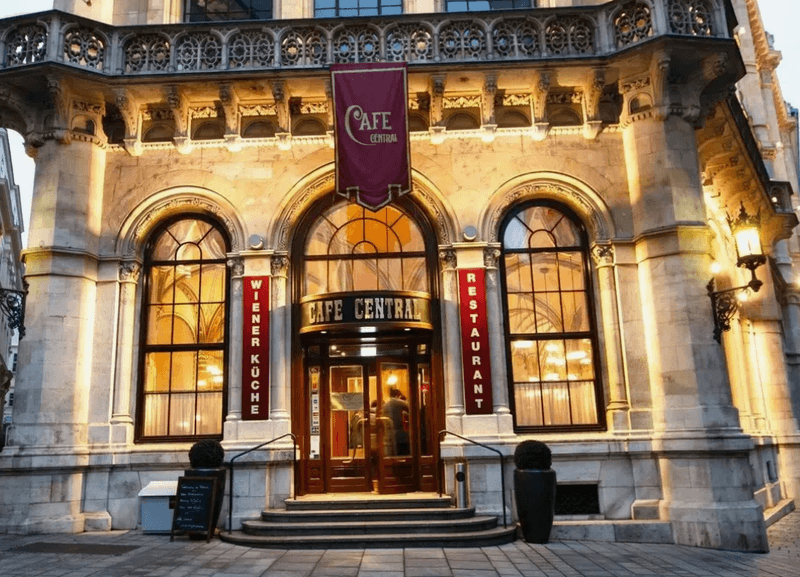
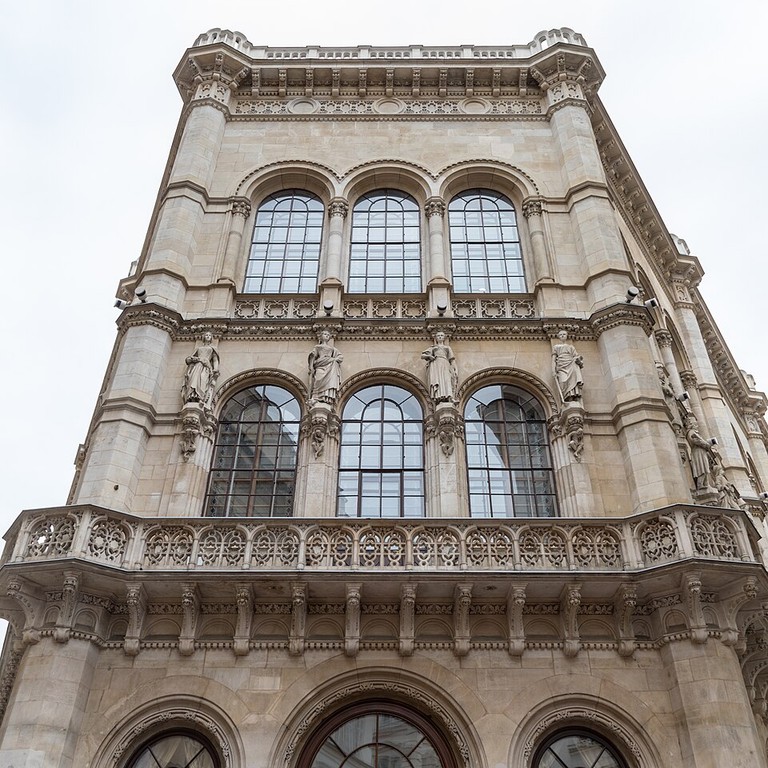
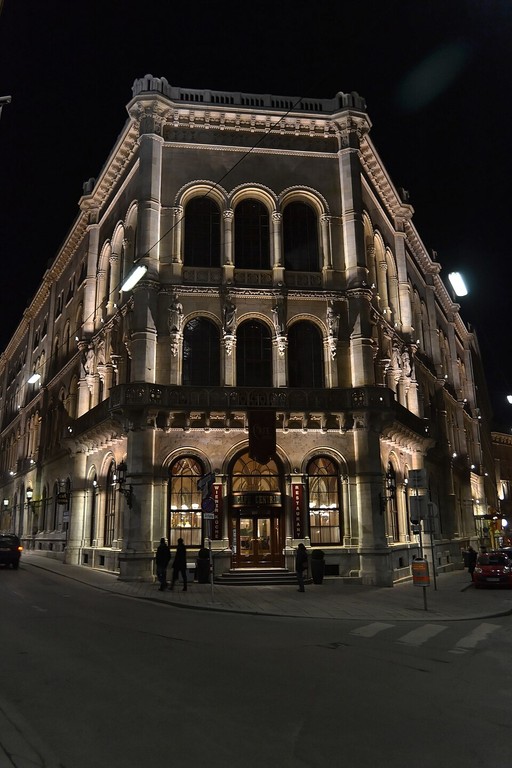
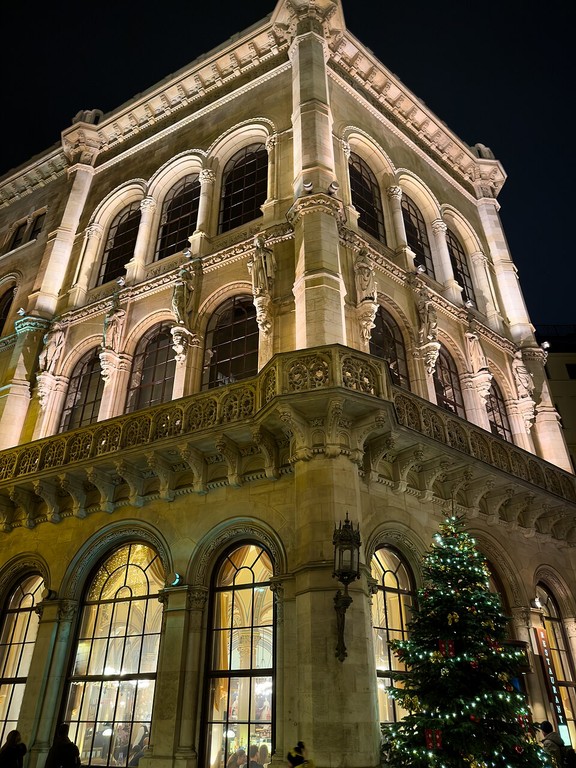
Café Central opened in 1876 after the Vienna Stock Exchange vacated the ground-floor premises of Palais Ferstel. The building was designed by architect Heinrich von Ferstel in the mid-19th century and combines Venetian and Florentine architectural influences. The space, originally associated with financial institutions, gradually became one of the city’s best-known coffeehouses.
At the turn of the 20th century, Central became an important meeting place for Viennese writers and intellectuals. Its visitors included psychologist Alfred Adler, writer and playwright Arthur Schnitzler, public figure Theodor Herzl, Sigmund Freud and revolutionary Leon Trotsky. Guests discussed literature, philosophy, politics and the events of their time around its tables.
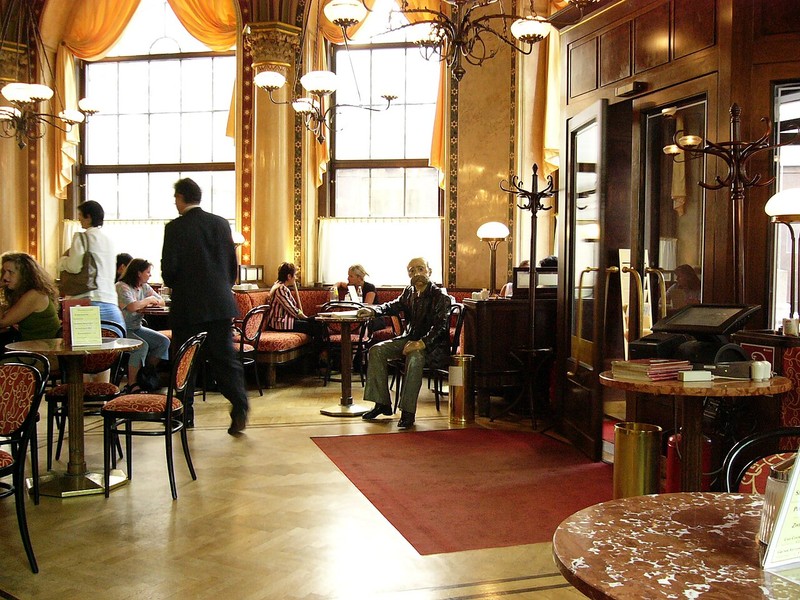
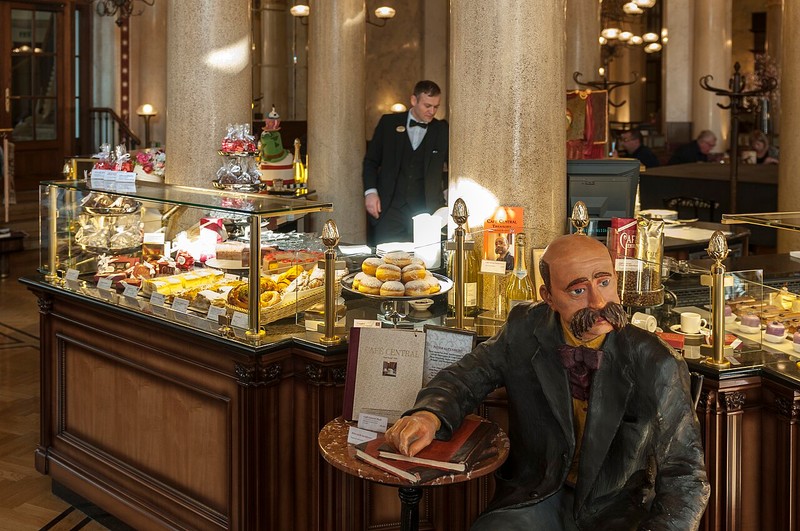
The café’s history is particularly closely connected with Peter Altenberg, an Austrian writer who spent much of his day there and even used the café as his mailing address. A figure of the writer seated at a table can still be seen near the entrance. It recalls a time when the coffeehouse served regulars as an office, living room and social meeting place all at once.
Famous visitors and historical anecdotes
Café Central often features in accounts of Vienna in the early 20th century. People with different ideas and life stories met there, including academics, writers, public figures and political exiles. Their presence made the café part of the city’s cultural history.
A popular historical anecdote about the possibility of revolution in Russia is associated with Leon Trotsky. In the story, someone questioned who could organise such a revolution and referred to Mr Bronstein–the surname under which Trotsky was born–as a visitor to Café Central. Such stories reflect the coffeehouse’s reputation as a place where ideas with the potential to influence society were discussed over coffee.
Scientists and intellectuals connected with early Viennese discussion circles also met at the café. Yet it was not exclusively a place for political gatherings: people came to read, write, meet friends and observe the life of the city.
Interior and atmosphere
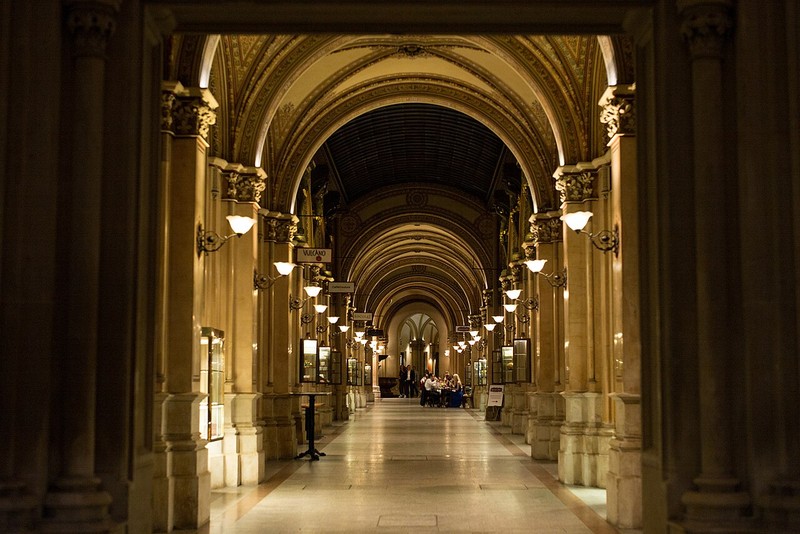
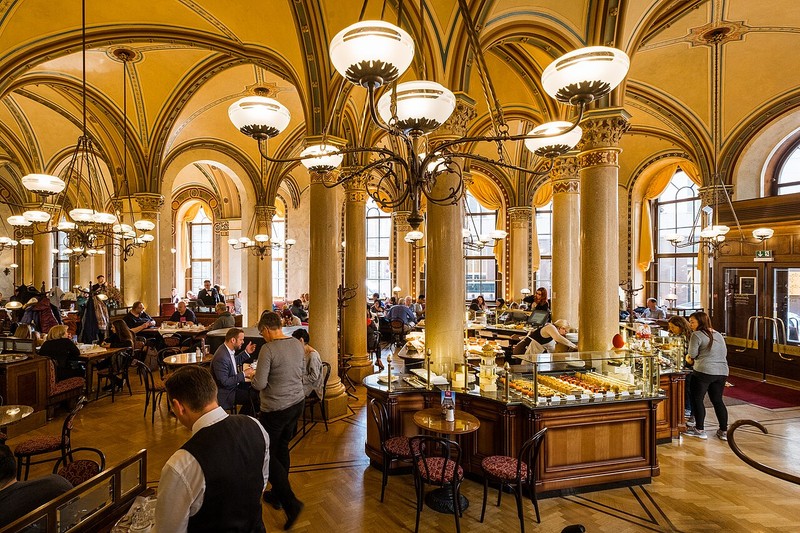
Café Central is located in Palais Ferstel, whose architecture is itself of interest to anyone exploring historic Vienna. The interior is known for its columns, arched passageways, high vaults and decorative details, which create a grand atmosphere. Marble tables and traditional furnishings evoke the classic Viennese coffeehouses of the 19th century.
The historic interior is one reason the café became a popular tourist attraction. Visitors came not only for coffee and desserts but also to experience the atmosphere of old Vienna. In its regular operation, the venue was also known for live piano music and a display of pastries made in-house.
Coffee, desserts and Viennese cuisine
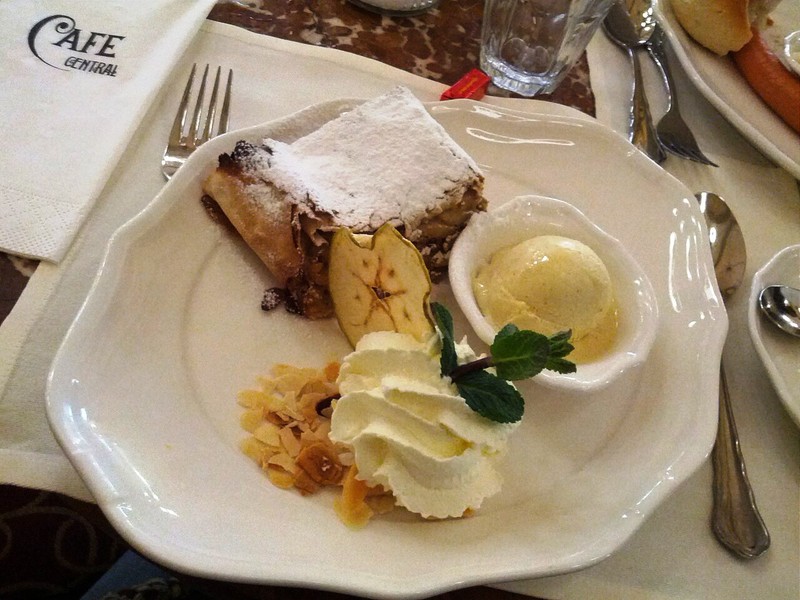
A traditional Viennese coffeehouse offers much more than a cup of espresso. Café Central’s menu has featured Viennese-style coffee specialities, pastries, cakes and desserts, as well as Austrian dishes. In these establishments, coffee is often enjoyed with something sweet, turning a short break into a leisurely experience.
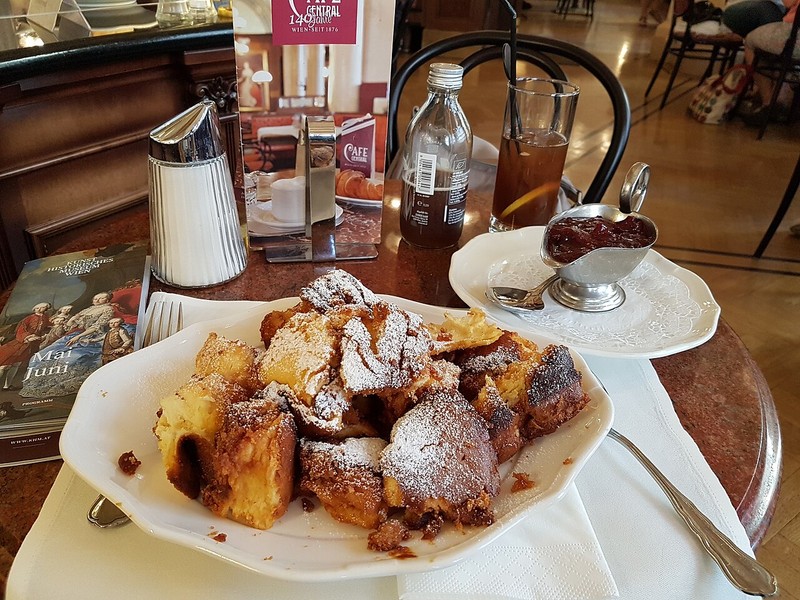
Traditional Austrian dishes familiar to visitors of Viennese cafés include Wiener schnitzel and Kaiserschmarrn. Kaiserschmarrn is a fluffy pancake-style dessert that is torn into pieces and browned in a pan. It is usually served with icing sugar, fruit compote or plum sauce. The dish is often associated with the culinary traditions of imperial Austria.
If you plan to visit after the café reopens, check the current menu and reservation arrangements on the official website in advance. Specific dishes and service arrangements may change.
Renovation and visiting in 2026
In 2026, Café Central closed for a major renovation that began on 16 March. The work covers the historic building’s technical systems and infrastructure as well as its kitchen areas. According to the official website, reopening is planned for autumn or winter 2026, so visitors should check the café’s current status before travelling.
During the renovation, guests are being welcomed at DECENTRAL, a temporary venue nearby at Freyung square. Coffee, pastries and other refreshments are available there. DECENTRAL’s address is Freyung 3/1, 1010 Vienna. Details and schedule updates are published on the official Café Central website.
Where Café Central is located and how to get there
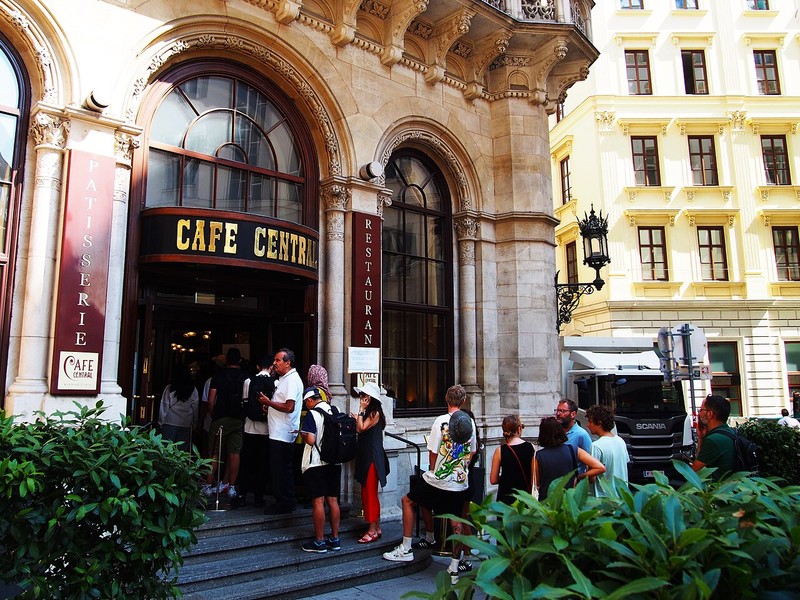
The historic coffeehouse is in Vienna’s first district, the Innere Stadt, at the intersection of Herrengasse and Strauchgasse, at Herrengasse 14, 1010 Vienna. This central location is easy to include in a walk through the city’s historic streets and architectural landmarks.
One convenient way to reach the area is by Vienna’s underground railway. The nearest station on line U3 is Herrengasse, from where Palais Ferstel is a short walk away. The temporary DECENTRAL café is on Freyung square and can also be reached on foot from the city centre.
Café Central is especially interesting for its history, its connection with Vienna’s cultural life and the architecture of Palais Ferstel. Even while the historic venue is temporarily closed, its location is convenient for exploring the city centre. Before visiting, check official announcements about the completion of the renovation.
Gallery