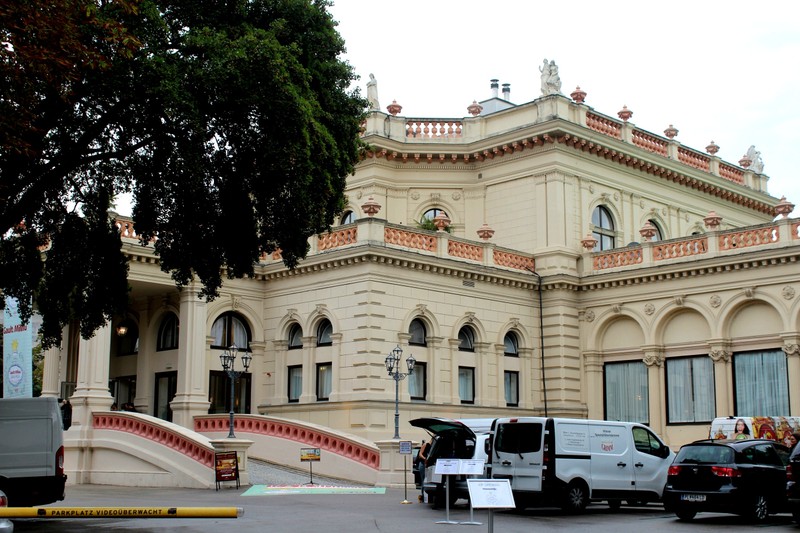
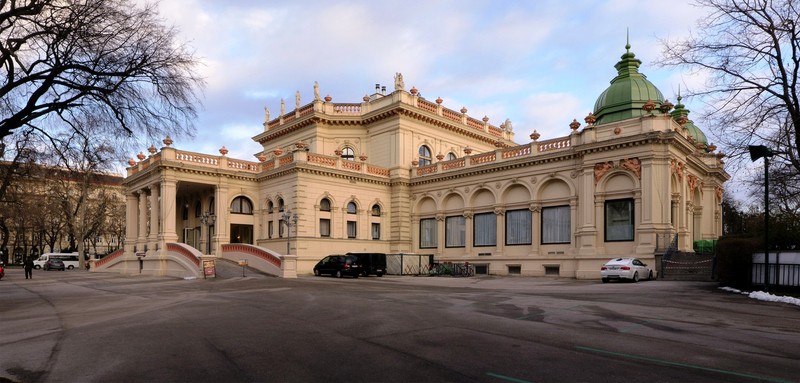
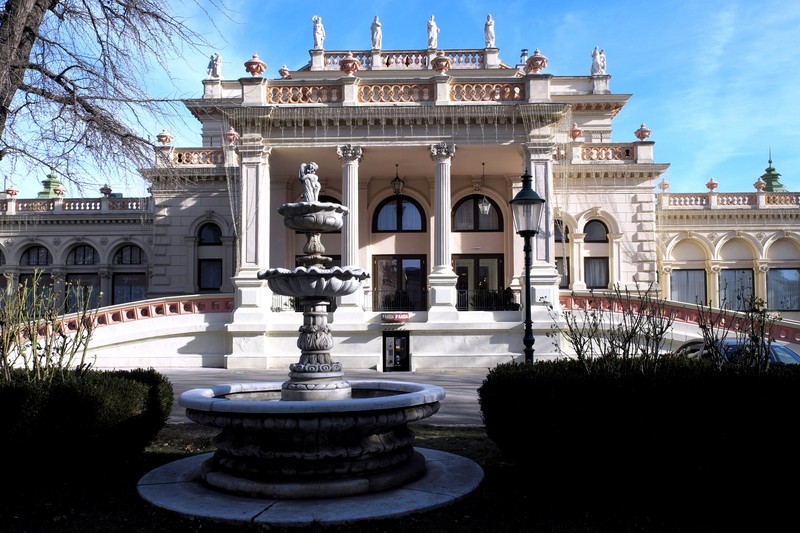
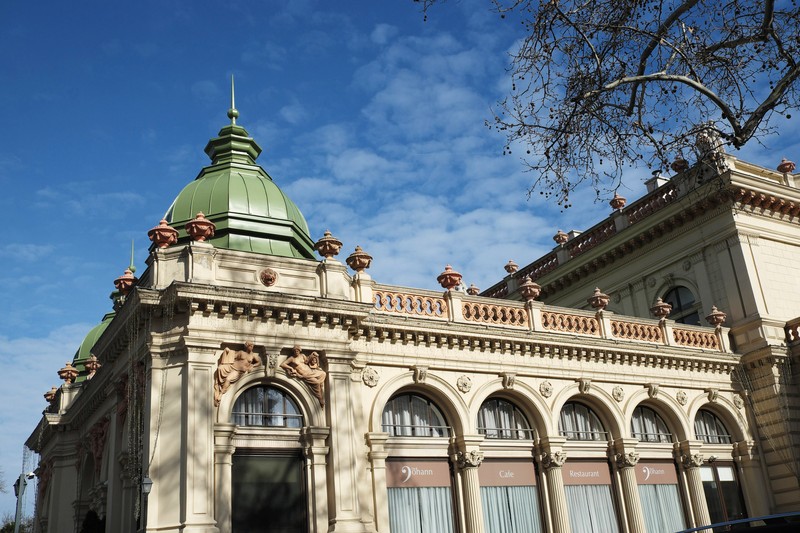
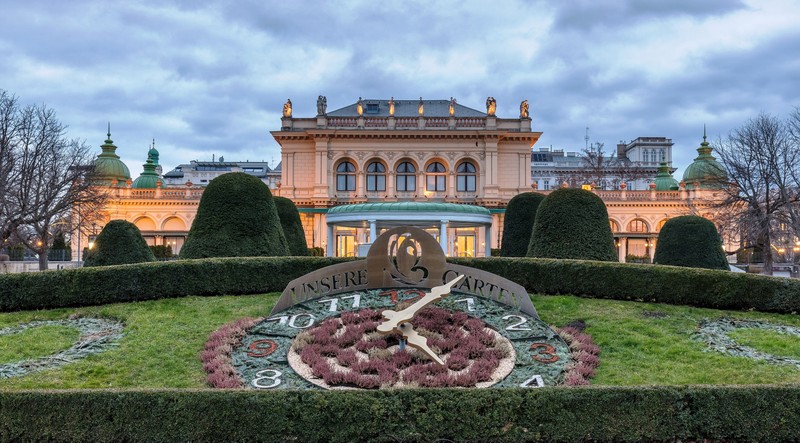
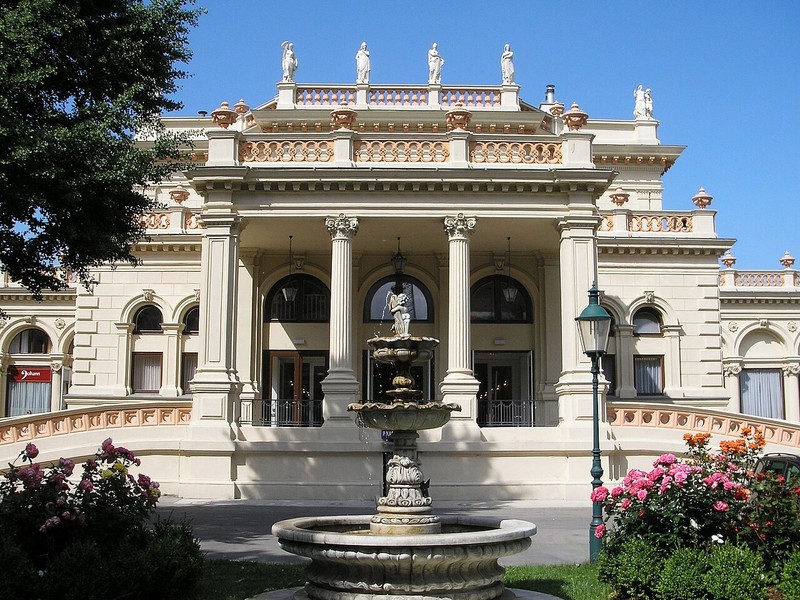
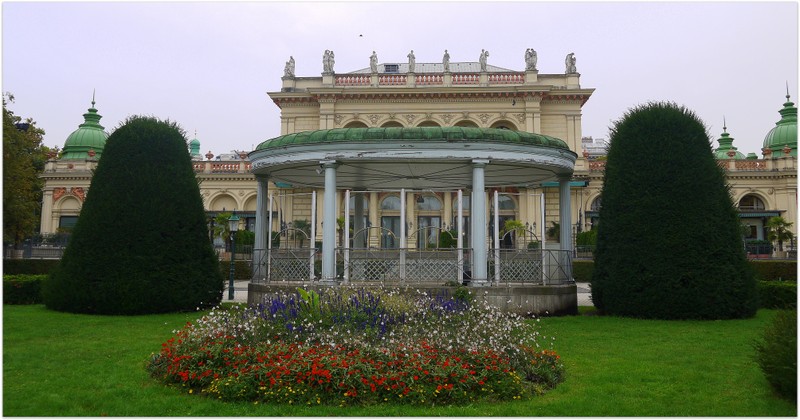
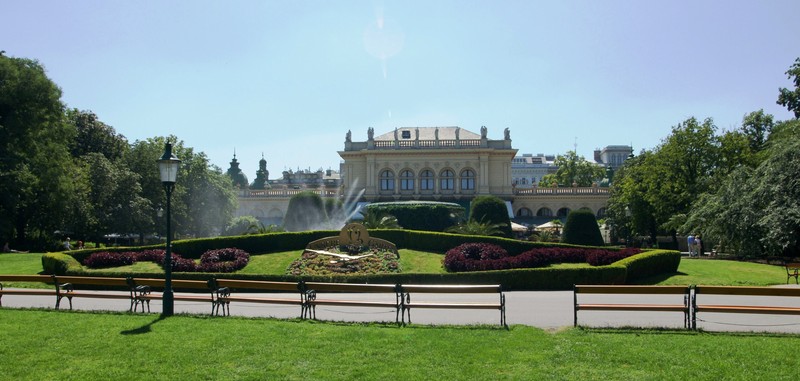
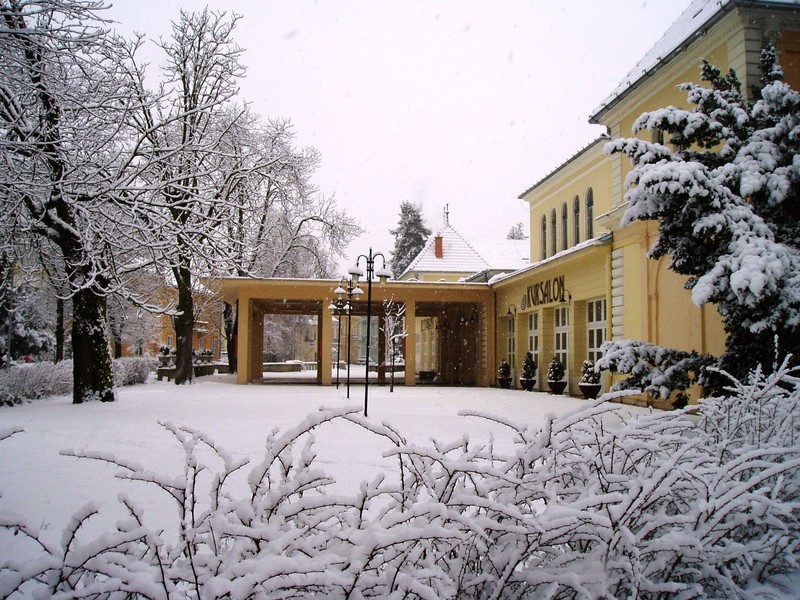
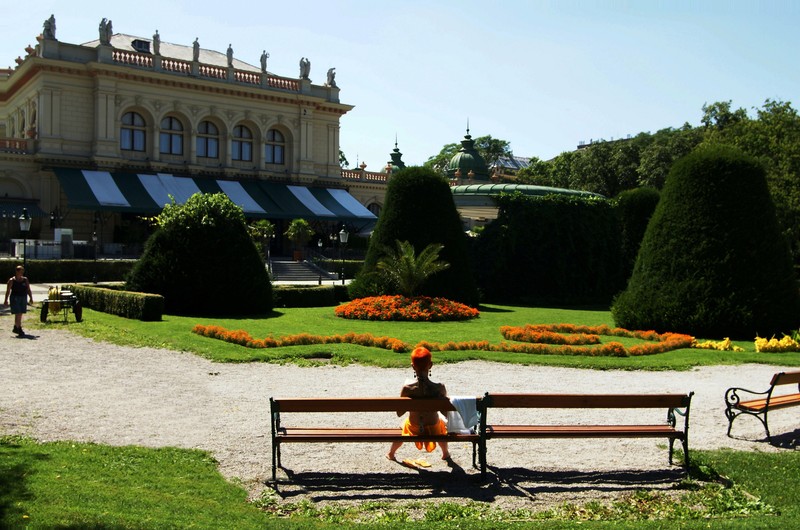
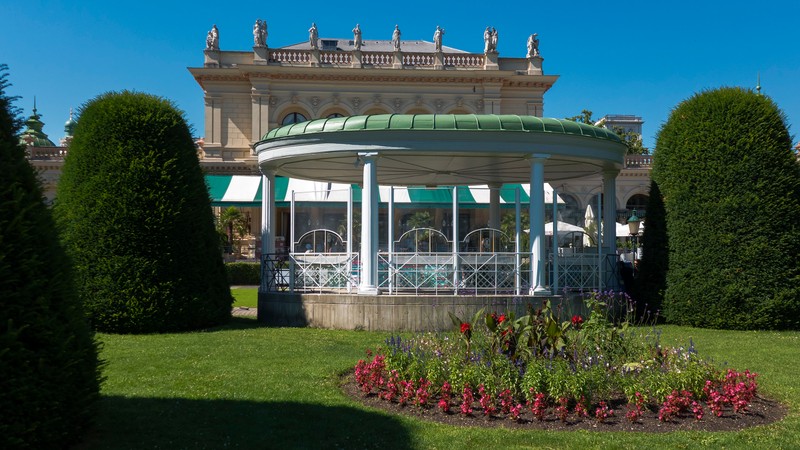
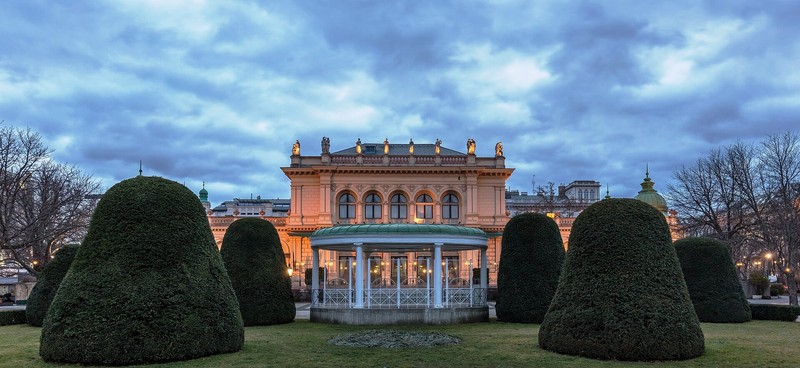
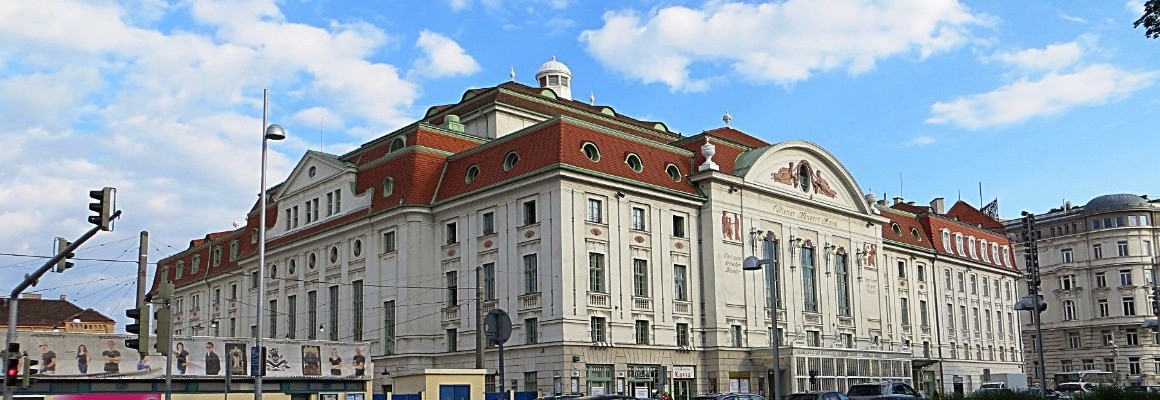
The Kursalon in Vienna, also known as Kursalon Hübner, is a historic concert venue in the Italian Renaissance style, located beside Stadtpark in the centre of Austria’s capital. It is one of the places where Vienna’s connection with classical music, the Viennese waltz and 19th-century cultural life is especially tangible. Today, the building hosts concerts, balls, receptions and other events.
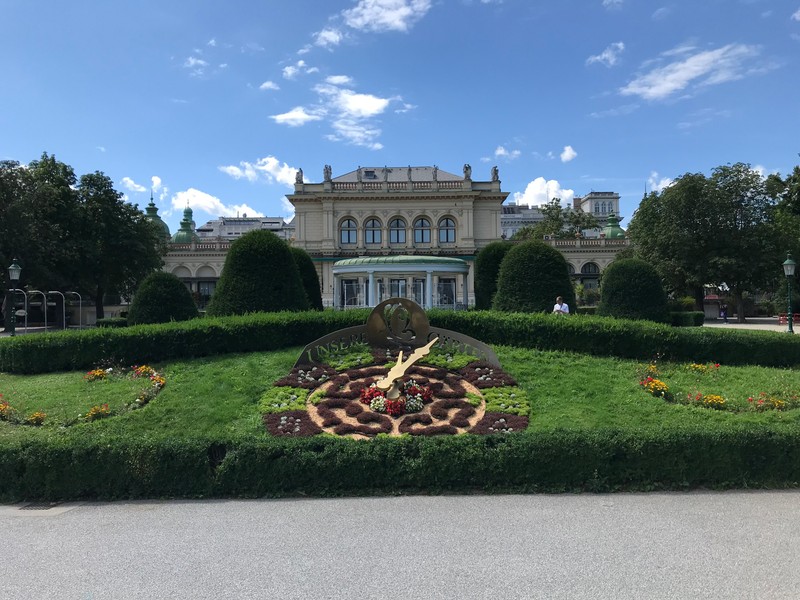
Kursalon stands near the Ringstrasse and the leafy paths of Stadtpark. Its symmetrical façade, decorative details and spacious halls create an atmosphere of historic elegance. Attending a concert here offers an opportunity not only to hear works by renowned composers but also to experience one of the defining traditions of musical Vienna.
History of the Kursalon
The building’s history is linked to Vienna’s major transformation in the 19th century. In 1857, Emperor Franz Joseph I ordered the demolition of the old city fortifications and the creation of a new ring of streets and boulevards known as the Ringstrasse. Stadtpark, opened in 1862, was part of this urban redevelopment. Its design was prepared by landscape painter Josef Selleny, while municipal gardener Rudolf Siebeck supervised the subsequent landscaping.
The Kursalon was built between 1865 and 1867 to a design by architect Johann Garben. It was originally intended as a place for park visitors to relax and take mineral-water drinking cures, a practice associated with European spa resorts. The original concept did not prove particularly popular, and entertainment events were initially restricted.
This changed in 1868, when Johann Strauss II gave a concert at the Kursalon. The event was a success, and the building gradually became a popular venue for concerts, dances and social gatherings. In 1908, Hans Hübner leased the Kursalon, and his name became attached to the venue. After the Second World War, operating the large complex became more difficult, but it later regained an important place in Vienna’s cultural life. By the end of the 20th century, the building had passed into the ownership of the Hübner family.
Architecture and halls
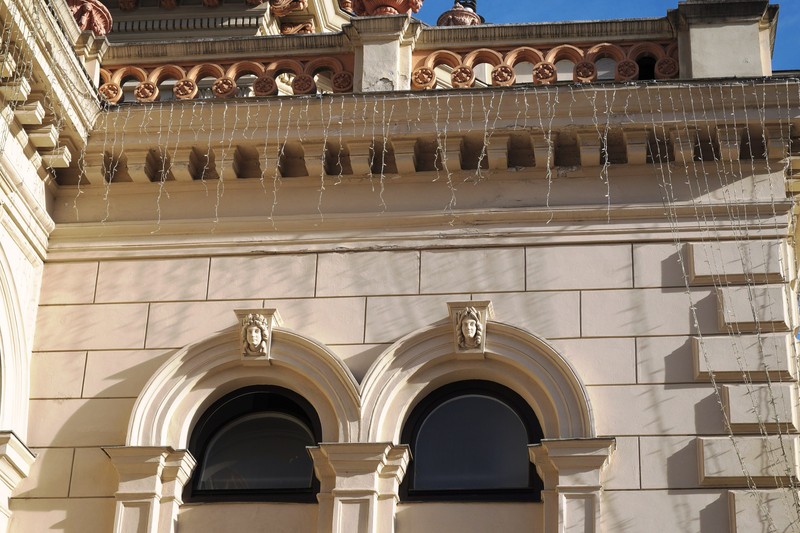
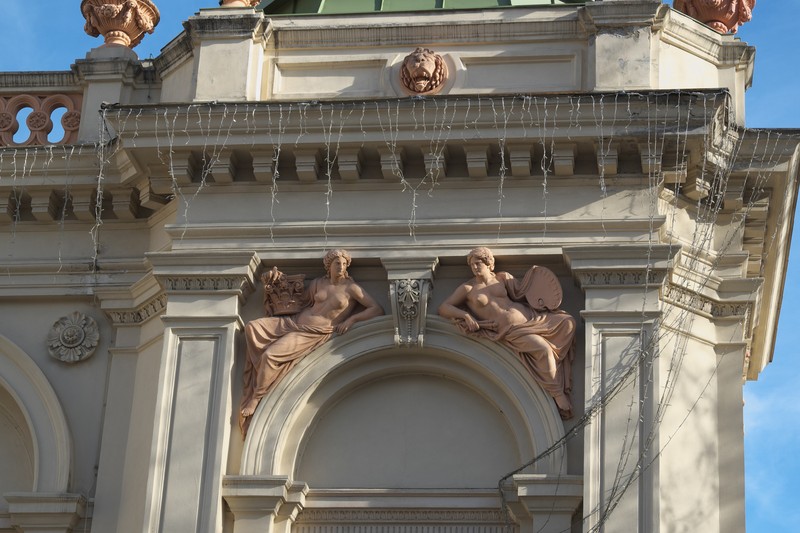
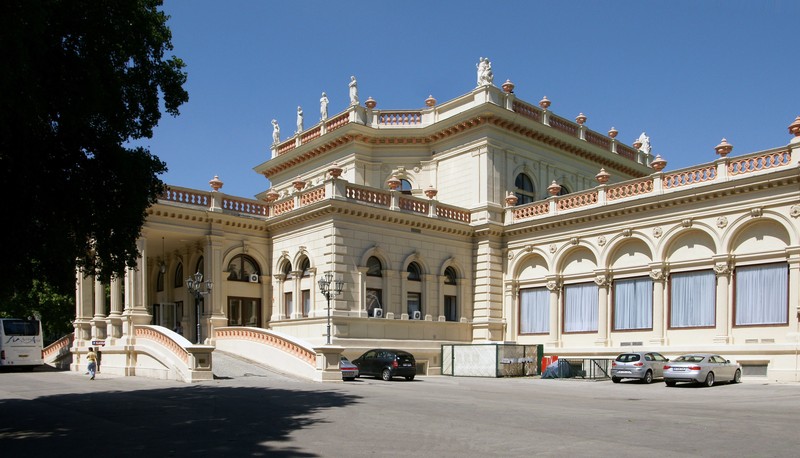
The Kursalon was designed in the Italian Renaissance style, which was popular in 19th-century European architecture. Its exterior is distinguished by symmetry, balanced proportions and classical decorative elements. The building fits naturally into Stadtpark and forms a striking architectural feature between the historic centre and the parkland.
The interior contains four halls on two floors for concerts, formal receptions and private events. A terrace of approximately 1,000 square metres overlooks the city park and is especially appealing in warm weather. The building also includes dining spaces where guests can sample Austrian cuisine. Today, it serves as a venue for concerts, weddings, balls, conferences and corporate gatherings.
Concerts and musical traditions
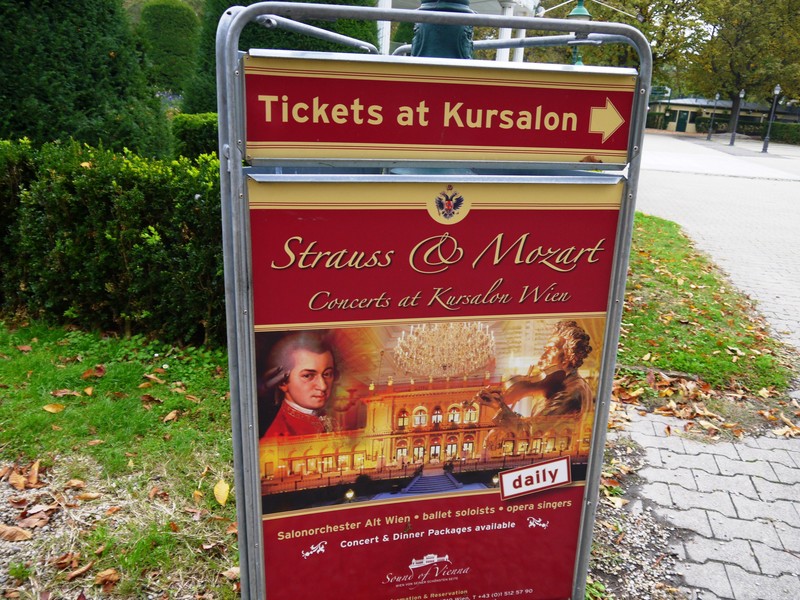
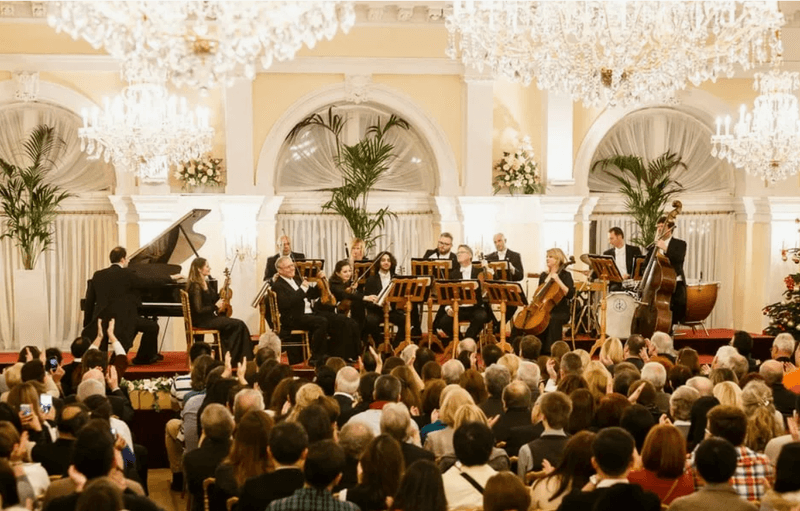
The Kursalon is known for concerts devoted to Viennese classical music and the tradition of the waltz. Programmes often feature works by Johann Strauss II, Johann Strauss I, Wolfgang Amadeus Mozart, Ludwig van Beethoven, Franz Schubert and Joseph Lanner. This repertoire offers visitors an introduction to Austria’s musical heritage in a historic setting.
Today, the venue hosts classical orchestra performances, themed musical evenings and special programmes for visitors to Vienna. Performers, programmes and schedules vary, so current details should be checked before attending.
What to see nearby
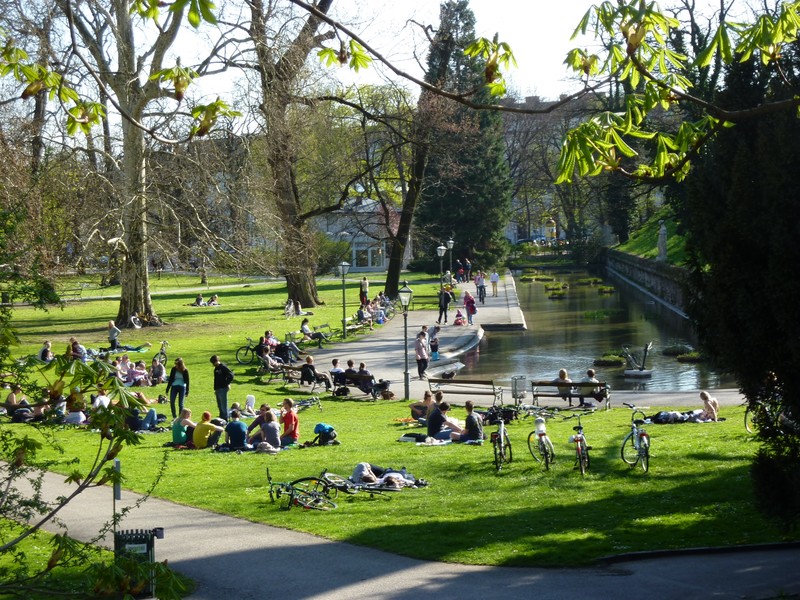
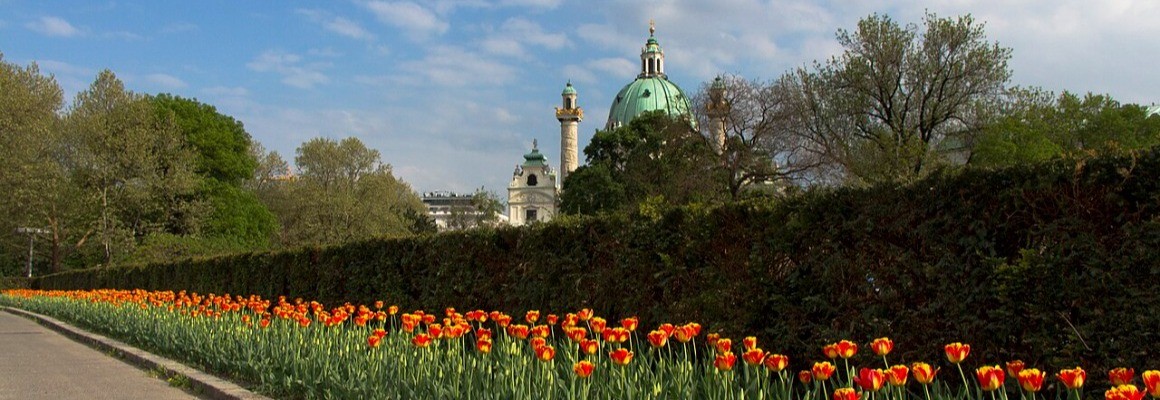
Stadtpark lies right beside the Kursalon. Visitors can see the monument to Johann Strauss II, whose golden statue has become one of Vienna’s recognisable images. The park also contains other monuments, flowerbeds, landscaped paths and quiet places to rest. From here, it is easy to continue towards the Ringstrasse and the historic streets of Vienna’s first district.
How to get to the Kursalon
The address is Johannesgasse 33, 1010 Vienna. One convenient option is metro line U4 to Stadtpark station, followed by a short walk. Tram routes and buses also serve the surrounding area; check current stops and routes before travelling.
If you plan to attend a concert, it is advisable to book tickets in advance and confirm the start time and programme duration. The Kursalon is suitable for classical-music enthusiasts and travellers who want to see a historic building and experience the atmosphere of musical Vienna.
Gallery