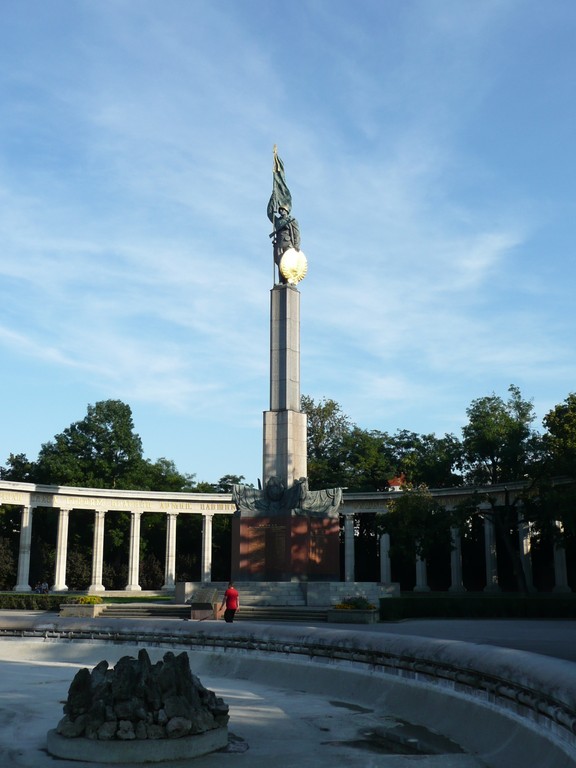
The Soviet War Memorial in Vienna is a memorial complex on Schwarzenbergplatz, dedicated to Red Army soldiers who died during the liberation of the Austrian capital in April 1945. It is also known as the Russian Monument and the Liberation Memorial. It is one of Austria’s most prominent monuments associated with Soviet military history and recalls the final months of the Second World War in Europe.
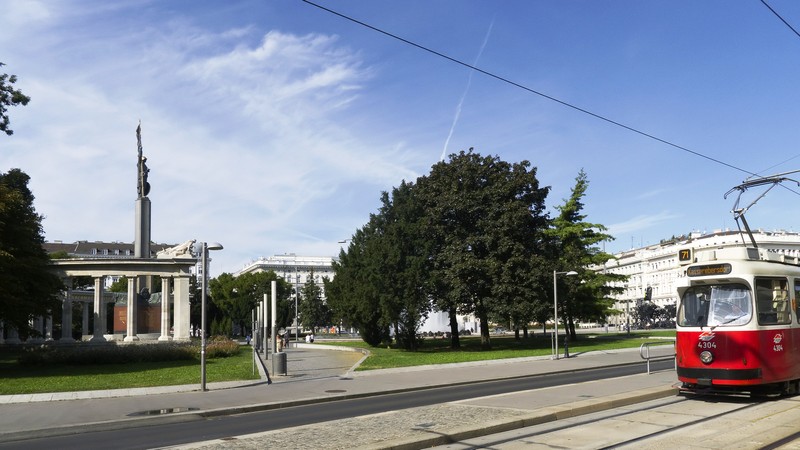
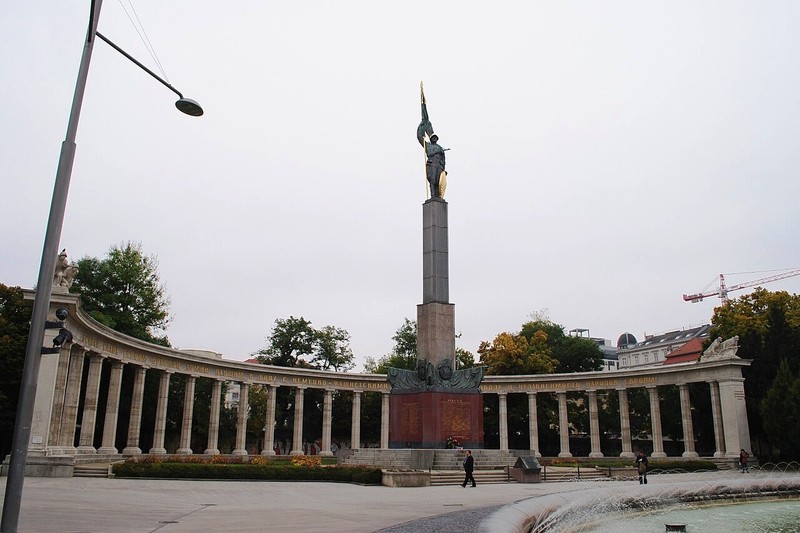
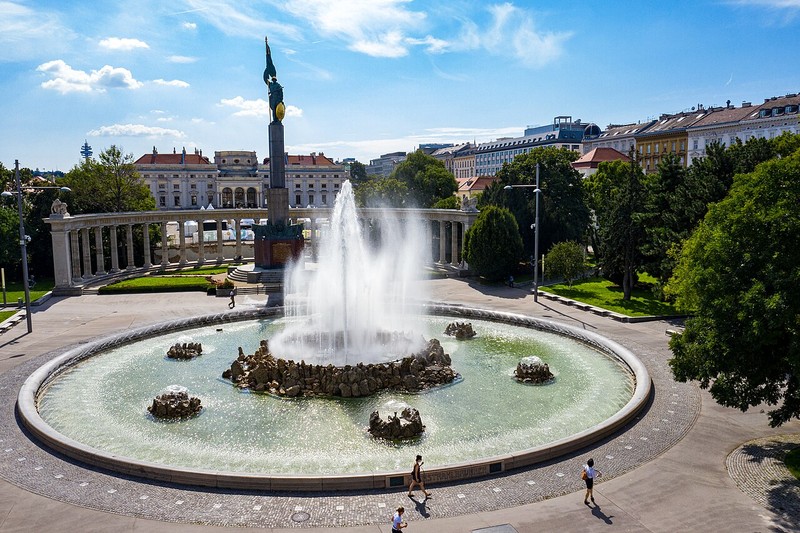
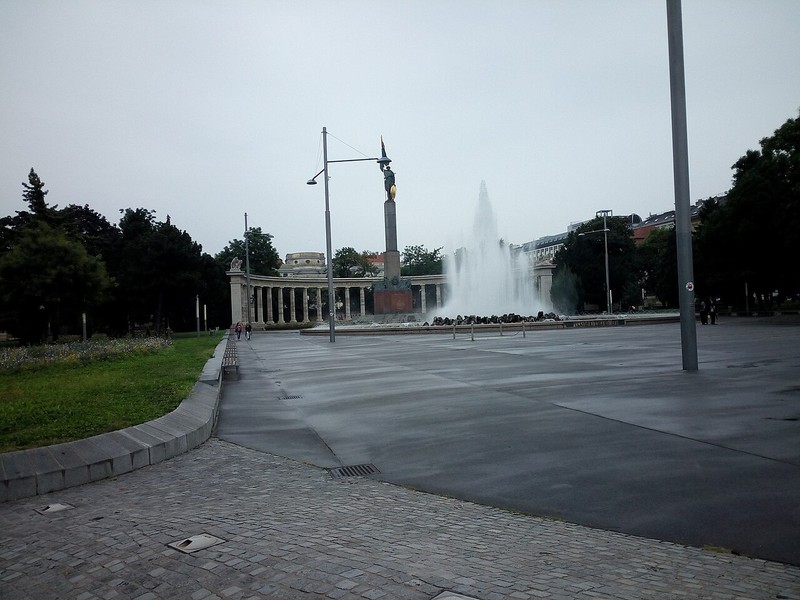
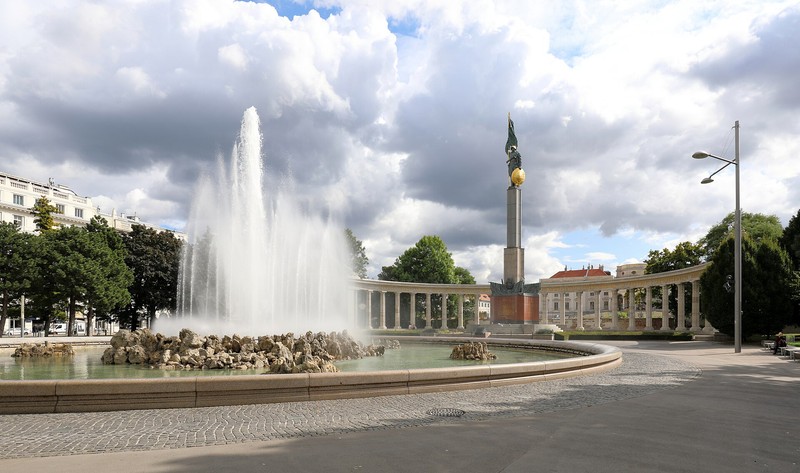
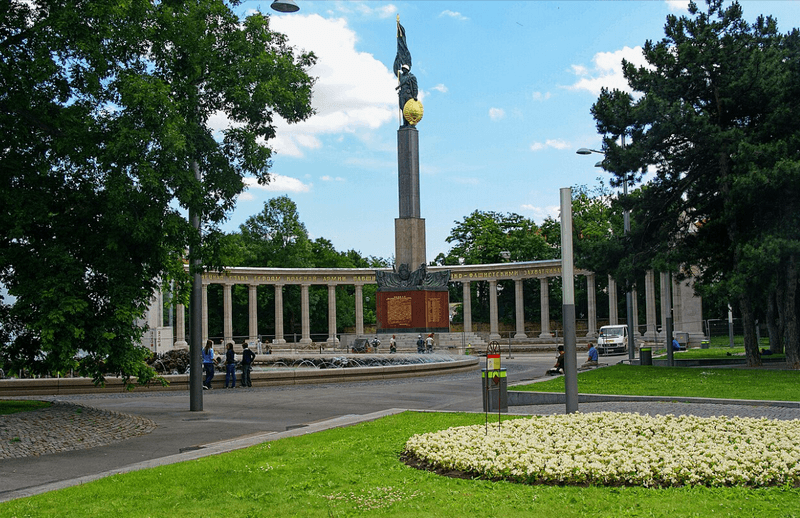
The memorial stands in central Vienna, close to historic streets, palaces and other landmarks. Its tall colonnade and bronze statue of a Red Army soldier stand out against the surrounding cityscape. Residents, tourists and diplomatic representatives visit the site to commemorate the dead and lay flowers.
History of the Memorial
The monument was unveiled in the summer of 1945, shortly after the Vienna Offensive ended. Fighting for the Austrian capital took place in April 1945 as part of the final stage of the Second World War in Europe. In Soviet historical tradition, the memorial commemorates approximately 17,000 Soviet servicemen who died in the battles for Vienna.
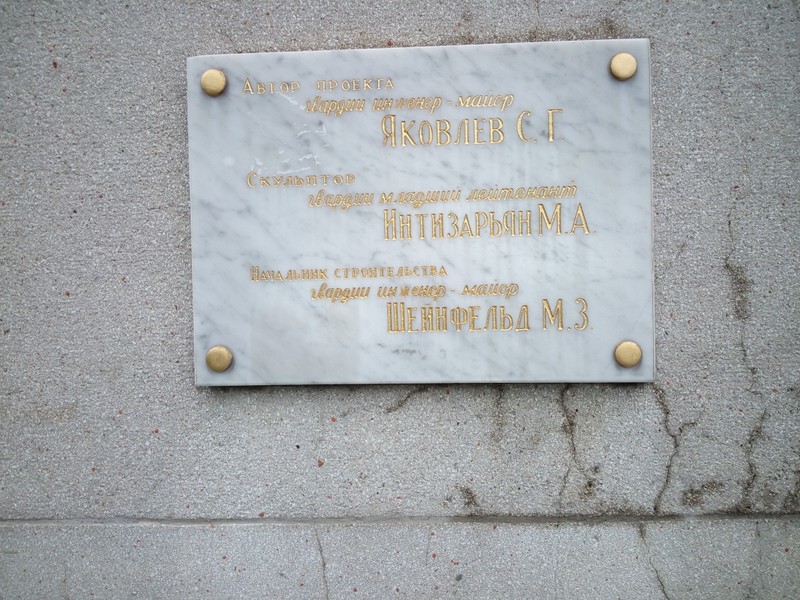
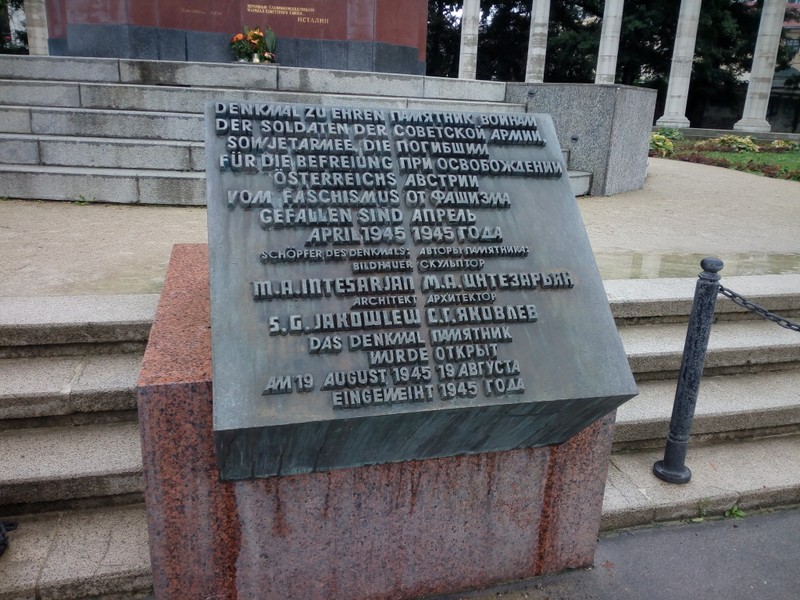
The memorial was designed during the post-war reconstruction of the city. A competition was held to select the architectural proposal. The project involved architect Sergei Yakovlev, sculptor Mikhail Intizaryan and specialists responsible for construction. The bronze figure was cast in Vienna. Building the memorial took around three months, with Austrian workers and German prisoners of war participating in the work.
The memorial was placed on an important city square that lay near the boundaries of Vienna’s occupation zones in the post-war period. After the war, the city was divided into four sectors administered by the Allied powers, and the historic centre had special international significance. The monument therefore became not only a place of remembrance but also a prominent symbol of Vienna’s post-war history.
Architecture and Sculptural Design
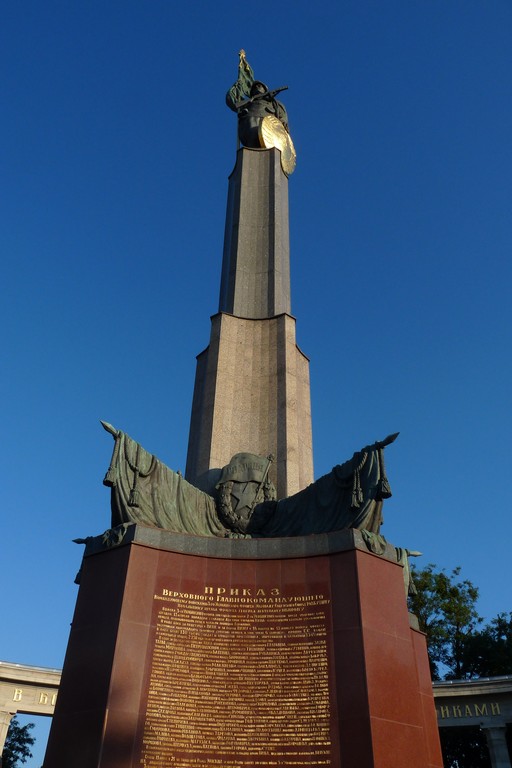
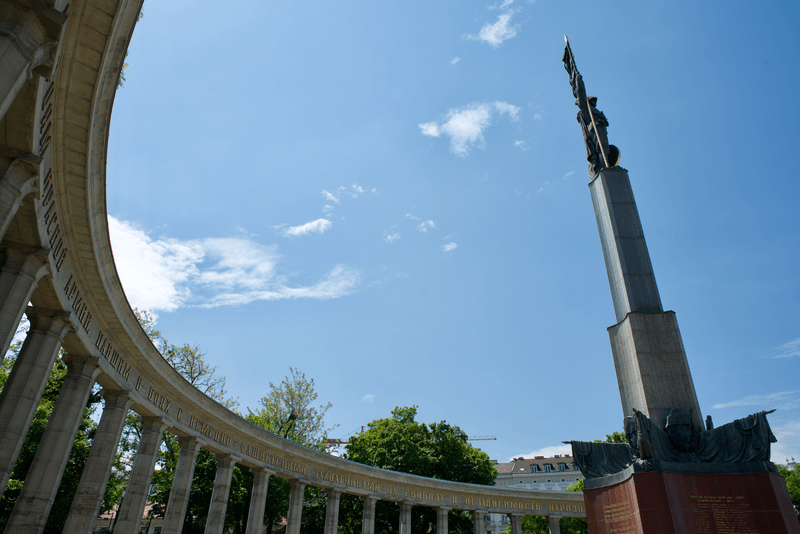
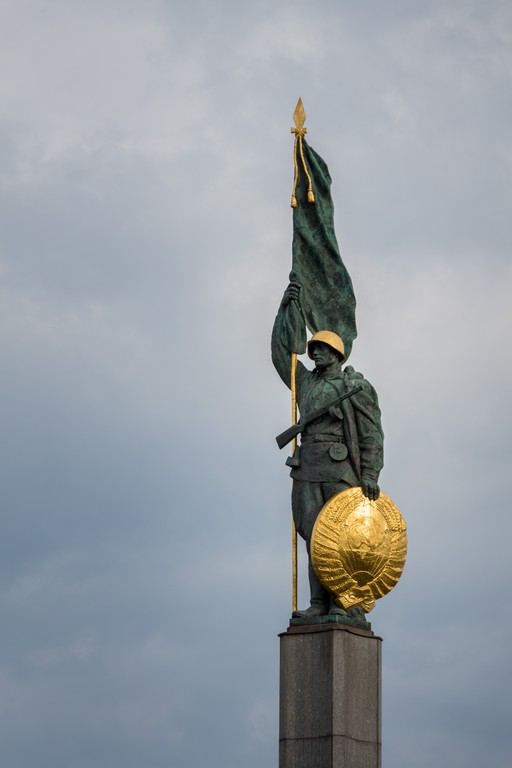
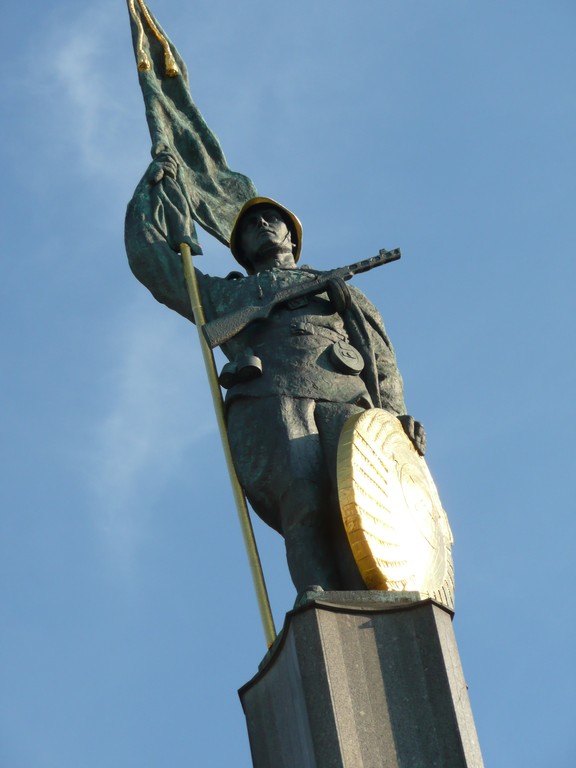
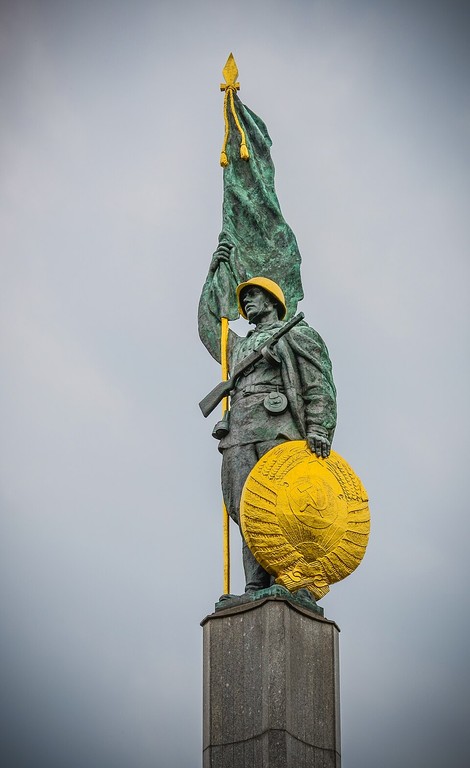
The central feature is a tall pedestal topped by a bronze statue of a Soviet soldier. The soldier is depicted holding the Soviet flag and coat of arms. The monument stands about 12 metres high, and its bronze figure has a distinctive silhouette that can be seen from different parts of the square.
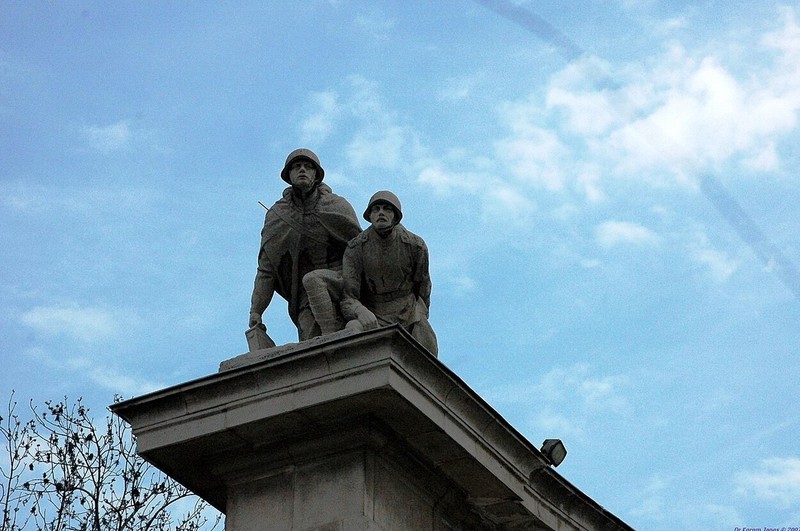
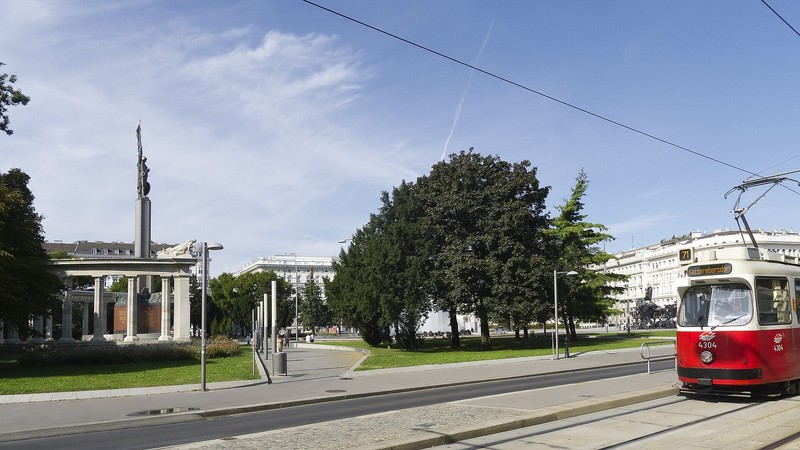
A semicircular colonnade behind the central figure forms the architectural backdrop. The composition combines sculptural elements, columns and a massive pedestal to create a ceremonial space for commemorative events. Its appearance reflects the monumental art of the mid-twentieth century, when architecture and sculpture were used to express state and historical narratives.
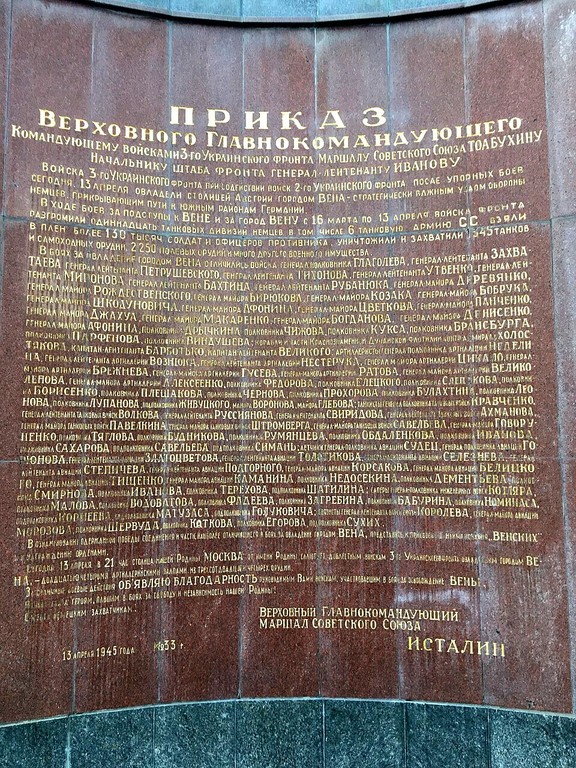
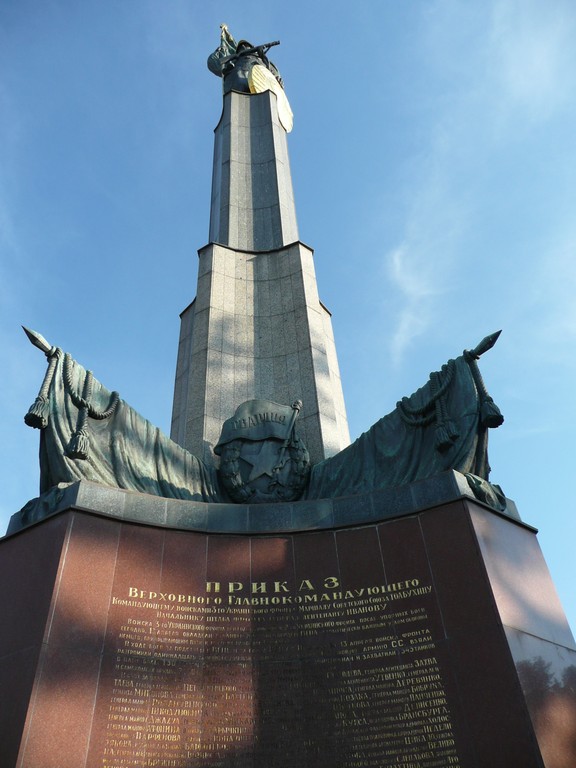
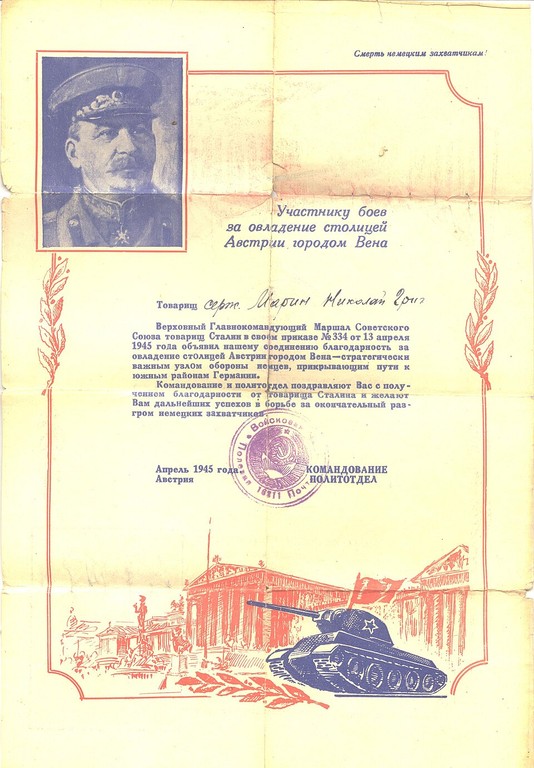
Memorial inscriptions and historical texts appear on the sides of the five-sided pedestal. They include excerpts from official Soviet statements, the names of fallen servicemen and the text of an order announcing the capture of Vienna. One side bears the dedication: “ETERNAL GLORY TO THE HEROES OF THE RED ARMY.” The inscriptions reflect the historical and political context in which the memorial was created.
The Memorial and Vienna’s History
The Vienna Offensive lasted from late March to mid-April 1945. Soviet forces, supported by allied units, faced fierce resistance from German formations. Fighting took place on the approaches to the city and in its streets. The liberation of Vienna was one of the significant events of the final phase of the war in Europe.
The memorial recalls the heavy human cost of urban combat. The history of Vienna’s liberation is also part of the broader story of the end of Nazi rule, the post-war occupation of Austria and the restoration of the country as an independent state. The monument remains part of an urban landscape where historical memory exists alongside everyday life in modern Vienna.
Today, the site is used for commemorative ceremonies and the laying of flowers. Official delegations and local residents gather here on particular anniversaries. For travellers, it offers an opportunity to learn more about the events of 1945 and their impact on Austrian history.
Where Is the Soviet War Memorial?
The memorial is located on Schwarzenbergplatz in central Vienna. The square is near the Ringstrasse, the city park and boulevards leading toward the historic centre. Nearby are monuments, palaces and buildings connected with the history of the Austrian capital.
Its central location makes the memorial easy to include in a walking tour of Vienna. Visitors can stop here on the way to other nearby attractions and take in the architecture of the square and surrounding buildings. The memorial is outdoors and can be viewed from public space.
How to Get to the Memorial
Schwarzenbergplatz can be reached by public transport. Tram routes including lines D and 71 serve the surrounding area; the most convenient stop depends on the direction of travel. Check the current Vienna public transport map and timetable before setting out.
Because the memorial is in the city centre, it is also easy to reach on foot from many central attractions. No admission ticket is required. Visitors should behave respectfully, particularly during official ceremonies and commemorative events.
Gallery