The House of Music in Vienna (Haus der Musik) is an interactive sound museum where visitors can explore music history and experiment with sounds, rhythms and musical effects. Located in the historic centre of the Austrian capital, it brings together exhibitions about the Vienna Philharmonic, great composers and the physical properties of sound. Its multimedia installations make it engaging for adults and children alike, including visitors without formal musical training.
History of the House of Music
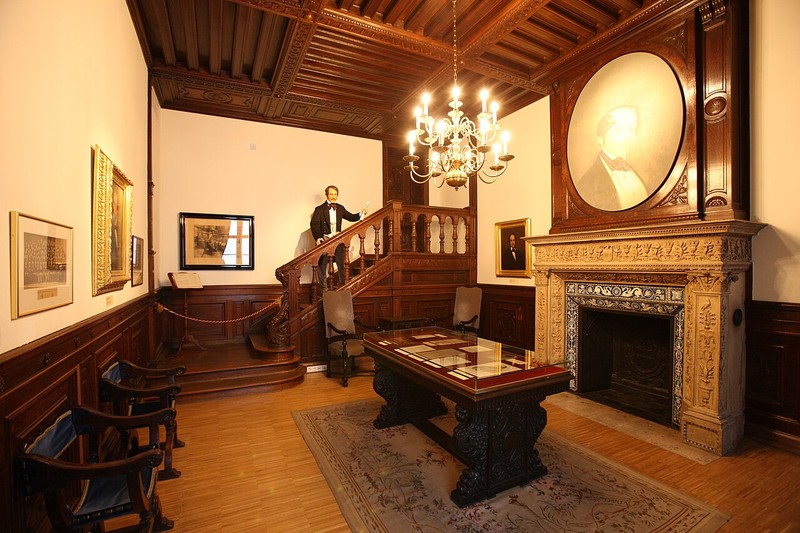
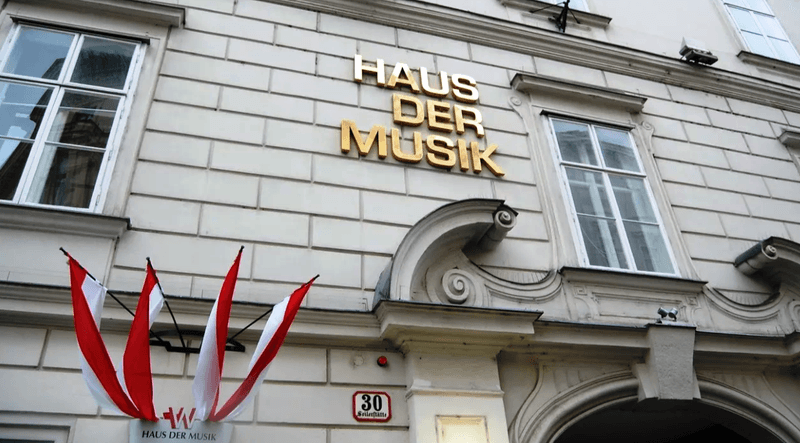
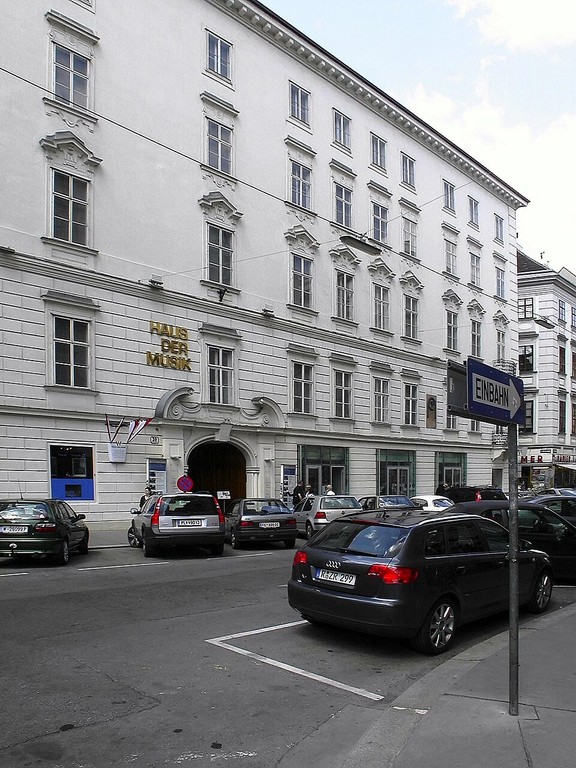
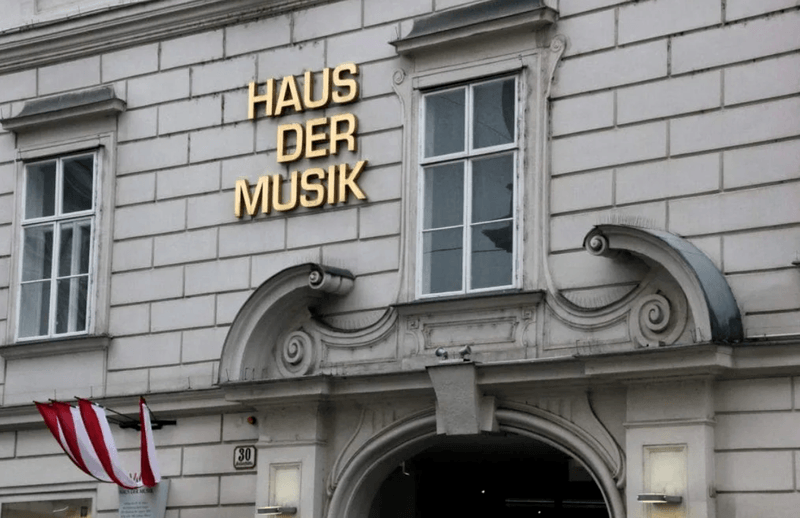
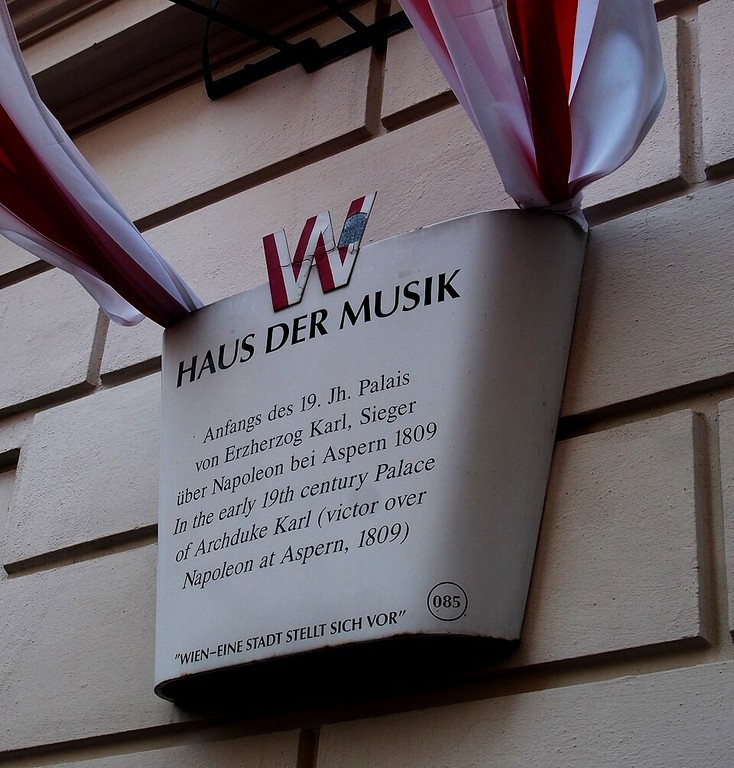
The museum occupies the historic former Palais Erzherzog Carl at Seilerstätte 30. Composer and conductor Otto Nicolai later lived in the building and founded the Vienna Philharmonic concerts here in 1842. The site is therefore closely connected with the history of one of the world's best-known orchestras.
The House of Music opened on 15 June 2000 and became Austria's first museum dedicated to music and sound in an interactive format. Rather than simply displaying documents and instruments, it invites visitors to take part in experiments, listen to different sound phenomena and create their own musical combinations.
The historic architecture is part of the museum experience. Vienna's musical past meets contemporary technology, digital installations and educational programmes throughout the building.
What to see in the museum
The exhibition spans several levels and introduces visitors to different aspects of music. Dedicated areas explore the history of the Vienna Philharmonic, the basics of acoustics, composers associated with Viennese classical music and interactive musical experiments. Allow around one to two hours for a visit; those who want to try most of the interactive exhibits may need longer.
The Vienna Philharmonic Museum
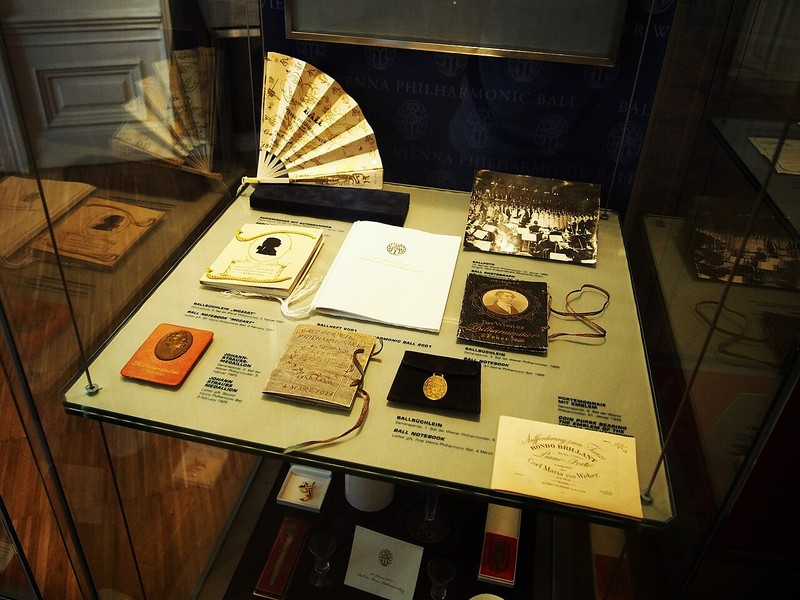
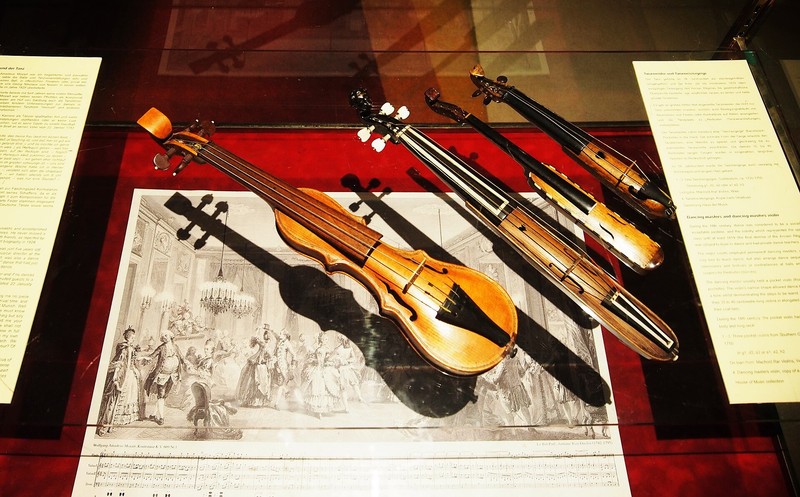
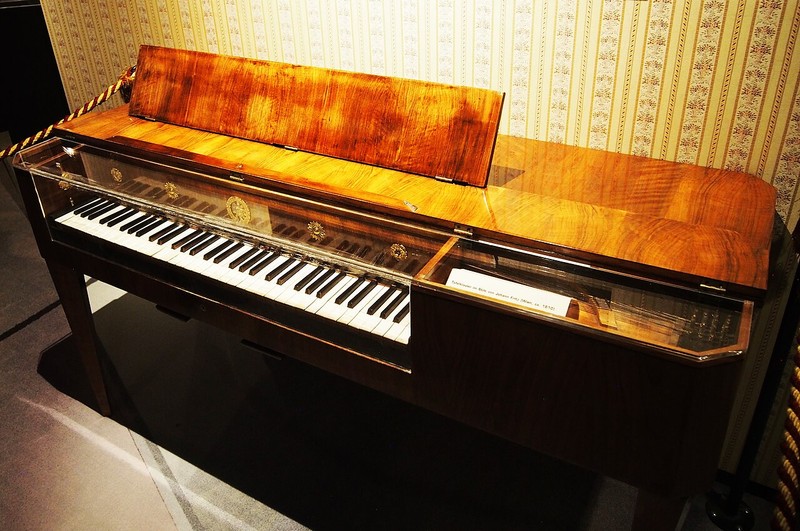
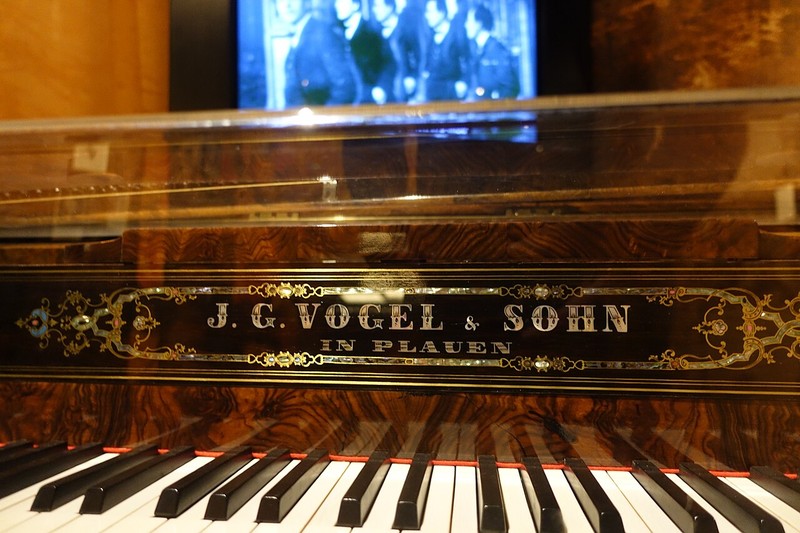
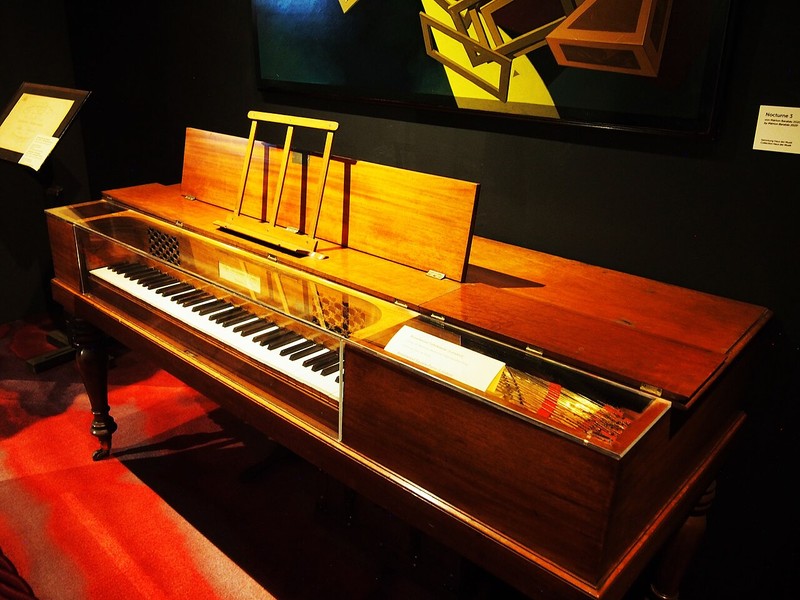
One floor is dedicated to the Vienna Philharmonic. It tells the story of the orchestra's foundation and development, its outstanding musicians and conductors, and its performances. Exhibits include historical documents, photographs, concert materials and evidence of the ensemble's international recognition.
This section explains why the Vienna Philharmonic holds a special place in Austrian musical culture and why its history is closely linked to the museum building itself.
The world of sound and interactive experiments
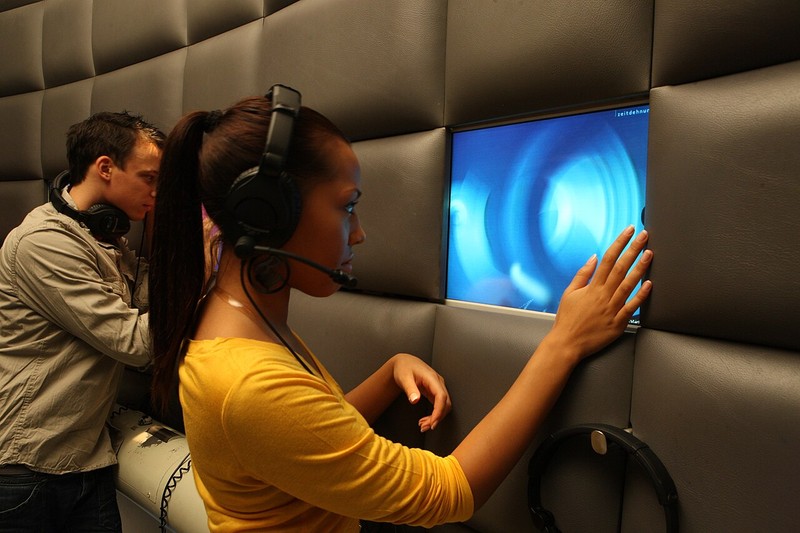
In Sonotopia, visitors explore how sounds are produced, how pitch and timbre differ, and how people perceive acoustic signals. Interactive installations invite them to experiment with noise, musical tones and rhythms, turning the study of acoustics into a hands-on experience.
The museum demonstrates the principles of sound production and hearing through engaging displays. Some exhibits can be activated directly by visitors, making them participants rather than passive observers.
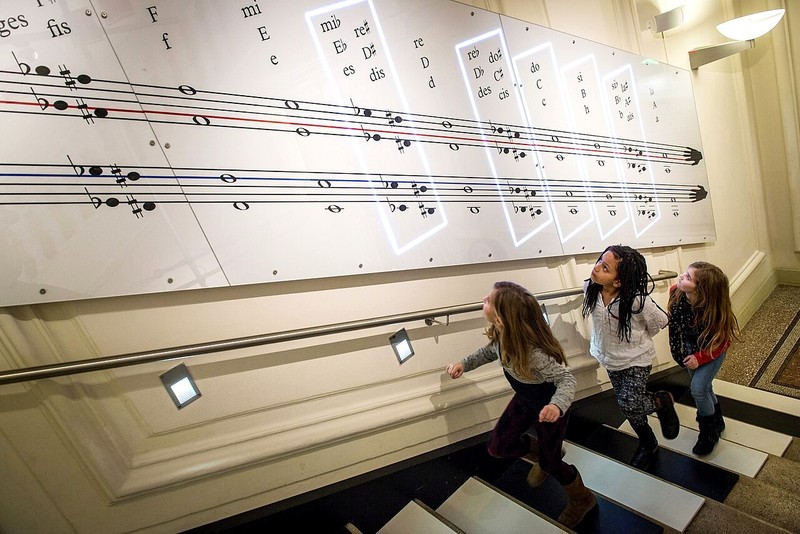
One distinctive feature is the musical staircase: its steps respond to movement and allow visitors to create notes as they climb. Installations like this show how sound can interact with movement, space and digital technology.
Vienna's great composers
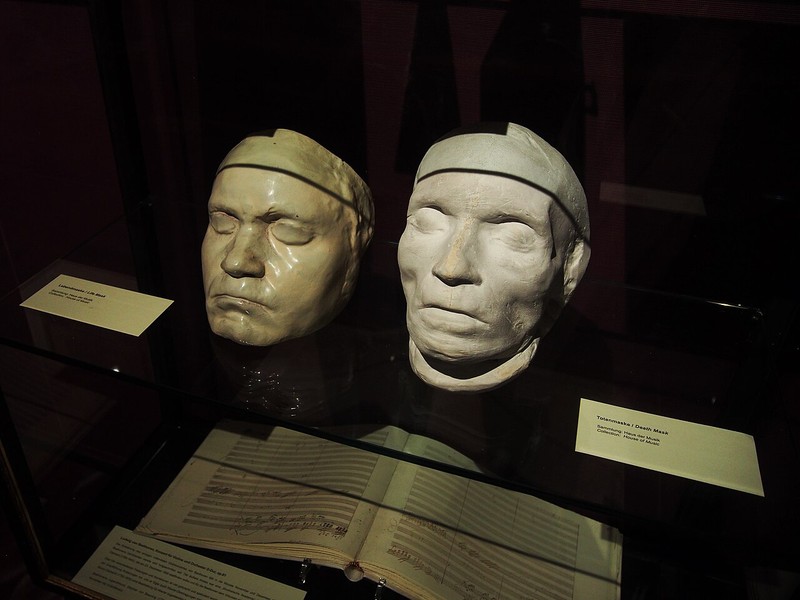
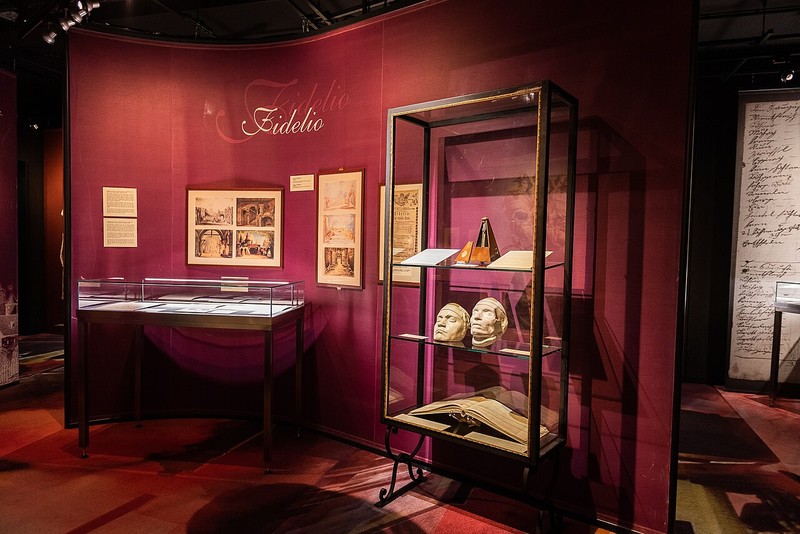
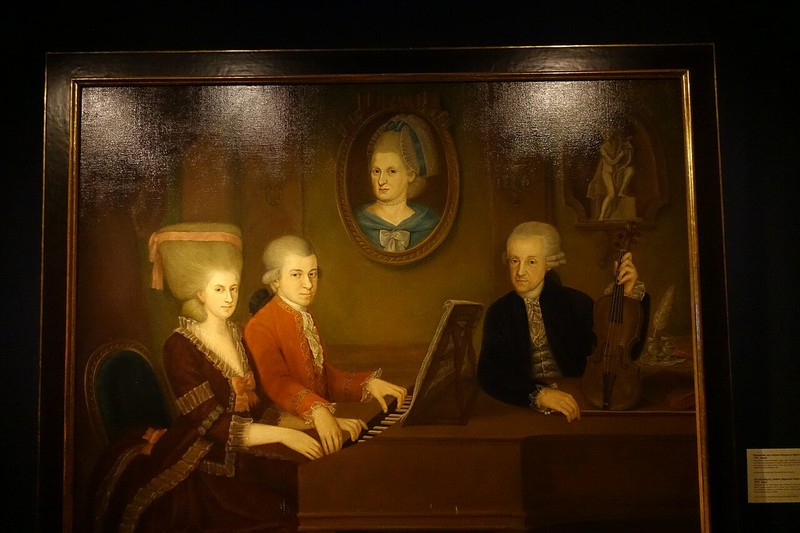
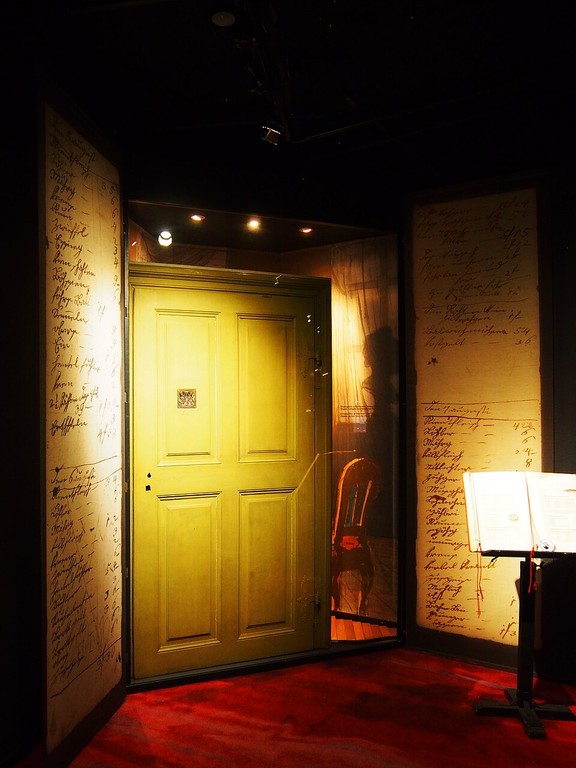
Part of the exhibition focuses on composers whose lives and work were connected with Vienna. They include Wolfgang Amadeus Mozart, Ludwig van Beethoven, Joseph Haydn, Franz Schubert, Johann Strauss II and Gustav Mahler. Visitors can discover their musical legacy and learn how the Austrian capital contributed to the development of European classical music.
The museum also introduces members of the Second Viennese School: Arnold Schoenberg, Alban Berg and Anton Webern. Their work explored new musical languages and challenged traditional ideas about harmony and composition.
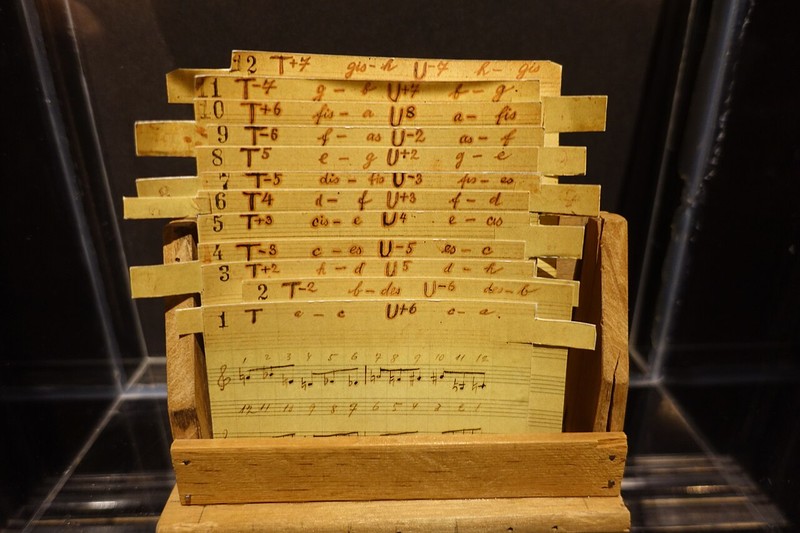
Interactive exhibits include musical games inspired by Mozart. For example, the NAMADEUS installation turns a visitor's name into a musical composition in the composer's style. This approach presents music history as a living creative process rather than a list of dates and facts.
The Virtual Conductor
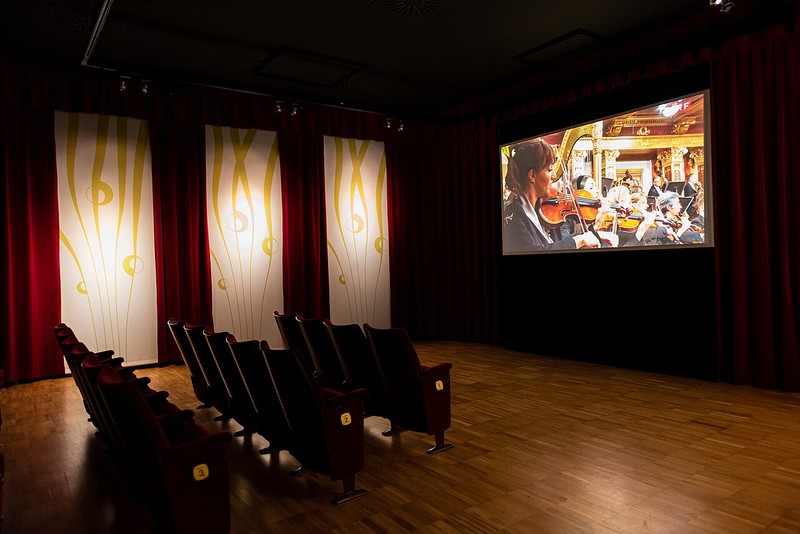
One of the museum's best-known installations lets visitors try conducting the Vienna Philharmonic. They select a piece of music and guide an imaginary baton, while a video projection of the orchestra responds to their movements. The experience offers a playful introduction to the importance of rhythm, tempo and precise gestures in musical performance.
The upper floor also contains the museum shop, where visitors can buy music-related souvenirs and gifts. Exhibitions and access to individual installations may change, so it is worth checking the official website before visiting.
Architecture and atmosphere
The House of Music is interesting not only for its exhibitions but also for its historic setting. The former palace of Archduke Carl evokes old Vienna, while the interiors have been adapted for contemporary museum and educational use. Visitors can take a break in the glass-roofed courtyard between exhibitions.
The combination of historic architecture, multimedia technology and interactive installations makes the museum an unusual place to discover Vienna's musical culture. Visitors can listen to classical works, experiment with sound and learn how music has evolved over the centuries.
How to get to the House of Music
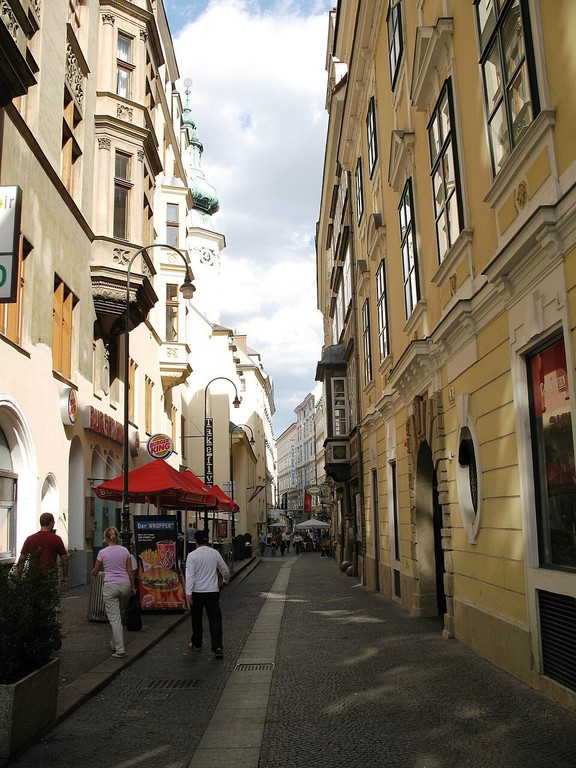
The museum is located at Seilerstätte 30, 1010 Vienna, in the city centre. It is easy to reach by public transport. Nearby stations include Karlsplatz, served by underground lines U1, U2 and U4; Stephansplatz, served by U1 and U3; and Schwarzenbergplatz, where several tram routes stop.
The museum is generally open daily from 10:00 to 22:00, with last admission at 21:00. Check the official website before travelling for current opening hours, ticket prices and visitor information, as schedules and offers may change. Plan at least one to two hours to explore the main exhibitions.
Why visit the House of Music?
The House of Music is one of Vienna's most unusual cultural attractions. It combines the history of the Vienna Philharmonic, the legacy of great composers and modern ways of exploring sound. Visitors can conduct a virtual orchestra, experiment with acoustics, discover musical innovators and see how technology changes the experience of art. It is especially appealing to families, classical music enthusiasts and travellers who want to discover the musical side of Austria's capital.
Gallery