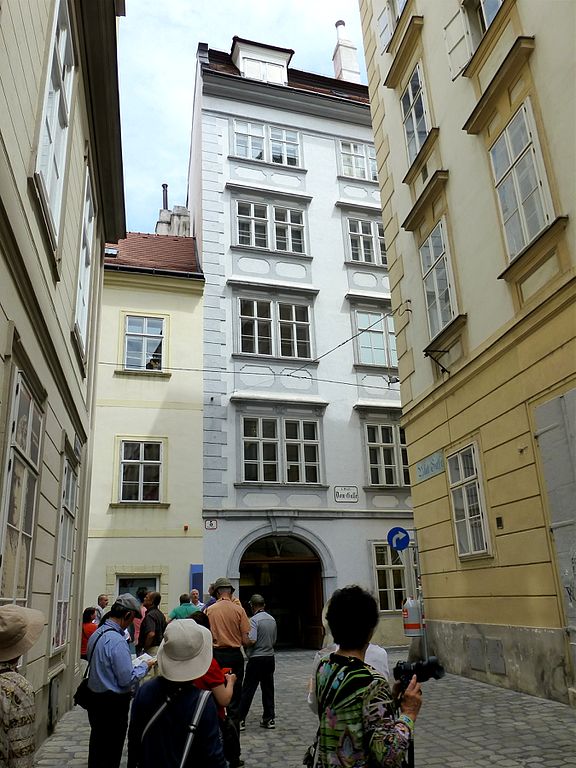
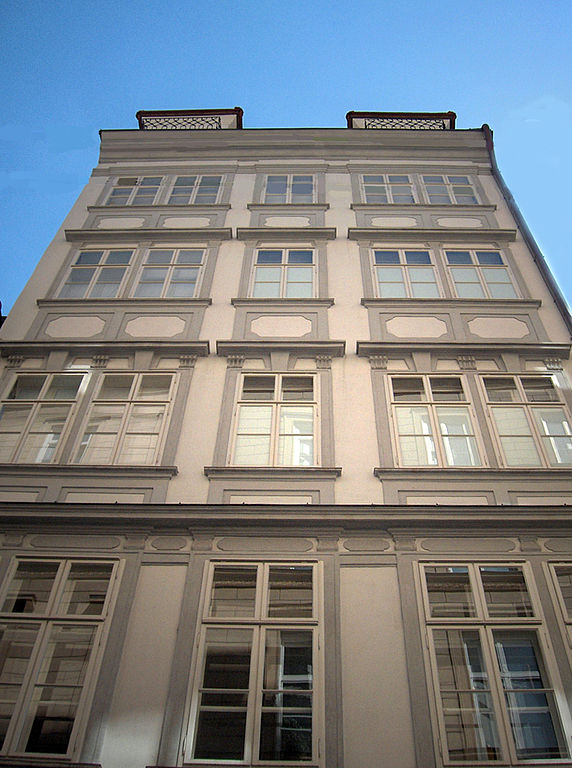
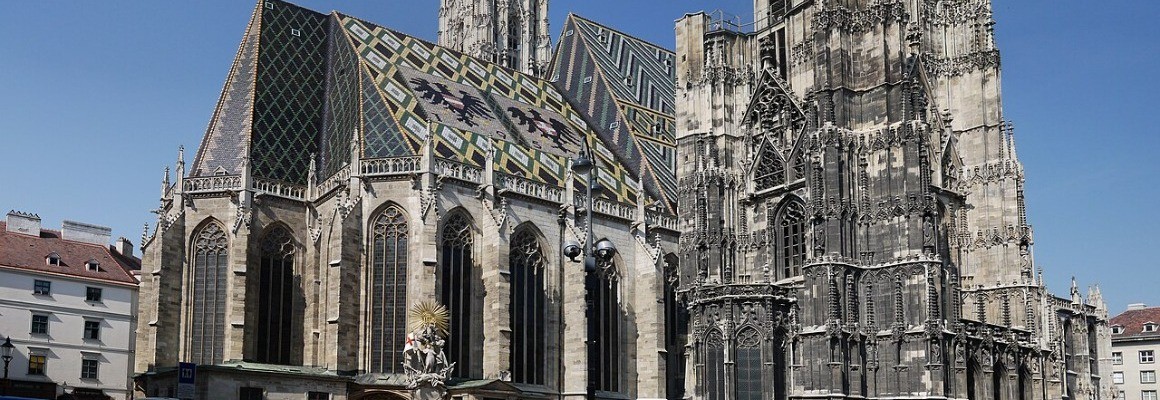
Mozart House in Vienna is a museum dedicated to the life and work of Wolfgang Amadeus Mozart. It stands in the historic center of the Austrian capital, on Domgasse, just a short walk from St. Stephen's Cathedral. The composer lived in this apartment from 1784 to 1787 and created several important works here, including the opera The Marriage of Figaro.
The museum reveals how Mozart lived during the height of his career, whom he met, and how Vienna shaped his musical development. Its displays combine the historic apartment with documents, musical materials, and multimedia installations that introduce visitors to the city's cultural life in the 18th century.
History of Mozart House
Wolfgang Amadeus Mozart moved into the Domgasse apartment in 1784, when he was already a celebrated composer and keyboard virtuoso. Vienna offered him many opportunities: he performed for aristocratic audiences, met fellow musicians, taught, and worked on new compositions. He lived here longer than in any other of his Viennese residences.
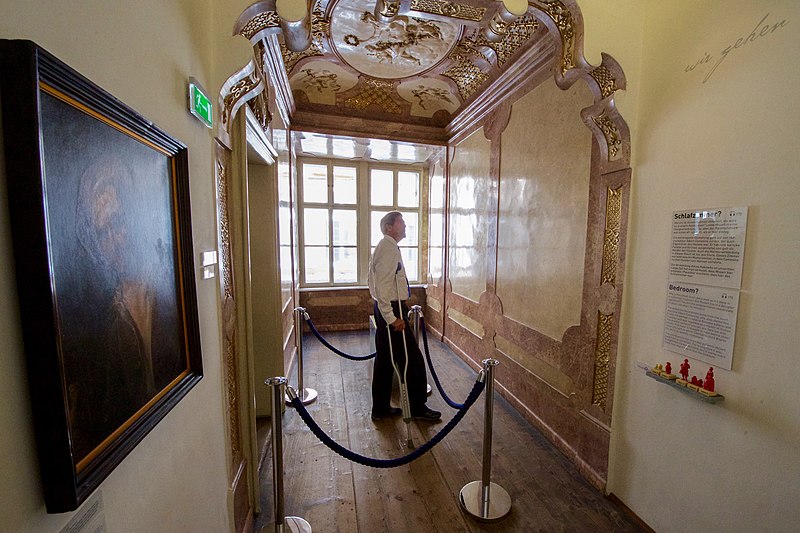
The apartment was spacious for its time, with four large rooms, two smaller studies, and a kitchen. Mozart welcomed friends and colleagues here, made music, and discussed art and everyday affairs. In 1785, new string quartets were performed in his apartment in the presence of Joseph Haydn, one of the leading figures of the Viennese Classical school.
The address is closely associated with The Marriage of Figaro, which Mozart worked on in 1785 and 1786. The opera became one of the best-known works in his legacy and remains a major part of the international operatic repertoire. Over time, the house became a place of remembrance for admirers of the composer and acquired the name Figaro House.
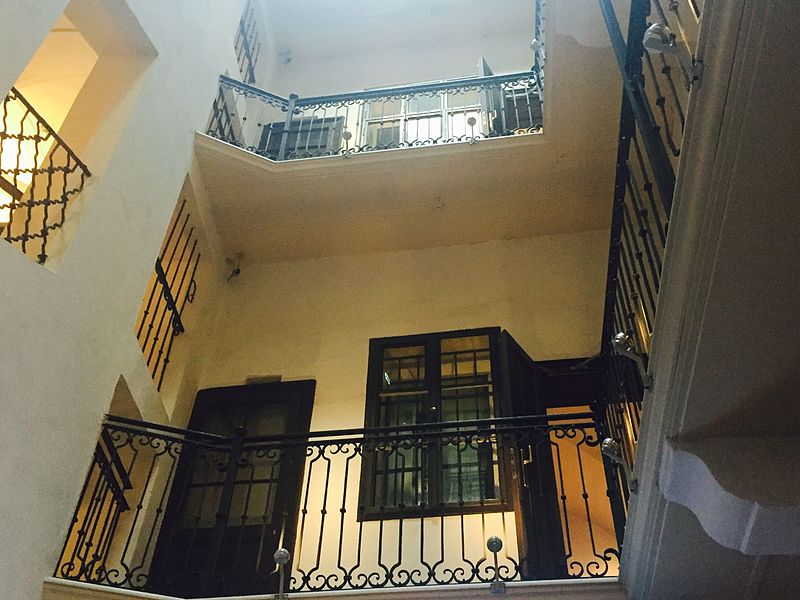
In 2006, marking the 250th anniversary of Mozart's birth, the building reopened as the modern Mozarthaus Vienna museum following extensive renovation. The exhibition is arranged across several floors and focuses on Mozart's years in Vienna, his music, and the historical setting in which he worked.
What to See in the Museum
The exhibition occupies three levels, each exploring a different aspect of Mozart's life: his position in Viennese society, his musical achievements, and his domestic surroundings. Visitors can follow the composer's path from everyday life in the capital to the creation of works that became part of world music history.
The Historic Apartment
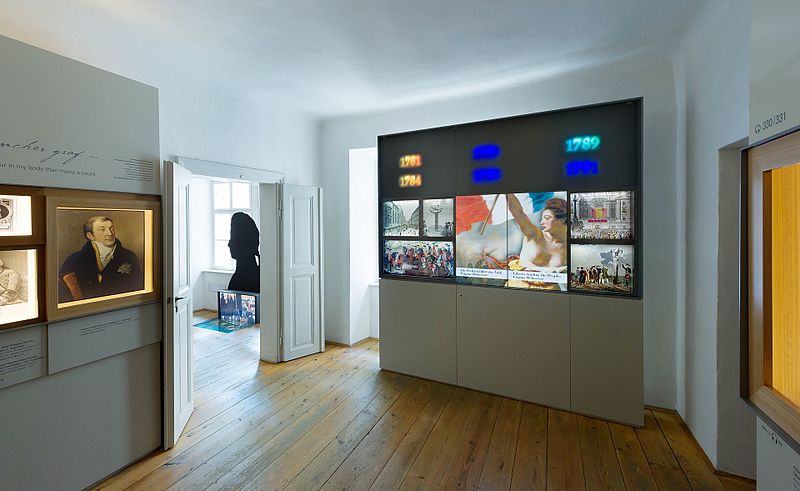
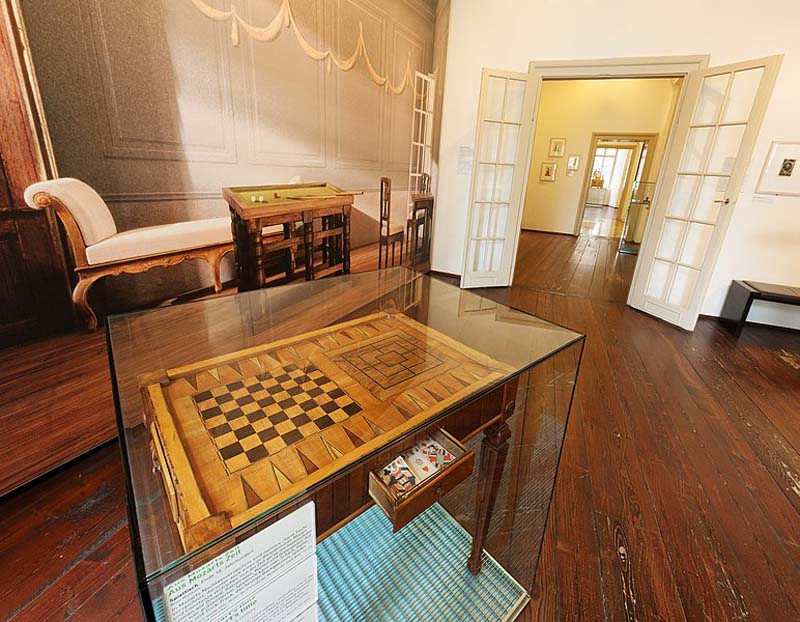
The heart of the museum is the apartment where Mozart and his family lived. Its layout helps visitors imagine the conditions in which the composer lived in the late 18th century. Displays explore his home life, work, family, and guests. Historical documents, images, and musical objects provide a closer look at the musician's daily routine.
Among the notable exhibits is a musical clock from the late 18th century that can play Mozart's music. Visitors can also learn about the instruments and performance practices of his era. Not every object in the museum belonged to Mozart personally; much of the exhibition explains the historical context and his artistic legacy.
Mozart's Music and Operatic Legacy
One exhibition level focuses on Mozart's compositions and his collaborations with other artists. Particular attention is given to The Marriage of Figaro, written during his time on Domgasse, as well as other works from his Viennese years. Documents and multimedia displays explain how these compositions came about and the role they played in the musical life of the period.
The exhibition presents Mozart not only as a great composer but also as a participant in Vienna's lively cultural scene. His circle included patrons, performers, composers, and members of the aristocracy. Their relationships helped shape his opportunities and the circulation of his music.
Mozart and 18th-Century Vienna
Another part of the exhibition explores the composer's personal and social life. Visitors learn about his friends, family, habits, interests, and place in Viennese society. The displays help present the historic city through the eyes of a man who was a sought-after musician, husband, father, and participant in the intellectual life of his age.
Multimedia elements complement the historical materials by highlighting places in Vienna associated with Mozart. This connects the museum's displays with the city itself and allows visitors to continue exploring Vienna's musical heritage beyond the building.
How to Get to Mozart House
The museum is located at Domgasse 5, 1010 Vienna, in the city center. The easiest way to reach it is by metro to Stephansplatz station, served by lines U1 and U3. The entrance is about a two-minute walk from the station. Buses on routes 1A, 2A, and 3A also stop nearby.
A visit to Mozart House can easily be combined with a walk through the historic center and a visit to St. Stephen's Cathedral. Its central location makes it a convenient stop on a sightseeing route through Vienna.
Visitor Information
Before visiting, check the museum's official website for current opening hours and admission details. Mozarthaus Vienna generally opens daily from 10 am to 7 pm, with last admission half an hour before closing. Opening times and visitor arrangements can change, so it is best to confirm them in advance.
Mozart House is an appealing destination for classical music lovers, history enthusiasts, and travelers who want to see a place connected with one of the world's most famous composers. Even visitors unfamiliar with Mozart's music can gain a sense of 18th-century Vienna and understand why the city became such an important chapter in his life.
Gallery