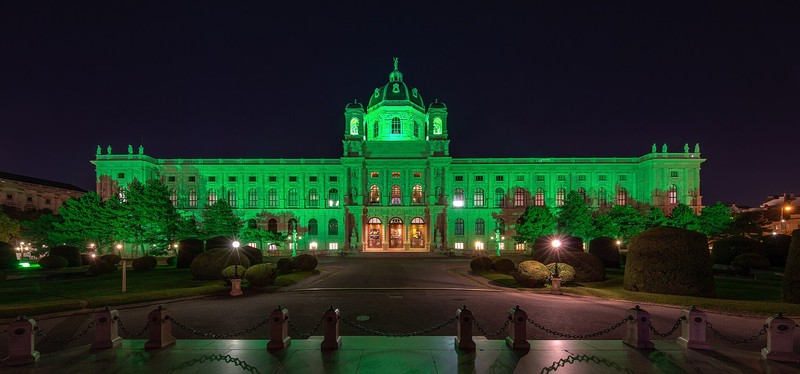
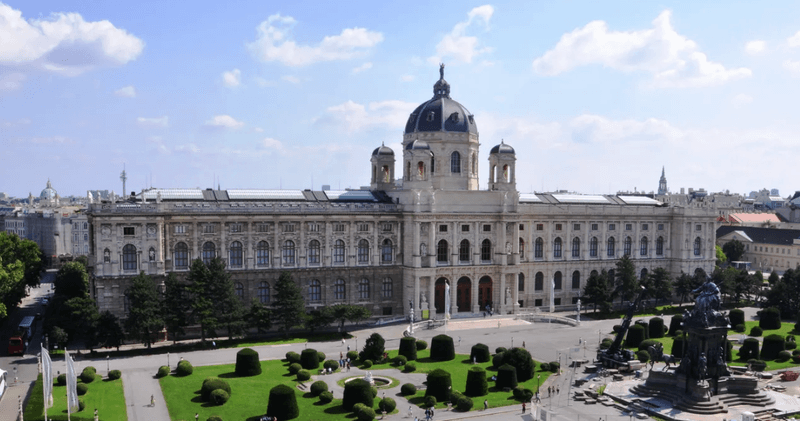
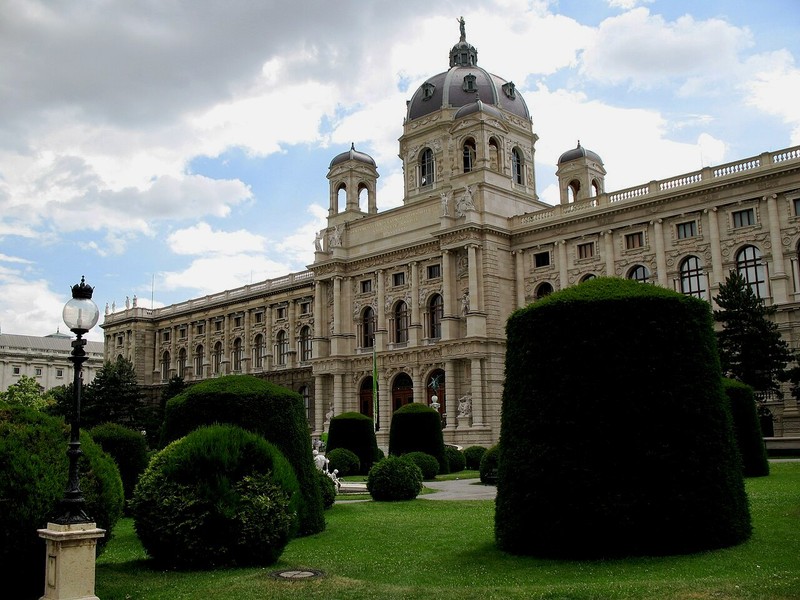
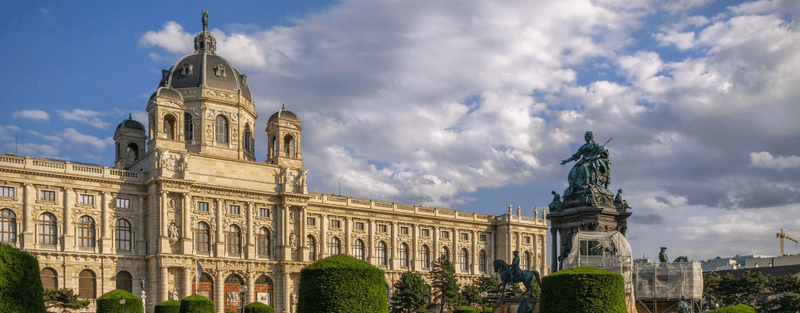
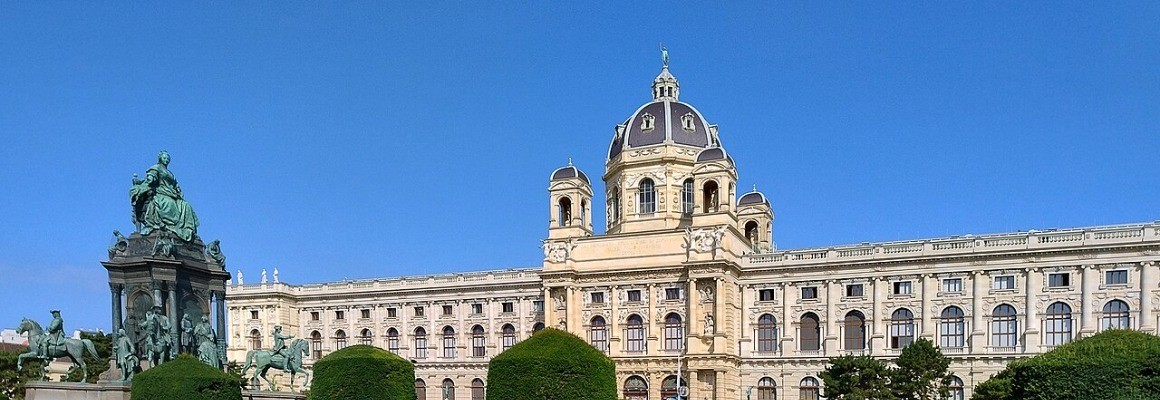
The Kunsthistorisches Museum Vienna, or Vienna Museum of Art History, is one of Europe’s leading art museums. Located on Maria-Theresien-Platz near the Hofburg Palace and the Ringstrasse, it houses paintings, sculptures, ancient artefacts, Egyptian antiquities, jewellery and other treasures collected by the Habsburg dynasty over several centuries.
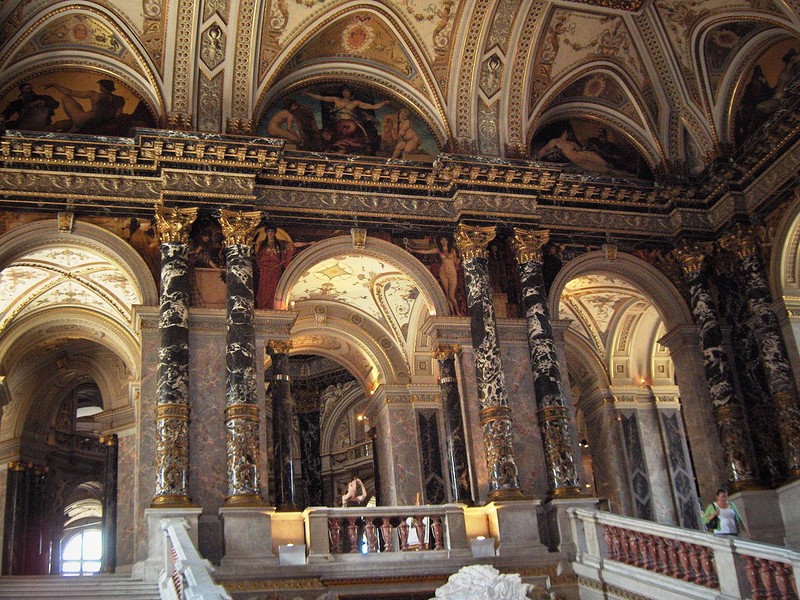
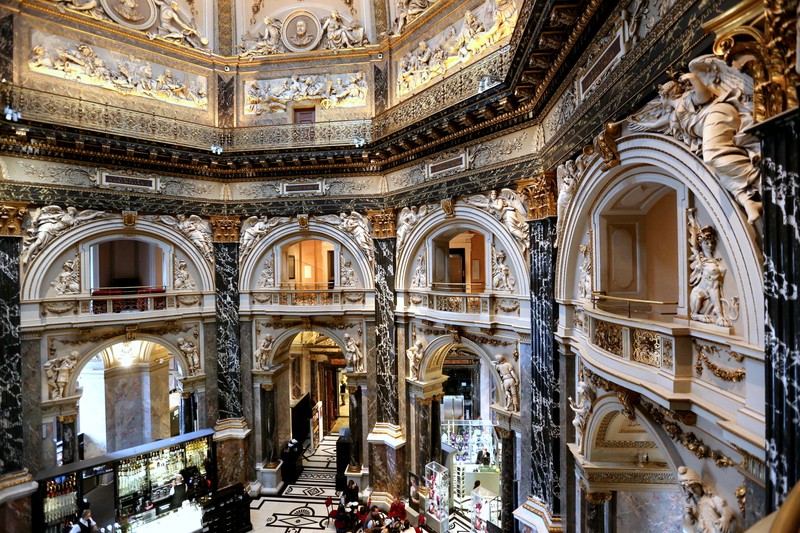
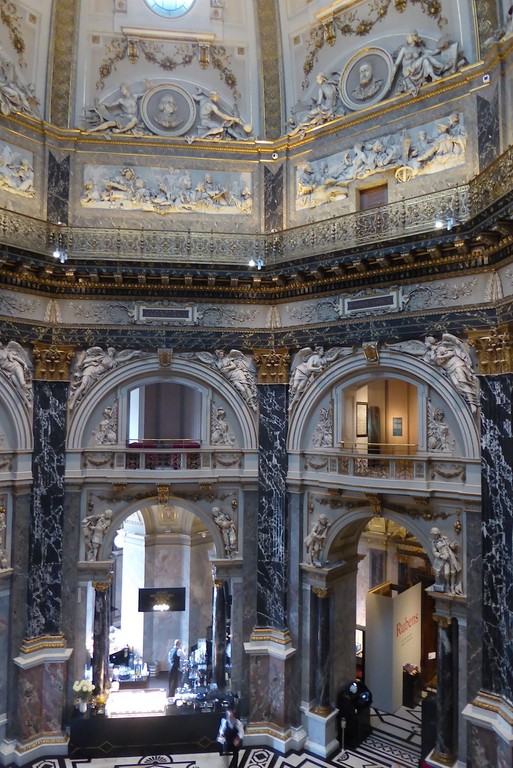
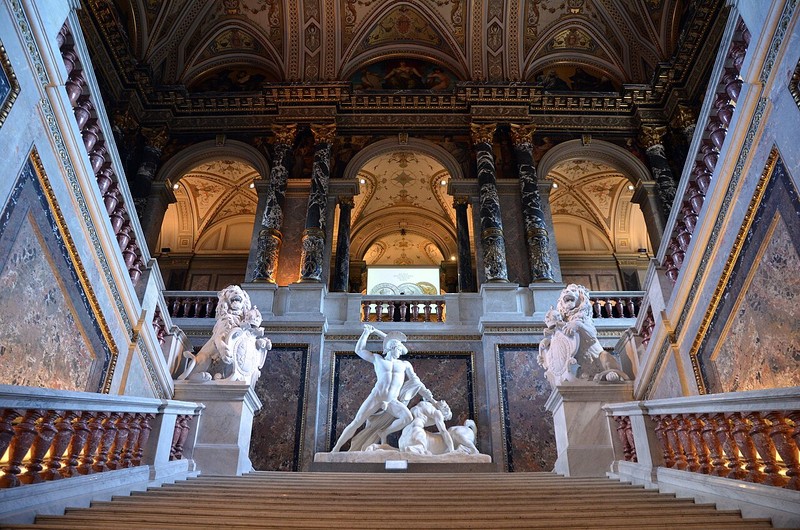
The museum is famous for both its collections and its monumental architecture. A grand staircase, marble interiors, decorative paintings and a domed hall make the building an attraction in its own right. Allow at least three hours for a first visit to the main collections.
History of the museum
The museum grew out of the Habsburgs’ long tradition of collecting art. Austrian rulers acquired paintings, sculptures, decorative objects, antiquities and rarities from across Europe and beyond. As the collections expanded, a dedicated institution became necessary to preserve and display them to the public.
The building was part of Vienna’s major urban redevelopment in the second half of the nineteenth century. Emperor Franz Joseph I supported the construction of two matching museums on Maria-Theresien-Platz: the Kunsthistorisches Museum and the Natural History Museum. The Museum of Art History opened in 1891, while the Natural History Museum opened in 1889.
Although the buildings look similar and stand opposite each other, they are separate institutions with different collections. Both form part of Vienna’s historic city centre, a UNESCO World Heritage Site.
Architecture
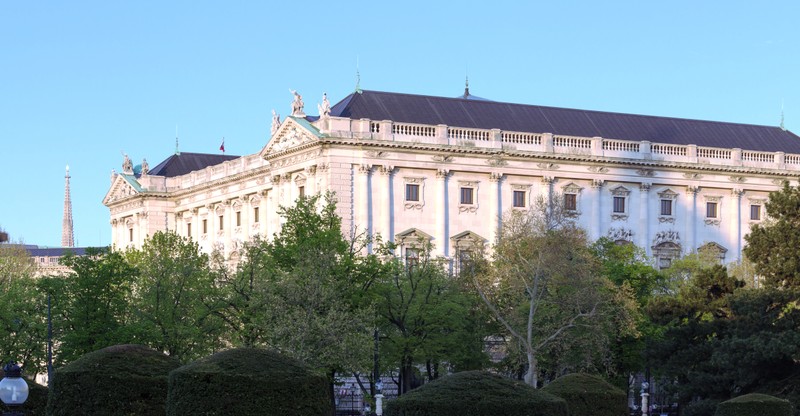
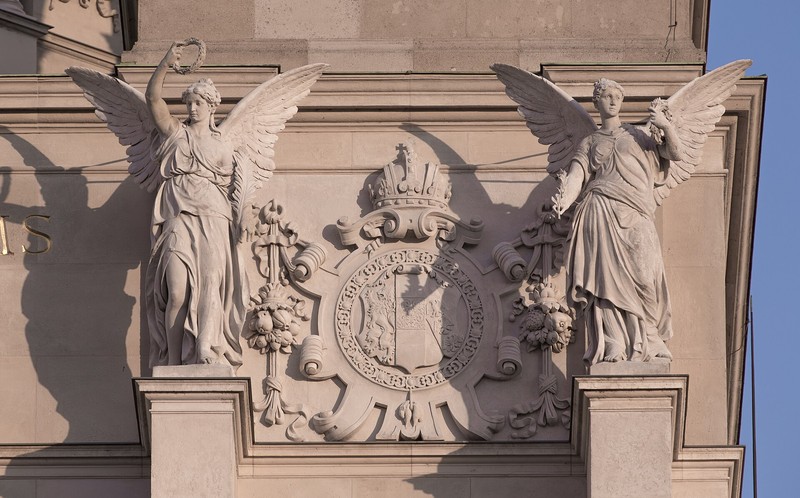
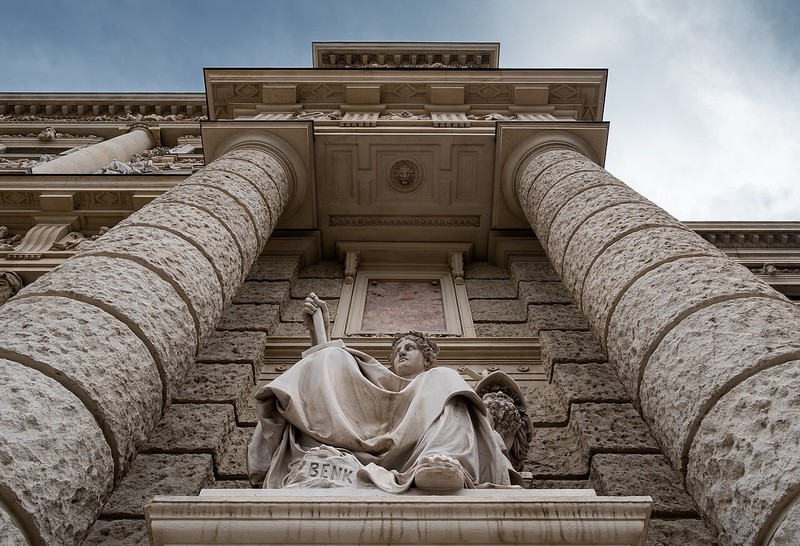
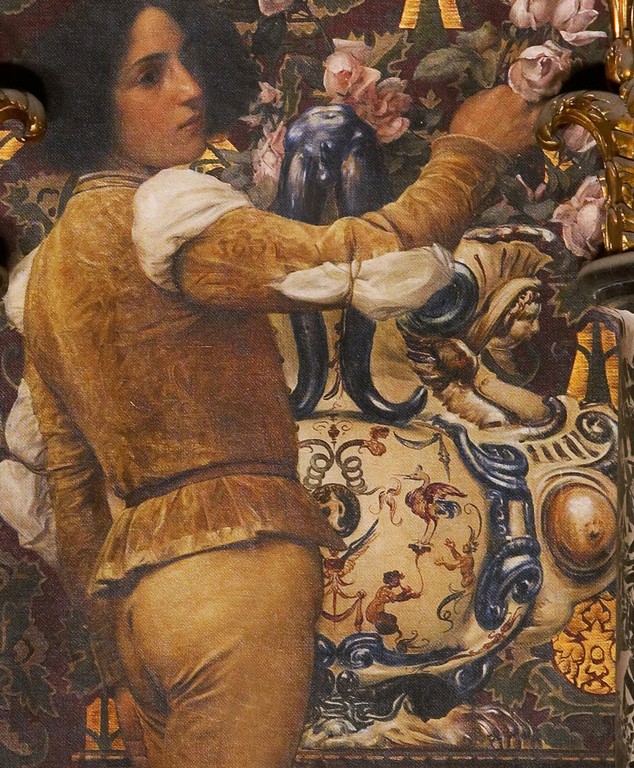
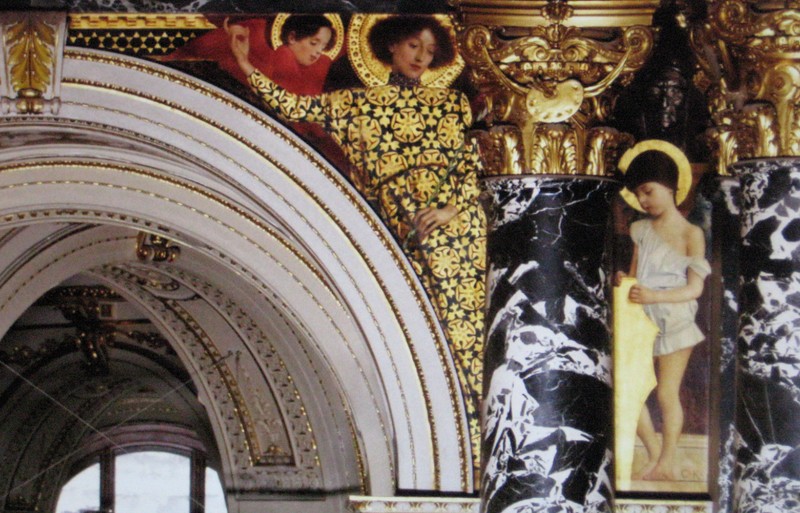
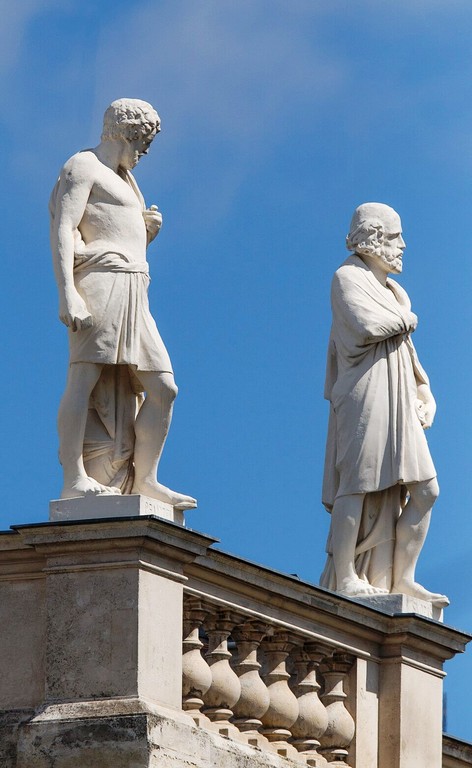
The museum was designed by architects Gottfried Semper and Carl von Hasenauer. Its architecture combines Italian Renaissance influences with the grandeur of imperial Vienna. The façades feature sculptural decoration, while the interiors are enriched with marble, stucco, gilding and wall paintings.
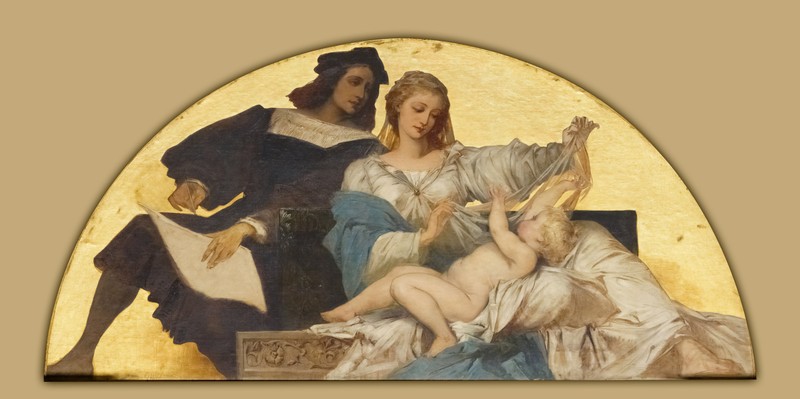
The grand staircase is one of the building’s highlights. Its decorative programme includes works by Gustav Klimt, Ernst Klimt, Franz von Matsch and Hans Makart. At the heart of the building is a domed hall with a café-restaurant. High ceilings, columns and marble surfaces create the atmosphere of an imperial palace.
The Picture Gallery
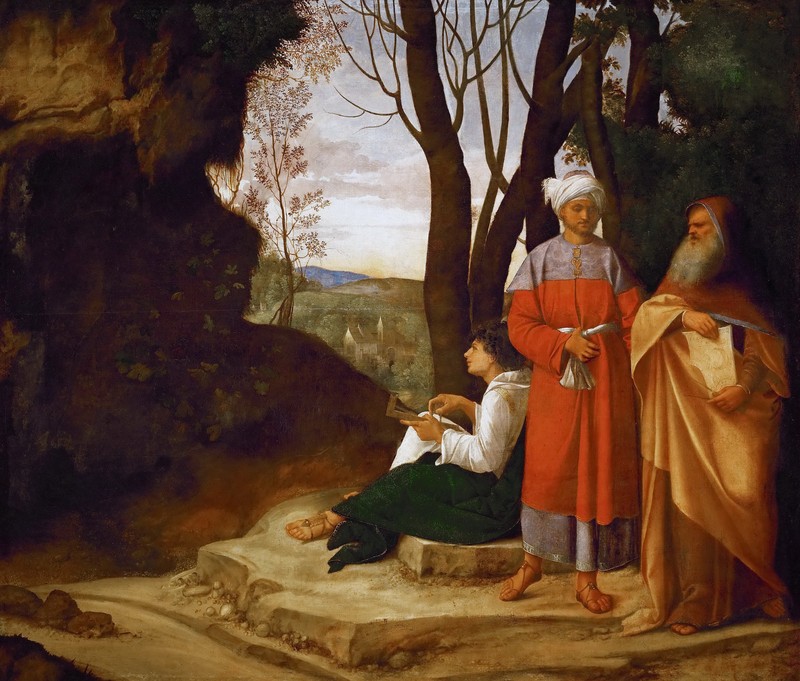
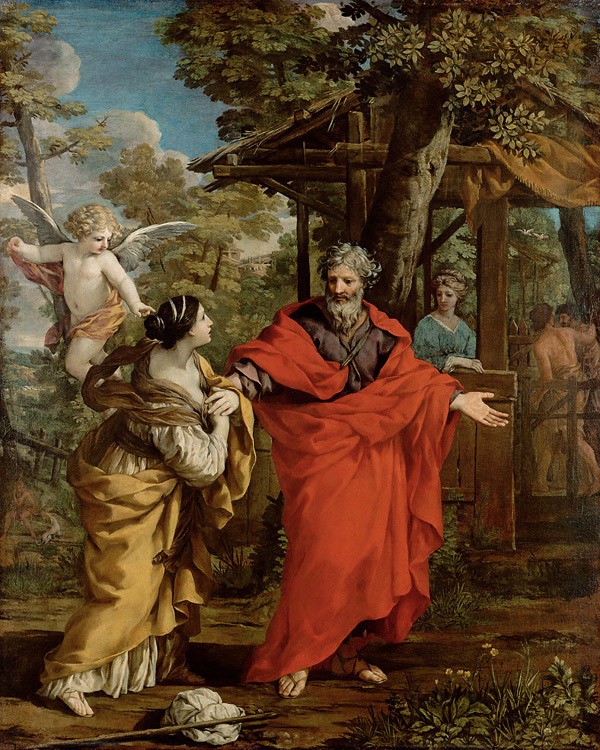
The Picture Gallery is one of the museum’s principal attractions. Its foundation is the collection assembled by the Habsburgs, including major works from the Renaissance and Baroque periods. The paintings offer an overview of several centuries of European art.
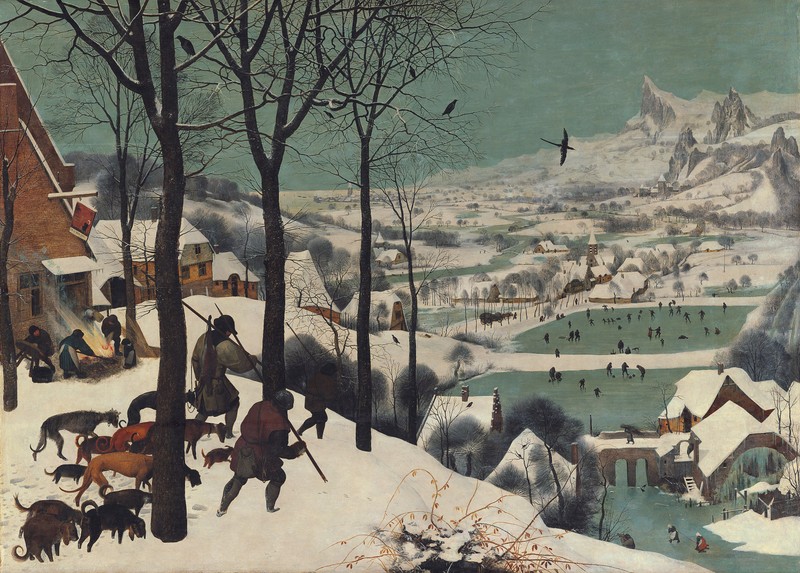
Artists represented include Pieter Bruegel the Elder, Titian, Peter Paul Rubens, Rembrandt, Albrecht Dürer, Raphael, Diego Velázquez and Johannes Vermeer. The museum’s collection of paintings by Bruegel the Elder is particularly important. His works portray everyday life, popular customs, biblical stories and complex allegories.
One of the best-known paintings is Bruegel’s Tower of Babel, famous for its detailed architecture and the many small figures working on the enormous structure. The gallery also displays works by Venetian masters, dramatic compositions by Rubens, portraits by Velázquez and paintings by Vermeer.
The Kunstkammer
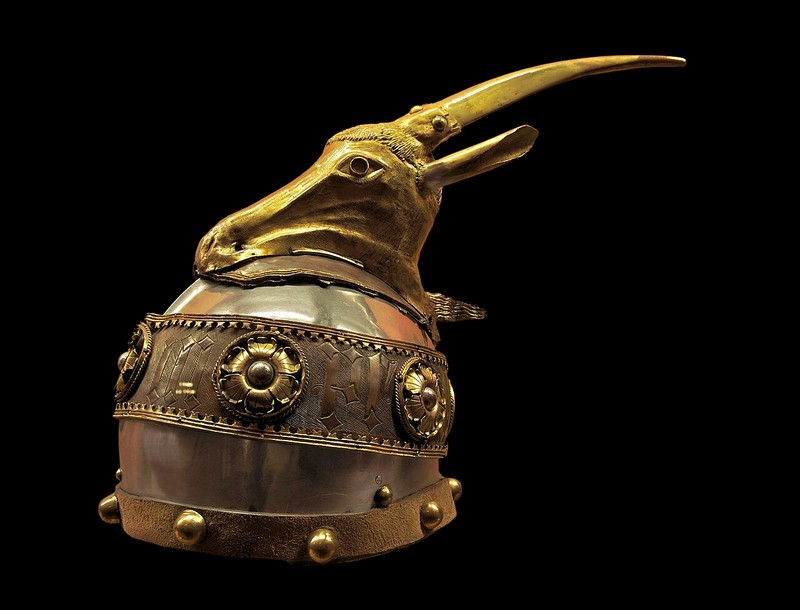
The Vienna Kunstkammer is a celebrated collection of rare and precious objects gathered by the Habsburgs from the late Middle Ages through the Renaissance and Baroque periods. It includes works in gold, silver, ivory and precious stones, as well as clocks, sculptures, scientific instruments and mechanical curiosities.
Its most famous masterpiece is the Saliera, a gold salt cellar created by Italian sculptor and goldsmith Benvenuto Cellini in the sixteenth century. Combining sculpture, allegory and intricate goldsmithing, it is regarded as one of the great achievements of Renaissance decorative art.
The Kunstkammer reveals how earlier collectors brought art, science and curiosity together. Its small and intricate objects reward close attention, so allow extra time to explore the galleries.
Ancient Egypt and the Near East
The Egyptian and Near Eastern collections introduce civilisations that flourished long before classical Greece and Rome. Exhibits include archaeological finds, religious objects, funerary items, sarcophagi, mummies, jewellery, sculptures and everyday artefacts.
Ancient Egyptian funerary objects shed light on beliefs about death and the afterlife. Other objects illustrate the crafts, trade, writing systems and urban cultures of the ancient Near East.
Greek and Roman antiquities
The collection of classical antiquities includes sculptures, portrait busts, vases, jewellery and household objects from ancient Greece and Rome. These artefacts reflect mythology, religious beliefs and daily life. Sculptures reveal changing ideals of beauty, while vases and portraits help visitors imagine the cultures of the ancient Mediterranean world.
The Coin Collection
The museum also holds an extensive collection of coins, medals and other objects related to the history of money. Spanning different periods and regions, these items provide evidence of trade, economic connections, rulers and political symbolism. Medals were often produced to commemorate important events and notable people.
Planning your visit
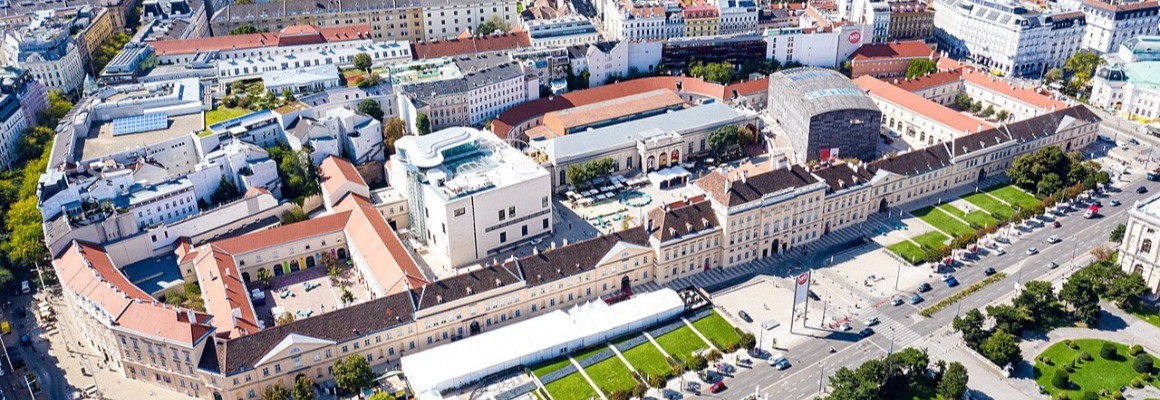
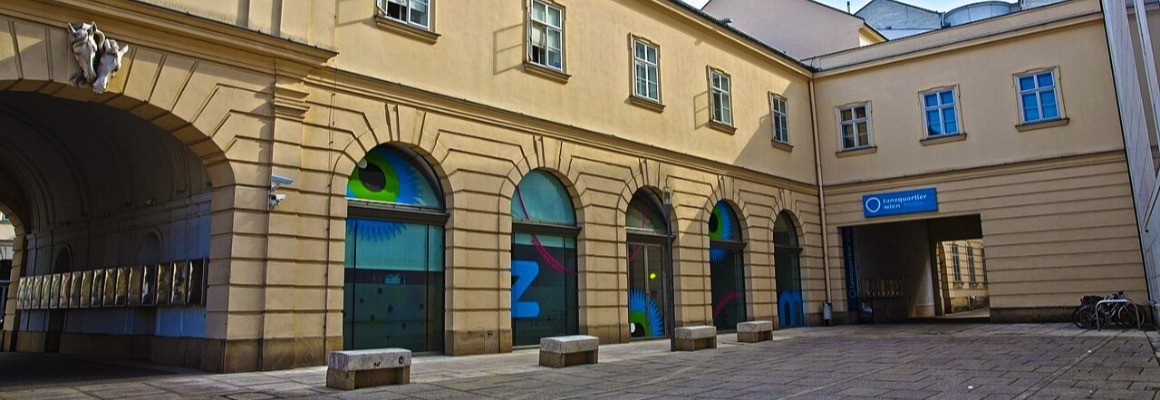
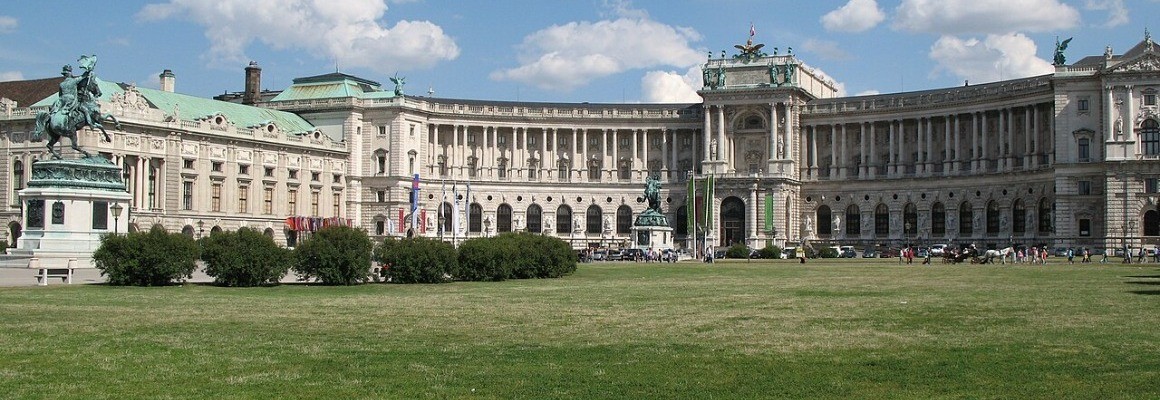
The museum stands on Maria-Theresien-Platz in central Vienna. The Natural History Museum, the Hofburg and the MuseumsQuartier are nearby, making it easy to include the museum in a walking tour of the historic centre.
Regular opening hours are generally Tuesday to Sunday, 10 am to 6 pm, with extended hours until 9 pm on Thursdays. Opening arrangements may vary during certain seasons and special exhibitions. Check the official website for current hours, admission prices, concessions and any time-slot booking requirements.
Allow at least three hours for the main galleries. An audio guide or guided tour can help explain the history of the collections and individual masterpieces. Check available audio-guide languages before your visit.
How to get there
The museum is easy to reach by public transport. MuseumsQuartier station on U2 and Volkstheater station on U3 are within walking distance. Several tram routes, including D, 1, 2 and 71, serve the surrounding area; check current routes before travelling.
Address: Maria-Theresien-Platz, 1010 Vienna. The museum can also be reached on foot from the Hofburg and other central Vienna attractions.
Why visit the Kunsthistorisches Museum?
The Kunsthistorisches Museum brings together masterpieces of European painting, archaeological treasures and rare decorative arts. Visitors can explore the Habsburg collections, see works by celebrated artists and trace the development of art from ancient civilisations to the Baroque era.
Even with limited time, it is worth seeing Bruegel’s paintings, works by the Old Masters, the treasures of the Kunstkammer and the magnificent interiors. It is one of Vienna’s essential cultural attractions for anyone interested in art, history and European architecture.
Gallery