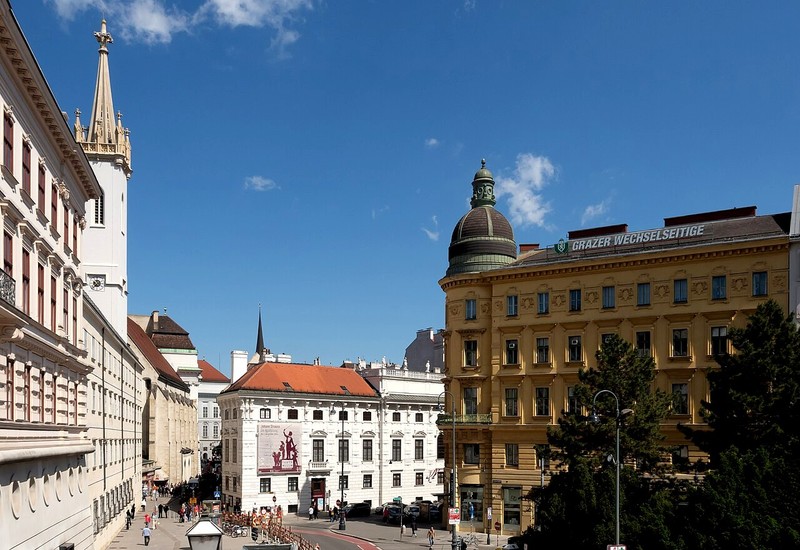
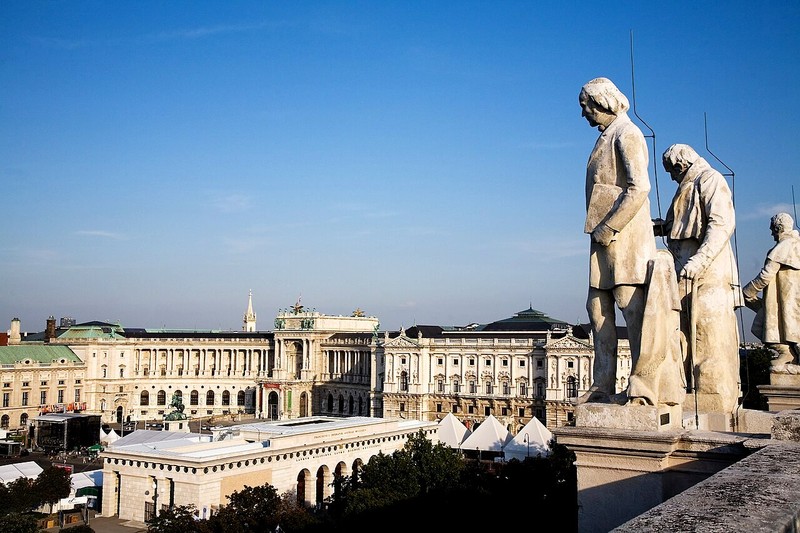
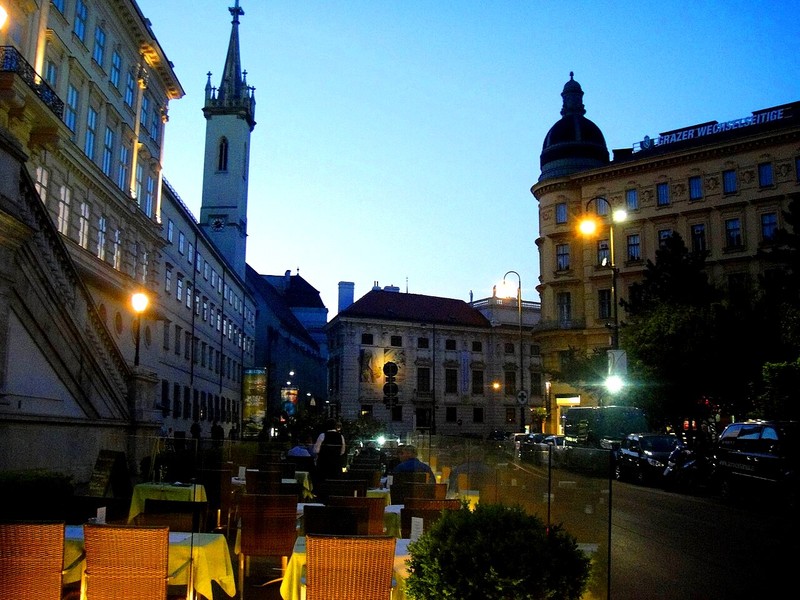
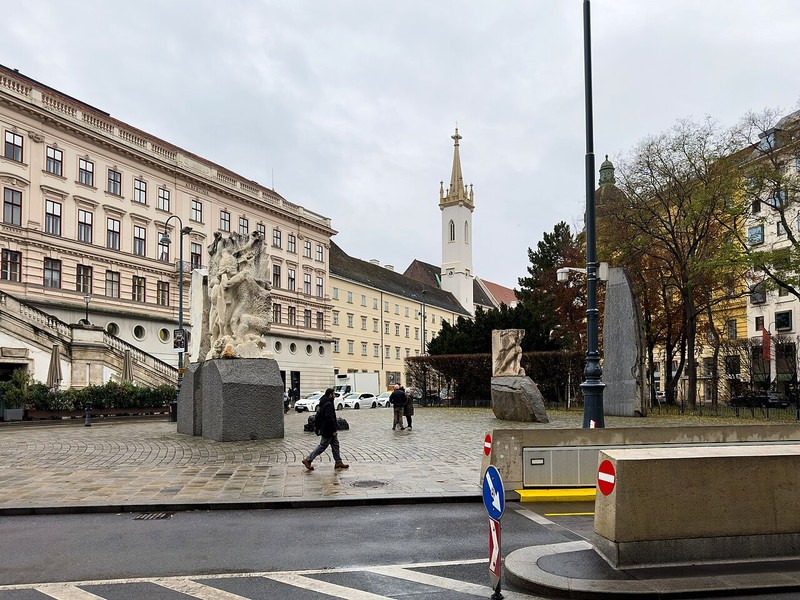
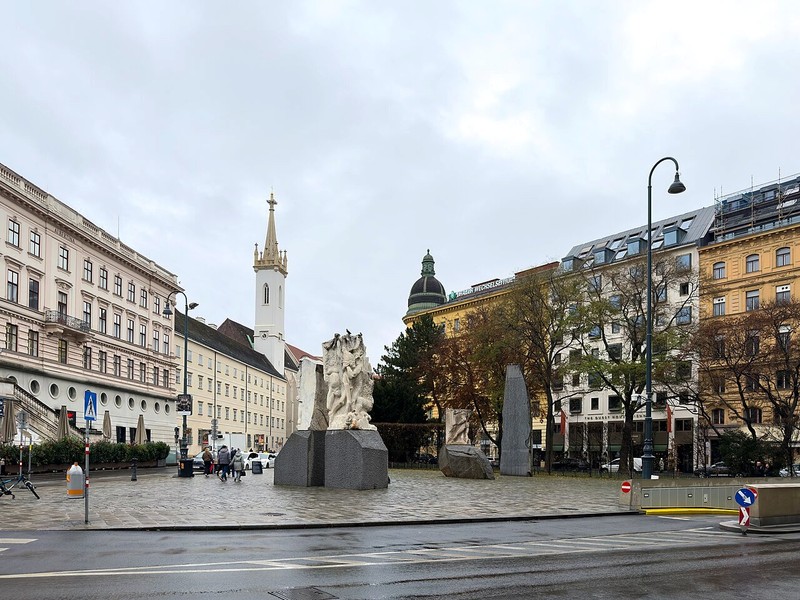
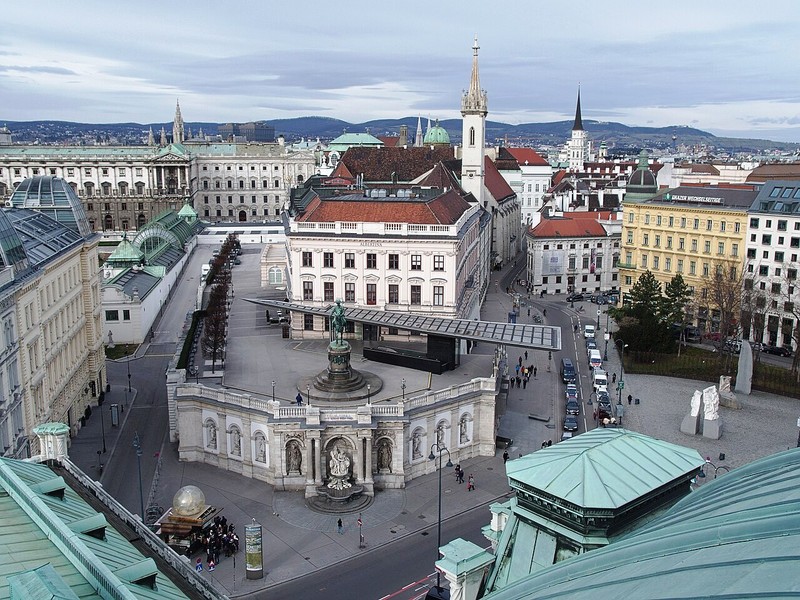
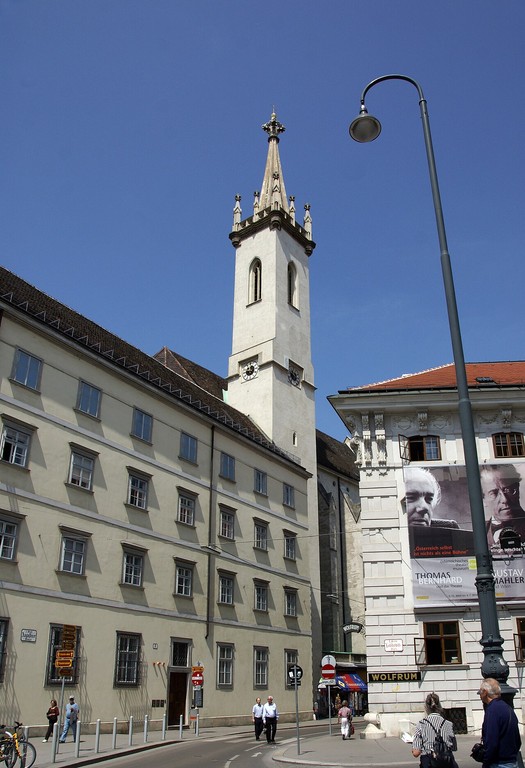
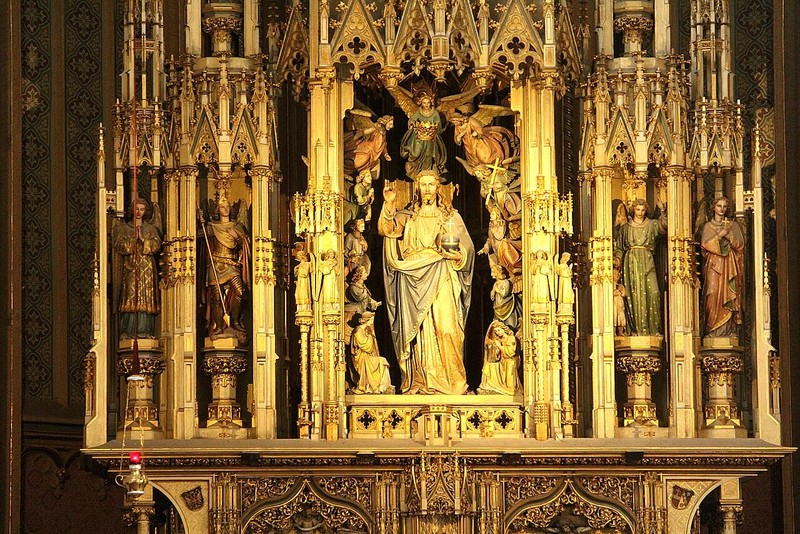
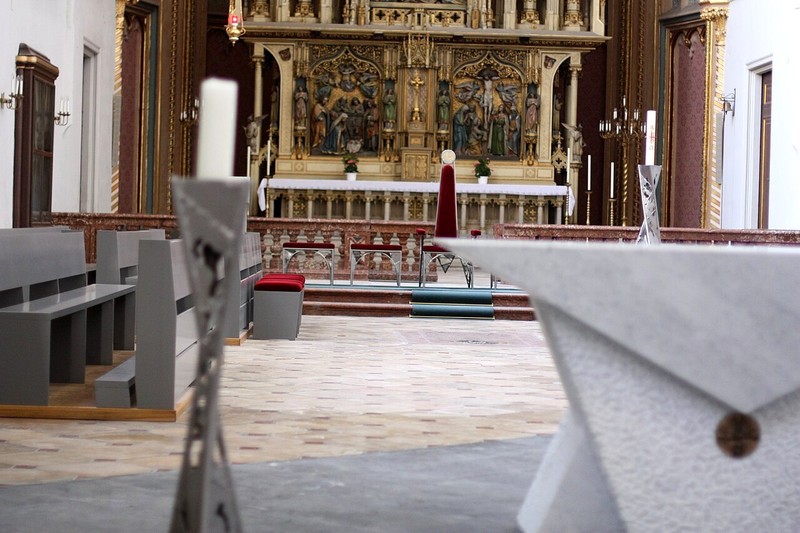
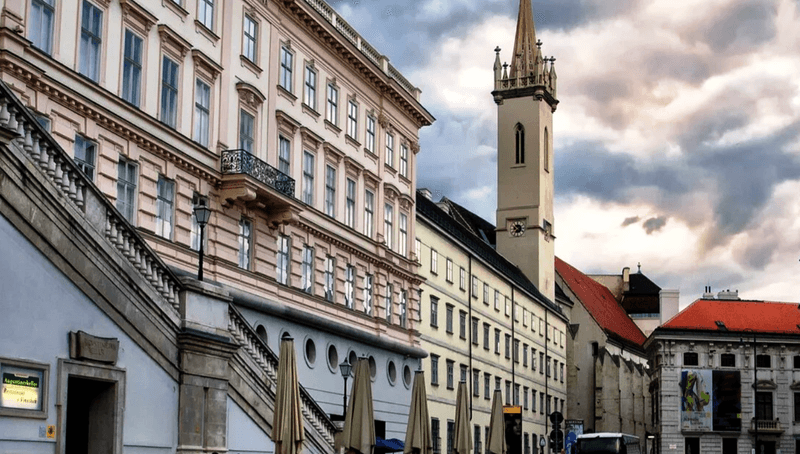
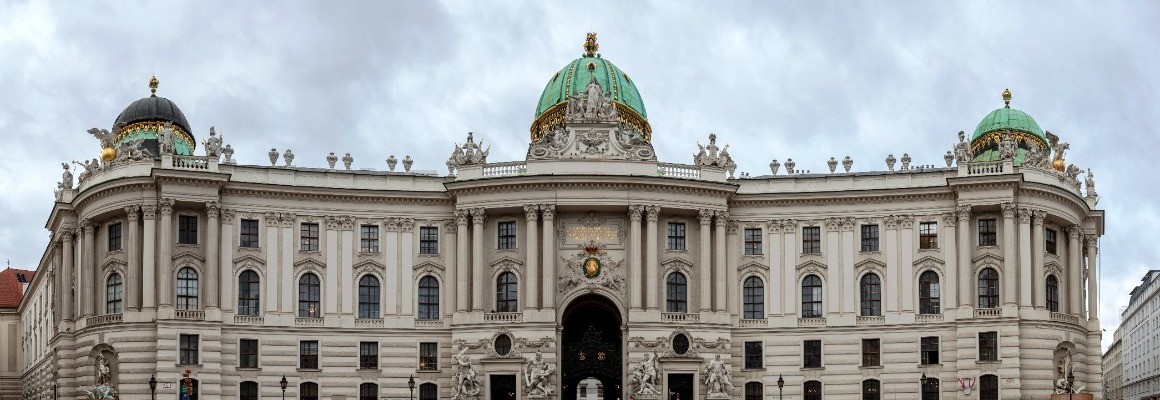
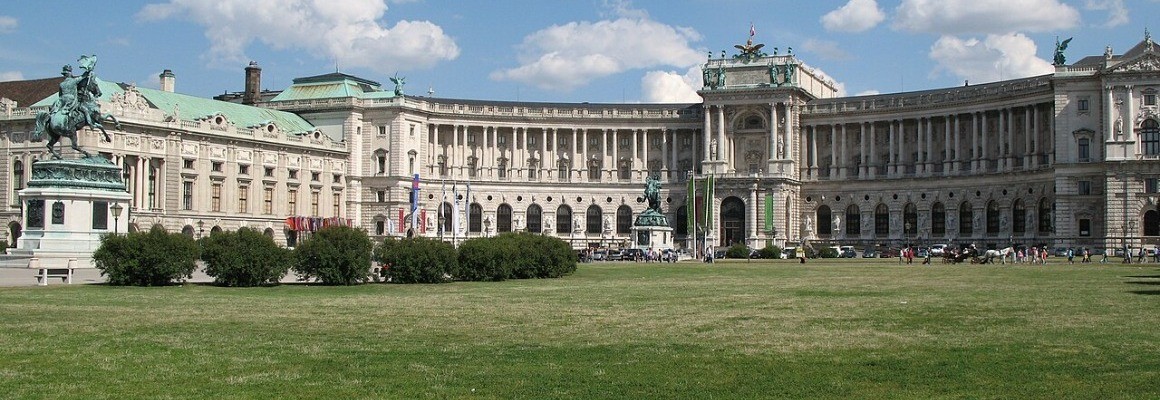
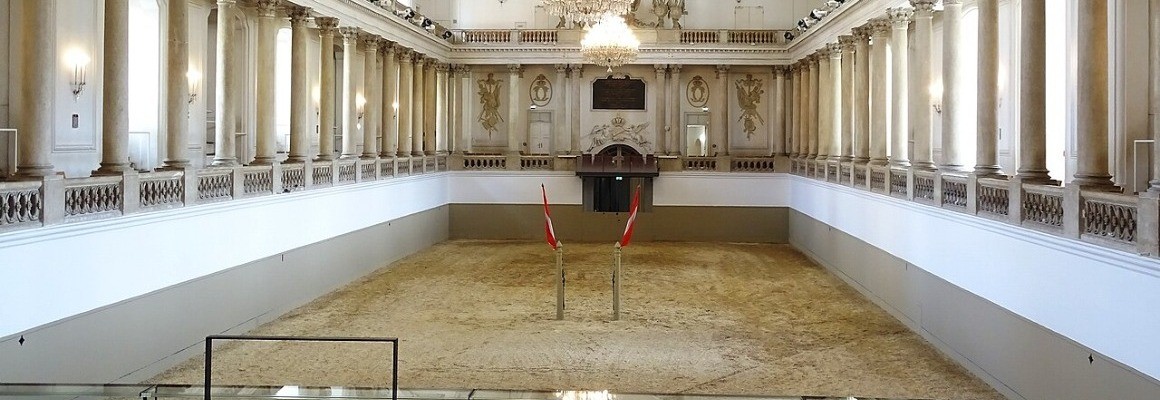
The Augustinian Church in Vienna, also known as the Augustinerkirche or the former Habsburg Court Church, is a Gothic Catholic church in the historic centre of Austria’s capital. It stands on Josefsplatz and forms part of the Hofburg Palace complex. The church is known for imperial weddings, a monumental tomb by Antonio Canova and a crypt containing the hearts of members of the Habsburg dynasty.
History of the church
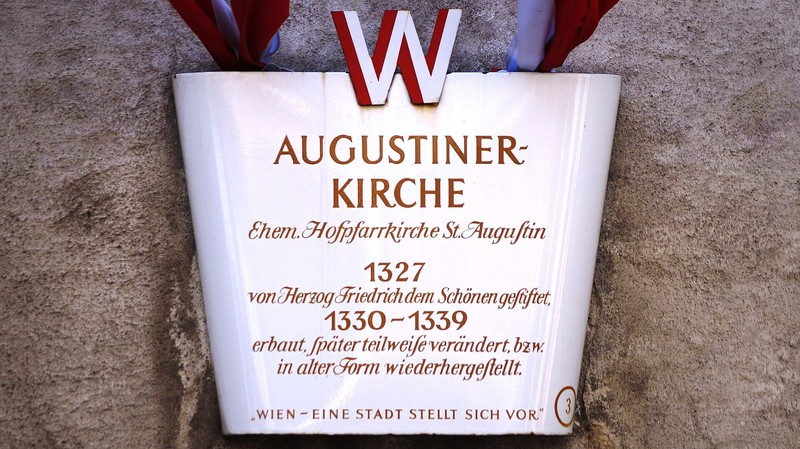
In 1327, Duke Frederick the Fair of the Habsburg dynasty founded an Augustinian monastery here. The main part of the church was built between 1330 and 1339 and consecrated on 1 November 1349. As the Hofburg expanded, the church became part of the imperial residence. In 1634, it was designated the imperial court church and retained this role until the end of the monarchy in 1918.
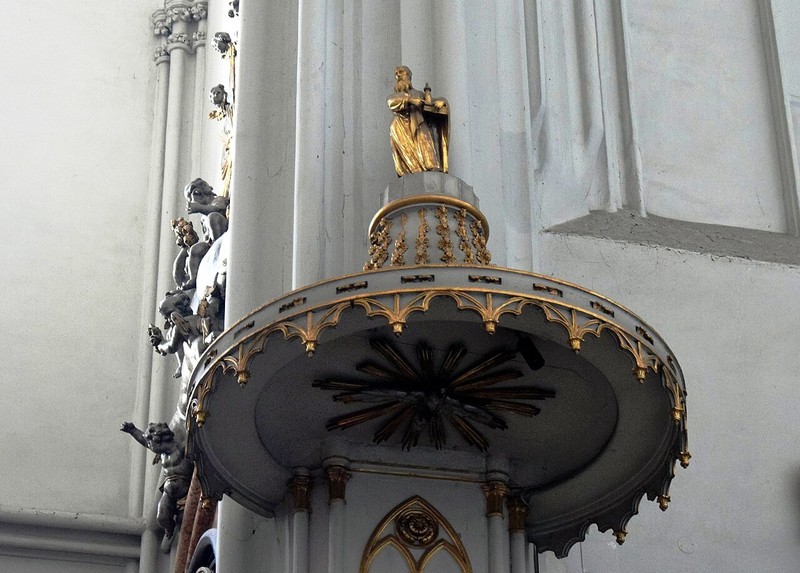
Baroque elements were added to the interior during the 18th century. However, in 1784–1785, Emperor Joseph II ordered a redesign in the Gothic style. The work was supervised by court architect Johann Ferdinand Hetzendorf von Hohenberg, and many side altars were removed.
Imperial weddings
The church hosted the wedding of Maria Theresa and Francis Stephen of Lorraine in 1736, the marriage of Emperor Franz Joseph I and Elisabeth of Bavaria, known as Sisi, in 1854, and the wedding of Crown Prince Rudolf and Princess Stéphanie of Belgium in 1881. Napoleon Bonaparte and Marie Louise of Austria were also married here in 1810.
Gothic architecture and Canova’s tomb
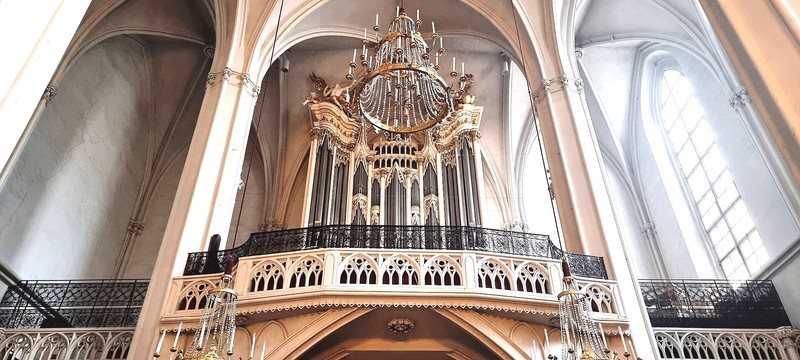
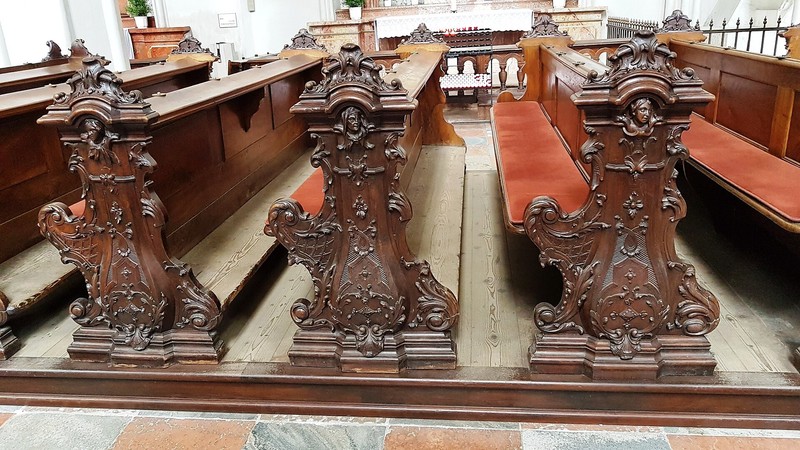
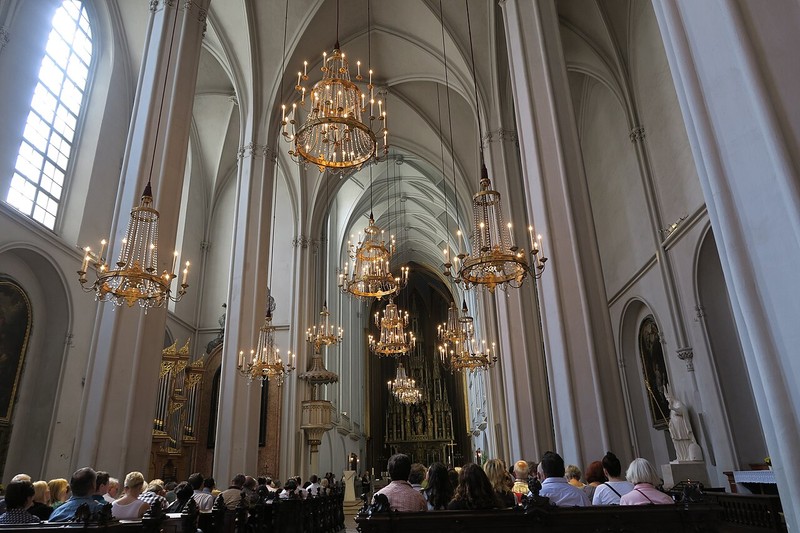
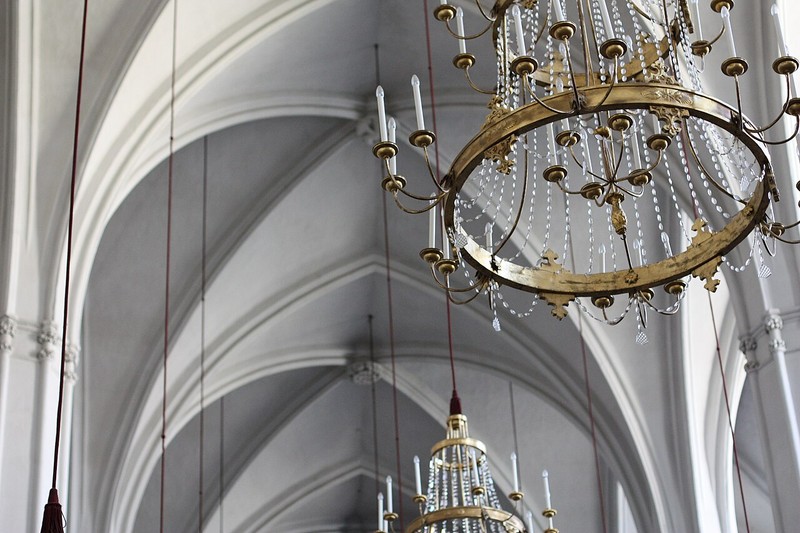
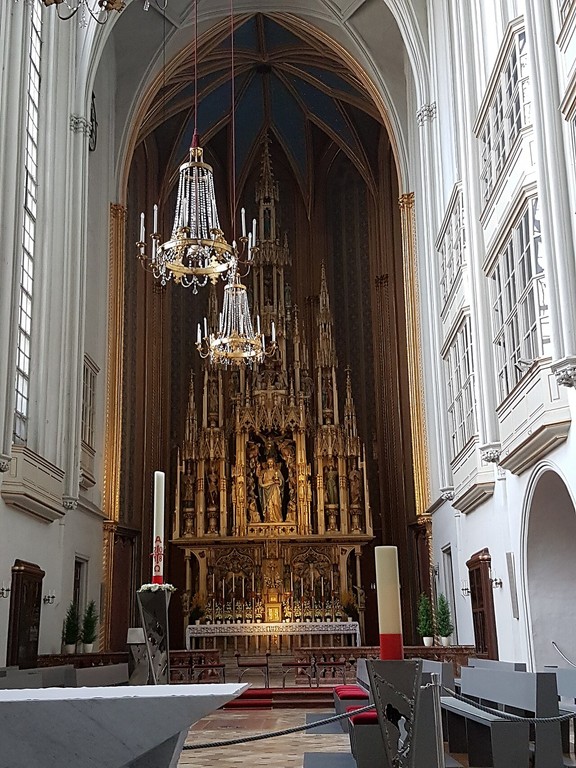
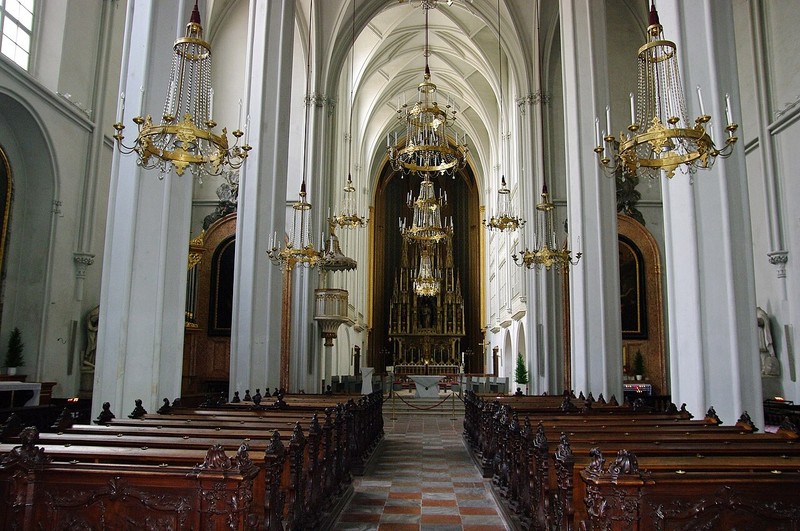
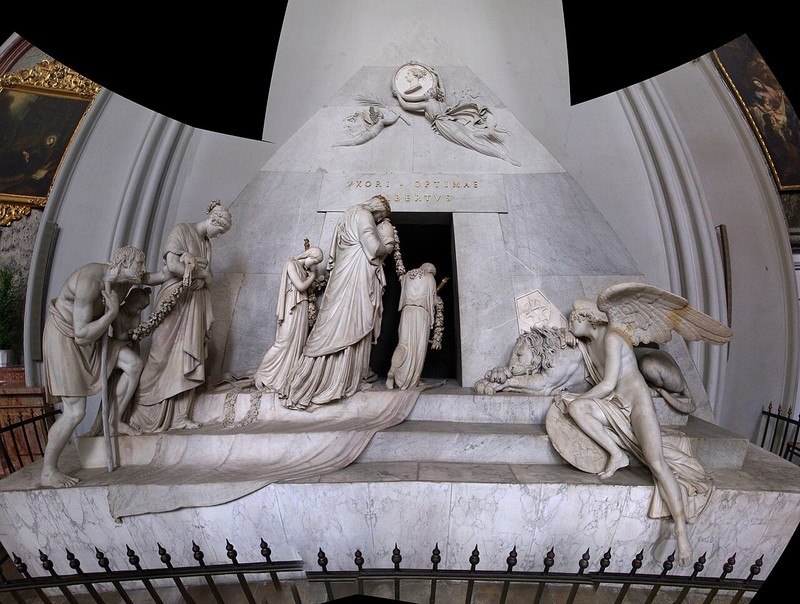
The church features an elongated Gothic interior, high vaults and relatively restrained decoration. One of its most important works of art is the tomb of Archduchess Marie Christine, daughter of Maria Theresa. Italian sculptor Antonio Canova created the monument from white Carrara marble between 1798 and 1805. Its pyramid-shaped composition and symbolic figures make it a masterpiece of Neoclassical funerary sculpture.
The Habsburg Heart Crypt
The Loreto Chapel contains a crypt where the hearts of 54 members of the Habsburg and Habsburg-Lorraine dynasties are kept in silver urns. According to the dynasty’s tradition, hearts were placed in the Augustinian Church, internal organs in St. Stephen’s Cathedral, and bodies in the Capuchin Imperial Crypt. Visits to the heart crypt are arranged separately, usually after the main Sunday Mass or by prior appointment.
Music and visiting
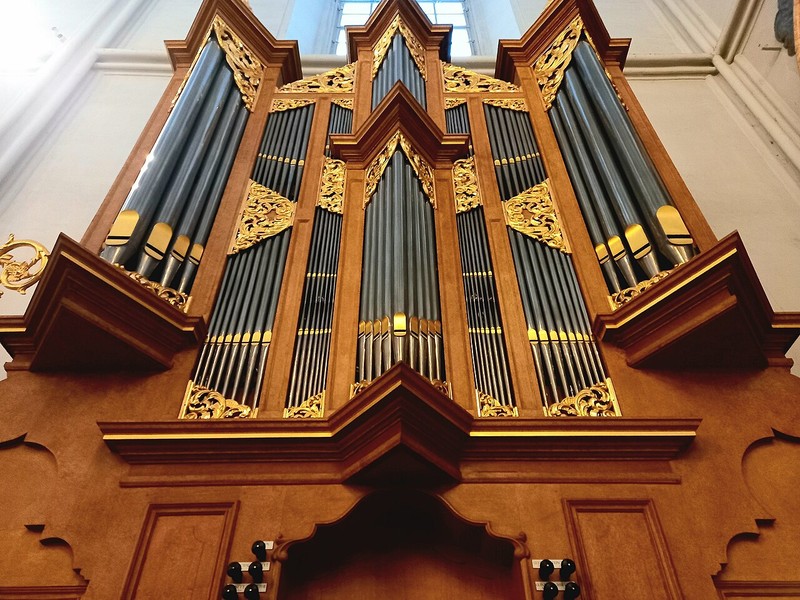
The church has a distinguished musical tradition. Franz Schubert conducted his Mass in F major here, and Anton Bruckner’s Mass in F minor received its first performance in this church. It remains an active Catholic parish and hosts religious services and concerts.
Address: Josefsplatz, 1010 Vienna, Austria. The church can be reached on foot from Stephansplatz or Herrengasse underground stations. Published opening hours are 8 am–5:30 pm on Mondays, Wednesdays and Fridays; 8 am–7:30 pm on Tuesdays and Thursdays; and 9 am–7:30 pm on Saturdays and Sundays. Check the church’s official website before visiting, as hours may change.
Why visit the Augustinian Church
The Augustinian Church combines medieval Gothic architecture, Habsburg history, Canova’s remarkable monument and the unusual heart crypt. It offers insight into the court culture and religious traditions of historic Vienna.
Gallery