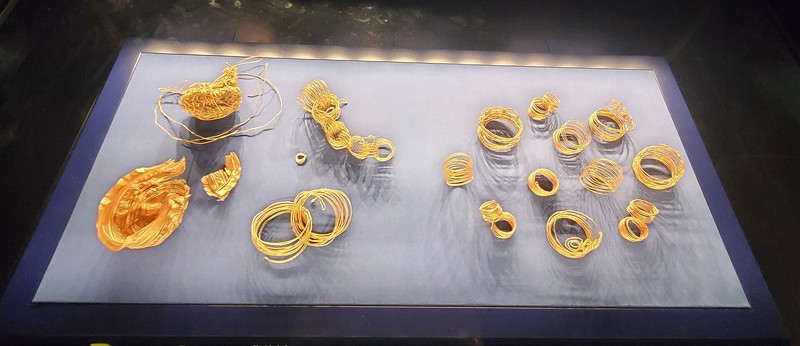
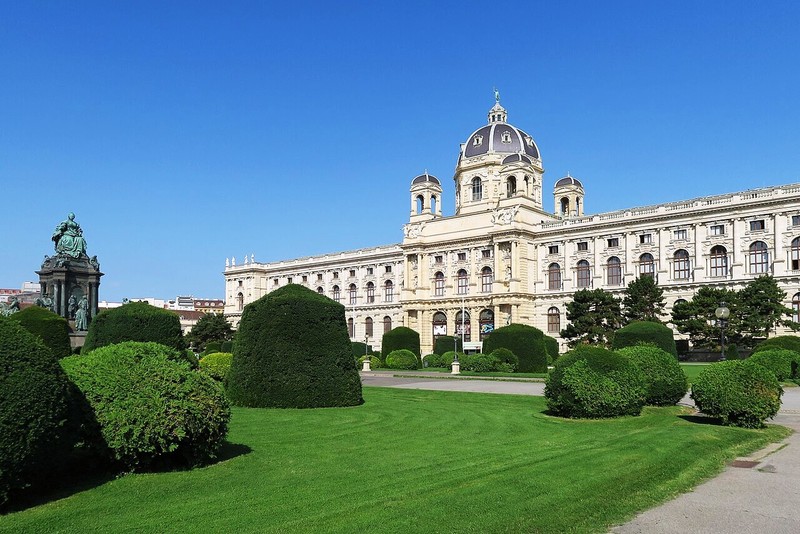
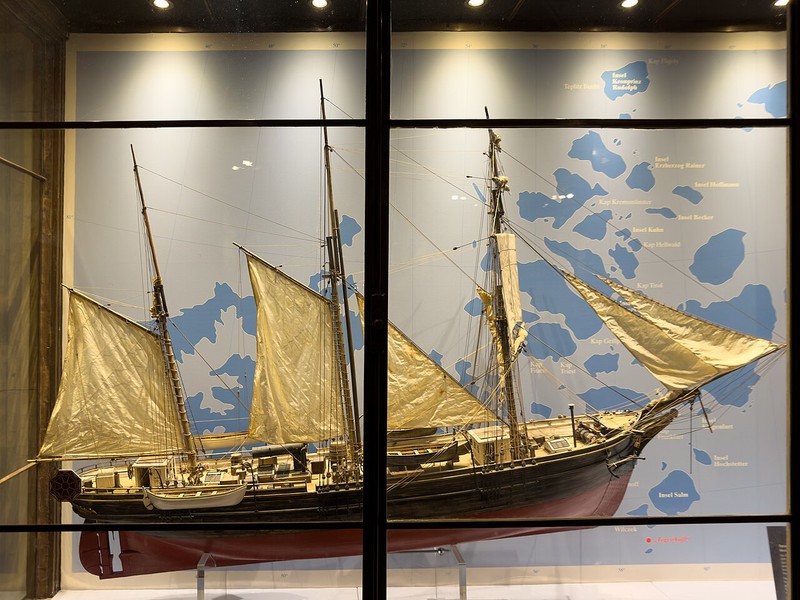
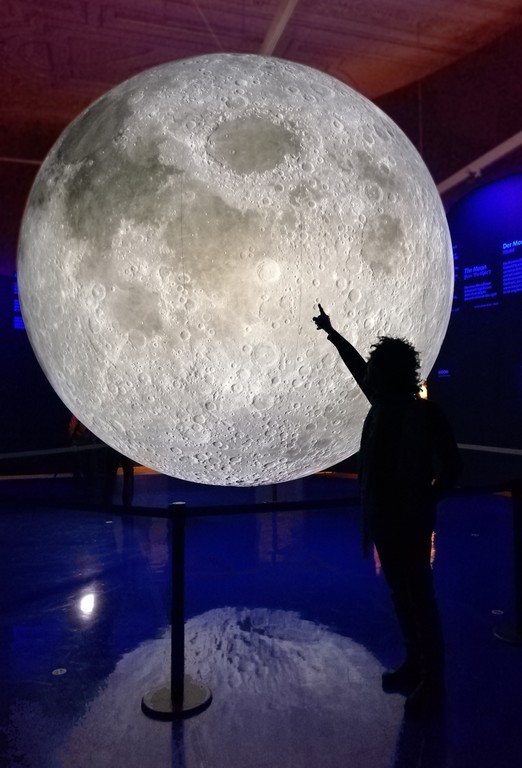
The Natural History Museum Vienna (Naturhistorisches Museum Wien) is one of Austria’s major scientific museums and a landmark in the historic centre of the capital. Its collections contain around 20 million objects relating to minerals, fossils, wildlife, human origins and the history of Earth. Highlights include the famous Venus of Willendorf, dinosaur skeletons, rare minerals and one of the world’s largest museum meteorite collections.
History of the museum
The museum’s collections grew from the tradition of collecting at the Habsburg court. In 1750, Emperor Francis I Stephen of Lorraine purchased the collection of scholar and collector Jean de Baillou. It contained around 30,000 natural history objects, including fossils, shells, corals, minerals and gemstones. The collection continued to expand until a dedicated building became necessary.
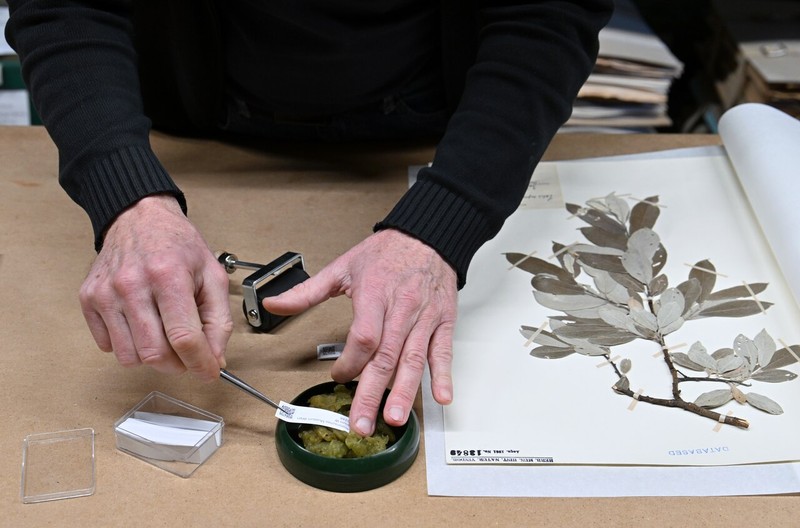
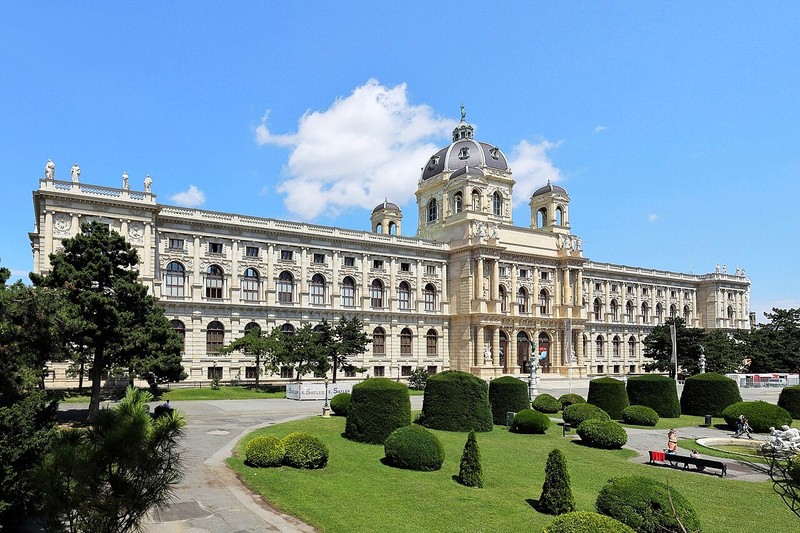
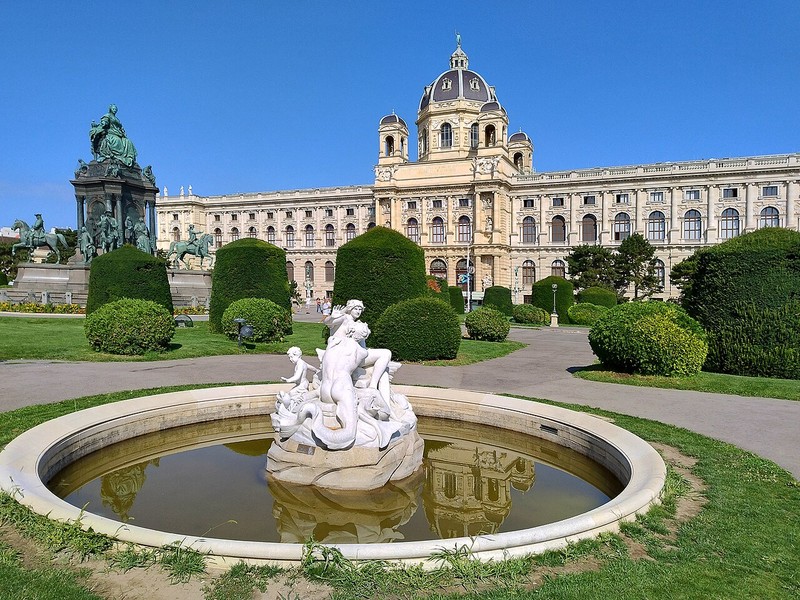
In the nineteenth century, plans were made for two major museums facing each other across Maria Theresa Square: the Natural History Museum and the Kunsthistorisches Museum. The architectural design was developed by Gottfried Semper and Carl von Hasenauer. The Natural History Museum opened to the public in 1889. Today, it functions as both an exhibition venue and a scientific institution where researchers study the collections.
Architecture
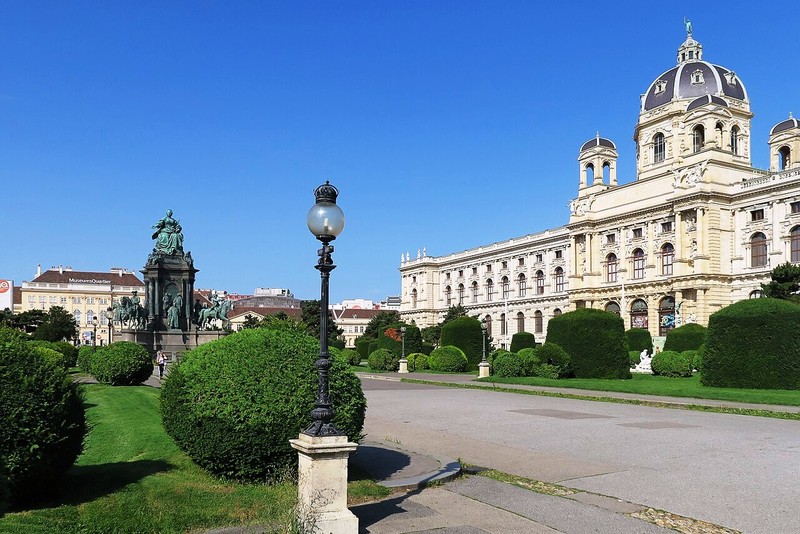
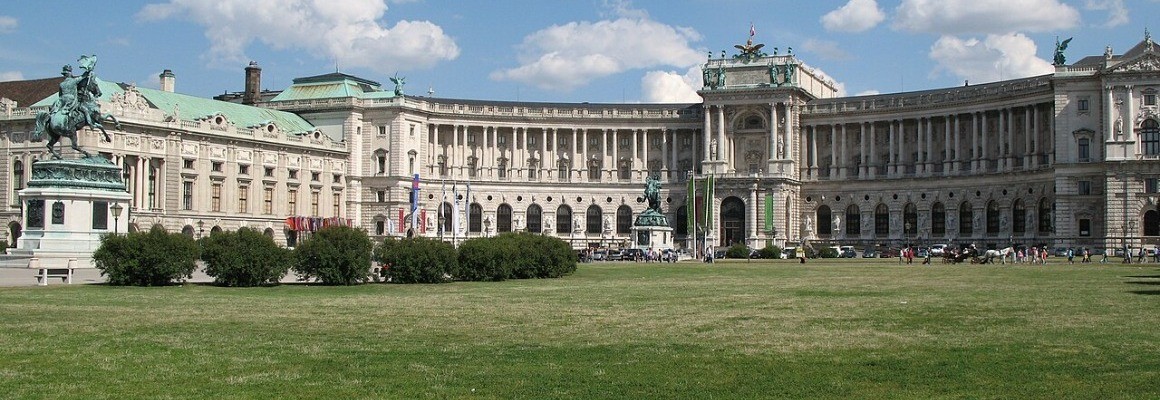
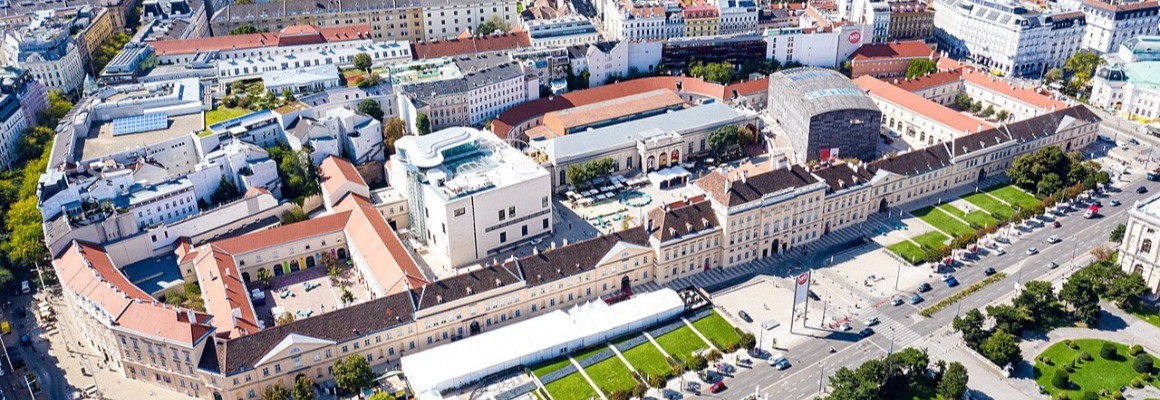
The museum stands on Maria Theresa Square, between the Hofburg Palace and the MuseumsQuartier. Its monumental building combines historicist architecture with Neo-Renaissance elements. A large dome crowns the central section, while the façades feature sculptures, busts of rulers and figures representing prominent scientists.
The architecture reflects the importance of science and collecting in nineteenth-century European culture. Grand staircases, spacious halls, decorative ceilings and elaborate interiors make the building interesting even for visitors whose main interest is architecture rather than natural science.
The Venus of Willendorf
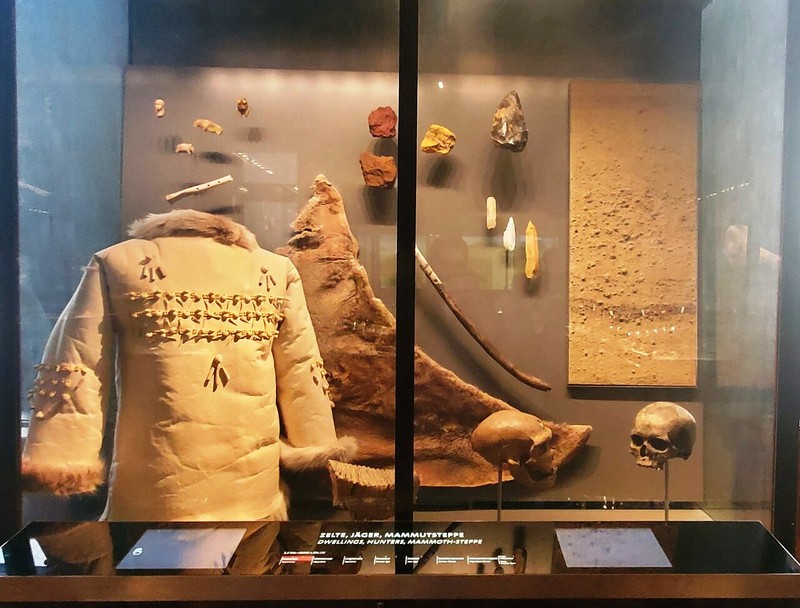
One of the museum’s best-known objects is the Venus of Willendorf, a prehistoric figurine about 11 centimetres tall. It is estimated to be approximately 29,500 years old and was discovered in 1908 in the Wachau region of Lower Austria. It is considered one of the most famous works of Palaeolithic art and an important archaeological discovery related to early human history.
The figurine’s original purpose remains uncertain. Researchers have proposed different interpretations of its symbolic meaning, making it fascinating not only for its age but also for the questions it raises about prehistoric beliefs and society.
The dinosaur hall
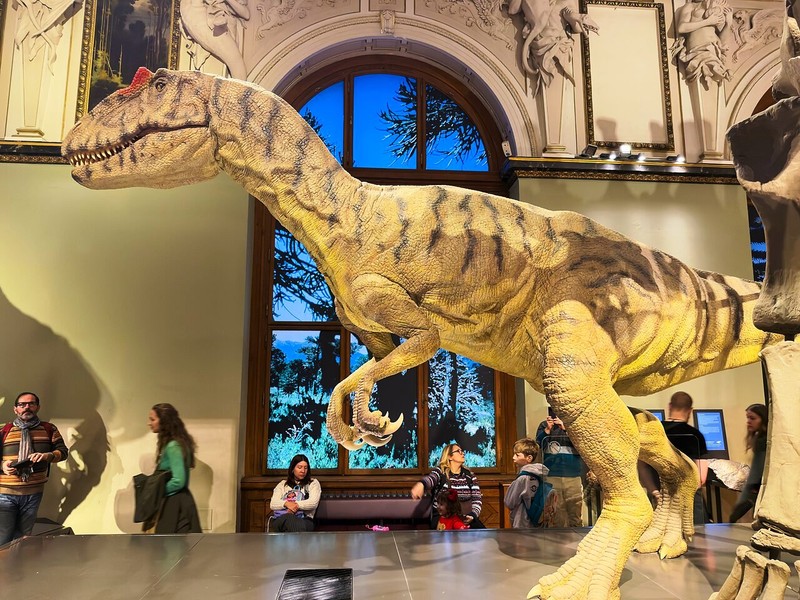
The dinosaur hall is one of the museum’s most popular areas, especially for families. It displays skeletons and remains of prehistoric animals, helping visitors imagine the scale and diversity of life in the distant past. The collection includes a Diplodocus skeleton and other evidence of giant prehistoric reptiles.
A lifelike model of an Allosaurus attracts particular attention because it moves and makes sounds. It gives visitors an impression of how a large predatory dinosaur might have looked. Explanatory displays introduce animal evolution and environmental changes over millions of years.
Minerals and gemstones
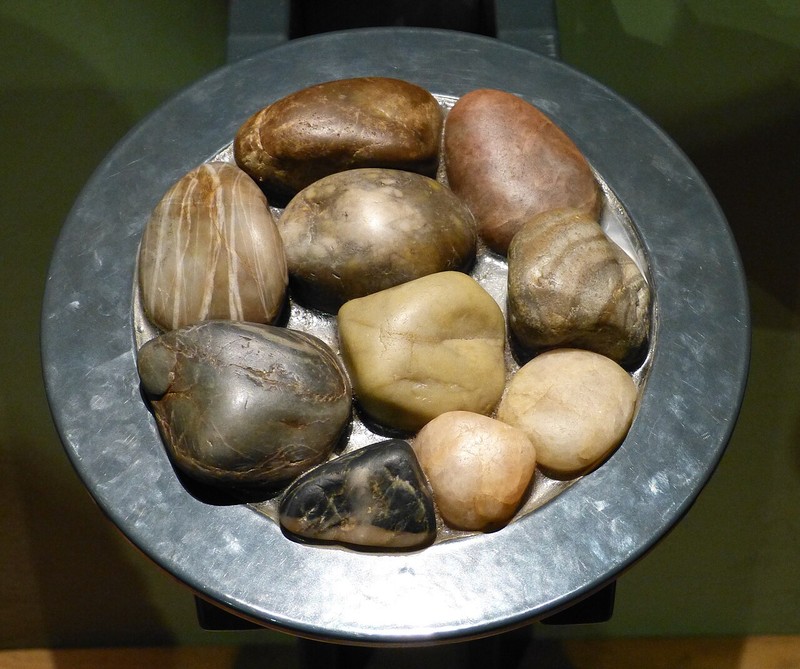
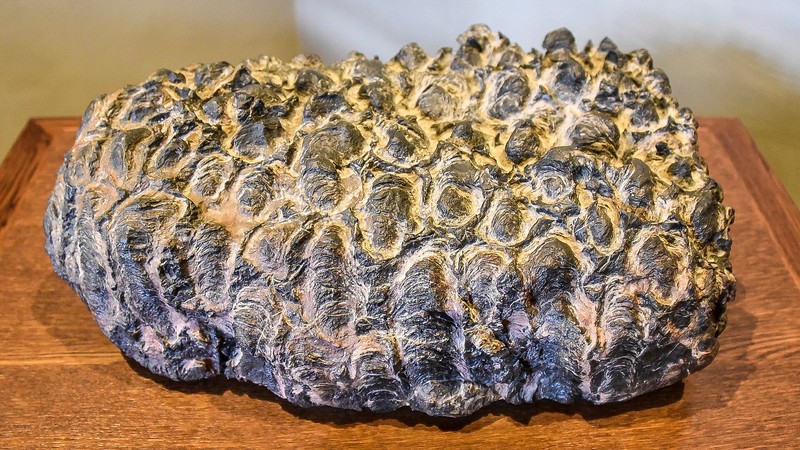
The mineralogy galleries contain crystals, ores, precious and semi-precious stones, and unusual geological specimens from around the world. The objects demonstrate the diversity of minerals in colour, shape, structure and origin. This collection is interesting both for specialists and for visitors who want to understand how rocks and crystals form.
The meteorite hall
The meteorite hall is another major attraction. It presents samples of material that travelled through space before reaching Earth. The displays explain where meteorites come from and why they are important for studying the Solar System. Visitors can compare different types of meteorites and learn how scientists analyse their composition.
Other museum collections
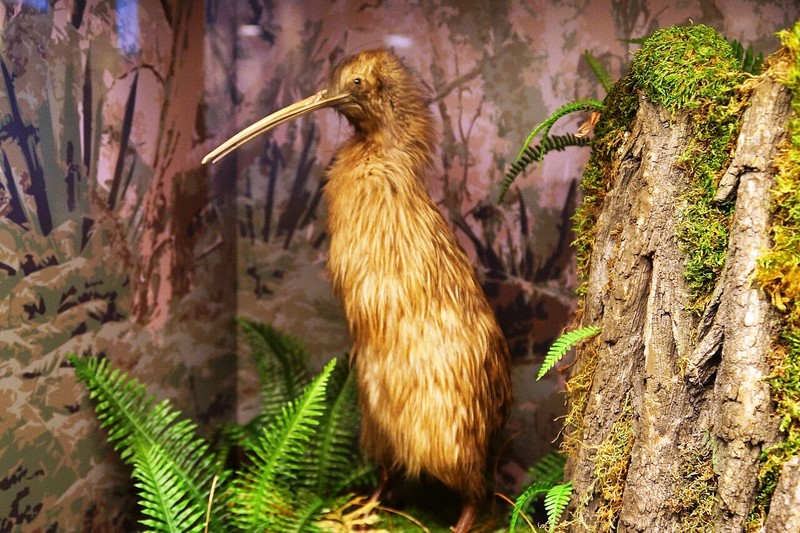
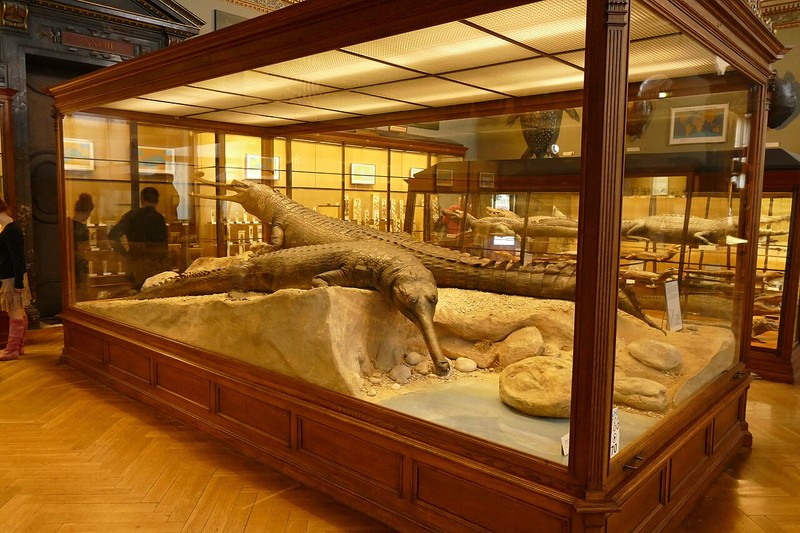
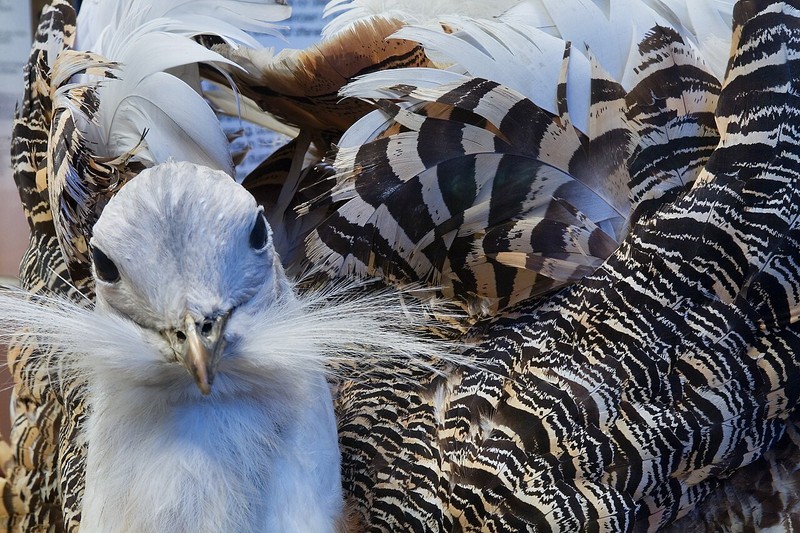
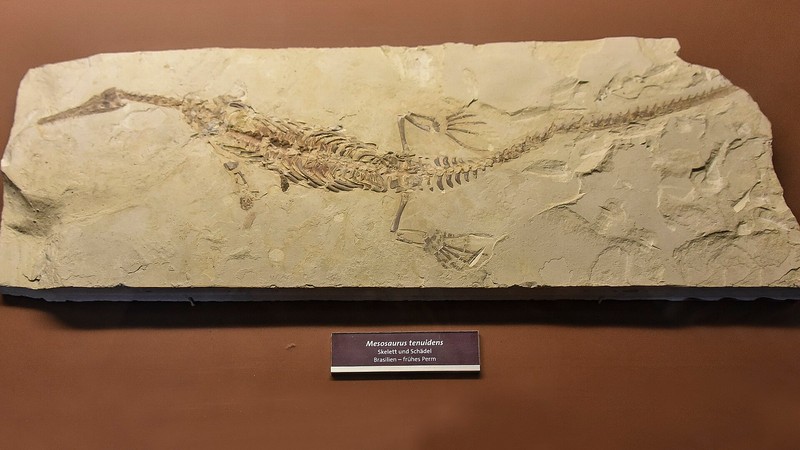
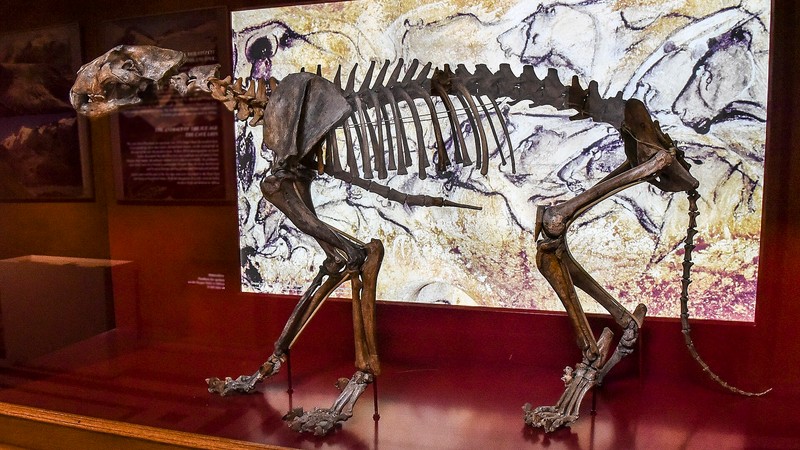
The exhibitions cover a wide range of natural science topics. The zoological galleries display preserved animals, including rare and extinct species. The palaeontological collections explore fossils and the development of life, while the anthropology displays examine human origins and evolution.
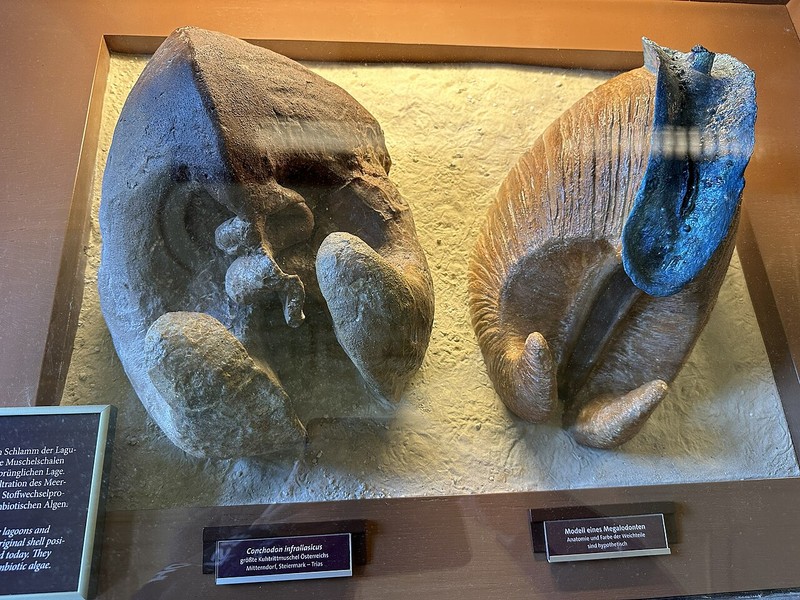
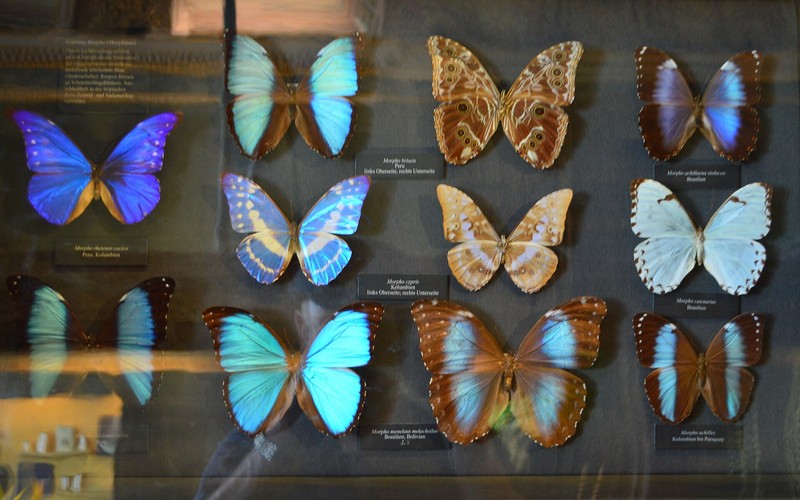
The collections of insects, marine organisms, corals and shells are also worth exploring. They reveal the diversity of living things and help visitors understand the relationships between organisms and their environments.
Visiting with children
The Natural History Museum Vienna is well suited to families. Children are often especially interested in dinosaurs, animals, meteorites and large mineral specimens. Allow several hours to explore the main galleries at a comfortable pace. If visiting with younger children, plan breaks and choose the most appealing sections in advance.
The museum also offers educational events and guided tours. Programme schedules and access to individual galleries may change, so check the official website before your visit.
How to get there
The museum is located at Maria-Theresien-Platz, 1010 Vienna, in the city centre. Convenient underground stations include Volkstheater on line U3 and Museumsquartier on line U2. Tram services also run nearby. From the Vienna State Opera or St Stephen’s Cathedral, the museum can be reached on foot in approximately 15–20 minutes, depending on the route.
Opening hours and tickets
According to the museum’s current information, it is open Thursday to Monday from 9 a.m. to 6 p.m. and on Wednesday from 9 a.m. to 8 p.m. Tuesday is normally the weekly closing day. Last admission is 30 minutes before closing. Check the official website for schedule exceptions before travelling.
The published standard adult ticket price is €18, while a reduced ticket costs €14. Admission is free for children and teenagers under 19. Prices and conditions may change. Allow at least three hours for a visit, or most of a day if you want to explore several galleries in detail.
The Natural History Museum Vienna brings together the history of Earth, archaeology, palaeontology, mineralogy and zoology under one roof. Its famous objects, varied collections and impressive architecture make it one of the leading museums in the Austrian capital.
Gallery