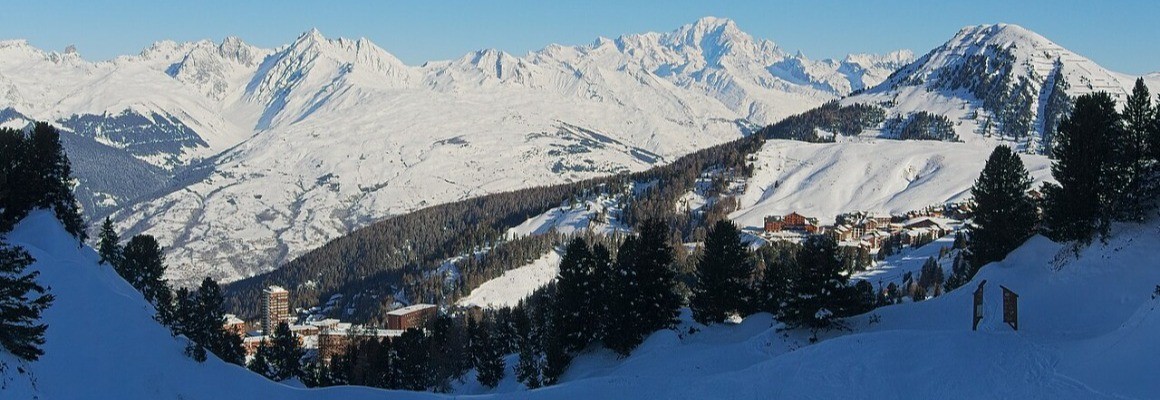
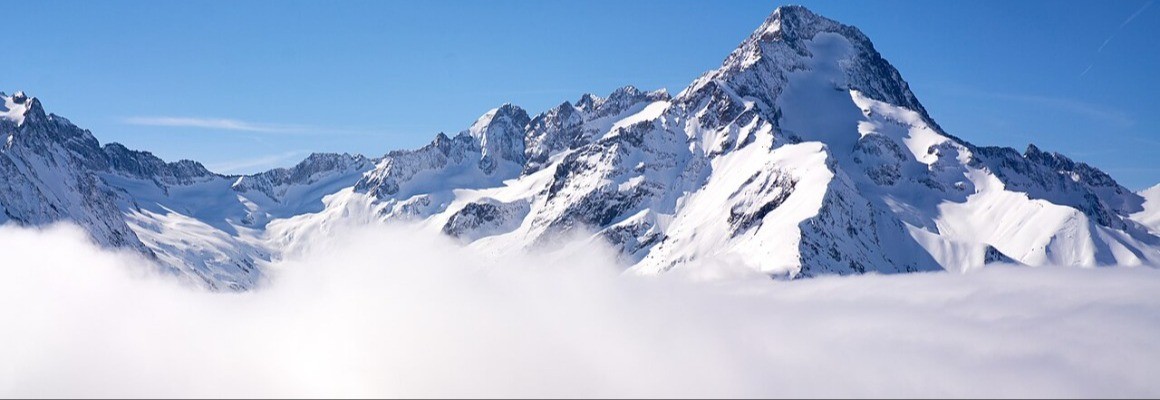
Vanoise National Park is one of the most scenic protected areas in the French Alps. It lies in the Savoie department of the Auvergne-Rhône-Alpes region, between the Tarentaise and Maurienne valleys. Established on July 6, 1963, it became France's first national park. Its mountain landscapes combine high peaks, glaciers, alpine meadows, forests, lakes, and deep valleys.
The park's core area covers approximately 533 km². It contains numerous peaks rising above 3,000 metres, including Grande Casse, the highest summit in the Vanoise massif, reaching about 3,855 metres. Glaciers, water, and temperature changes have shaped the mountainous terrain. Visitors can see rocky ridges, moraines, glacial cirques, and high-altitude lakes.
Glaciers and Mountain Lakes
Glaciers are among the defining natural features of Vanoise. They shape high mountain valleys, feed streams and rivers, and support sensitive alpine ecosystems. Glacial landscapes are especially striking in clear weather, when white snowfields contrast with dark rock and green pastures. However, glaciers are gradually shrinking as the climate changes, making the park important for scientific research as well.
The mountains contain cold, clear lakes, wetlands, and small streams originating near snowfields. These habitats support specialized plants and animals. Such environments are fragile and should be treated with care: stay on permitted trails, avoid trampling delicate vegetation, and take all rubbish away.
Wildlife
Vanoise is known for its rich alpine wildlife. It is home to one of France's largest populations of Alpine ibex, animals well adapted to steep slopes and rocky ledges. Chamois, marmots, and mountain hares can be seen in meadows and among rocks. Foxes, martens, and other mammals inhabit the forests and high mountain areas.
Birdlife is also important. Golden eagles and bearded vultures soar above the mountain slopes, representing characteristic species of alpine ecosystems. Black grouse and many other birds inhabit forests and open slopes. Preserving quiet natural areas allows wildlife to feed, breed, and move between habitats.
Vegetation and Alpine Meadows
The park's vegetation changes with altitude and local conditions. Coniferous and mixed forests grow in the lower valleys, while pastures and alpine meadows occupy higher ground. Near cliffs and snowfields, small plants survive cold temperatures, strong winds, and short summers. In spring and summer, meadows bloom with edelweiss, gentians, and other plants characteristic of the Alps.
Hundreds of plant species have been recorded in the region, including rare and protected varieties. Natural communities depend on traditional grazing, soil conditions, and water levels. Park conservation therefore protects not only animals and landscapes but also distinctive alpine vegetation.
Hiking Trails and Mountain Refuges
Vanoise National Park offers many opportunities for day walks and multi-day treks. A network of marked trails connects the Maurienne and Tarentaise valleys, crossing alpine pastures, mountain passes, and mountain refuges. Well-known long-distance routes, including the GR5 and sections of the Via Alpina, also cross the massif. Visitors can choose short walks from nearby villages or longer treks with overnight stays in refuges.
Popular options include routes around the Vanoise glaciers, walks in the valleys near Pralognan-la-Vanoise and Champagny-en-Vanoise, and climbs to mountain lakes and viewpoints. Before setting out, consider the elevation gain, distance, and your fitness. Mountain weather can change quickly, and snow may remain on some sections even in summer. Check trail conditions, forecasts, and refuge availability in advance.
Best Time to Visit
For most hiking routes, June through September is the most convenient period, although conditions depend on altitude, snow cover, and weather. High passes may still be snowy in early summer, while autumn brings shorter days and a greater chance of early snowfall. In winter, the region attracts visitors seeking snowy scenery and mountain sports, but travel requires appropriate equipment and preparation.
How to Get There
The park can be reached from the Tarentaise and Maurienne valleys. Convenient starting points include Bourg-Saint-Maurice, Moûtiers, Modane, Pralognan-la-Vanoise, and other mountain settlements. Nearby towns can be reached by train or car, followed by local roads and seasonal buses where available. The best approach depends on the part of the park you plan to visit and the starting point of your hike.
Vanoise National Park combines impressive alpine scenery, rich wildlife, and opportunities for outdoor adventure. It offers many ways to experience the French Alps, from forested valleys to glaciated peaks. To help preserve this fragile environment, visitors should follow park regulations, respect wildlife, and remain on marked trails.
Gallery