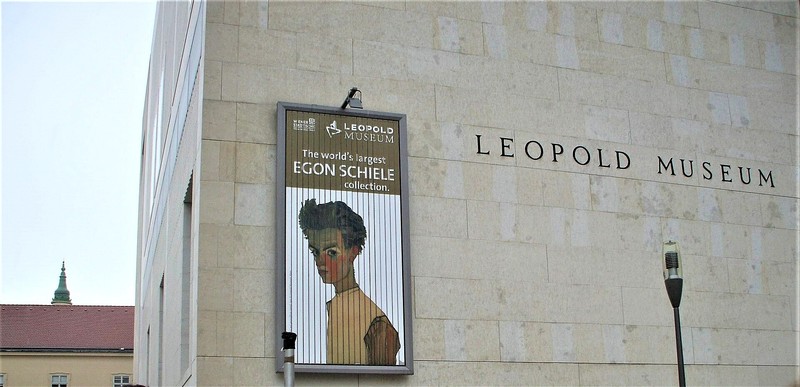
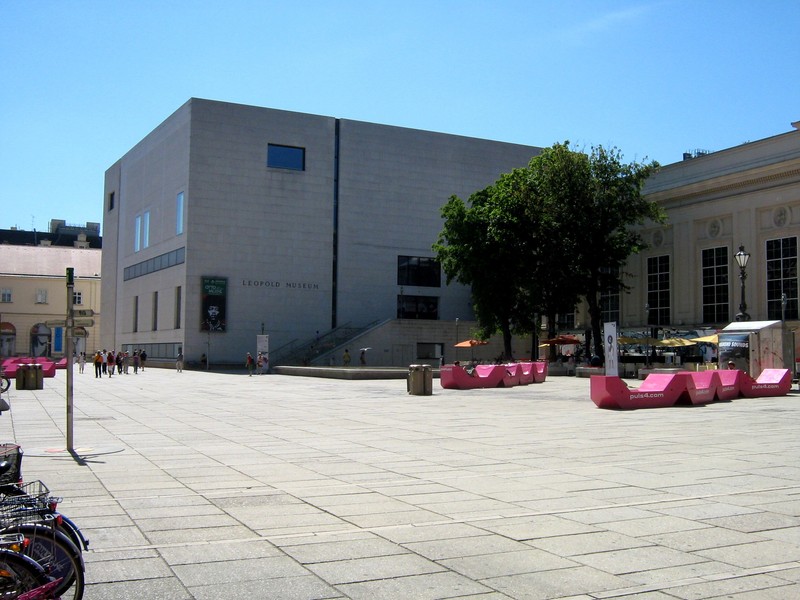
The Leopold Museum is one of Vienna’s leading art museums, devoted to Austrian art from the nineteenth and twentieth centuries. Located in the MuseumsQuartier, it is best known for housing the world’s most comprehensive collection of works by Egon Schiele. The museum also presents works by Gustav Klimt, Oskar Kokoschka, Richard Gerstl and other artists who shaped Austrian Modernism.
The collection traces the development of Austrian art from nineteenth-century movements to Modernism and Expressionism. It offers insight into Vienna around 1900, when artists sought new ways to portray people, nature and modern life.
History of the museum
The collection was assembled over several decades by Rudolf and Elisabeth Leopold. Rudolf Leopold was an ophthalmologist whose passion for art became widely known. From the 1950s onwards, he acquired works by Austrian artists, including some who had not yet received broad recognition.
Works by Egon Schiele and Gustav Klimt became central to the collection. In 1994, with support from the Republic of Austria and the Austrian National Bank, a large part of the collection was transferred to the Leopold Museum Private Foundation.
In 2001, the collection moved to a purpose-built building in the MuseumsQuartier. Rudolf Leopold directed the museum until his death in 2010. Today, the institution preserves, researches and expands the collection through permanent and temporary exhibitions.
Architecture
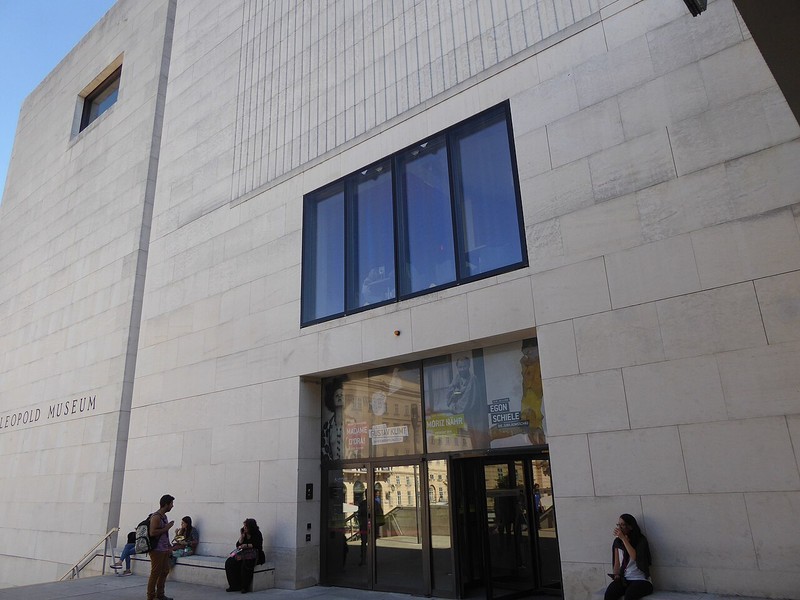
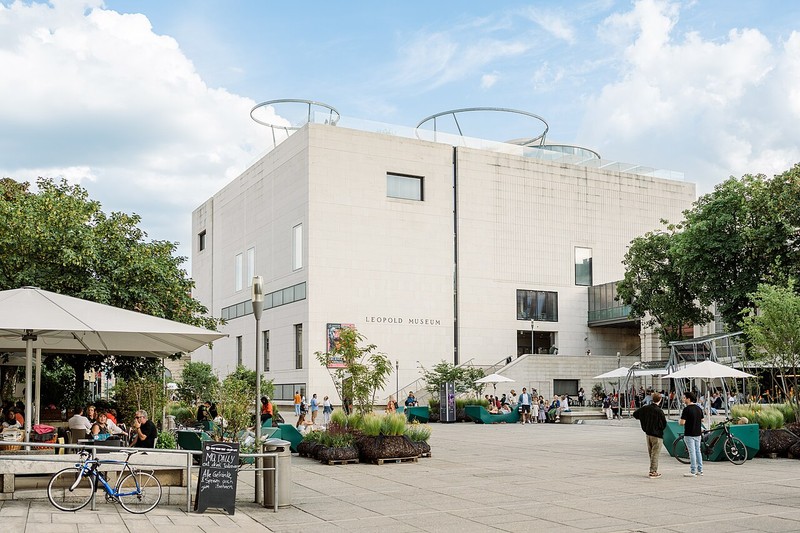
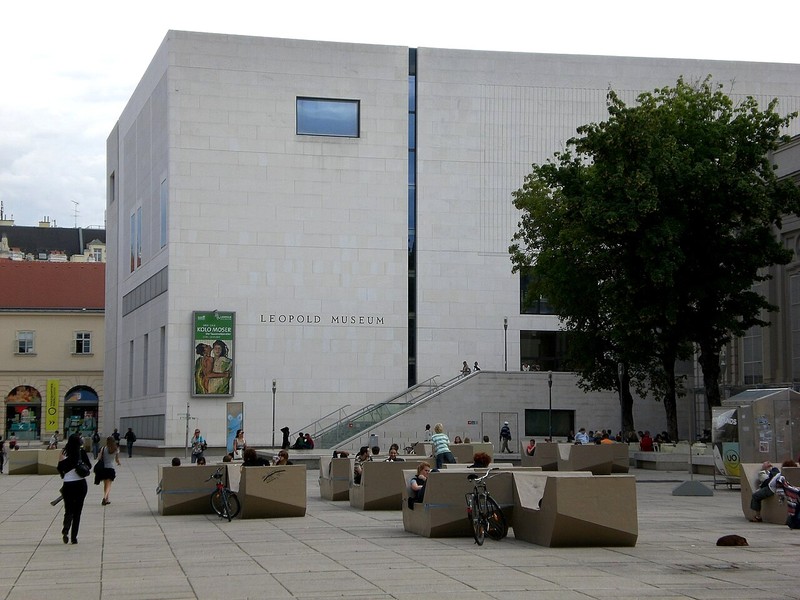
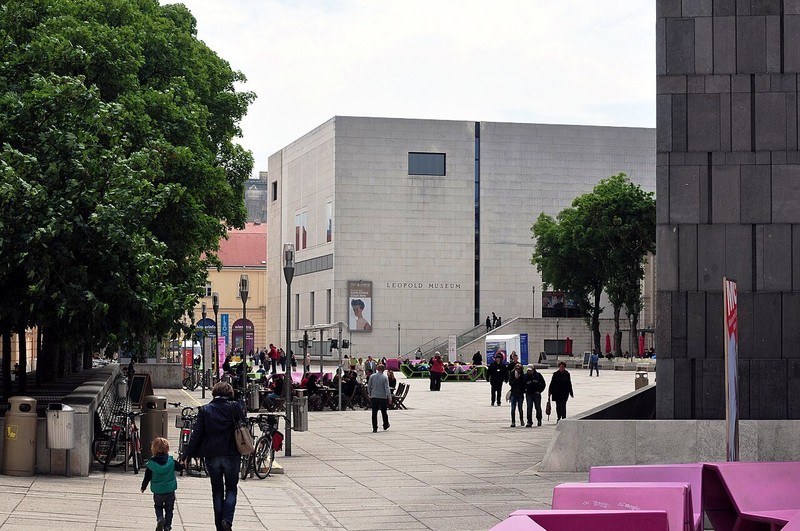
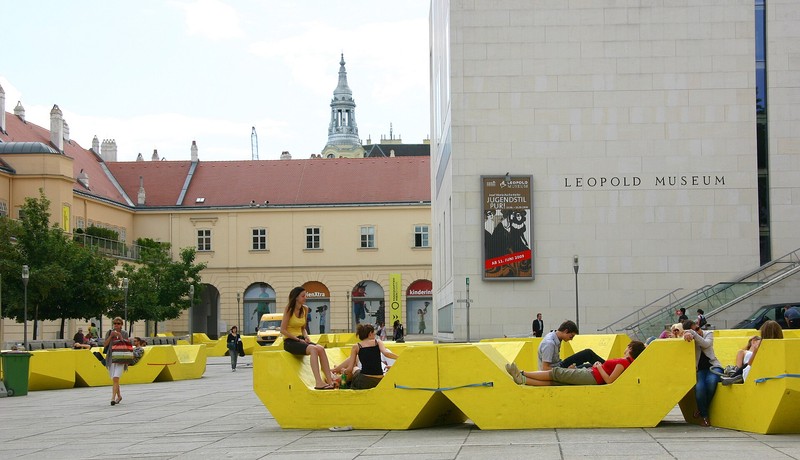
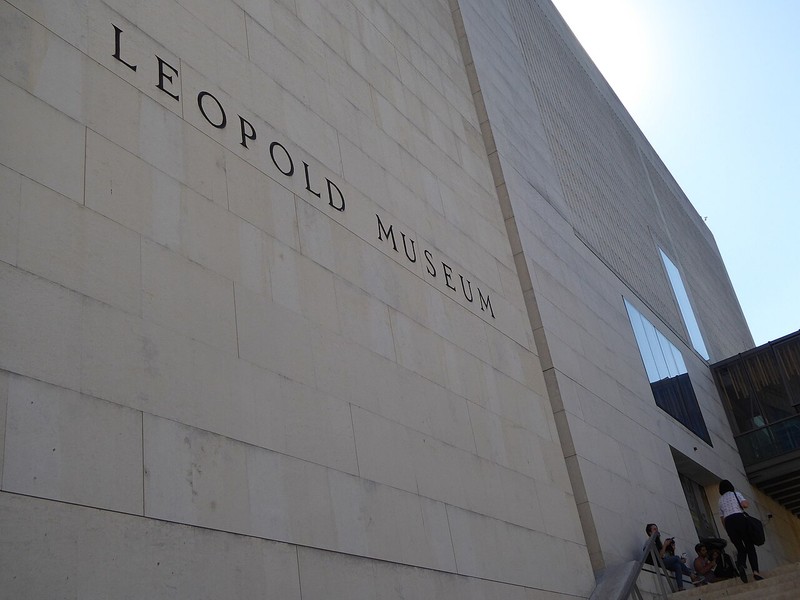
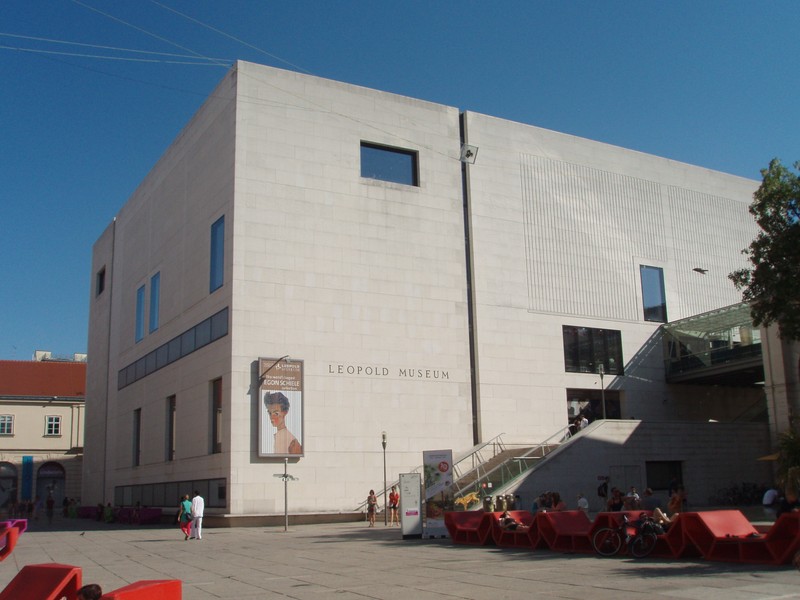
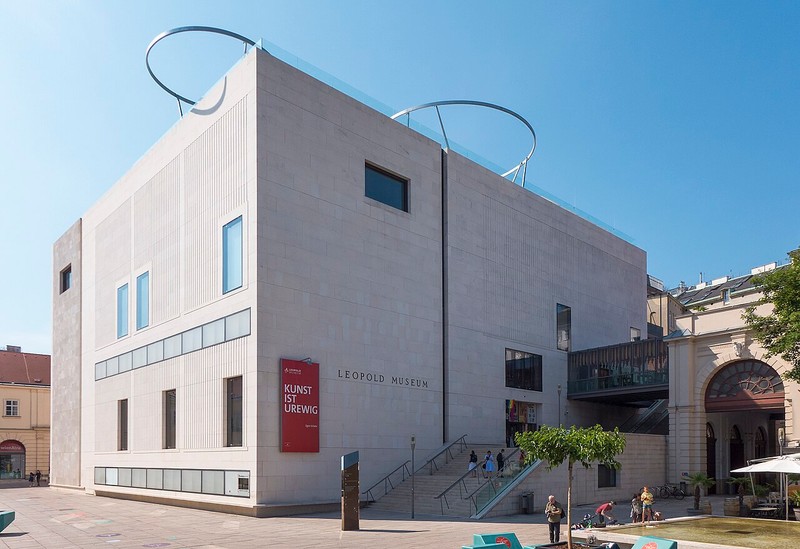
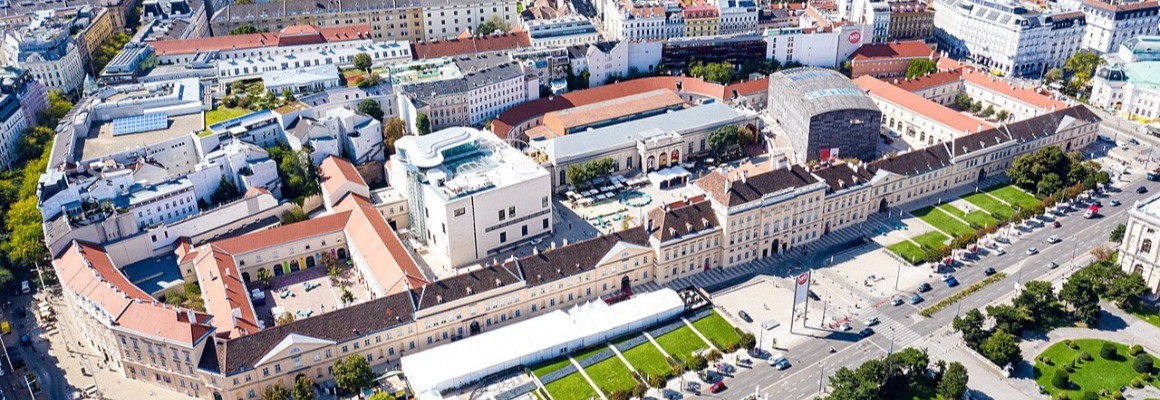
The museum building was designed by Austrian architects Laurids and Manfred Ortner of Ortner & Ortner. It is a bright cube clad in white shell limestone. Its minimalist form contrasts with the historic buildings of the MuseumsQuartier and emphasises the contemporary character of the cultural complex.
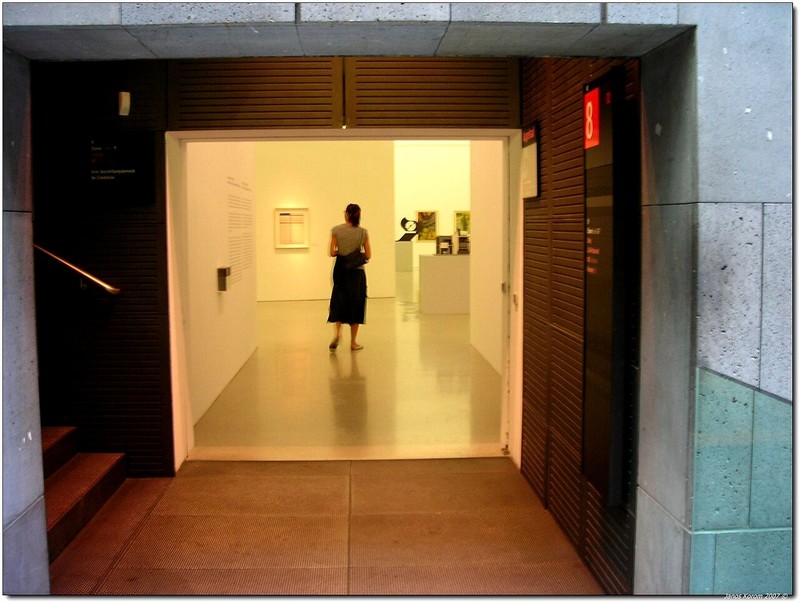
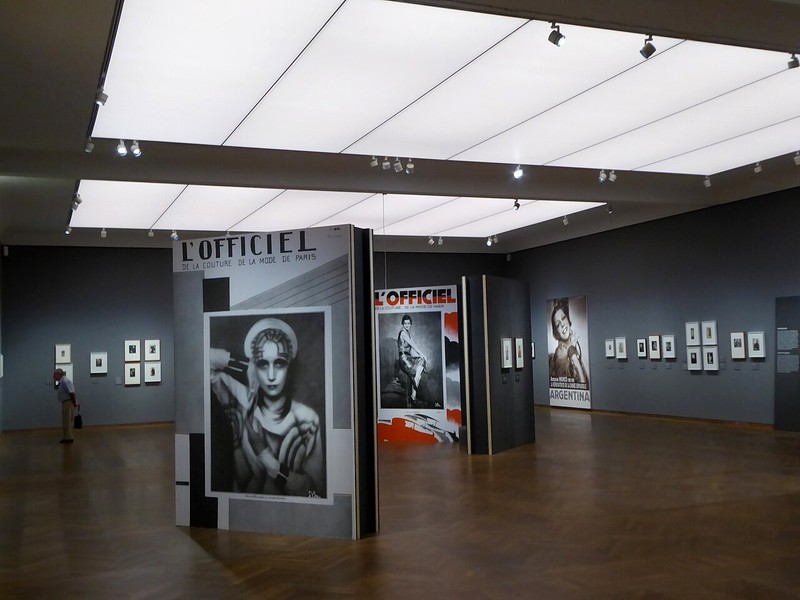
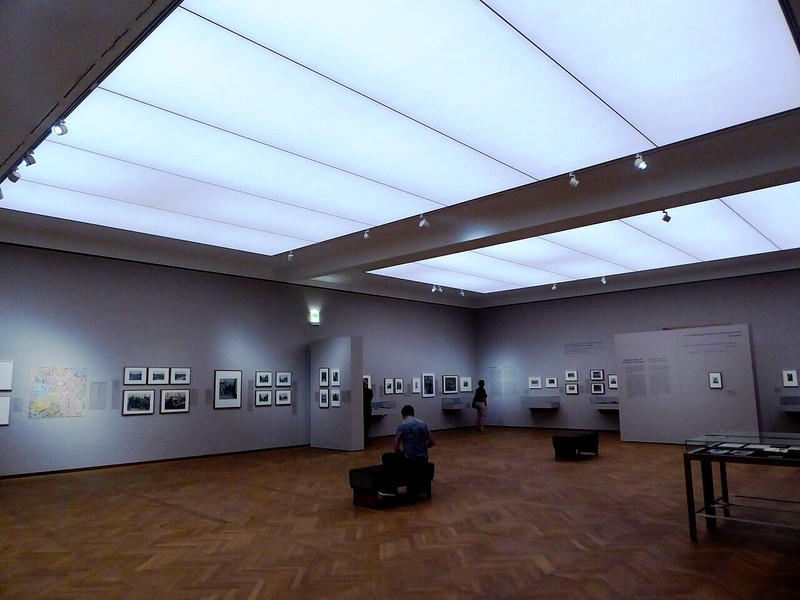
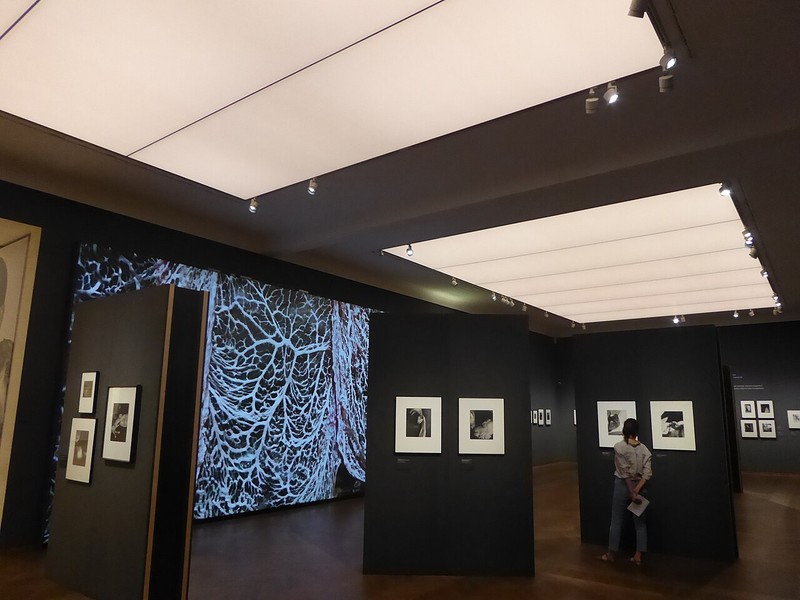
The exhibition spaces are designed to accommodate artworks and temporary displays. Bright galleries, spacious passages and large windows create an open atmosphere. The museum has several exhibition levels, with approximately 5,400 square metres of exhibition space.
The Egon Schiele collection
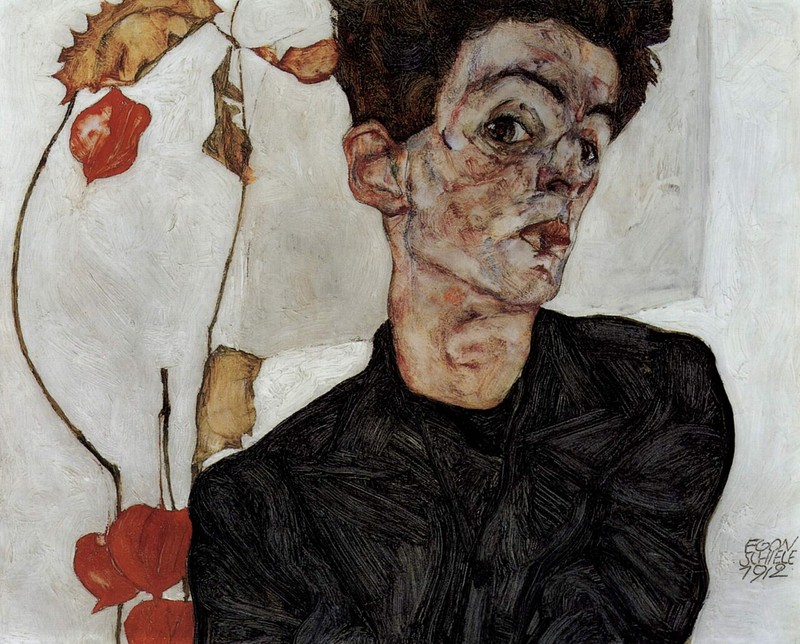
The museum’s principal attraction is its extensive collection of Egon Schiele, one of the most distinctive figures of Austrian Expressionism. His works are known for expressive lines, tense poses, unusual proportions and an intense interest in human psychology.
The museum holds more than 220 works by Schiele, including paintings and works on paper. Notable pieces include Self-Portrait with Physalis, alongside landscapes, portraits and drawings that reveal different stages of his career.
Schiele worked in the early twentieth century and helped shape Expressionism. His frank depictions of the human body and emotionally charged figures were often considered provocative by his contemporaries. Today, his work is recognised as a major part of European Modernism.
Works by Gustav Klimt
Another major part of the collection is devoted to Gustav Klimt, a pioneer of Viennese Modernism and a leading figure of the Vienna Secession. His art combines decorative elements, elaborate ornament and symbolic themes. Important works at the museum include Death and Life and landscapes painted during summer stays in Austria’s Salzkammergut region.
In On Lake Attersee, nature becomes a complex arrangement of colour, rhythm and detail. Klimt helped found the Vienna Secession in 1897, an artists’ association that promoted creative freedom and a break from academic conventions.
Oskar Kokoschka and Richard Gerstl
The museum also displays works by Oskar Kokoschka, a painter, graphic artist and writer known for expressive portraits and an emotionally charged style. His work is associated with Expressionism and the search for new ways to convey personality through colour, form and dynamic brushwork.
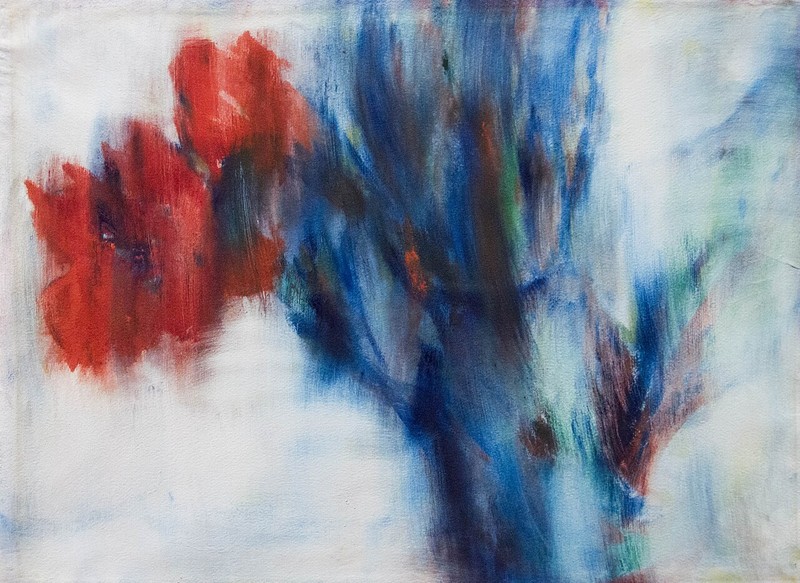
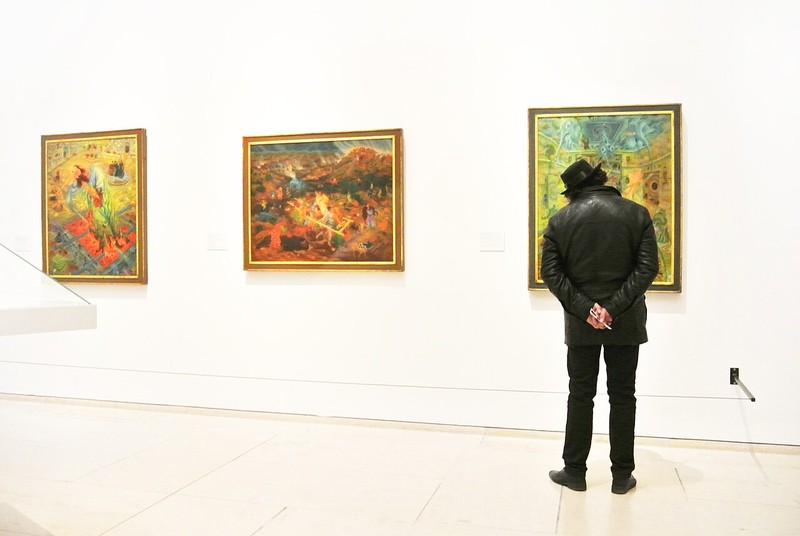
Richard Gerstl is another important artist in the collection. His works are notable for intense colour and bold handling. Although he received little recognition during his lifetime, he is now regarded as an early figure in Austrian Expressionism. The museum also includes works by Alfred Kubin, Anton Romako, Albin Egger-Lienz and other Austrian artists.
Viennese Modernism and the Wiener Werkstätte
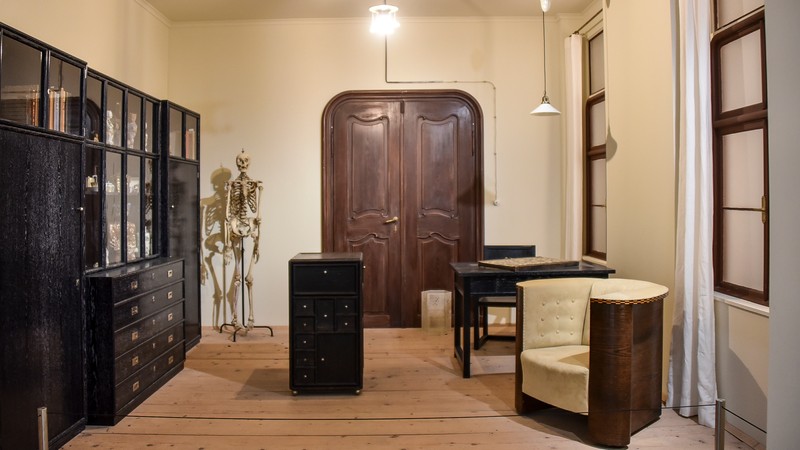
An important part of the collection explores Viennese Modernism and the Wiener Werkstätte, founded in 1903. Its members sought to unite art, craftsmanship and everyday design, producing furniture, ceramics, textiles, jewellery and interior objects.
The museum displays works and objects associated with Josef Hoffmann, Koloman Moser and other designers. They show how Modernist ideas extended beyond painting into architecture, furniture and decorative arts.
Other works and exhibitions
The collection also covers nineteenth-century Austrian art, including Biedermeier painting and artists who preceded the Expressionists. The museum holds around 9,000 works. Alongside paintings and drawings, the collection includes furniture, decorative objects and selected pieces from Africa, Oceania and East Asia.
Temporary exhibitions regularly focus on individual artists, artistic movements and contemporary interpretations of art. Check the museum’s official website for the current programme before visiting.
Café and visitor facilities
The museum has a café where visitors can take a break after exploring the galleries and order refreshments or food. Opening hours and the menu may change, so check current information before your visit.
How to get to the Leopold Museum
The museum is located at Museumsplatz 1, 1070 Vienna, in the MuseumsQuartier. The nearest underground stations are Museumsquartier on line U2 and Volkstheater on line U3. Both are within a short walk of the entrance.
Parking within the MuseumsQuartier is limited, but paid garages are available nearby. Check current opening times, ticket prices and access to temporary exhibitions before travelling.
What to see nearby
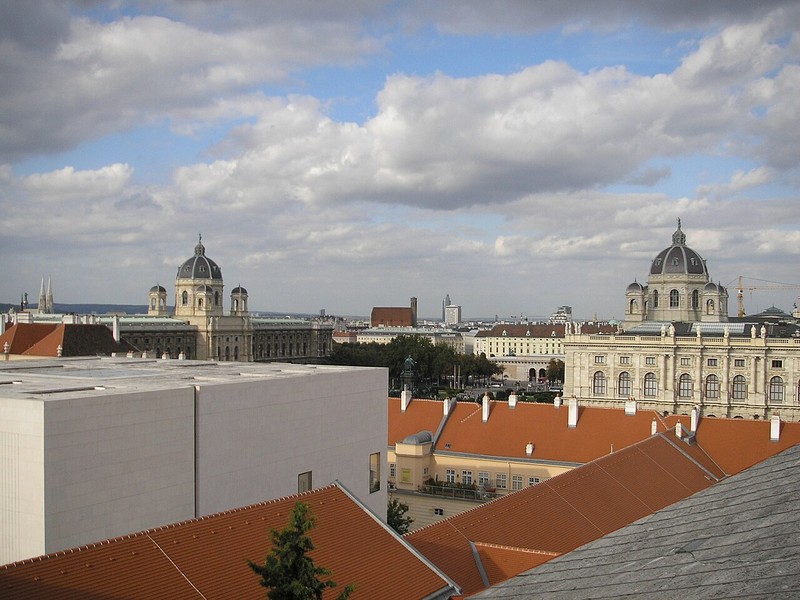
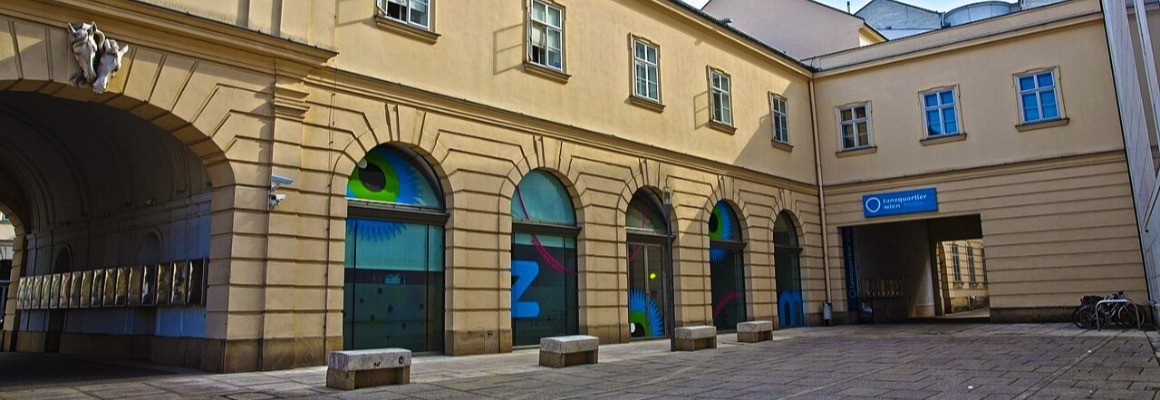
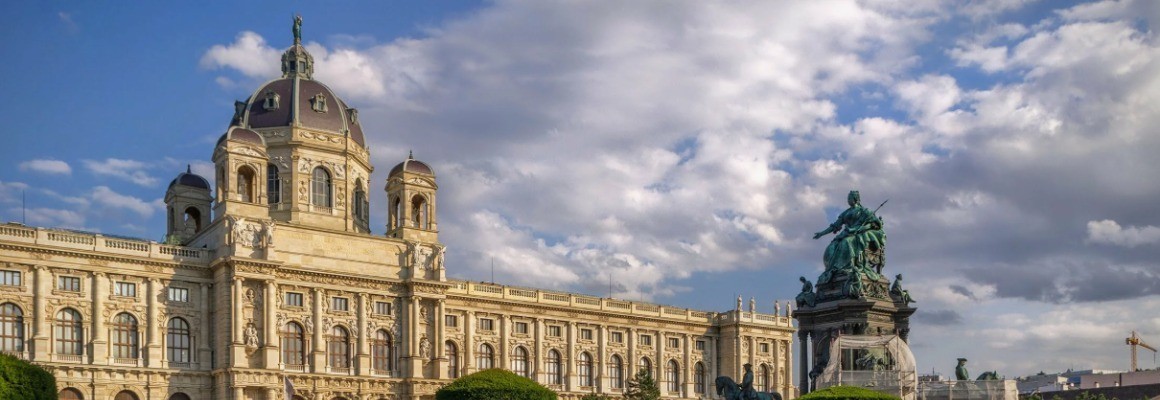
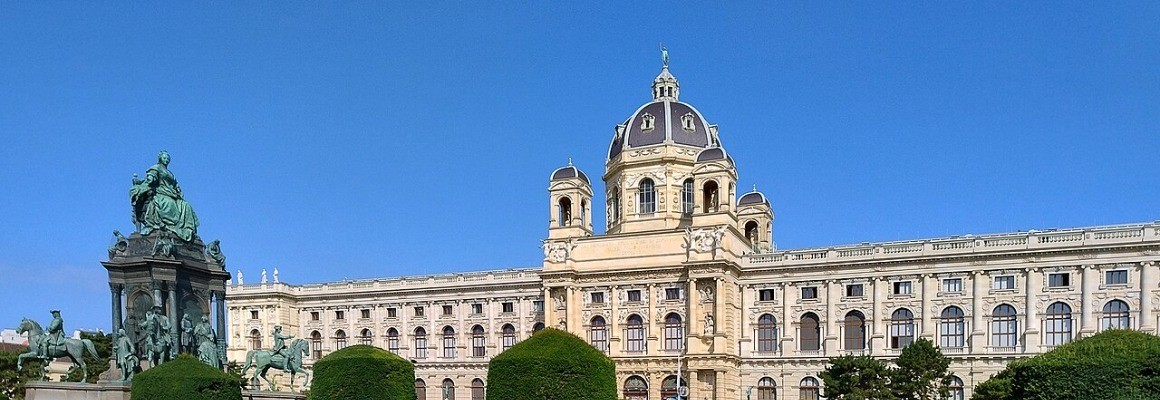
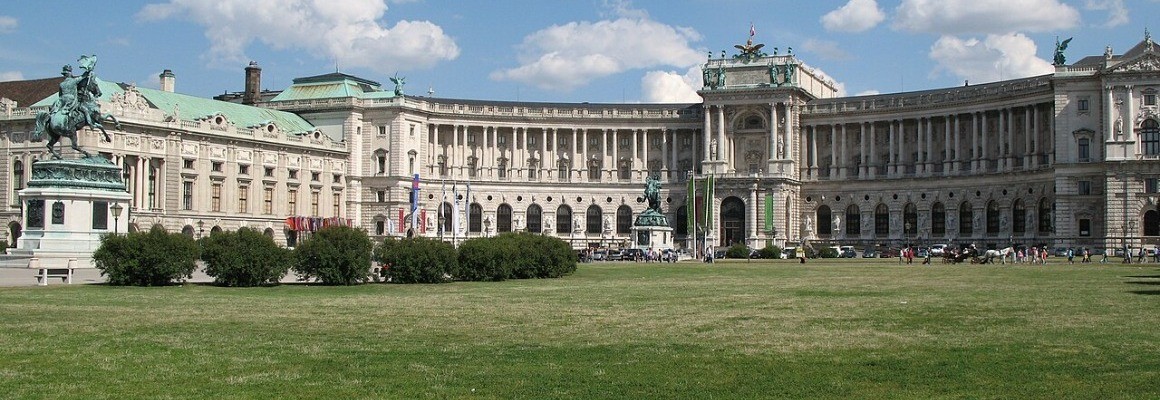
The MuseumsQuartier is also home to the mumok Museum of Modern Art, Kunsthalle Wien and other cultural institutions. Within walking distance are the Kunsthistorisches Museum and the Natural History Museum, located on opposite sides of Maria-Theresien-Platz. You can continue your walk along the Ringstrasse towards the Hofburg.
Visitor tips
Allow several hours to explore the permanent collection, especially if you want to study works by Schiele and Klimt in detail. Check the schedule and entry rules in advance, as opening hours vary and some temporary exhibitions may require separate tickets.
The Leopold Museum is an essential destination for discovering Austrian art and Vienna’s cultural life around 1900. Its collection shows how artists transformed the portrait, landscape, depiction of the human body and the role of art in modern society.
Gallery