

Driving Across Namibia: Hundreds of Kilometers With Almost No People
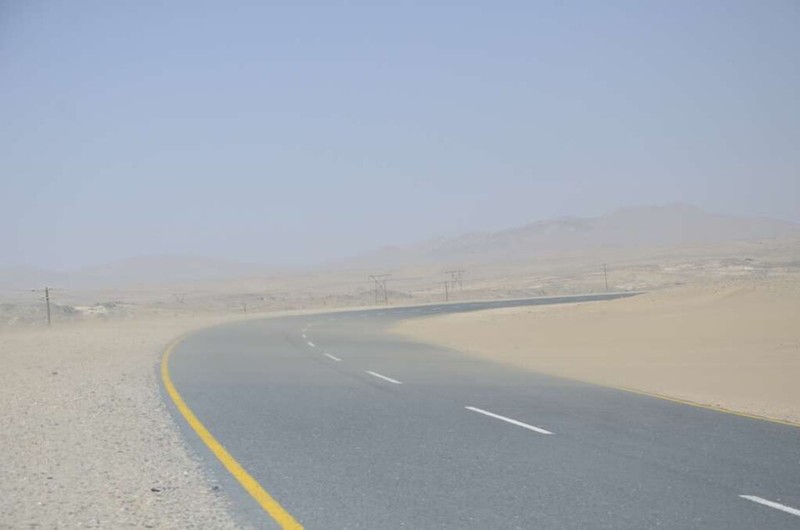
Some journeys are about the road itself rather than the attractions along the way. Namibia became that kind of place for me. I expected deserts, sand dunes and occasional wildlife, but I didn't expect to remember the endless stretches of road most vividly - with almost nothing around except land, sky and a thin line disappearing into the distance.
When nothing changes outside the window for hours
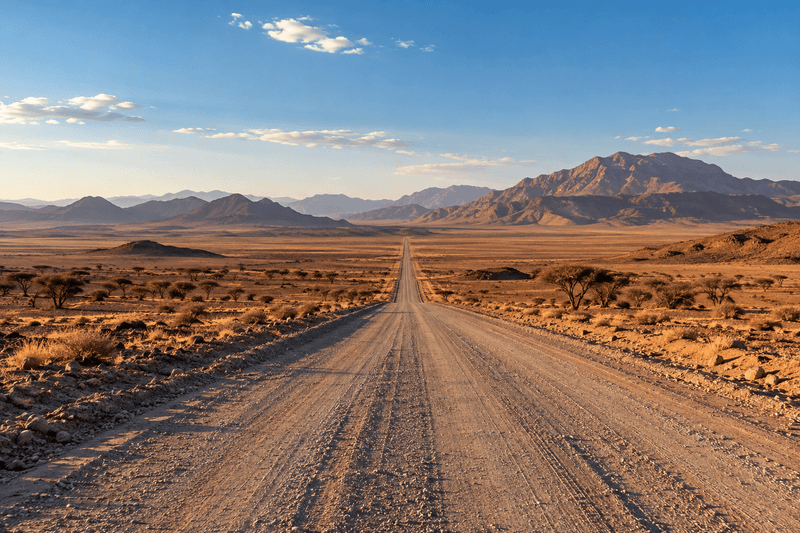
At first, the drive seemed ordinary. We left a small settlement, passed a few houses and soon entered wide-open country. The asphalt gave way to gravel, and dry hills, rocky plains and scattered shrubs stretched out beyond the windows.
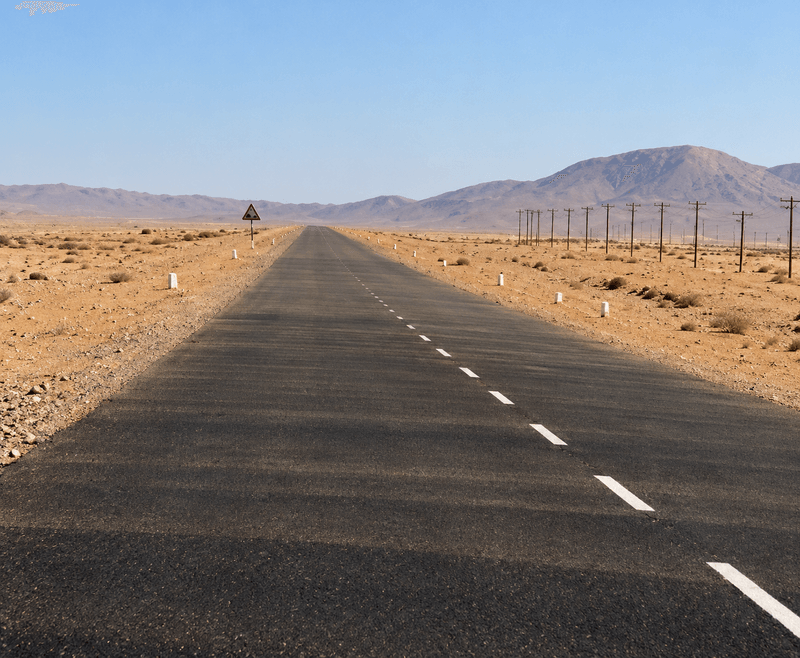
After a while, I realized I hadn't seen an oncoming vehicle for a long time. Mountains occasionally appeared on the horizon, and sometimes the road descended into a shallow valley. But there were hardly any people. Even familiar road signs were rare, and the nearest café or fuel station could be a long way away.
In these conditions, distance feels different. A hundred kilometers looks insignificant on a map, but on a gravel road it becomes a long journey. You cannot simply speed up to reach your destination sooner. You have to watch the surface, avoid loose stones and be ready for unexpected bends.
That was when I understood that in Namibia, the road itself becomes an attraction. You don't need to turn off somewhere all the time. Sometimes it is enough to keep driving and watch the immense landscape change.
The desert turned out not to be empty at all
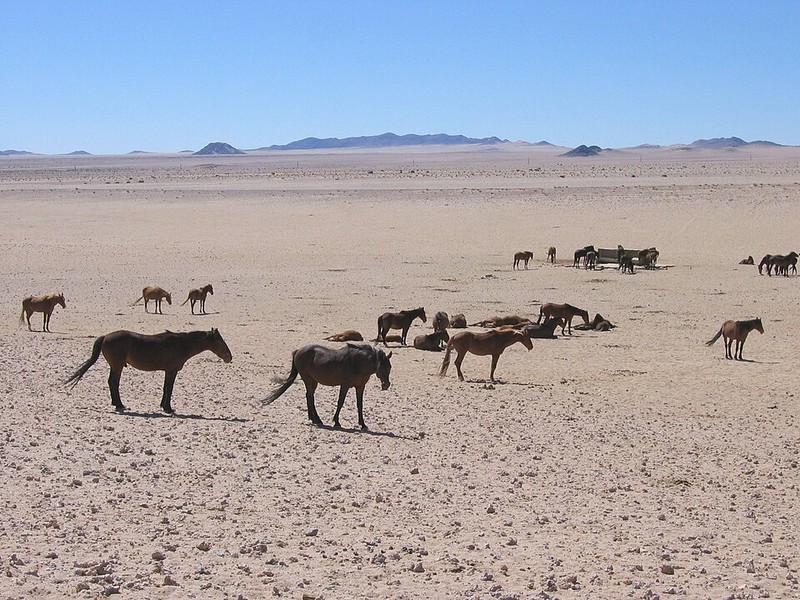
When you think of a desert, you imagine endless sand and an absence of life. But Namibia's landscapes were much more varied. Some stretches were rocky plains; elsewhere, dry riverbeds, low mountains and scattered trees appeared. After rain, even arid areas can briefly turn green.
Sometimes you can spot antelope or other wild animals beside the road. They do not appear on a schedule, which makes every sighting feel like an unexpected gift. You have to look around instead of focusing only on the road. Of course, stop only somewhere safe and never approach the animals.
The changing light is another memorable part of the journey. In the morning, the ground looks cool and grayish. By midday it turns golden, and toward evening the hills and mountains take on reddish tones. Even a familiar stretch of road can look completely different on the return trip.
Eventually, you stop expecting something famous to appear around every bend. In Namibia, beauty often lies in simple things: a lone tree, a long shadow, a cloud above a dry valley or a road disappearing beyond the horizon.
Here you really understand how big the world is
The strongest feeling came when I stopped in a safe place and stepped out of the car. The space around me was so vast that my eyes seemed to have nowhere to settle. There was no city noise, hardly any traffic, and the wind felt like the only sound in the enormous landscape.
A journey like this quickly teaches you the importance of planning. Before a long drive, fill the tank, check your water supply, charge your phone and find out where the next fuel station is. Mobile coverage can be unreliable on some routes, so offline maps are useful. On gravel roads, you also need to consider the surface conditions and drive at a speed that is safe for them.
Yet it is precisely this distance from everyday bustle that makes the journey special. You don't have to keep deciding where to go or what to see. Just follow the road, stop occasionally for a view and let the journey become part of the experience.
I remember Namibia for more than its dunes and famous natural landmarks. What stayed with me were the long drives, dust trailing behind the car, the rare oncoming vehicle and the horizon that seemed to move farther away with every kilometer. Sometimes, all you need for a real adventure is to keep going.

Comments