


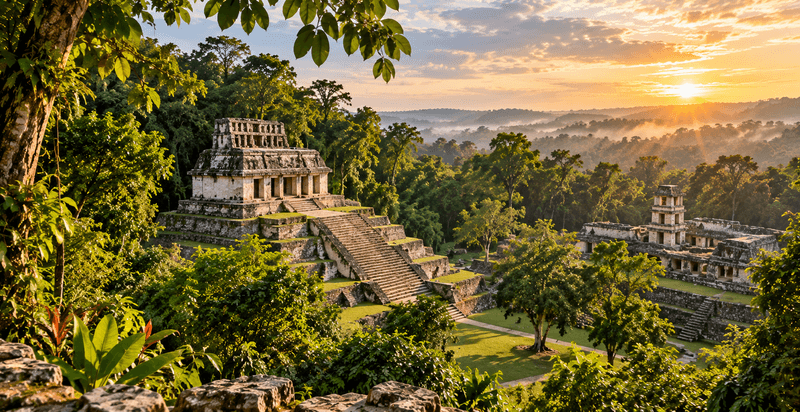
Palenque: Maya Ruins Hidden in the Jungle
When I first saw photos of Palenque, I thought it looked like a place created for an adventure movie. Huge stone temples, moss-covered steps and real jungle all around them. But photographs cannot capture the most important part: the feeling of walking through an ancient city and suddenly seeing another temple appear between the trees.
The Road Ends and the Jungle Begins
Palenque is located in the Mexican state of Chiapas, surrounded by dense tropical vegetation. Even on the way to the archaeological site, it feels different from an ordinary ruins tour. There is greenery everywhere, humid air, birds and the constant sound of the forest.
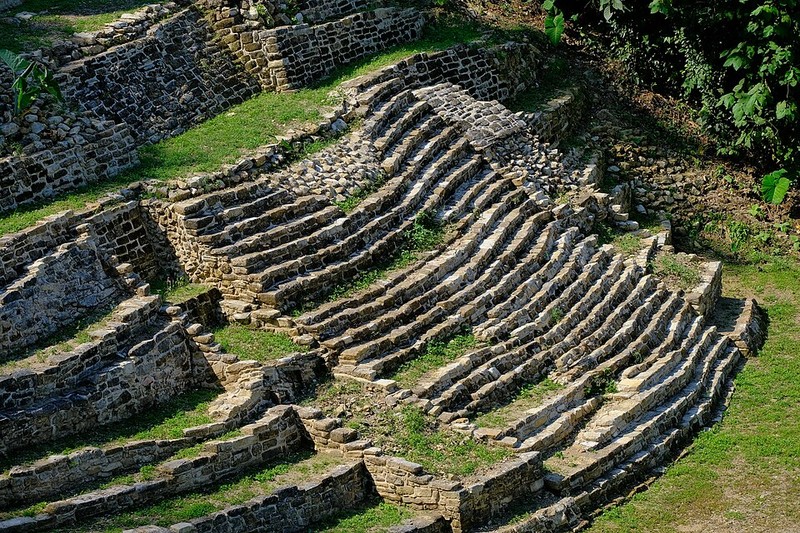
When I entered the ancient city, I simply started walking without following a strict plan. Stone walls, stairways and small plazas appeared between the trees. Many buildings are surrounded by forest, creating the impression that you have not arrived at an archaeological site at all, but have accidentally discovered it in the jungle.
I Was Standing in the City of Pakal
The history of Palenque is closely connected with its famous ruler Pakal the Great, during whose reign the city reached its peak. This is where the famous Temple of the Inscriptions stands, one of Palenque's most recognizable buildings.
In 1952, archaeologist Alberto Ruz Lhuillier discovered Pakal's tomb inside this temple. It was strange to realize that beneath these ancient stones once lay the burial of one of the most famous rulers of the Maya world.
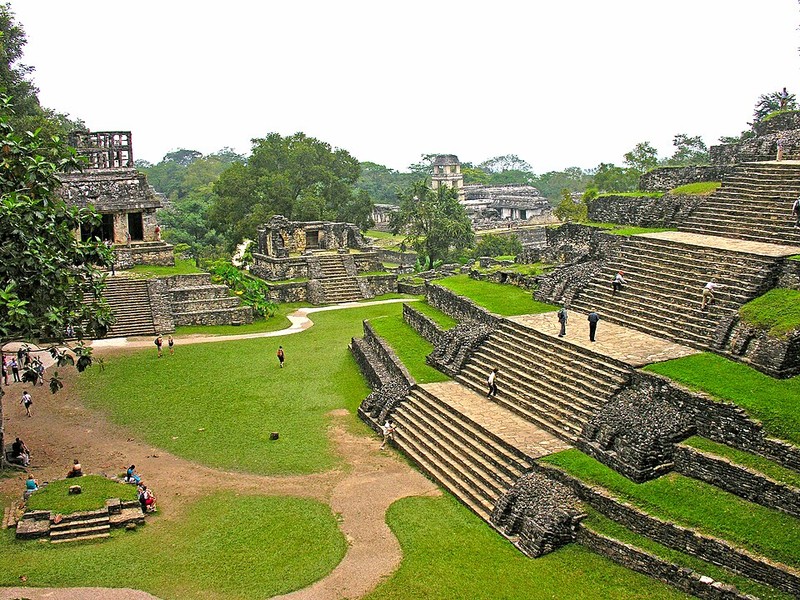
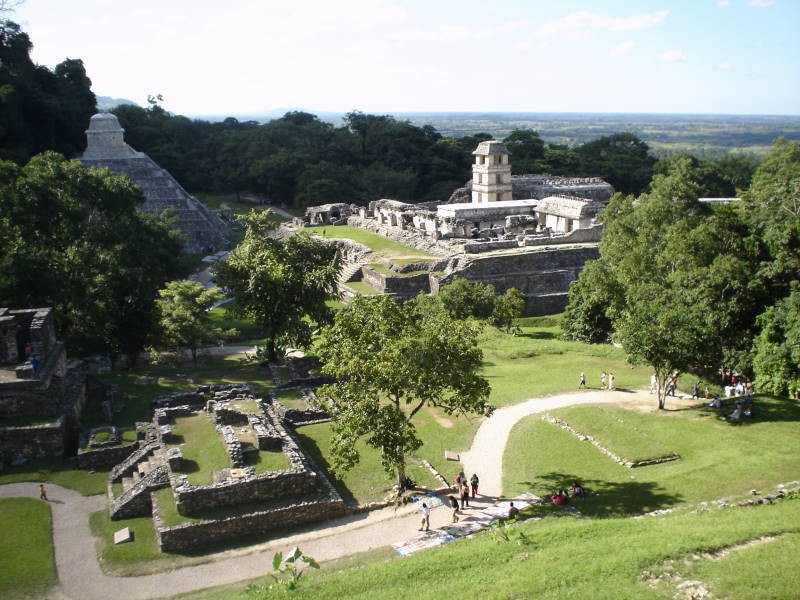
But Palenque is much more than one temple. Nearby stands a huge palace complex with courtyards, passageways and a tower. Farther on are the Temple of the Cross, the Temple of the Sun and other buildings. The farther I walked, the more I understood how large and sophisticated this ancient city must have been.
The Best Part Happens Between the Temples
What I enjoyed most was not even one particular building, but the atmosphere. In one place, a large plaza opens in front of you; a few minutes later, you are walking along a narrow path surrounded by enormous trees. You hear water somewhere in the forest, birds fly overhead and more stone walls appear behind the vines.
Palenque is different from many other famous Maya cities because the jungle is part of the experience. After the ancient city was abandoned around the 9th century, dense vegetation gradually covered its buildings. For centuries, the ruins remained hidden among the forest.
I caught myself slowing down several times. I did not want to simply photograph the temples. I wanted to look at the reliefs, stairways, stonework and the way nature was slowly reclaiming the space around the ancient city.
Was Palenque Worth the Trip?
Absolutely. If you are traveling through Chiapas, Palenque deserves to be high on your list. History, architecture and nature come together here in a way that is difficult to find elsewhere.
For me, Palenque turned out to be much more than another Maya ruin. It is a place where the ancient city is not separated from nature - it is almost swallowed by it. That is exactly why walking here stayed with me much longer than an ordinary archaeological tour.

Comments